Insect Protection
Mosquito and Tick Protection for Hiking: Sawyer Picaridin, Sawyer Permethrin and Thermacell Compared
Three practical insect protection options for hikers and campers, with what controlled testing showed about picaridin lotion, permethrin clothing treatment and a portable Thermacell device.
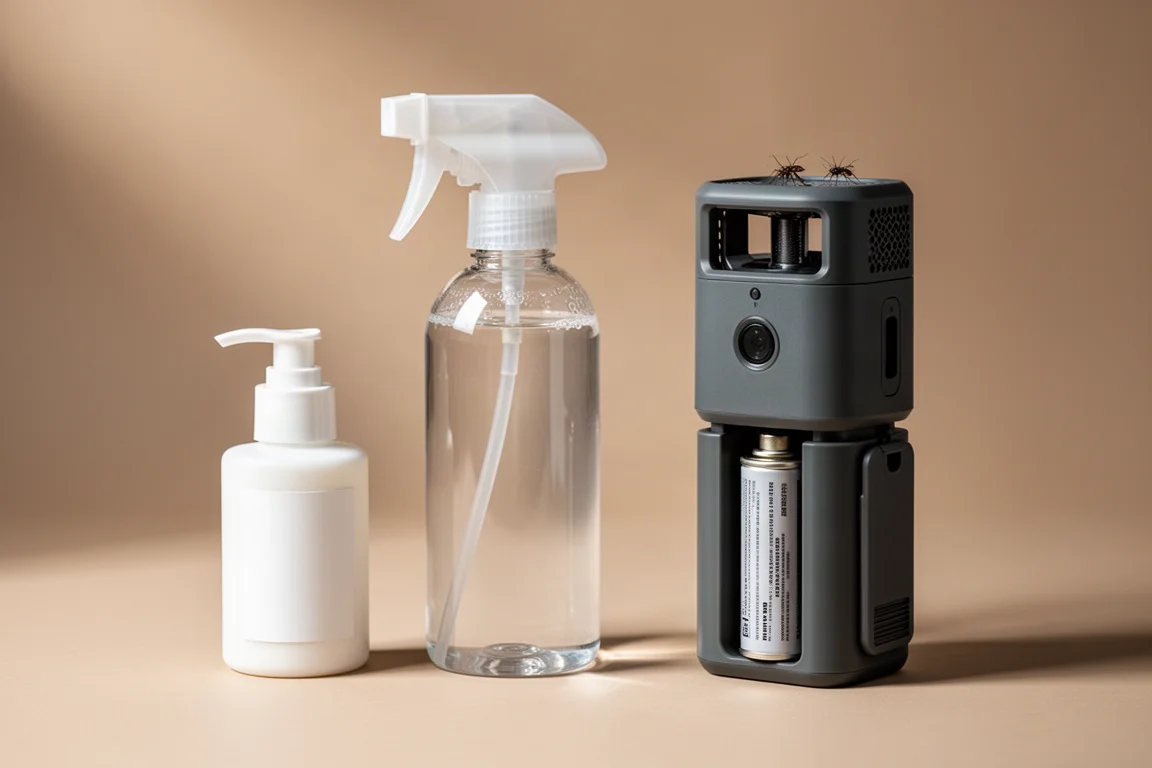
Introduction
Bears, mountain lions and other large wildlife dominate hiking safety conversations, yet the animals responsible for the greatest number of human illnesses worldwide are far smaller. Mosquitoes transmit malaria, dengue, Zika, yellow fever and chikungunya, and in the United States West Nile virus remains a genuine concern while dengue now circulates in parts of the south. Ticks are the main route to Lyme disease, which sickens thousands of people every year.
This guide covers three widely used options: Sawyer Picaridin Lotion, Sawyer Permethrin Spray for clothing, and the portable Thermacell device. Each works in a completely different way, and each has a different set of limits. Two of the three share a manufacturer, which funded independent testing of its repellents while having no say in the results.

The performance figures discussed here come from controlled indoor and outdoor testing against Aedes aegypti, one of the most aggressive mosquito species in existence, following Environmental Protection Agency and World Health Organization procedures, with ticks tested separately. The outcomes were consistently more nuanced than the labels suggest, which is exactly why they are worth understanding before you buy.
What Repellent Labels Really Promise
The EPA defines a repellent very broadly: any product that makes you less attractive to pests. Under that definition, a product that reduces bites by even a single bite can legitimately describe itself as a repellent. Most buyers, meanwhile, read the word as a promise of no bites at all. That gap between the regulatory meaning and everyday expectation explains a great deal of the confusion around insect protection.
Brands cannot make protection claims without statistically reliable test results behind them, so labels tend to describe performance averaged across many species and conditions. A number taken from an average of several mosquito species will not necessarily match what happens against one unusually aggressive species, and it will not necessarily match what happens on your skin on a humid evening.
This matters when you read a claim like 14 hours of protection or 42 days of treated-clothing performance. Those numbers are the ceiling of a broad average, not a guarantee for every situation you will meet on the trail.
Sawyer Picaridin Lotion
Sawyer Picaridin Lotion uses 20 percent picaridin, the lowest concentration that could be found for sale at the time of testing. It is positioned as a less greasy and better smelling alternative to DEET, which remains the reference standard for mosquito repellence.
In controlled testing, the lotion protected against mosquito bites for up to five hours, broadly similar to the performance of a 7 percent DEET product, which held mosquitoes off for about four hours and ticks for about five. That is a strong result for a formula that feels lighter on the skin, and picaridin also appeared to work well against ticks.
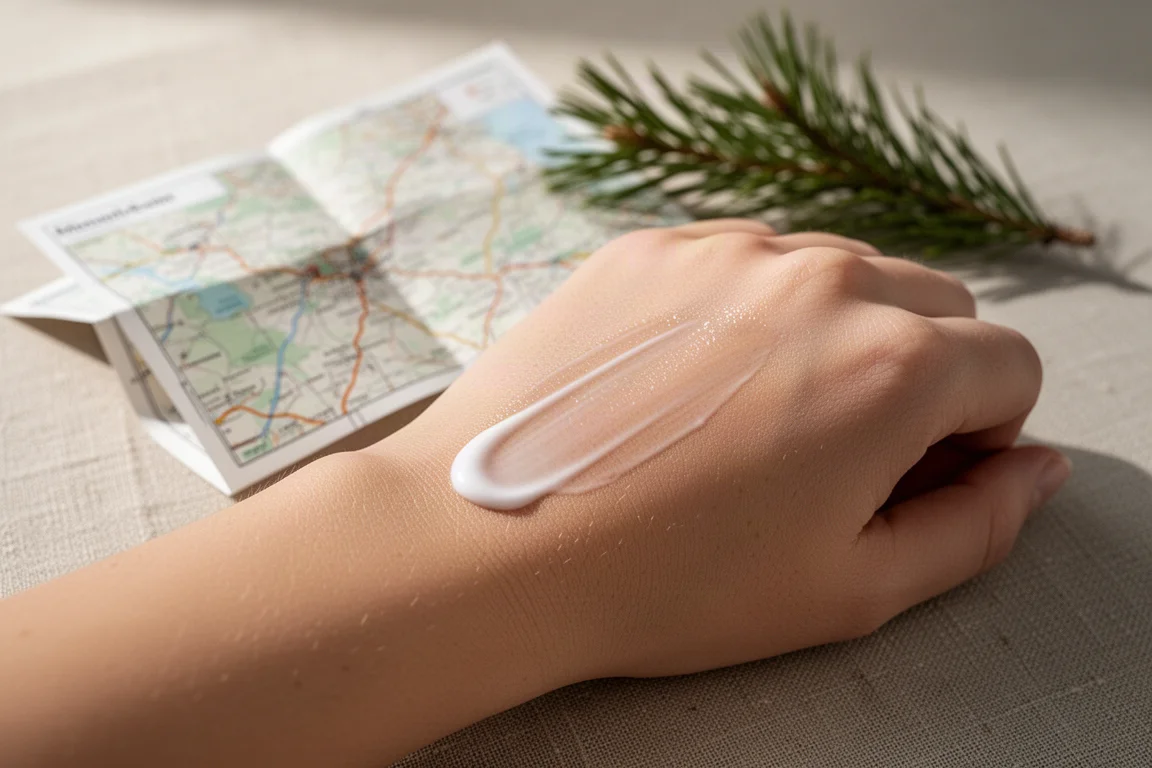
The label on the bottle claims 14 hours of protection against both mosquitoes and ticks. Testing did not confirm that figure for mosquitoes. Tick testing stopped at the eight hour mark because of time constraints, so the longer claim was neither confirmed nor ruled out for ticks. Because the species used in testing is the most aggressive mosquito type known, protection against calmer species may well last longer than five hours. The label advises not exceeding two applications in a single day.
Sawyer Permethrin Spray
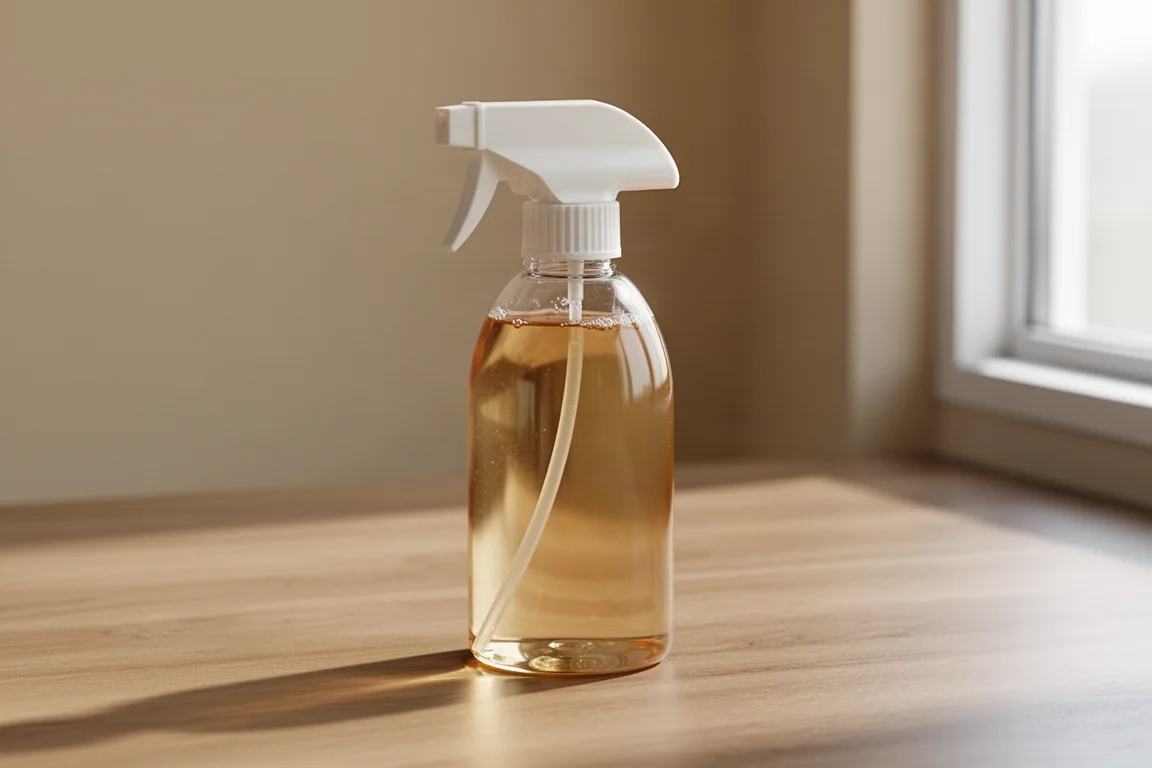
Permethrin works differently from a skin repellent. It is applied to clothing rather than to your body, and the label states that treated garments repel and kill both mosquitoes and ticks for up to 42 days.
In testing, shirts treated at home and a freshly treated control shirt did not prevent mosquitoes from biting and did not stop ticks from crawling up the arm. That sounds like a clear failure, and it is worth knowing before you rely on treated clothing alone. The fuller picture, however, is more interesting: dead mosquitoes were found in the cage after contact with the freshly treated shirt, and ticks that crossed treated fabric were later found dead.
A tick can take an hour or more before it bites and embeds, so permethrin treated clothing has a plausible opportunity to kill ticks before they ever attach. That specific scenario was not measured in this round of testing, so treat it as a reasonable possibility rather than a confirmed outcome. It is also worth noting that testing involved a single host, which makes the results indicative rather than statistically robust.
Thermacell
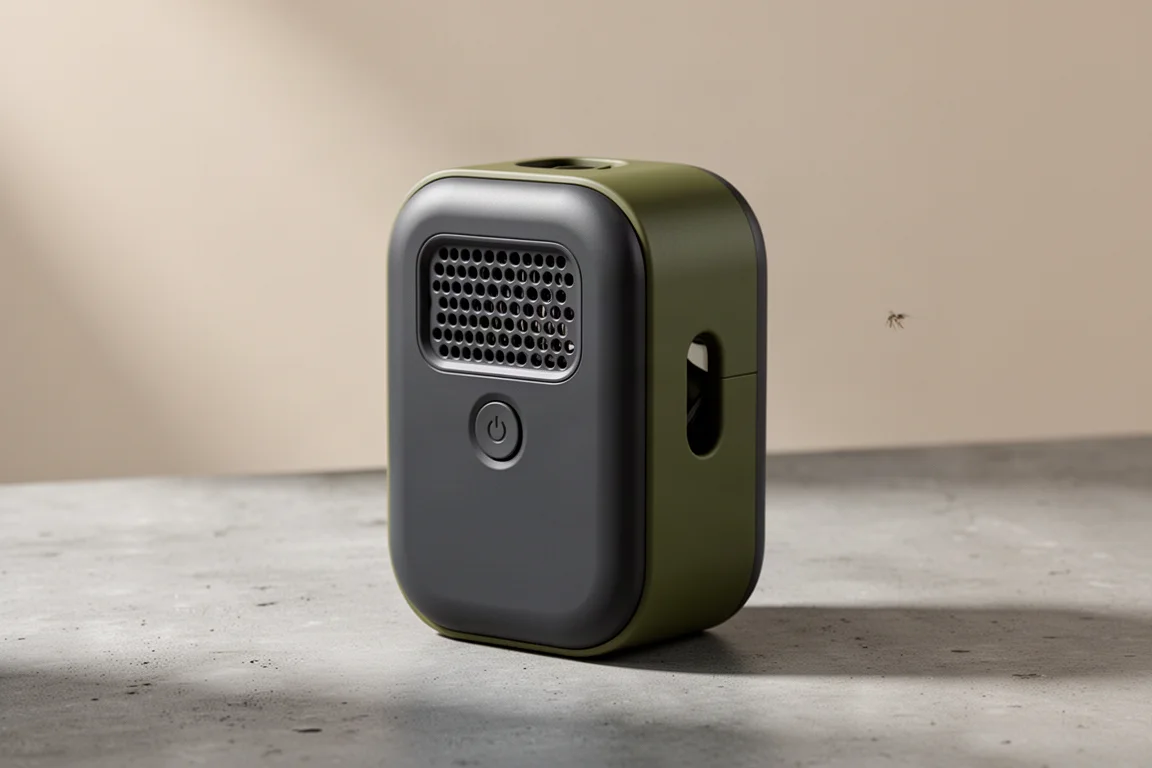
Thermacell takes a third approach entirely. Instead of sitting on your skin or your clothing, the portable device releases an insecticide into the air around it, creating a treated zone over a fixed area. Because it disperses an insecticide, it is designed for outdoor use rather than inside a tent.
Outdoor testing produced a result that is easy to misread. Mosquitoes were not driven away from the device or blocked from approaching. Instead, they became unsteady, flew poorly and eventually dropped dead. The effect took roughly 30 minutes, which matches the time to effectiveness stated on the packaging.
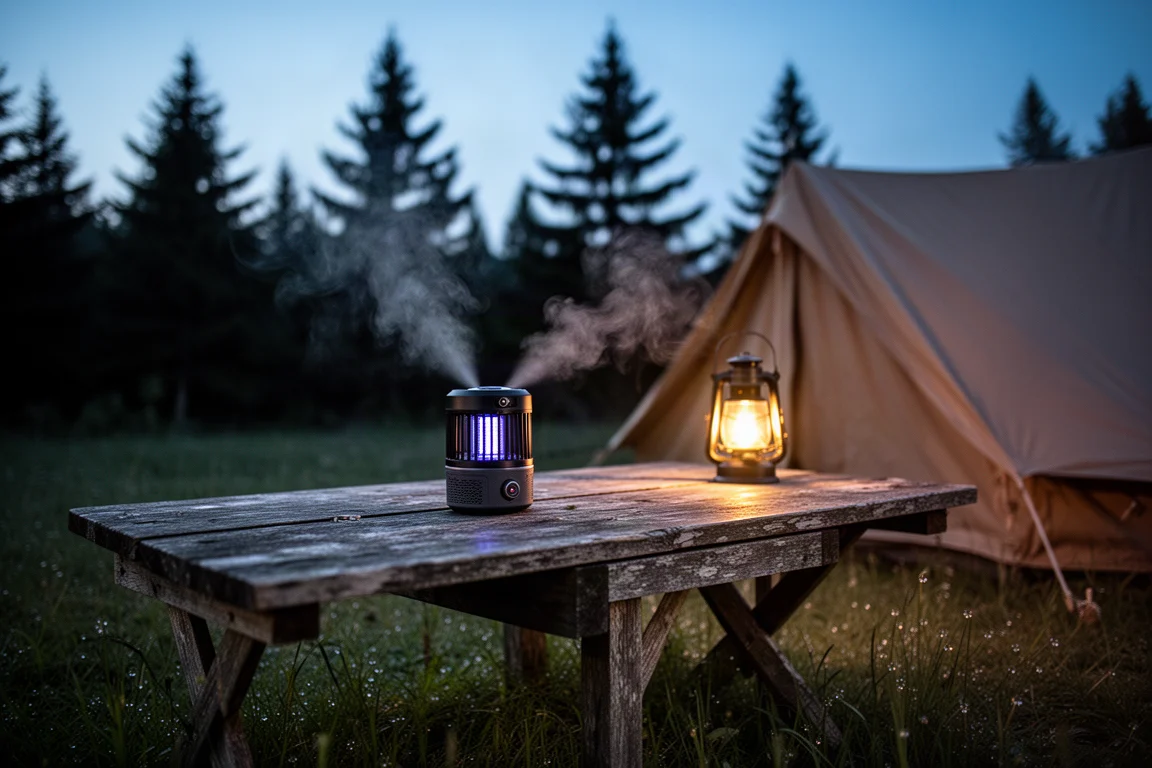
In practice that means the device lowers the number of active mosquitoes around a small area rather than stopping bites on contact. It rewards patience: switch it on, give it half an hour, and the space around your seat becomes noticeably quieter.
Matching Protection to the Trip
The three products are not competitors so much as different tools, and the right combination depends on where you are going and how long you will be out.
For skin, DEET remains the gold standard for mosquito repellence, with a 7 percent formula delivering about four hours against mosquitoes and five against ticks in testing, longer than its own bottle claims. Picaridin lotion is the gentler-feeling alternative with comparable mosquito performance and promising tick results. If you dislike the greasy feel or the scent of DEET-based products, picaridin is the more comfortable daily choice.
Permethrin treated clothing adds a second layer that works by killing rather than blocking, and it is most valuable in tick country or on multi-day trips where constant reapplication is impractical. Thermacell suits a stationary position: a camp chair, a picnic table or the patch of ground where you cook dinner. Combining a skin repellent with treated clothing covers both the bites you can prevent and the insects that reach you anyway.
Practical Buying Advice
Reapplication is the variable that decides how well any of these products performs. Once the initial window of protection fades, repellents tend to keep reducing bites rather than eliminating them, which is the point at which you should reapply rather than assume you are still fully covered. Watch the application limits on the label: picaridin should not exceed two applications in one day, and DEET products advise avoiding over-application.
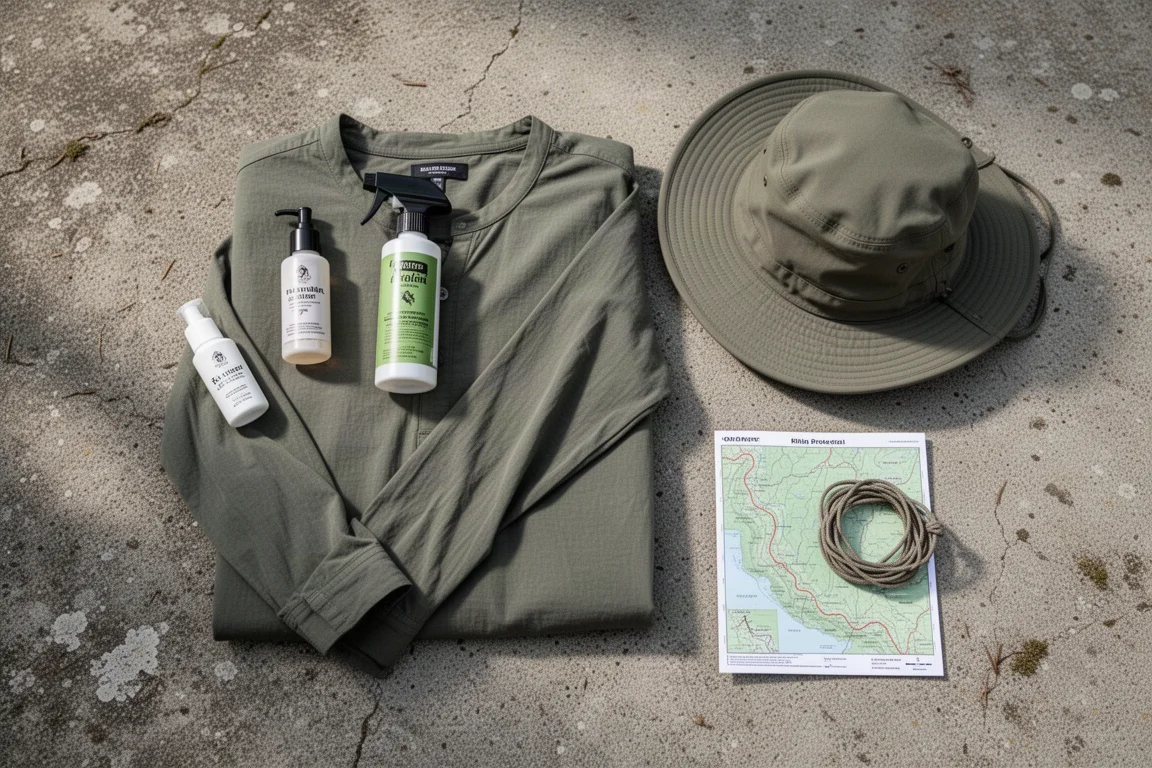
Match the product to the shape of the trip. A short day hike calls for a lotion you can carry and reapply easily. Multi-day backpacking in tick habitat justifies treating clothing before you leave, then topping up with a skin repellent at camp. Car camping or a basecamp evening is where a portable device earns its place, since it works on a fixed area rather than on you.
Finally, read labels with the EPA definition in mind. A product described as a repellent is one that makes you less attractive to pests, not one that guarantees zero bites. Understanding that distinction keeps your expectations realistic and your planning sensible.
Conclusion
Mosquitoes and ticks deserve more attention than the wildlife stories that dominate hiking safety talk, and the three products here each address that risk in a different way. Sawyer Picaridin Lotion delivers solid, comfortable skin protection with a five hour window against an aggressive species. Sawyer Permethrin Spray treats your clothing and demonstrably kills insects that contact the fabric, even though it did not prevent bites in testing. Thermacell clears a small outdoor area over about half an hour, which is ideal when you are sitting still.
Choose by how you will use them: picaridin for skin, permethrin for clothing, Thermacell for a stationary camp. Used together with realistic expectations about what a repellent can and cannot do, they make time outdoors considerably more comfortable.
Further reading
Related Reviews
Insect Protection
Best Mosquito and Tick Protection for Hiking: Picaridin, Permethrin, and Thermacell Compared
Three insect protection products put through mosquito and tick testing, with real protection windows, label claims, and practical guidance on choosing between them.

Backpacking Gear
Building a 10 lb Base Weight: An Ultralight Backpacking Gear List
A practical walkthrough of the ultralight pieces behind a 10 lb base weight, from a 765 g pack and a roomy one-person tent to a full camp chair and a dependable water filter.

Road Bikes
10 New Road Bikes Worth Watching: Aero, Titanium, Steel and Endurance Standouts
A practical roundup of 10 new road bikes, from aero flagships chasing single-watt gains to titanium, steel and endurance platforms built for real roads.