Insect Protection
Best Mosquito and Tick Protection for Hiking: Picaridin, Permethrin, and Thermacell Compared
Three insect protection products put through mosquito and tick testing, with real protection windows, label claims, and practical guidance on choosing between them.
Introduction
Ask a group of hikers what worries them on the trail and the same answers tend to come up: wild animals, other people, and injuries. Those concerns are real, but they are not the ones that cause the most harm. The mosquito is the deadliest animal in the world, largely because of the diseases it transmits, including malaria, dengue, Zika, yellow fever, and chikungunya. Malaria is linked to roughly half a million deaths a year, most of them children, and dengue is linked to around 25,000 child deaths a year with millions more falling seriously ill. For comparison, bears kill fewer than one person a year and mountain lions kill roughly one person every five years.
Not all of that risk sits overseas. Dengue now circulates in the southern United States, including Florida and South Texas, with a risk that it could become established further west. West Nile virus remains a genuine concern across the country. Ticks carry a separate set of risks, most notably Lyme disease, which sickens thousands of people in the United States every year. Mosquitoes do not transmit Lyme disease, which is why any protection plan worth trusting has to address both.
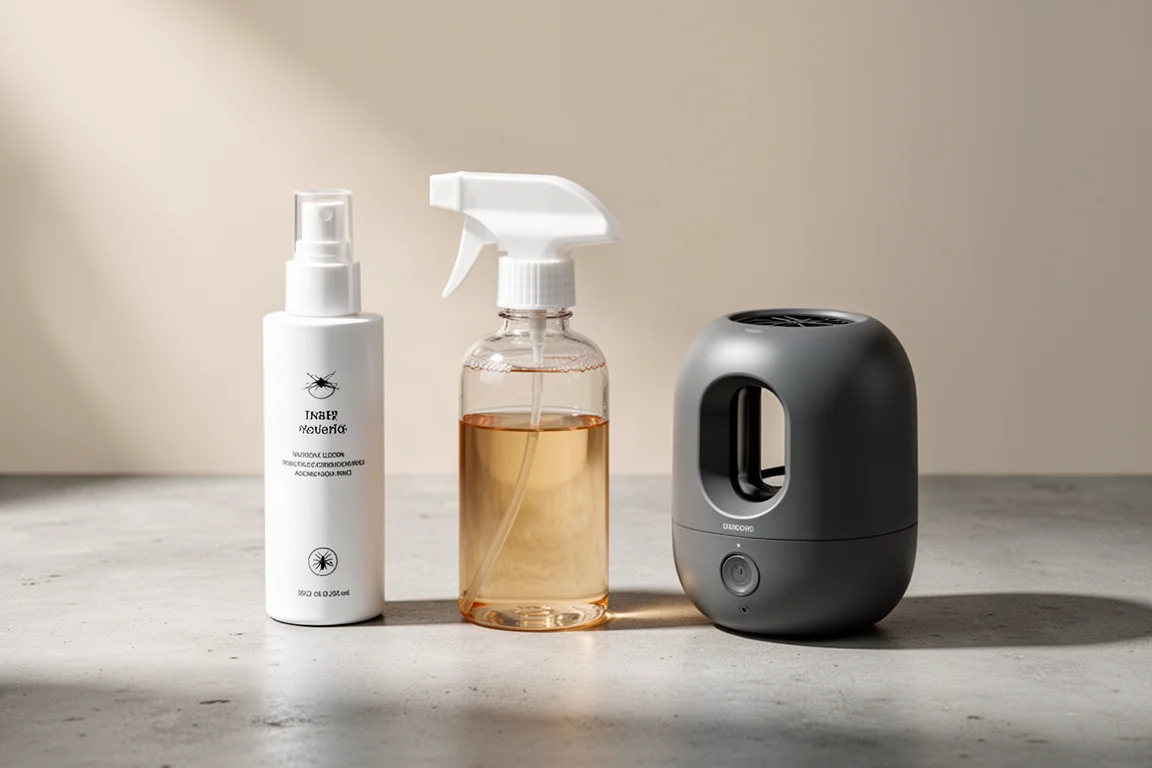
This guide covers three products evaluated against mosquitoes and ticks under procedures based on EPA and World Health Organization guidelines: a 20% picaridin lotion, a permethrin clothing spray, and a portable area device.
How the Testing Was Set Up
Testing was carried out with entomology researchers at New Mexico State University’s mosquito research laboratory and followed procedures based on EPA and World Health Organization guidelines. Two of the products covered here are made by Sawyer, which funded the testing but had no say in the results.
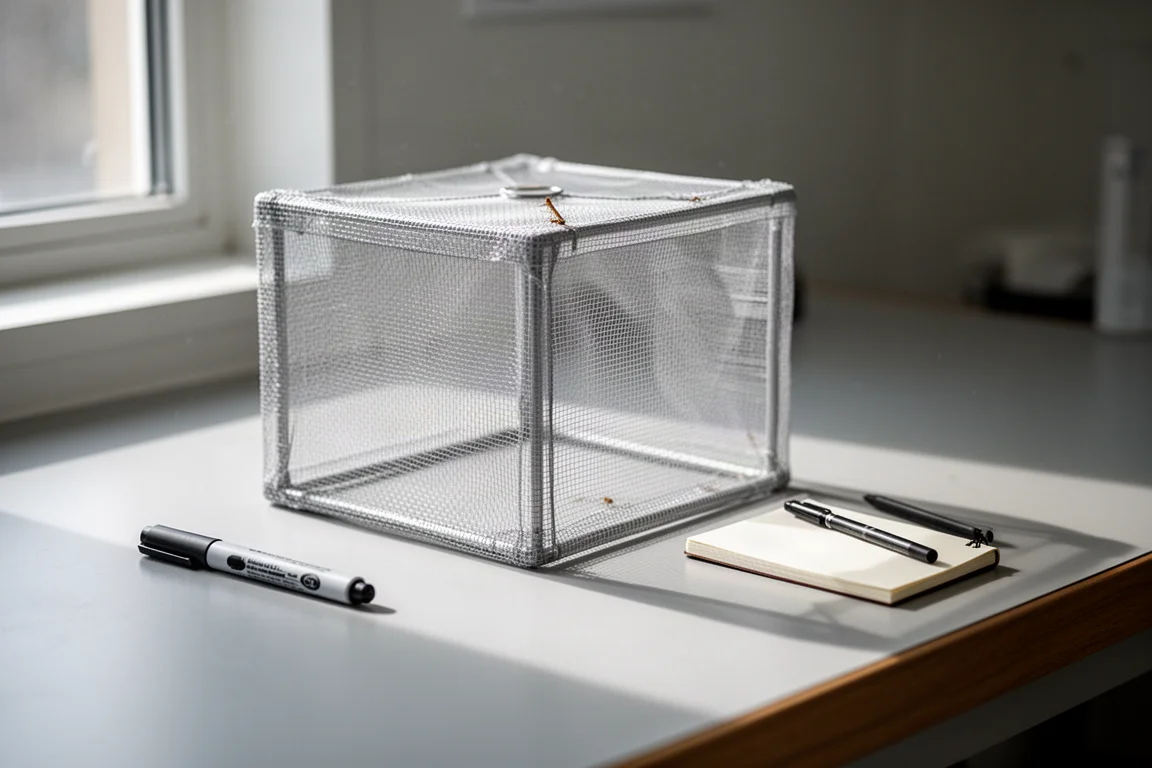
The mosquito test used a 12-inch cube holding 2,500 female mosquitoes with an opening for an arm. A glove limited the exposed biting area to 3.5 inches. An untreated arm went in first as a control, then the treated arm was exposed for five minutes every hour until a bite occurred. A single bite was not enough to end the test. A second confirmed bite within 30 minutes was required before protection was considered to have failed.
The tick test was more direct. Four lines were drawn on a forearm with a marker. Ticks were released between the first and second lines, an area left untreated, while the skin above the second line carried the product being tested. At least five ticks were applied every hour until one crossed the treatment line by more than 2 cm. If two ticks crossed within 30 minutes of each other, the product was judged to be no longer working.
One limitation applies to everything that follows: a single host was used across all of the tests, which is not a statistically reliable sample size. More dependable results would require multiple hosts and multiple species of both mosquitoes and ticks. For reference, 7% DEET, the lowest concentration available on the market, protected against mosquitoes for four hours and against ticks for five, roughly two to three hours longer than the bottle claims. Read the numbers below as directional rather than definitive.
Sawyer Picaridin Lotion: Solid Tick Performance, Shorter Mosquito Window
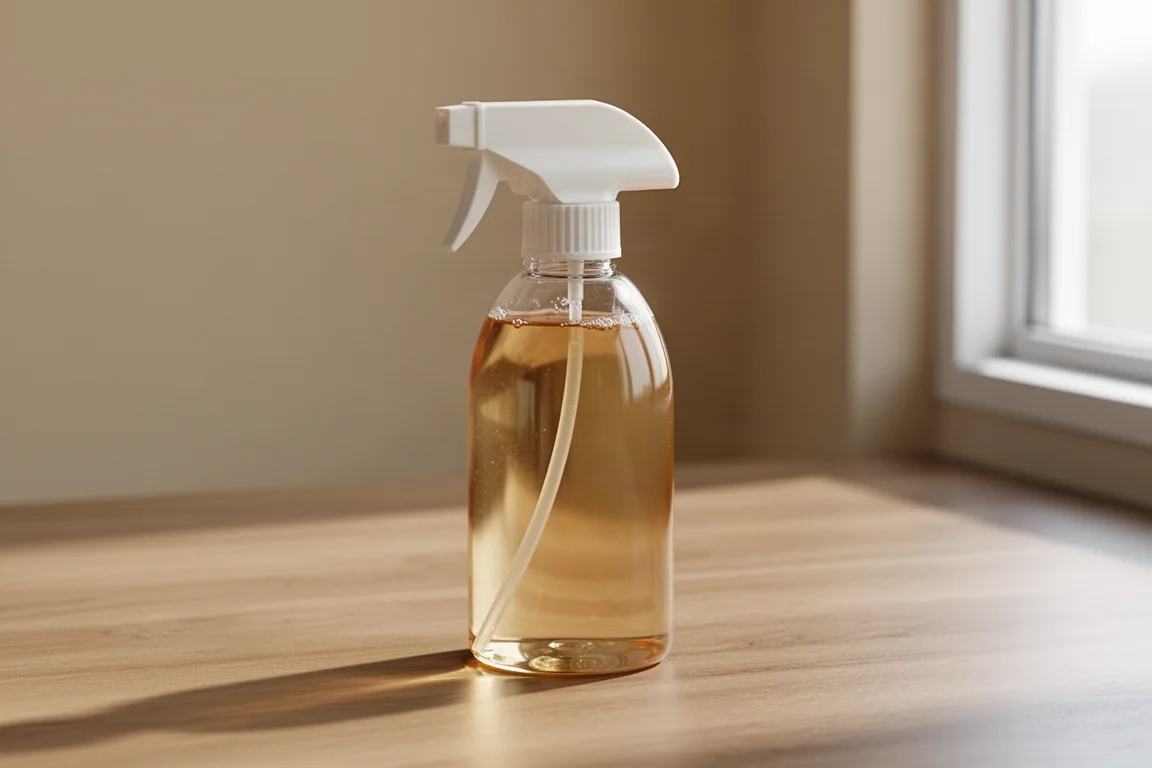
The picaridin lotion tested contained 20% picaridin, the lowest concentration available for sale at the time. It is positioned as a less greasy, better smelling alternative to DEET, and that positioning holds up in use.
Against mosquitoes it delivered up to five hours of protection, close to the four hours recorded for 7% DEET. The test ended around the five hour mark when two confirmed bites landed within about five minutes of each other. Tick testing continued to eight hours before stopping for time, and the lotion was still holding at that point, so its true tick limit was never established.
The label claims 14 hours of protection against both mosquitoes and ticks, which the mosquito testing did not support. That figure is drawn from an average across eight mosquito species, not all of which are as aggressive as the species used here. The manufacturer’s position is that strong performance against Aedes aegypti, the most aggressive species in the group, should translate into longer protection against less aggressive species.
Two practical points matter. Picaridin kept the most aggressive mosquito species in existence from biting for up to five hours, which is a meaningful result. And the label says not to exceed two applications in a single day, so there is a ceiling on how far one bottle can be stretched.
Sawyer Permethrin Spray: Kills Pests but Does Not Stop Bites
Permethrin is applied to clothing and gear rather than skin, which makes it a different kind of tool. The label states that treated clothing repels and kills both mosquitoes and ticks for up to 42 days.
In testing, four treated shirts failed to prevent mosquito bites and did not stop ticks from crawling up the arm. That included a shirt treated less than a week earlier and never washed, and it held true for a shirt treated fresh on site.
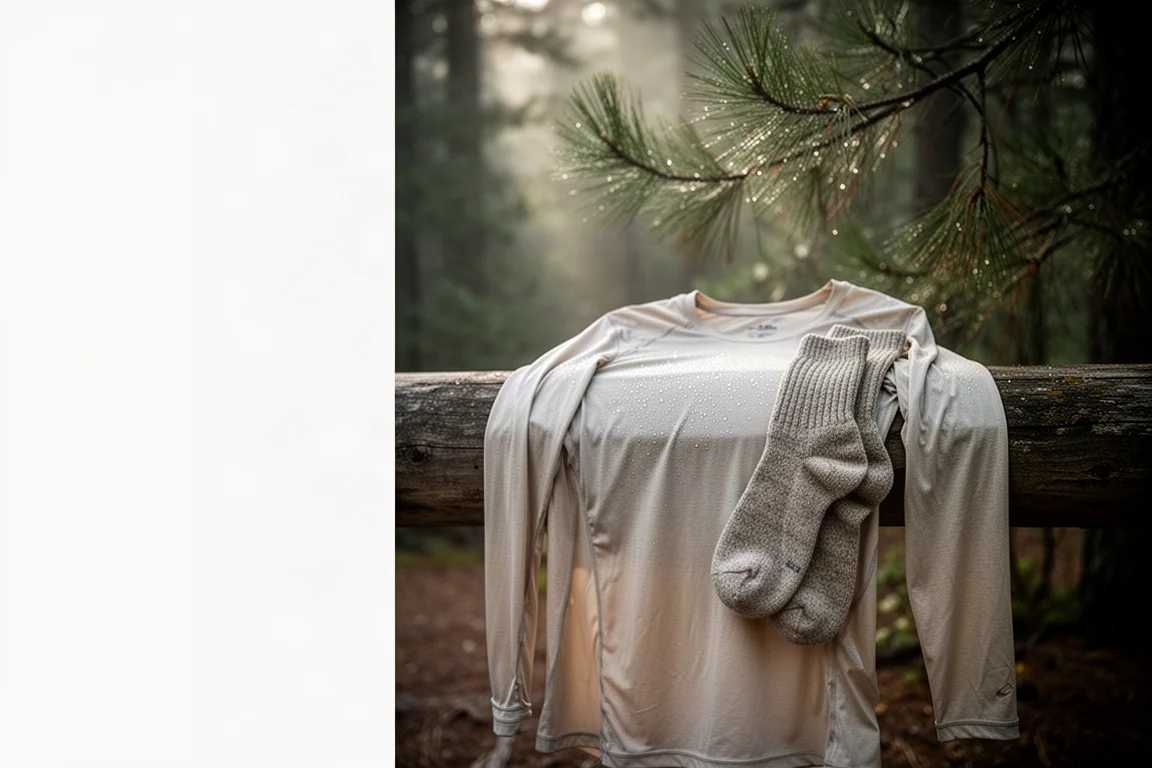
What permethrin did do is kill. The freshly treated shirt left at least eight dead mosquitoes in the cage after exposure, and ticks that crawled across treated fabric were later found dead. Mosquitoes are skip feeders, meaning they bite, fly off, and return for a second or third bite, but one that contacts permethrin is unlikely to come back. A tick can take an hour or more before it bites and embeds, so treated clothing may kill ticks before they attach, although that specific outcome was not tested here.
The distinction is worth holding on to: permethrin can reduce the number of pests around you and kill what it touches, but it should not be relied on to stop a mosquito from biting in the first place.
Thermacell: Area Control With a Delay
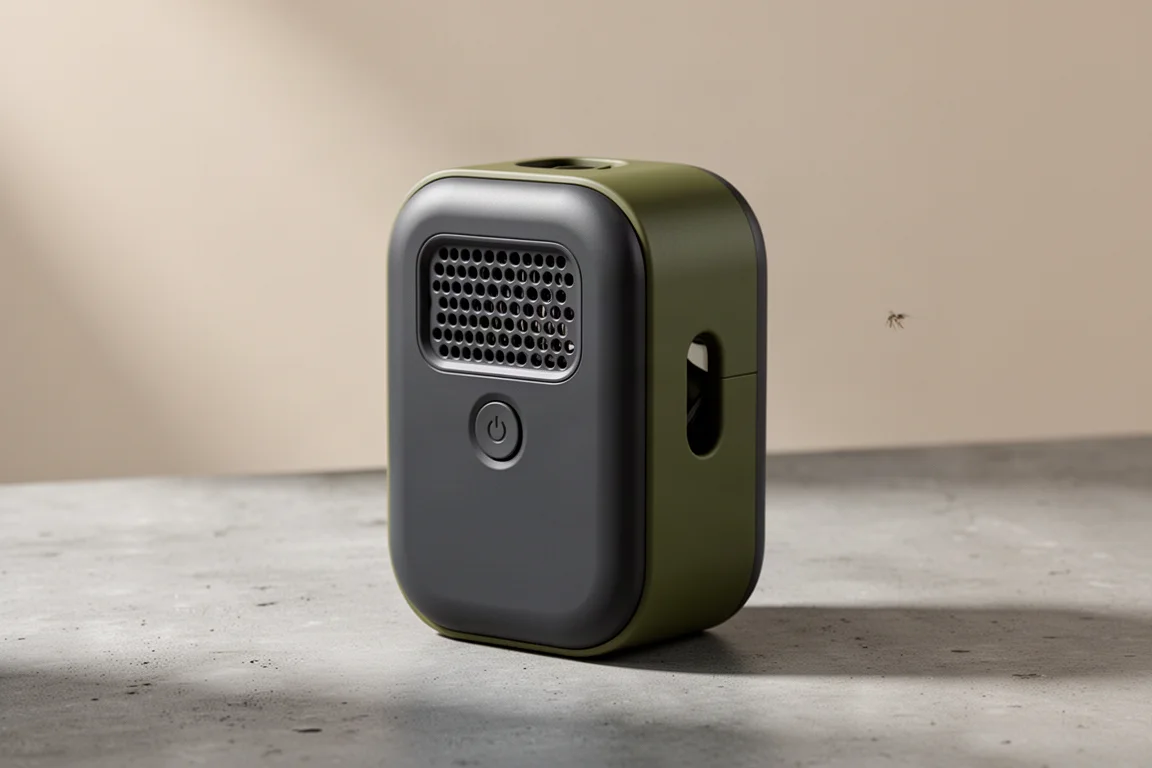
Thermacell devices work differently again. Rather than being applied to skin or fabric, the unit releases an insecticide into the surrounding air, which is why it cannot be used indoors around a laboratory colony and was tested outside.
The outdoor setup placed the device between the tester and a tube of mosquitoes divided by a barrier. If the mosquitoes flew toward the device, it would mean the unit was not repelling them. If they turned away once it was switched on, it would mean the unit was working.
They never turned away. Instead they became sluggish and disoriented before dropping dead, roughly 30 minutes after the device was switched on. That timing matches the packaging, which states the unit needs about 30 minutes to become effective. Thermacell does not instantly repel mosquitoes, but it does make it harder for them to fly and eventually kills them.
In practice that makes it a camp tool rather than a trail tool. It reduces mosquito activity in a fixed area around a seated position, and it needs a head start before that area becomes noticeably clearer.
What Repellent Claims Actually Mean on a Label
The gap between what these products did and what their labels promise comes down to definitions. A repellent, as most people understand it, means no bites. The EPA defines a repellent as any product that makes you less attractive to pests. Under that broader definition, a product that reduces bites by even one could be described as making a person less attractive.
That explains a great deal. Products cannot make claims without statistically reliable test results behind them, and the claims themselves are written to a standard wider than the everyday meaning of the word. A repellent that has stopped delivering zero bites can still be reducing how many bites you take.

The practical takeaway is to expect a window of strong protection followed by a period of partial protection, and to plan for reapplication rather than assuming one application covers a full day on the trail.
Choosing the Right Combination
No single product in this group covered everything. DEET remains the reference standard for keeping mosquitoes off skin. The 20% picaridin lotion matched 7% DEET against mosquitoes for a similar stretch and held up well against ticks through eight hours of testing, with a lighter feel and less odor. Permethrin adds a killing layer on clothing and gear without touching skin. Thermacell reduces pest numbers in a fixed area once it has had time to work.
Layering is the sensible approach for a serious trip: a skin repellent for exposed skin, treated clothing as a second layer, and an area device for camp. The skin repellent is what prevents bites. The other two reduce how many pests are around you and how many survive contact.
Reapplication and Practical Limits
Reapplication is where expectations need managing. The picaridin label limits use to no more than two applications in one day, and DEET labels advise against over-application, so there is a practical ceiling on how long a single product can carry you.
Repellents that have fallen short of zero bites are still likely to be reducing bites, which means the sensible move is to reapply when the strong protection window ends rather than waiting for bites to confirm it has stopped working. On a long day, that also argues for combining methods instead of leaning on one bottle.
One caveat is worth repeating. All of the testing described here used a single host, and the results are best read as an indication of relative performance rather than a fixed protection time you can count on in every condition. Mosquito pressure, species, sweat, and activity level all shift the numbers.
Conclusion
The most dangerous animal on the trail is the one most hikers overlook, and the products that address it do different jobs. A 20% picaridin lotion is a reasonable everyday choice for skin, particularly for anyone who wants something less greasy than DEET and values tick protection. A permethrin spray is worth adding for clothing and gear, provided you understand that it kills rather than prevents bites. A Thermacell unit earns its place at camp, where a fixed area and 30 minutes of lead time are available.
Chosen together, they cover exposed skin, clothing, and the space around you. That is a more realistic approach than expecting any single product to deliver a bite-free day.
Further reading
Related Reviews

Backpacking Gear
Building a 10 lb Base Weight: An Ultralight Backpacking Gear List
A practical walkthrough of the ultralight pieces behind a 10 lb base weight, from a 765 g pack and a roomy one-person tent to a full camp chair and a dependable water filter.

Road Bikes
10 New Road Bikes Worth Watching: Aero, Titanium, Steel and Endurance Standouts
A practical roundup of 10 new road bikes, from aero flagships chasing single-watt gains to titanium, steel and endurance platforms built for real roads.
Bikepacking Gear
11 Bikepacking Essentials for Long-Distance Cycling
Eleven bikepacking essentials for long-distance cycling, from a steel gravel frame and a two-person tent to helmet lights, packable gloves, and a frame bag that puts weight in the right place.