Camping Tents
Morning Star Double-Decker Tent Review: A Roomy, Unusual Three-Season Shelter
A two-piece tent with an 88-inch floor, taped seams, quality zippers, and a front door that becomes an awning, plus the waterproofing questions still left open.
Introduction
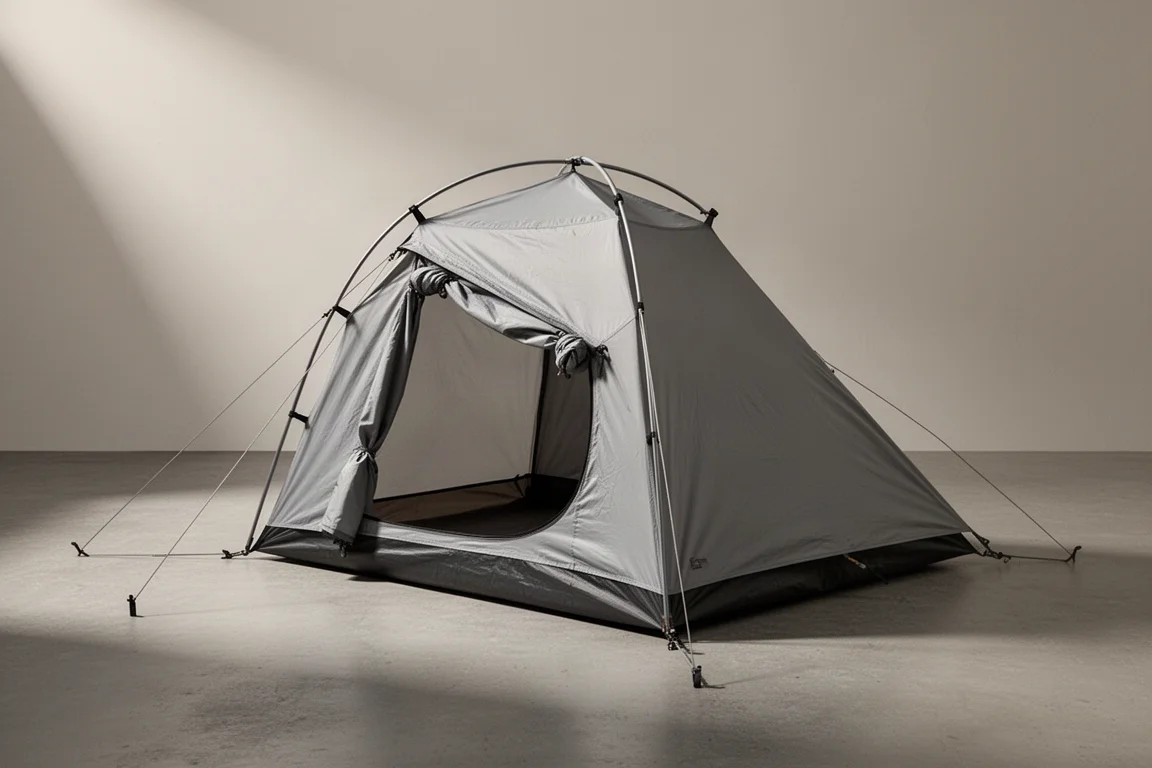
The Morning Star double-decker tent is a two-piece shelter that looks unlike most tents at its price. The product listing describes it as a spacious double-decker design for family and friends, but the physical tent is a compact three-season model built from an inner body and a separate fly, with one large arched pole spanning the top and a rear panel that opens into an unusually big vent. It sells for around $122 and took roughly 12 days to arrive after ordering.

Two things stand out once it is pitched. The first is the silhouette: one wall rises steeply while the opposite wall slopes gradually toward the ground, giving the tent a distinct wedge-like profile. The second is floor length. At 88 inches end to end, the tent is far longer inside than its footprint suggests.
Who This Tent Is For
This is best understood as a solo shelter. The floor is 36 inches across, so one person plus a sleeping pad, a duffel, and some cooking gear fits comfortably. Two adults would be shoulder to shoulder with heads pressing against the mesh on both sides, which is not a realistic arrangement for a night’s sleep.
The design suits campers who want a fully enclosed, bug-free interior for dry three-season conditions, and who like the idea of converting the front door into a covered porch. Anyone shopping for a genuine two-person tent, or for a shelter intended to handle sustained heavy rain, should read the waterproofing notes further down first.
Main Strengths: Interior Space and Ventilation
The interior measures 88 inches long, 36 inches wide, and 37 inches tall at the highest point. Because the walls angle inward toward the top, usable headroom is concentrated along the center line, which is normal for this shape but worth knowing if you like to sit up while dressing.
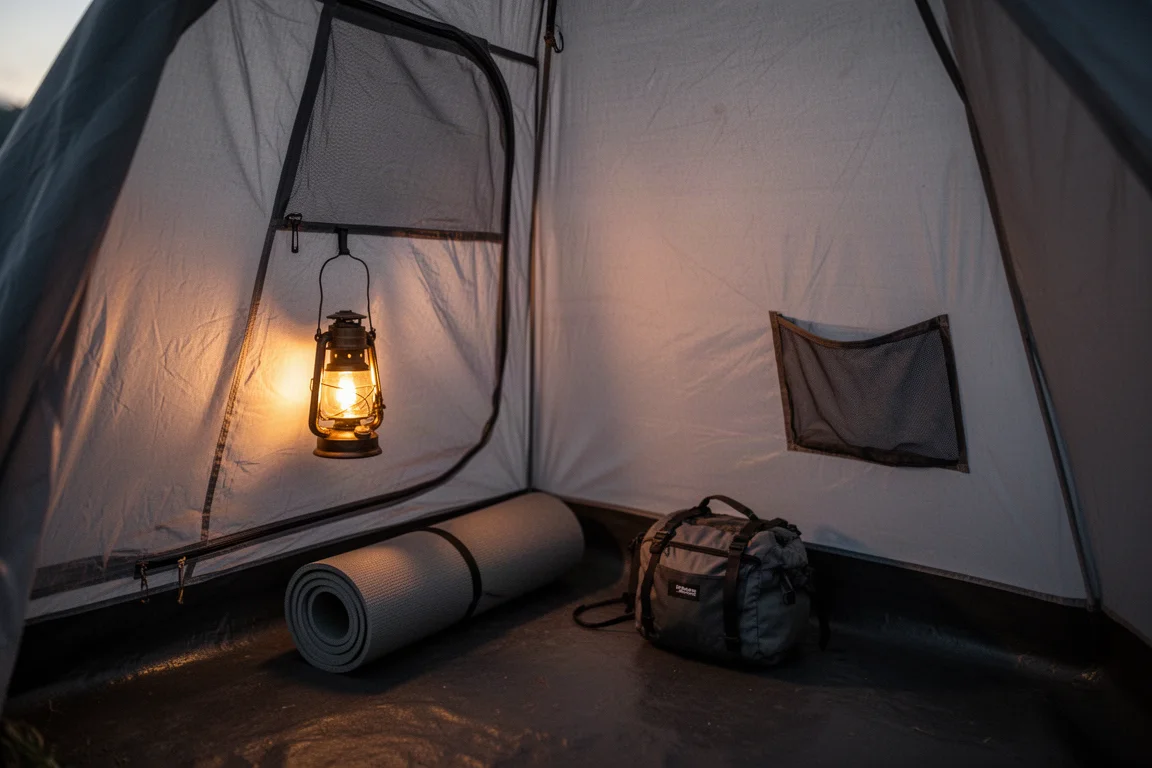
Inside, the floor uses a bathtub design and the seams are fully taped. There is a hook at the peak for a lantern or a small hanging item, plus one mesh pocket for a phone or headlamp. Ventilation is one of the tent’s stronger arguments: two front vents, each held open by its own internal pole, together with the large rear vent, should keep condensation manageable on cool nights.
Materials, Zippers, and Build Quality
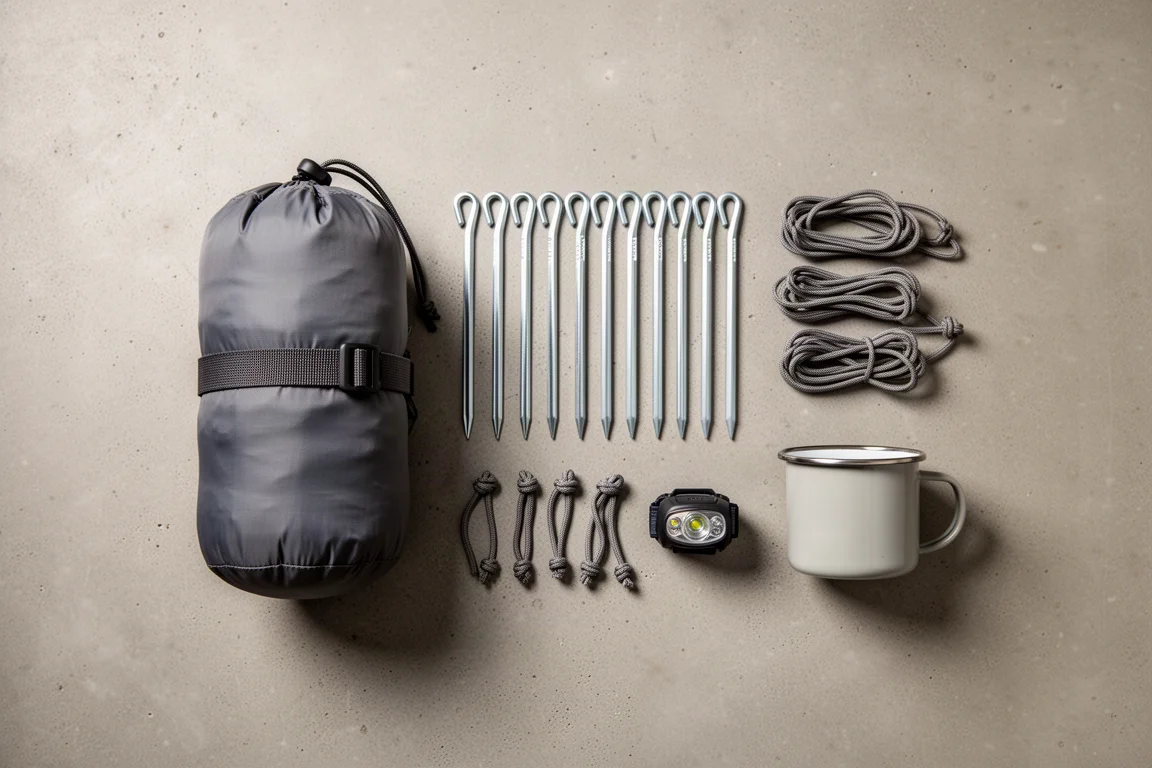
The tent uses nylon and polyester fabrics with SBS zippers, a solid choice at this price point that run without catching. Stitching is tidy with no loose threads visible, and the seam tape sits flat along the interior seams. The package includes an aluminum pole set, four guy lines, and 14 stakes. The stakes feel lightweight and a little cheap in the hand, but they are serviceable on standard ground.
The storage bag is generously sized, so the tent goes in and out without a wrestling match. It has two grab handles, a center zip, and a compression strap across the top.
Setup Options: Standard Door and Awning Mode
Pitching is a two-piece process: the inner body goes up first, then the fly. A single large arched pole spans the top, and the center of the tent clips to it, which keeps the structure simple and quick to raise and to take down.
The front door carries two zippers, and those two zippers explain the asymmetric shape of the tent. Roll the door back one way and you get a very wide, easy entry with a huge opening. Run two of the guy lines to the door instead and the panel lifts into an awning, with enough sheltered space underneath for a chair and a small table.
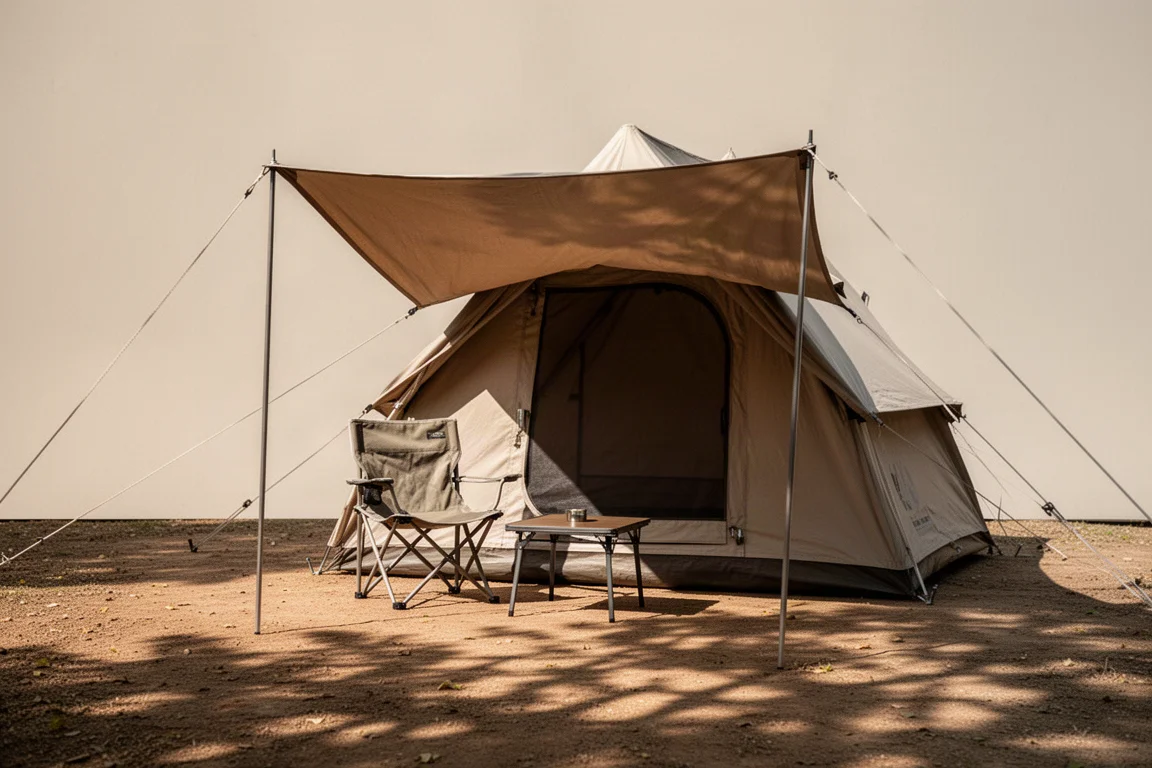
Tying the guy lines with slip knots makes switching between the two configurations fast, which matters when weather is shifting and you want to change the shelter without unpacking everything.
Things to Consider Before Buying
Waterproofing is the open question. The listing claims the material is waterproof and will keep you dry in any weather, and the tent is fully seam taped, which is a good sign. What is missing is a published hydrostatic head rating, and without one there is no reliable way to judge how the fabric will behave in prolonged rain. The construction looks sound, but the all-weather claim is stronger than the available information supports.
On both sides of the tent there are straps fitted with grommets, two per side. They are not stake-out points, since the stakes do not fit through the grommets, and they also appear on the side where no awning can be formed, so their purpose is genuinely unclear. The large rear vent is effective, but it can only be closed from outside the tent, which is awkward if rain arrives suddenly.
It is also worth setting expectations about the name. There is one floor level, and the usable space is a single room, so the double-decker wording describes marketing rather than geometry.
Buying Advice
At around $122, the Morning Star double-decker tent delivers a lot of shelter for the money: a long floor, taped seams, quality zippers, strong ventilation, and a front door that doubles as an awning. Treated as a one-person three-season tent for dry and moderate conditions, it makes a sensible purchase.
If your trips regularly involve sustained rain or exposed, windy campsites, weigh the missing waterproofing data carefully before committing. If you mostly camp in fair weather and want an unusual, roomy, easy-to-pitch shelter with a covered porch area, this tent is a reasonable bet.
Conclusion
The Morning Star double-decker tent is a distinctive design with real strengths: generous length, good airflow, clean construction, and a flexible front door. Its weaknesses are mostly unknowns rather than faults, chief among them the unverified weather protection and the unexplained grommet straps on both sides. Buy it for solo camping in reasonable conditions and it should serve well.
Product link
View more details for Morning Star Double-Decker Tent
This product is mentioned in the review. Check the specifications, options, and compatibility before buying.
View more details for Morning Star Double-Decker TentFurther reading
Related Reviews
Camping Tents
3F UL Gear Taiji Two-Person Tent Review: Field Waterproofing Results and Buying Advice
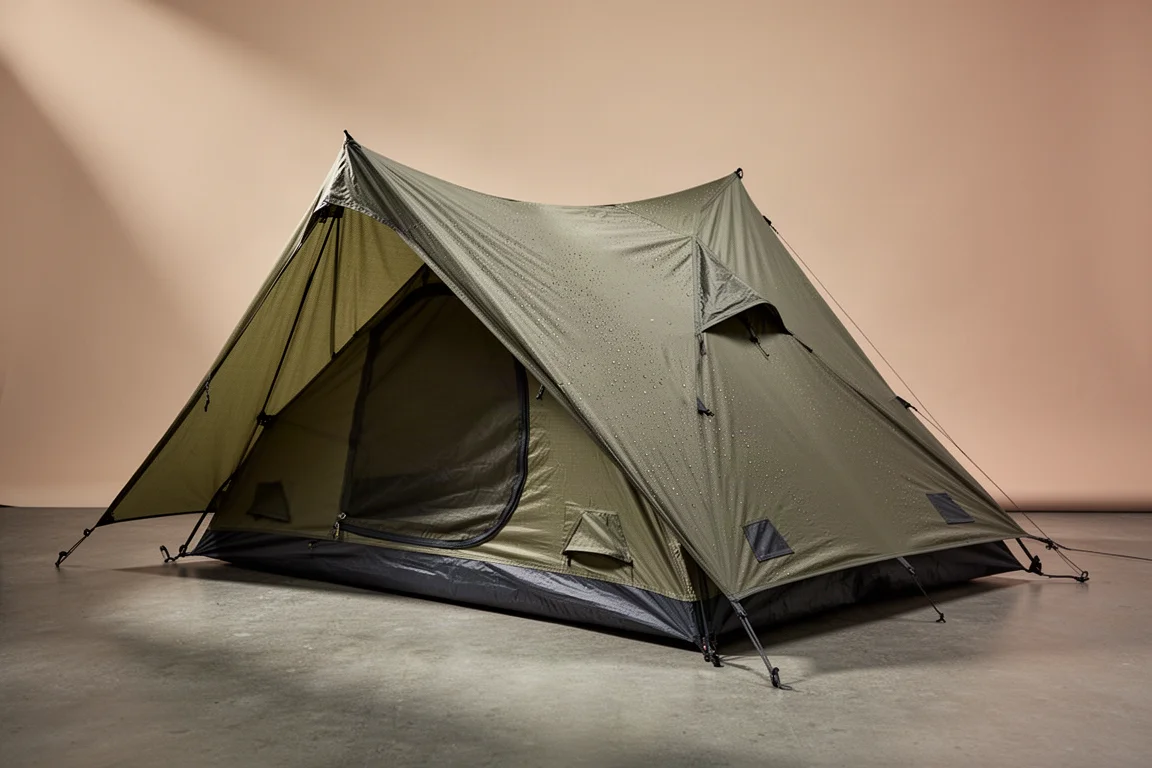
The Taiji pairs an attached fly with a removable inner, but sustained rain exposed untaped vent seams that need sealing before this shelter can be trusted.
Camping Tents
3FUL Gear Lanshan 2 Pro 4-Season Review: A Sub-$200 Single-Wall Trekking Pole Tent
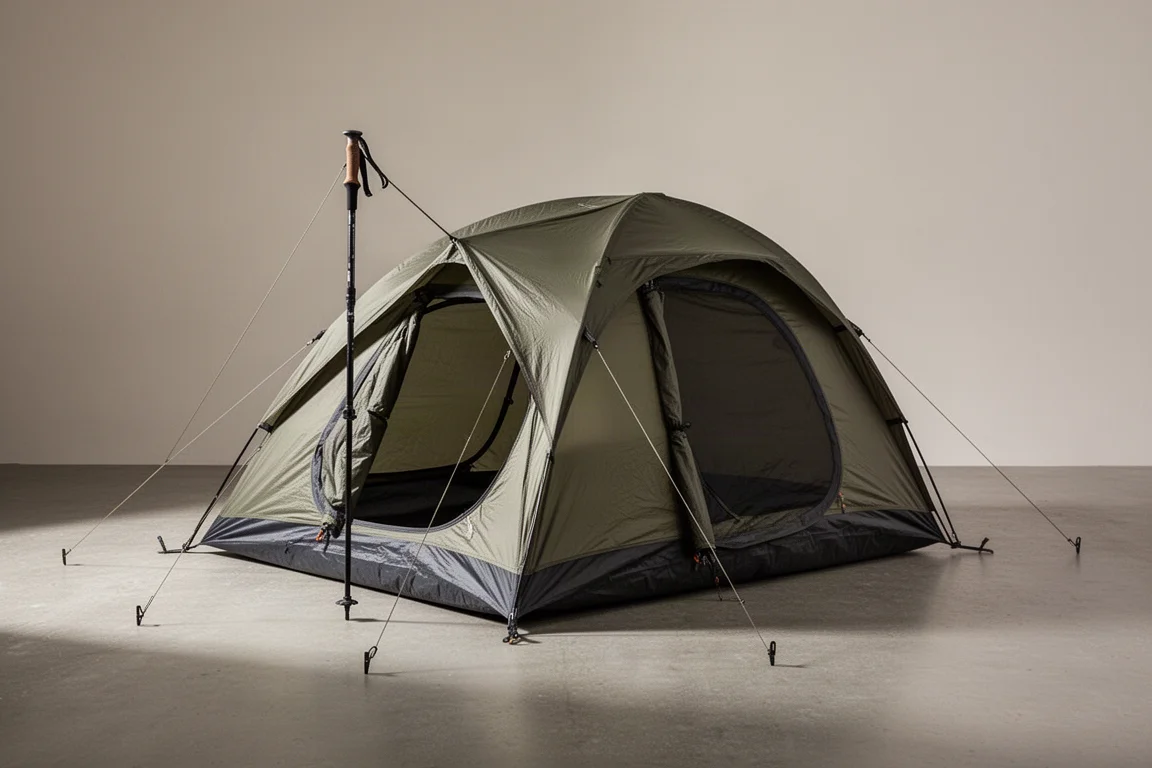
An early look at the 3FUL Gear Lanshan 2 Pro 4-Season, covering its straightforward pitch, generous interior space, and the condensation and seam-sealing questions that come with any single-wall shelter.
Camping Tents
Alps Mountaineering Lynx 1-Person Tent Review: Big Value in a Small Budget Tent
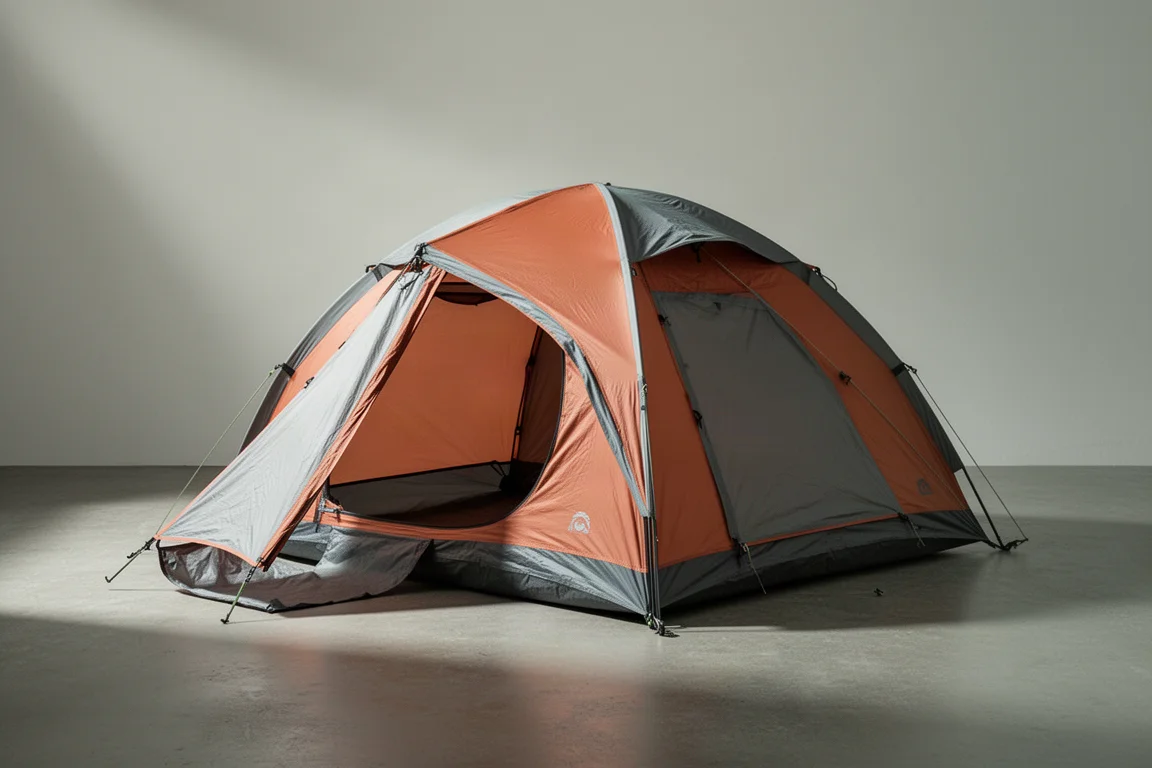
A close look at the Alps Mountaineering Lynx 1-Person Tent, covering real interior dimensions, materials, setup time, ventilation limits, and who should buy it.