Bookshelf Speakers
Morel Avyra 622 Review: A Handmade Bookshelf Speaker Worth Hearing
A two-way bookshelf speaker from a company with deep audio heritage, priced at $1,200 per pair. Here is what the Avyra 622 does well and what to weigh up first.
Introduction
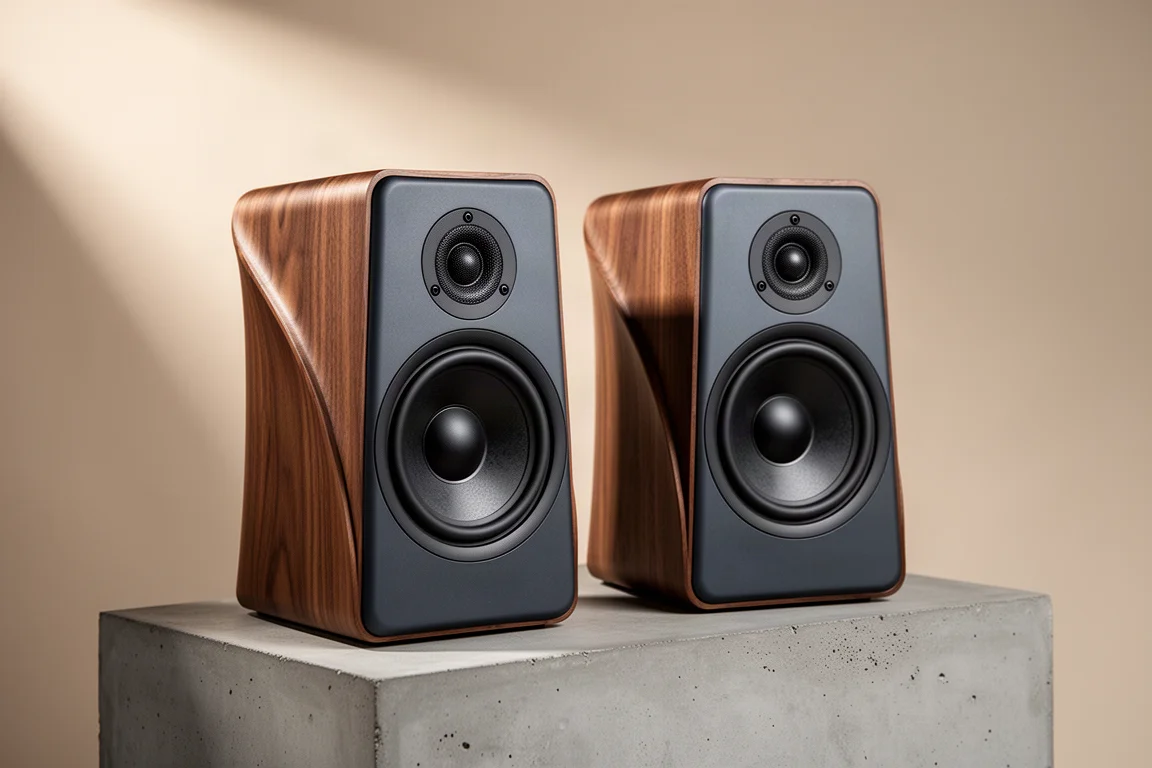
Morel has spent decades building a reputation in car audio, and the Avyra 622 marks a serious move into passive home speakers. It is a two-way bookshelf design, handmade in Israel, and priced at $1,200 per pair. There is also a floorstanding sibling in the same line at around $2,000 per pair.
The look is distinctive: a two-tone front baffle with the driver array set into it, and a curved real wood side panel that sweeps along the cabinet like a swoosh. Finish options include black, oak, and walnut. A rear port and a clean set of binding posts round out the back of the cabinet.
What stands out most on a first listen is cleanliness. The midrange is articulate, and the soft dome tweeter delivers air and detail that is easy to appreciate on vocal material. The Avyra 622 leans neutral rather than warm, and it keeps a tight grip on busy passages.
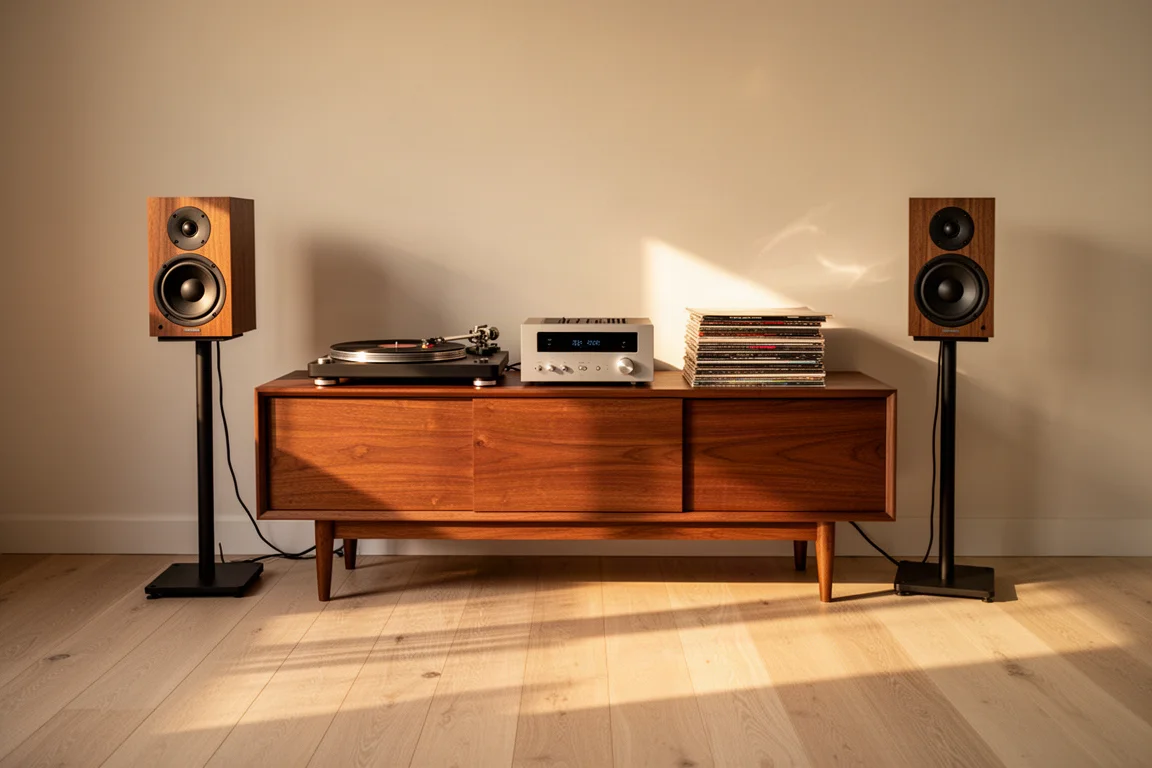
Paired with a solid integrated amplifier, the speaker comes across as composed and quick. Dynamics arrive without smearing, and quieter material stays quiet instead of being pushed forward.
Who the Morel Avyra 622 Is For
This is a speaker for listeners who care about midrange clarity and top end detail more than sheer low end punch. If your listening leans toward acoustic music, jazz, singer-songwriter material, and well recorded vocals, the Avyra 622 plays directly to those strengths.
It also suits buyers who want a two channel system with a genuine design object in the room. The wood side panels and sculpted cabinet give it a furniture-like presence that most boxy bookshelf speakers do not have. A matching pair of stands is available for anyone who wants the speaker lifted to ear height and the look kept consistent.
It is a less obvious fit for listeners chasing maximum bass output from a standmount cabinet, or for anyone who prefers a forgiving, laid back top end. This speaker is honest and slightly forward in places, and that is a deliberate part of its character rather than an accident.
Main Strengths
Treble and Midrange Clarity
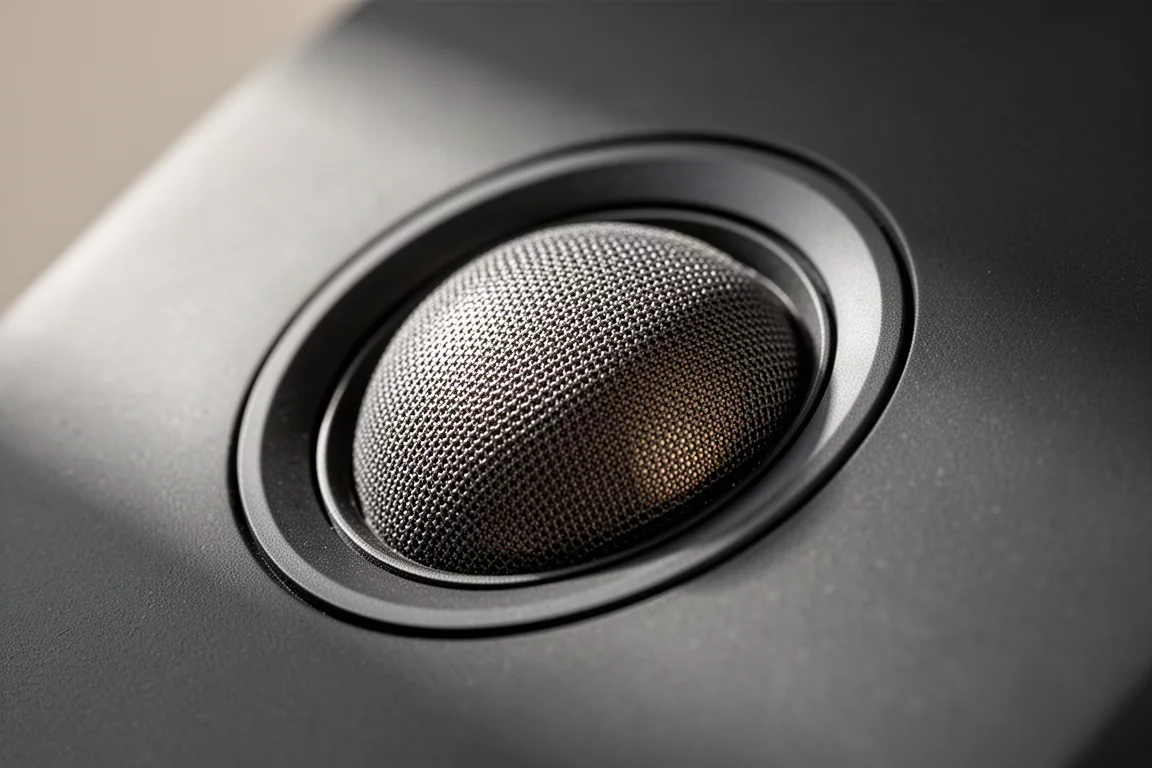
The 1.1 inch (28 mm) Acuflex handcrafted soft dome tweeter is the headline component here. Soft dome designs can sound rolled off at the top, but this one pulls out air, detail, and sparkle. On a demanding vocal track, small breaths and shifts in pitch are easy to follow, which is exactly what a revealing speaker should do.
The midrange is the other standout. Tonality stays largely uncolored, with a slight cool lean rather than added warmth. Electric guitars keep their crunch and edge while still carrying weight behind the notes.
The 6 inch woofer uses an integrated one piece cone with a double magnet motor, and the 3 inch external voice coil (EVC) pairs an aluminum voice coil with a titanium bobbin. Morel crosses the two drivers over at 2,200 Hz.
Bass Response and Dynamics
For a cabinet this size, low end output is genuinely respectable. The Avyra 622 can be run without a subwoofer and still hold its own, and it handles loud, effects-heavy material without falling apart. There is enough weight to make action scenes land, and enough control to keep the low end from turning muddy.
Compared with some well known budget standmounts, there is slightly less outright punch, but noticeably better clarity through the midrange and upper bass. The claimed frequency response runs from 35 Hz to 20,000 Hz, quoted as +2 dB and -3 dB, which is a tighter window than the usual plus or minus 6 dB specification.
Sensitivity is rated at 88 dB with a 4 ohm nominal impedance, so the speaker is fairly easy to drive for its size, though a capable amplifier still pays dividends.
Build, Design, and Finish
The enclosure is MDF, and the cabinet is compact but substantial: 9.5 inches wide, 14.2 inches tall, and 10.6 inches deep, at 8 kg (17.6 lb) each. The rear port gives placement some flexibility, and the binding posts are solid and easy to work with.
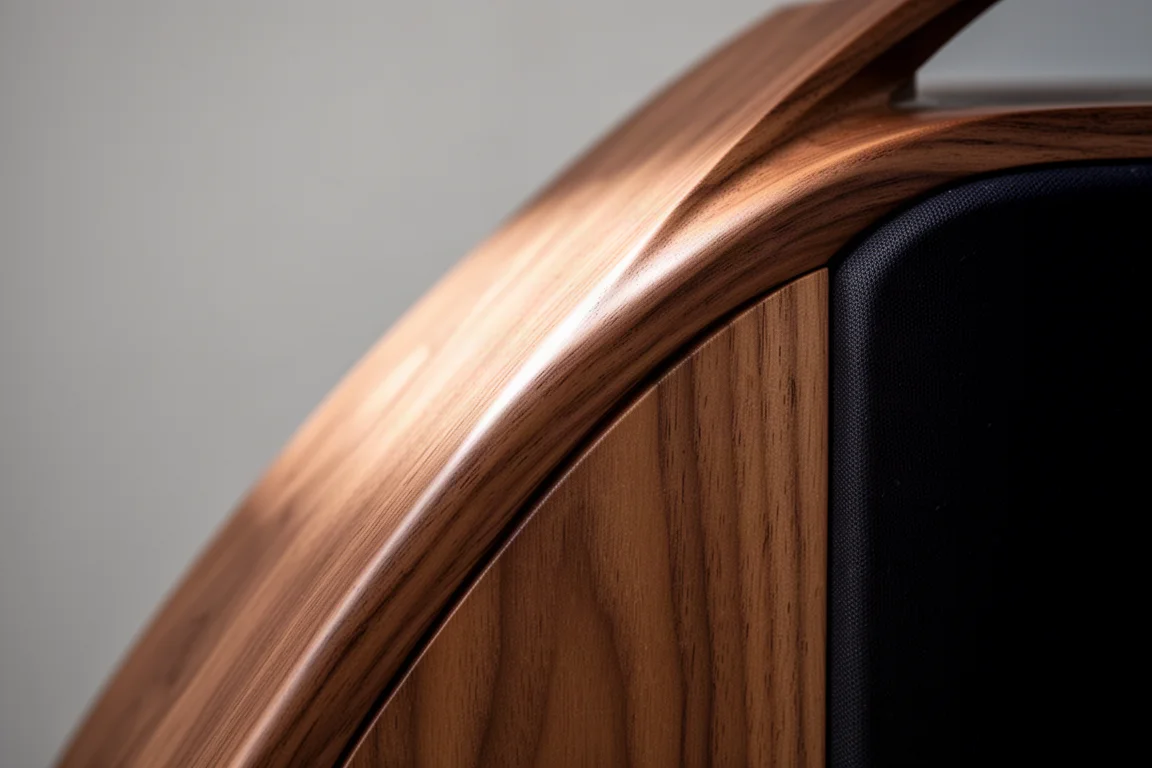
The visual design is the part that separates it from the crowd. The curved wood side panel is a modern touch, yet the real wood finish keeps a traditional feel. Handmade construction in Israel at this price is unusual, and it shows in the fit and finish.
Things to Consider Before Buying
There can be a touch of edge in the upper midrange and top end, roughly in the 1,000 to 2,000 Hz region, on certain recordings. It is not excessive, but it is present. Placement and a small amount of toe in or toe out can tame it if you prefer a softer presentation.
Availability is limited. At the time of writing, the most reliable route appears to be ordering directly from the manufacturer’s own site, so it pays to check shipping and returns before committing.
Bass punch is good but not class leading. If low end weight is your priority, a larger standmount or a subwoofer will take you further. The matching stands are also a separate purchase, so budget for them if you want the full setup.
Finally, this is a revealing speaker. Bright or harsh recordings will not be flattered by it, and that is worth knowing before you build a system around it.
Buying Advice
At $1,200 per pair, the Avyra 622 lands in one of the most competitive brackets in hi-fi, alongside established bookshelf models from several well known brands. What sets it apart is the combination of midrange clarity, top end extension, and a cabinet design that looks considerably more expensive than the price suggests.
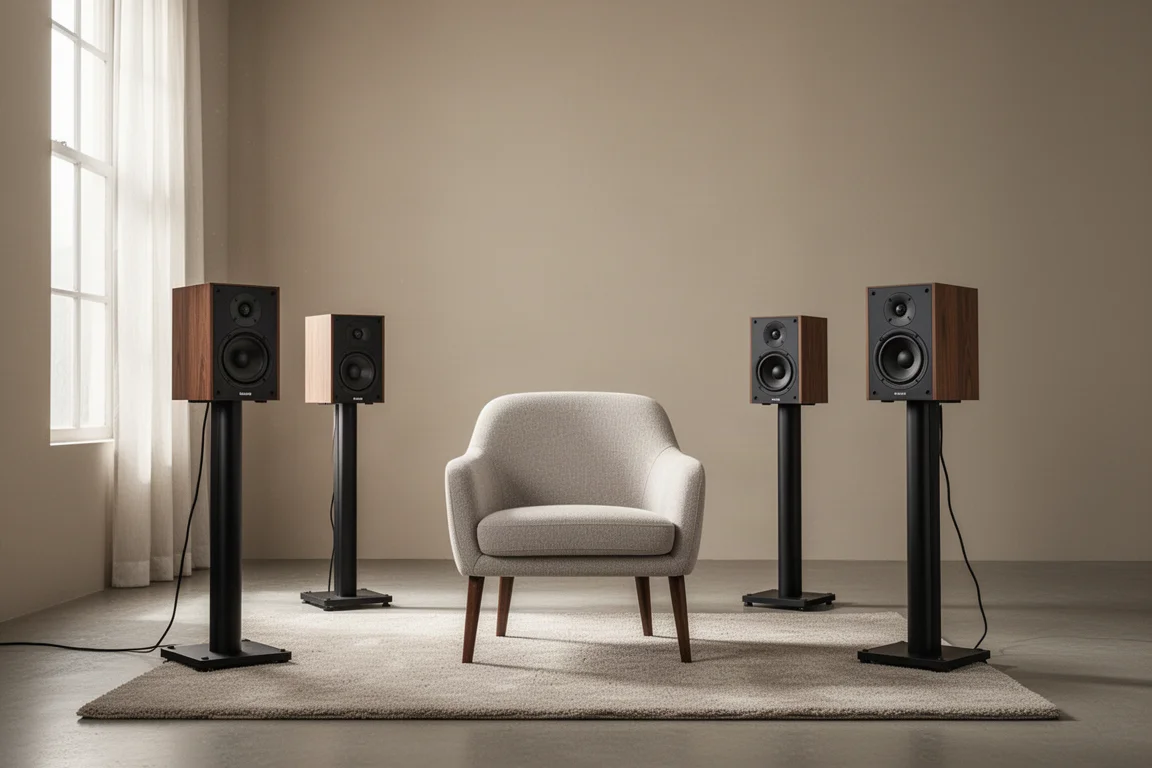
Match it with a clean, reasonably powerful integrated amplifier and give it a little room to breathe behind the cabinet for the rear port. Small adjustments in toe in will let you fine tune the top end to taste.
If your priority is detail, vocal texture, and a speaker that looks as considered as it sounds, the Avyra 622 is an easy recommendation to audition. If you want maximum bass from a small cabinet or a relaxed, forgiving treble, larger alternatives deserve a look first.
Conclusion
Morel has brought real audio heritage into the home with the Avyra 622, and the result is a bookshelf speaker that sounds clean, looks distinctive, and feels carefully made. The midrange clarity and the soft dome’s air and detail are the reasons to seek it out, while a slightly forward upper midrange and limited retail availability are the points to weigh up. For listeners who value transparency over extra warmth, it is a compelling option at $1,200 per pair.
Product link
View more details for Morel Avyra 622
This product is mentioned in the review. Check the specifications, options, and compatibility before buying.
View more details for Morel Avyra 622Further reading
Related Reviews
Bookshelf Speakers
Acoustic Energy A100 Mark II Review: A Compact Standmount With an Expansive Soundstage
The Acoustic Energy A100 Mark II brings clarity, natural tonality and a wide soundstage to an entry-level standmount, with a few setup details worth knowing first.
Bookshelf Speakers
Acoustic Energy AE-100 Mark II Review: Compact Bookshelf Speakers With Standout Imaging
A compact British two-way bookshelf speaker with deep, layered imaging, fast bass, and a slight treble lift to weigh against a crowded $500 field.
Bookshelf Speakers
Acoustic Energy AE100 MK2 Review: Measured Performance and Four Alternatives
A close look at the Acoustic Energy AE100 MK2 bookshelf speaker, what its measured performance reveals, and four alternatives with different trade-offs.