Bookshelf Speakers
Morel AAS vs ELAC Debut Reference vs ELAC Debut 3.0 6.3: Three 6.5-Inch Bookshelf Speakers Compared
A practical comparison of three 6.5-inch two-way bookshelf speakers at around $1,000, $700 and $450, covering dynamics, tonality, specifications and system matching.
Introduction
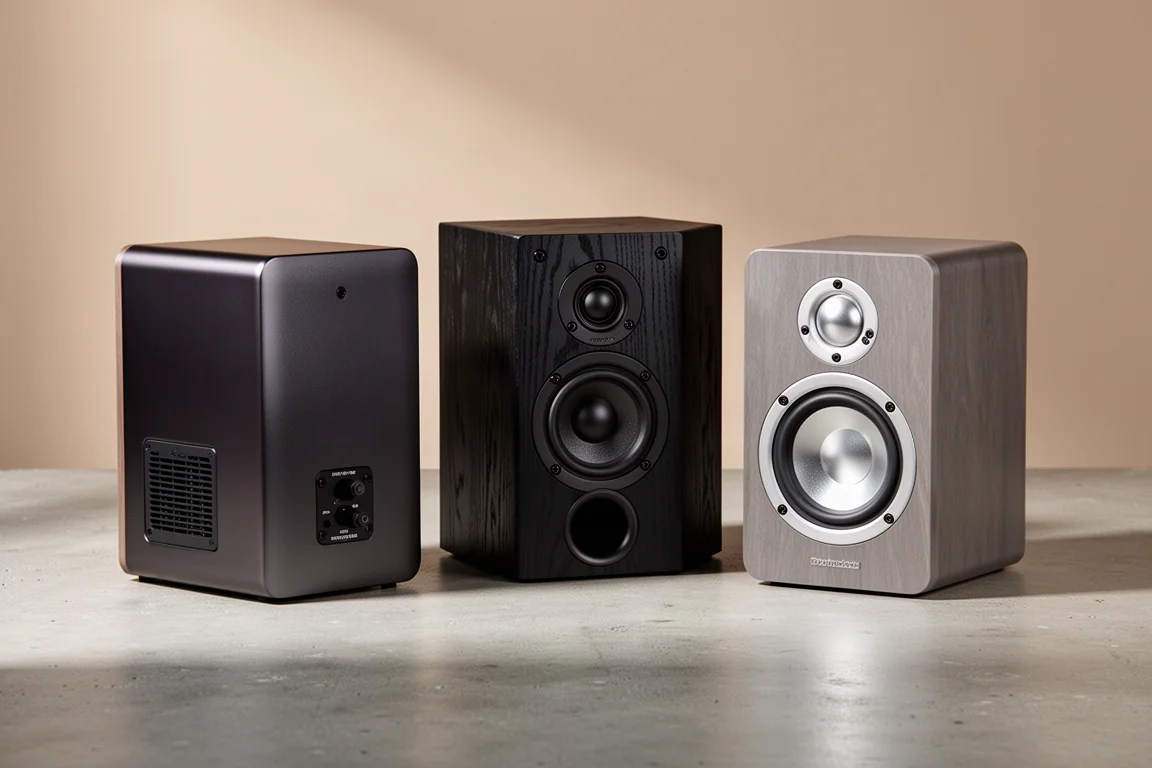
Choosing between bookshelf speakers is rarely about finding the single best model in absolute terms. Three current two-way designs with 6.5-inch woofers make that point clearly: the Morel AAS at around $1,000, the ELAC Debut Reference at $700 and often discounted to about $600, and the newer ELAC Debut 3.0 6.3 at $450.
All three are compact stand-mount speakers with the same driver layout, and all three have a distinct personality. The gap between the cheapest and the most expensive is more than double, which makes it worth understanding exactly what the extra money buys and what it does not.
How the Three Speakers Compare
Physically, the Morel AAS and the ELAC Debut Reference are close to twins. They are almost identical in height and depth, with very similar cabinet volume. The ELAC Debut 3.0 6.3 is the smallest of the three, though only slightly shorter, and it keeps the same cabinet depth, so it is not dramatically easier to place.
The tweeter designs split the group. The Morel AAS and the Debut Reference both use soft dome tweeters, while the Debut 3.0 6.3 uses a new aluminium dome tweeter.
Published specifications differ in ways that matter more than the raw numbers suggest. The Debut 3.0 6.3 is rated at 87 dB sensitivity with a 6-ohm nominal impedance and low-frequency output down to 42 Hz, but that figure is quoted at minus 6 dB. The Debut Reference is rated at 86 dB sensitivity, 6 ohms nominal, with a 44 Hz low-frequency figure and no stated tolerance. The Morel AAS is rated at 88 dB sensitivity, a 4-ohm nominal impedance, and extension down to 35 Hz within plus or minus 3 dB.
In other words, the Debut Reference’s 44 Hz rating is not directly comparable to the Debut 3.0 6.3’s 42 Hz rating, because only one of them arrives with a tolerance attached. Port placement also differs: the Morel AAS vents to the rear, while the Debut Reference is front-ported.
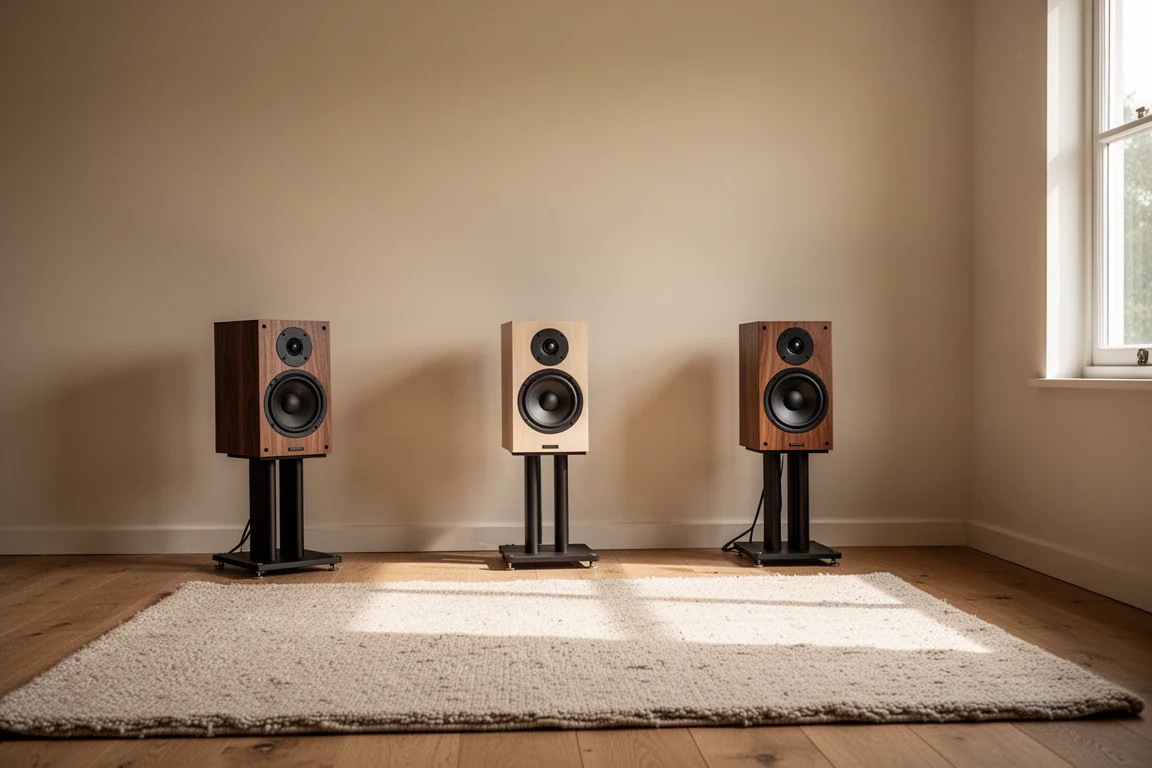
That last detail deserves more attention than it usually gets. A rear-vented cabinet and a front-vented cabinet behave differently when they sit close to a wall, so room position and stand choice will influence the Morel AAS more than the Debut Reference.
Morel AAS: The Most Dynamic of the Group
Around $1,000 buys the most energetic speaker of the three. The Morel AAS was consistently the most dynamic on demanding material, and it had the most air on delicate, nuanced vocal passages, where both ELAC models sounded slightly forward and thinner by comparison. Bottom-end punch was strongest here as well.
The trade-off is a midrange that is a touch scooped relative to the Debut Reference. On one acoustic-driven track the AAS came across a little cool and slightly forward through the middle, which is unusual for a speaker that does not generally feel midrange-focused. Its 4-ohm nominal impedance is also the lowest of the three, which is worth checking against your amplifier’s specification before committing.
ELAC Debut Reference: Neutral and Revealing
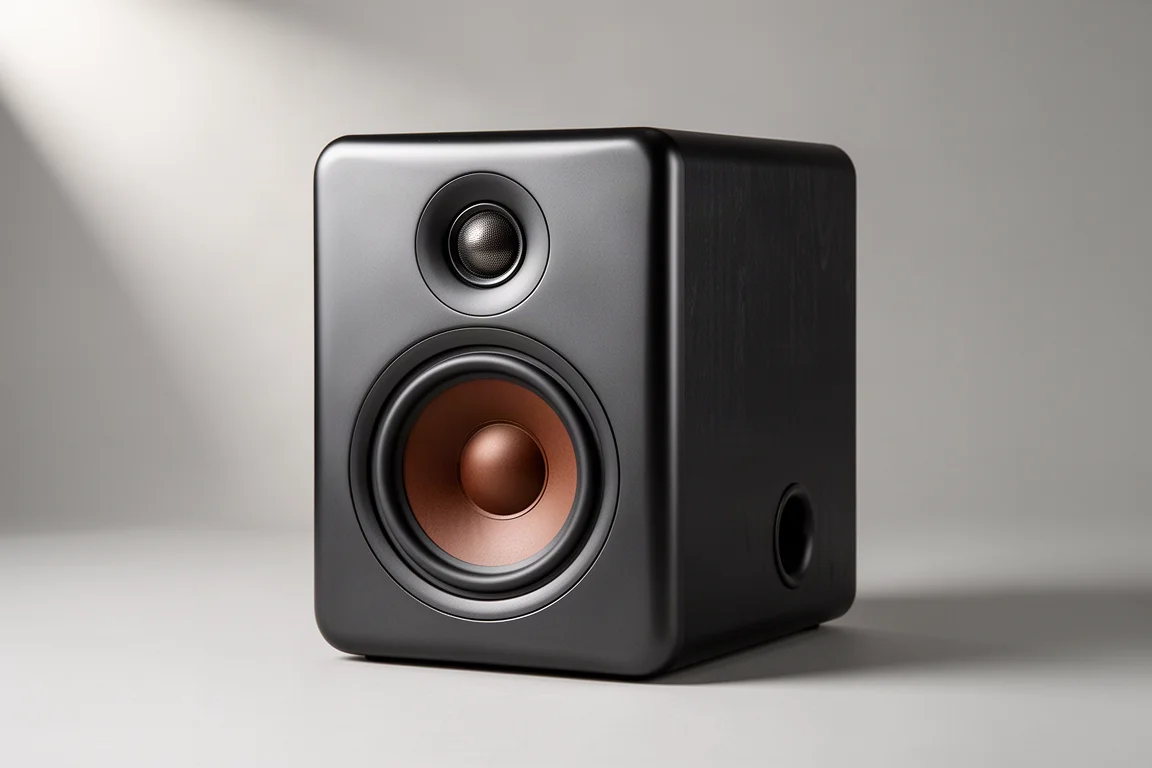
At $700, with periodic discounts to around $600, the Debut Reference is the most neutral of the group. It produced the deepest soundstage of the three and the clearest rendering of an acoustic guitar introduction, and its front-ported cabinet gives it more freedom in tight placement.
Its weaknesses appear in direct comparison. It is less dynamic than both the Morel AAS and the cheaper Debut 3.0 6.3, it can sound a little forward around 4 kHz, and on a delicate vocal passage it gave up some air to the other two. Buyers who want neutrality above all else will find plenty to like here; buyers who want drive and immediacy will find the other two more persuasive.
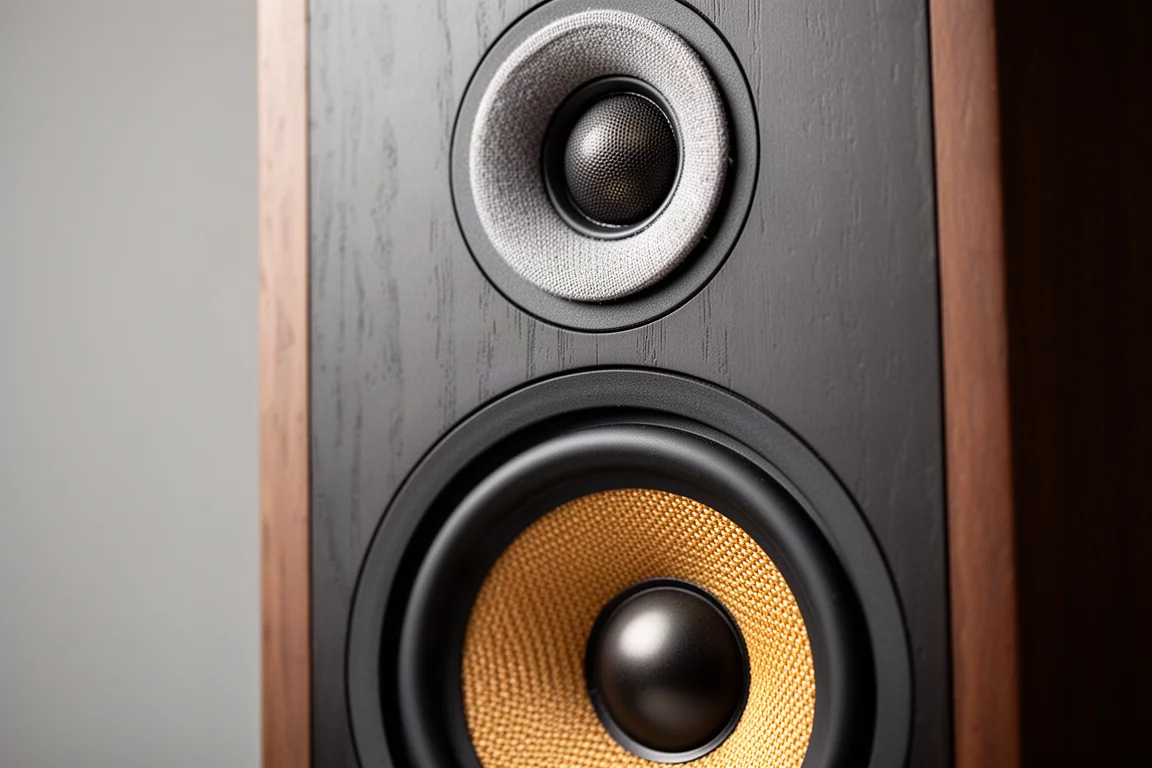
It is also worth noting that the Debut Reference’s 44 Hz low-frequency rating arrives without a plus or minus tolerance, while the Debut 3.0 6.3’s deeper-looking 42 Hz figure is quoted at minus 6 dB. On paper the two are closer than the numbers imply, and the listening differences do not follow the price order either.
ELAC Debut 3.0 6.3: The Value Pick
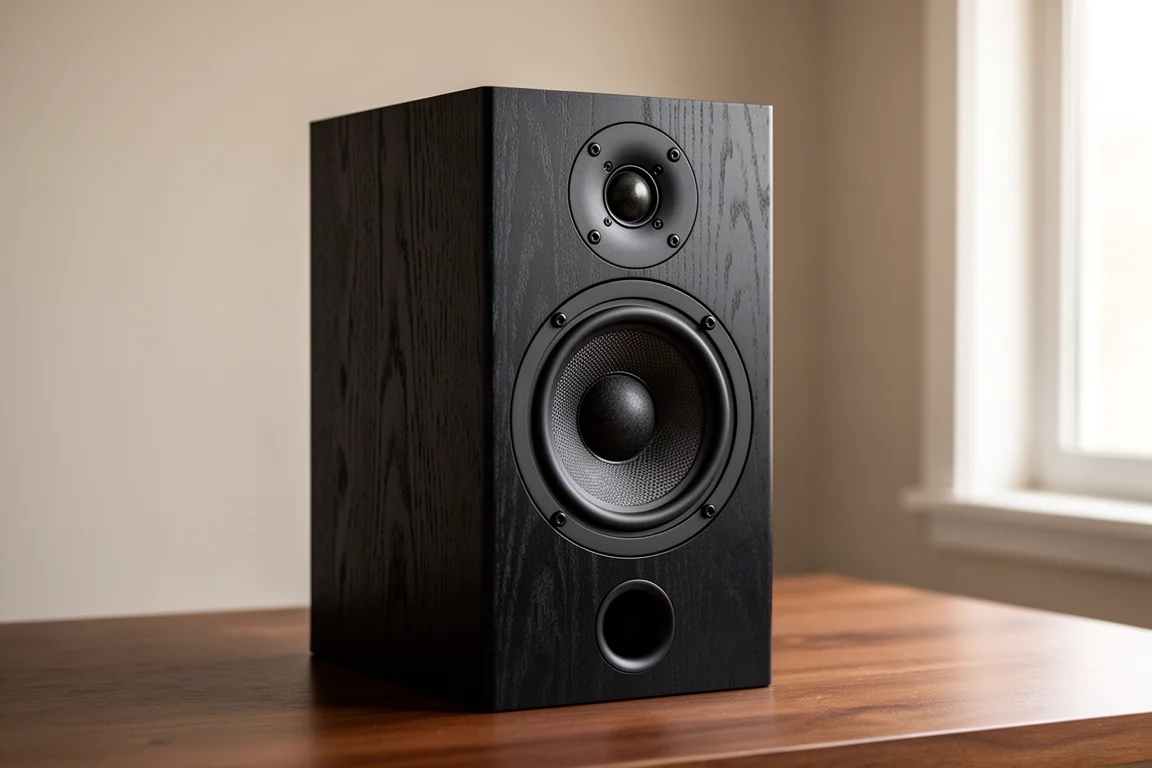
The newest and cheapest speaker here is also the surprise of the comparison. At $450, the Debut 3.0 6.3 was more dynamic than the Debut Reference, with more air, more detail and a more accurate midrange presentation. On a track with a sharp cowbell accent it had more air on the strike than either of the more expensive speakers, and top to bottom it sounded more forceful.
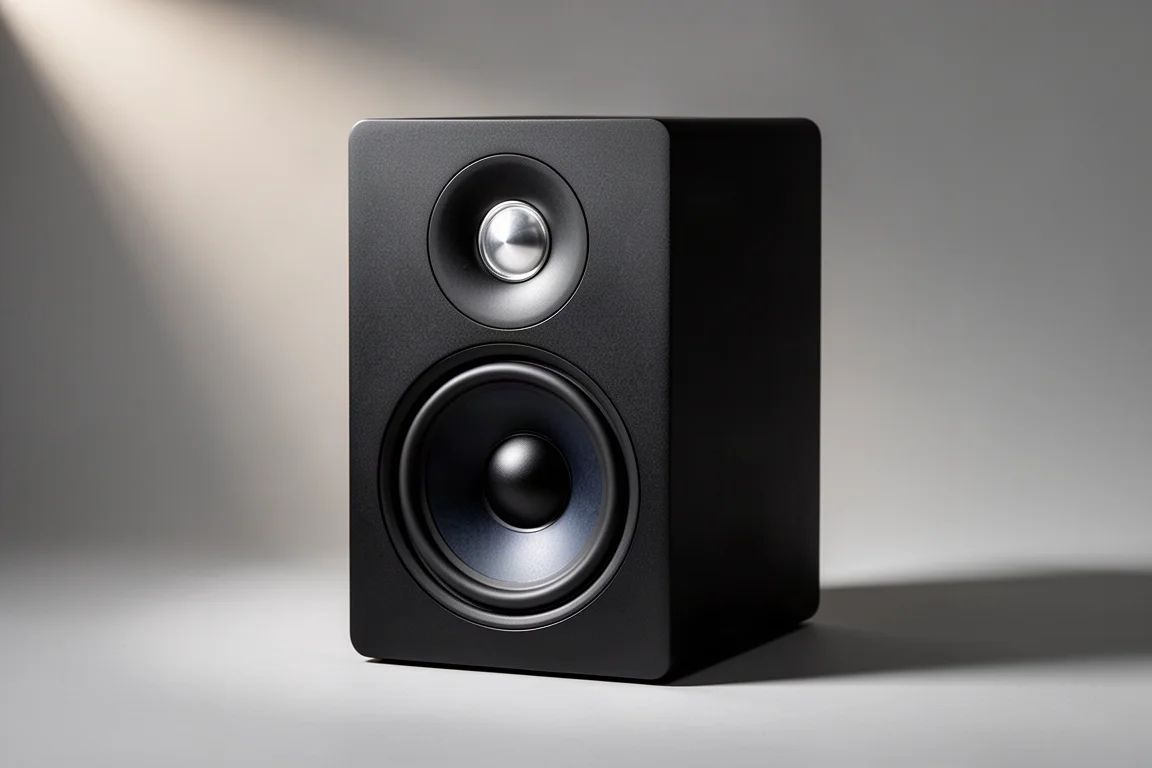
It is not flawless. The Debut Reference still held the edge on soundstage depth and acoustic guitar clarity, which may come down to its front port. The Debut 3.0 6.3’s 42 Hz low-frequency figure is quoted at minus 6 dB, a looser specification than the Morel AAS’s plus or minus 3 dB rating. Its aluminium dome tweeter also gives it a different character from the soft dome designs above it.
Matching These Speakers to Your System
The differences between these three speakers are not fixed properties, because the amplifier in front of them matters. On a midrange-forward system, the Morel AAS’s slightly scooped midrange reads as extra clarity and drive, while the Debut Reference’s forwardness around 4 kHz becomes more noticeable. Different amplification could shift those balances in either direction.
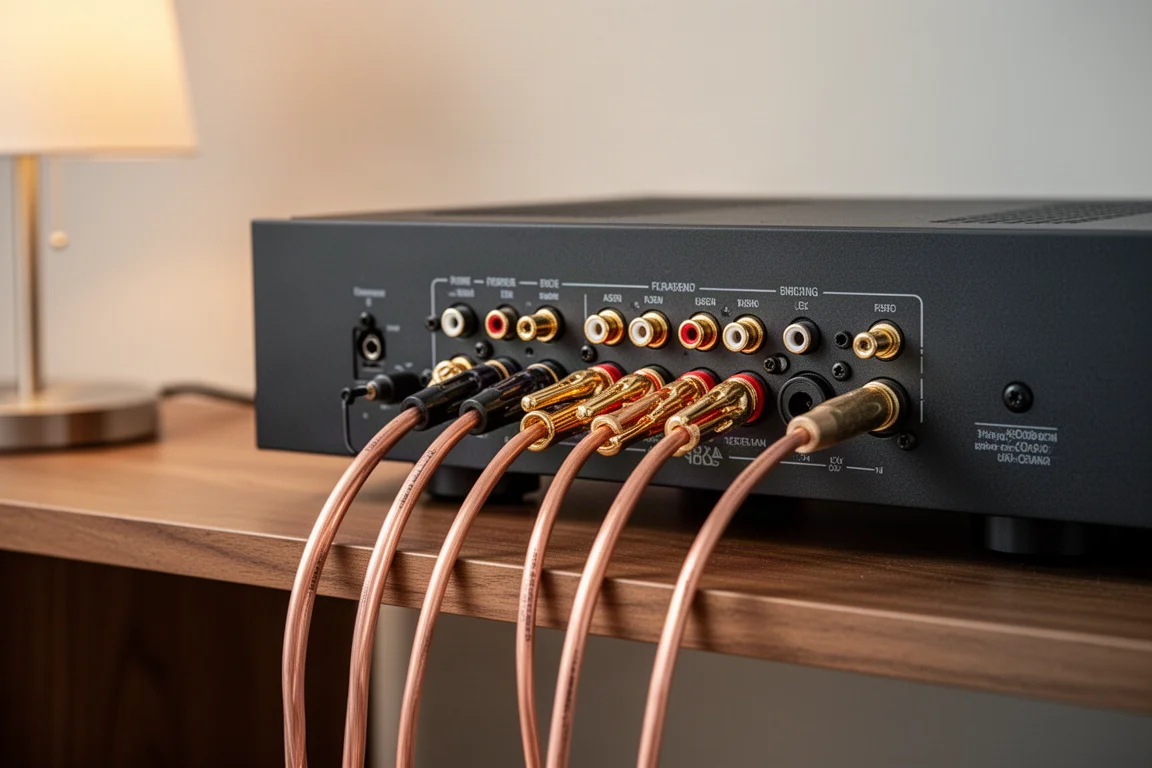
Impedance is the other practical consideration. The Morel AAS is a 4-ohm nominal design, while both ELAC models are rated at 6 ohms nominal, so it is worth confirming your amplifier is comfortable with the lower load. Sensitivity is close across the group, between 86 and 88 dB, so none of them is dramatically harder to drive than the others.
One more point in the Debut Reference’s favour: a front port makes it easier to place close to a wall or on a shelf, which matters in smaller rooms where rear clearance is limited.
Placement and Setup Notes
All three are compact stand-mount designs with similar cabinet volume, so they suit similar rooms and similar stands. The practical split is the port. The Morel AAS vents to the rear and will want some breathing room behind it, while the ELAC Debut Reference’s front port makes it the more forgiving option near a wall.
Because the cabinets are so close in size, the Debut Reference and the Morel AAS will look very similar on a shelf or a stand. The Debut 3.0 6.3 is a little shorter, which can help in tighter spaces, and it is the lightest visual presence of the three.
Which Speaker Should You Buy?
If you can stretch to around $1,000 and want the most dynamic, punchy presentation with the best top-end air, the Morel AAS is the strongest overall performer of the three, provided your amplifier is happy with a 4-ohm load and you accept a slightly scooped midrange.
If value matters most, the ELAC Debut 3.0 6.3 at $450 is the one to shortlist. It gave up very little to the Morel AAS and, in this comparison, beat the more expensive Debut Reference on dynamics and midrange accuracy. You are not missing much by choosing it.
The ELAC Debut Reference makes sense for a more specific listener: someone who prioritises neutrality, soundstage depth and acoustic detail, and who wants the placement flexibility of a front-ported cabinet. It is the least dynamic of the three, and it is worth going in with that expectation.
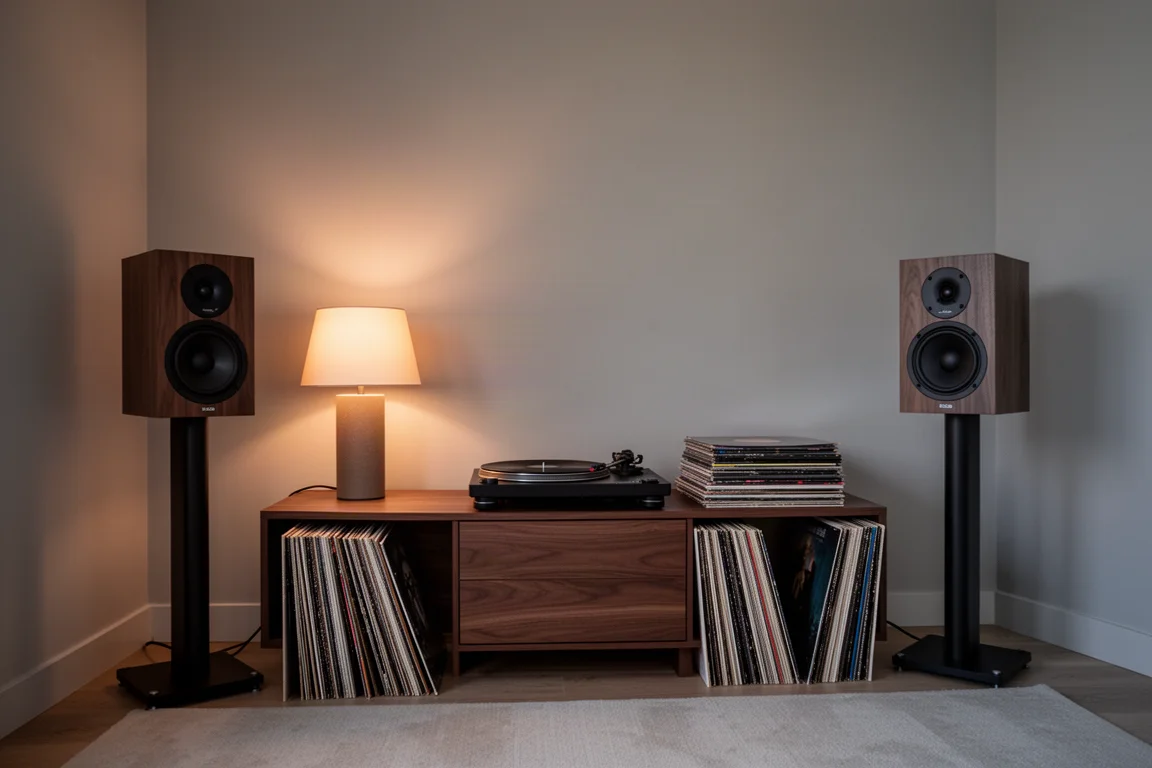
All three are capable two-way designs, and the right answer depends on your amplifier, your room and how loudly you like to listen. Match the speaker to the system rather than to the price tag, and any of these three can be a satisfying long-term choice.
Conclusion
The Morel AAS takes the overall win for its dynamics, top-end air and bottom-end punch, at roughly $1,000 and with the caveat of a 4-ohm load and a slightly scooped midrange. The ELAC Debut 3.0 6.3 is the value standout at $450, delivering more drive and midrange accuracy than the more expensive Debut Reference. The Debut Reference remains the most neutral option, with the deepest soundstage and the best acoustic detail, but it is also the least dynamic of the group. Decide which of those three characters fits your system, and the choice becomes straightforward.
Further reading
Related Reviews
Bookshelf Speakers
Acoustic Energy A100 Mark II Review: A Compact Standmount With an Expansive Soundstage
The Acoustic Energy A100 Mark II brings clarity, natural tonality and a wide soundstage to an entry-level standmount, with a few setup details worth knowing first.
Bookshelf Speakers
Acoustic Energy AE-100 Mark II Review: Compact Bookshelf Speakers With Standout Imaging
A compact British two-way bookshelf speaker with deep, layered imaging, fast bass, and a slight treble lift to weigh against a crowded $500 field.
Bookshelf Speakers
Acoustic Energy AE100 MK2 Review: Measured Performance and Four Alternatives
A close look at the Acoustic Energy AE100 MK2 bookshelf speaker, what its measured performance reveals, and four alternatives with different trade-offs.