Hi-Fi Amplifiers
Morance Model 10 Review: A 34 kg Flagship Integrated Amplifier
A close look at the Morance Model 10, a $14,500 flagship integrated amplifier with 250 W per channel, a Purifi co-developed Class D output stage, and an MM/MC phono input.
Introduction
The Morance Model 10 is the brand’s new flagship integrated amplifier, and it makes its intentions clear before you connect a single cable. It weighs 34 kg. It sells for $14,500. This is not a component you slide onto a spare shelf and forget about, it is one you plan a system around.
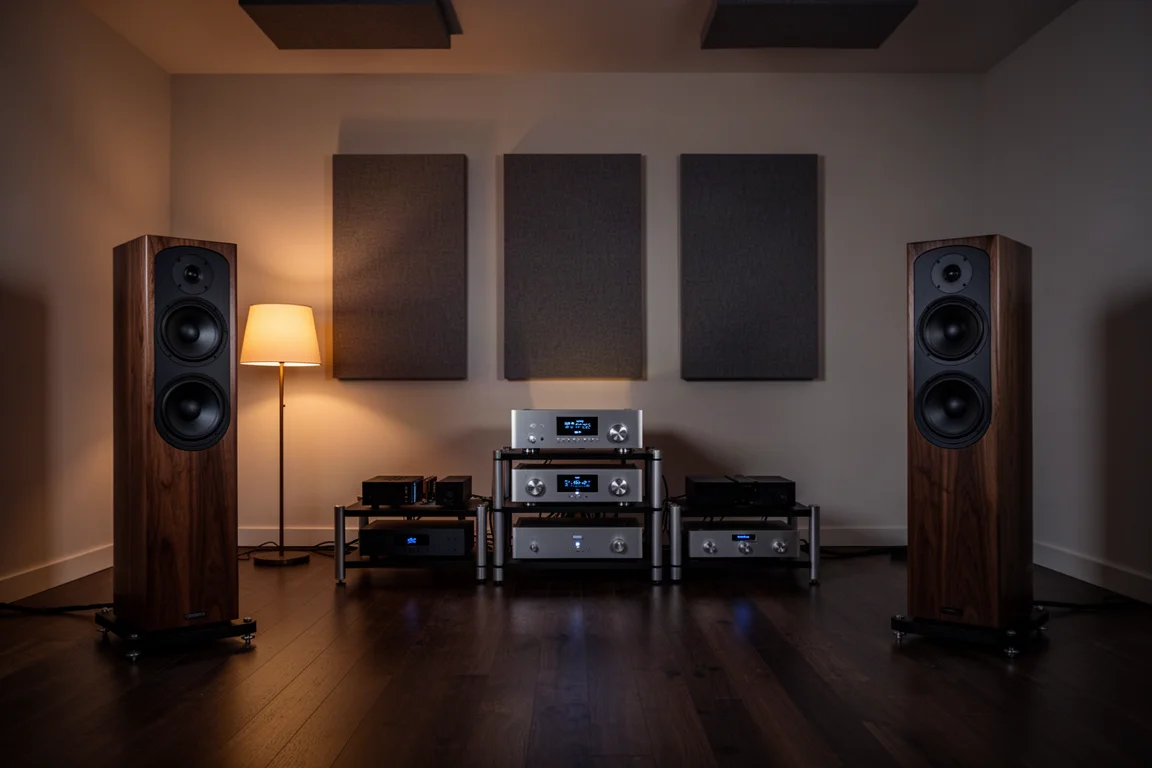
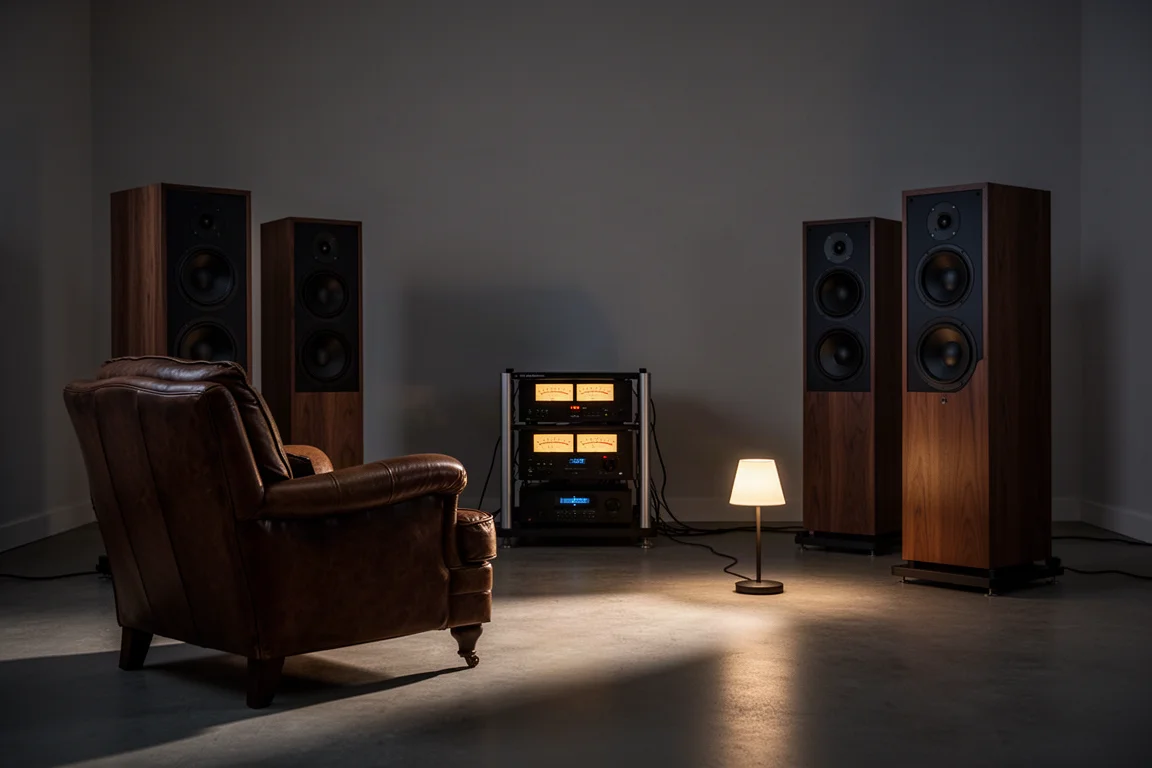
Listening time with the Model 10 has spanned two acoustically treated rooms since February, driving a pair of Vivid Audio Kaya 90 floorstanders. The first impression arrives immediately: epic scale, wide separation, and a soundstage with obvious painted-in depth. The more useful test is that the impression holds up over weeks rather than fading, and the amplifier’s strongest trait only became clear over time.
The short version is that this is the most convincing amplifier we have spent time with. The longer version involves a three-layer metal chassis, a Purifi co-developed Class D output stage, an MM and MC phono input, and a handful of genuine trade-offs worth understanding before you commit.
Who This Amplifier Is For
The Model 10 suits listeners who already own resolving speakers and want a single high-end integrated rather than a preamp and power amplifier stack. Its only bonus feature beyond loudspeaker drive is an MM and MC phono input, so it is aimed squarely at people who keep vinyl in the picture alongside digital sources.
It is also a strong candidate for late-night listening. The amplifier’s most distinctive quality is how hard it punches in the bottom octaves, roughly 20 to 40 Hz, and it manages that at lower volume levels. Quiet evening sessions end up far more satisfying than they usually are, and quieter listening to something like Peter Gabriel’s i/o gains real weight.
One caveat is worth knowing early. If you run small standmounts, or larger two-way speakers that are high-pass filtered for a subwoofer, you are unlikely to notice much change in your system’s sub-bass kick. The low-frequency advantage needs speakers that can actually deliver it.
Why the Morance Model 10 Stands Out
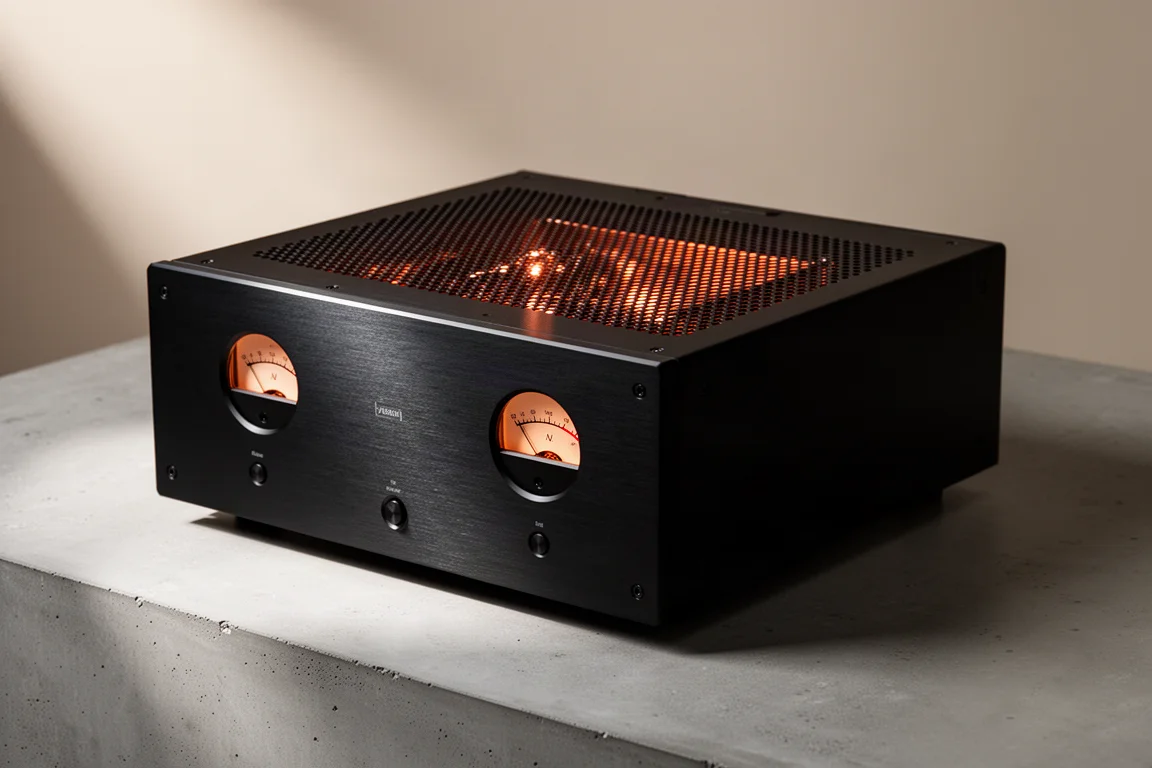
Build quality here is flawless, and the weight comes from more than thick metal. The chassis uses three layers: aluminium, steel, and copper. The copper shielding is there to block resonances and electrical noise. Inside, numerous multi-layer PCBs sit in isolated sub-enclosures, and the extensive internal compartmentalisation is part of what the price is paying for.
Power output is generous. The Model 10 promises 250 W per channel into 8 ohms, and into 4 ohms it delivers 500 W per channel. The output stage is Class D and was co-developed with Purifi, using a dual amplifier module in which each channel is fed by its own custom switch-mode power supply. Morance is careful to point out that this is a custom design rather than the Purifi Eigentakt module found in NAD amplifiers.
The analog side is just as deliberate. Each analog input is powered by a linear power supply rather than a switcher, which is why a potted toroidal transformer is visible through the top mesh. The amplifier is fully balanced from input to output and uses the latest iteration of Morance’s HDAM modules, discrete component builds that do work normally handled by op amps. The gain-staged volume control is likely part of the reason the low end feels so controlled and so present.
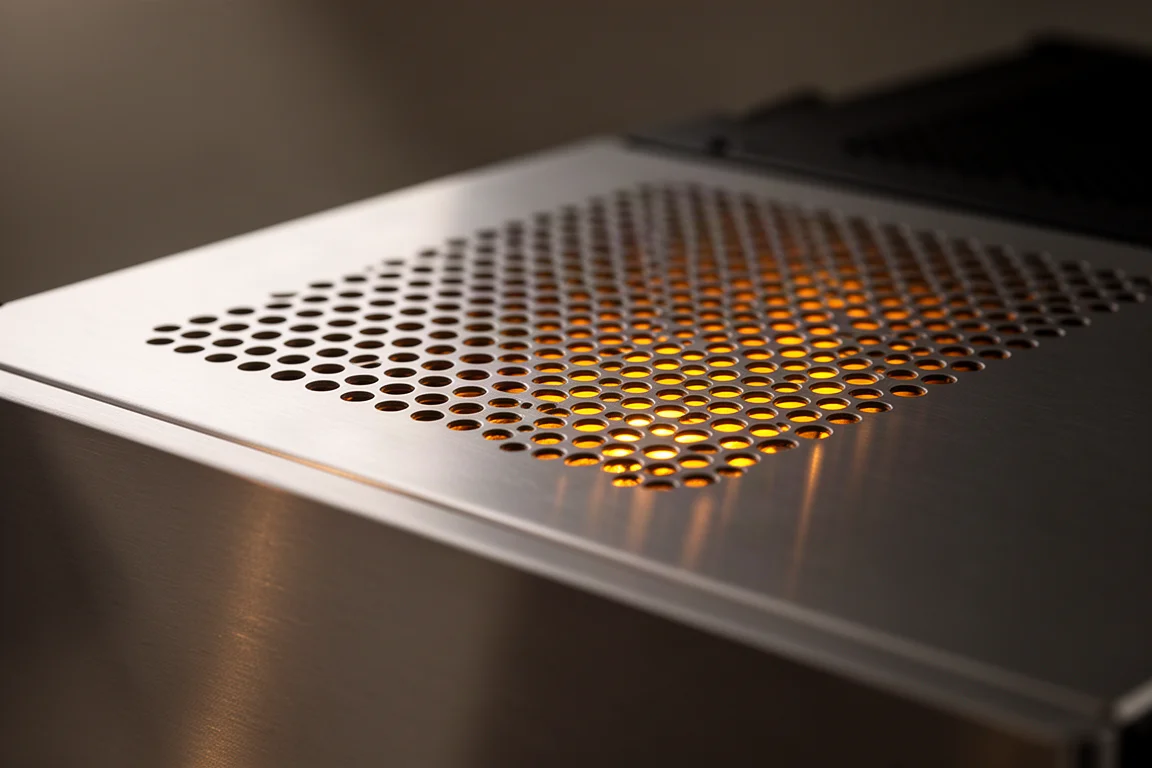
Tonally, the Model 10 leans warm, especially in the uppermost treble, without ever losing cleanliness. Its transient incision is a clear step beyond what we have heard from amplifiers at this level, and it flatters ambient techno and country-tinged rock alike. The top and front plate illumination, combined with the digital VU meters, also makes it a genuinely beautiful component at night, and far more striking in a dim room than a plain chassis.
How the Model 10 Compares With Other High-End Amplifiers
Against the NAD M66 and M23 pairing, which together sell for just over 10,000 euros, the Model 10 sounds fuller and warmer. The NAD combination is not thin, but it can hint at brittleness when the volume goes up, and the Model 10 simply stays composed at those levels. The NAD pairing does offer far more beyond speaker drive, including a streaming DAC, MM and MC phono, and room correction with subwoofer integration, so the feature argument goes its way.
Against the Hegel H590, a Class AB design rated at 300 W per channel into 8 ohms, the Model 10 is reasonably well matched on bass bulk and forward heft. Where it pulls ahead is in a more dynamic sub-bass and a more overt, cleaner treble extension, while the Hegel can seem rolled off at the very top and less rich through the mid-bass. The Hegel houses a streaming DAC instead of a phono stage.
Against the Technics SU-R1000, the Model 10 is the more rhythmically exciting amplifier, with richer tone colours. The Technics remains the better value of the two, because it is a digitally fed switching amplifier and needs no outboard DAC to sound complete. Its DSP-based cartridge correction and balanced phono input also make vinyl sound tidier and better organised than the Model 10’s all-analog phono stage manages.
One point matters more than any of these comparisons. Source quality changes the verdict. Fed by a high-end streaming DAC, the Model 10 steps convincingly ahead of the Technics. Fed by a lesser streaming DAC, it may not, and you could easily misjudge it as a weaker performer than it is.
What to Pair It With
Speaker choice matters enormously. The Vivid Audio Kaya 90 floorstanders resolve the differences between high-end amplifiers cleanly, which is why they were the reference here. Speakers with a strong personality of their own, including some lively horn designs, can mask what the Model 10 is actually doing, and cheaper standmounts simply will not show the gap.
The same logic applies upstream. This amplifier rewards a high-end streaming DAC or a dedicated music server, and it exposes weak sources rather than flattering them. At this level, the source is not a detail, it is half the result.
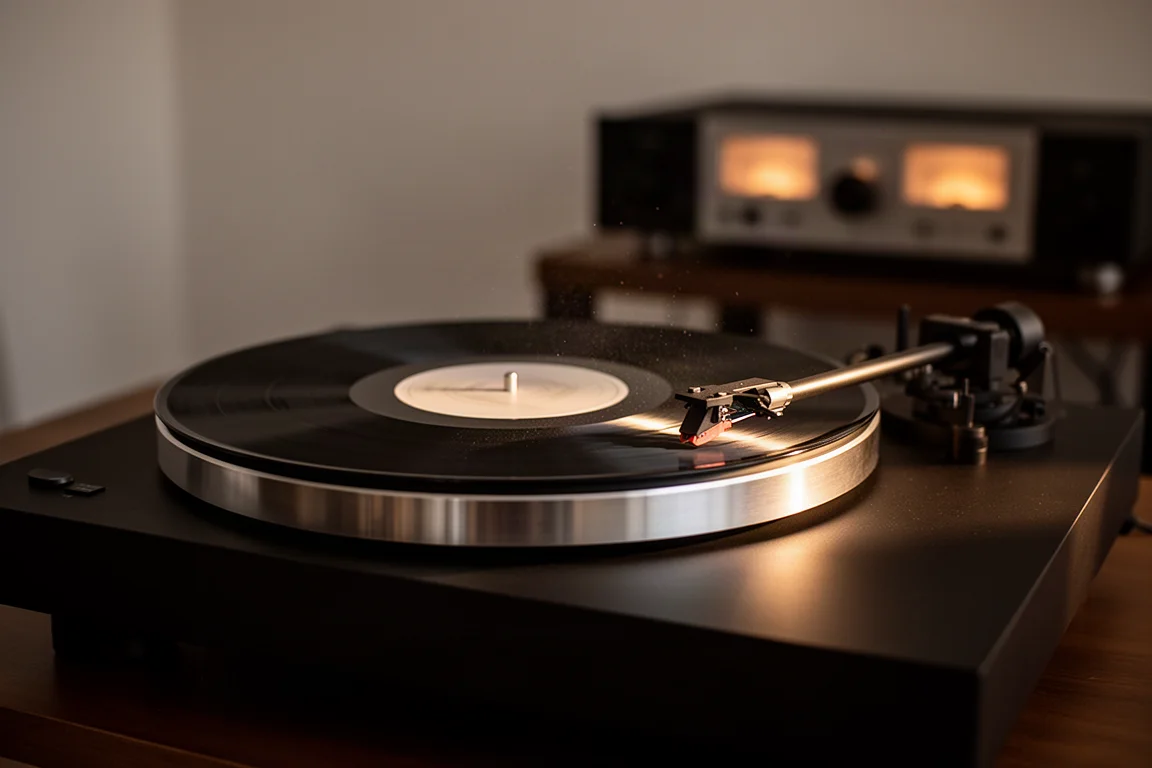
The phono stage deserves its own mention. It offers MM and MC inputs and translates rhythmic drive from the groove to the speakers more effectively than most integrated designs, even if it does not separate and organise a record as tidily as a DSP-corrected phono stage. There is no balanced phono input. Headphone listeners should also note that the headphone socket leans toward the spirited side, which pairs naturally with mellower headphones and less so with already lively ones.
Things to Consider Before Buying
Weight and price are the two obvious ones. At 34 kg the Model 10 is effectively a two-person lift, and it needs a proper hi-fi rack rather than a general-purpose shelf. The asking price is $14,500, and at that level the rest of the system has to be able to keep up.
Feature set is the third consideration. This is an integrated amplifier with an MM and MC phono input as its only extra, so there is no built-in streaming DAC and no room correction. Buyers who want those functions in one box should look at a separate preamp and power amplifier combination instead.
Power draw is worth knowing too. The Model 10 draws around 270 W during typical operation and 0.1 W in standby, which is only slightly less than a typical Class AB amplifier at this level and more than some switching designs. It also runs warmer than those designs. A defeatable auto power off means it will not sit burning power and money overnight.
Finally, diminishing returns are real. Truly great hi-fi gear makes music more enjoyable, and better gear even takes some of the punishment out of listening to music you do not love. But at this price the gains arrive as nuance and ease rather than as a night-and-day transformation.
Buying Advice
The Model 10 earns its price if your system can show what it does. That means speakers that resolve cleanly, a source that is not the weak link, and a room where deep bass has somewhere to go. Get those three right and the amplifier blends the best qualities of its rivals: the heft of a big Class AB design and the layer separation of a well-implemented Class D design, without the rounded top end of the former or the leaner tonality of the latter.
If your system is built around standmounts, a single modest streamer, or a shared living space where 34 kg of amplifier is impractical, the money is better spent elsewhere for now. The Model 10 is not a subtle upgrade, and it was never designed to be one.
Conclusion
The Morance Model 10 is heavy, expensive, and short on bonus features. It is also the most convincing amplifier we have spent time with, and one of the few where the price buys something audible rather than something aspirational. Buy it for the sub-bass punch at low volumes, the transient cleanliness, and the build quality. Just make sure the rest of your system is ready for it.
Product link
View more details for Morance Model 10
This product is mentioned in the review. Check the specifications, options, and compatibility before buying.
View more details for Morance Model 10Further reading
Related Reviews
Hi-Fi Amplifiers
Accuphase E-280 Review: Entry-Level Accuphase With Flagship Attention to Detail
A close look at the Accuphase E-280 integrated amplifier, covering its champagne build, AAVA volume control, sound quality, and the speakers and sources that suit it best.
Hi-Fi Amplifiers
Advance Paris A10 Classic vs Yamaha A-S301: Two Integrated Amplifiers Compared
A practical comparison of a $350 integrated amplifier and a $2,500 reference model, covering the differences that matter and the ones that do not.
Hi-Fi Amplifiers
Affordable Chinese Amplifiers Worth Buying: Five Budget Hi-Fi Amps Compared
A practical look at five affordable amplifiers, what each one does well, and the trade-offs to weigh before you buy.