Integrated Amplifiers
Moon River Audio 404 Reference Review: A Hand-Built Swedish Integrated Amplifier
A hand-built Swedish integrated amplifier with a warm, authoritative sound, a generous power supply and optional phono and DAC modules.
Introduction
Moon River Audio hand-builds its amplifiers in Sweden, and the 404 Reference sits at the top of the range. The standard 404 retails at £3,299, while the Reference version covered here sells for £4,499. That is a serious outlay for an integrated amplifier rated at 50 watts into 8 ohms, so the interesting question is what the extra money buys and where the design gives ground.
The short answer is a beautifully finished chassis, a power supply that looks far more generous than the modest power rating suggests, and a sound that leans warm, large and relaxed. This is a characterful amplifier rather than a neutral one, and that character is the point.
Who This Amplifier Is For
The 404 Reference suits listeners who value a full-bodied, easygoing presentation over forensic analysis. Its bass is generous and its upper frequencies are pulled back, so long sessions stay comfortable rather than edgy. Anyone building a system around vinyl and a turntable will also appreciate that the phono stage is a paid option rather than a fixed cost.
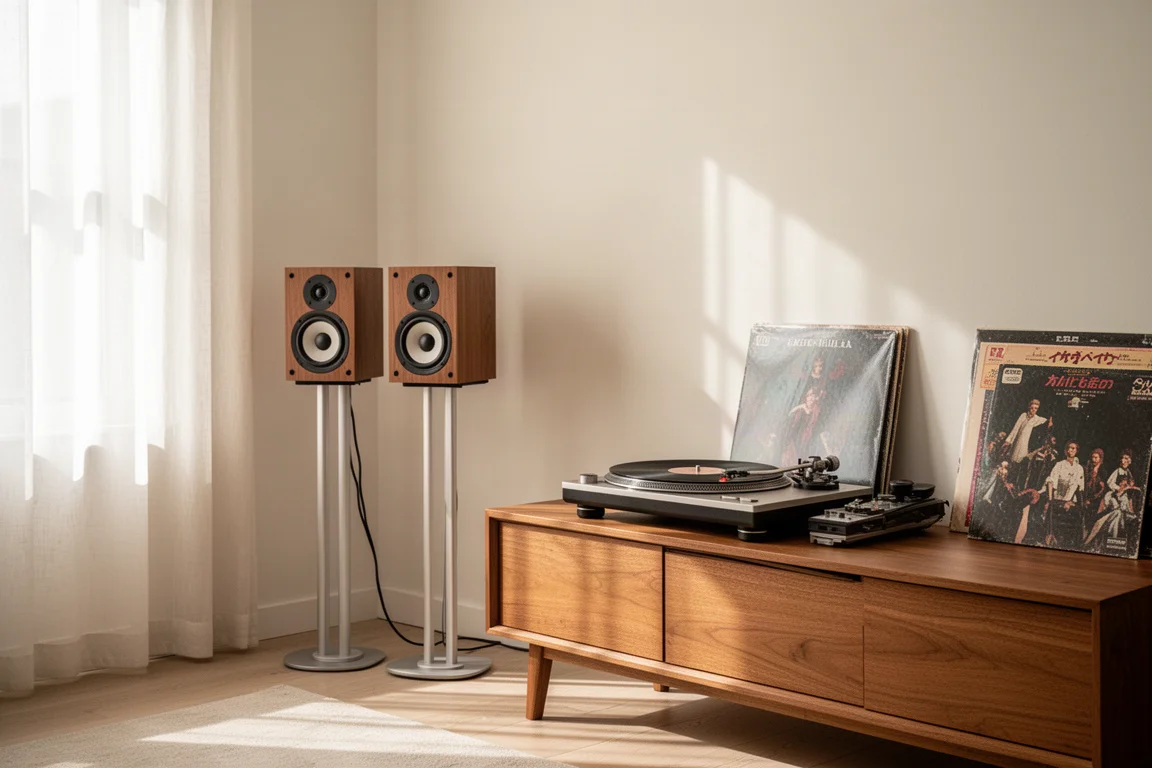
It is equally relevant for people running speakers that are hard to drive. The 50 watt rating undersells what the amplifier actually does, because the power supply behind it is unusually large for the price. Buyers who already own a favourite outboard DAC or phono stage are a natural fit too, since Moon River lets you leave those modules out entirely and put the money into the amplification instead.
Main Strengths
Three things stand out: the physical design, the way the amplifier handles demanding speakers, and the sound itself.
Design and Build
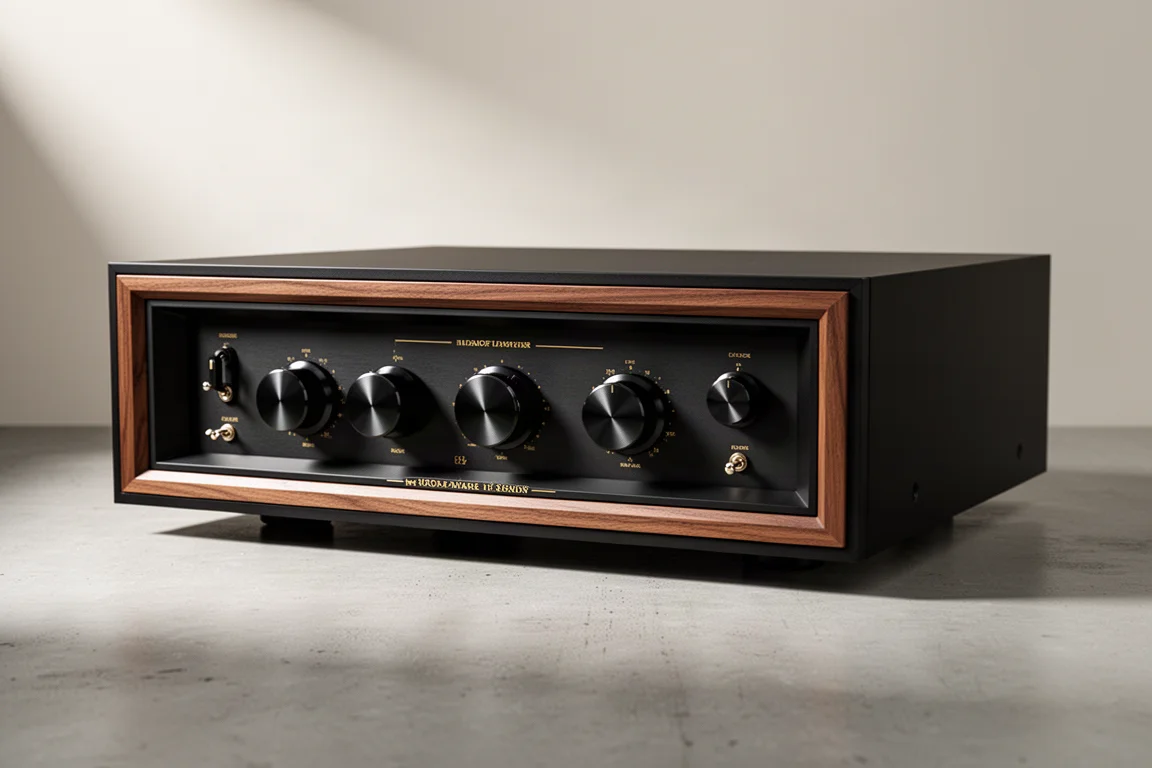
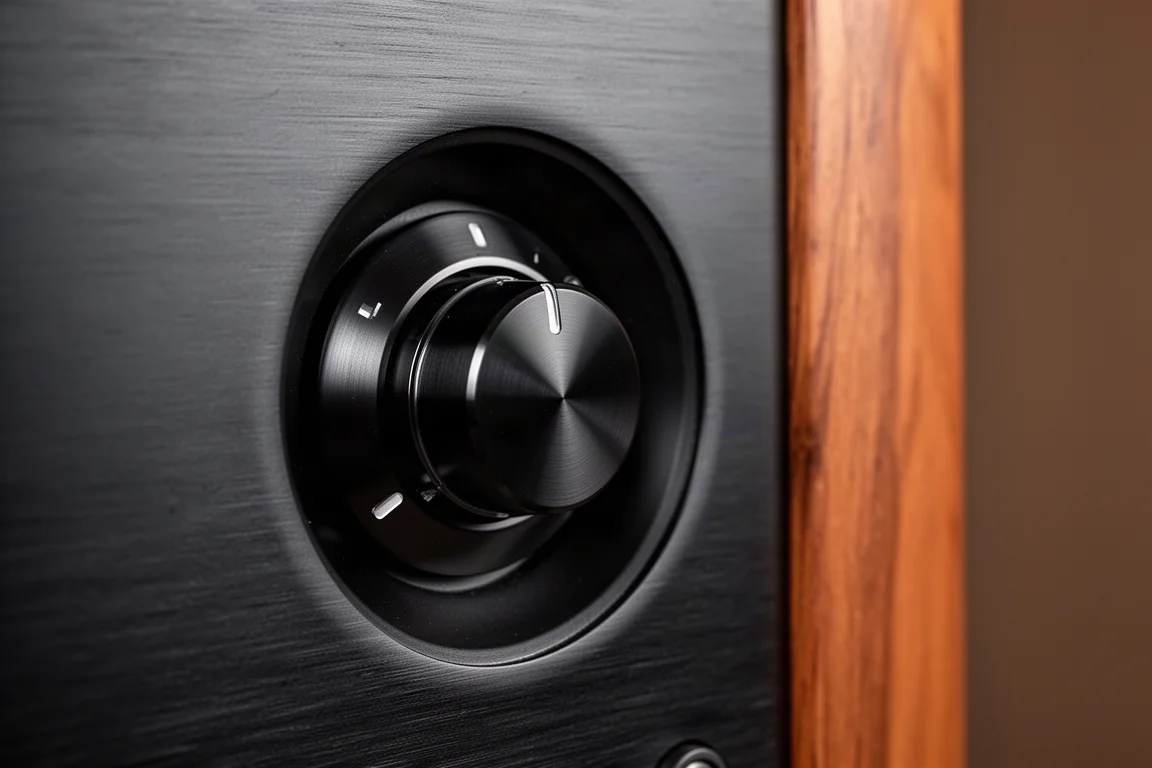
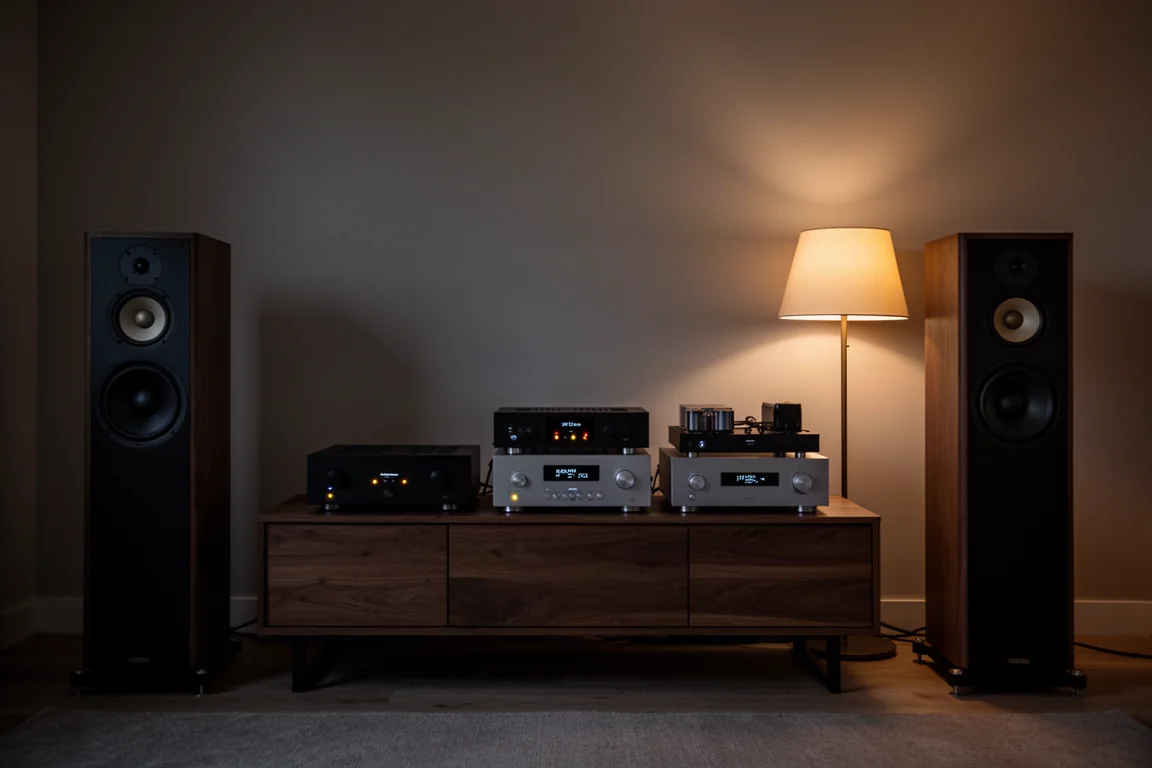
The front panel is recessed behind a combination black and wooden bezel, with mirrored symmetry, two toggle switches and four polished black metal rotary dials. The Reference is visually identical to the standard 404 apart from gold lettering in place of white, and the speaker terminals are the only external clue, with high quality WBT NextGen binding posts fitted. Two subtle LEDs illuminate at power up. The left dial selects between four inputs, and the switching relays engage with a reassuring click. The left toggle dims or switches off the LEDs, the inner dials handle the tape monitoring loop and left/right balance, the right toggle selects stereo or mono, and the far right dial controls volume. A remote control is included. The chassis measures 430 x 135 x 390 mm and weighs 13 kg.
Inside, the power supply is the headline. There is a 250 VA toroidal transformer branded Moon River, an AC filter, a fuse and soft-start circuitry, with rectification diodes mounted on the heatsinks. The preamplifier has its own dedicated supply built around two 10,000 microfarad Rubicon capacitors plus smaller Vishay parts, and the preamp itself is all through-hole discrete components. The power amplifier filtering adds eight large and two small Vishay capacitors per channel, for around 80,000 microfarads of total filter capacitance.
Sound Quality
The result is an expansive soundstage with excellent depth and secure placement of performers. Tonality sits distinctly on the warm side of neutral. Clarity and instrument separation are a clear step beyond what an entry-level amplifier using the same power amplifier chips can manage, and the bass is plump and juicy while remaining well controlled. Sharp edges in the midrange are softened, but the presentation comes across as full rather than thick, and the restrained upper midrange and treble stay relaxed without sounding dull.
The power amplifier modules are chip-based Texas Instruments LM3886 devices in Class AB. That is a common sight in amplifiers selling for under £1,000 and unusual at this price, and it is the most likely reason the 404 Reference does not unearth quite the last degree of micro-detail from a recording.
Speaker Pairing Flexibility
This is where the amplifier earns its keep. With demanding loads such as the ProAc Response 1, it stayed open and in control, while a 75 watt Exposure 2510 at less than half the price muddied and collapsed the soundstage. With easier speakers the picture reverses and the Exposure pulls ahead on micro-detail, texture and the subtle inflections in a vocal.
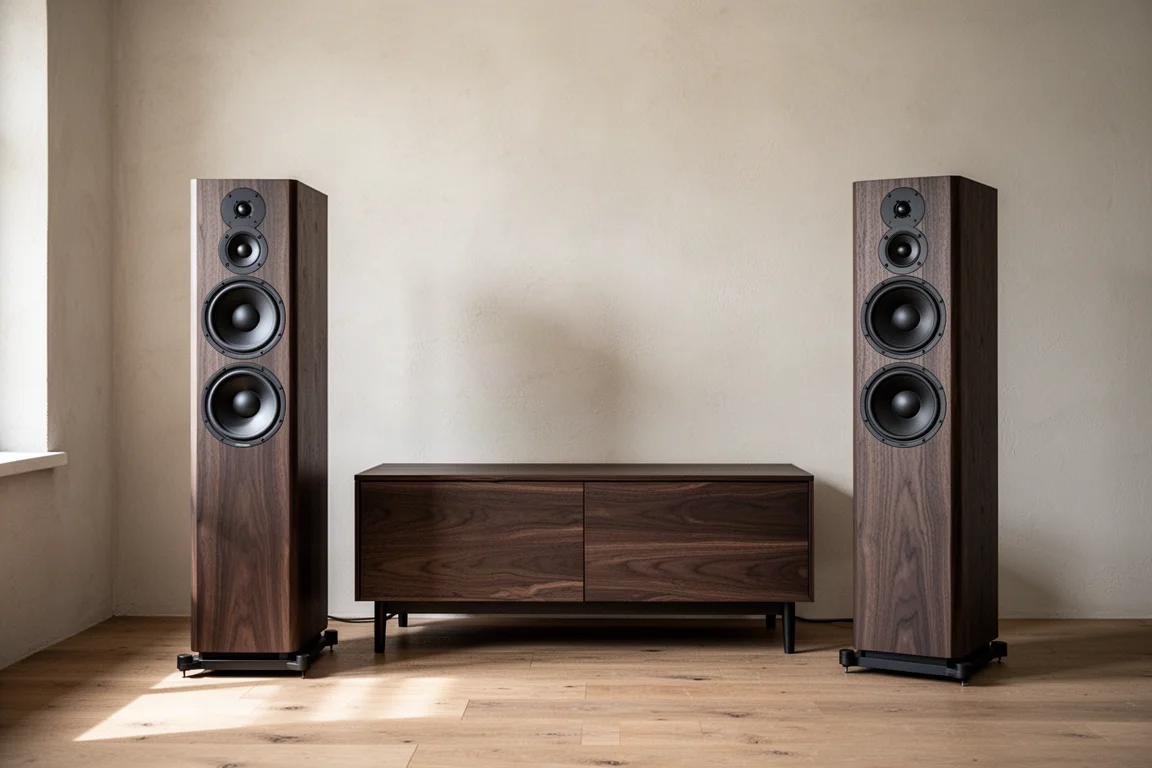
Synergy matters. A pair of Amphion Argon 1 speakers balanced the richer Swedish amplifier admirably, and Dali Menuet SE speakers showed there was still midrange nuance on offer. Against a Hegel H190, the Moon River matches scale and dynamics, while the Hegel counters with a crisper attack, more detail and a more even-handed tonality. Compared with an Atoll IN300, which has far more power on tap, the Moon River gives up little at low and moderate volumes and offers a warmer, more relaxed alternative.
Things to Consider Before Buying
The chip-based power amplifier modules are the main compromise. Given the quality of the power supply and the preamplifier section, the design feels as though it deserves discrete output stages, and that is the most plausible explanation for the slight shortfall in low-level detail at this price.
Optional modules add cost on top of the £4,499 asking price: £475 for a moving magnet phono stage, £549 for a moving coil and moving magnet version, £549 for an SPDIF DAC and £799 for a USB DAC. The USB DAC performs adequately and nudges the tonality closer to neutral, but it does not match the soundstaging refinement of the best dedicated DACs around £1,000.
Finally, 50 watts into 8 ohms is a modest headline figure. It will not match a 150 watt design for outright volume, even if it holds its own at ordinary listening levels.
Buying Advice
If you want a warm, authoritative amplifier with real grip on awkward speakers, the 404 Reference delivers, and it is easy to build a satisfying system around it. Choose the module options carefully. Skipping the DAC and phono stage keeps the price down and leaves room for better outboard components later, which is the approach the design encourages.
The one reservation is value. At £4,499 the amplifier sits at the top of what its specification can justify; nearer £3,000 to £3,500 it would be considerably more competitive. Buyers who prioritise resolution and neutrality above character may prefer alternatives, but anyone chasing a big, relaxed and colourful presentation with genuine drive will find plenty to like here.
Conclusion
The Moon River Audio 404 Reference is a hand-built Swedish integrated amplifier with a distinctive retro look and a sound to match: large, warm and easy to live with. Its generous power supply and discrete preamp section let it drive speakers that would trouble cheaper rivals, and the optional module approach keeps the feature set honest. The chip-based output stages and the price tag are the trade-offs to weigh, but as a characterful centrepiece for a carefully matched system, it makes a persuasive case.
Product link
View more details for Moon River Audio 404 Reference
This product is mentioned in the review. Check the specifications, options, and compatibility before buying.
View more details for Moon River Audio 404 ReferenceFurther reading
Related Reviews
Integrated Amplifiers
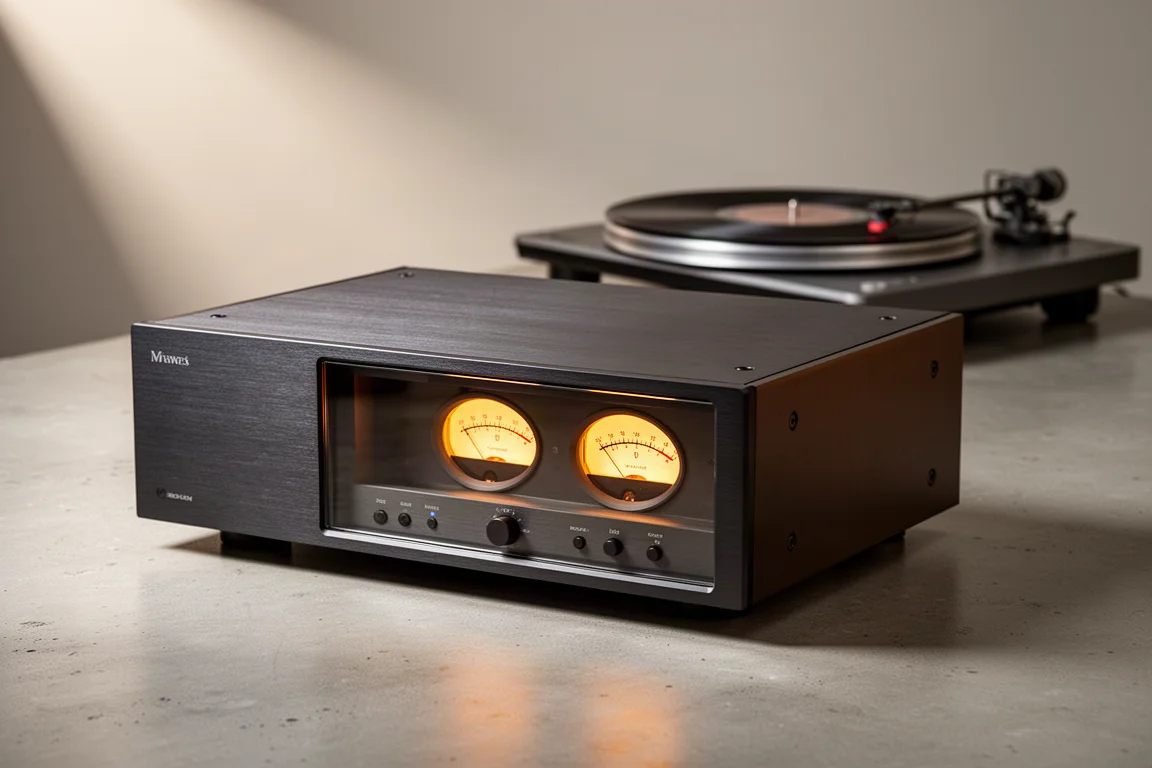
Advance Paris A10 Classic Review: Vintage Looks and a Lively, Punchy Sound
The Advance Paris A10 Classic pairs glowing blue VU meters and a tube stage with one of the widest input sets on any integrated amplifier. Here is what it does well and what to weigh before spending $2,500.
Integrated Amplifiers
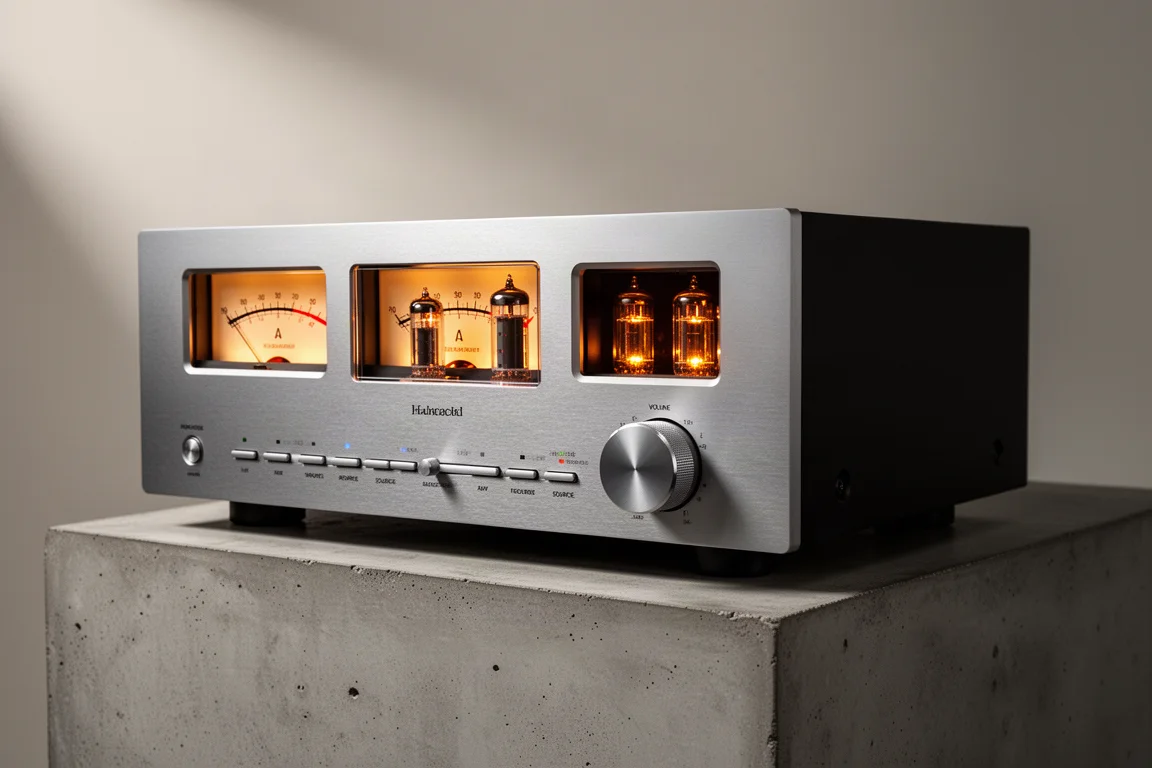
Advance Paris A12 Apex Review: A Modern Integrated Amplifier With Vintage Character
A dual mono integrated amplifier with 180 watts per channel, a tube front end, VU meters, and a connectivity list that covers turntables, televisions, computers, and headphones.
Integrated Amplifiers
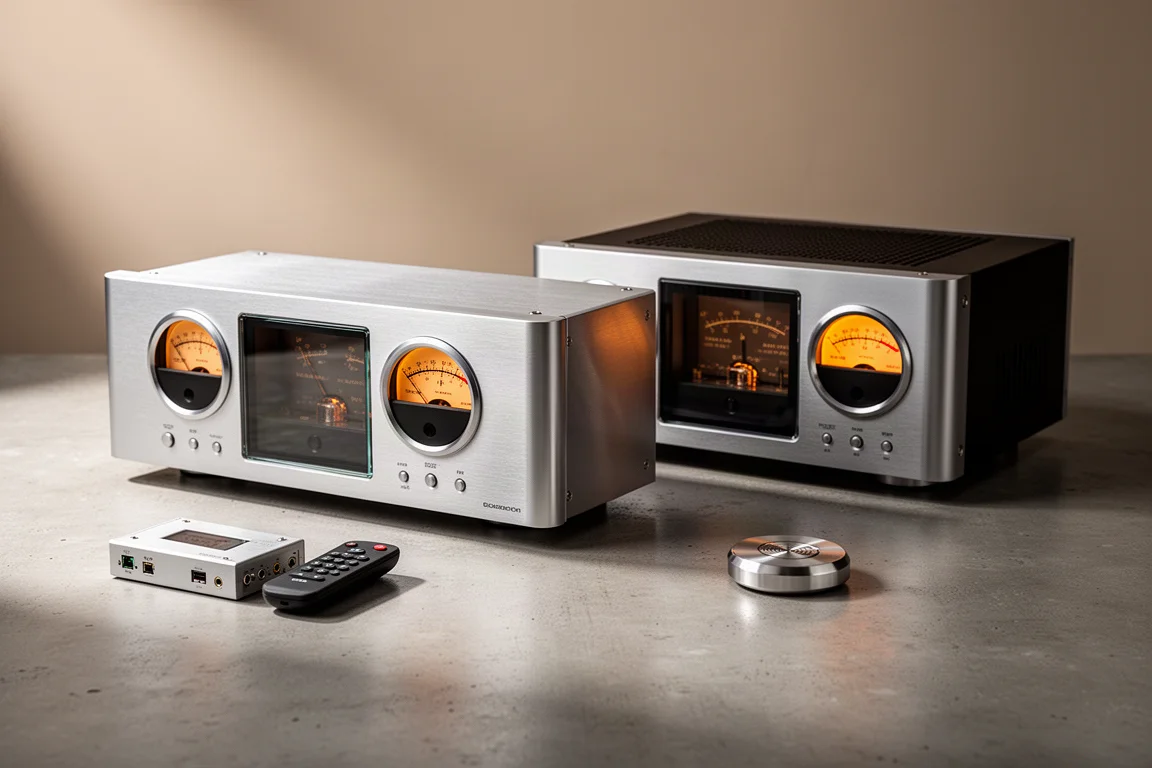
Advance Paris Nova Range Review: AI130, AI190 and Modular Upgrades
A practical look at the Advance Paris Nova range, including the AI130 and AI190 integrated amplifiers and the modular streaming, Bluetooth and remote accessories that expand them.