Insulated Jackets
Montbell Thermawrap UL Review: A Very Light Synthetic Mid Layer for Cold, Sweaty Days
A focused look at the Montbell Thermawrap UL, a very light synthetic jacket for cold days when you work hard enough to sweat.
Introduction
Deciding what to wear in the mountains is rarely about a single garment. It comes down to how cold it will be, how hard you will be working, and which layer belongs closest to your skin. The old mountain saying covers most of it: there is no such thing as bad weather, only bad clothing. The answer is almost always a system rather than one jacket.
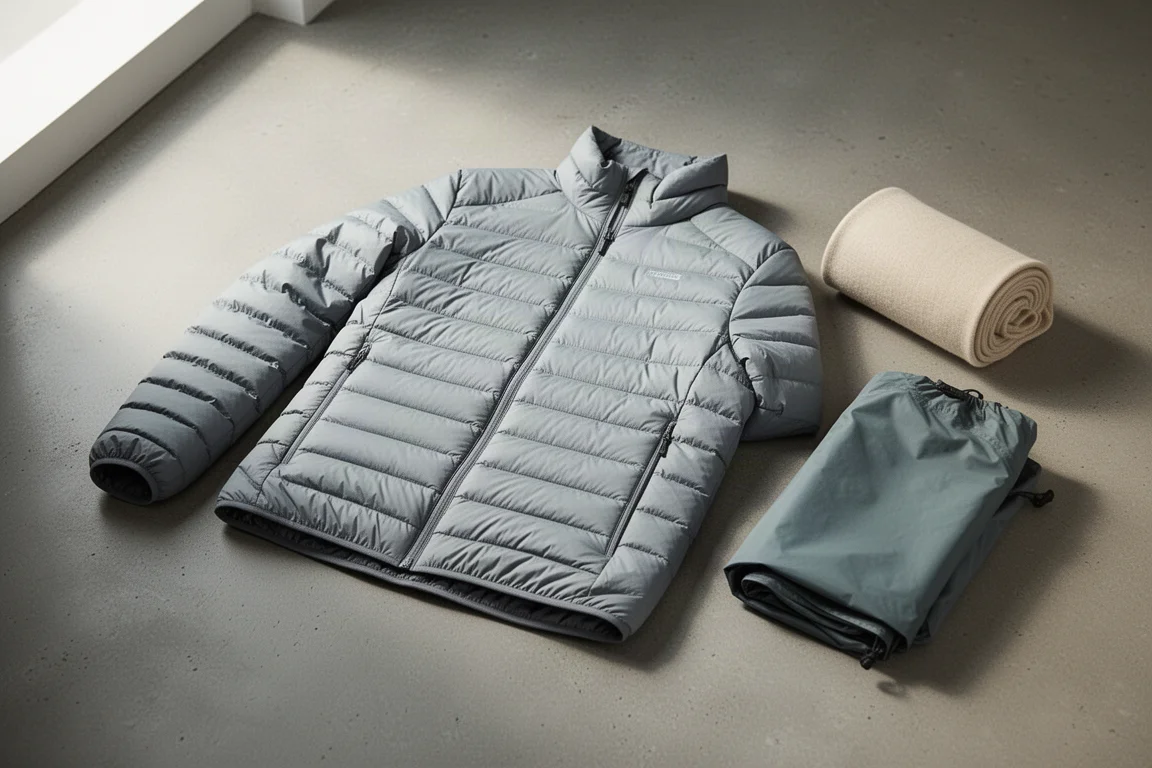
The Montbell Thermawrap UL occupies one specific slot in that system. It is a very light synthetic jacket built for cold days when you expect to sweat. This article looks at where it performs well, where it makes less sense, and which kind of mountain day it was made for.
Who the Montbell Thermawrap UL Is For
The Thermawrap UL is for people who move quickly and travel light. It was picked up for lightweight thru-hiking, and the same logic applies to strenuous hikes, technical mixed climbing and ski touring, where the day is defined by sustained effort rather than long stationary stretches.

That distinction matters. If your cold-weather time is mostly spent waiting at a belay, sitting on a chairlift, or moving slowly with a camera, a warmer and more efficient insulating layer will usually serve you better. The Thermawrap UL is built around movement, and it rewards hikers and climbers who generate their own heat.
How It Fits Into a Layering System
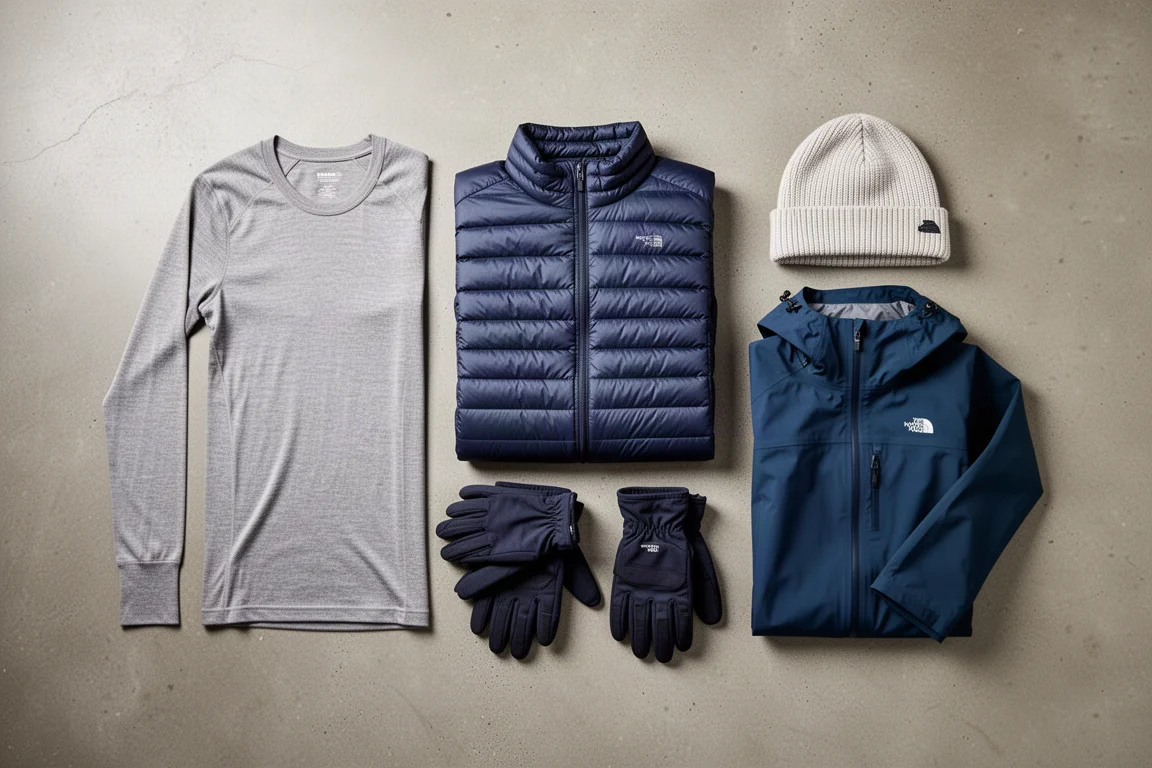
A practical system has three jobs to fill. The base layer sits next to the skin and moves moisture away so you stay dry and warm. The mid layer traps heat, essentially a warm blanket placed between the base layer and the shell. The outer layer keeps you dry and blocks wind, which is one of the most important things to control if you want to stay warm.
The Thermawrap UL is the mid layer in that arrangement. Because it is thin and light, it slides under a waterproof shell without fighting for space, so you can add or remove insulation as the day changes.
It is worth avoiding jackets that try to combine a mid layer and an outer layer in one garment. They compromise the adaptability of a system, and a bulky combined jacket can be difficult to fit inside a separate shell when conditions demand every layer at once.
Main Strengths
The case for the Thermawrap UL rests on two qualities that matter more than headline warmth: low weight and sensible behaviour when you sweat.
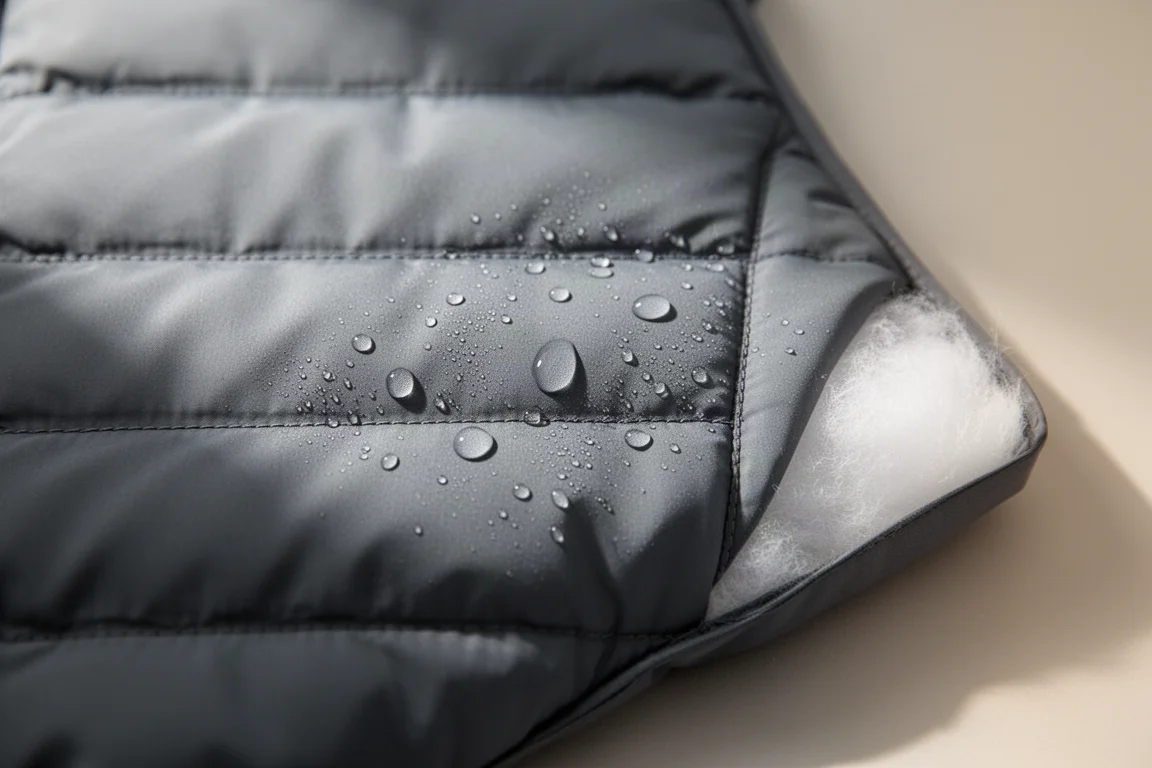
Both of those come from its synthetic insulation, which is where it separates itself from a down jacket of similar bulk.
A Very Light Synthetic Layer
Weight is the starting point. This is a very light synthetic jacket, designed for fast and light trips where every item in the pack has to justify its place. For a mid layer that often spends the day inside a pack, that matters.
Better Moisture Handling Than Down
Synthetic insulation deals with moisture better than down. That is the reason to choose it for high-output days: a strenuous hike, a technical mixed climb, or a long ski tour, anything likely to make you sweat. Down loses much of its insulating value when it gets wet and does not handle moisture well at all, which is why it belongs in cold, dry conditions. Synthetic fill keeps working when things turn damp, so the Thermawrap UL suits days when you soak a layer from the inside.
A Practical Layer Under a Shell
Because the jacket is thin, it works as a mid layer under a waterproof shell rather than as a standalone outer layer. On a wet day you add a hard shell over the top, and the Thermawrap UL keeps doing its job underneath.
Things to Consider Before Buying
Bulk is the main trade-off. Synthetic insulation is generally bulkier than down, so a comparable down layer will pack smaller. If pack volume is tight, factor that in.
Warmth for weight is the second consideration. Down is generally regarded as the lighter and warmer option for its weight, and the Thermawrap UL is not the warmest layer you can carry. It is a light synthetic mid layer, not a replacement for serious cold-weather insulation.
Third, this is an insulating layer, not a weatherproof one. In persistent rain, sleet or wet snow, you still need a hard shell over the top. No waterproof layer is completely waterproof in every condition, but a proper shell is what keeps the rain out while the Thermawrap UL keeps the warmth in.
Finally, think about how you use your gear. If you are likely to sit still in the cold, or you run cold, a warmer jacket will be the better purchase. If you generate heat all day, the lighter synthetic layer makes more sense.
That is not a flaw in the jacket so much as a reminder that mid layers are horses for courses: each trip and each set of conditions asks for a different one.
Down or Synthetic: Which Makes More Sense
The choice between down and synthetic is not a verdict on either material. Down is lighter and warmer pound for pound, and its loft traps heat efficiently, which is why it is the choice for genuinely cold, dry conditions. Its weakness is moisture. In a wet environment, a synthetic layer is the safer bet.
Synthetic insulation is also improving steadily, with newer versions getting closer to down on weight and packed size. For anyone who sweats heavily, or who spends time in damp climates, that progress makes synthetic layers increasingly attractive.
If down is on your list, it is worth checking the source. Ethical down comes from by-products of the meat industry rather than live plucking, and it is reasonable to look into where a brand’s down comes from.
Buying Advice
Buy the Montbell Thermawrap UL if you want a very light synthetic mid layer for cold days with high output: fast thru-hikes, strenuous ascents, ski touring and mixed climbing. It fits neatly under a shell, it handles sweat far better than down, and it keeps the pack light.
Skip it if you need maximum warmth for your weight, if you spend a lot of time stationary in the cold, or if you want one jacket that does everything. In those cases a down jacket or a heavier synthetic layer will serve you better.
When you build the rest of the system, spend where it counts. Base layers are the place to think about fabric: merino wool resists odour well and stays warm when wet, while polypropylene is cheaper and dries quickly. Mid layers are where you can save money, since anything that traps air will insulate. The outer layer is the most technical and usually the most expensive part of the system, so that is where a careful choice pays off.

Whatever you choose, a layering system only becomes reliable through experience. Take the layers out, see how they behave in real conditions, and adjust from there.
Conclusion
The Montbell Thermawrap UL is a focused piece of kit. It does one job well: light synthetic insulation for cold days when you are working hard enough to sweat. If that describes your mountain days, it is an easy layer to justify in the pack. If your days are colder, slower or wetter, a different mid layer will suit you better.
Product link
View more details for Montbell Thermawrap UL
This product is mentioned in the review. Check the specifications, options, and compatibility before buying.
View more details for Montbell Thermawrap ULFurther reading
Related Reviews
Insulated Jackets
Aerogel vs Down Insulation: Two Aerogel Jackets Compared
Aerogel is the lightest solid on record, but two aerogel jackets measured against a comparable down jacket tell a more complicated story about warmth.
Insulated Jackets
Arc'teryx Atom LT vs Decathlon Trek 50: Does the Premium Synthetic Jacket Earn Its Price?
A side-by-side look at two synthetic insulated jackets at very different prices, covering fit, weight, insulation, features, and warranty.
Insulated Jackets
Big Agnes Shovelhead Jacket Review: Does Treated Down Stay Warm When Wet?
A close look at the Big Agnes Shovelhead jacket and its bluesign approved, PFAS-free DownTek insulation, including what happened when it was soaked twice in near-freezing conditions.