Home Theater Speakers
Monoprice THX Compact Satellite Speaker Review: Honest Small-Room Sound
A measured look at the Monoprice THX Compact Satellite Speaker, including its coaxial driver design, neutral tuning, and the volume limits you should know before buying.
Introduction
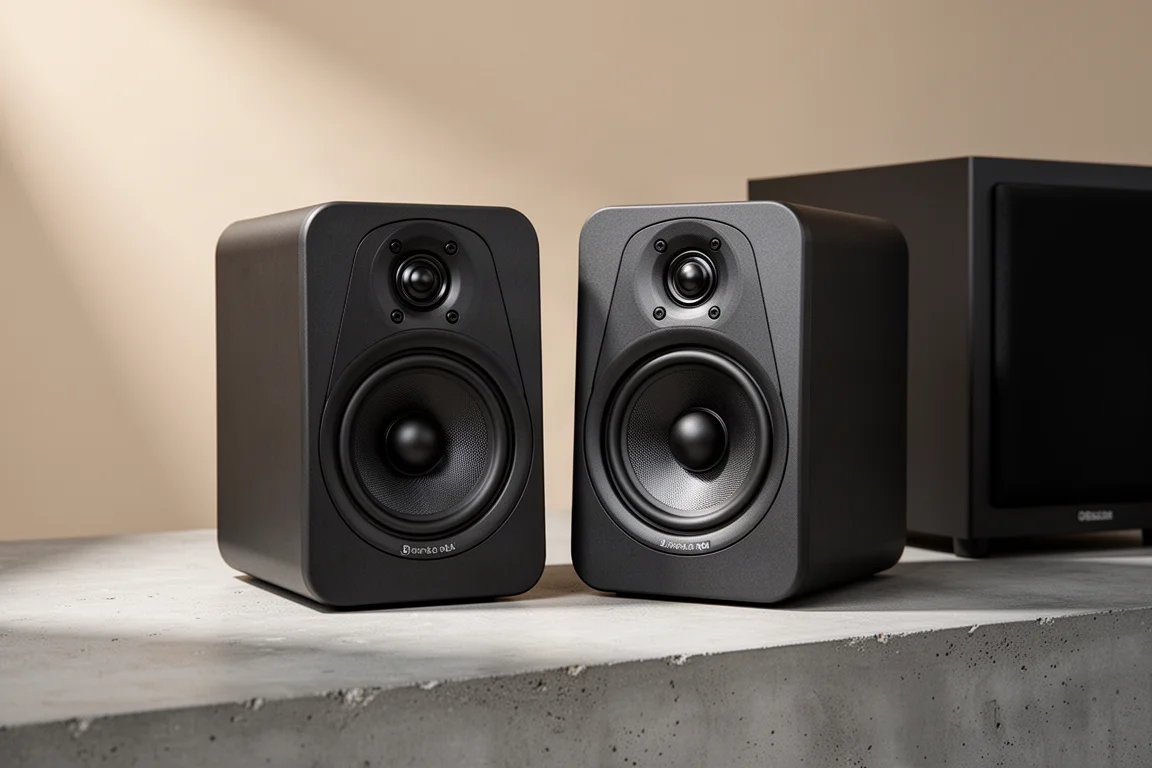
Compact satellite speakers rarely get much respect. They are usually treated as the compromise you accept when a room is too small for proper bookshelf cabinets, and most of them are built to hit a price rather than a performance target. The Monoprice THX Compact Satellite Speaker is a different proposition, because it is designed against a published certification standard rather than a marketing slogan.
It is sold as a pair for around $250, or as part of a 5.1 set that includes five satellites and an eight-inch subwoofer for roughly $409. The second option is where the value really sits, and it is also the configuration the speaker was clearly designed for.
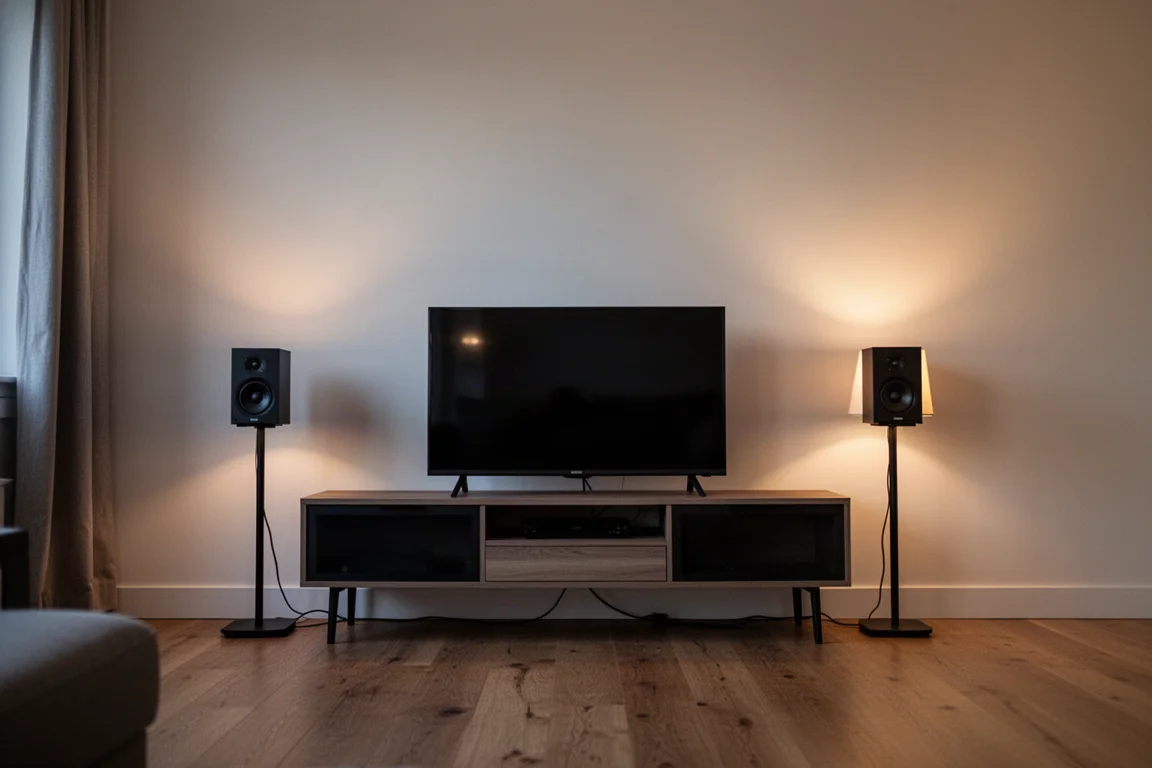
The THX Compact certification is worth understanding, because it sets expectations honestly rather than generously. It covers smaller rooms of up to about 1,000 cubic feet with an eight-foot viewing distance from the screen. Inside that envelope the speaker is intended to perform properly. Outside it, it is not, and the measured behaviour backs that up.
Who This Speaker Is For
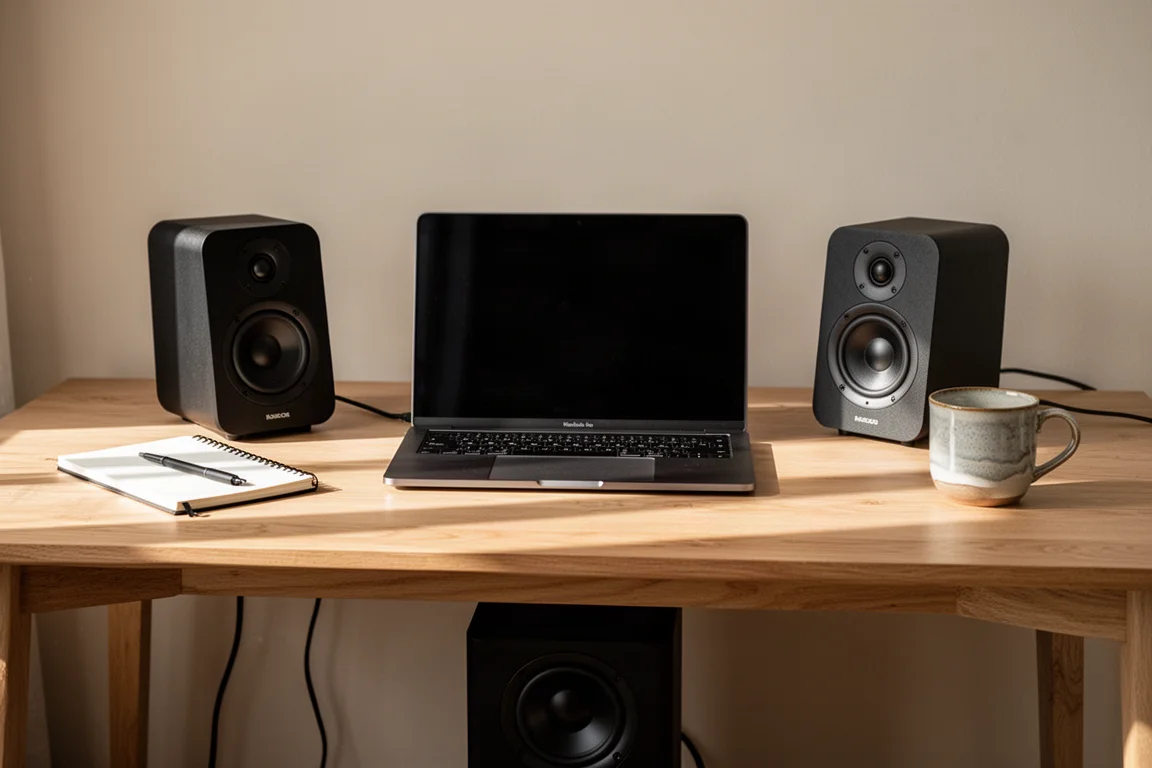
The short answer is anyone building a system in a genuinely small space. An apartment living room, a bedroom, a study, or a desk setup where the speakers sit close to the listener are all natural fits. Nearfield listening is where these satellites feel most comfortable, and they also work as midfield speakers in a compact room.
Two things are non-negotiable. First, you need a subwoofer. Second, you should not expect to play them loudly. Buyers who want a system that fills a medium or large room at high volume should look elsewhere, because that is not what this speaker was certified to do. Buyers who want a tidy, neutral, small-room system at a modest price are exactly the right audience.
Design and Driver Technology
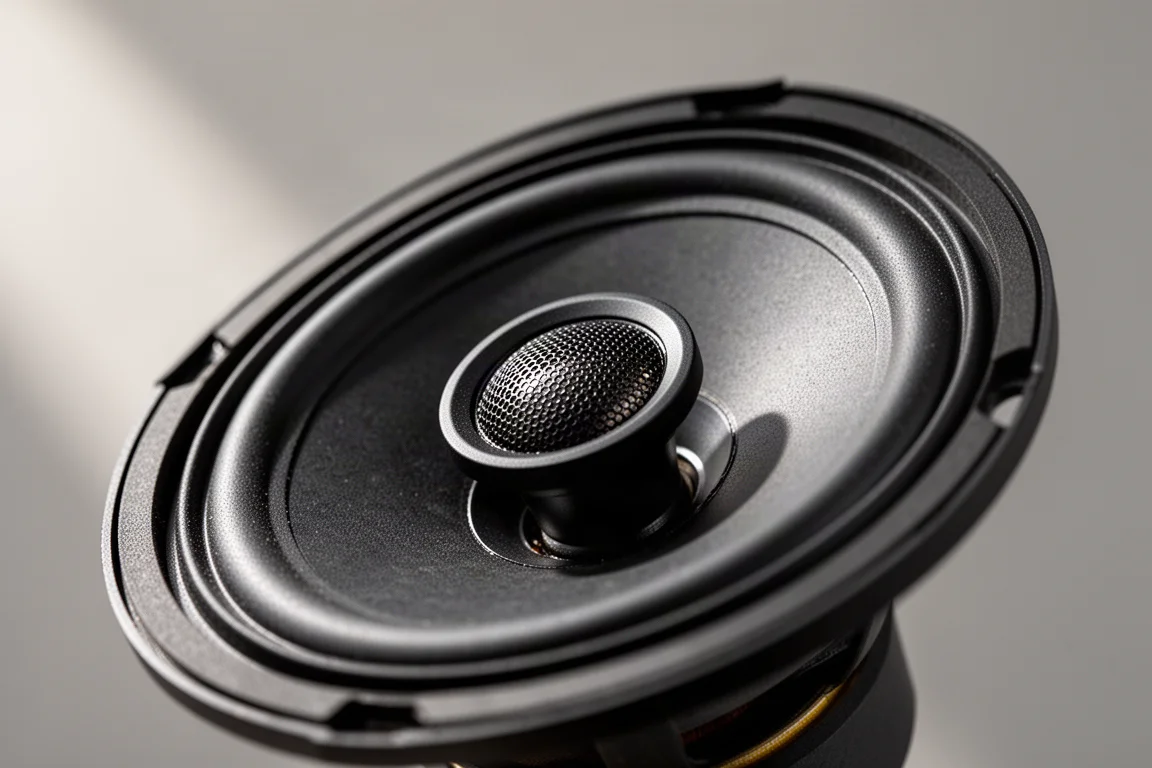
The heart of the speaker is a 4.5-inch coaxial coincident driver, with the tweeter housed inside the mid-range rather than mounted on a post in front of it. That detail matters. Coaxial designs often suffer because the mid-range cone acts as a waveguide for the tweeter, and cheap implementations place the tweeter ahead of the cone, which disrupts the transition between the two. Mounting the tweeter inside the mid-range usually indicates a more careful design, and in this case the execution is genuinely good.
The tweeter sits in its own housing that merges smoothly into the cone profile, and the mid-range keeps a small, tidy surround with no bulky roll of material interrupting the shape. The result is a cleaner path from the tweeter into the cone, which helps the frequency response stay consistent.
The cabinet itself is light, which is normal at this size, and it includes a simple wall mount that hooks onto a single screw. That makes wall placement straightforward for anyone who does not want stands in the room.
How It Sounds in a Small Room
Tonally, the speaker is neutral, which is the most surprising thing about it at this price. There is a dip around 1.6 kHz and a modest peak just above 2 kHz, and together they pull the response slightly out of a strict tolerance band. In practice the dip removes a little attack and crispness from instruments that rely on that region, brass in particular. It is not a dealbreaker, and it can be corrected with equalisation, though boosting that area also raises distortion there.
The treble runs a touch hot. That is a side effect of a genuine strength: the tweeter holds wide, consistent directivity from roughly 2 kHz to 10 kHz, so reflections stay even in intensity rather than tapering off. The result is a high-frequency balance that builds up instead of sloping down. A simple shelving filter trims it neatly, or you can experiment with toe-in and toe-out to taste.
Placement is unusually forgiving. Around 30 degrees off axis is the sweet spot, which means you do not need to aim the speakers at your seat. They can sit parallel to the back wall and still sound right. Dispersion is wide and even, roughly plus or minus 60 to 70 degrees horizontally and about plus or minus 60 degrees vertically, so sitting above, below, or off to the side changes the character very little.
Bass extension reaches down to about 80 Hz, with an F3 around 81 Hz and F10 around 60 Hz. That is respectable for a satellite and entirely consistent with the certification, but it confirms that a subwoofer is part of the design rather than an optional extra.
Main Strengths
The strongest argument for this speaker is its tonal neutrality in a category where that is rare. It does not sound thin, brittle, or artificially bright in the way many compact satellites do, and it holds its character across a wide listening window.
Dispersion is the second strength. Because the off-axis response stays smooth and consistent, the speaker takes to equalisation very well. If you want to adjust the sound profile to suit your room or your preferences, the design cooperates rather than fighting back. That is a meaningful advantage for anyone running room correction through an AV receiver.
Placement flexibility rounds out the list. Wall mount included, no strict toe-in requirement, and consistent performance above and below the listening axis all make it easy to live with in a room where furniture and screen position dictate everything. Add the value of the 5.1 bundle and the package is genuinely compelling for a small space.
Things to Consider Before Buying
Sensitivity is the first thing to plan around. At roughly 80 dB, this is a low-sensitivity speaker that needs meaningful power to reach a given volume. A standard AV receiver should cope, particularly once a crossover to the subwoofer is in place, because that removes the hardest part of the load. With multiple satellites, a separate external amplifier may be the better route. Impedance is on the low side, so it is worth knowing what your amplifier is comfortable driving.
Output limits are the second consideration, and they are the reason the certification is specific about room size. Distortion at 86 dB at one metre is not impressive, and at 96 dB it becomes high. Compression is significant enough that the speaker simply will not hold its composure as level rises. During a 102 dB sweep the driver produced mechanical noise alarming enough to suggest it had failed, although it survived the test intact. Treat that as a clear signal about how hard the speaker should be pushed.
Finally, remember that the low end depends entirely on the subwoofer. Run these satellites full range in a small room at high volume and the driver will be asked to do something it was never designed for. A crossover in the region of 80 Hz is the sensible setup.
Buying Advice
At around $250 for a pair, the Monoprice THX Compact Satellite Speaker is a reasonable purchase. At roughly $409 for the complete 5.1 set with five satellites and an eight-inch subwoofer, it becomes a straightforward recommendation for the right room. The bundle is where the maths works best, and the subwoofer is not optional anyway.
Set them up with a subwoofer, cross them over near 80 Hz, and keep listening levels realistic. If you want more treble control, use a shelving filter or adjust the angle slightly. If you want to lift the 1.6 kHz dip, a modest boost of three or four decibels is achievable, but accept the small distortion penalty that comes with it.
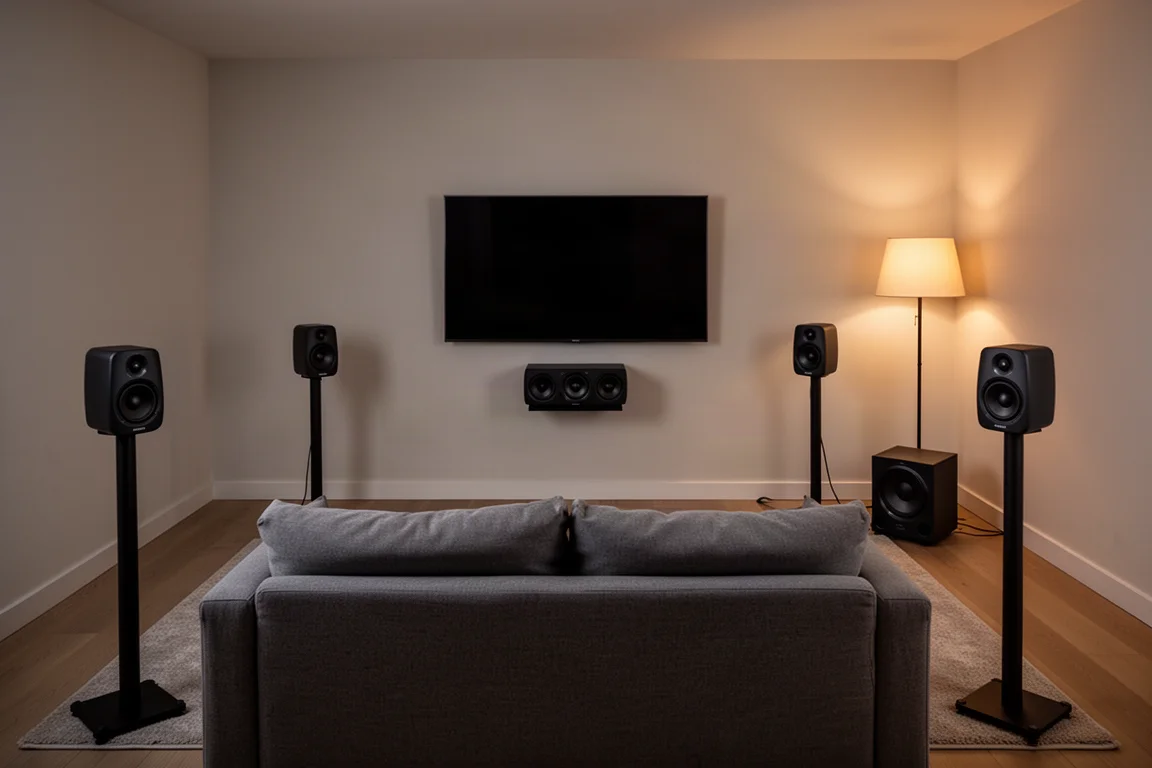
The most important step is matching the speaker to the space. In an apartment, a bedroom, or a compact media room, this system delivers a neutral, well-behaved sound that is easy to tune and easy to place. In a larger room at high volume, it will run out of headroom quickly. The measured data makes that boundary clear, and buyers who respect it will get far more satisfaction from the product.
Conclusion
The Monoprice THX Compact Satellite Speaker is a small speaker with a clearly defined job, and it does that job well. The coaxial driver is properly engineered, the tuning is neutral, the dispersion is wide and consistent, and the package price for a full 5.1 system is genuinely appealing. The trade-offs are equally clear: low sensitivity, limited output, and a hard requirement for a subwoofer.
If your room is small and your expectations are realistic, this is an easy system to recommend. If you need volume and scale, it is the wrong tool, and knowing that before you buy is the most useful thing a review can tell you.
Product link
View more details for Monoprice THX Compact Satellite Speaker
This product is mentioned in the review. Check the specifications, options, and compatibility before buying.
View more details for Monoprice THX Compact Satellite SpeakerFurther reading
Related Reviews
Home Theater Speakers
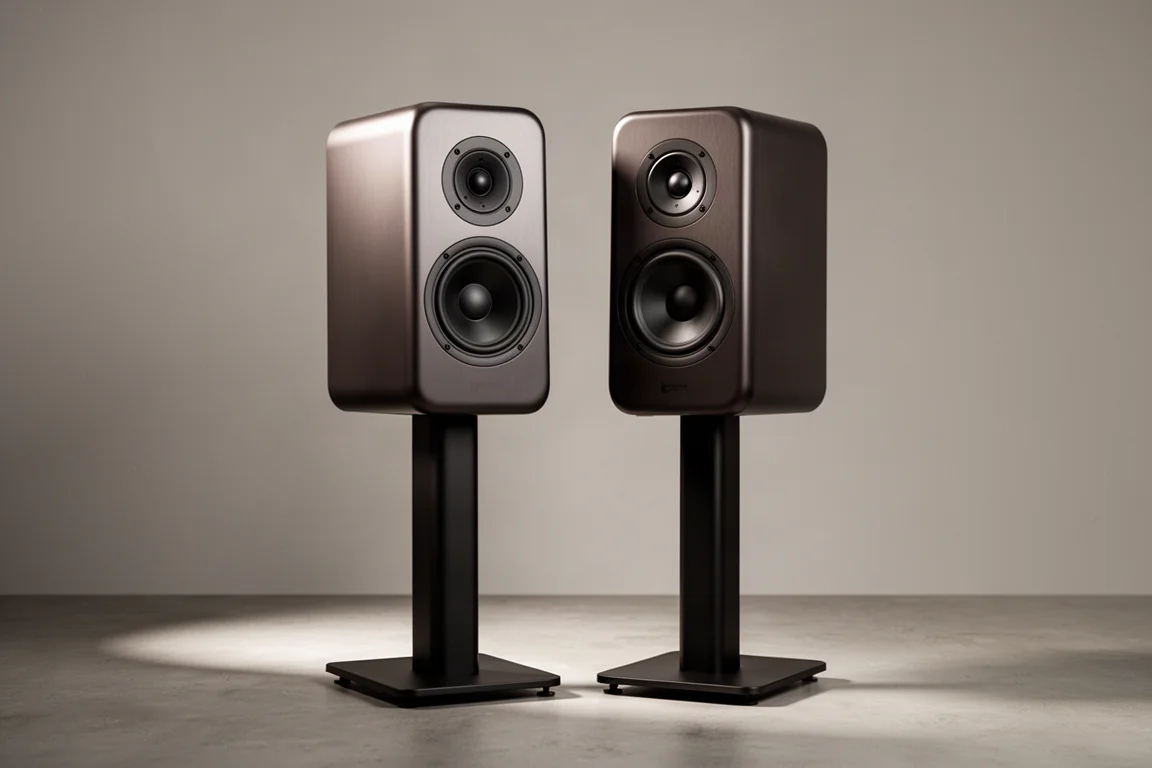
Arendal 1723 THX S Monitor vs 1723 THX Monitor: Which Two-Way Monitor Fits Your Room?
A practical comparison of the Arendal 1723 THX S Monitor and the larger 1723 THX Monitor, covering driver size, sensitivity, bass extension, and room fit.
Home Theater Speakers
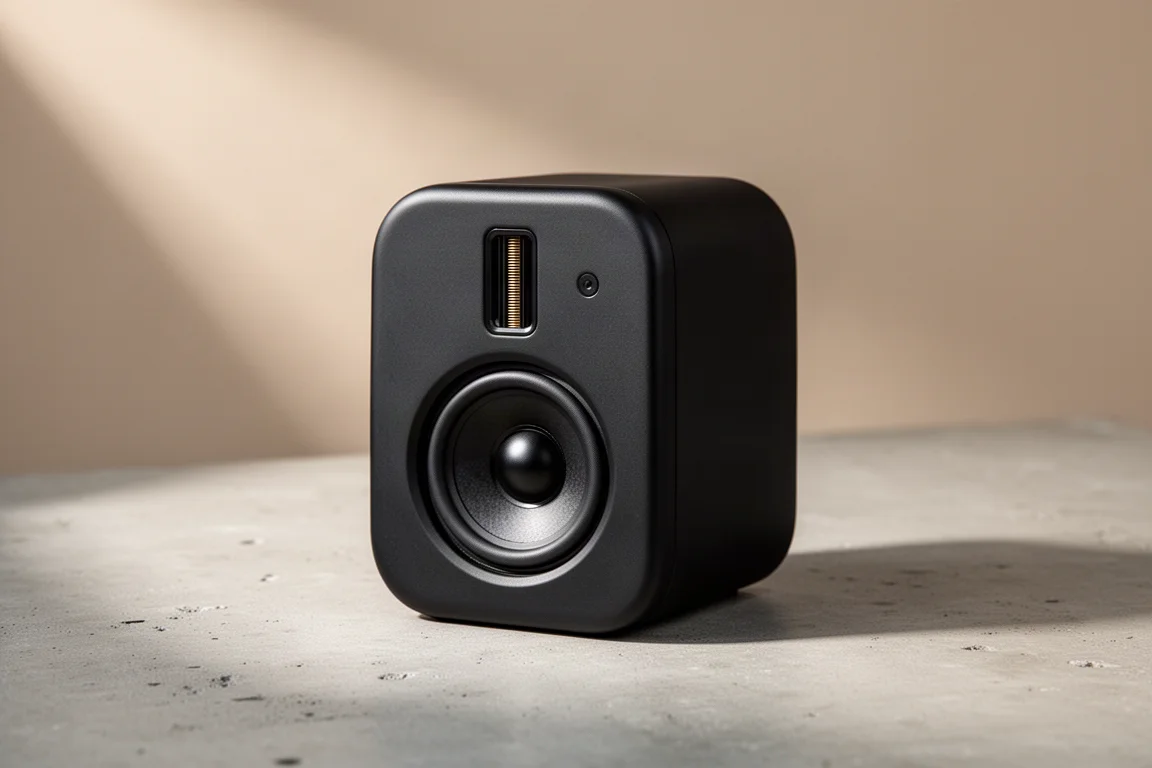
Emotiva A1 Review: A Small Speaker With Serious Surround Flexibility
A sealed two-way speaker built for Dolby Atmos, surround, and compact desktop duty at $179. Here is what it does well and what to check before buying.
Home Theater Speakers
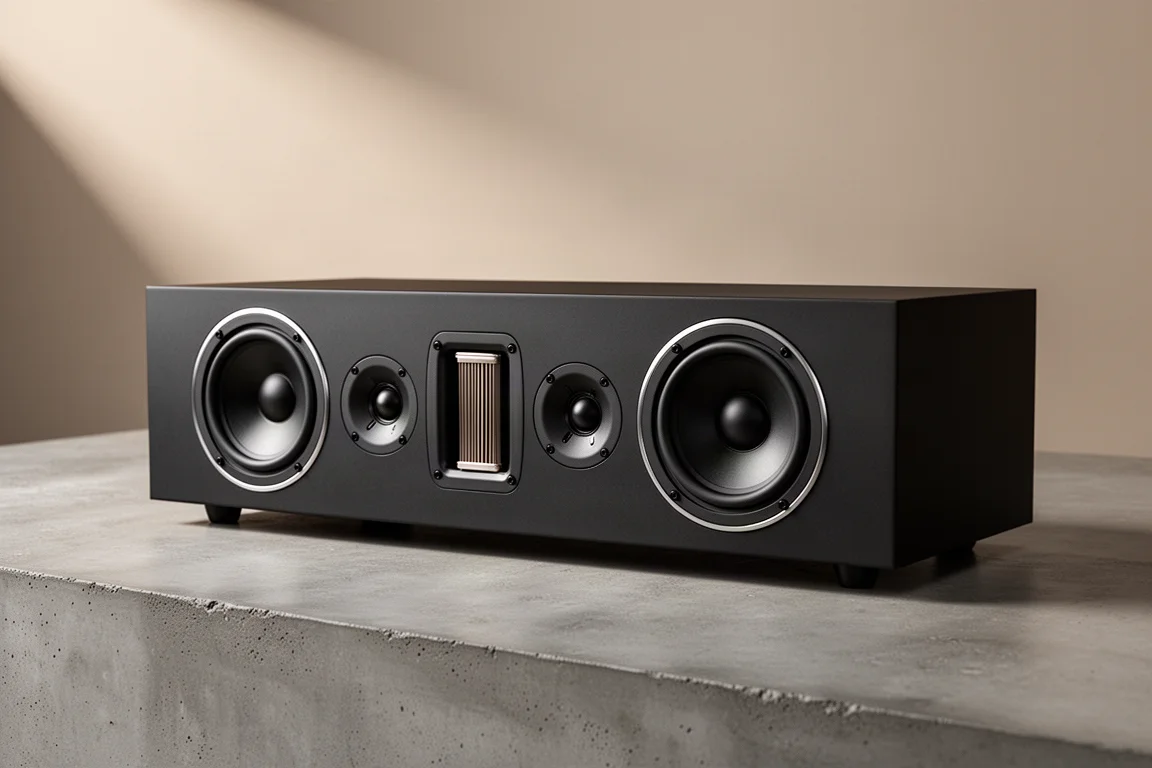
Emotiva C2+ Review: High Output Center Channel With a Narrow Sweet Spot
The Emotiva C2+ delivers serious output, deep bass for its size and high sensitivity, but its widely spaced midrange drivers create a horizontal sweet spot that rewards centered seating.