Home Theater Speakers
Monoprice Monolith THX-365 Center Channel Review: A Budget Center Channel That Makes Fewer Compromises
A three-way sealed center channel with strong measured linearity, low distortion, and wide midrange dispersion for the money. Here is what to know before buying.
Introduction
A center channel carries most of the dialogue in a home theater system, which makes it one of the hardest speakers to get right on a budget. Most affordable options in this category give up output, linearity, or both. The Monoprice Monolith THX-365 Center Channel takes a different approach, pairing a three-way driver layout with a sealed cabinet, and it does so under the $500 mark.
Direct from Monoprice the speaker lists at about $500, and it has been discounted to roughly $449 plus shipping during sales. What makes it interesting is not the price alone but how it behaves when measured.
Across the measured data, the compromises show up mostly in the top octaves rather than in the midrange where voices live. That distinction matters for anyone building a system around dialogue clarity.
Who This Center Channel Is For
This speaker suits home theater owners who want a center channel that stays composed at realistic listening levels without paying flagship prices. Its wide horizontal dispersion makes it a sensible choice for rooms with several seats, and its vertical consistency means it does not demand perfect tweeter-to-ear alignment.
It is also a good match for systems that already include room correction. Most home theater receivers and external processors offer equalization, and this speaker’s behavior responds well to it across most of the band.
It is less suited to anyone hoping to run a center channel without a subwoofer. The sealed cabinet rolls off early enough that a subwoofer is part of the plan rather than an optional extra.
Main Strengths
Balanced On-Axis and Listening Window Response
On-axis response shows a dip near 1 kHz, while the listening window response holds up well until the upper treble, where a minor dip appears. Linearity stays within roughly plus or minus 3 dB on axis and is slightly better through the listening window.
The estimated in-room response tracks a sensible trend line. The midrange sits about 1 dB below that trend, with a small lift around 1 to 1.5 kHz and another near 3 kHz. In practice this may make vocals sound slightly subdued relative to the rest of the range, but the deviation is small and this region sits where the room dominates the result anyway, so equalization is expected regardless.
For a center channel at this price, that is a strong result. The deviations are modest and mostly correctable, which is more than many budget center channels can claim.
Low Distortion and Wide Midrange Dispersion
Distortion performance is a standout. At 86 dB at one meter the speaker does not reach the 1 percent distortion threshold until about 50 to 60 Hz. Pushed to 96 dB, it stays largely within that 1 percent limit down to roughly 90 Hz.
Dispersion is the other headline. Between about 200 Hz and 500 Hz the radiation pattern holds around plus or minus 50 degrees, then widens to roughly plus or minus 80 degrees from 500 Hz to 5 kHz. That is broader than many comparable center channels through the range that carries most dialogue. Vertically, the response stays even within about plus or minus 25 degrees, so the speaker can sit slightly below ear level and still perform well, and raised second-row seating is covered as well.
Build Quality and Practical Details
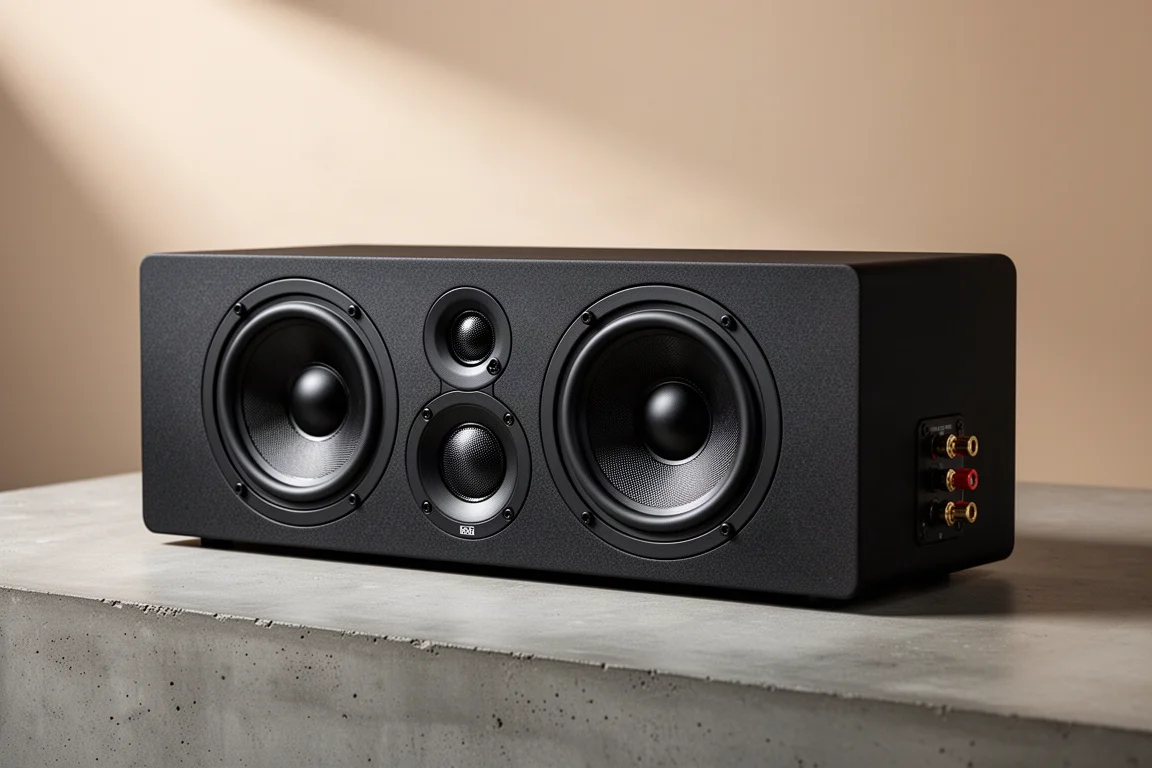
Two 6.5 inch woofers flank a 2 inch silk dome midrange and a 1 inch silk dome tweeter. Rated sensitivity is 89.5 dB, and the measured figure of about 88.6 dB from 300 Hz to 3 kHz lines up with that claim. The enclosure is sealed and weighs about 26 pounds.
A felt-like material on the base protects furniture from scratches, and the binding plates on the rear are of good quality. Overall build quality reads as strong for the price.
Things To Consider Before Buying
Treble Narrows Above Five Kilohertz
Off axis, the midrange holds up well. Seated to the side, the midrange and most of the range sound much like they do directly on axis. The treble is a different story. Above about 5 kHz the response drops off and the pattern narrows, so the top end will not sound identical from side seats.
There is also an unusual region between roughly 1 kHz and 1.5 kHz where off-axis energy runs above the on-axis response, most likely a baffle diffraction effect rather than an internal resonance, since nothing in the rest of the data points to a resonance. It is a quirk worth knowing about rather than a fault that shows up elsewhere.
If your seating is spread wide, this is the trade-off to weigh. It is still a better place for a compromise to land than the midrange, where dialogue sits.
Compression at Very High Output
One measurement stands out: a narrow compression peak that is likely distortion, along with tweeter compression at the low end. Retesting and internal inspection did not reveal resonances, so distortion is the more likely explanation.
Whether it is audible is a fair question. The cue is narrow, and it does not appear to become relevant until very high output levels, in the region of 102 dB. At normal listening levels it did not present itself as an obvious problem. The honest summary is that the data shows it, and it is unlikely to matter in typical use.
A Sealed Cabinet Needs a Subwoofer
F3 is 81 Hz and F10 is 54 Hz. That sealed alignment is clean but limited at the bottom, so a subwoofer belongs in the system. Bass management in a receiver handles the handoff easily, but do not expect the center channel to carry deep low-frequency content on its own.
Buying Advice
Under $500, this is one of the better budget center channel options available, largely because its compromises land in the upper treble rather than the midrange. If you are deciding between this and another center channel, buying both and comparing them in your own room is a reasonable approach, since in-room response and seating layout shape the result as much as the speaker does.
Pricing moves around. The speaker lists at about $500 direct from Monoprice and has been discounted to roughly $449 plus shipping. For a three-way sealed center channel with this measurement profile, that is a competitive place to be.
What tips the decision is how much you value wide, even midrange coverage across multiple seats. That is the part of the performance this speaker protects most carefully, and it is the part most budget center channels sacrifice first.
Conclusion
The Monoprice Monolith THX-365 Center Channel is not perfect. The treble narrows above 5 kHz, off-axis energy runs high in a narrow band near 1 kHz, and one compression measurement stands out at extreme output levels. None of those issues land in the midrange, which is where the vast majority of dialogue content lives.
For buyers who want a sealed three-way center channel with low distortion, wide midrange dispersion, and consistent vertical behavior, and who already plan to pair it with a subwoofer and some form of room correction, this is a confident choice under $500.
Product link
View more details for Monoprice Monolith THX-365 Center Channel
This product is mentioned in the review. Check the specifications, options, and compatibility before buying.
View more details for Monoprice Monolith THX-365 Center ChannelFurther reading
Related Reviews
Home Theater Speakers
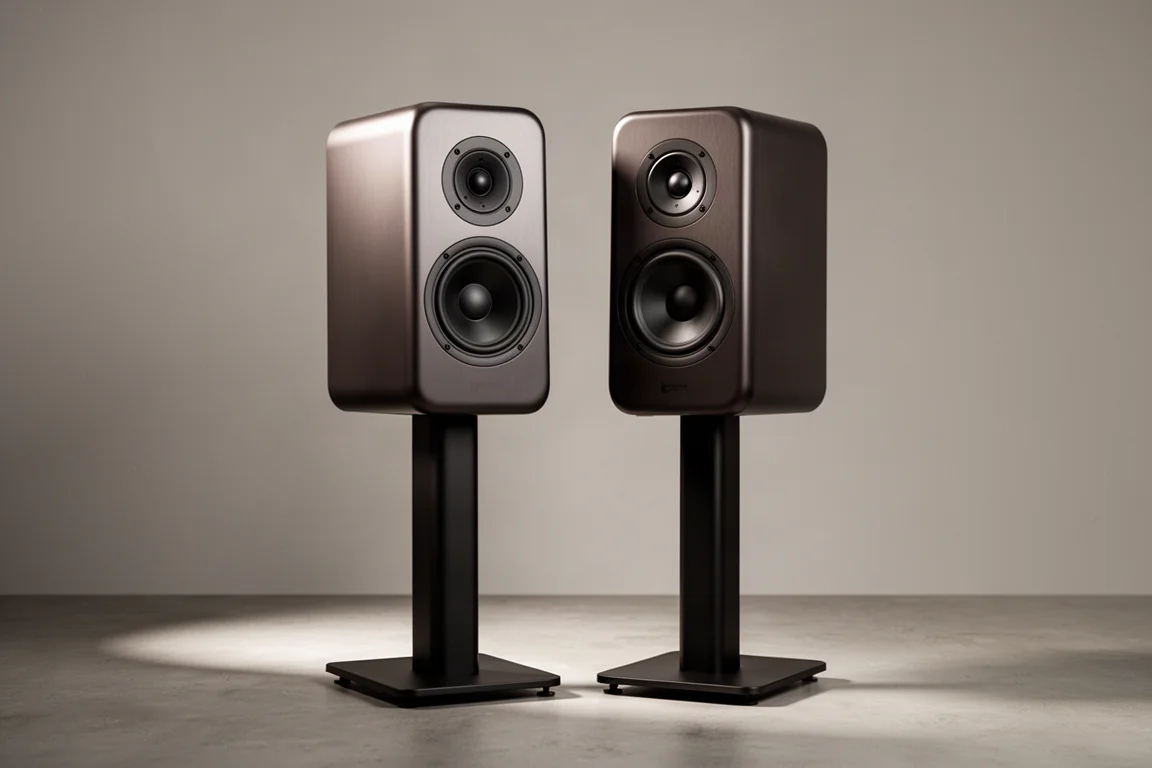
Arendal 1723 THX S Monitor vs 1723 THX Monitor: Which Two-Way Monitor Fits Your Room?
A practical comparison of the Arendal 1723 THX S Monitor and the larger 1723 THX Monitor, covering driver size, sensitivity, bass extension, and room fit.
Home Theater Speakers
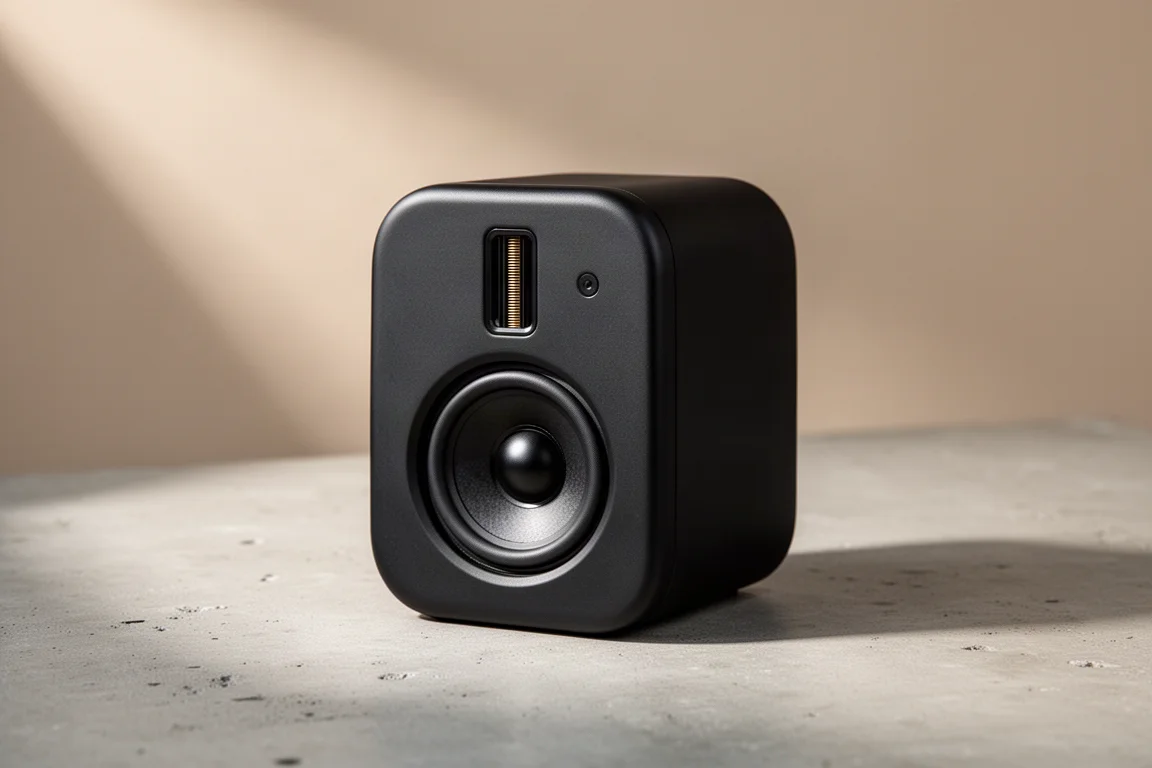
Emotiva A1 Review: A Small Speaker With Serious Surround Flexibility
A sealed two-way speaker built for Dolby Atmos, surround, and compact desktop duty at $179. Here is what it does well and what to check before buying.
Home Theater Speakers
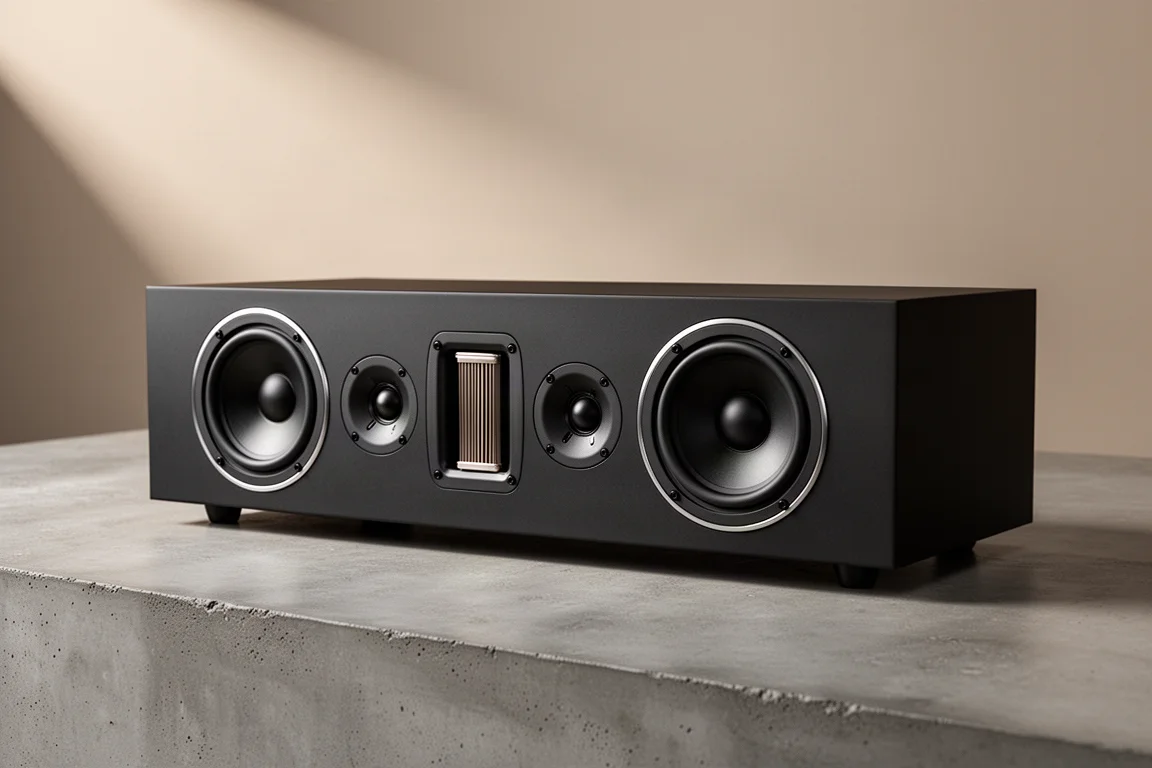
Emotiva C2+ Review: High Output Center Channel With a Narrow Sweet Spot
The Emotiva C2+ delivers serious output, deep bass for its size and high sensitivity, but its widely spaced midrange drivers create a horizontal sweet spot that rewards centered seating.