Home Theater Speakers
Monoprice Monolith Encore Series: Tower, Bookshelf, and Center Channel Compared
A practical look at the Monoprice Monolith Encore tower, bookshelf, and center channel, covering pricing, measured behavior, EQ friendliness, and who each model suits.
Introduction
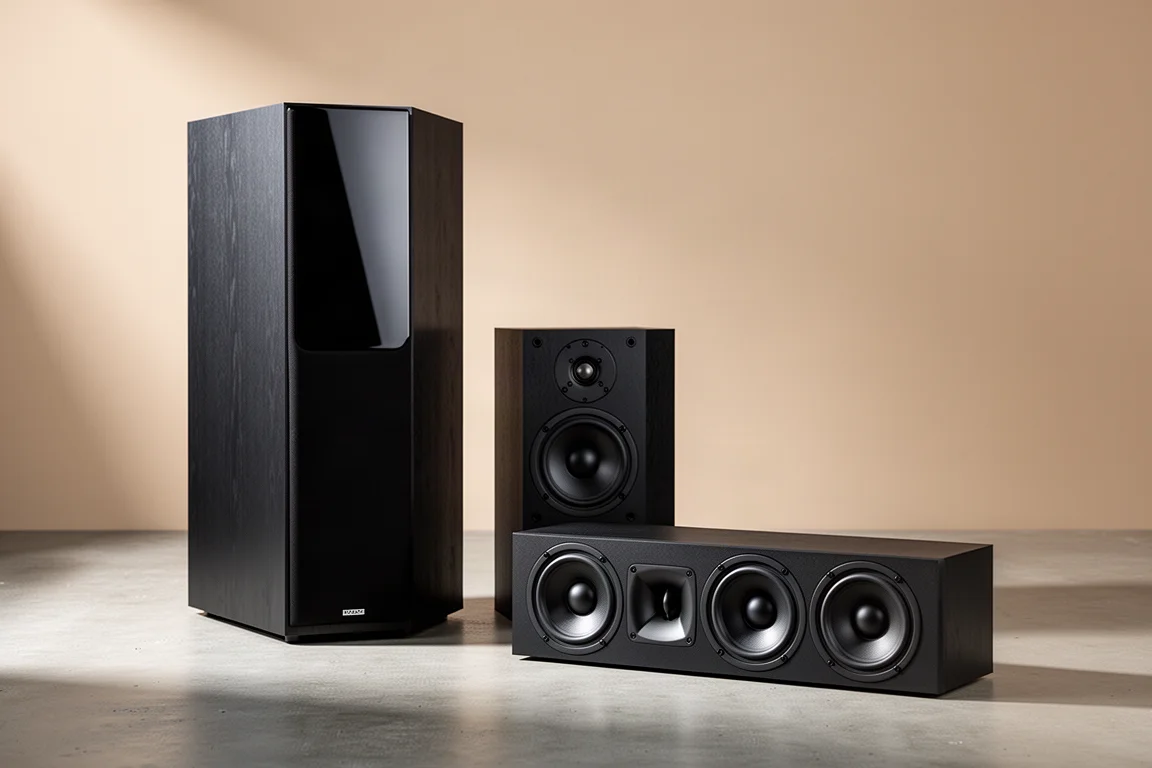
The Monoprice Monolith Encore series covers three roles in a home theater system: a floorstanding tower, a compact bookshelf model, and a horizontal center channel. Current pricing sits at around $400 each for the tower, around $160 each for the bookshelf, and around $230 each for the center channel, which places the whole line in the budget to mid-budget part of the market.
What makes the series worth a closer look is that it does not force a choice between looking good and performing reasonably well. Affordable speakers usually lean hard in one direction: attractive cabinets with uneven sound, or solid engineering wrapped in something plain. This line tries to hold both ends at once, and it mostly succeeds.
What the Monolith Encore Series Gets Right
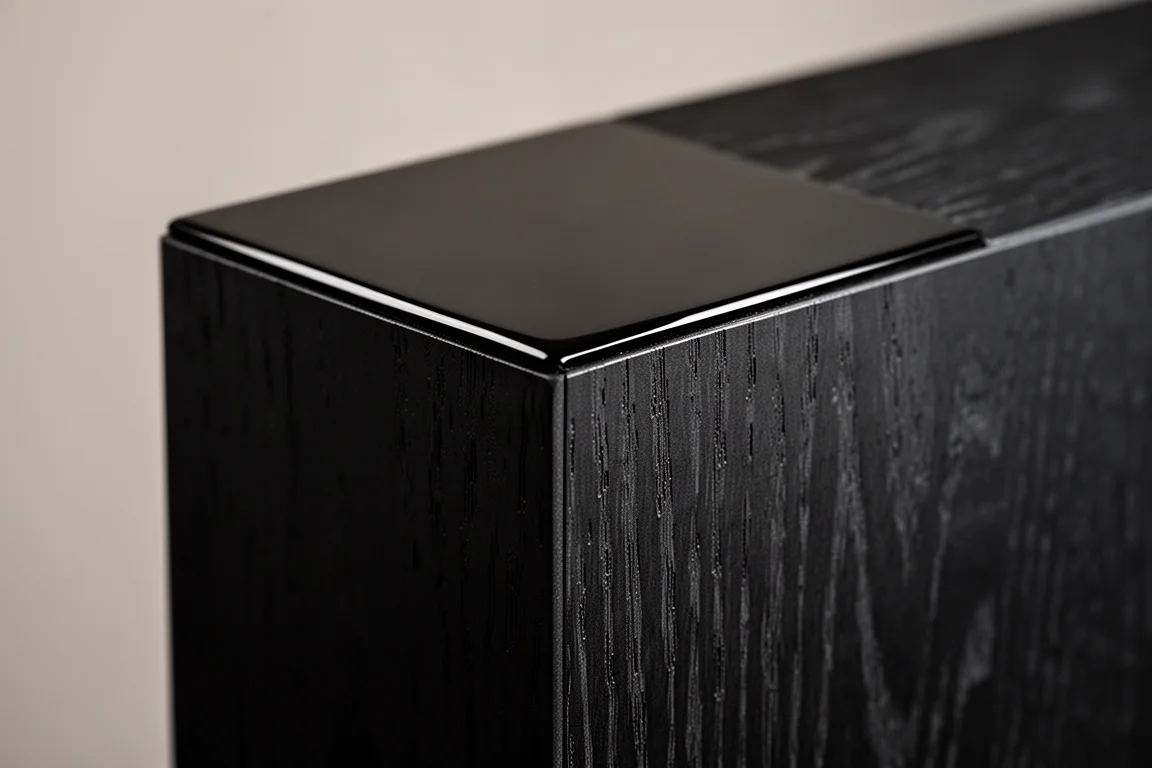
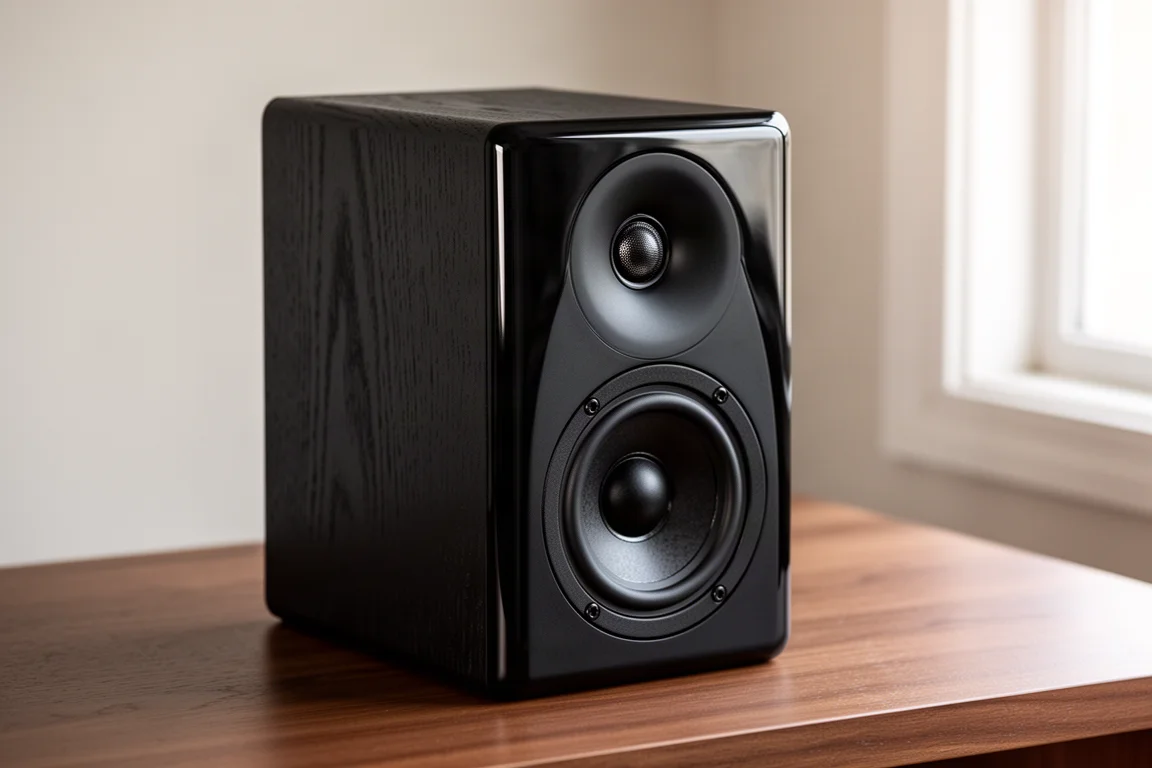
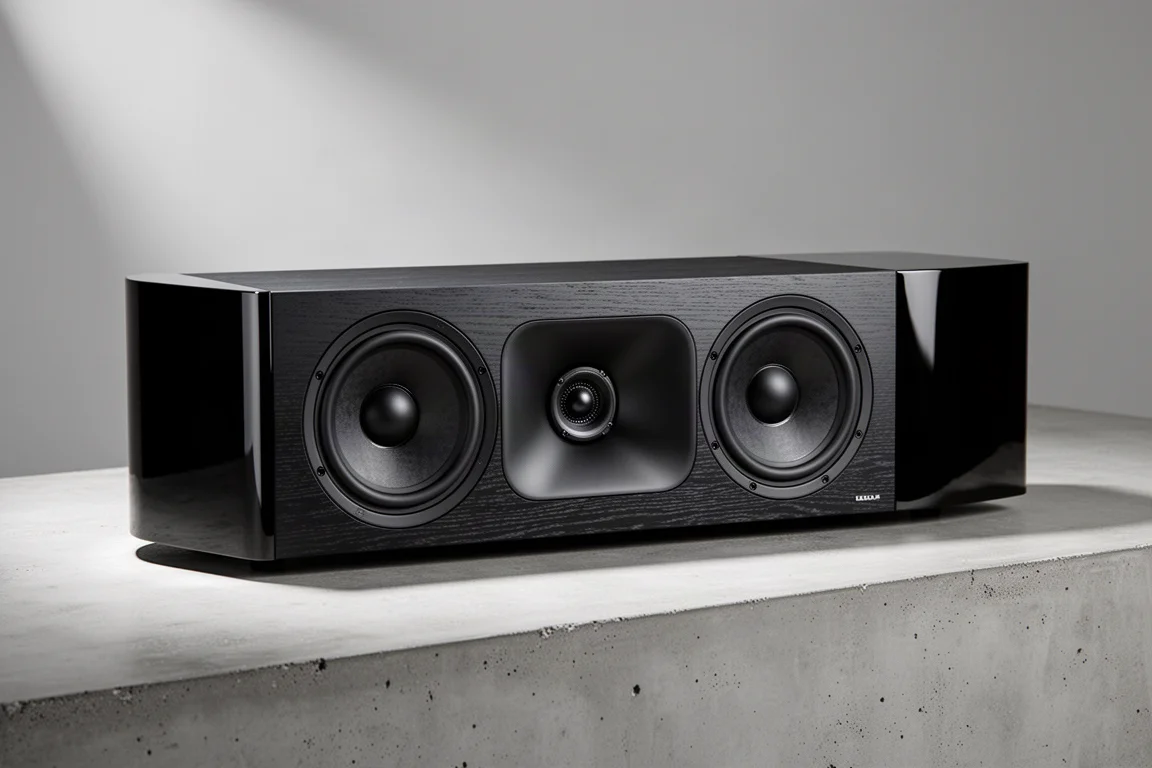
The cabinet design is the first thing you notice. The tower and bookshelf models use a gloss finish layer across the top and bottom panels, while the center channel applies that same gloss to its side panels. The rest of each cabinet is wrapped in a black ash style vinyl covering. The result reads as a deliberate two-tone design rather than a plain black box.
Inside, the construction is more considered than the price suggests. The bookshelf cabinet is generously filled with damping material, and a brace inside the enclosure stiffens the walls. Each model pairs a mid-woofer with a tweeter loaded into a waveguide.
Monoprice also addressed an early issue in the tweeter waveguide. An irregularity showed up in the high-frequency behavior of the original part, the problem was resolved, and an updated waveguide was produced. Units sold now should carry the revised waveguide. That matters less for the spec sheet than for what it signals: when something did not behave as expected, it was corrected rather than left alone.
Tonally, the three models are not identical. The tower leans a little bass forward with a scoop through the mid-range, while the bookshelf is closer to neutral with a mild mid-range recess. All three respond well to equalization, which is the thread that ties the line together.
Monolith Encore Tower: Floorstanding Sound at an Accessible Price
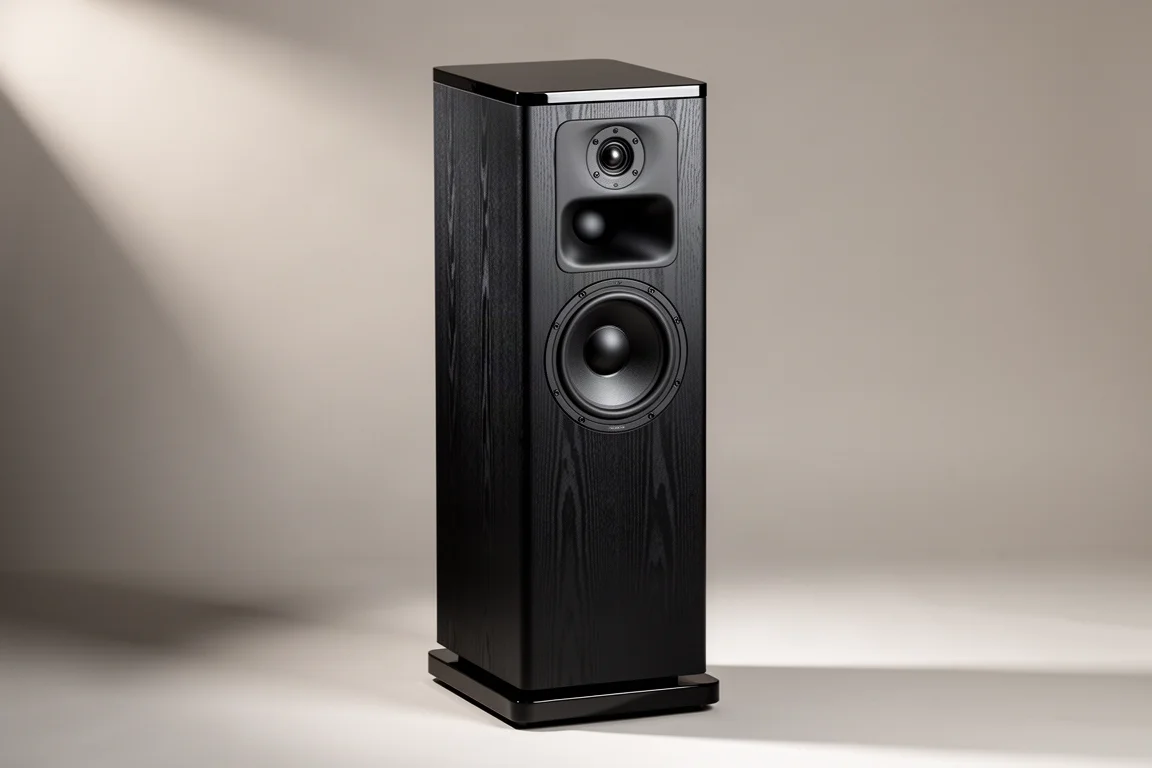
The tower’s practical strength is its tweeter height. With typical home theater seating, the tweeter lands right at ear level, which is not something every floorstanding speaker manages. A tower whose tweeter sits too high or too low forces you to angle the cabinet or accept a compromised listening axis.
Low-frequency output is the tower’s other clear advantage over the bookshelf model. There is a slight resonance in the tower as well, but it sits higher in frequency and lower in amplitude than the bookshelf’s, and it does not call attention to itself.
Measured behavior shows a peaky region between roughly 90 and 100 Hz, and that peak is real rather than a measurement artifact. In-room response combines that low-frequency peak with a fall-off through the mid-range and a shelved-up high-frequency region that runs about 3 to 5 dB above the mid-range. That treble shelf is the part that stands out, and it is also the part that responds well to correction. Pulling that region down noticeably improved the sound. The horizontal directivity index based on early reflections is smooth enough to support that kind of adjustment.
Distortion stays below 1 percent at 86 dB down to about 80 Hz, and holds around 1 percent at 96 dB until roughly the same point before rising in the bass. There are no meaningful compression problems at the low end, though the compression data does show some unusual behavior around the crossover region. Adding a subwoofer remains the sensible move.
Monolith Encore Bookshelf: Small Cabinet, Real Capability
The bookshelf model has one clear flaw, and it is worth naming plainly. A strong resonance shows up in the lower mid-range, heard somewhere in the 250 Hz region and visible in the impedance plot closer to 300 Hz. It is prominent enough to be distracting. A small amount of equalization brought it under control, and once corrected the speaker was easy to enjoy.
The rest of the measured picture is typical of a well-executed compact speaker. There is a mild mid-range recess, a dip around the crossover between the mid-woofer and the tweeter, a modest bump, and a cancellation that most likely comes from diffraction between the waveguide and the tweeter.
The numbers are reasonable for the size. Minimum impedance measures about 3.4 ohms, sensitivity lands near 85.3 dB, and the F3 point sits around 68 Hz, which is where a subwoofer earns its place. Distortion stays below 3 percent at 86 dB all the way down to 30 Hz, and at 96 dB it remains below 3 percent to roughly 90 Hz. Compression stays within about half a dB between 76 and 96 dB.
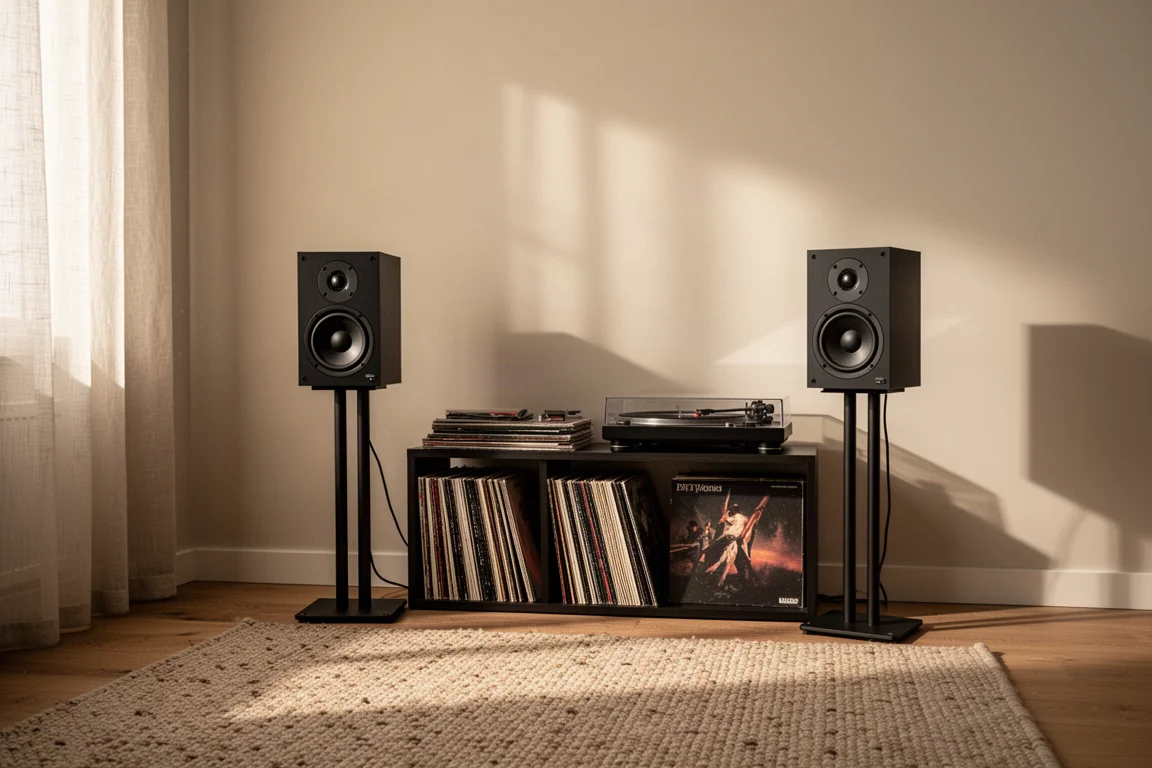
Placement matters more here than with the tower. The useful horizontal window runs about 50 to 60 degrees, and vertically you want to sit at tweeter level or slightly above it, avoiding anything more than about 10 degrees below the tweeter. Soundstage depth is not this speaker’s strength, and sibilance appears only on material that is already heavy in the 5 to 8 kHz region. Subjectively, the bookshelf was the more likeable of the two front speakers despite giving up low-end extension.
Monolith Encore Center Channel: The Dialogue Specialist
Horizontal center channels built around a mid-woofer, tweeter, mid-woofer arrangement carry a known weakness. The two woofers interact in a way that produces a strong cancellation in the off-axis response, and that cancellation lands squarely in the mid-range where dialogue lives. Listeners seated to the side of the primary position do not hear what the primary listener hears.
In practice, that weakness is smaller here than expected. The measured horizontal response is essentially unchanged at 10 degrees off axis, about 2 dB down at 20 degrees, and roughly 3 to 4 dB at the extremes near 30 degrees. Since most side seating falls somewhere between 10 and 20 degrees off axis depending on distance, the speaker holds up well for a horizontal design. On-axis sensitivity measures about 86.3 dB, and the F3 point sits near 76 Hz, so a subwoofer is advisable here too.
The standout quality is how well the center channel takes to equalization. The early reflections directivity index is smooth enough that correction cleans up the response very effectively, and the result is a notably flat on-axis curve. One configuration worth considering: a pair of center channels stood vertically as left and right speakers, paired with equalization, makes a capable and relatively inexpensive front stage.
How the Encore Series Handles Equalization and Room Acoustics
Equalization is the deciding factor for this entire line. The tower’s elevated treble shelf, the bookshelf’s lower mid-range resonance, and the center channel’s horizontal response all improve with correction. Room correction built into modern home theater receivers, or an external processor, handles most of this without much effort. Some speakers resist that kind of adjustment and sound worse for it. These do not.
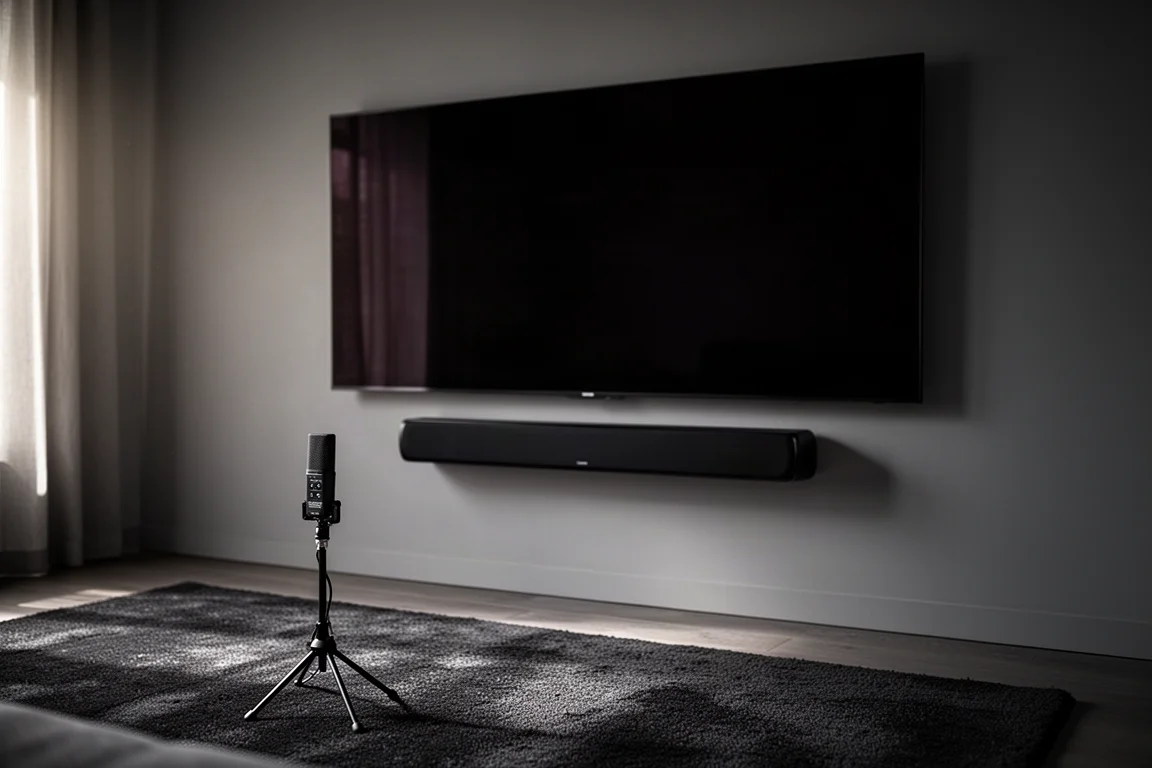
If you would rather not apply any equalization at all, the series becomes a harder recommendation. Listeners who want a flat, uncolored response straight out of the box, without any digital correction in the chain, will likely find the tower’s treble shelf and the bookshelf’s resonance difficult to live with. That is a real limitation, not a minor footnote.
Placement also shapes the outcome. Keep the bookshelf at or above ear level relative to the tweeter, and keep side seats within roughly 20 degrees of the center channel to stay inside its strongest horizontal window. None of this is unusual for the category, but it does reward a little planning before you commit to a layout.
Limitations to Weigh Before Buying
The bookshelf model’s lower mid-range resonance is the most audible issue in the line, and it needs correction to disappear. The tower carries a treble shelf that measures several dB above its mid-range and benefits from the same treatment. The center channel’s horizontal layout produces off-axis cancellation in the mid-range, which is inherent to the design rather than a defect, but it does limit how well side seats are served.
Beyond those points, all three models give up low-frequency extension compared with larger or more expensive alternatives. A subwoofer is recommended across the board. At higher playback levels, bass distortion rises and the tower’s compression data shows some unusual behavior around the crossover region. None of this is surprising at these prices, but it does define the ceiling of what the line can do.
Buying Advice for the Encore Series
For a full home theater system where equalization is available, the series is easy to recommend at these prices. The tower works as a front left and right pair for listeners who want more low-end weight, the center channel anchors dialogue, and the bookshelf model covers surround duties or smaller rooms where a floorstanding cabinet is too much.
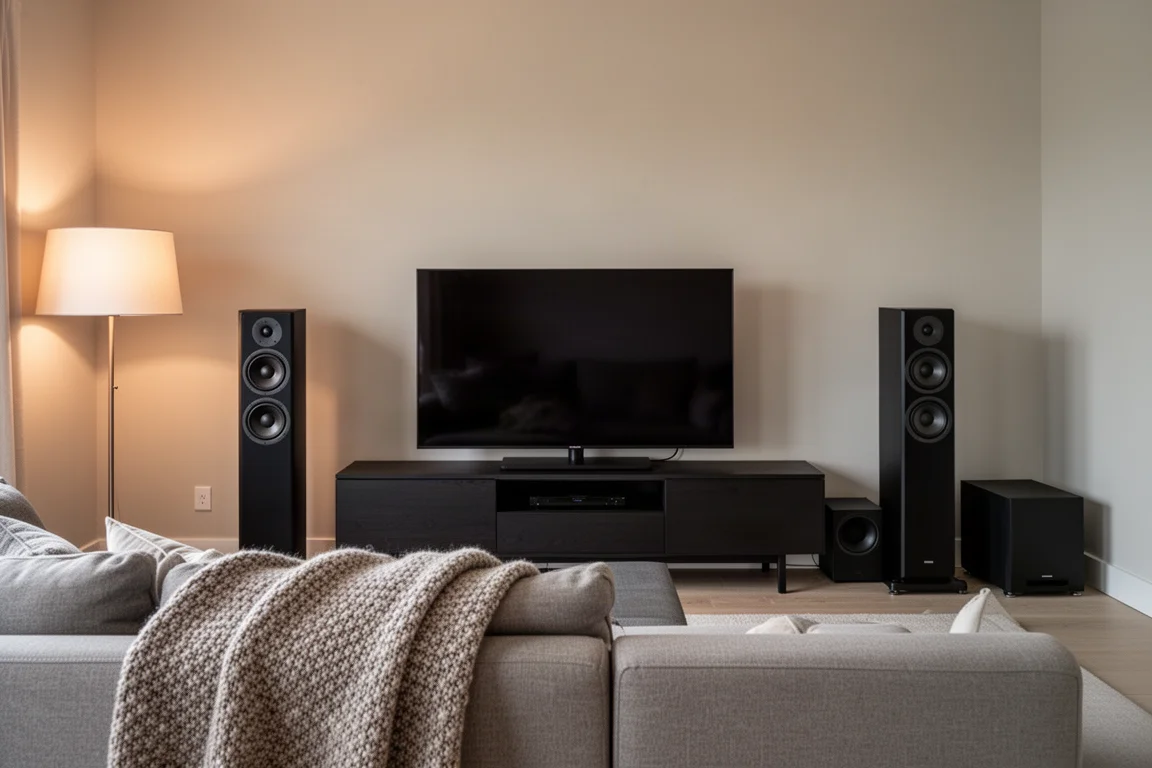
Plan on a subwoofer regardless of which models you choose. The tower’s extra bass output does not remove the benefit of a dedicated subwoofer, and both the bookshelf and center channel measure with limited extension that a subwoofer resolves cleanly.
If you want to build something a little different, two center channels stood vertically as left and right speakers, combined with equalization, make a compact and capable front stage for relatively little money. If instead you want a speaker that needs no correction and delivers deep, layered soundstaging right out of the box, this line is not the answer and the budget will need to grow.
Conclusion
The Monoprice Monolith Encore series is a rare case of a budget-oriented line that looks the part and performs well enough to justify the cabinet. The tower offers the most bass and the most convenient tweeter height, the bookshelf is the most likeable on tonal balance once its resonance is tamed, and the center channel equalizes better than its horizontal layout would suggest. Buy them expecting to apply some room correction, add a subwoofer, and the value holds together.
Further reading
Related Reviews
Home Theater Speakers
Arendal 1723 THX S Monitor vs 1723 THX Monitor: Which Two-Way Monitor Fits Your Room?
A practical comparison of the Arendal 1723 THX S Monitor and the larger 1723 THX Monitor, covering driver size, sensitivity, bass extension, and room fit.
Home Theater Speakers
Emotiva A1 Review: A Small Speaker With Serious Surround Flexibility
A sealed two-way speaker built for Dolby Atmos, surround, and compact desktop duty at $179. Here is what it does well and what to check before buying.
Home Theater Speakers
Emotiva C2+ Review: High Output Center Channel With a Narrow Sweet Spot
The Emotiva C2+ delivers serious output, deep bass for its size and high sensitivity, but its widely spaced midrange drivers create a horizontal sweet spot that rewards centered seating.