Subwoofers
Monolith by Monoprice 13-Inch THX Ultra Subwoofer Review: Big Output, Real Weight
A practical look at the Monolith by Monoprice 13-inch THX Ultra subwoofer, covering measured low-frequency output, driver excursion, port tuning options, weight, and room placement.
Introduction
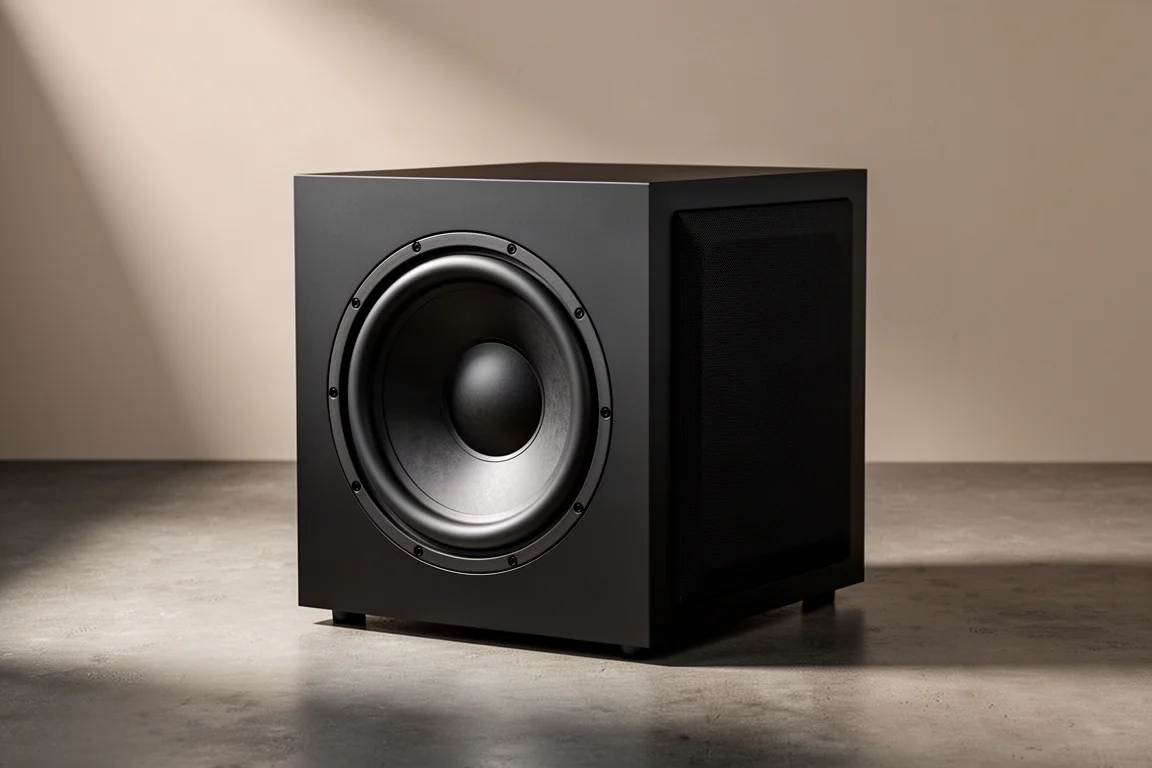
The Monolith by Monoprice 13-inch THX Ultra subwoofer is a big, heavy, high-output design built for listeners who want genuine low-frequency pressure in a room rather than a polite suggestion of bass. It weighs around 150 pounds and costs roughly $1,700, so it is not an impulse purchase and it is certainly not a one-person lift. A dolly or a second set of hands makes the move far more manageable.
What makes it more interesting than its size alone is the combination of a 13-inch driver with unusually long linear excursion, an enclosure that can be run fully ported, fully sealed, or anywhere in between, and a THX Ultra alignment that shapes how the onboard limiting behaves.
This article covers where the design performs strongly, the trade-offs that come with a cabinet this large, and how to decide whether it fits your room and your budget.
Who This Subwoofer Is For
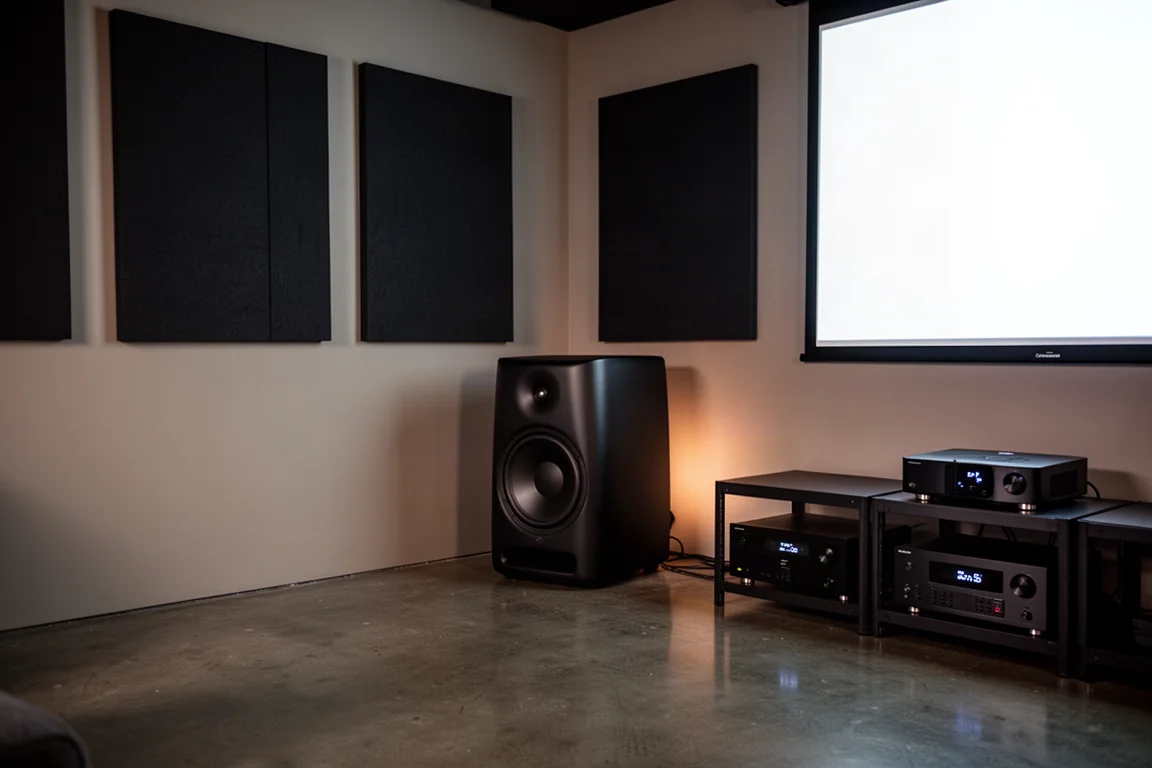
This subwoofer suits listeners who want one box to carry the low end of a home theater or a music system in a medium to large room. The measured output and the extended low-frequency response mean it can pressurize a space without sounding strained. In an open-plan living area of roughly 24 feet by 24 feet with a ceiling around nine feet, a single unit filled the room comfortably.
It also fits anyone who wants flexibility rather than a fixed alignment. The three ports can be sealed individually, sealed all at once, or left open for a fully ported configuration, so the same cabinet can be tuned toward deeper extension or a more gradual roll-off depending on the room it lands in.
It is a poor match for anyone who needs to carry it up a flight of stairs alone, or who wants a discreet box that disappears into a bookshelf. Weight and cabinet volume are simply part of the deal here.
Main Strengths
Bass Output and Frequency Response
At about 25 Hz the measured behavior of the 12-inch, 13-inch, and 15-inch models separates: the 15-inch model produces more mid-bass output, while the 13-inch model appears to produce slightly more low-bass output. Those results were collected with THX mode enabled, which is the more balanced of the two available alignments.
Response linearity follows the same pattern. A sealed configuration rolls off more gradually but begins its roll-off at a higher frequency, while a ported configuration extends lower. One detail worth knowing: around 200 Hz the ported alignment shows a strong resonance, which appears to be a vent resonance. That only matters if the subwoofer is asked to play that high, and a sealed configuration is the more sensible choice in that case.
In practice, the driver and cabinet together deliver enough low-frequency volume that a medium room will not want for more, and a large room should still be filled without difficulty.
Driver Excursion and Build Quality
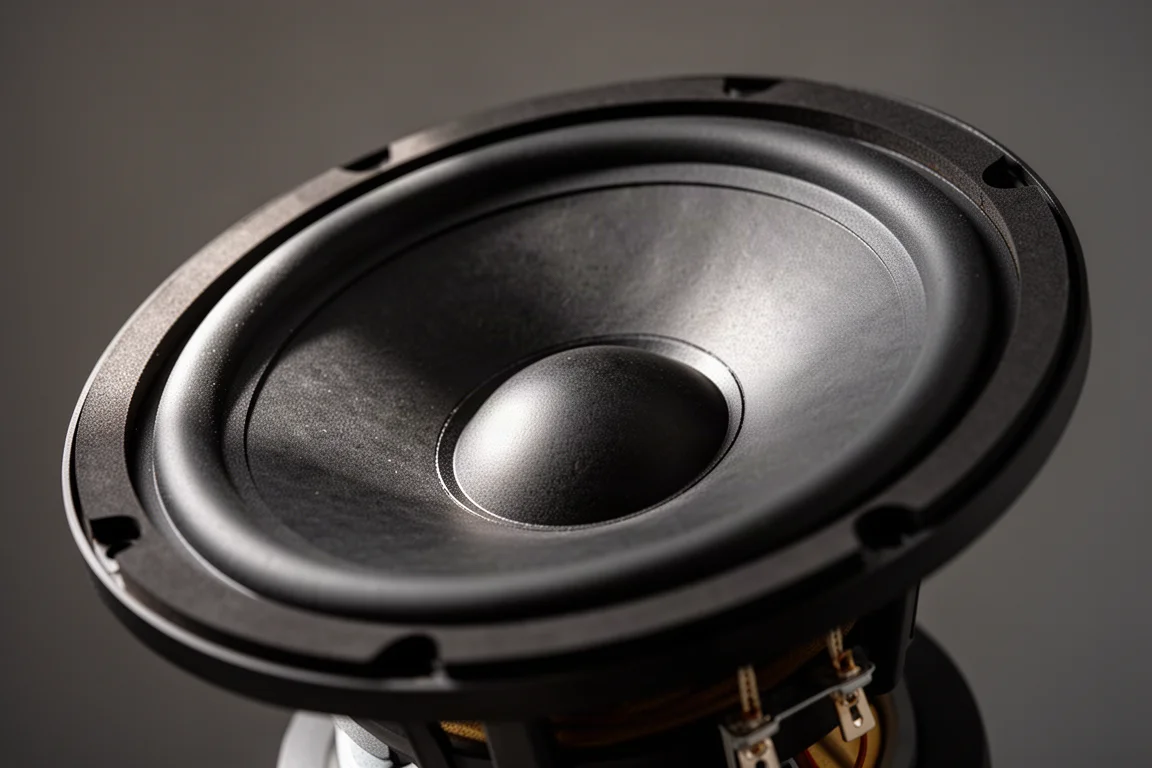
The driver is the standout engineering story. Its one-way linear stroke is specified at about 1.5 inches, and measured against IEC thresholds, which evaluate distortion arising from motor force, suspension, and inductance symmetry rather than simple physical displacement, the driver exceeded 32 mm one way. The test setup could not resolve the driver’s linear limit, meaning it went beyond what the measurement system could capture.
For context, the closest driver previously measured for linear excursion reached 17 mm, a 12-inch unit from around 2012 to 2013. This driver is roughly double that figure.
Durability held up under hard use. The driver spent hours on a measurement stand across repeated test rounds, to the point where the glue on the spider became noticeable and heat could be felt from the unit, and it kept working. The cabinet arrived with cosmetic scuffs from handling and still functioned without issue. Coverage is backed by a five-year warranty.
Things to Consider Before Buying
Ported and Sealed Configurations
The enclosure gives you three ports to work with, and each one can be plugged individually or all at once. Fully open, it behaves as a ported design with deeper extension. Fully sealed, it trades some low-end reach for a gentler roll-off. In a smaller room, a sealed alignment often makes more sense, because a fully ported cabinet can deliver more bass than the space can comfortably use. It is worth remembering that excessive bass is easier to equalize down than a missing low end is to add back.
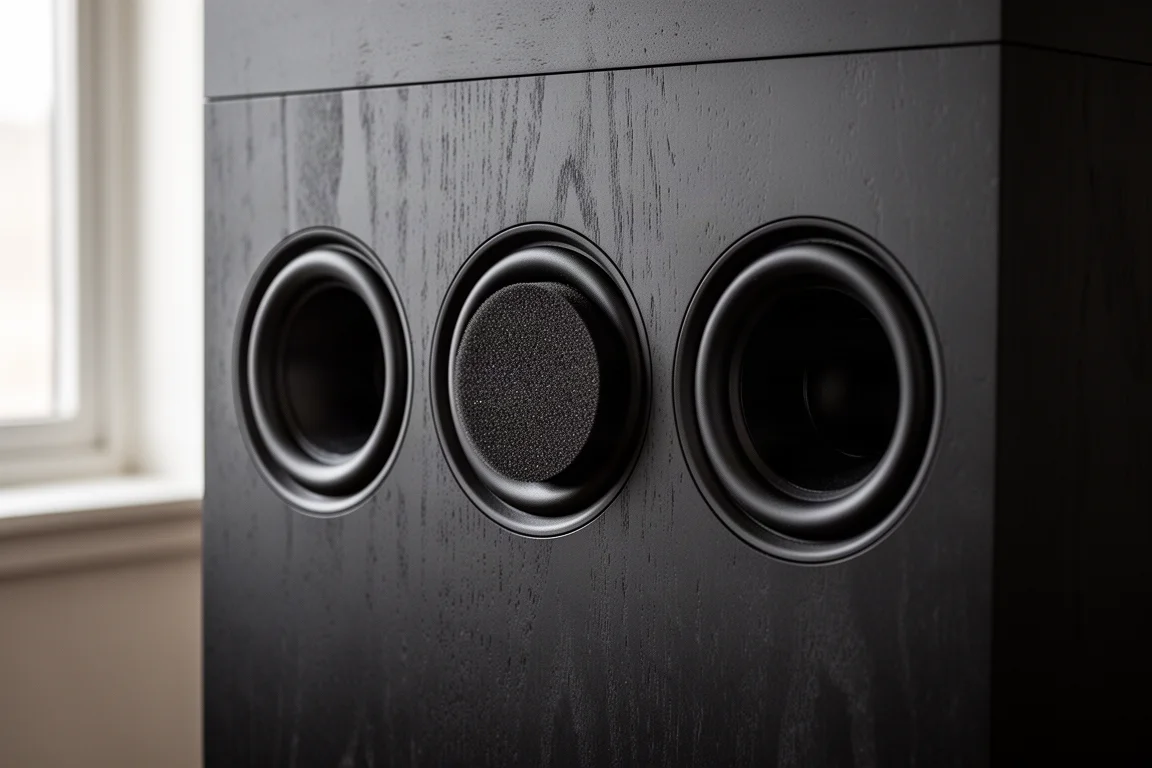
Because each port can be plugged independently, the alignment can be adjusted after the subwoofer is already in the room rather than locked in at purchase, which makes it easier to settle on the setting that suits your space.
THX Mode and Extended Mode
Two operating modes are available. Extended mode bypasses the THX distortion limits and adds a little low-frequency output, but it does so at the expense of the mid band from roughly 30 Hz upward. THX mode keeps the more balanced behavior, and it is the setting the measurements above reflect. The choice comes down to room size and personal taste, and it can be changed once the subwoofer is in place.
Size, Weight, and Room Interaction
At about 150 pounds, this is a two-person object. A dolly solves most of the problem on flat ground, but stairs remain a genuine obstacle.
Room behavior deserves equal attention. A single subwoofer placed in a room produces peaks and nulls based on its distance from the listening position, the walls, the floor, and the ceiling. Some of those cannot be corrected with equalization, which leaves two practical fixes: move the subwoofer, or add a second one to distribute the bass more evenly. In the open-plan space used for listening, one 13-inch unit had no trouble pressurizing the room, but the usual single-subwoofer peaks and dips were still present.
Buying Advice
At roughly $1,700, this subwoofer asks for a real commitment, and the value calculation depends on what you would otherwise build or buy. A do-it-yourself cabinet ported down to about 18 Hz in a four cubic foot enclosure remains an option for anyone with the tools, the space, and the patience, and that route can reach even lower. For everyone else, a finished cabinet with a five-year warranty, flexible port tuning, and this much measured excursion is a straightforward way to get serious low-frequency output without turning it into a project.
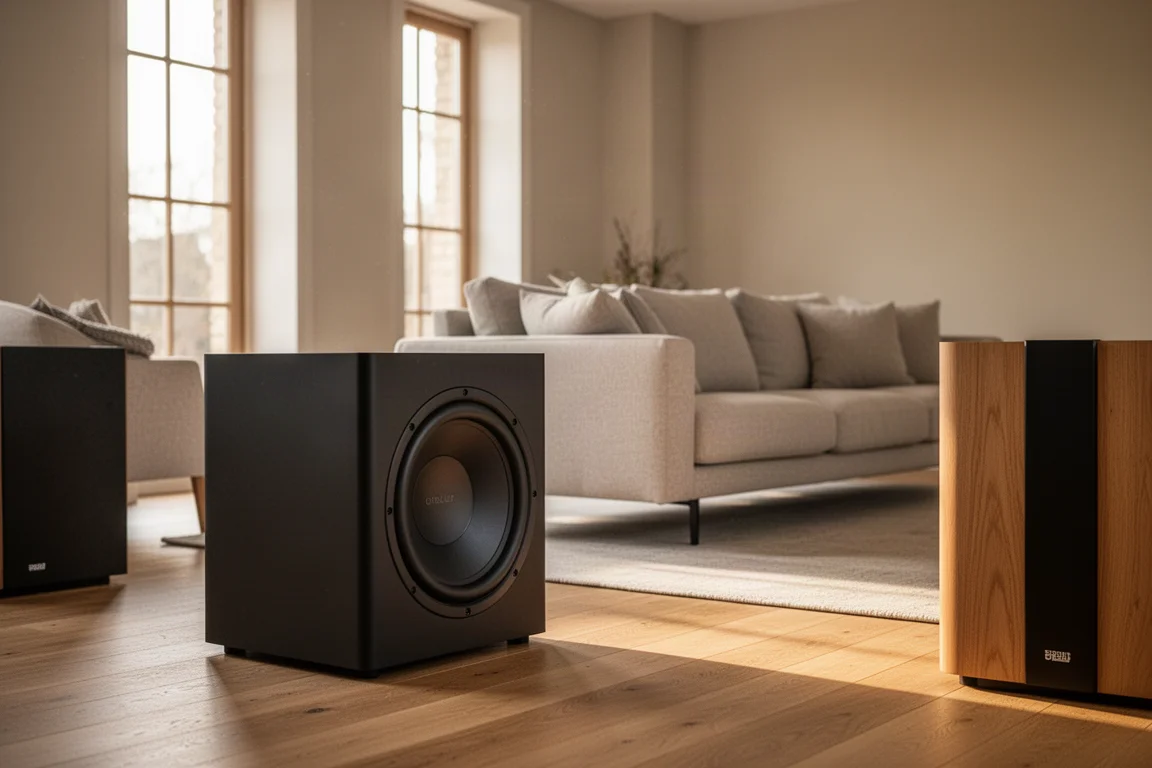
If the budget allows, buy two. Distributed bass across multiple subwoofers smooths the peaks and nulls that a single unit cannot escape, and it improves the experience for every seat in the room rather than just one. If two is not possible right now, one is still a capable starting point and a second can be added later. Equalization is worth using either way, since it lets you trim the peaks that a room imposes.
Conclusion
The Monolith by Monoprice 13-inch THX Ultra subwoofer is a purpose-built, high-output design with a driver that goes beyond what most measurement setups can resolve for linear excursion, a cabinet that adapts to the room through its port configuration, and enough output to pressurize a medium or large space from a single box. Its costs are equally clear: about 150 pounds of weight, a price around $1,700, and the room interaction problems that no single subwoofer can fully solve. Buyers who plan for the weight and seriously consider a second unit will get the most from it.
Product link
View more details for Monolith by Monoprice 13-Inch THX Ultra Subwoofer
This product is mentioned in the review. Check the specifications, options, and compatibility before buying.
View more details for Monolith by Monoprice 13-Inch THX Ultra SubwooferFurther reading
Related Reviews
Subwoofers
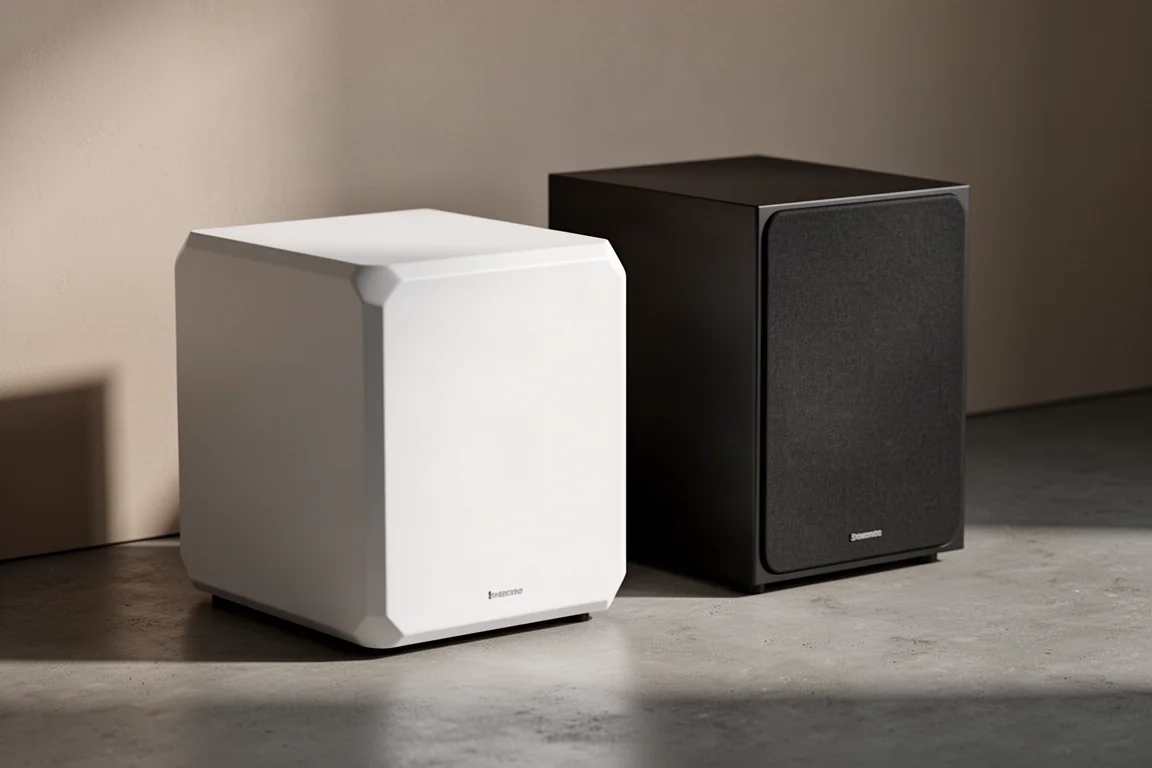
Arendal 1961 Subwoofer 1S Review: Beautiful Build, Modest Punch at $1,000
A sealed $1,000 subwoofer with a gorgeous cabinet, plus three lower-priced alternatives that deliver more impact for movie nights.
Subwoofers
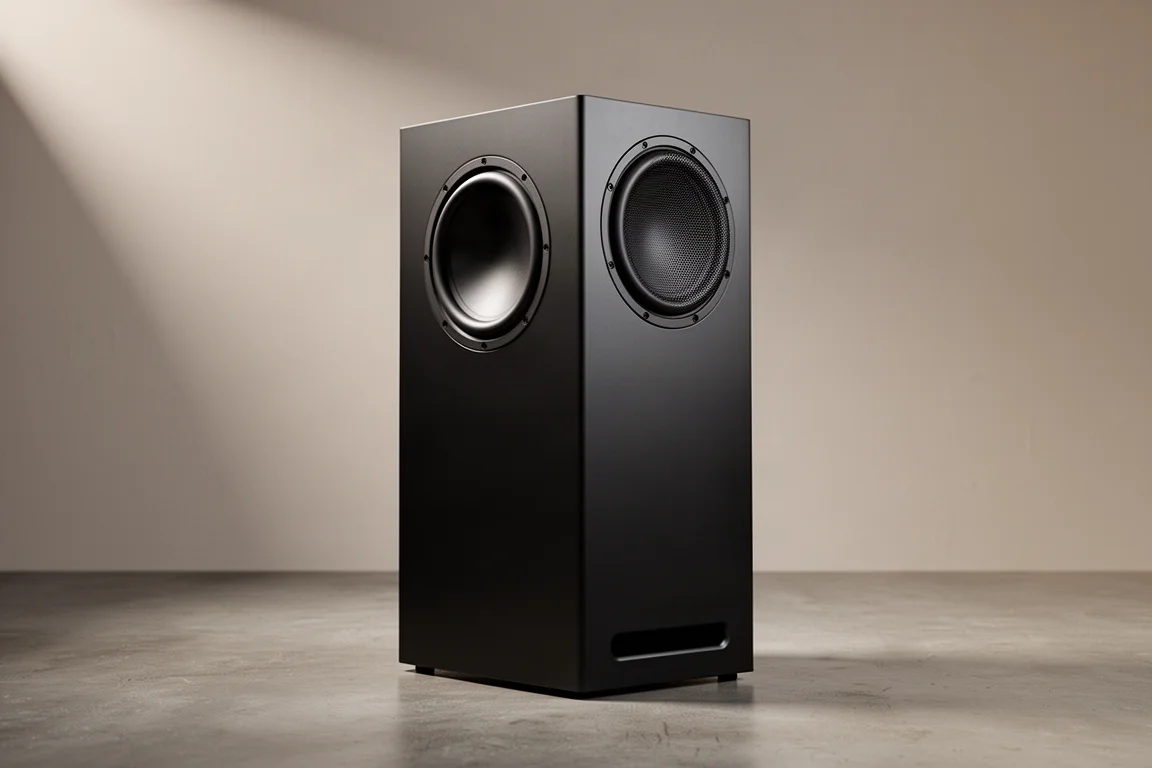
Arendal Sound 1723 2V Subwoofer Review: Dual 13.8-Inch Drivers Under $3,000
A flagship ported subwoofer with dual opposing 13.8-inch drivers, a 1,200W RMS amplifier, app-based DSP, and a 10-year warranty.
Subwoofers
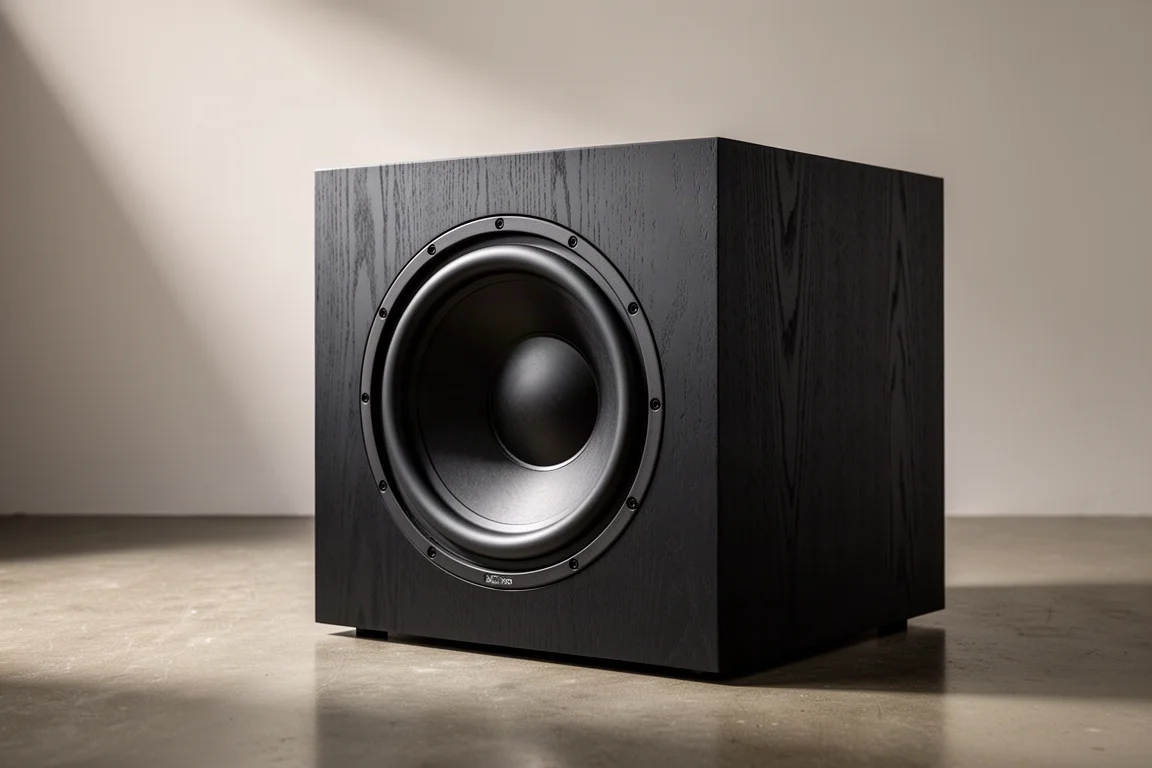
Ascendo 16 Sub Active Sealed Review: Sealed Bass Built on Real Engineering
A close look at the Ascendo 16 Sub Active Sealed, a 16-inch sealed home theater subwoofer with independently verified measurements, a purpose-built driver, and genuinely controlled output.