Hi-Fi Speakers
Moni Audio Super Mini Monitor Review: Compact Speakers With Serious Midrange Fidelity
A compact Korean monitor with a full aluminium chassis, an AMT tweeter and premium crossover parts, tuned for vocal and instrumental music in smaller rooms.
Introduction
Compact monitors occupy an interesting corner of the hi-fi market. A speaker measuring a fraction of the size of a floorstander can still deliver imaging and tonal accuracy that larger designs struggle to match, as long as the listener accepts the trade-offs that come with a small cabinet.
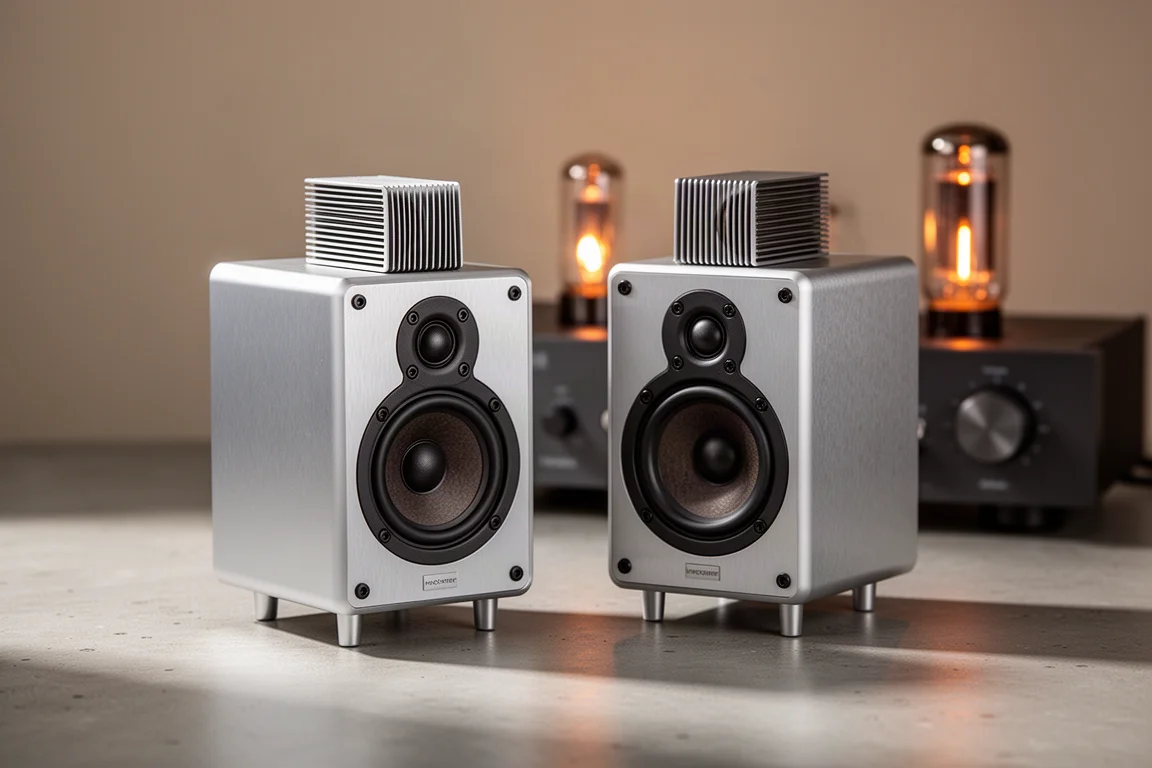
The Moni Audio Super Mini Monitor is a Korean-designed compact speaker built around exactly that idea. It packs an unusual amount of engineering into a very small enclosure: a full aluminium chassis, an AMT tweeter, and a crossover built from premium parts. Moni Audio states a frequency range from 60 Hz to 65 kHz, and the company notes that this particular model has been tuned to be somewhat more bass-forward for the North American market. The question worth answering is whether the design makes sense in a real listening room.
Who This Product Is For
The Super Mini Monitor is aimed at listeners in apartments and condos, at nearfield desktop setups, and at small to medium rooms. The design reflects a market where living space is at a premium and where a great deal of the music leans on vocals, guitars, and acoustic arrangements. If most of your listening is vocal-led, instrumental, or acoustic, this speaker is a natural fit.
If your library is built on bass-heavy electronic, hip hop, or large orchestral works played at high volume, the trade-offs become more visible, and a subwoofer moves from optional extra to part of the plan.
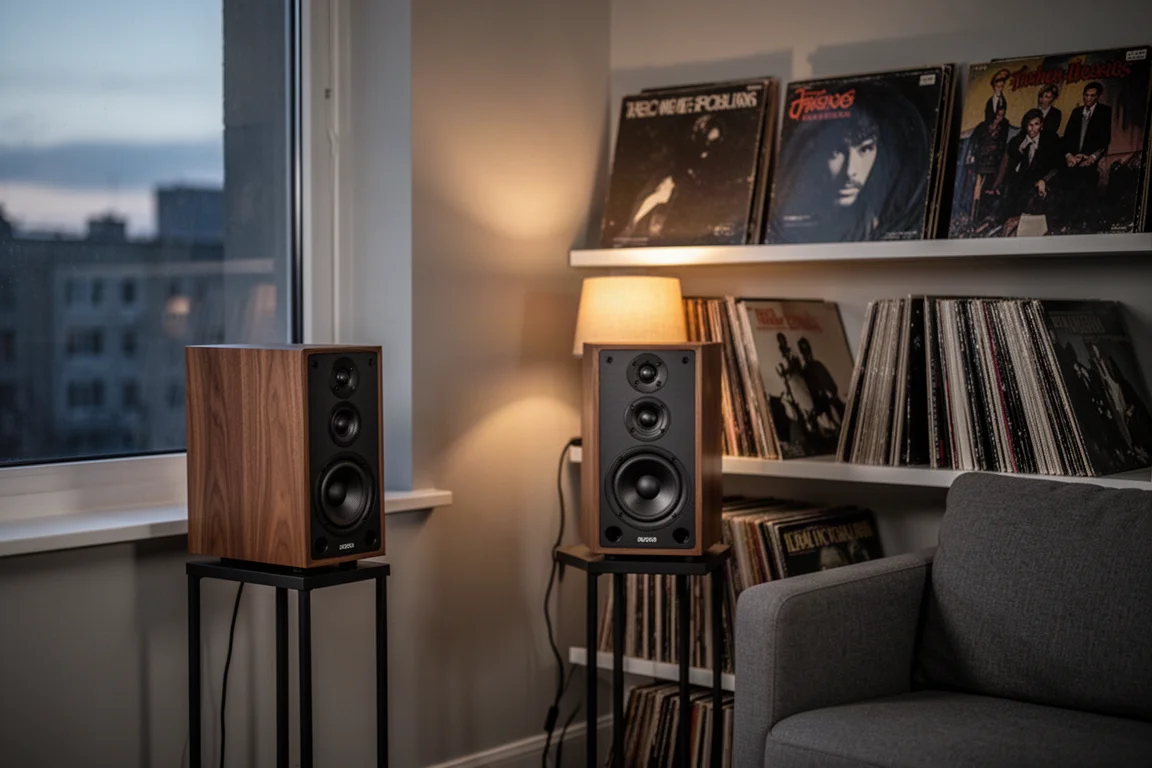
Room size matters more than usual here. The enclosure is genuinely small, so it works best when the listening distance is short and the room is not large. Listeners with a dedicated large room should look at larger standmounts or floorstanders instead.
Main Strengths
Two things define this speaker: how it sounds through the middle and upper ranges, and how much engineering has been squeezed into the cabinet.
Sound Quality and Tonality
The first thing that stands out is how smooth the presentation is. The speaker is detailed without being forward, and the balance stays even across long listening sessions. Despite the AMT tweeter, which often signals a bright, energetic treble, the Super Mini Monitor avoids the sharp, in-your-face character that some ribbon and AMT designs have.
Midrange and treble are where this speaker makes its case. Vocals come across as sweet and natural, guitar tone has body, and the clarity is high without becoming tiring. The speaker also disappears convincingly: instruments and voices are placed with a real sense of depth, and the soundstage suggests a small private venue rather than a large concert hall, closer to the front rows than the back of the room.
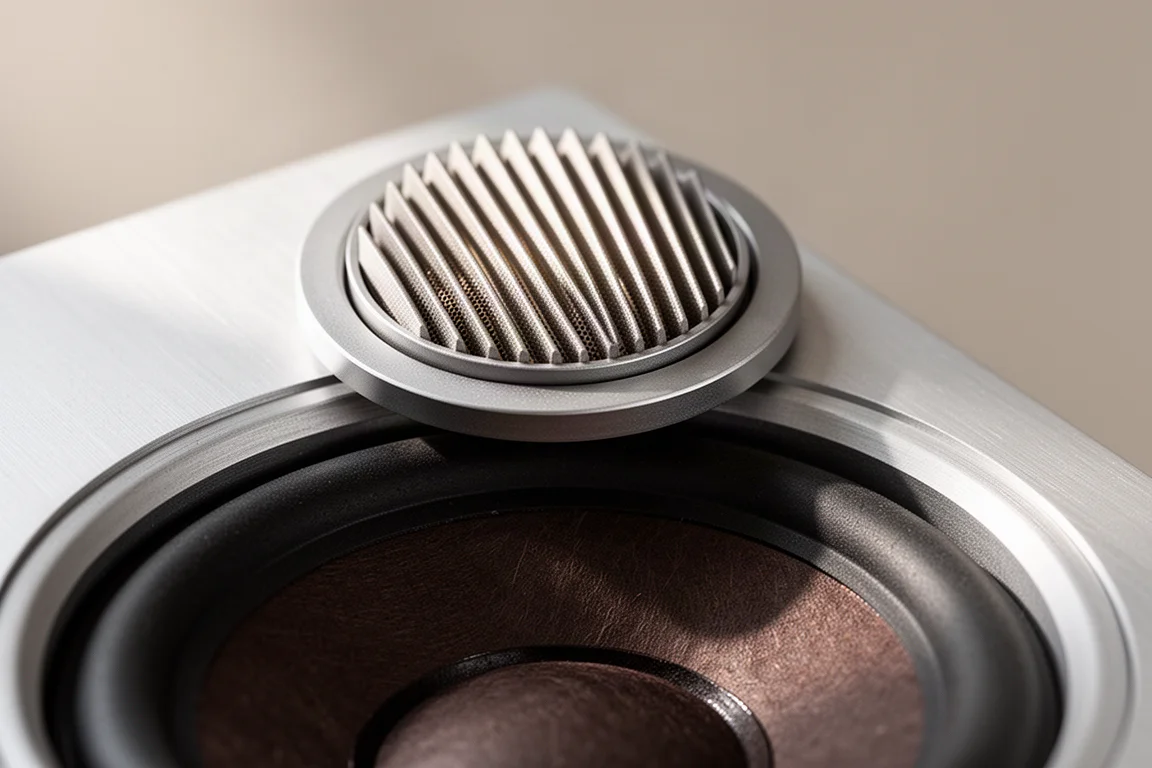
Compared with compact standmounts that chase a full-range, bass-to-treble response, this design takes a different route. It concentrates its effort on the midrange and treble, and the payoff is a level of fidelity in the vocal region that is rare at this size.
Build Quality and Components
The cabinet is a full aluminium chassis, which explains why the speaker feels unexpectedly heavy for its size. That mass shows up in the sound as a rock-solid, resonance-free presentation, even when the speaker is asked to produce more low-end output than its dimensions suggest.
Inside, the design uses an AMT tweeter handling the upper frequencies from 6,800 Hz upward, paired with a specially coated paper cone driver covering roughly 65 Hz to 6,800 Hz with a stated sensitivity of 88 dB. The crossover network is built with Mundorf capacitors and patented inductors, and the binding posts are WBT-type. A Mark Fenlon designed four-inch harmonic driver sits inside an isobaric network. Whatever the final contribution of each part, this is far from an entry-level component list.
Things to Consider Before Buying
Bass is the honest limitation. A cabinet this small cannot move the air a larger speaker can, and the low end is where the compromise shows up first. The stated range reaches down toward 60 Hz and this version has been tuned with a little more low-end weight, but the deepest notes still depend on how you place the speaker and what you ask it to play.
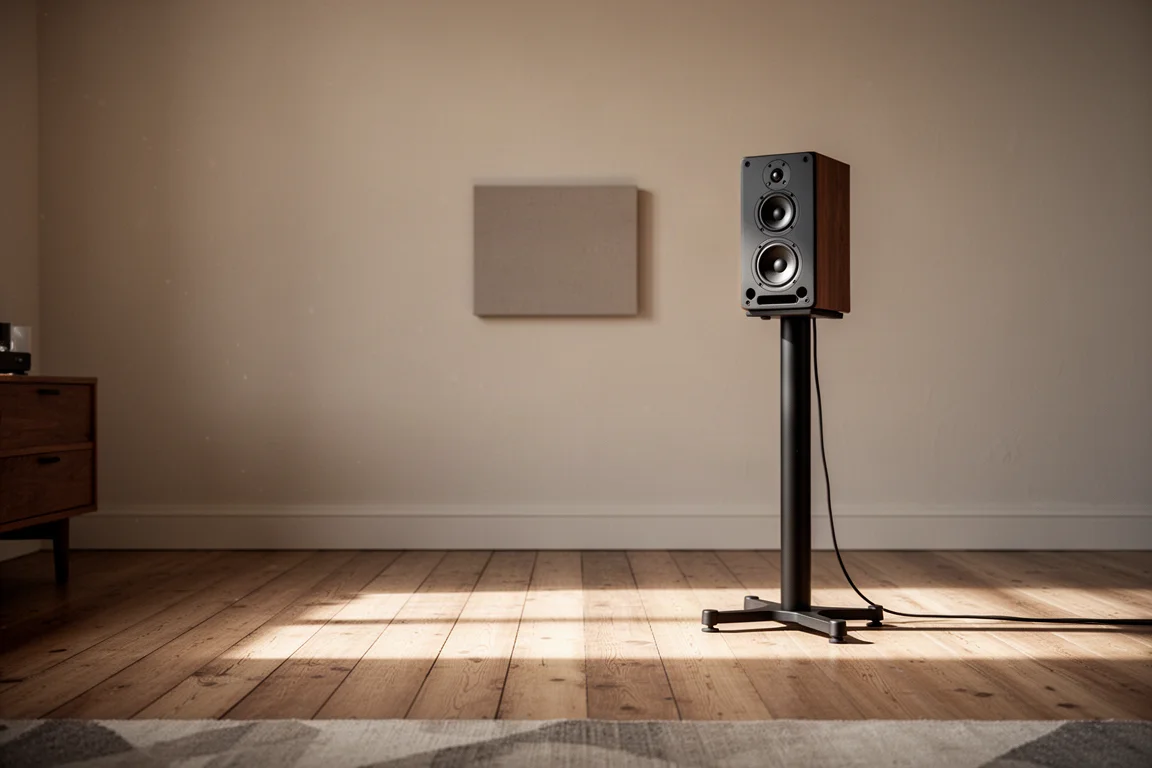
Placement changes the balance meaningfully. Close to the wall, the Super Mini Monitor gains low-end weight and can sound surprisingly full for its size, though a subwoofer remains worthwhile for bass-heavy tracks. Pulled four or five feet into the room, the midrange and treble become noticeably more transparent and airy, with greater depth, and the bass falls away. Crossing a subwoofer in around 80 Hz restores a full-range impression while keeping the clarity intact.
Setup and Amplifier Matching
Toe-in deserves attention. Aiming the speakers directly at the listening position can make the treble tiring over time, so pointing them more toward the room works better. A 24-inch stand suited this speaker well, with a slight upward tilt achieved by using a larger isolation foot at the front and a smaller one at the rear, which put the tweeter axis at ear level. A taller 28-inch stand placed the tweeter too high.
Amplifier choice shapes the result as well. A large solid-state transistor amplifier delivered the most textured and weighty bass, while a tube amplifier brought out a more holographic, three-dimensional quality in the midrange and treble, with more air around voices and instruments. Budget tube options are also worth considering if that warmer, more emotional presentation is the goal, with the understanding that bass impact stays limited either way.
Buying Advice
The Super Mini Monitor makes the most sense when it is bought for what it does well rather than as an all-rounder. Listeners who mostly play vocals, guitars, and acoustic material, and who listen in a small or medium room at moderate levels, will get a level of midrange and treble fidelity that normally costs considerably more. Adding a modest subwoofer and crossing it in around 80 Hz turns the setup into something close to full range, for a total outlay that still undercuts many larger alternatives.
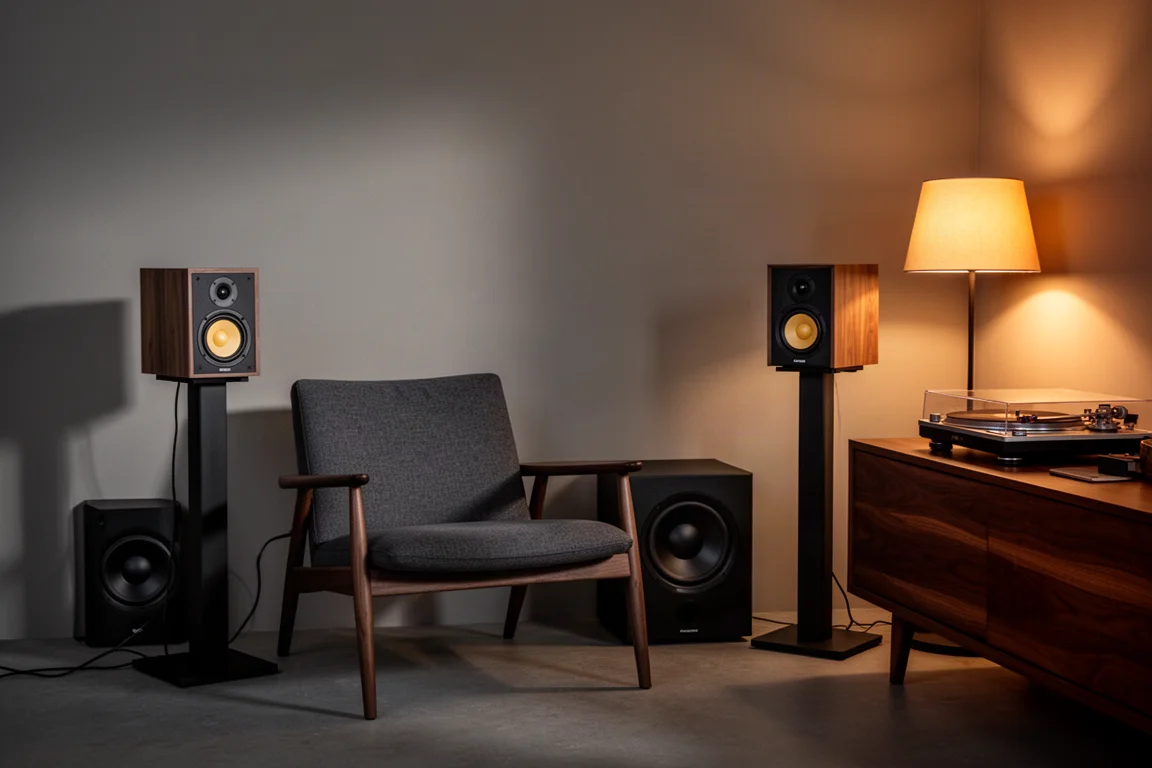
Those with a large room, a preference for high-volume bass-heavy music, or a wish to avoid building a system around the speakers should weigh the alternatives carefully. This speaker rewards a little patience with placement and amplification, and the reward is a presentation with depth, imaging, and a disappearing act that is genuinely rare at this size.
Conclusion
The Moni Audio Super Mini Monitor is a specialist, and a convincing one. Its aluminium cabinet, AMT tweeter, and premium crossover components support a sound that prioritises midrange and treble purity, and the result is a speaker that vanishes into the room and puts voices front and centre. The limitations are real and predictable: limited bass, a need for sensible placement, and a size that suits smaller spaces.
For listeners whose music lives in the vocal and instrumental range, and who are willing to place the speaker thoughtfully and possibly add a subwoofer, this is a compact monitor that delivers more than its dimensions suggest. For everyone else, the trade-offs are worth understanding before buying.
Product link
View more details for Moni Audio Super Mini Monitor
This product is mentioned in the review. Check the specifications, options, and compatibility before buying.
View more details for Moni Audio Super Mini MonitorFurther reading
Related Reviews
Hi-Fi Speakers
1723 THX Tower vs 1528 Bookshelf: Which Speaker Fits Your Room?
Two speakers at roughly the same price, built very differently. How the 1723 THX tower and the 1528 bookshelf compare on construction, bass, power needs, and sound.
Hi-Fi Speakers
Acoustic Energy AE 300 Review: Deep Bass From a Compact Standmount
A two-way standmount with real wood veneer, surprising low-end weight, and a warm, easygoing character. Here is what to know before buying.
Hi-Fi Speakers
Acoustic Energy AE1 40th Anniversary Review: A Modern Take on a British Classic
A compact standmount that revives a 1980s favorite with all-new parts, a warm mid-centric balance, and a price of £1,499 per pair.