Hi-Fi Speakers
MoFi SourcePoint 8 vs SourcePoint 10: Neutral Voicing or a Brighter Top End?
A close comparison of two coaxial standmount speakers from MoFi, covering voicing differences, bass limits, placement, and what each one asks of your amplifier.
Introduction
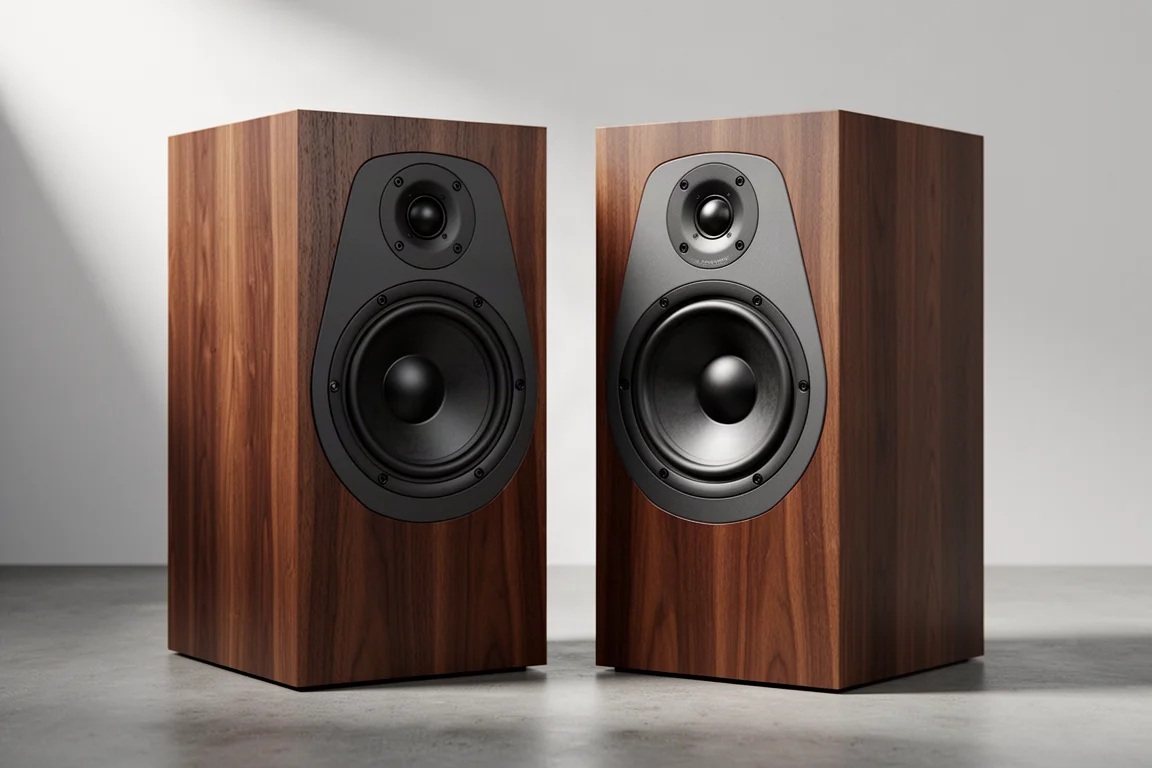
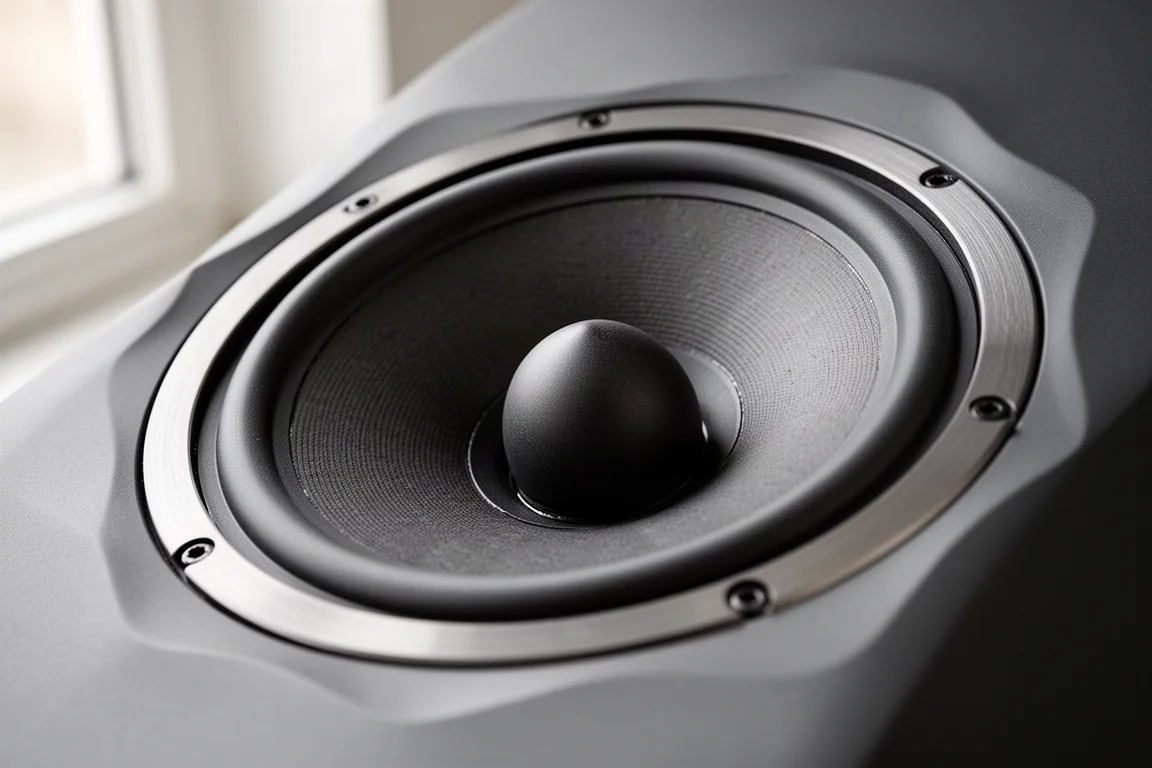
MoFi’s SourcePoint standmounts take an approach that sets them apart from most speakers at this size. Rather than spreading separate drivers across the baffle, both models use a concentric driver with a soft dome tweeter mounted at the centre of the woofer. The SourcePoint 8 combines an 8 inch concentric driver with a 1.25 inch soft dome tweeter, and the front baffle is shaped to reduce diffraction at its edges. That layout explains why the two models look so similar, and it also explains why they do not sound identical.
The real difference is voicing. The SourcePoint 10 has an elevated top end that reads as brightness on cymbals, shakers, and any recording with a lot of high frequency energy. The SourcePoint 8 is the more neutral of the two, and the cost of that neutrality is a modest reduction in low frequency capability.
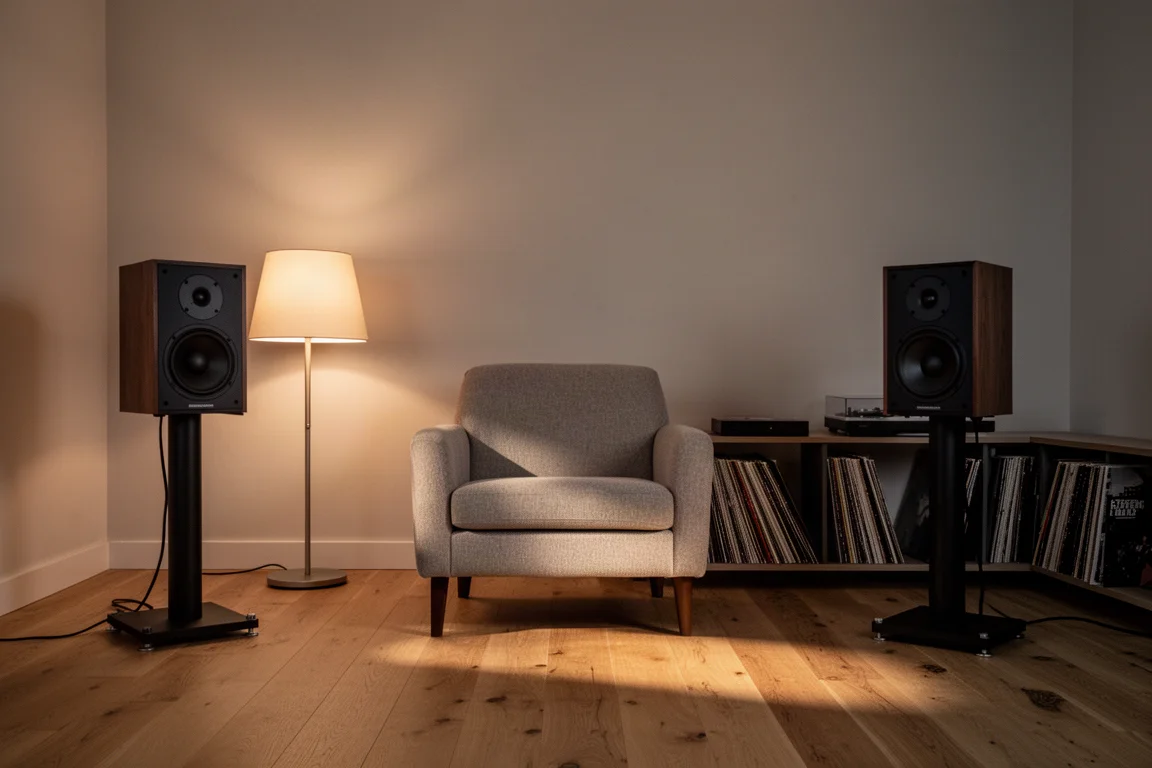
That reduction is smaller than the cabinet sizes suggest. The SourcePoint 8 reaches roughly the mid 40s in a typical room, which covers the majority of music, while the octaves below 30 Hz remain the job of a subwoofer. Treat that as a shared limitation of both speakers rather than the deciding factor between them.
How the SourcePoint 8 and SourcePoint 10 Differ
Compared directly, the midrange of the two speakers sits at roughly the same level. The high frequency region is where they part company, with a gap of about 4 to 5 dB, and the estimated in room response of the SourcePoint 8 sits about 4 to 5 dB lower through the treble than the SourcePoint 10.
At the bottom end the difference is smaller than expected. There is roughly 5 dB of separation at 30 Hz, and the two enclosures are tuned differently, so their roll off slopes are not identical. The SourcePoint 10 is the more capable of the two down low, but not by the margin the cabinet sizes imply, and its low frequency dynamics are not dramatically better.
The practical takeaway is simple: these are not the same speaker in two sizes. They have genuinely different tonal characters, which is why listeners tend to prefer one clearly over the other rather than calling it a tie.
MoFi SourcePoint 8: Neutral Voicing and Flexible Placement
Rated frequency response is 47 Hz to 30,000 Hz, with a sensitivity spec of 87 dB and an 8 ohm impedance. Measured average sensitivity came in at 86.3 dB, with F3 at 52 Hz and F10 at 43 Hz, and minimum impedance measured a true 8 ohms. The impedance spec is therefore accurate, and most amplifiers will have no trouble driving the speaker. A basic AVR handled the load without complaint, and a high power amplifier had no difficulty either.
Tonally, the SourcePoint 8 stays out of the way of the recording. Compressed or distorted material sounds compressed or distorted, and well recorded music sounds linear and uncoloured. That is a deliberate design choice rather than a shortage of detail, and it rewards listeners who want to hear what is actually on the source.
Aiming matters. Pointed directly on axis, the response shows diffraction dips around 4 kHz and 7 kHz. Rotating the speaker 15 degrees off axis makes those dips far shallower, and the sweet spot for most rooms falls somewhere between 10 and 20 degrees.
Imaging is a clear strength. Sweeping pans stay on a smooth continuous path instead of wobbling between the speakers, and stage depth is convincing with the speakers placed about 2 ft from the rear wall. The soundstage is not unusually wide, with horizontal directivity measuring around plus or minus 60 degrees, but it is wide enough for a centred seat, and listening while standing above or below the tweeter line remains consistent.
MoFi SourcePoint 10: Brighter Top End and More Low-End Output
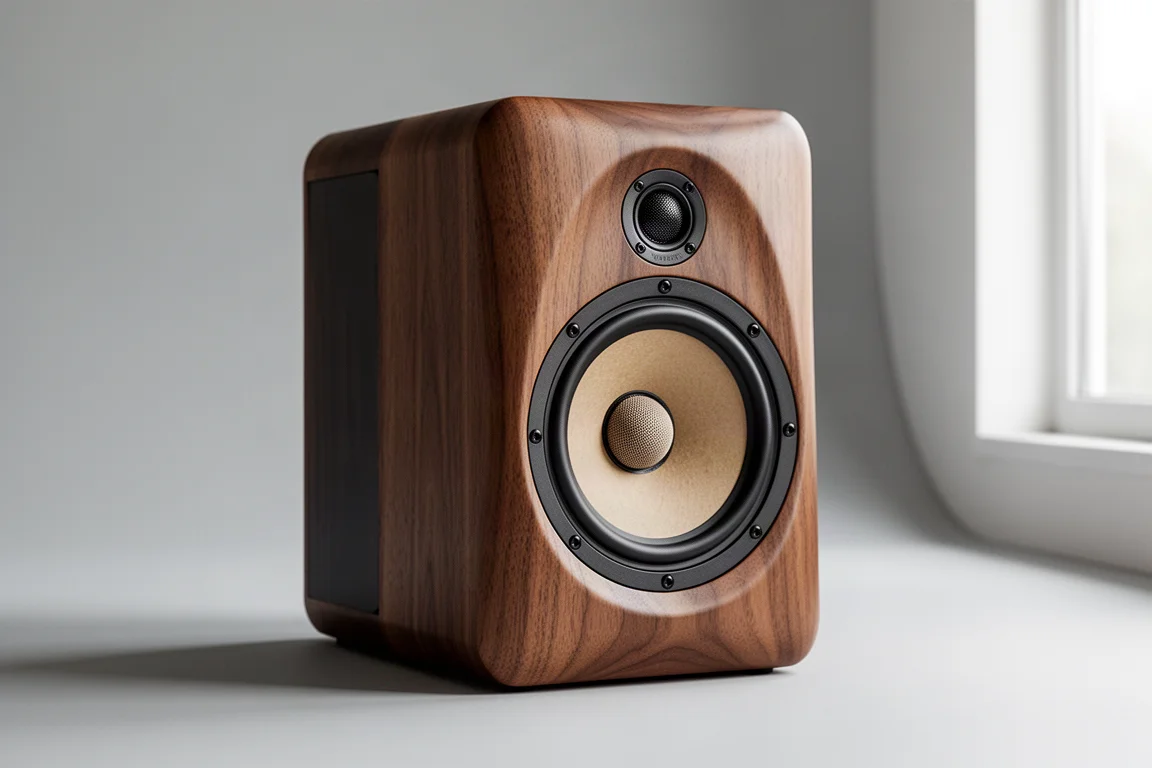
The SourcePoint 10 is the livelier of the pair. Its elevated treble adds sparkle to percussion and forwardness to the upper midrange, which some listeners enjoy and others find tiring over long sessions. Where the SourcePoint 8 aims for neutrality, the 10 aims for a more energetic presentation.
Low frequency output is stronger, with about 5 dB more at 30 Hz, although the low frequency dynamics are not dramatically better than the smaller model. For most music the 10 still needs a subwoofer to cover 30 Hz properly, which narrows the practical advantage considerably.
Positioning and Amplifier Notes for Both Speakers
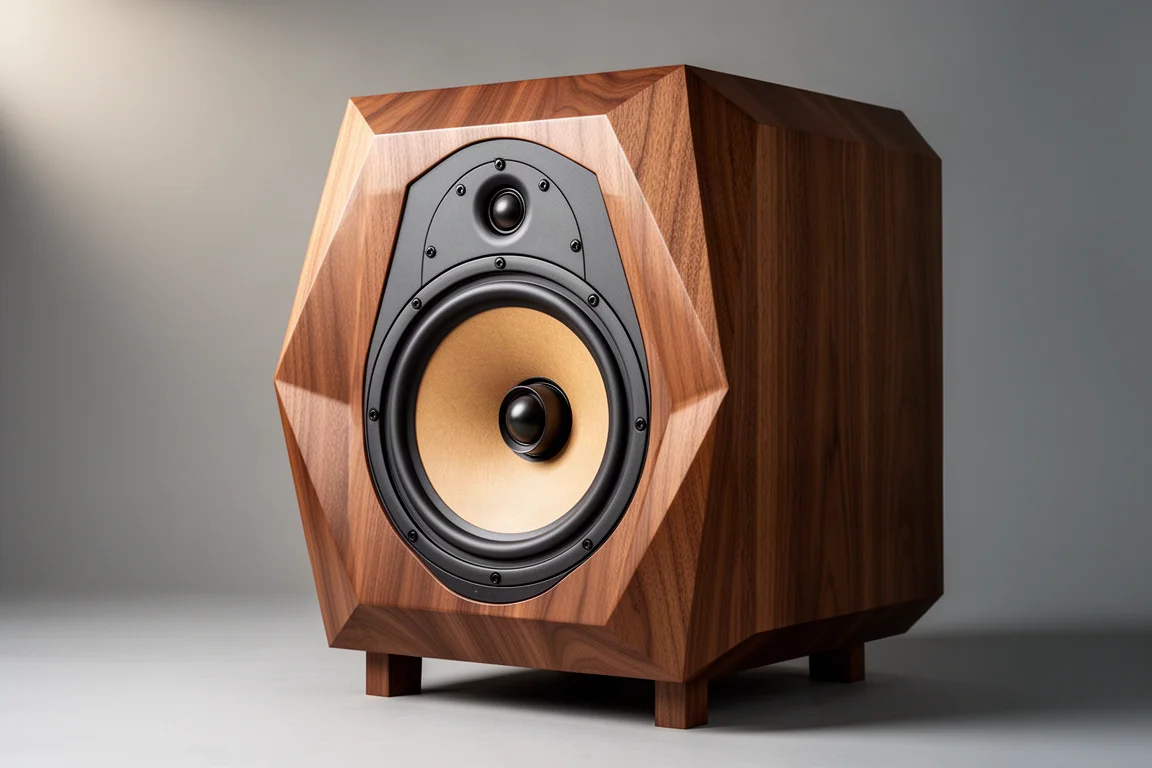
Concentric driver designs generally perform best when they are toed out away from the listening position rather than aimed straight at it, typically somewhere between 10 and 20 degrees. Firing them hard across the listening seat is not advisable, since the treble loses too much energy and instruments that should carry bite and shimmer start to sound soft. A gentler angle keeps the response linear without collapsing the image.
Both models use two rear ports, so wall distance changes the bass balance. Pushing the speakers close to the wall lifts the low bass more than intended, while moving them out tightens it. Around 2 ft from the rear wall, with roughly 10 to 15 degrees of toe out, gave the best balance of stereo width, imaging precision, and linear response in a seated position.
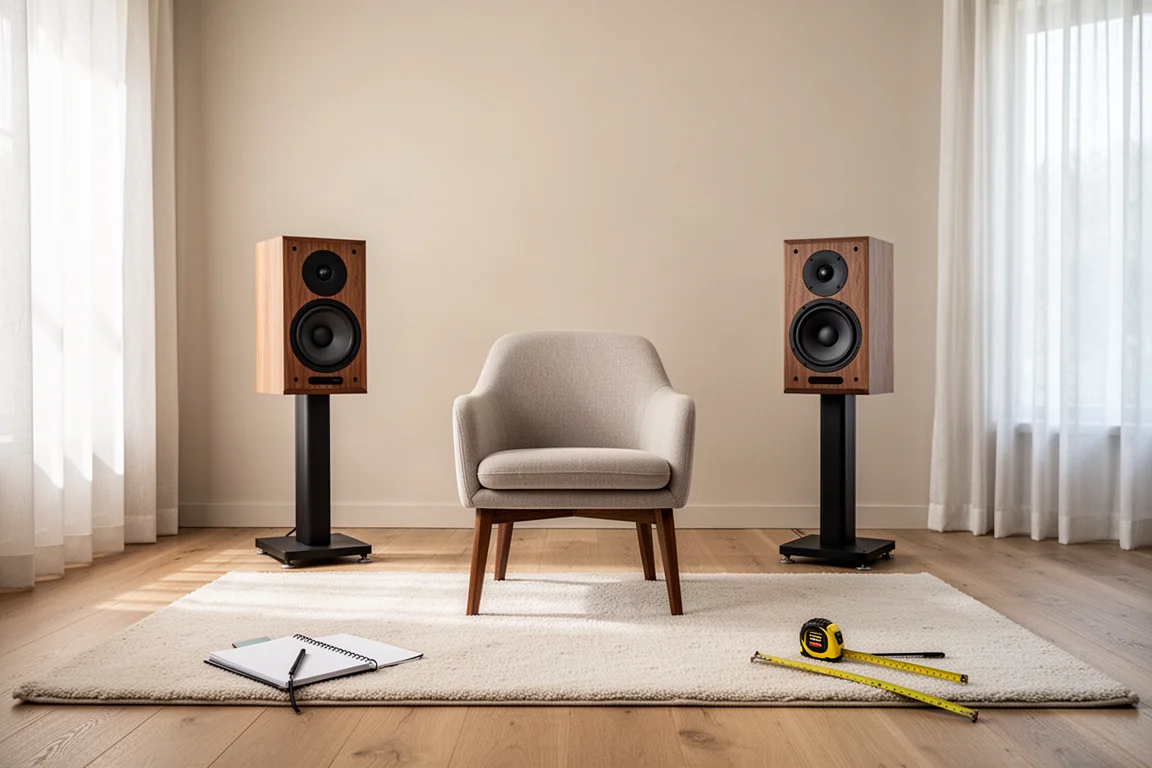
Amplification is not a concern. An 8 ohm load with sensitivity in the mid 80s suits everything from a modest home cinema receiver to a high power stereo amplifier, and neither speaker asks for unusual current delivery. The data supports that, and the listening experience backs it up.
What the Measurements Suggest for Real Rooms
Compression linearity and dynamic range look strong, with the only meaningful limits appearing below about 60 Hz. At very high playback levels, high passing the speaker around 50 to 60 Hz keeps it out of its non linear range and preserves headroom. That single step makes the most difference to how clean the speaker sounds when pushed hard.
Harmonic distortion at 96 dB rises above the 3 percent line, but it is second order, which is far less audible than higher order distortion at the same level, and nothing stood out during listening. Multi tone distortion stays at an acceptable level as well.
Restricting the woofer to 80 Hz and above reduced lower midrange distortion, and overlaying the two sets of results showed no evidence of meaningful modulation distortion in the high frequencies at 96 dB at 1 metre. The driver behaves predictably under demanding conditions.
Buying Advice: Matching the Speaker to Your Room and Taste
Choose the SourcePoint 8 if neutrality matters most, if you want a speaker that tolerates a range of aiming angles, and if you are happy to add a subwoofer for the lowest octaves. Its imaging and stage depth are the highlights, and it is the easier speaker to live with in a room that is not perfectly symmetrical.
Choose the SourcePoint 10 if you prefer a brighter, more energetic top end and want slightly more low frequency extension from the speaker itself. Go in expecting to add a subwoofer for the deepest bass, exactly as you would with the smaller model.
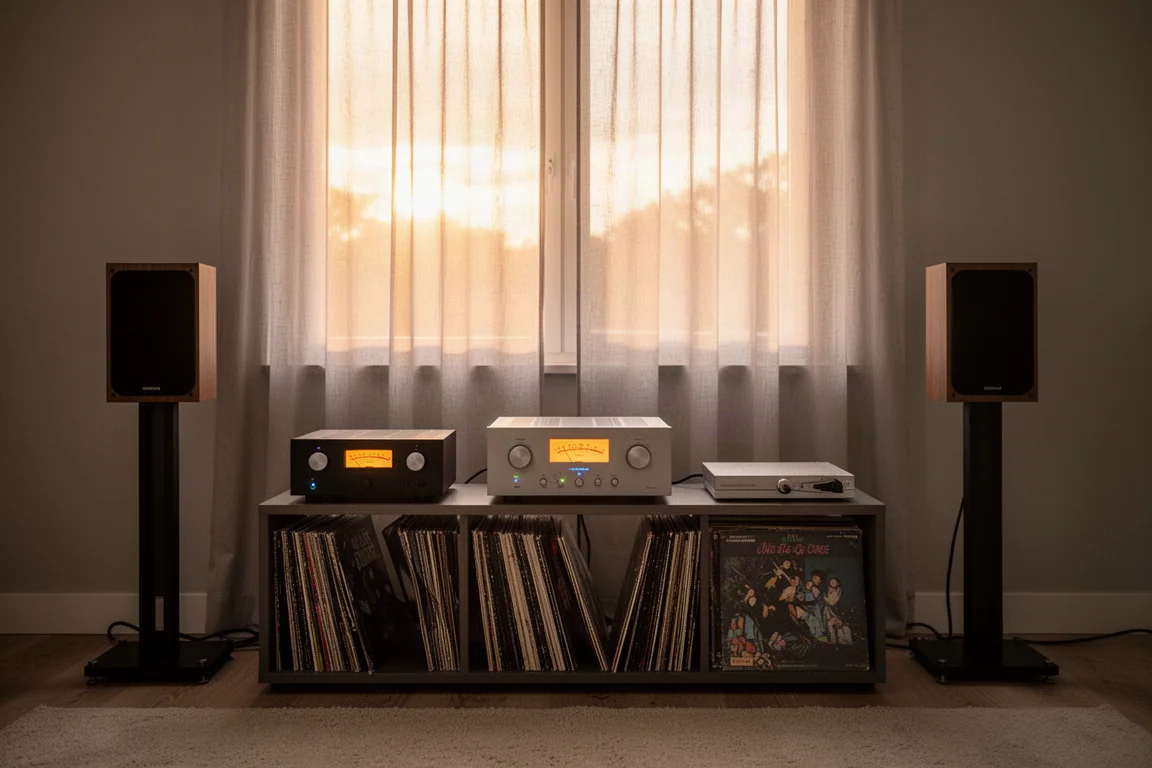
Either way, budget for stands and plan for wall clearance. Both speakers reward a little experimentation with distance from the rear wall and toe out angle, and neither needs exotic amplification to perform well. Both are also available in a few colour options, which makes it easier to match them to a living space.
Conclusion
The SourcePoint 8 and SourcePoint 10 are built around the same coaxial idea but tuned for different tastes. The 8 is the neutral option, with flexible placement, an easy amplifier load, and strong imaging. The 10 trades some of that neutrality for a brighter top end and a little more low end output, while still relying on a subwoofer for the deepest notes. If you value hearing the recording as it is, the 8 is the safer long term choice. If you like a livelier treble, the 10 is the one to consider.
Further reading
Related Reviews
Hi-Fi Speakers
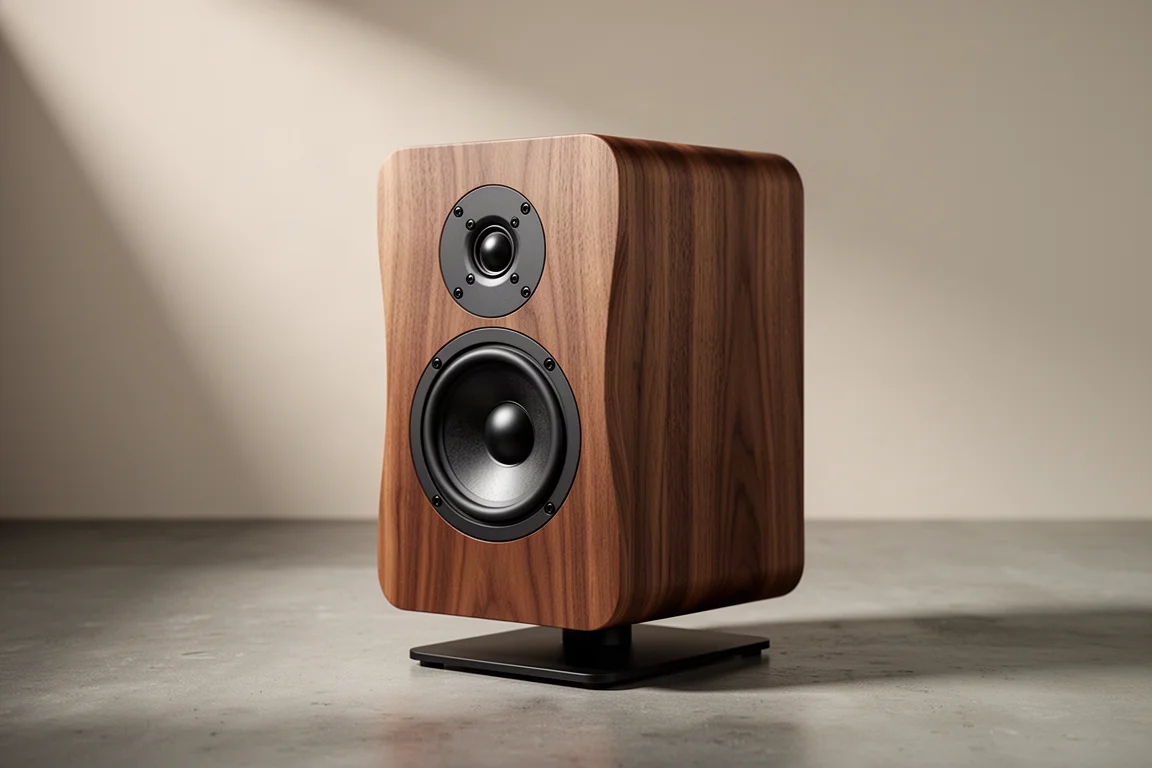
1723 THX Tower vs 1528 Bookshelf: Which Speaker Fits Your Room?
Two speakers at roughly the same price, built very differently. How the 1723 THX tower and the 1528 bookshelf compare on construction, bass, power needs, and sound.
Hi-Fi Speakers
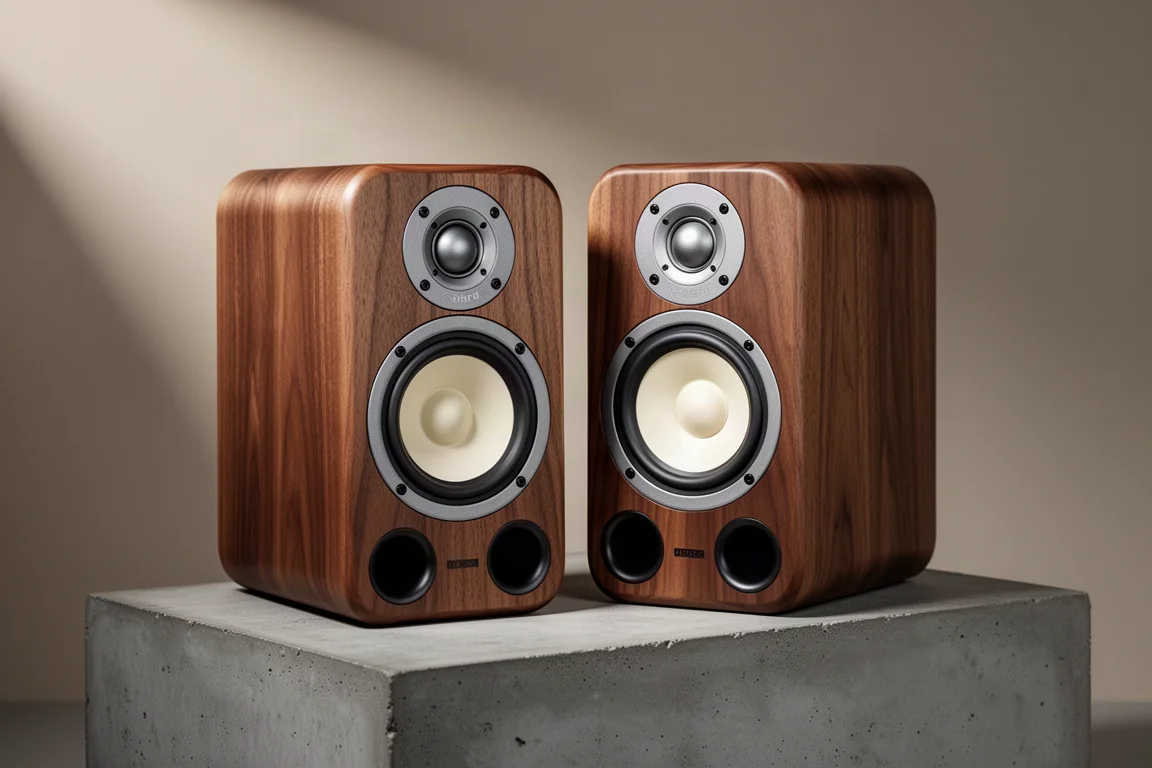
Acoustic Energy AE 300 Review: Deep Bass From a Compact Standmount
A two-way standmount with real wood veneer, surprising low-end weight, and a warm, easygoing character. Here is what to know before buying.
Hi-Fi Speakers
Acoustic Energy AE1 40th Anniversary Review: A Modern Take on a British Classic
A compact standmount that revives a 1980s favorite with all-new parts, a warm mid-centric balance, and a price of £1,499 per pair.