Hi-Fi Speakers
MoFi SourcePoint 10 Review: A 10-Inch Concentric Stand-Mount Speaker
A detailed look at the MoFi SourcePoint 10, a stand-mount speaker built around a 10-inch concentric driver, plus how it compares with the Pure Audio Project Duet 15.
Introduction
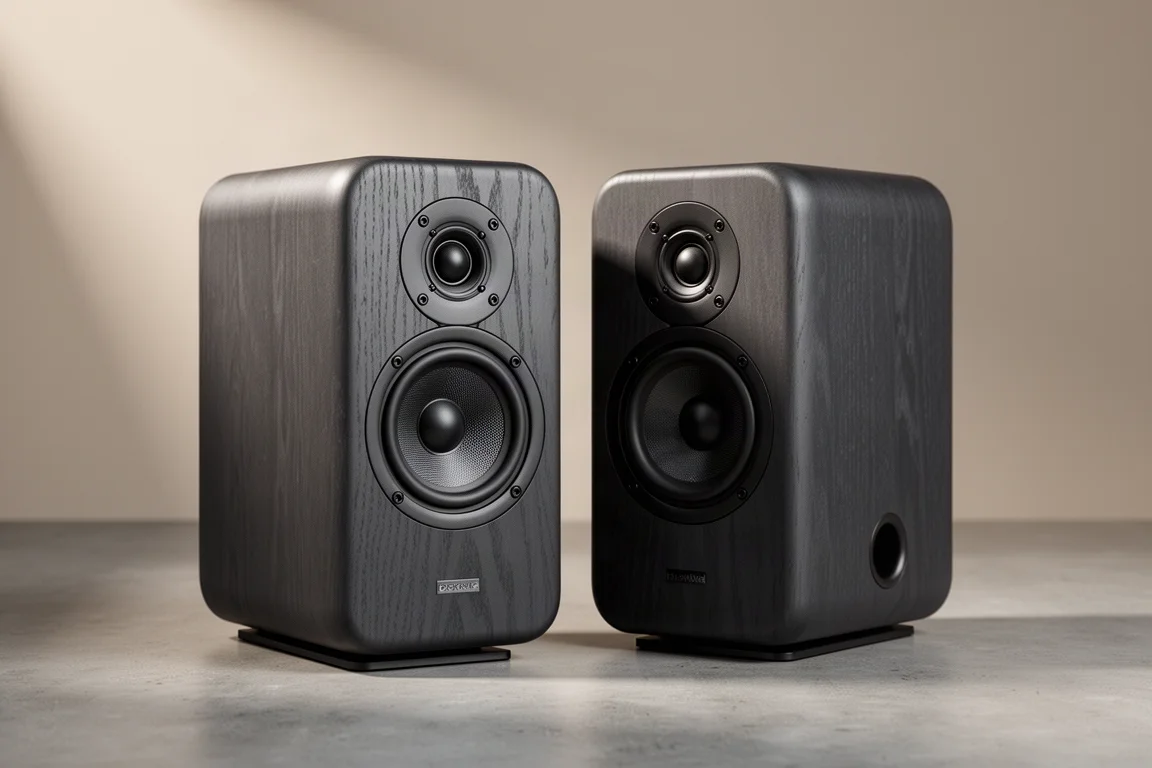
The MoFi SourcePoint 10 is a stand-mount speaker built around a 10-inch concentric driver, and it marks a deliberate change of direction from the warmer, softer voicing associated with earlier designs from Andrew Jones. It is a single model rather than the first entry in a new family, and it is priced at $3,699 per pair.
This article covers what the SourcePoint 10 does well, where it asks more from your recordings, and how it compares with a very different speaker: the open-baffle Pure Audio Project Duet 15 at $6,500 per pair.
Design and Build Quality
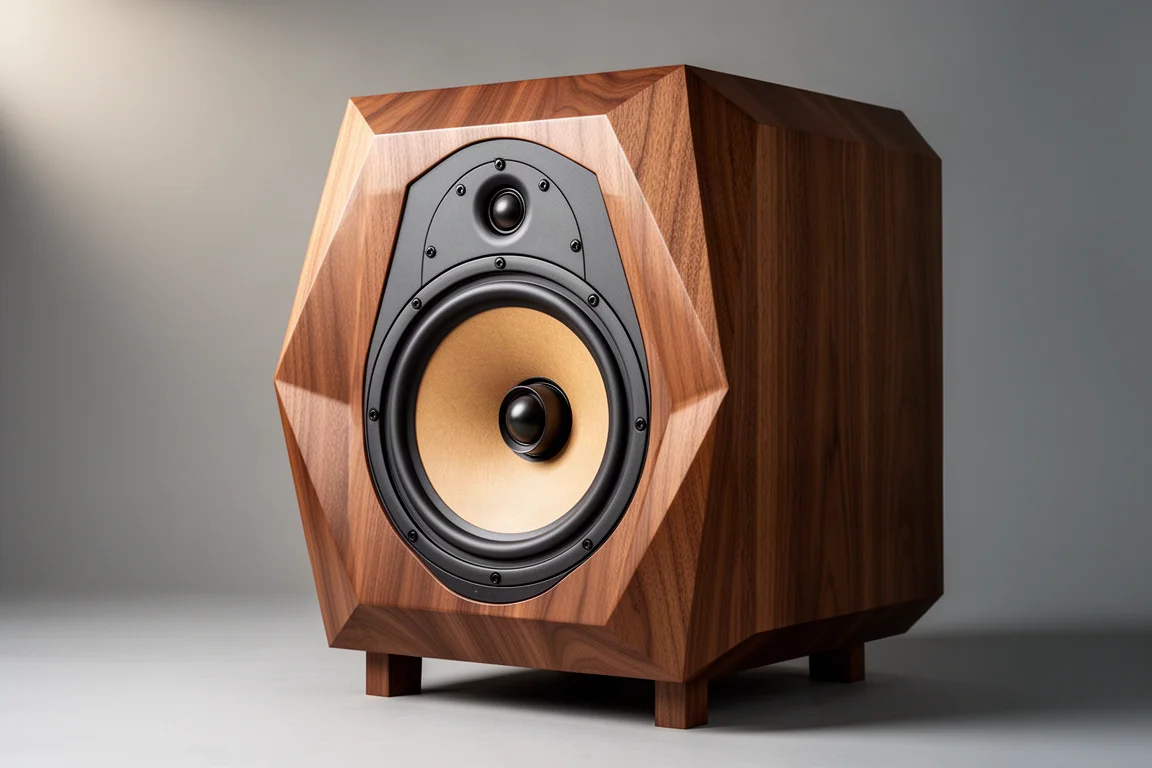
The cabinet is unusually robust for a speaker of this size. The sides and the back panel are made from 1-inch thick medium-density fiberboard, the faceted front baffle is 2 inches thick, and the interior is braced. Two bass ports are mounted on the rear, and the binding posts are of good quality. The finish options are real walnut veneer and black ash.
Using two ports rather than a single larger port is a deliberate part of the design rather than a cosmetic detail, and it fits the ground-up approach taken across the whole speaker.
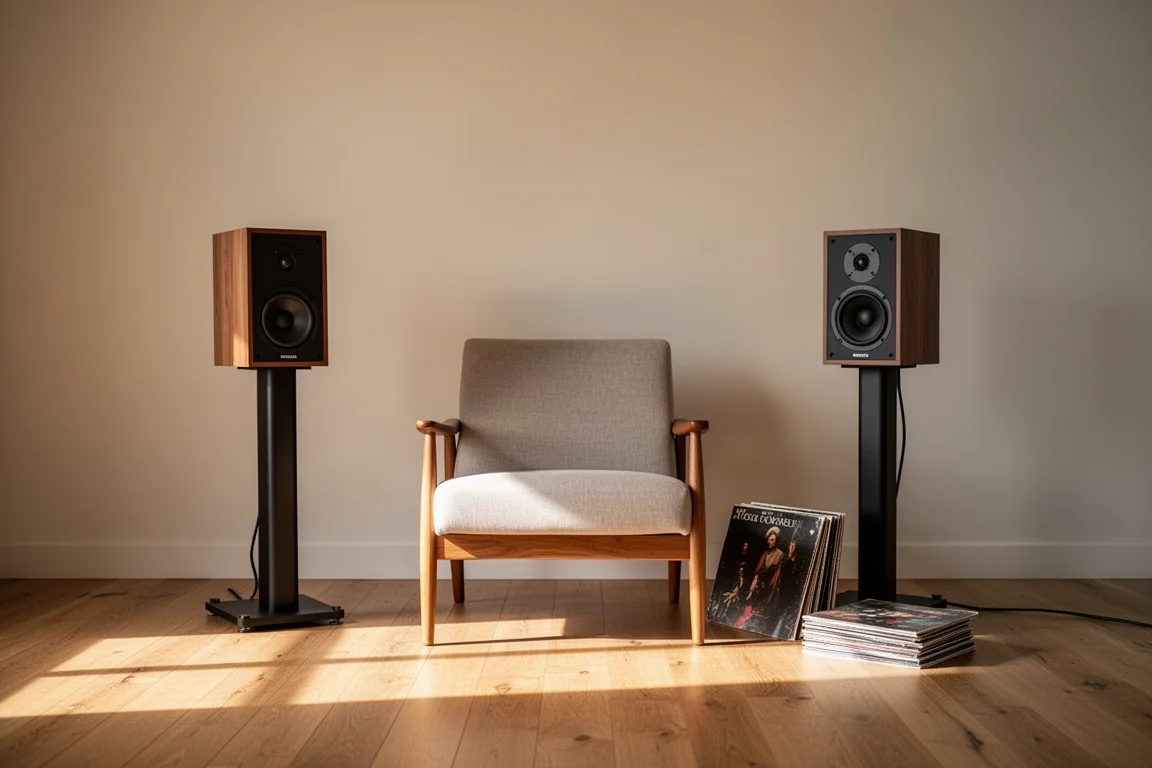
In practical terms, the SourcePoint 10 is a large bookshelf speaker. It is not a small monitor, but it is not a full-size floorstanding model either, and the low-frequency output has genuine weight rather than the thin character that smaller cabinets often produce.
Driver and Crossover Engineering
The driver is the centre of the design. A 10-inch paper cone carries a silk dome tweeter mounted at its centre, creating a concentric arrangement in which both drive units share a single acoustic axis. Andrew Jones has worked with concentric drivers before, but this one was designed from scratch for MoFi rather than adapted from an existing part.
Nothing here is off-the-shelf. The cabinet, the driver and the crossover were developed together as one system, and the crossover itself is new.
Sound Quality: Imaging, Bass, and Treble
Imaging is the quality that stands out first. Each instrument and each voice holds a precise position within the sound stage, with a sense of focus around it that makes individual parts easy to follow. The stage is composed and clear rather than oversized, and that precision is what keeps pulling you back into the music.
Bass reaches down to around 40 Hz in practice. It is not only deep but also tactile: the leading edge of low notes has resolution and texture, and on bass-driven material the speaker stays pushy and engaging rather than polite.
The treble sits on the bright side of neutral. With clean, well-recorded material that is a strength, and percussion and cymbals come across as airy and open. With harsh, bright or heavily compressed recordings it is not a forgiving speaker, because it will reveal exactly how hard those recordings sound.
Volume behaviour is a genuine plus. The SourcePoint 10 can play quietly and still feel satisfying, so the energy of a recording does not depend on turning it up.
System matching matters. With neutral solid-state amplification the speaker’s own character comes through most clearly. Driven by a tube integrated amplifier, the presentation rounds out and gains body, which is a pleasant alternative rather than a correction.
Vertical or Horizontal Placement
The SourcePoint 10 can be used either upright or laid on its side, and both orientations are worth trying. Laid horizontally, the driver ends up closer to the floor, and the balance sounds a little richer as a result. In that position it also looks arguably better in a typical room.
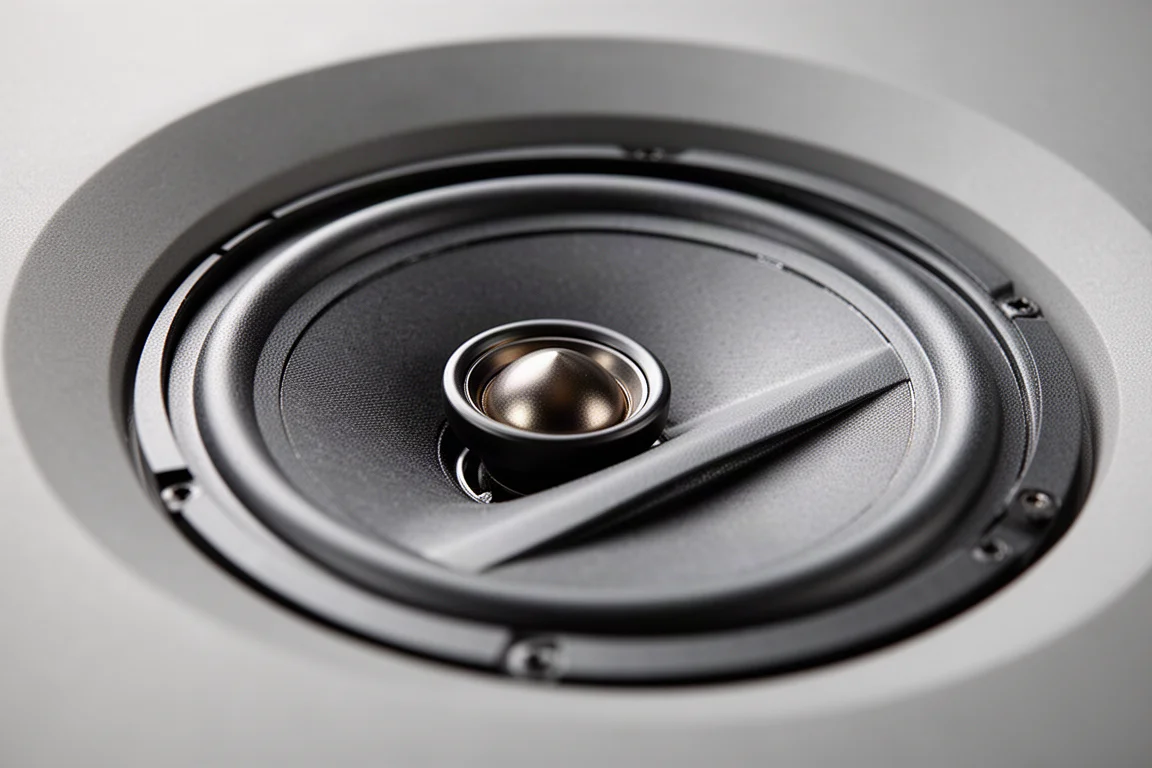
Because the driver is concentric, rotating the cabinet does not introduce the off-axis problems that a conventional two-way design would suffer, so the choice comes down to room layout and personal preference rather than a right or wrong answer. Either way, the speaker keeps its focus and its bass character.
How the Pure Audio Project Duet 15 Compares
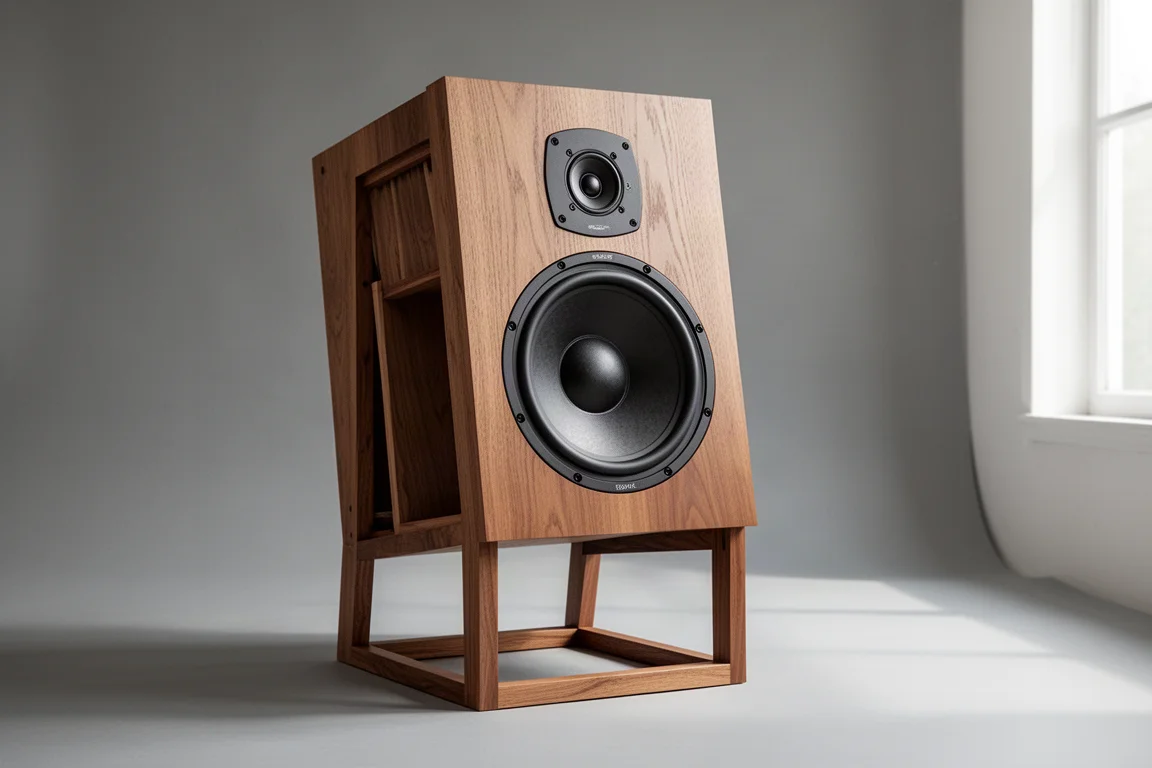
The Duet 15 is an open-baffle design, which means it radiates sound from the front and the back of the baffle. The result is a fundamentally different presentation from a point-source speaker.
Scale is the Duet 15’s strength. Its sound stage is wider, deeper and taller, and it projects in a way that fills the room with a wall of sound. Its 15-inch woofer also produces bass that sounds bigger, weightier and more generous.
The SourcePoint 10 counters with precision. It images more tightly, and it has noticeably better top-end clarity and extension, while the Duet 15 sounds softer in the treble by comparison. The two speakers are less direct rivals than two different sets of priorities, and the Duet 15 sits at a higher price as well.
Who Should Buy the SourcePoint 10
This speaker suits listeners who value focus, clarity and a well-defined sound stage over sheer scale. It also suits anyone who listens at modest volumes, since it keeps its energy when the level comes down.
It is a strong fit for owners of clean, well-recorded music, particularly jazz, acoustic and vocal material, where its precision and bass texture have the most room to show what they can do.
It is a less natural fit for anyone whose library leans heavily on bright, aggressive or heavily compressed recordings, because those qualities will be audible rather than smoothed over.
Things to Consider Before Buying
Dedicated stands for the SourcePoint 10 were not yet available at the time of writing, so buyers should expect to use a third-party stand in the short term. A stand that is physically matched to a cabinet this large makes a real difference to both the look and the sound.
The speaker is also a single model rather than part of a range, so there is no smaller or larger version to step up or down to.
Finally, the treble character deserves an honest audition. It rewards good recordings and exposes poor ones, and that trade-off is the main thing to weigh before committing.
Buying Advice
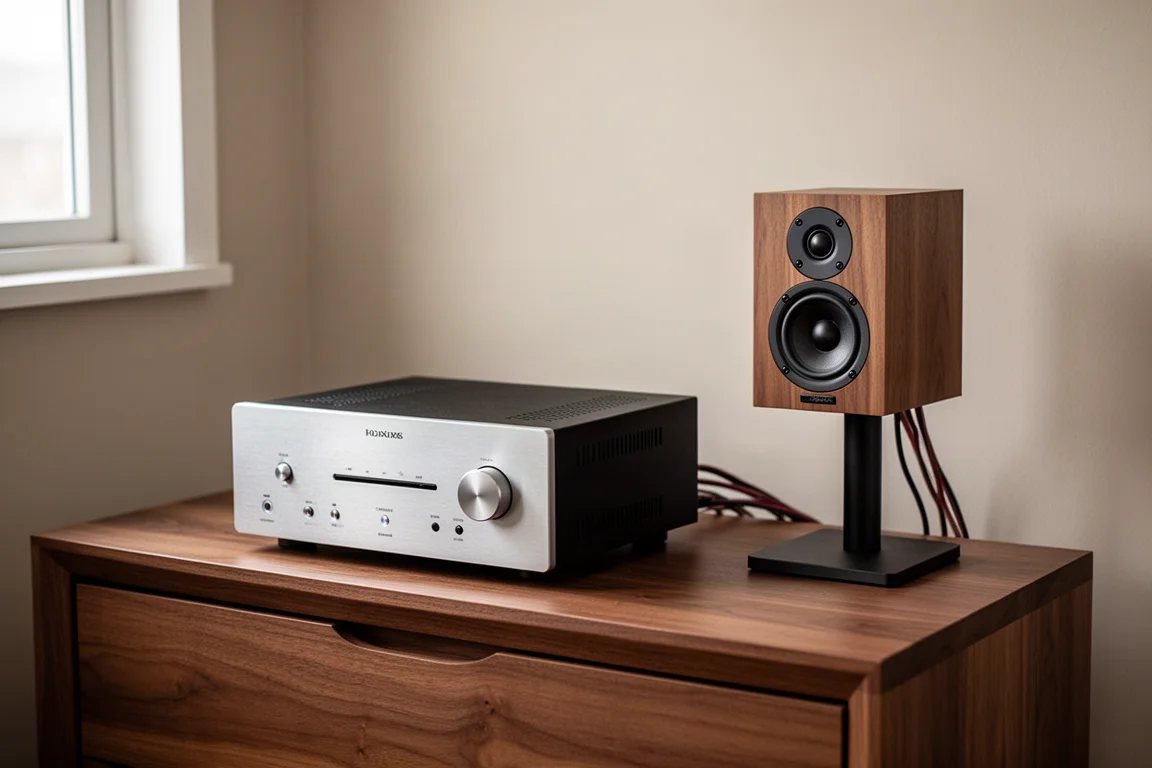
The SourcePoint 10 makes the most sense when it is matched to a system that is already neutral and clean. Amplification with a bright character of its own will compound the speaker’s treble lean, while neutral solid-state electronics let its imaging and bass texture take the lead.
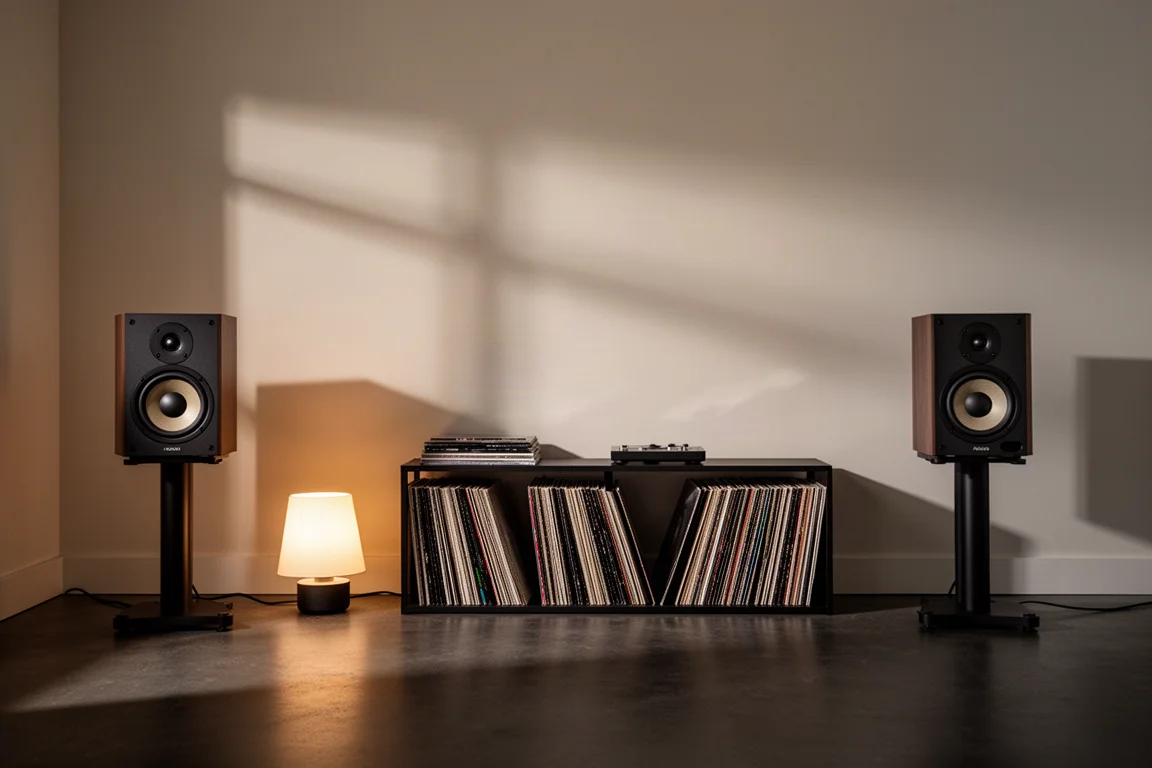
Placement is worth experimenting with. Trying the cabinet both upright and on its side costs nothing and can shift the tonal balance in a direction that suits a room better. Keeping the rear ports clear of a wall also helps the low end stay controlled.
At $3,699 per pair, the speaker competes on precision and bass quality rather than on size. Listeners who want the largest possible sound stage and the most generous low end may prefer to spend more on the Duet 15, but those who want sharp imaging and a clear window into a recording will find the SourcePoint 10 delivers exactly that.
Conclusion
The MoFi SourcePoint 10 is a focused, vivid stand-mount speaker with exceptional imaging, deep and tactile bass, and a treble character that rewards quality recordings. Its construction is substantial for the size, and the freedom to place it upright or on its side makes it easier to live with in a real room. Choose it for precision, and look elsewhere if you need a speaker that flatters difficult recordings.
Further reading
Related Reviews
Hi-Fi Speakers
1723 THX Tower vs 1528 Bookshelf: Which Speaker Fits Your Room?
Two speakers at roughly the same price, built very differently. How the 1723 THX tower and the 1528 bookshelf compare on construction, bass, power needs, and sound.
Hi-Fi Speakers
Acoustic Energy AE 300 Review: Deep Bass From a Compact Standmount
A two-way standmount with real wood veneer, surprising low-end weight, and a warm, easygoing character. Here is what to know before buying.
Hi-Fi Speakers
Acoustic Energy AE1 40th Anniversary Review: A Modern Take on a British Classic
A compact standmount that revives a 1980s favorite with all-new parts, a warm mid-centric balance, and a price of £1,499 per pair.