Audio Electronics
ModWright Analog Bridge Review: Adding Tube Character to a Solid State System
A tube buffer with two switchable tube modes, a bypass switch, and serious tube rolling potential for listeners who want warmth without giving up solid state strengths.
Introduction
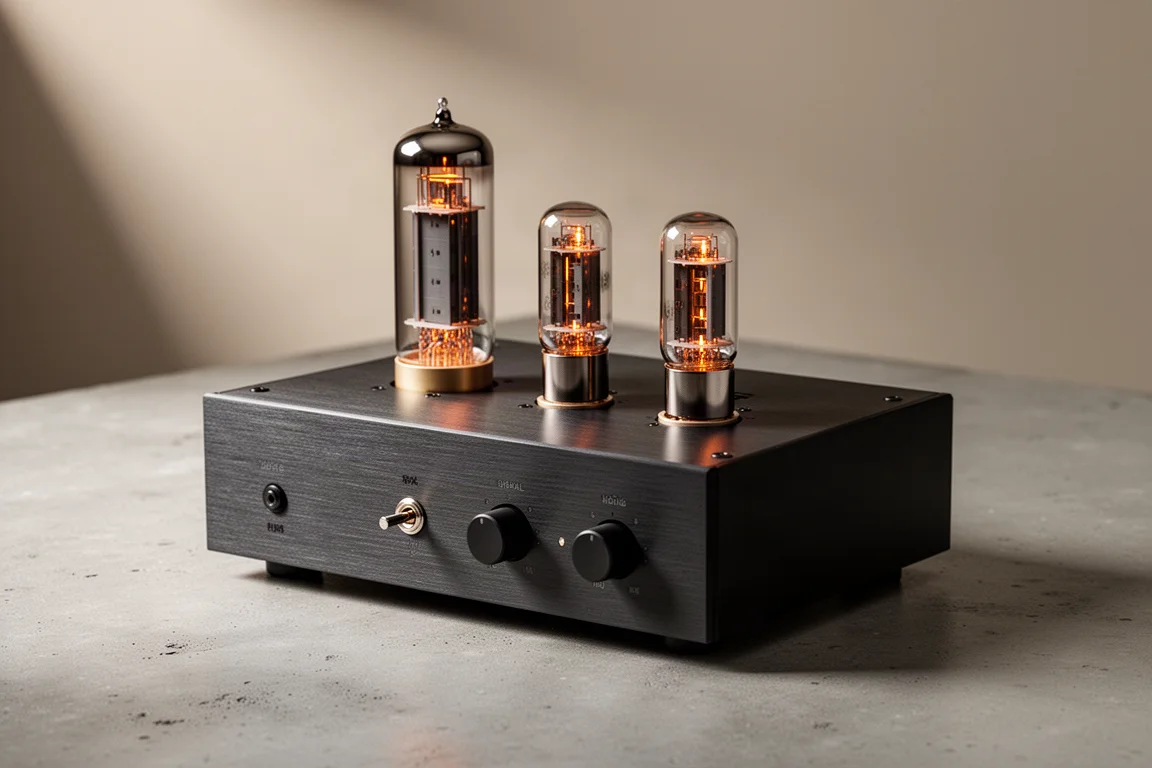
Many listeners end up choosing between two characters. Tube amplification is often described as warm, rich, and holographic. Solid state amplification is prized for dynamics, imaging, and transient speed. The ModWright Analog Bridge is built for people who want both: it is a tube buffer that adds tube character to an existing solid state system without replacing any component in it.
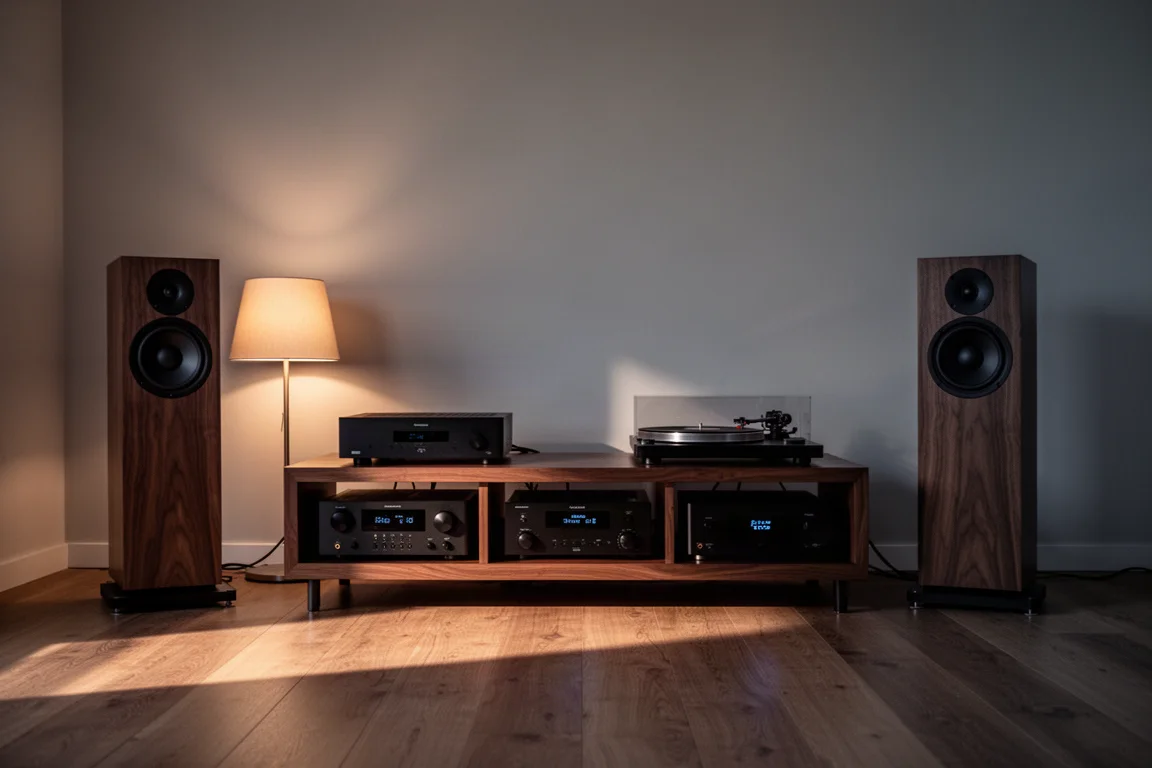
Instead of swapping a preamplifier or an amplifier, the Analog Bridge sits between two pieces of gear and shapes the signal as it passes through. That makes it a different proposition from a hybrid amplifier, or from running a tube preamplifier into a solid state power amplifier.
What the ModWright Analog Bridge Does
A tube buffer is a well established idea in guitar pedals, studio equipment, and hi-fi. Its first job is tonal: it introduces the harmonic character associated with tubes into a signal path that would otherwise be purely solid state.
Its second job is electrical. A buffer presents a high input impedance and a low output impedance. That matters when the output impedance of a source does not line up well with the input impedance of the component it feeds. Modern gear is usually well matched, but vintage components and more exotic hi-fi pieces can be harder to pair. With the Analog Bridge between them, signal transfer improves rather than degrades.
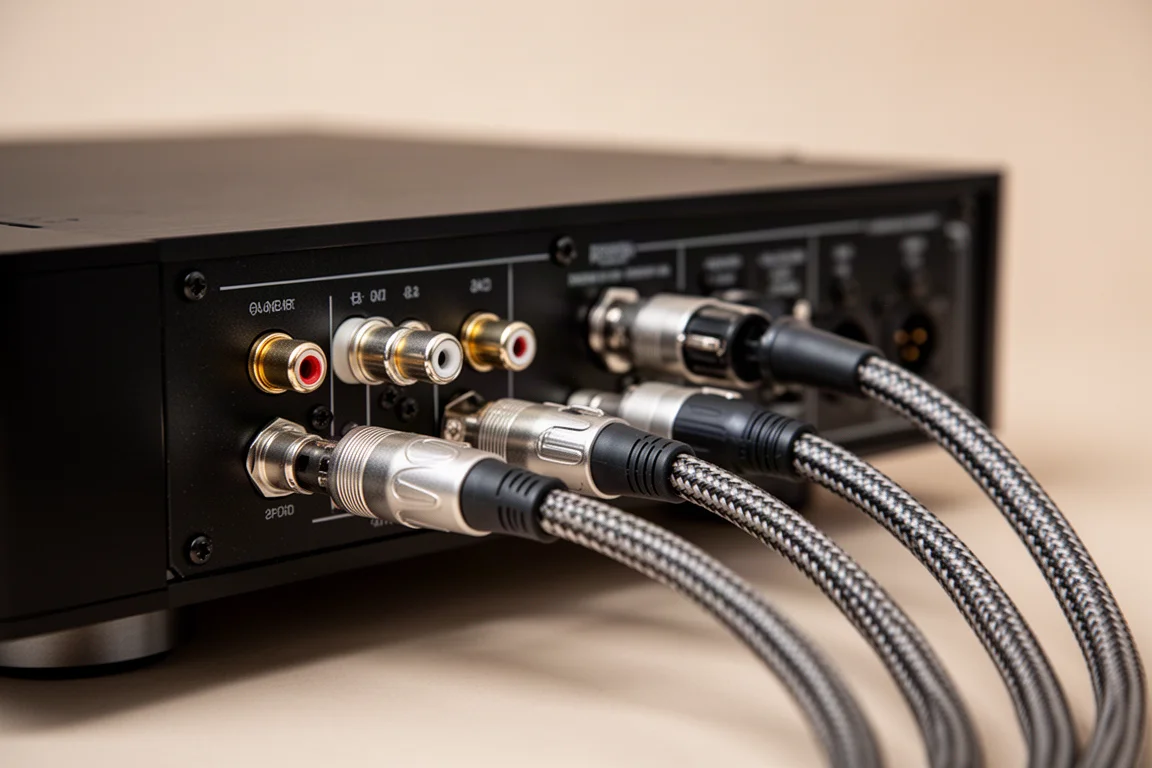
The same characteristic helps with long cable runs. RCA interconnects in particular can lose signal quality over distance, and a buffer in the chain makes long runs far more practical.
Who This Product Is For
The Analog Bridge is a niche component, and it makes the most sense in three situations.
First, an all solid state system that already does everything its owner wants: strong dynamics, sharp transients, good focus, and detail. If the only missing ingredient is a softer top end, a more spacious stage, or a fuller midrange, this is where the unit earns its place.
Second, an integrated streamer, DAC, and preamplifier such as the Eversolo A10, A8, or A6. These units pack in DSP, parametric EQ, loudness contour, room correction, and subwoofer integration. Placing the Analog Bridge after such a unit keeps every one of those features intact while adding tube character downstream, before the signal reaches the power amplifier.
Third, an R2R ladder DAC. R2R converters are valued for a warm, rich, airy presentation, and adding a buffer on the output introduces more of the spaciousness normally associated with tubes.
In a system that already runs a tube preamplifier into a solid state amplifier, the Analog Bridge still contributes, but the difference is much smaller.
Main Strengths: Two Tube Modes, Two Personalities
The buffer stage accepts either 6922 tubes or 6SN7 tubes, and a switch selects which pair is active. Only one set runs at a time, and each brings a distinctly different character.
The 6922 setting lifts the high frequencies a little, adding bite at the top end and opening up the soundstage. It is the more holographic of the two modes, and the natural choice when a system sounds constricted or closed in.
The 6SN7 setting goes the other way. It adds weight and texture in the bass, fattens the midrange, and takes the top end down a notch. That combination is easier to listen to over long sessions and suits systems that sound lean or bright.
The rectifier section uses a 5AR4 or GZ34 tube, and it stays active in both modes. Rectifier choice therefore shapes the sound no matter which buffer tubes are selected, which makes it a meaningful part of tuning the unit. The Analog Bridge ships with JJ tubes.
Build Quality and Tube Rolling
The internals explain a good part of the price. ModWright capacitors are used throughout, the XLR version adds transformers, and the power supply is built around a large choke design with a substantial transformer. The parts quality is consistent with what ModWright is known for in tube gear.
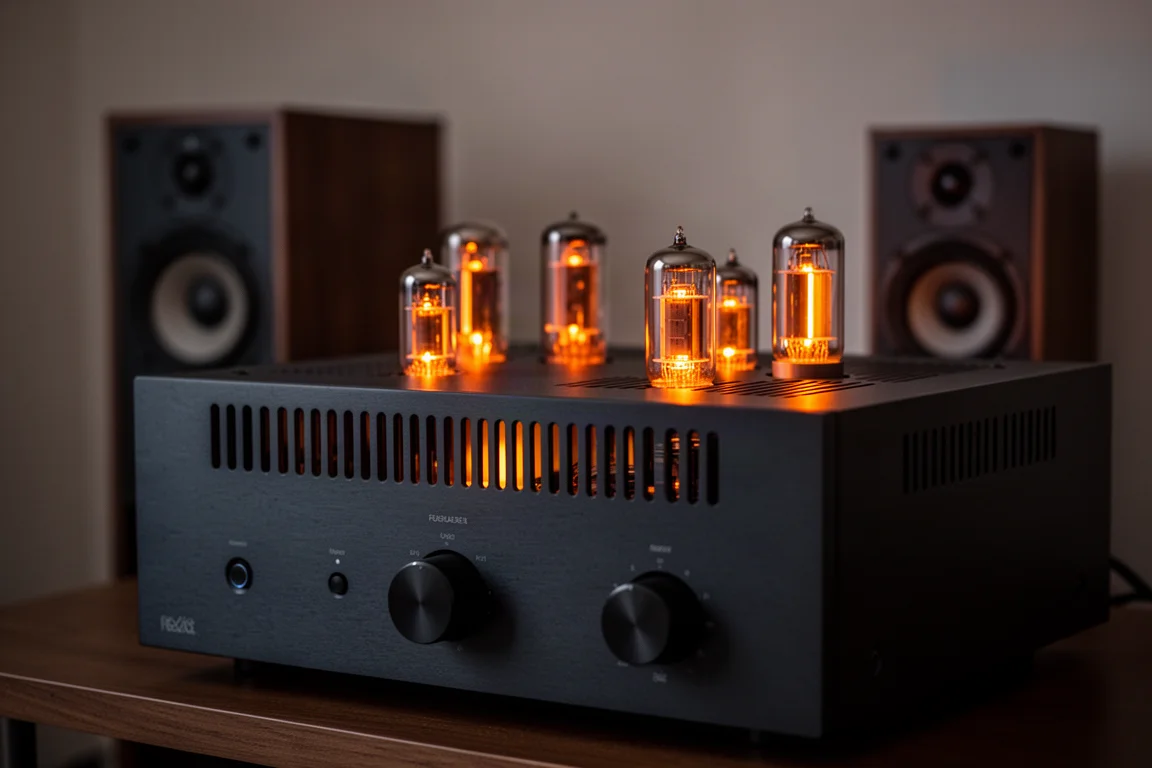
Because the unit uses widely available tube types, rolling is straightforward, and it is a large part of the appeal. The 5AR4 rectifier is always in circuit, so it is the single most effective place to start. A Sylvania 5AR4, for example, gives a rich and muscular character, while an Amperex SQ 6922 refines the high frequencies and extends them for a more open, airy presentation. Combining the two produces a balance of midrange richness and bass texture with an open top end.

One piece of practical advice: tune for one mode rather than both. The 6922 and 6SN7 settings pull in almost opposite directions, so a rectifier that flatters one may not suit the other. Match the rectifier to the mode you actually use.
Things to Consider Before Buying
Price is the first consideration. The Analog Bridge costs $2,900 in the RCA version and $3,900 in the XLR version. A good tube buffer is rarely inexpensive, and this one sits at the upper end of the category.
The bypass switch sits on the rear panel. It bypasses the tubes and the entire functionality of the unit, which makes comparing a system with and without the Analog Bridge quick and cable free. Reaching behind the chassis each time is less convenient, and there is no remote.
Expectations matter too. This is a component for specific systems, not a universal upgrade. In a chain that already has tubes in it, the gain is modest.
Buying Advice
Choose the version that matches the connections already in your system. The RCA version is the lower cost option at $2,900, while the XLR version at $3,900 adds transformer coupling for balanced setups.
The strongest case for the Analog Bridge is an all solid state system that its owner already enjoys. If the dynamics, transients, focus, and detail are all there and only the edges need softening, this unit adds character without subtracting what makes the system good. It is also a natural fit after a feature rich streamer, DAC, and preamplifier, or after an R2R ladder DAC.
If tube rolling appeals, budget for it. The rectifier alone changes the sound enough to be worth the experiment, and owners who enjoy fine tuning will get the most out of the design.
Conclusion
The ModWright Analog Bridge is a specialized piece of equipment, and it is honest about that. It will not suit every system, and it is not cheap. But for listeners who love their solid state chain and want a warmer, more spacious, more textured presentation without giving up dynamics or detail, it offers a way to get there while keeping the rest of the system exactly as it is.
Product link
View more details for ModWright Analog Bridge
This product is mentioned in the review. Check the specifications, options, and compatibility before buying.
View more details for ModWright Analog BridgeFurther reading
Related Reviews

Backpacking Gear
Building a 10 lb Base Weight: An Ultralight Backpacking Gear List
A practical walkthrough of the ultralight pieces behind a 10 lb base weight, from a 765 g pack and a roomy one-person tent to a full camp chair and a dependable water filter.

Road Bikes
10 New Road Bikes Worth Watching: Aero, Titanium, Steel and Endurance Standouts
A practical roundup of 10 new road bikes, from aero flagships chasing single-watt gains to titanium, steel and endurance platforms built for real roads.

Bikepacking Gear
11 Bikepacking Essentials for Long-Distance Cycling
Eleven bikepacking essentials for long-distance cycling, from a steel gravel frame and a two-person tent to helmet lights, packable gloves, and a frame bag that puts weight in the right place.