Backpacking Shelters
Mountain Laurel Designs Pro Rain Poncho Tarp and Superlight Solo Bivy: A Lightweight Shelter System Field Tested
A field-tested look at the Mountain Laurel Designs Pro Rain Poncho Tarp paired with the Superlight Solo Bivy, covering shelter performance, rain gear trade-offs, and who this ultralight setup suits.
Introduction
Some ultralight gear choices ask you to give something up. A poncho tarp asks you to give up almost nothing on paper: it is rain gear and shelter in one piece, which means one item instead of two and a meaningful weight saving on long trips.
The Mountain Laurel Designs Pro Rain Poncho Tarp was put through a multi-day backpacking trip in the Tetons alongside the Mountain Laurel Designs Superlight Solo Bivy, and the two work as a system rather than as separate purchases. Together with the cord that ships with the tarp, the pair weighed 22.2 ounces and came to $434 for the complete setup.
The honest summary is that this pairing rewards a specific kind of backpacker and frustrates a different one. Here is what the field test showed.
What This Setup Is and How I Tested It
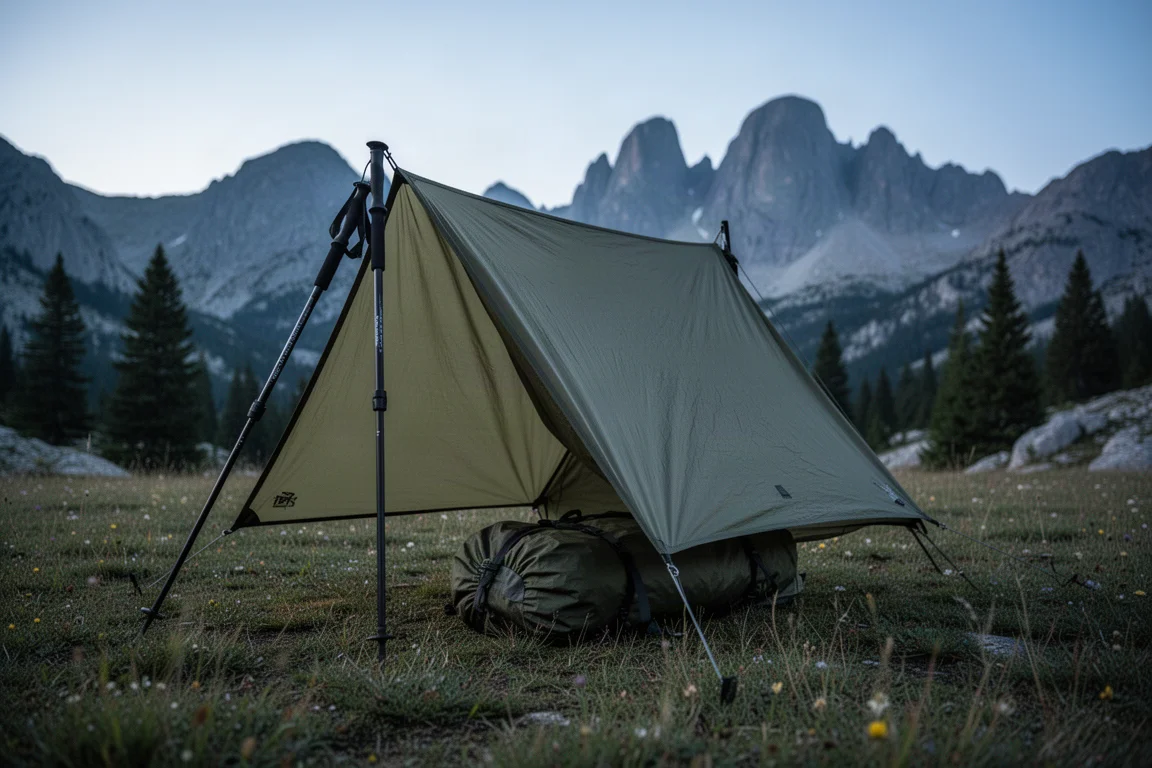
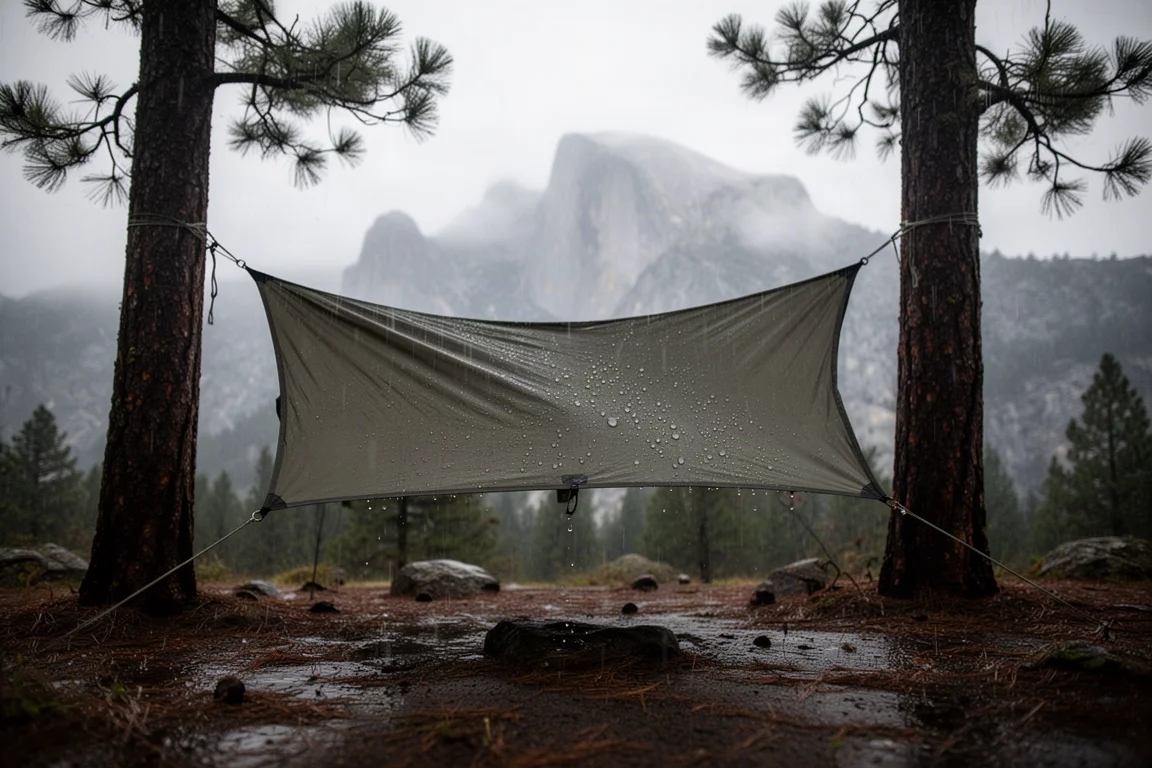
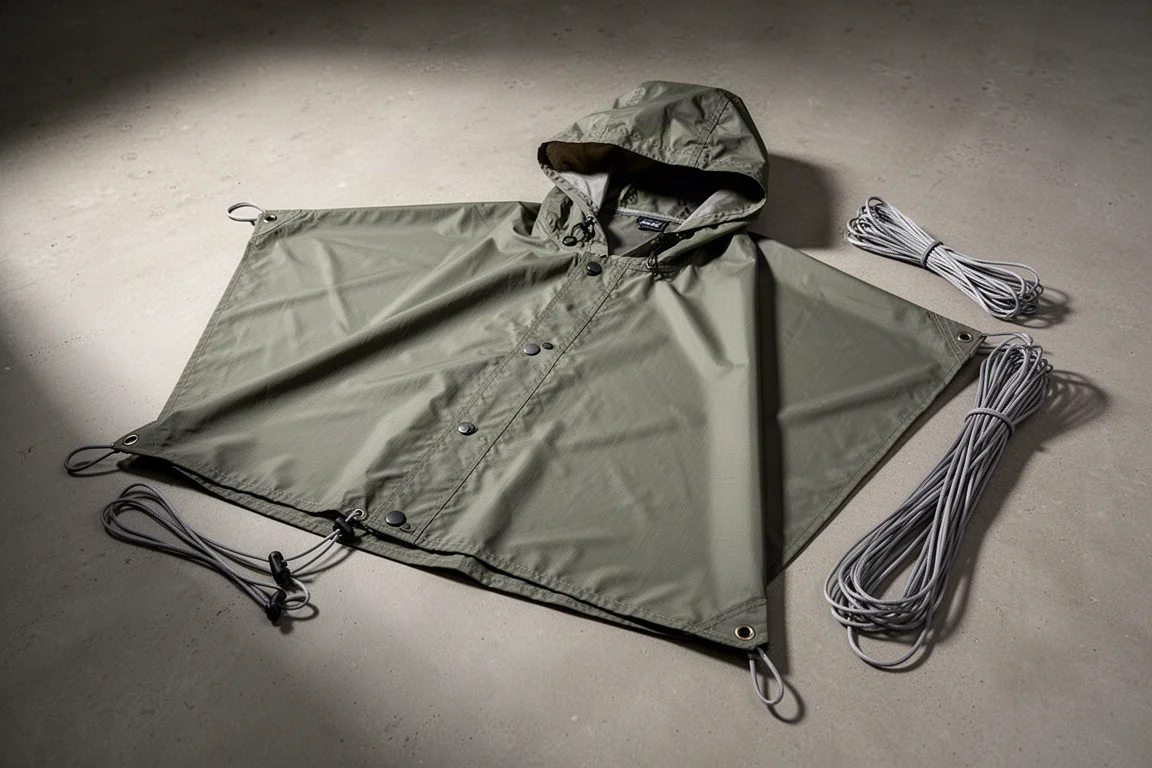
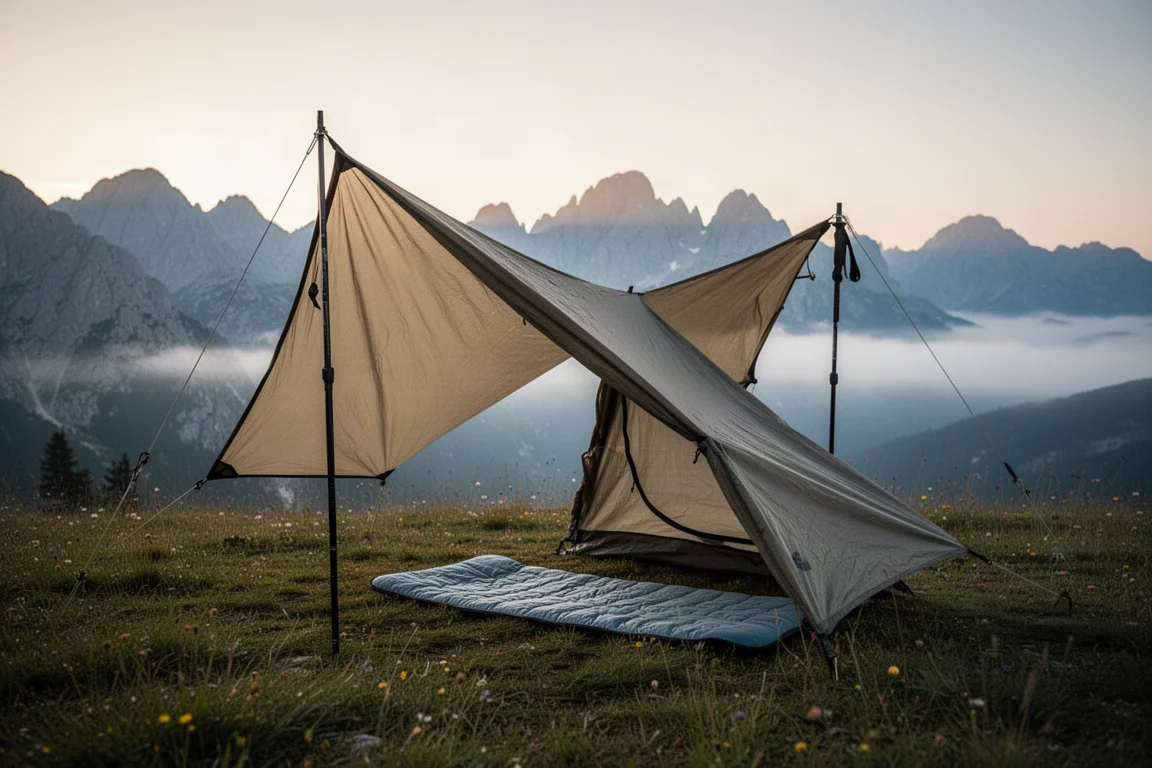
The Pro Rain Poncho Tarp is a single piece of fabric that has to do two jobs. Worn, it is a poncho with snap closures along the sides and a hood. Pitched, it becomes a tarp that can be set up with trees, with trekking poles, low to the ground, or high enough that it feels closer to cowboy camping with a roof overhead.
That flexibility is the appeal, but it also means there is no single correct pitch. Anyone used to a tent, which goes up one way every time, will spend the first few nights working out what suits them.
Test conditions were a multi-day trip in the Tetons with steady rain, hail, and breezy nights, with overnight temperatures in the mid-40s Fahrenheit. An earlier attempt to learn the tarp during a cold, wet thru-hike was shelved, because learning a new shelter in miserable weather is a poor combination.
The Superlight Solo Bivy was added for four reasons: splash protection from wet ground, wind protection on breezy nights, a little extra warmth for a cold sleeper, and bug protection.
One detail worth knowing before buying: the tarp arrived with a tube of seam sealer rather than pre-sealed. The process is simply brushing sealer onto the stitched areas in short sections, keeping the fabric stretched, and letting each section dry before starting the next. It takes patience rather than skill, and it leaves you knowing exactly how your shelter was sealed.
Sealing the seams yourself is a small task with an outsized psychological payoff. Once the stitched areas are covered, the shelter stops being something you have to trust blindly.
Weight and cost deserve a fair look too. At 22.2 ounces for the tarp, cord, and bivy, and $434 for the complete setup, the numbers invite an obvious objection: a tent at that price is not much heavier. The counterargument is that this replaces rain gear as well as a shelter, and that is where the weight math starts to work.
Pro Rain Poncho Tarp: Shelter Performance
Pitched high, the tarp felt open and pleasant. Pitched low, the interior felt cramped, and that low pitch on the first night was the least enjoyable setup of the trip. From then on, the tarp stayed higher.
Condensation was the big question going in, and the answer was encouraging. Despite steady rain during the trip, the sleeping bag stayed dry, and the inside of the bivy and the bag felt dry to the touch even while rain was falling.
The setup was also tested by a storm. Hail arrived overnight, the legs slid out from under the tarp, and a puddle formed on top of the bivy. Everything underneath stayed dry. That night made the case for the pairing better than any fair-weather test could.
The lesson from that night is straightforward: a poncho tarp alone, in weather that might turn, is a gamble. With a bivy underneath, splash, wind, and rain become manageable.
Pro Rain Poncho Tarp: Rain Gear Performance
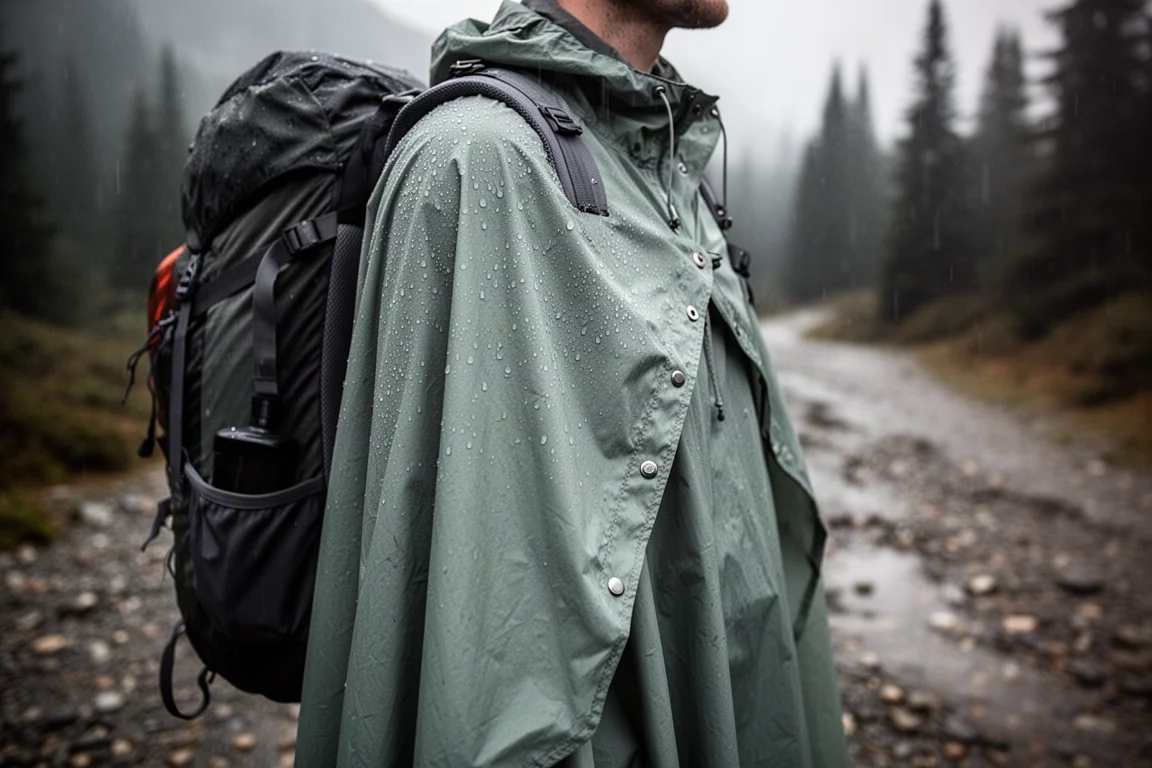
As rain gear, the poncho is more ventilated and less protective than a rain jacket and rain pants. Even with the side snaps closed, there are large open areas on the sides, and leggings will end up damp in sustained rain.
In warmer conditions, that trade is often acceptable. Rain pants tend to leave you soaked in sweat anyway, so the ventilation can be the more comfortable option. The poncho also helped hold warmth when temperatures dropped during rain, which matters more than staying perfectly dry.
There is a practical bonus as well: the poncho can be worn over a pack for redundancy, keeping the contents drier.
Switching between the two roles is simpler than it sounds. Unsnap the sides, roll up the hood, snap it closed, and pitch it like a normal tarp. Packing up in the rain works the same way in reverse: get everything that must stay dry into the pack while still under the tarp, then move the pack out into the weather.
One small improvement is worth planning for. Attaching the guy line to a small line tensioner makes it quick to remove the cord while wearing the poncho and just as quick to reattach it when pitching. Without that, the cord dangles while you walk and has to be untied and retied each time.
Superlight Solo Bivy: Why It Became Essential
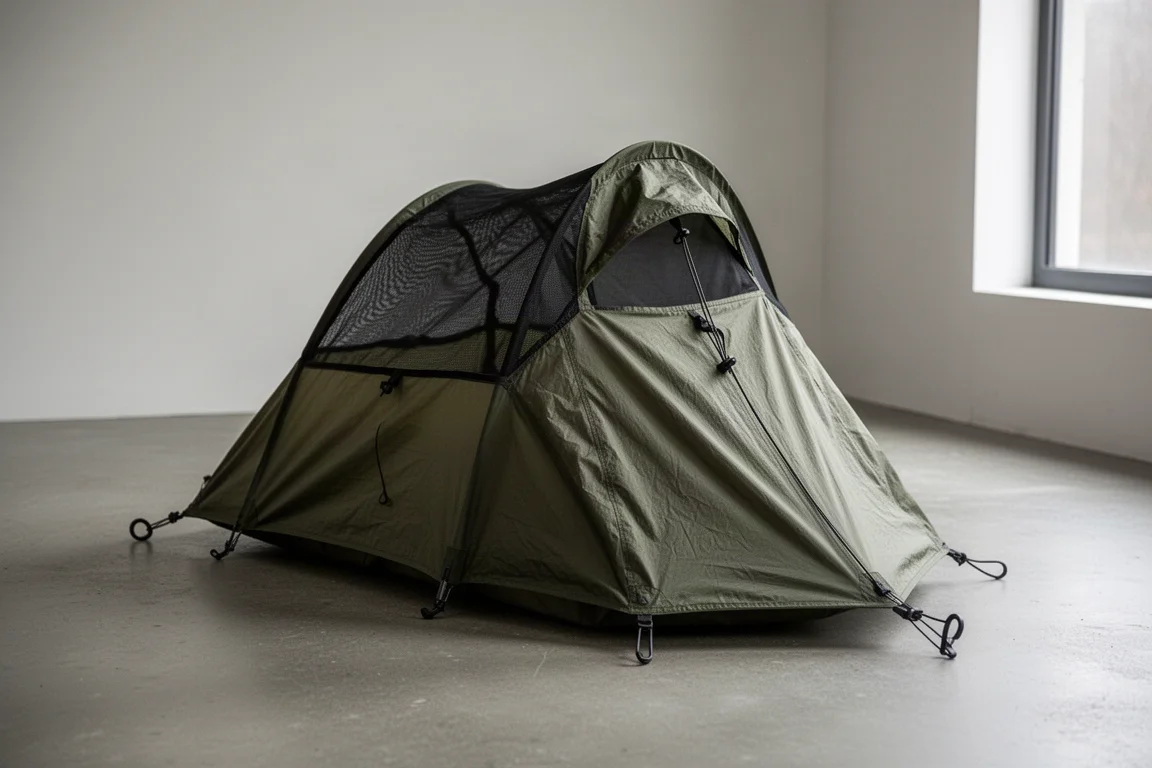
Inside the bivy, a cord at the face area hooks to the underside of the tarp. That single detail pulls the mesh away from the face and removes most of the closed-in feeling bivies are known for. In practice it felt secure rather than confining.
The bivy is offered with two netting configurations: a full mesh upper, or a half-moon design that blocks more wind and holds more warmth while still ventilating. The full mesh version was chosen to keep condensation in check. In hindsight, the half-moon would have been the better call, because the mesh let a breeze reach the face on cold nights.
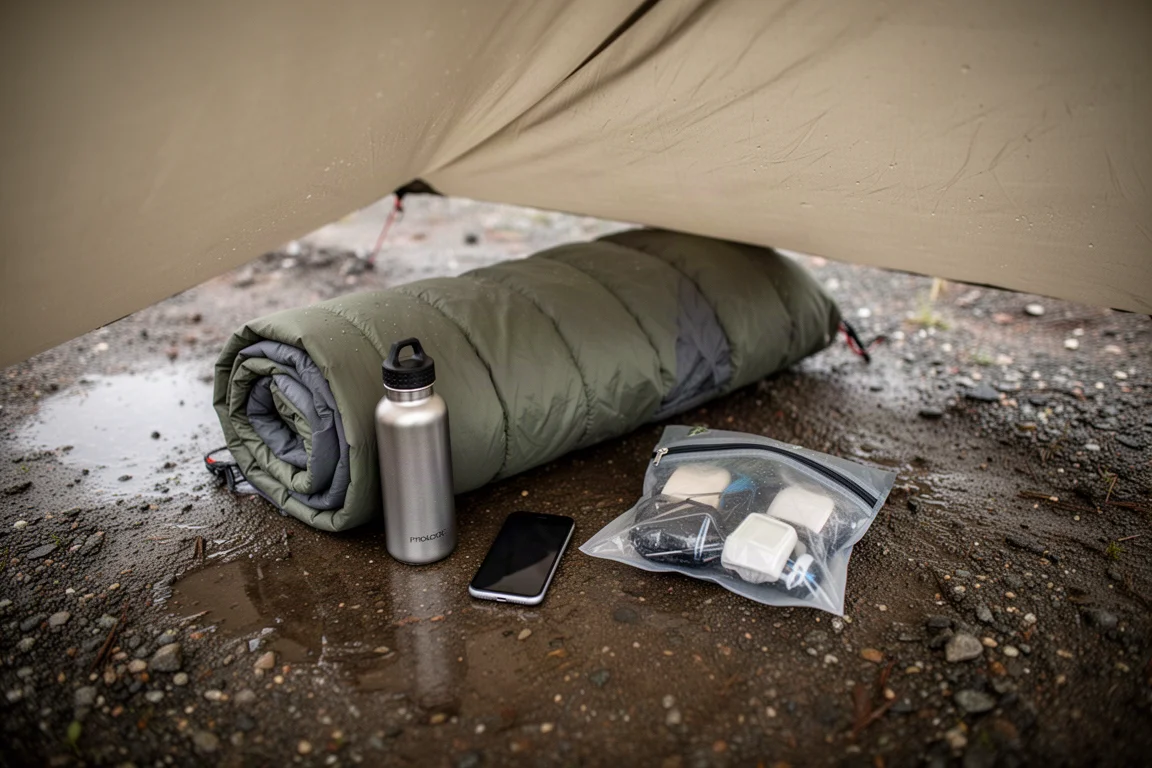
Interior space is more usable than the footprint suggests. A water bottle, a phone, and small items that need waterproof redundancy fit inside, which means fewer reasons to open the bivy in the middle of the night. Staking out the four corner loops opens up additional room.
Condensation inside the bivy was a non-issue in the Tetons, even with rain falling. The sleeping bag stayed dry throughout.
Trade-Offs and Limitations
The clearest loss compared with a tent is living space. After a wet day there is no room to spread gear out and reset, and everything under the tarp picks up grit from damp ground.
A simple fix helps a lot: bring something to put gear on. A large zip bag, a few stuff sacks, an emergency blanket, or a piece of Tyvek all work, and any of them keeps the worst of the dirt off your kit.
Cold is the second consideration. In the mid-40s Fahrenheit the setup was comfortable. Much colder, and the missing micro climate of a tent becomes harder to ignore. Tarping experience matters here too, because a poorly pitched tarp in bad weather is a genuine risk rather than an inconvenience.
Then there is the middle-of-the-night problem. If it is raining and you need to leave the shelter, the choice is between putting on wet hiking clothes or getting warm, dry sleeping clothes wet. It is a small thing that only shows up at the worst possible time.
Practical Setup and Packing Tips
Bring more stakes than you think you need. Running short means pulling stakes from the bivy foot to reinforce the tarp, which is exactly what happened before the storm. Enough stakes for every tarp edge and every bivy corner removes that problem entirely.
When packing up in rain, work in the right order. Get the sleeping bag and anything that must stay dry into the pack first, while still under the tarp, then move the pack out into the weather. Waterproof storage does the rest.
Camping under trees is a useful habit in rain. Leaves intercept part of the rainfall, which makes both pitching and packing up less unpleasant, even when the rain is heavy.
Finally, accept that some dampness is normal. Hiking clothes will get wet from rain or from sweat either way, so a dry set reserved for sleeping matters more than keeping the hiking set pristine.
Buying Advice
This setup makes the most sense for backpackers who cover long distances and spend little time in camp. If the goal is to cut pack weight by removing the need for separate rain gear and a shelter, the case is compelling.
It makes less sense for anyone who treats camp as the point of the trip. A tent offers space, a private bubble, and a warmer micro climate, and those things are difficult to give up once you are used to them.
If you do go the poncho tarp route, treat the bivy as part of the purchase rather than an optional extra. Splash protection, wind blocking, warmth, and bug protection all come from the bivy, and the tarp alone leaves those gaps open.
Choose the bivy netting to match your habits. Cold sleepers are likely to prefer the half-moon configuration, while warmer and more humid conditions favor the full mesh for ventilation.
Budgeting deserves a clear-eyed look. The complete setup came to $434 and 22.2 ounces for the tarp, the cord, and the bivy, which is a serious outlay for a shelter system. The value case rests on the fact that rain gear is included in that number.
Conclusion
The Pro Rain Poncho Tarp paired with the Superlight Solo Bivy is a genuinely capable ultralight system, and the field test answered the biggest question about it: in real rain and hail, the combination kept a sleeping bag dry.
It is not a tent replacement for everyone. Living space is limited, colder conditions demand experience, and the learning curve is real. But for backpackers chasing miles and cutting weight, this is a pairing that earns its place.
Further reading
Related Reviews
Backpacking Shelters
Hyperlite Mountain Gear Flat Tarp Review: A 9 oz Shelter at a Premium Price
A 9 oz Dyneema Composite Fabric tarp with welded seams, 25 tie-out points, and a $369 price tag. Here is what it does well and who should think twice.
Backpacking Shelters
Durston X-Mid Pro vs Zpacks Offset Duo: Two Ultralight Shelters Compared
A practical comparison of two trekking-pole shelters: setup simplicity, interior room, headroom, condensation, and footprint, with clear guidance on which suits your camping style.
Backpacking Shelters
Four Backpacking Shelters for Different Trip Scenarios
A practical look at four backpacking shelters, from a modular four-season tipi style tent to a freestanding two-person option, and how to match each one to a real trip.