Hi-Fi Amplifiers
Mission 778x Review: A Compact Integrated Amplifier With a Serious DAC
The Mission 778x squeezes eight inputs, a strong built-in DAC and a phono stage into a compact £549 chassis. Here is what to know before buying.
Introduction
Mission has a long history in British hi-fi, and the 778x revives a model number from the brand’s early electronics era. It is not a reissue. The current amplifier is closely related to the Quad Vena II and the Leak Stereo 130, both of which cost more, and that relationship is what makes the £549 UK price the most interesting part of the story.
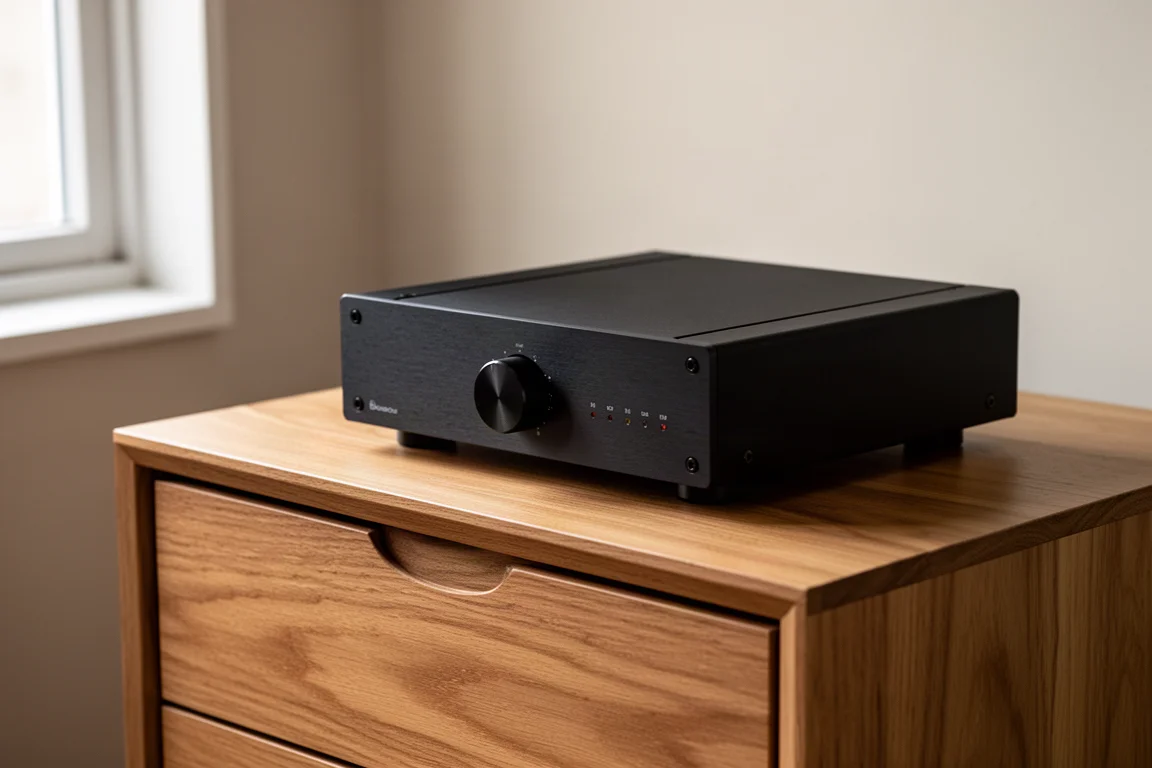
The 778x is a compact integrated amplifier rather than a full rack-width unit. It measures 236 x 98 x 381 mm and weighs 6.3 kg, and it is available in silver as well as the traditional matte black. That footprint makes it easy to live with on a desk, a sideboard or a shelf, while the specification list reads like something considerably larger.
Around the back there are eight inputs in total: Bluetooth, USB, two optical, one coaxial and three analog, one of which feeds the built-in phono stage. For listeners who want a single box to handle a turntable, a computer and a couple of digital sources, that is an unusually complete set of options at this price.
Who This Product Is For
This amplifier is aimed at listeners who cannot or do not want to accommodate a full-width component. The compact chassis pays homage to Mission’s ancestry while fitting the kind of space that modern apartments and shared rooms actually offer.
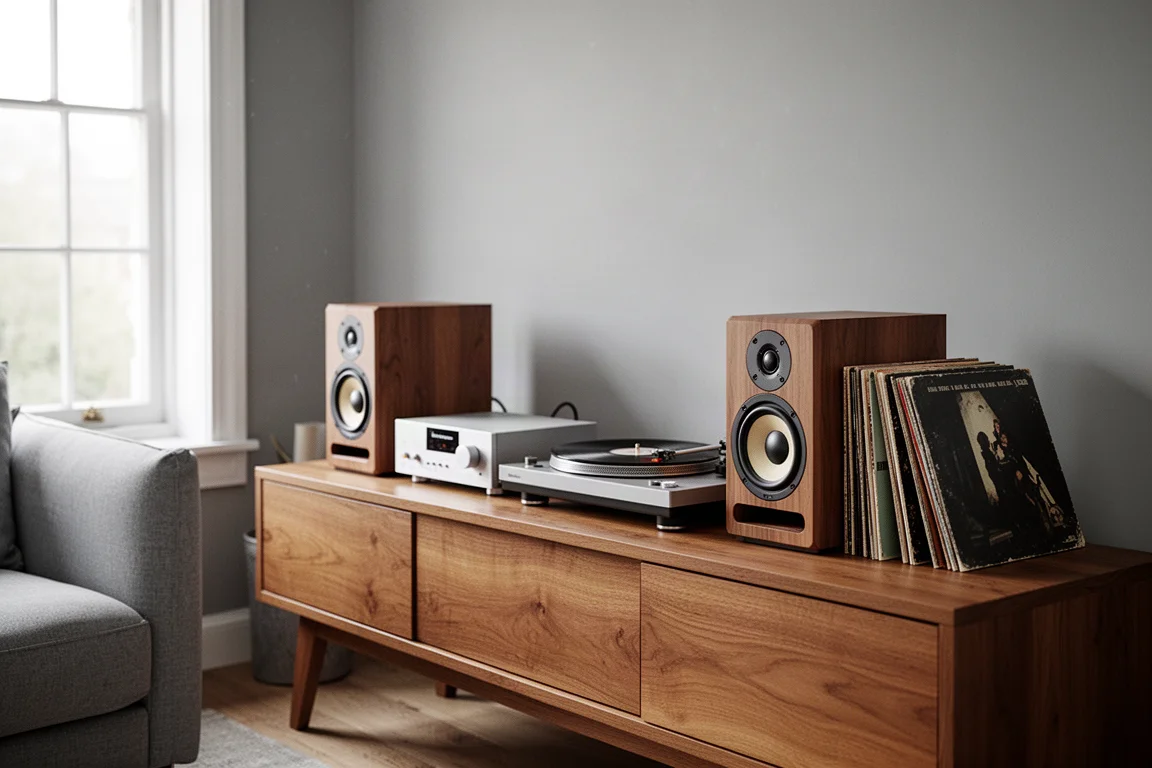
It also suits anyone building a first serious system around a modest pair of standmount speakers. Rather than buying an amplifier and then adding a separate DAC and phono stage, the 778x covers all three jobs in one unit, which keeps the box count and the cable clutter down.
Finally, it makes sense for people who listen mostly through headphones. A dedicated headphone circuit is included rather than simply switching the speaker output, and the front panel carries a 6.35 mm jack for easy access.
Main Strengths
The most consistent impression is of a clean, fairly neutral amplifier with a good level of detail and very good control. There is a surprising amount of power on tap for a unit this size, and the presentation stays composed rather than forward or coloured.
The digital section is the standout. Conversion is handled by an ESS Sabre 9018Q2M chip, and the designers deployed their own digital filtering rather than the stock filters, with op-amps chosen to avoid the hard, slightly bright character that the generic filter can introduce. In practice the internal DAC is good enough that an external converter of meaningfully better quality would cost close to the price of the amplifier itself. The built-in phono stage is also well regarded, which matters if a turntable is part of the plan.
Underneath, the power supply is stronger than the segment norm. A 200 VA toroidal transformer feeds two filter capacitors rated at 15,000 microfarads each, for 30,000 microfarads in total. The chip-based power modules are rated at 45 watts per channel into 8 ohms and 65 watts into 4 ohms, which is enough to drive price-appropriate speakers with confidence.
Design, Inputs, and Connectivity
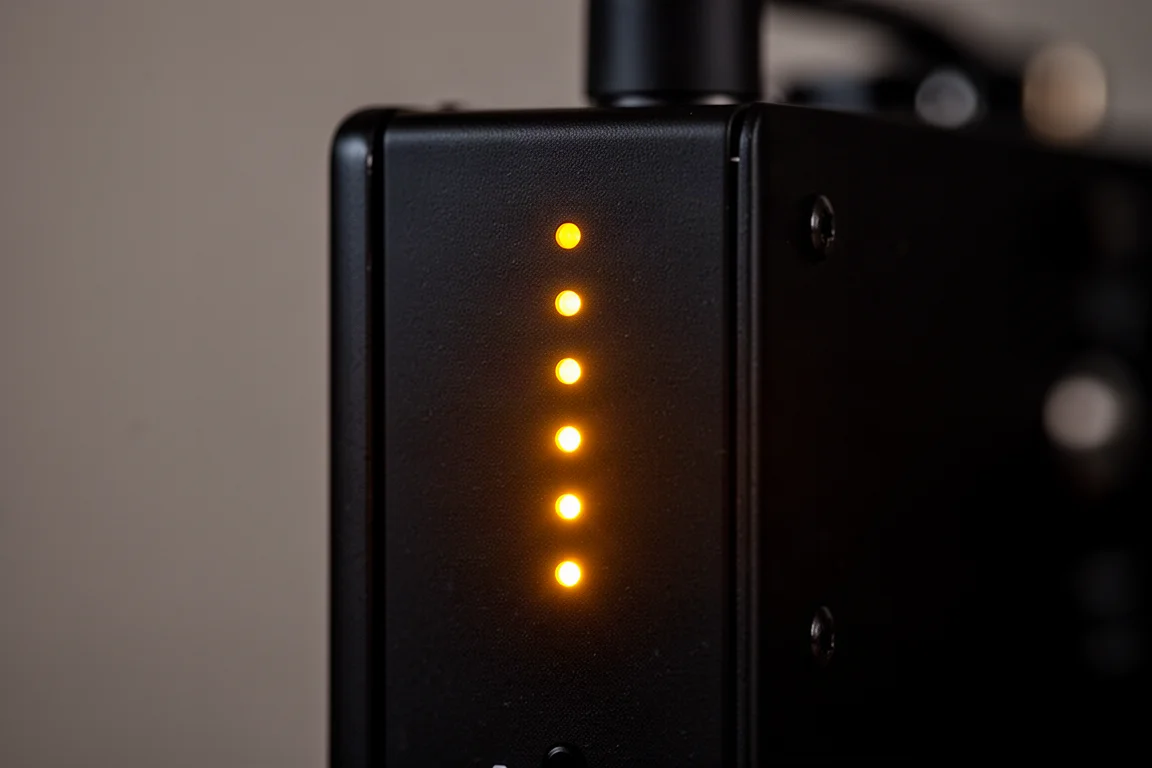
Input selection is handled by a dial rather than by scrolling through menus with toggle switches, which makes everyday use quick. A bank of LEDs rises from dim to bright as volume increases, a neat touch that mirrors the approach taken on other compact amplifiers in the wider family. The remote control is included, though direct-access buttons for each input would have been preferable to cycling through them on such a small unit.
Connections are well spaced. Analog inputs sit on the left alongside a set of preouts for an external power amplifier or powered subwoofers, coaxial and optical digital outputs are centrally located, and the digital inputs sit below standard-quality speaker terminals.
The one omission worth noting is an HDMI eARC input. Without it, the amplifier cannot power up and adjust volume in response to a TV remote, which is a convenience many buyers now expect even at this price.
Things to Consider Before Buying
The 778x leans slightly dry and analytical. Against a similarly priced alternative, its bass is less full, and it gives up a little of the toe-tapping quality that fuller-sounding amplifiers bring to the lower registers. It is also a touch politer and smaller in its delivery than some rivals, so listeners who want the widest possible soundstage and the richest harmonics may prefer a warmer amplifier, provided they accept that those alternatives often ship without a DAC.
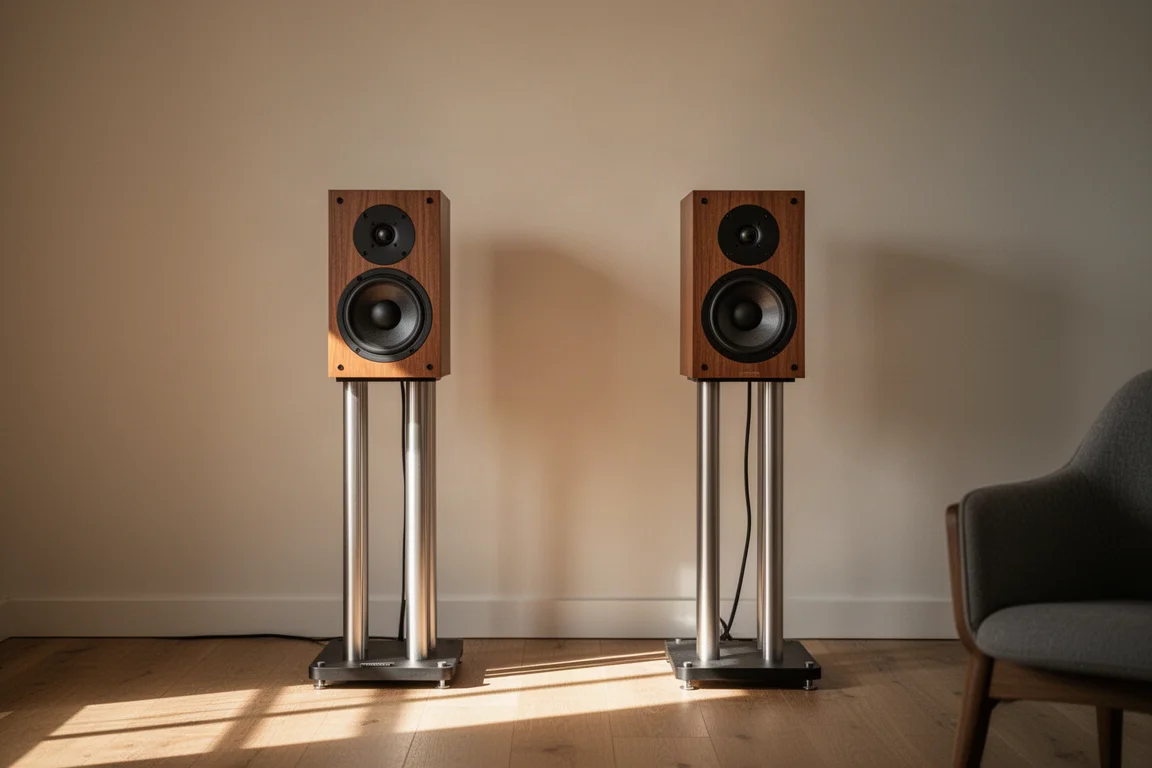
Speaker matching matters more than usual here. With revealing mini monitors the amplifier showed limits in how far it could scale, and speakers that are thin in the midrange and bright on top did not work well at all. A lean-sounding pair of standmounts will simply exaggerate the amplifier’s cooler character, so it is worth auditioning before committing.
Speaker Matching and System Building
The 778x is flexible with the right partners. Warm-leaning standmount speakers below £1,000 are the sweet spot, and a pairing with the Q Acoustics 5020 proved particularly successful: the fullness of those speakers in the bass and midrange balances the cooler nature of the amplifier nicely. As combinations go, it is one of the best around the £1,000 mark for amplifier and speakers together.
If the room is larger, compact floorstanders are a sensible step up, but this is not an amplifier for very large speakers in very large rooms regardless of their sensitivity. Buyers with big spaces and demanding speakers should look at something with more power and a larger power supply.
Buying Advice
At £549, the 778x earns its place through what is built in. The internal DAC is strong enough to remove the need for an external converter, the phono stage is capable, and the amplifier drives trickier speakers than several cheaper rivals manage. Add the preouts, the headphone circuit and the eight inputs, and the package is compelling for anyone who wants one compact box to run everything.
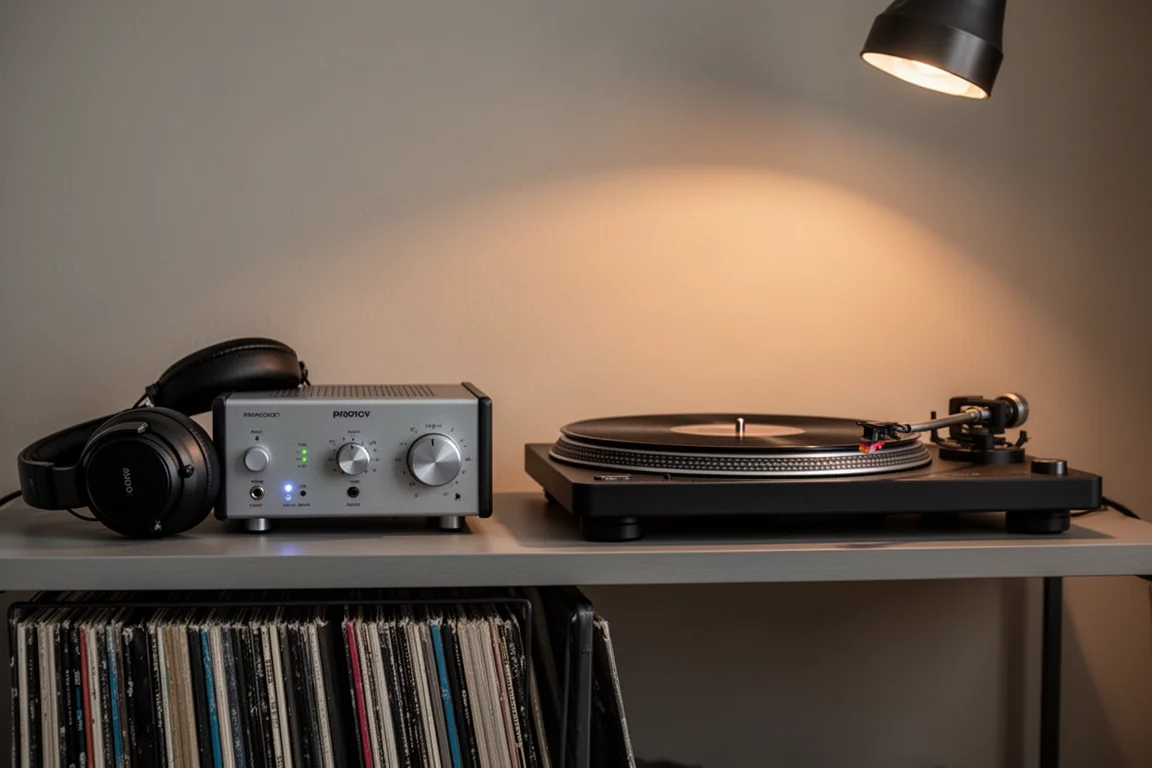
The comparison case is clear. A £449 amplifier can match it through the analog inputs, and a £200-cheaper Cambridge Audio AXA35 offers a warm, rich presentation, but neither includes a DAC, and adding one of sufficient quality pushes the total past the Mission. If you already own a good external converter and prioritise bass weight above all else, those routes remain valid. If you want a single, well-equipped component that handles vinyl, streaming and digital sources without extra boxes, the 778x is the more practical purchase.
Conclusion
The Mission 778x takes much of what makes its more expensive stablemates so well liked and fits it into a smaller, more affordable package. It is at home on a sideboard, a desk or a hi-fi rack, it pairs happily with sensible speakers, and its digital and phono stages mean fewer add-ons to budget for. It is not the warmest or the most expansive amplifier in its class, but as a complete and compact system hub it is easy to recommend.
Product link
View more details for Mission 778x
This product is mentioned in the review. Check the specifications, options, and compatibility before buying.
View more details for Mission 778xFurther reading
Related Reviews
Hi-Fi Amplifiers
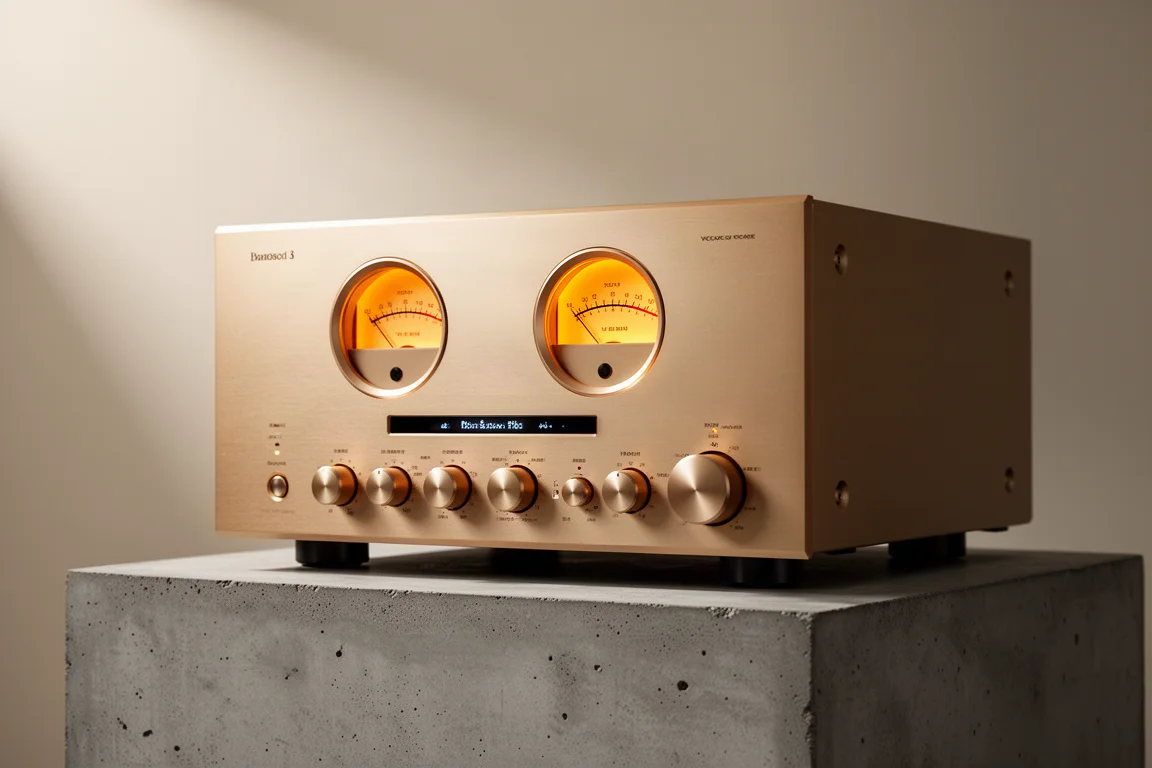
Accuphase E-280 Review: Entry-Level Accuphase With Flagship Attention to Detail
A close look at the Accuphase E-280 integrated amplifier, covering its champagne build, AAVA volume control, sound quality, and the speakers and sources that suit it best.
Hi-Fi Amplifiers
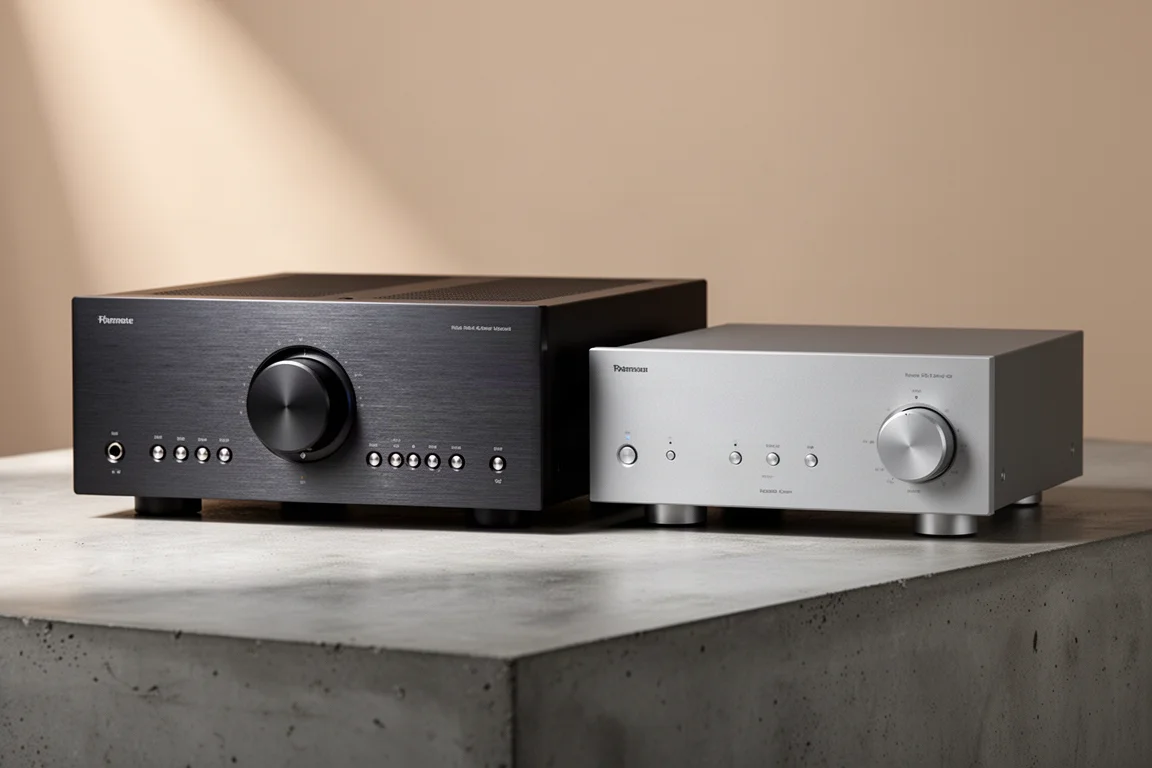
Advance Paris A10 Classic vs Yamaha A-S301: Two Integrated Amplifiers Compared
A practical comparison of a $350 integrated amplifier and a $2,500 reference model, covering the differences that matter and the ones that do not.
Hi-Fi Amplifiers
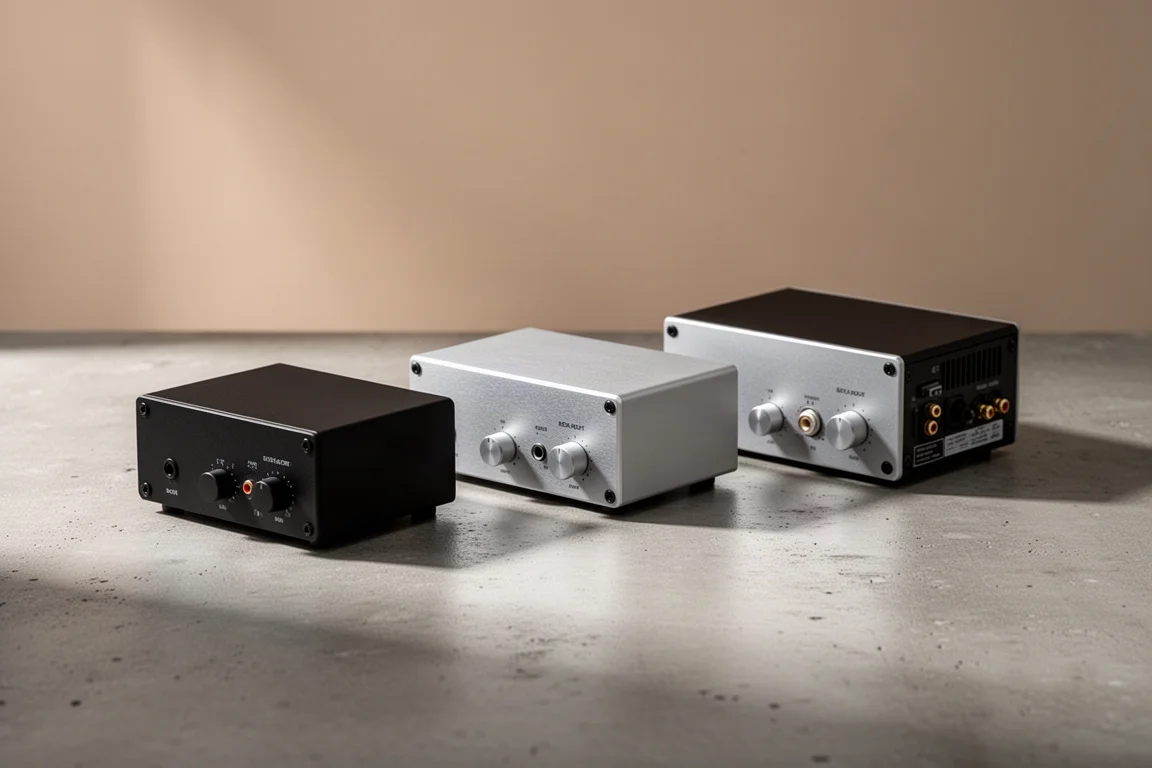
Affordable Chinese Amplifiers Worth Buying: Five Budget Hi-Fi Amps Compared
A practical look at five affordable amplifiers, what each one does well, and the trade-offs to weigh before you buy.