Hi-Fi Speakers
Mission 770 Review: A Modern Tribute With Few Caveats
The Mission 770 updates a 1978 classic with a mica and marble polypropylene mid-bass driver, a new dome tweeter, and a cohesive sound that suits a wide range of listeners.
Introduction
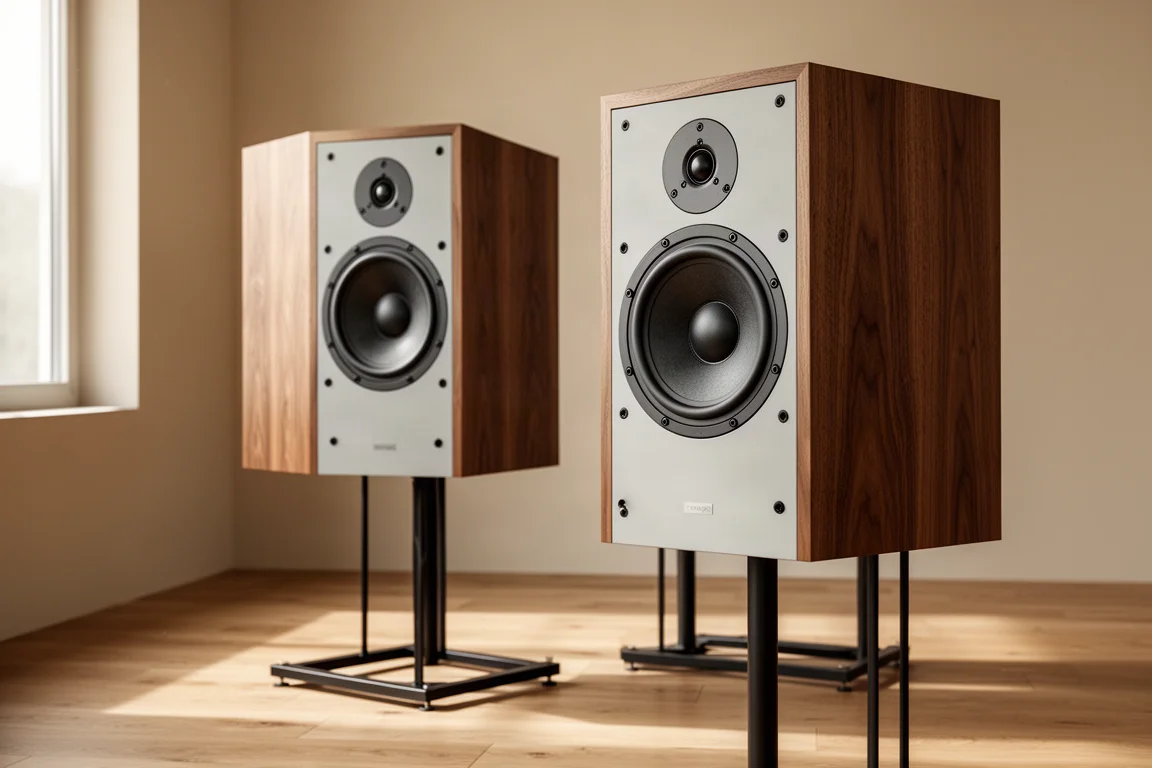
The Mission 770 is a name with real history behind it. The original was designed by Farad Azima, who founded Mission in the 1970s, and it arrived in 1978. It is credited as the first loudspeaker to use a mid-bass driver made from polypropylene, which made it unusual for its time.
Mission has long since passed to its current owners, the Chinese company IAG, and Azima passed away in 2020. In that same year, Mission’s head of product design and development, Peter Comeau, began work on a new version of the 770: a tribute edition that had to look close to the original while moving the sound quality forward. That is a narrow path to walk. Stay too faithful and the speaker feels dated; stray too far and it stops being a 770.
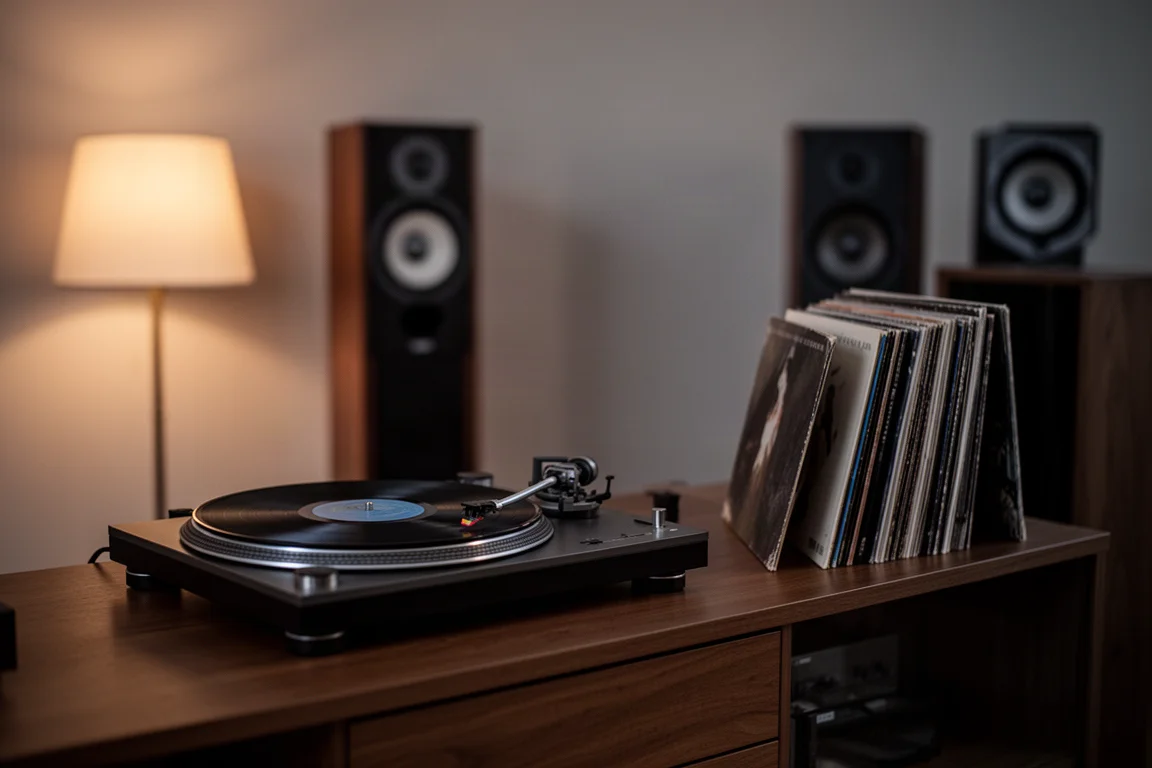
The new 770 keeps the polypropylene mid-bass driver, but the material has been strengthened with mica and marble ground to a fine dust and added to the mix before the driver is moulded. Mission says this raises rigidity and improves bass response. The tweeter is new: a 2.8 cm doped microfiber dome with a rear chamber, designed to push the driver’s resonant frequency below the crossover point.
The cabinet is not a thin-walled box either. Below we look at what sits inside it, what arrives with the speakers, and how the 770 behaves with different amplifiers and in different rooms.
Who this product is for
The 770 is an all-rounder, and that shapes who should consider it. It suits listeners who want one pair of speakers to handle a wide range of music well, and who do not have a fixed idea of the sound signature they are chasing. If you have been told to audition a dozen speakers before choosing, and you find that advice difficult to act on, this is a speaker that reduces the risk of getting it wrong.
It is also a genuinely high-end purchase. The 770 is not an affordable speaker, and it is aimed at enthusiasts with deeper pockets or with a strong priority on two-channel sound.
Mixed use is another good fit. The 770 is exceptionally good at carving out the spaces around voices, which makes it as comfortable with television, films, and streaming video as it is with music.
Main strengths
Cohesion is the first thing to notice. The two drivers are integrated beautifully, and the result is a sense of togetherness that is not common at this level. Some designs make you aware of a tweeter and a woofer working separately. The 770 does not.
That cohesion supports a sound that is both exciting and smooth. With Radiohead’s Hail to the Thief, the clarity brought to Thom Yorke’s vocal and to the guitar sounds that squall through the middle of the album is immediately obvious. With The Blue Nile’s Hats and Darkside’s Psychic, the presentation is expressive, expansive, and reasonably detailed.
Mid-range separation is another strength, and it holds up on electronic material as well as acoustic recordings. Dynamic ability is solid too, particularly with an amplifier that can deliver real contrast.
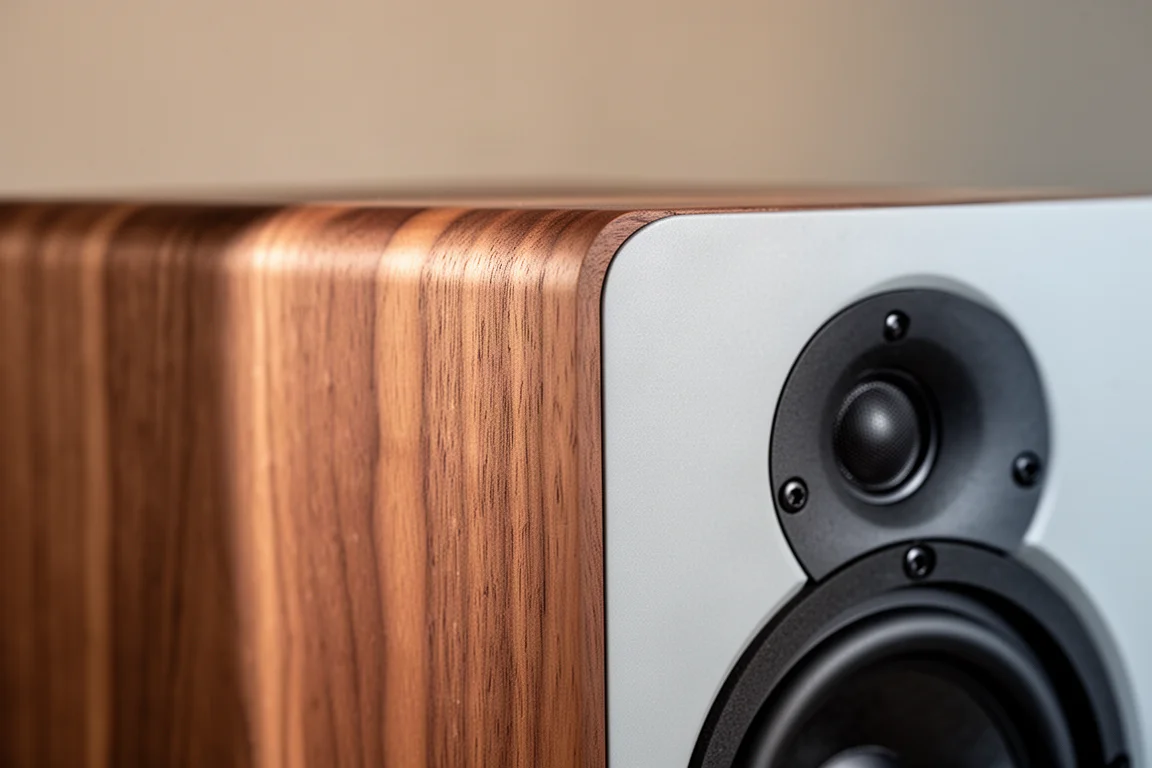
There is also the look. The 770 has a vintage aesthetic, with the model name written straight across the front baffle. Magnetically attached grilles are included for anyone who prefers a plainer face, but the speaker is at its most characterful with them off.
Design, build, and the supplied stands
The cabinet walls are thick, built from a dual layer of particle board and MDF, bonded together with a resonance-damping glue. Mission says this construction is central to the sound quality, and the weight backs it up: each speaker is around 20 kg. Nothing about it feels like a lightweight box.
The front-firing port is flared at both ends. That shape is used to reduce turbulence, and it is a familiar technique among loudspeaker designers. Just above the port, the Mission 770 name runs across the baffle, so there is no mistaking what you are looking at.
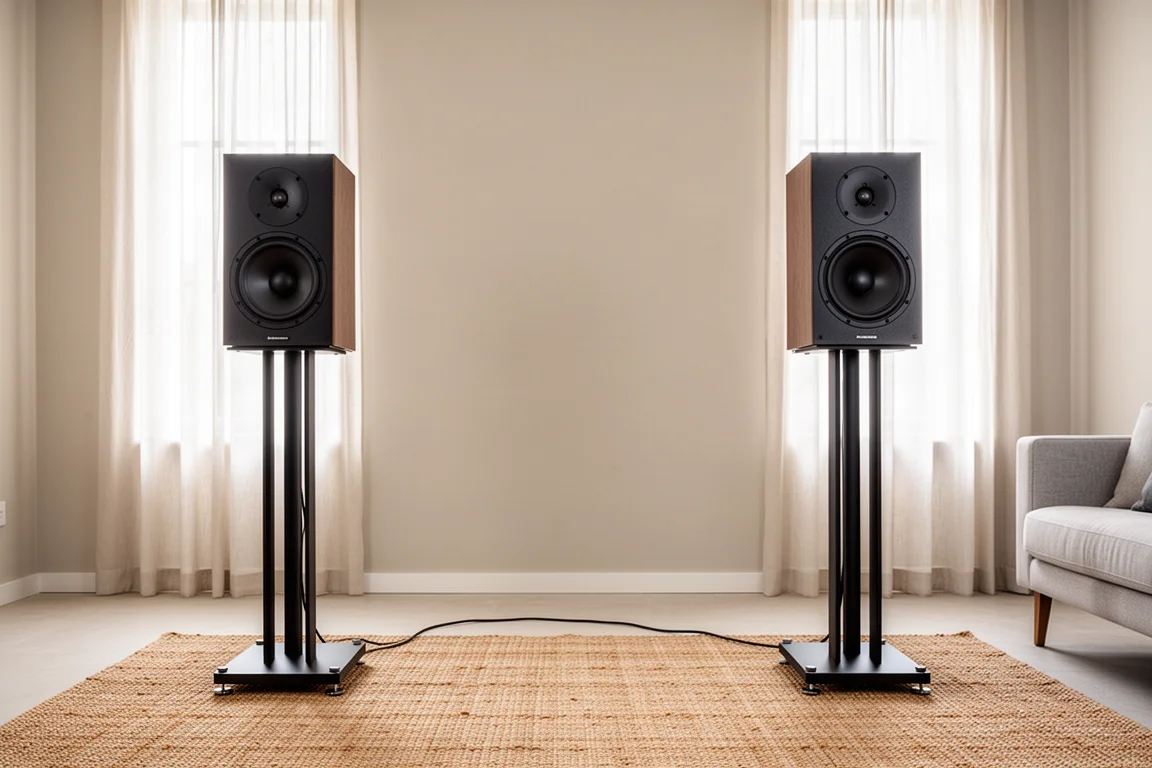
Each pair ships with a pair of steel stands, which you assemble yourself. It is a one-time job, and the alternative would be a much larger box and potentially higher shipping costs. The stands are plain black steel, heavy and purposeful rather than decorative. Having them supplied matters, because finding a third-party stand that fits these speakers properly would be tricky.
Things to consider before buying
The 770 is not the airiest or most detailed speaker at the top end. There is a degree of treble roll-off, and it does not spray detail into the room the way the Vivid Audio Kaya S12 does. If the last ounce of top-end openness is your priority, that is worth knowing before you commit.
Imaging is the second consideration. Placement on the soundstage is not quite as pinpoint accurate as it is with smaller two-way designs, and that holds true whether you compare against a very expensive option such as the Wilson Audio TuneTot or a more affordable one such as the KEF LS50 Meta.
Dynamics are the third. The Klipsch Forte IV is more overt here. The 770 cannot match it, and the difference is noticeable, although it is not a large shortfall.
Bass extension is the fourth. Mission rates the 770 as 3 dB down at 42 Hz, so the bottom octave is not present. In a six metre by five metre room, the bass feels satisfying, and adding a subwoofer is a matter of taste and room rather than a requirement. A listener who wants that last octave would not be wrong to add one.
Price is the final point. The 770 is expensive, and part of that comes down to where it is built: in Cambridge in the United Kingdom, rather than in China. That should be acknowledged when weighing the cost.
Amplifier pairing and room setup
The 770 is rated at 88 dB sensitivity with an 8 ohm nominal impedance and a 6 ohm minimum. In practice that makes it a fairly easy load, and it does not demand a lot of power. A wide range of amplifiers will drive it comfortably.
The speaker was used with several amplifiers, including the Hegel H590, the Audiolab 6000A Play, and the Naim Uniti Atom. The Naim Uniti Atom is the most price-appropriate match of that group, and it also made macrodynamic contrasts the most obvious. Other amplifiers do other things slightly better, but the 770’s ability to deliver dynamic punch came through most clearly with the Naim.
Room size matters as well. A six metre by five metre room provided enough loading for the bass to feel complete without a subwoofer, which is a useful reminder that the room is doing part of the work here.
Buying advice
If you do not know what kind of sound you are looking for, the 770 is one of the safer choices available. It is a genuine all-rounder, and it is easy to believe that most people who bought a pair without hearing them first would keep them.
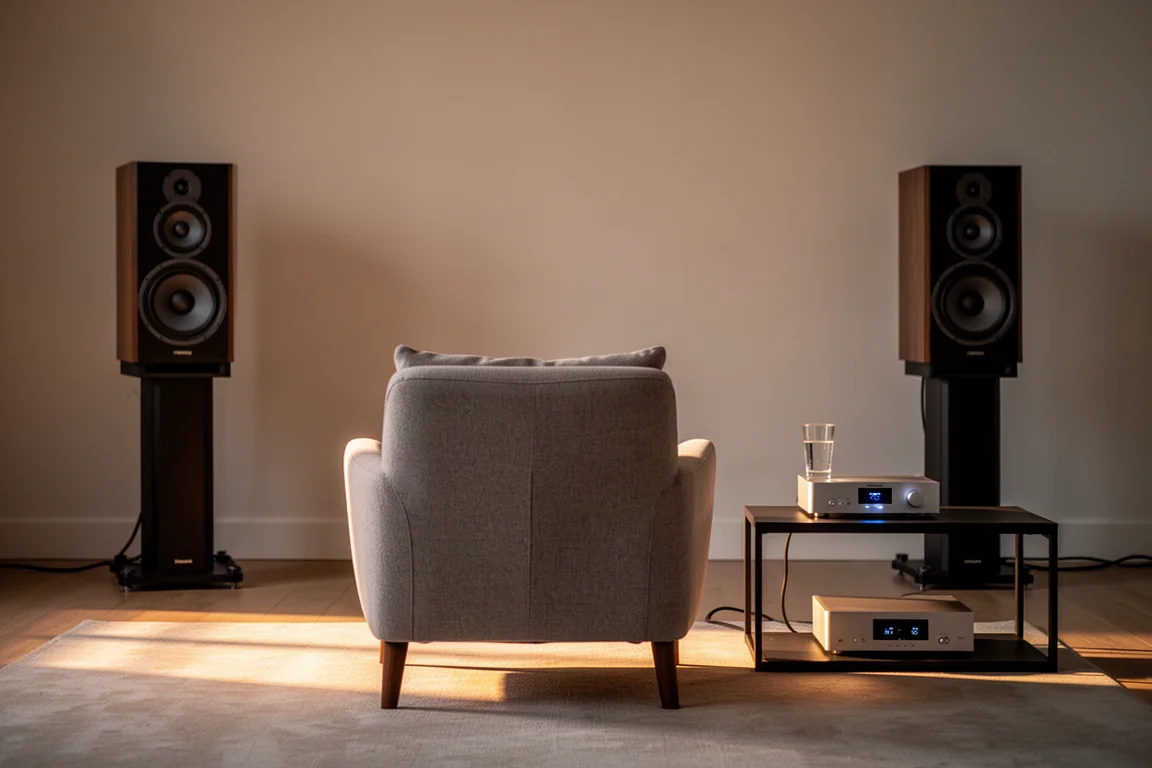
Against its rivals, each of the alternatives arrives with a qualifier. The Klipsch Forte IV is thrilling, but it is coloured and it obscures some detail. The Vivid Audio Kaya S12 is remarkably detailed, but it really does need a subwoofer. The Wilson Audio TuneTot offers refinement and smoothness in abundance, but it is extremely expensive. The 770 is the one that does not seem to need a caveat.
Practical steps are straightforward. Allow time to assemble the steel stands, position the speakers as you would any standmount, and pair them with an amplifier you actually enjoy. A relaxed, slightly laid-back presentation rewards a clean, well-matched system more than a bright one.
Conclusion
The Mission 770 is a rare thing: a tribute model that improves on its ancestor without losing the character that made the name. It is cohesive, expressive, and comfortable across music, films, and television, and it looks the part on its steel stands.
It is not the last word in top-end air, pinpoint imaging, or outright dynamics, and it is priced for committed enthusiasts. But as an all-rounder with almost no caveats, it earns its place.
Product link
View more details for Mission 770
This product is mentioned in the review. Check the specifications, options, and compatibility before buying.
View more details for Mission 770Further reading
Related Reviews
Hi-Fi Speakers
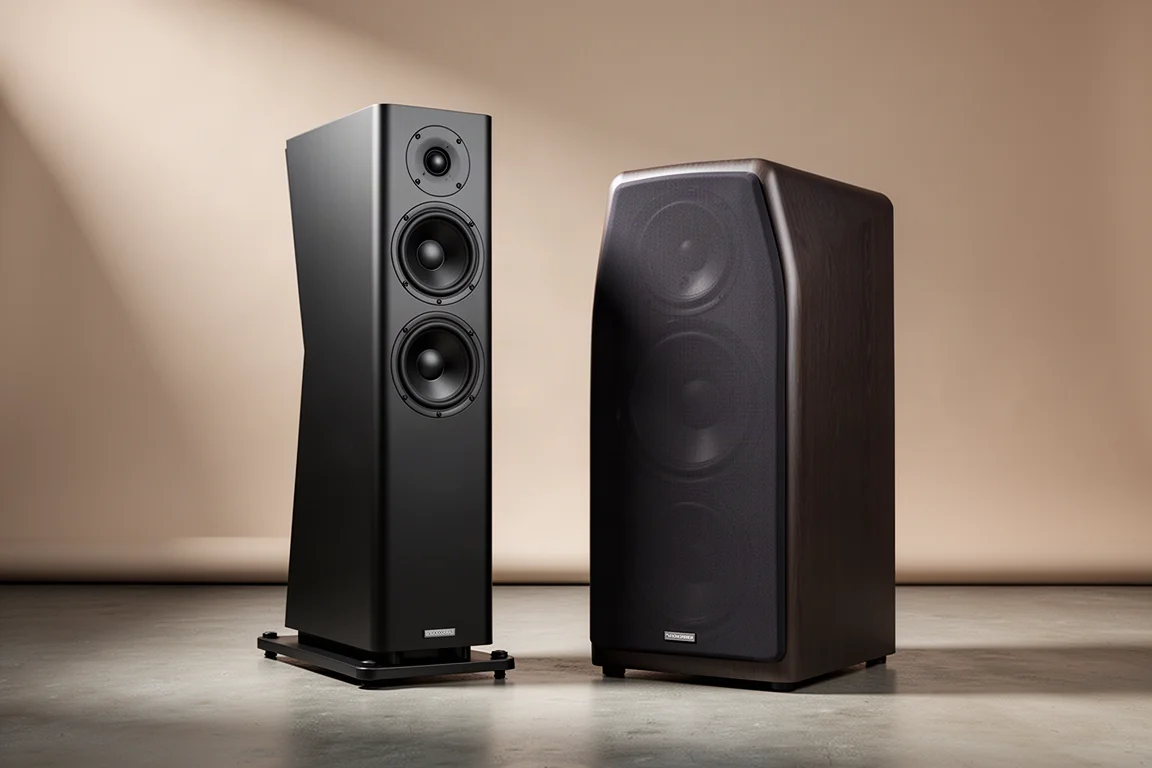
1723 THX Tower vs 1528 Bookshelf: Which Speaker Fits Your Room?
Two speakers at roughly the same price, built very differently. How the 1723 THX tower and the 1528 bookshelf compare on construction, bass, power needs, and sound.
Hi-Fi Speakers
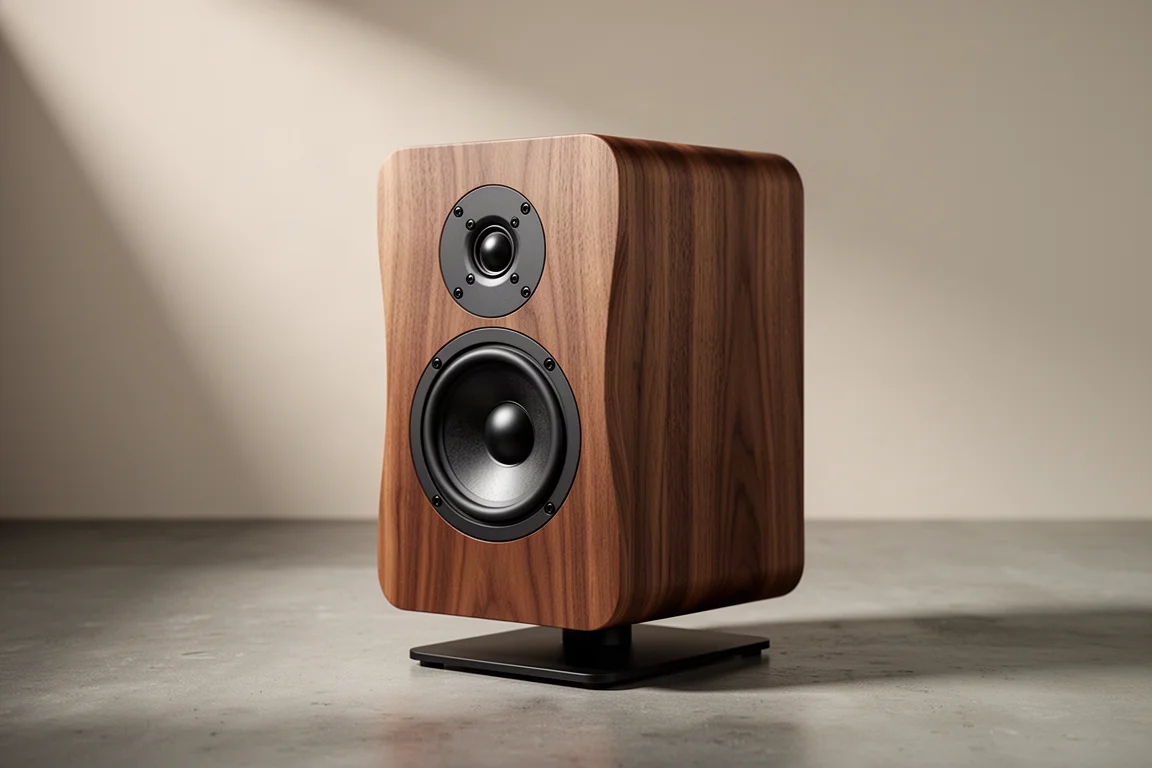
Acoustic Energy AE 300 Review: Deep Bass From a Compact Standmount
A two-way standmount with real wood veneer, surprising low-end weight, and a warm, easygoing character. Here is what to know before buying.
Hi-Fi Speakers
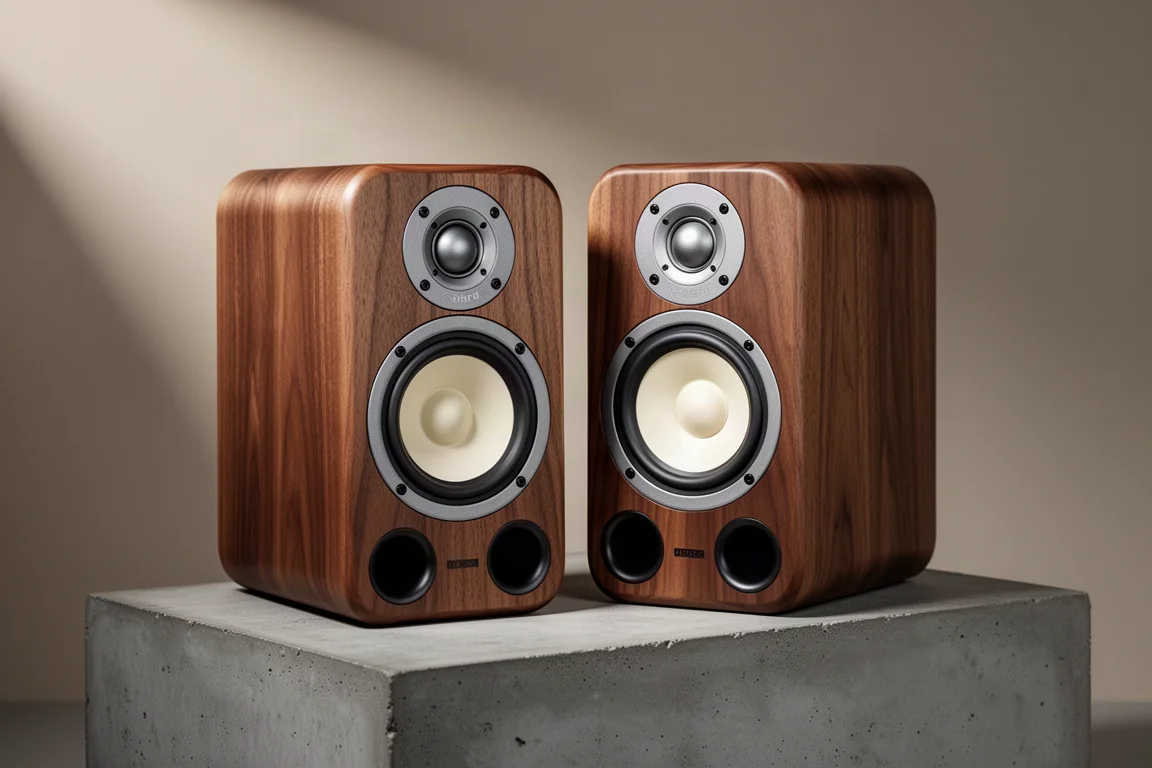
Acoustic Energy AE1 40th Anniversary Review: A Modern Take on a British Classic
A compact standmount that revives a 1980s favorite with all-new parts, a warm mid-centric balance, and a price of £1,499 per pair.