Bookshelf Speakers
Mission 700 Review: How Much of the 770 Do You Get for Half the Price?
A two-way stand-mount that keeps the Mission house sound and looks, with warmer bass and a more forgiving treble than its larger sibling.
Introduction
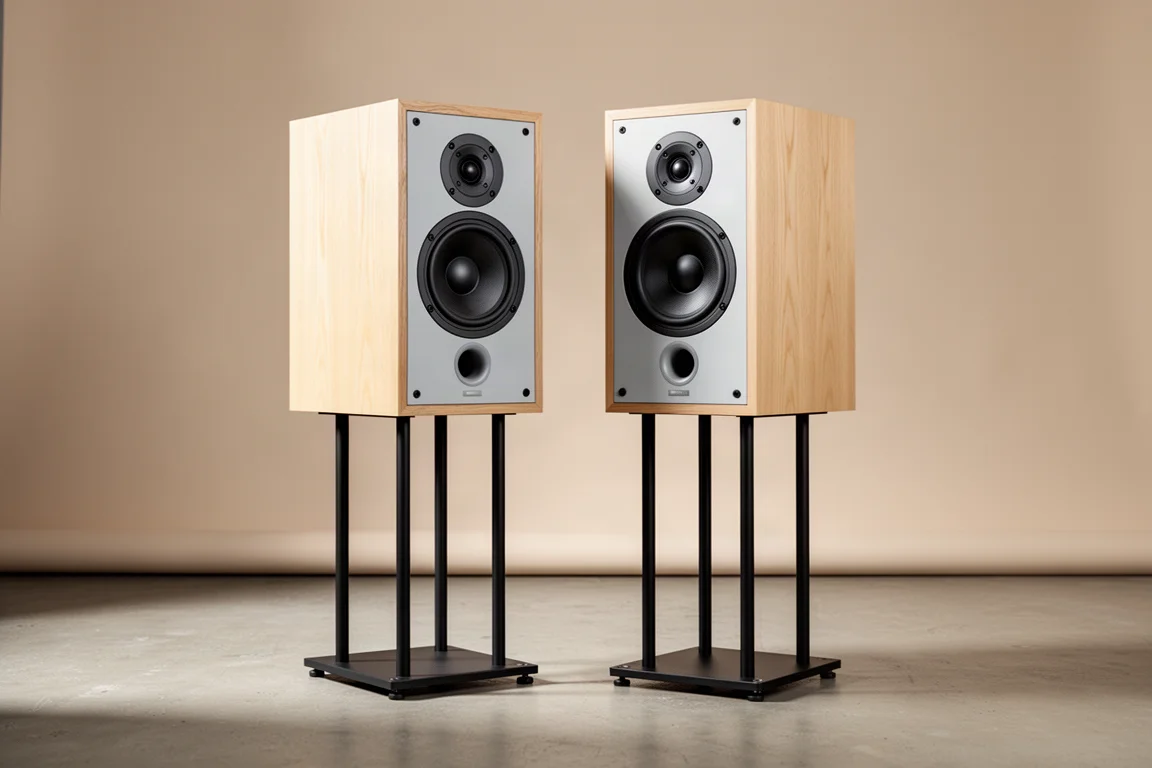
Mission’s lineup follows a familiar pattern: a flagship speaker arrives first, then a more affordable model shows up with the promise of similar performance. The Mission 700 is the smaller, more obtainable take on the Mission 770, keeping the same two-way, front-ported formula in a cabinet that is easier to place and considerably easier to pay for.
The question for buyers is straightforward. How much of the 770’s performance survives the price cut, and where do the compromises surface? The 700 keeps the tonal family, the finish quality and much of the character of its larger sibling. What it gives up is bass grip and cabinet damping, and in exchange it lands at less than half the price of the 770.
Who the Mission 700 Is For
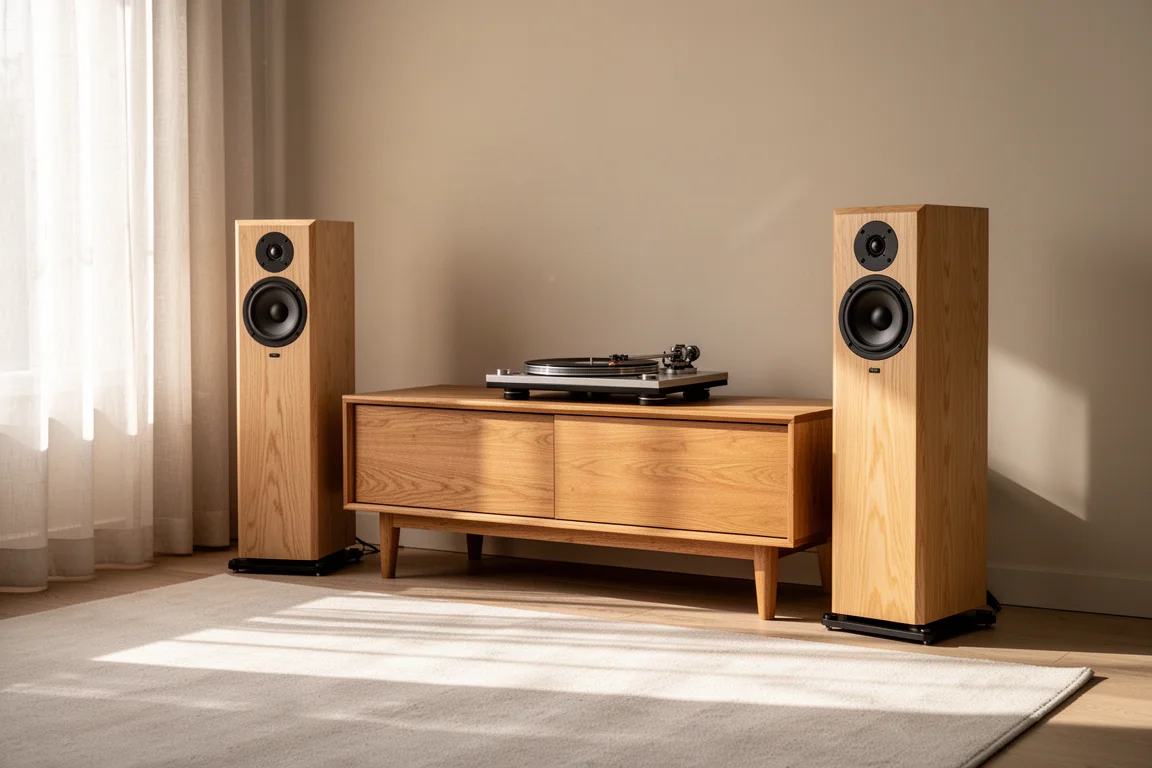
The 700 suits listeners who want a warm, easy-going presentation they can live with for hours. It is a natural fit for a first serious two-channel system, for smaller rooms where a stand-mount makes more sense than a floorstander, and for anyone who cares about how a speaker looks once the grilles come off.
It is also a sensible choice for buyers who want stands included in the box rather than priced separately. The 700’s smaller footprint means third-party stands are a realistic option too, which is less true of the bulkier 770.
Where the 700 is less suitable is for listeners who want a forensic, studio-neutral monitor or the last word in bass definition. Its strengths lean toward musicality and long listening sessions rather than clinical precision.
Design and Build Quality
The 700 is a two-way, front-ported design with a 6.5-inch woofer and a 1.25-inch soft dome tweeter. The reported frequency response is 45 Hz to 20 kHz, which is close to the larger 770, with the 700 conceding some low-frequency extension to its bigger sibling. Impedance is rated at 8 ohms, dipping into 6-ohm territory at times, and sensitivity is rated at 86 dB.
With the grilles fitted, the 700 is easy to mistake for the more expensive 770. Up close, the differences become clearer: the wood veneer and construction are of genuinely high quality, but the cabinet is noticeably less damped and less inert than the 770’s when you knock on it.
Losing the grilles reveals an unusual driver layout, with the tweeter mounted below the woofer and off centre. That means a stereo pair can be arranged with the tweeters facing inward or outward. Inward placement gives the more convincing centre image, and it is the arrangement worth trying first.
Stands are included, which is a welcome touch at this price. They ship flat-packed, so budget time for assembly. Once built they are sturdy, but they are not the simplest stands to put together, and they do not flatter the speakers as much as the cabinets do. Buyers who already own suitable stands may wish there were an option to order the 700 without them.
Sound Characteristics
The 700 sits firmly in the same tonal family as the 770, but it leans warmer. It is a little more midrange-focused, with rounder and less controlled bass. An in-room sweep reaches down to around 40 Hz with some room compensation, close to the factory figure, and the measured behaviour matches what the ear picks up.
Through the midrange the 700 has more energy than the more linear 770, and from roughly 2 kHz upward the two speakers are more or less interchangeable. Below 100 Hz the 700 carries more cabinet energy, so double bass, bass guitar and kick drums bloom rather than digging deeper or holding the same grip as the 770. The difference is not night and day, but it is audible, and the 770 is the more precise of the two.
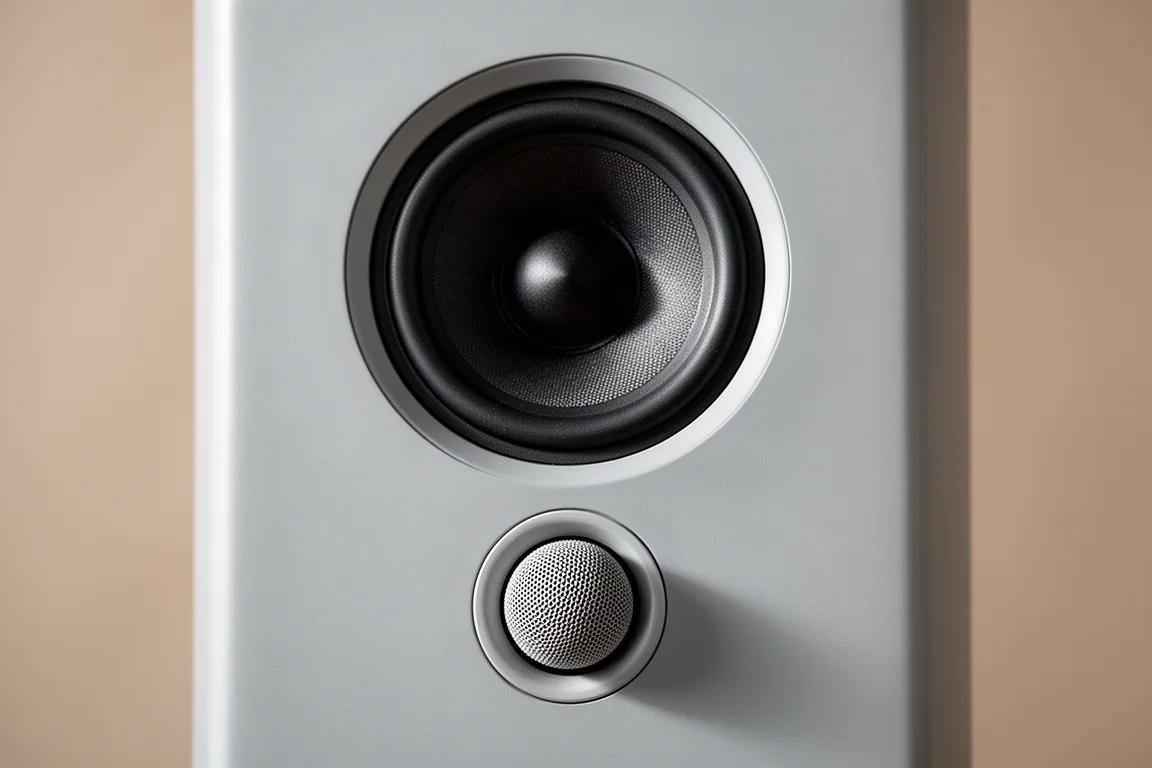
The midrange is warmer and richer than the 770’s, and because of the cabinet’s contribution it is not wholly neutral. Acoustic instruments and lightly driven guitars sound a touch more lively, with added body, and female vocals in particular gain weight that flatters voices which can otherwise come across as thin or nasal. For a two-way design, the handover between woofer and tweeter is smooth enough that the missing midrange driver of a three-way is not something most listeners will miss.
Treble performance is extended and airy without much sibilance or shimmer. High notes never turn harsh or fatiguing at high volumes, and the 700 plays nicely across genres. Listeners who like bite or a metallic sheen in the top end may find it too polite, but for long sessions that politeness is an asset.
Soundstaging is wide and well appointed. Compared with the 770 or with smaller two-way bookshelf speakers, the 700 is a little less focused when it comes to detail and separation. Centre imaging is good without being laser-etched. Dynamically, this is where the 700 and the 770 meet: both play loud without fuss and both scale well, sounding intimate one moment and genuinely large the next. Push the volume and the 700 gives up some control, particularly in the low bass, but for the money it remains an impressive performer.
How It Compares With Other Speakers
Against the Wharfedale Linton, the matchup is close. The Linton is the fuller-range speaker with comparable warmth, and at around $1,400 to $1,500 it is the better value. The 700 counters with a more agile and lively character, and it is the better-looking speaker of the two, with a nicer veneer grain and a striking pale front baffle.
The JBL L82 is a different story. Sonically the L82 is more even across the frequency range, which some listeners will prefer, but the 700 is far better built and uses noticeably nicer materials and finishes. Call the sound quality a tie and the build quality a clear win for the 700.
The Polk R200 AE and the more affordable original R200 are worth knowing about. The 700 is better built, with nicer materials and finishes, but sonically the R200 is every bit in the conversation, and neither Polk is embarrassed by the more expensive Mission.
The Klipsch Heresy IV, at around $3,200, is a three-way with a dedicated midrange horn. It is more dynamic, easier to drive and more peaky in the treble, and it has a presence that the softer Mission tweeter does not attempt. The 700 is the more adaptable speaker across genres and volumes, while the Heresy is the more vivid and distinctive one.
The KLH Model 3 and Model 5 round out the picture. The Model 3 is a less expensive two-way and the Model 5 is a three-way at roughly the same cost as the 700. The Model 5 is sealed and acoustically suspended, with an attenuation switch on the back, which makes it more forgiving of room placement, but it can be more demanding of amplifiers because it gets none of the port or cabinet bass reinforcement that the 700 does. Between the Linton and the Model 5, the 700 lands somewhere in the middle, borrowing a little of the appeal of each.
Setup and Amplifier Pairing
Placement matters. The 700 performs best pulled about two feet out from the wall, with the speakers roughly eight and a half feet apart and just a small amount of toe-in to lock in the centre image. The front port helps here, since the speaker does not need to be pushed against a boundary to produce bass.
Amplifier matching deserves more attention than the 8-ohm nominal rating suggests. Paired with a Rotel S14, the 700 sounded vague, boomy and short on control, a combination that simply did not work. Swapping to an Audiolab 9000A transformed the speaker, and a Technics R1000 also proved a strong partner.
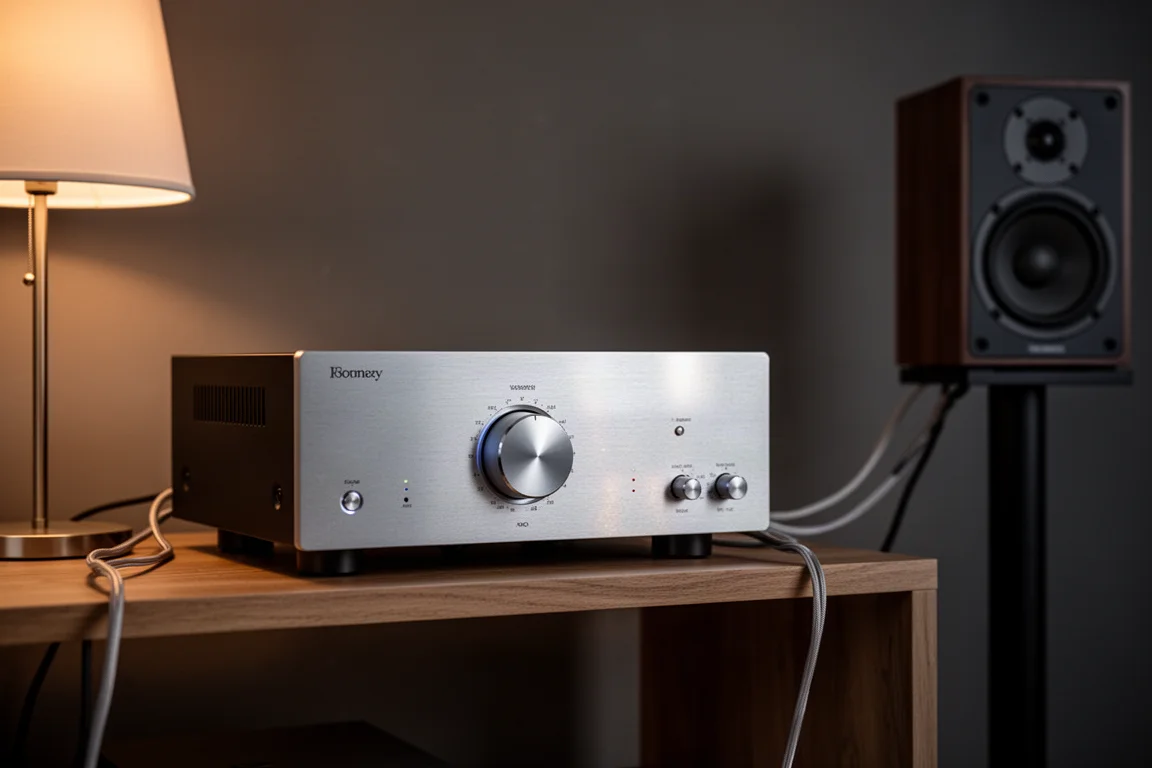
On paper the 700 is fairly easy to drive, but the experience with the Rotel shows that a firm, well-controlled amplifier gets considerably more out of it. If your amplifier is soft or underpowered, the 700’s bass bloom will be amplified rather than reined in.
Things to Consider Before Buying
The bass is the main compromise. Below roughly 100 Hz the 700 has more cabinet energy and less grip than the 770, so instruments bloom rather than articulate. If precise, tightly controlled low frequencies are your priority, the 770 is a genuine step up.
Amplifier pairing is the second consideration. A rated 86 dB sensitivity with dips to about 6 ohms means the 700 rewards a capable amplifier and can sound vague with one that lacks control.
The warm, midrange-forward balance is not strictly neutral. That is a feature for most listeners and a limitation for anyone chasing a flat, monitor-like response.
Stands are included but arrive flat-packed, and there is no option to buy the speaker without them. If you already own suitable stands, that inclusion is a small waste rather than a benefit, and the assembly takes time.
Finally, if you want treble with bite and metallic shimmer, the soft dome here is unlikely to satisfy. It is tuned for comfort over excitement.
Buying Advice
The 700 gets roughly 80 to 85 percent of the way to the 770 for less than half the price. That is a strong proposition, and it is the reason this speaker deserves attention rather than being treated as the budget compromise in the range.
Buy the 700 if you want the warm Mission sound in a room-friendly stand-mount, if the looks matter as much as the acoustics, and if you would rather spend the difference on a better amplifier. Buy the 770 instead if bass grip, cabinet damping and a more linear midrange are worth the extra outlay. If value is the deciding factor, the Wharfedale Linton deserves a listen, and if room placement is difficult, the sealed KLH Model 5 is worth considering.
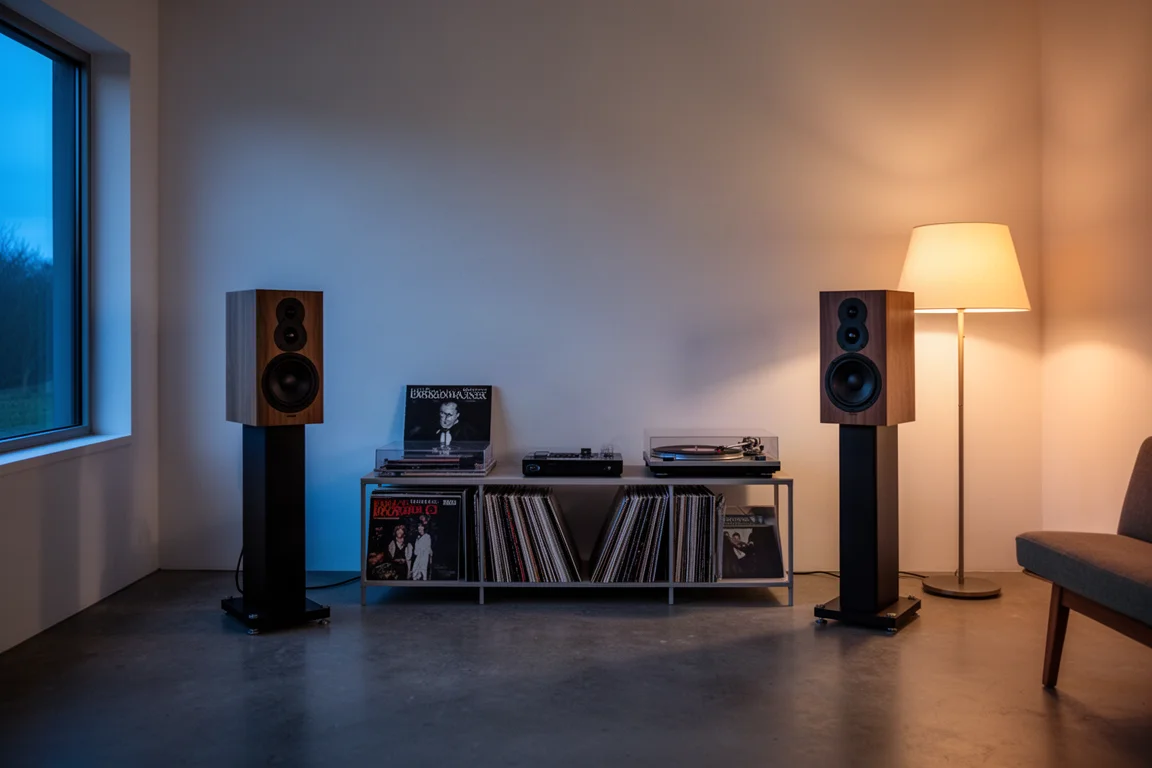
Whichever way you go, match the speaker to a controlled amplifier and give it room to breathe. The 700 responds well to both, and it is a speaker most listeners will be happy to keep for a long time.
Conclusion
The Mission 700 is not a cut-down imitation of the 770 so much as a different balance of priorities. It keeps the design language, the build quality and the tonal character, then trades some bass precision and cabinet damping for a price that opens the door to a much wider group of buyers.
For anyone who wants an attractive, warm-sounding stand-mount that can play all day without fatigue, the 700 makes a persuasive case, and the included stands remove one more expense from the equation. For listeners who want the last measure of control and neutrality, the 770 remains the better speaker and worth its asking price. Both are legitimate choices, and the 700 is the one that will suit more rooms and more budgets.
Product link
View more details for Mission 700
This product is mentioned in the review. Check the specifications, options, and compatibility before buying.
View more details for Mission 700Further reading
Related Reviews
Bookshelf Speakers
Acoustic Energy A100 Mark II Review: A Compact Standmount With an Expansive Soundstage
The Acoustic Energy A100 Mark II brings clarity, natural tonality and a wide soundstage to an entry-level standmount, with a few setup details worth knowing first.
Bookshelf Speakers
Acoustic Energy AE-100 Mark II Review: Compact Bookshelf Speakers With Standout Imaging
A compact British two-way bookshelf speaker with deep, layered imaging, fast bass, and a slight treble lift to weigh against a crowded $500 field.
Bookshelf Speakers
Acoustic Energy AE100 MK2 Review: Measured Performance and Four Alternatives
A close look at the Acoustic Energy AE100 MK2 bookshelf speaker, what its measured performance reveals, and four alternatives with different trade-offs.