Backpacking Gear
Minimalist Backpacking Gear: Two Lightweight Essentials for Shelter and Warmth
A practical look at two ultralight pieces that cover shelter and warmth on the trail, plus the trade-offs worth accepting before you buy.
Introduction
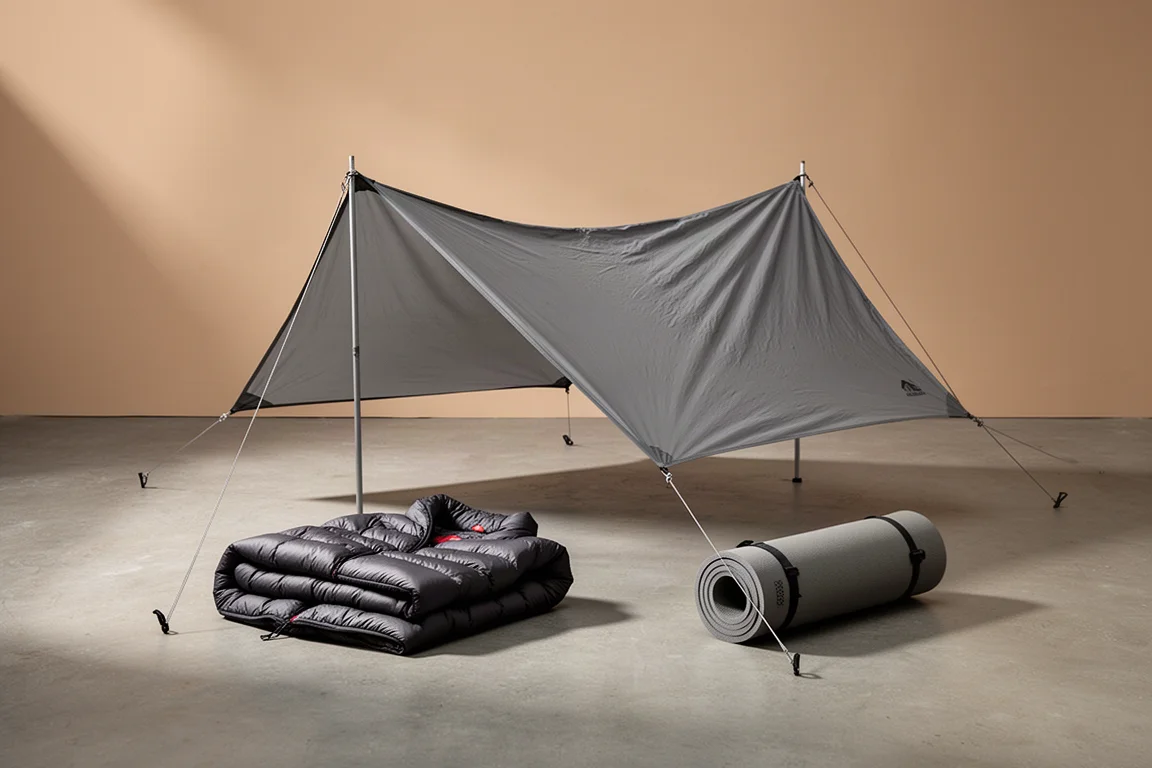
Staying comfortable in the wild with the bare minimum comes down to three requirements: warmth, protection, and sustenance. There are many ways to meet them, from building your own shelter with a knife to parking an RV at a campground. A practical middle ground is carrying everything on your back, which lets you move camp quickly and keeps your impact on the land low.
Two pieces of gear do most of the work in that approach: a minimalist shelter and a light insulation layer. This guide looks at one of each, explains what they do well, and sets out the trade-offs worth accepting before you buy.
How to Think About a Minimalist Kit
Food and water set the priorities. You can survive roughly three days without water, but up to three weeks without food, so water treatment usually deserves more attention than a bigger food bag. Water is heavy, so the usual approach is to carry a filter and refill along the way instead of hauling a full supply.
Shelter and warmth are the other half of the equation, and site selection matters almost as much as the gear. Setting up under trees adds protection from rain, snow, wind, and sun when suitable trees are around. On open ground you rely entirely on what you carry.
That balance is what makes a minimal kit work. Every item has to justify its place by weight and by how often you actually use it, and anything that fails that test is better left at home.
Shelter: Zpacks Hexamid Tent
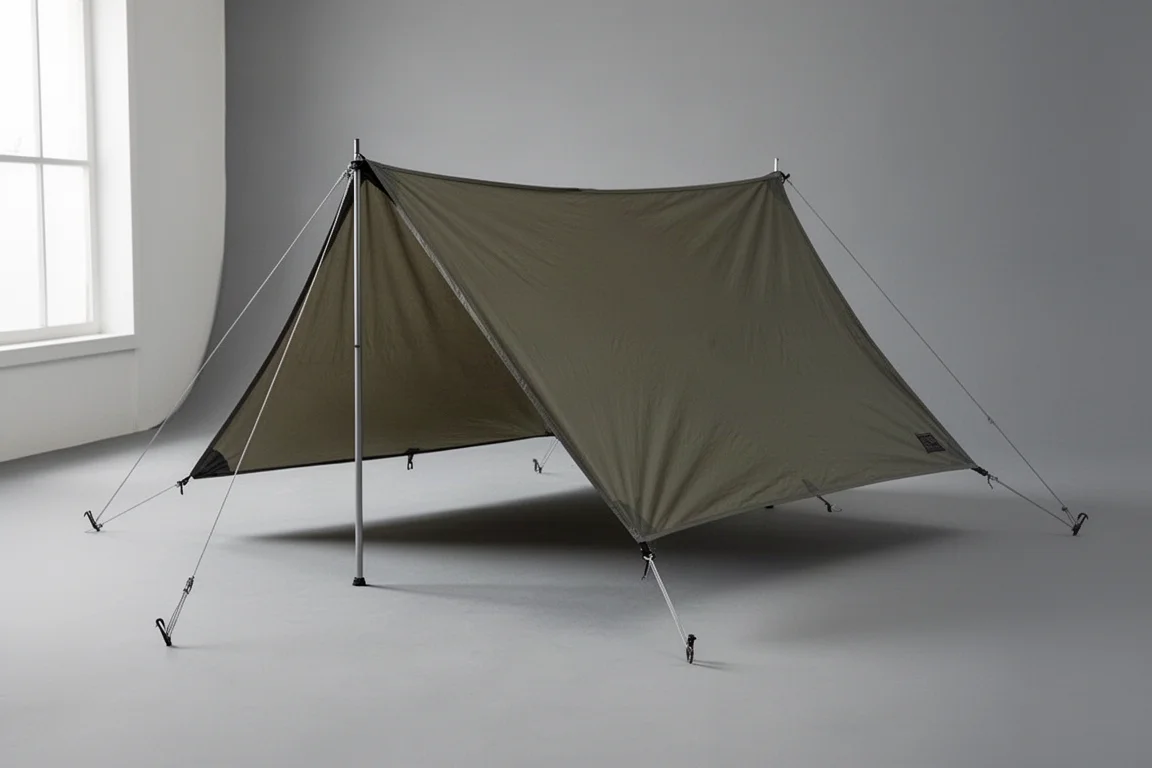
For protection from rain and wind, backpackers generally choose a tent because it goes up quickly and easily when weather rolls in. The Zpacks Hexamid tent pushes that idea about as far toward minimalism as it goes: it is essentially a tarp.
The design brings clear trade-offs. There is no mesh, so it does not keep insects out or block wind the way an enclosed tent does, and there is no floor, so your sleep system needs its own protection from ground moisture. What you get in exchange is a shelter that sets up fast and stays simple.
If you usually camp in dry, open conditions and you are comfortable with tarp-style camping, this is a sensible direction. If you expect insects, driving rain, or wet ground, plan for those conditions honestly before committing.
Warmth: Patagonia Ultra Alpine Down Jacket
The insulation you need depends entirely on where you are. In a warm environment, the clothing on your back may be enough. In many places, though, night temperatures drop sharply, and even milder areas can fall to around 10 degrees Celsius after dark.
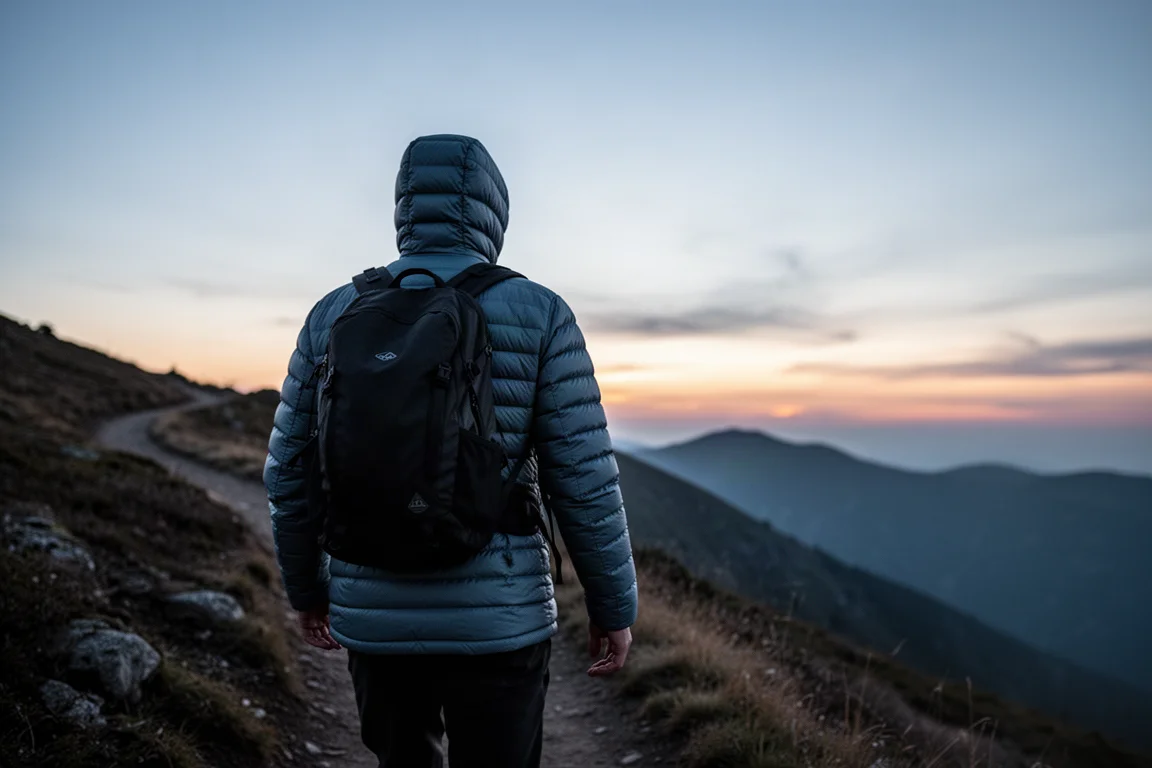
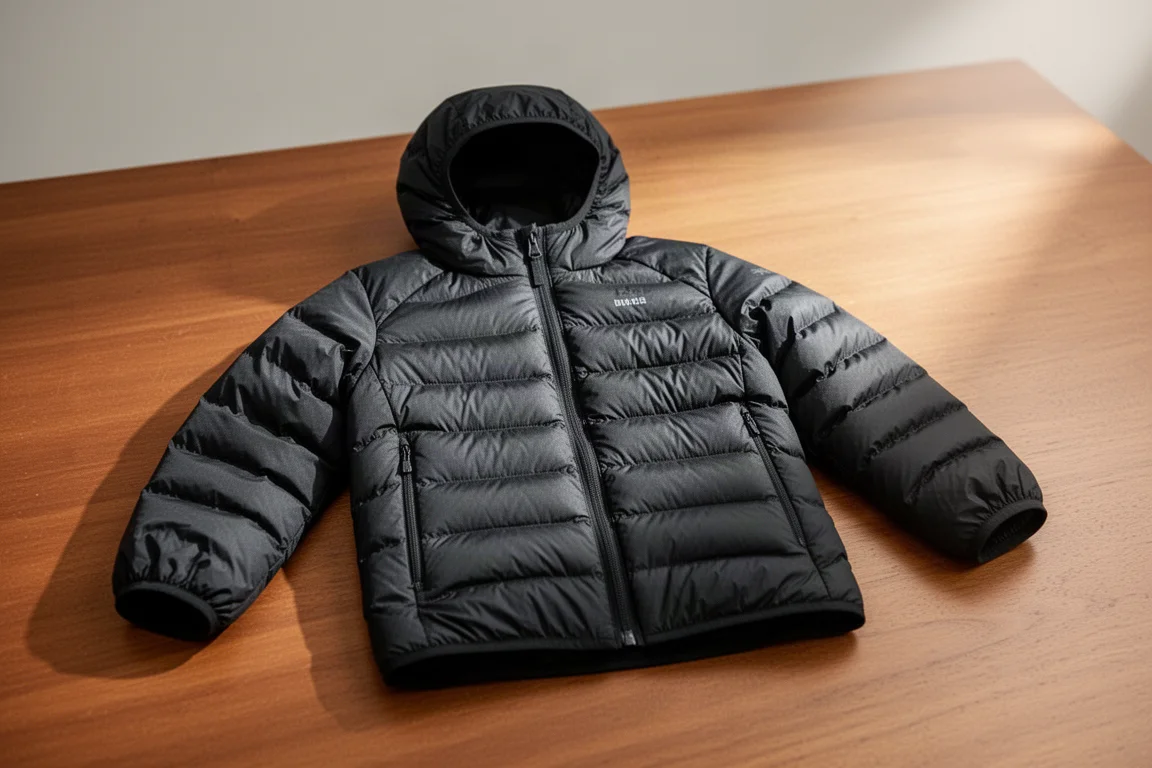
For those nights, ground insulation and top insulation do the main work: a sleeping pad and a quilt. Beyond that, a light down jacket is worth keeping in the pack as a just-in-case layer. The Patagonia Ultra Alpine down jacket weighs under 200 grams, which makes it easy to justify carrying even when you are not certain you will need it.
Food, Water, and Fuel: The Rest of the Kit
Food choices on trail favor things that keep well and deliver calories for their weight. Freeze-dried meals are expensive but simple: add boiling water and you have a meal in 10 to 15 minutes. Nuts make good snacks because they carry a lot of calories for the weight involved, and homemade oatmeal with chocolate chips and fruit covers breakfast.
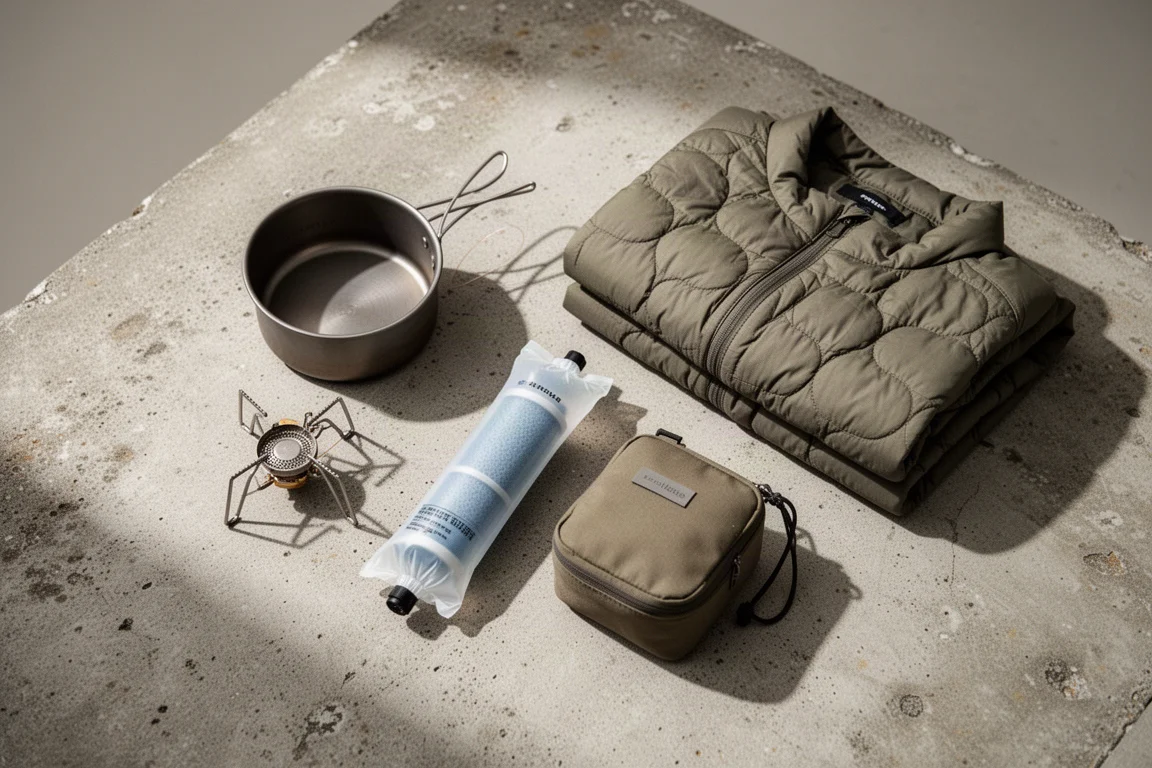
Because hot meals are on the menu, a small cook kit earns its place. A lightweight stove around 25 grams plus a 550 milliliter titanium pot around 72 grams keeps the whole setup under 100 grams. For water, a bag and squeeze filter lets you fill any vessel you are carrying, and treatment tablets are a useful third option: drop them in, wait 30 minutes, and the water is ready to drink.
A diet this repetitive rarely covers every nutrient, so some backpackers add a green supplement, mixed into a bottle in the morning. It is a small addition that addresses the gaps in a lightweight food list.
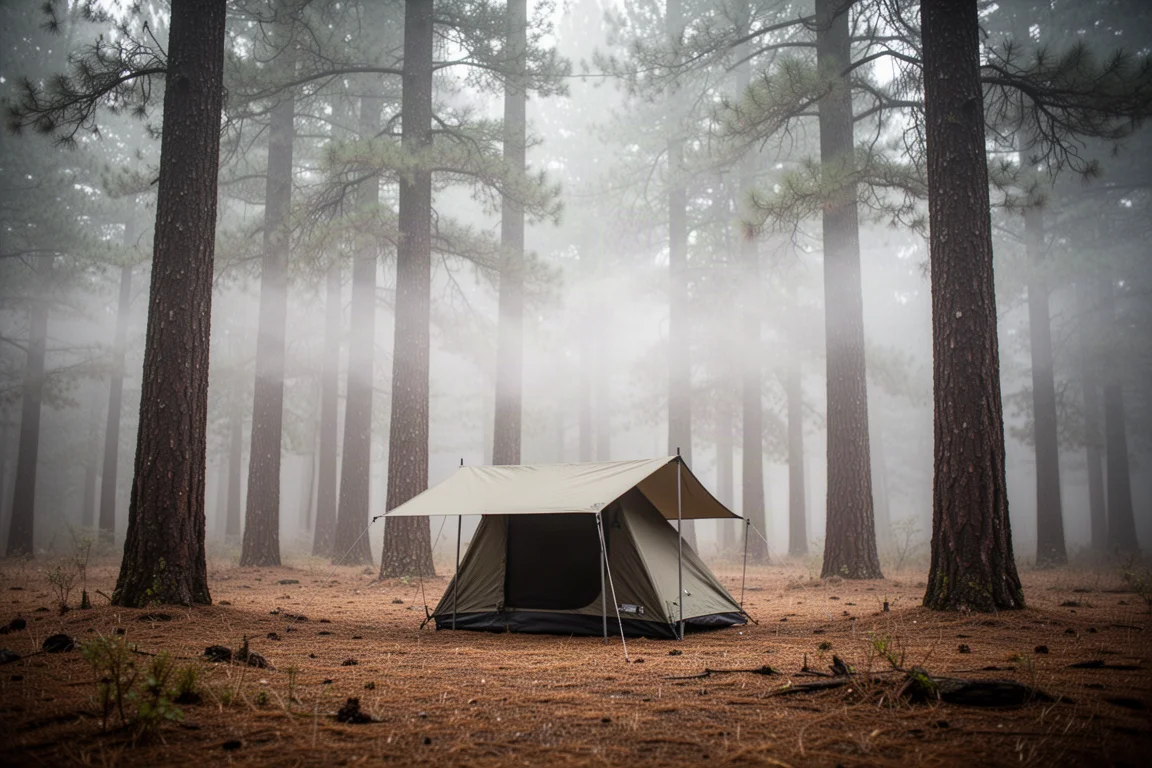
None of this gear is complicated, but each item has to justify its weight. The cook kit, the filter, and the supplement are all small enough that they rarely feel like a burden on the trail.
What a Minimalist Kit Cannot Do
Minimalism has limits worth naming. A floorless, mesh-free shelter shifts responsibility onto site selection and onto your sleep system, and heat and sun can sometimes be harder to manage than cold and rain. In genuinely extreme cold the gear list grows heavy: at minus 50 degrees Celsius, staying warm takes a lot of equipment, and weight stops being the priority.
That is the honest framing for this kind of kit. It is fast, light, and low-impact in the conditions it was designed for, and it asks you to plan around the conditions it was not.
Overall Buying Advice
The two items here solve the same problem from different angles: they keep the pack light while covering the needs that matter most when the weather turns.
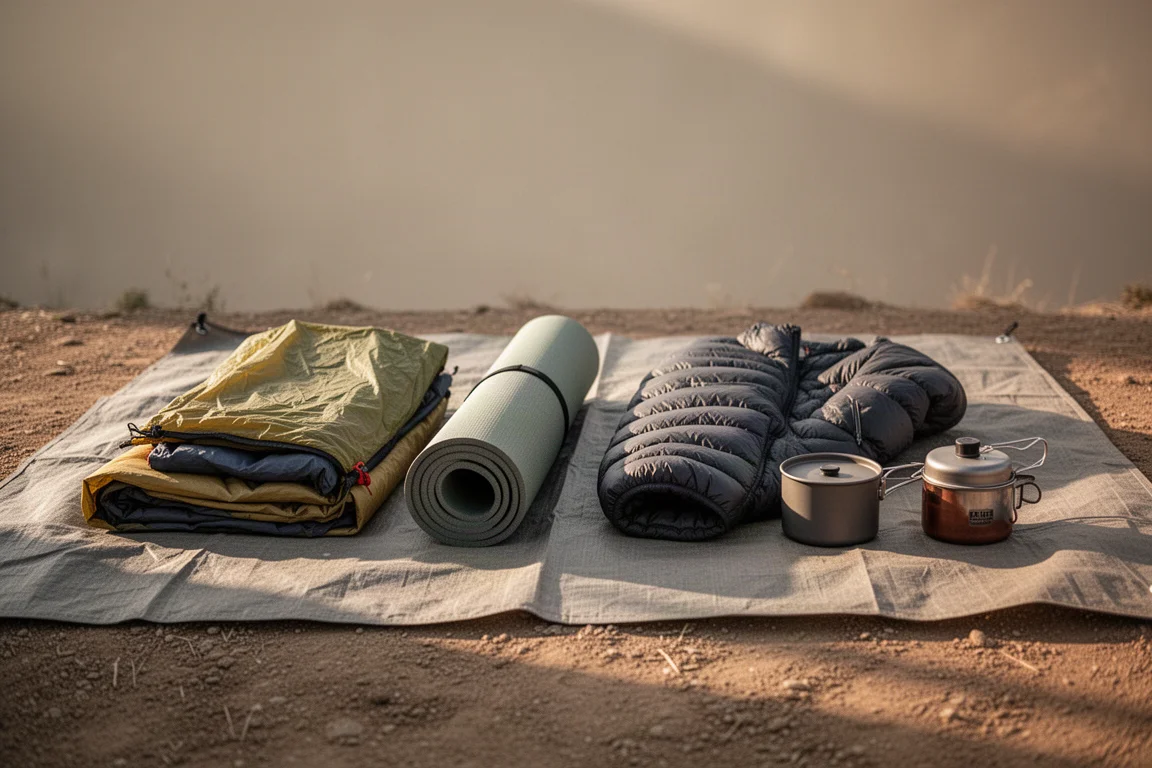
Buy the shelter first if you are still deciding. Protection from rain and wind is what determines whether a trip feels comfortable, and the Hexamid’s trade-offs are easy to assess in advance. If you camp where insects and wet ground are rare, the simplicity pays off, and the quick setup is worth a great deal when weather arrives suddenly.
The down jacket is the easier addition. At under 200 grams it adds very little to pack weight and covers the nights when the temperature falls further than forecast. Together they form a compact, dependable core for a kit built around moving fast and leaving little trace.
Conclusion
Minimalist backpacking works when every item has a clear job. Shelter and warmth are the two that keep you safe when conditions change, and both of the pieces above are built around doing those jobs with as little weight and complexity as possible. Choose them for the environments you actually camp in, and the rest of the kit falls into place around them.
Further reading
Related Reviews

Backpacking Gear
Building a 10 lb Base Weight: An Ultralight Backpacking Gear List
A practical walkthrough of the ultralight pieces behind a 10 lb base weight, from a 765 g pack and a roomy one-person tent to a full camp chair and a dependable water filter.
Backpacking Gear
A 15-Pound Lightweight Backpacking Gear List for Solo Trips
A beginner-friendly 15-pound backpacking setup built from easy-to-find gear, with notes on what each piece does, how it packs, and where to spend your attention.
Backpacking Gear
8 Ultralight Backpacking Gear Upgrades Worth Carrying
Eight small, affordable backpacking upgrades that solve real trail annoyances, from a pillow that stays put to a fuel valve that rescues leftover canister gas.