Chainsaw Reviews
Milwaukee vs DeWalt vs Stihl: Three Chainsaws Compared in Real Cutting Tests
A hands-on comparison of the Milwaukee M18 dual battery chainsaw, the DeWalt FlexVolt 20-inch, and the Stihl 362 60cc, covering speed, runtime, and weight.
Introduction
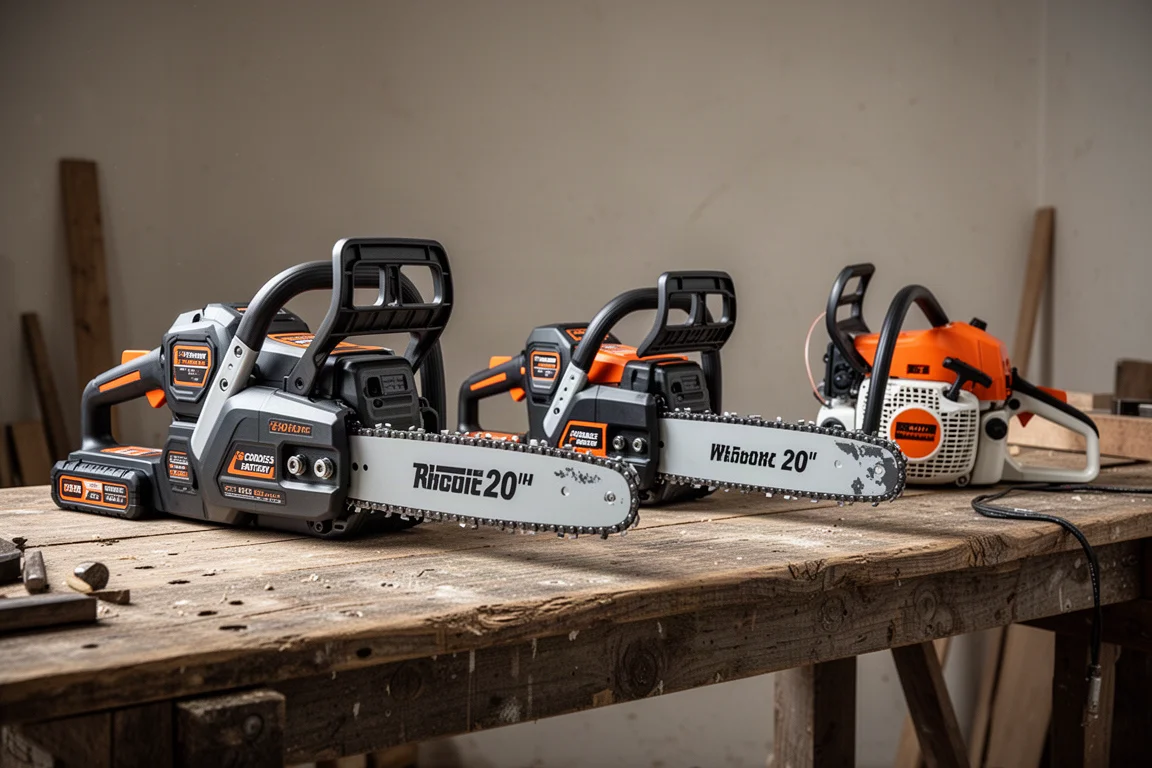
Cordless chainsaws have gotten genuinely capable, and two of the biggest names in the space are the Milwaukee M18 dual battery chainsaw and the DeWalt FlexVolt 20-inch. To see how they stack up, both saws were run in completely stock form through a series of timed cuts, first in smaller lumber, then in progressively larger and denser hardwood. A Stihl 362 60cc gas saw, priced similarly to both battery saws but much lighter, joined in for reference.
This article breaks down what the testing showed, where each saw excels, and what to weigh before picking one up.
How We Tested
Both battery saws were used exactly as they come from the factory, with semi-chisel chains, at full speed, and warm despite the cold conditions. Each cut was timed individually in smaller lumber, with the totals compared afterward. The second stage moved up to much larger wood: a very heavy maple log that pushed both saws hard.
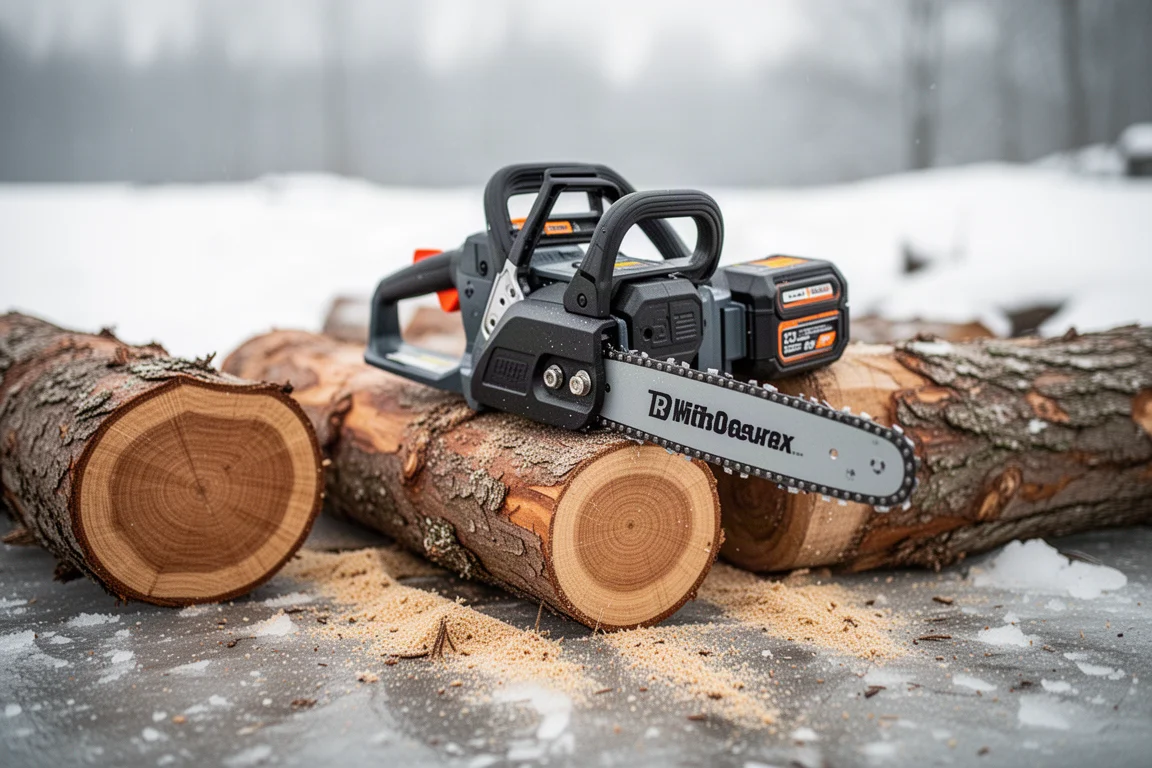
The log setup caused a few hiccups along the way, including a slip on one cut that was thrown out of the results, so the numbers should be read as a practical field comparison rather than a laboratory benchmark.
Chain and Cutting Differences
One of the most interesting differences is not the motor but the chain. The DeWalt ships with a 3/8 pitch chain that leans more toward a safety-style design, while the Milwaukee comes with a 3/8 low-profile 0.325-style chain that is noticeably more aggressive. Both chains were sharp and throwing good chips throughout testing.
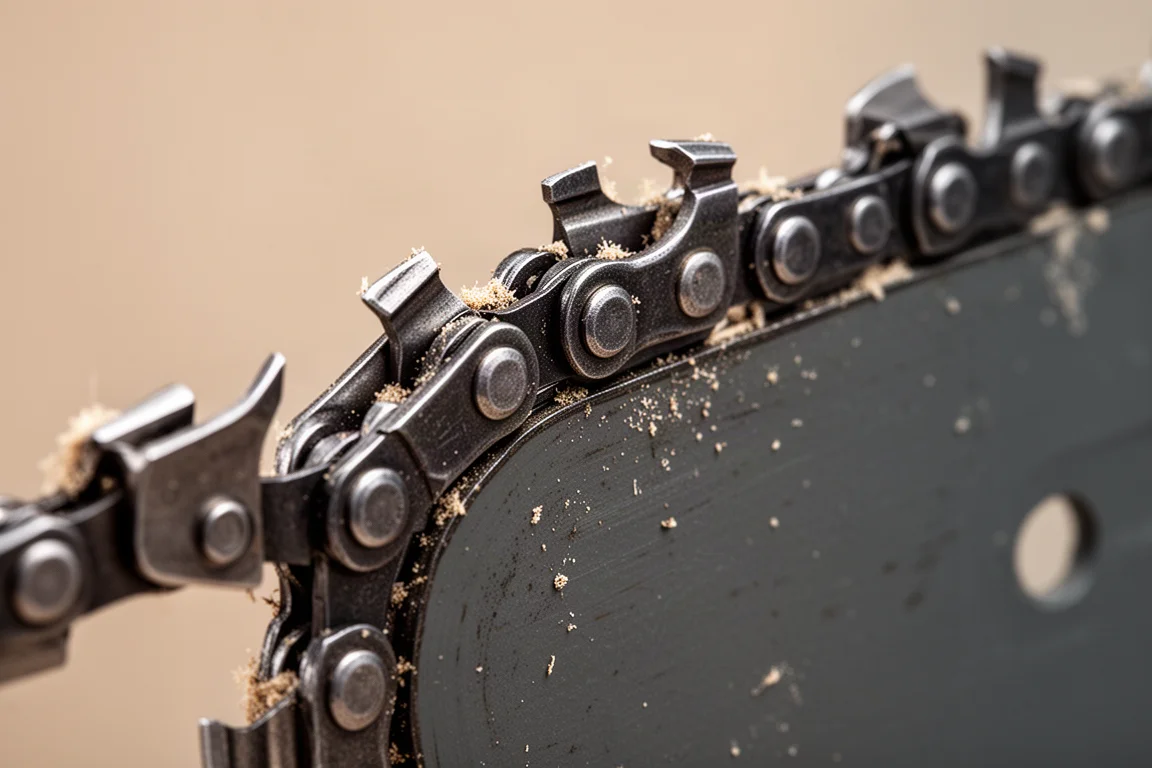
In practice, the Milwaukee felt like it needed a bit of help getting through the densest wood with its stock chain, but when pushed harder it threw excellent chips. The DeWalt’s more conservative chain produces smaller chips and slightly slower cutting. The advertised chain speeds reflect this: the DeWalt is rated at 13.5 m per second, while the Milwaukee is advertised at 14.3 m per second, and the Milwaukee’s motor audibly spins much faster, which is likely where its torque advantage sits.
The Heavy Hardwood Test
The maple log stage is where the gaps opened up. Both saws threw excellent chips at first, but the DeWalt stalled out during this portion and repeatedly seemed unhappy with the dense hardwood. The Milwaukee, worked with the dogs engaged, kept making progress even when pushed harder.
The battery results told the real story. The DeWalt’s 15Ah FlexVolt pack dropped to a single remaining bar after relatively little cutting. The Milwaukee’s batteries still showed two bars left with significant charge remaining after the same workload. In practical terms, the runtime on the DeWalt pack came out to roughly half of what the Milwaukee delivered.
The Stihl 362 as the Reference
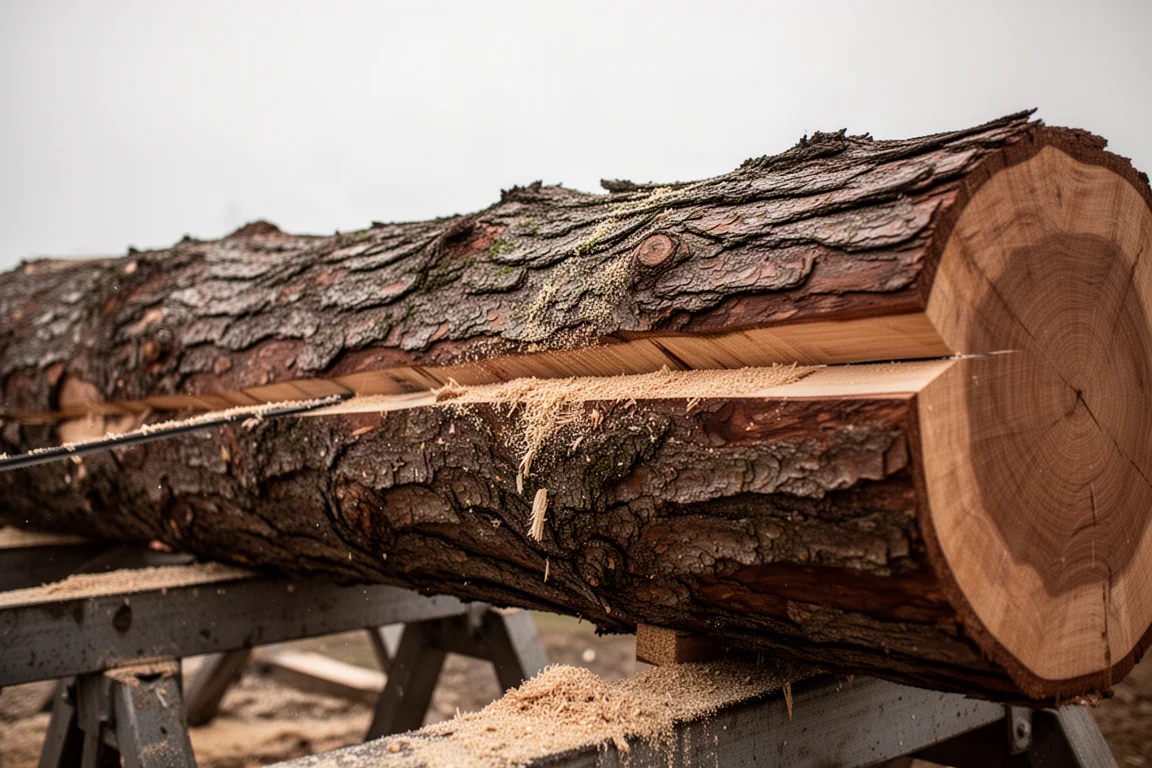
For perspective, the Stihl 362 60cc gas saw, which sells at a similar price to the two battery saws but weighs much less, cut through the same hard maple far faster. It runs a full chisel chain versus the semi-chisel chains on both battery saws, so it is not an apples-to-apples comparison, but it highlights the performance ceiling that gas still holds.
That said, gas comes with the usual trade-offs: mixing fuel, buying two-stroke oil, and carrying fuel gear. For many users, that trade is worth it; for others, the convenience of batteries wins.
Runtime and Weight
Weight is where these two battery saws diverge dramatically. The Milwaukee with its two 12Ah batteries comes in around 20 lbs, roughly double what a comparable gas saw weighs. Picking up the Milwaukee next to the DeWalt feels like lifting one and a half DeWalts, and the DeWalt with its 15Ah pack is estimated at around 5 lbs lighter.
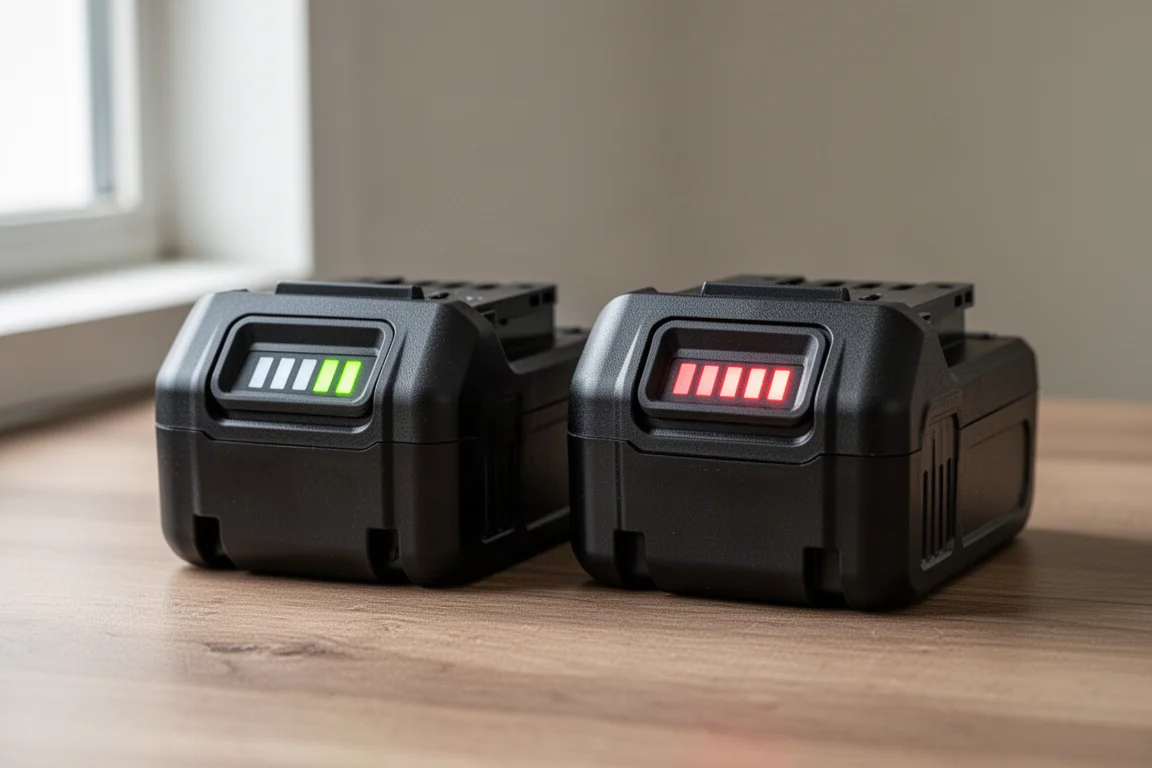
The Milwaukee’s weight appears to come from a big motor with a lot of copper windings rather than heavy magnesium construction; the rest of the body is largely plastic, as is the DeWalt’s. If you want longer runtime you will carry more weight, but the extra mass seems to be in the saw itself more than the batteries.
Which One Should You Buy
The verdict from testing is that the Milwaukee came out ahead overall: faster chain speed, better chip production, and roughly double the runtime from its battery setup. The DeWalt is the lighter option and its safety-oriented chain may appeal to less experienced users, but it was slower and burned through its pack much faster in hard wood.
That said, the choice depends on how you work. If you are all-day in the woods, the 20 lb Milwaukee might push you back toward a 10 to 12 lb gas saw, or toward the lighter DeWalt with spare batteries. If your work is shorter sessions near the truck or trailer, the Milwaukee’s runtime and cutting authority make it the stronger pick.
Conclusion
Between these three, the Milwaukee M18 dual battery chainsaw delivered the best battery-powered performance in cutting speed, chip quality, and endurance. The DeWalt FlexVolt 20-inch trades speed and runtime for a lighter package and a more cautious chain. The Stihl 362 remains the reference point for outright cutting speed at a similar price, with the usual fuel trade-offs. Match the saw to your typical workload and weight tolerance, and any of the three can earn its place.
Product link
View more details for Milwaukee M18 Dual Battery Chainsaw
This product is mentioned in the review. Check the specifications, options, and compatibility before buying.
View more details for Milwaukee M18 Dual Battery ChainsawFurther reading
Related Reviews

Backpacking Gear
Building a 10 lb Base Weight: An Ultralight Backpacking Gear List
A practical walkthrough of the ultralight pieces behind a 10 lb base weight, from a 765 g pack and a roomy one-person tent to a full camp chair and a dependable water filter.
Road Bikes
10 New Road Bikes Worth Watching: Aero, Titanium, Steel and Endurance Standouts
A practical roundup of 10 new road bikes, from aero flagships chasing single-watt gains to titanium, steel and endurance platforms built for real roads.
Bikepacking Gear
11 Bikepacking Essentials for Long-Distance Cycling
Eleven bikepacking essentials for long-distance cycling, from a steel gravel frame and a two-person tent to helmet lights, packable gloves, and a frame bag that puts weight in the right place.