Farm Packaging
Best Packaging for Microgreens and Lettuce: Clamshells, Produce Bags, and Labeling That Works
Three packaging solutions for small farms and indoor growers, with practical sizing guidance and labeling tips for selling to grocery stores and farmers markets.
Introduction
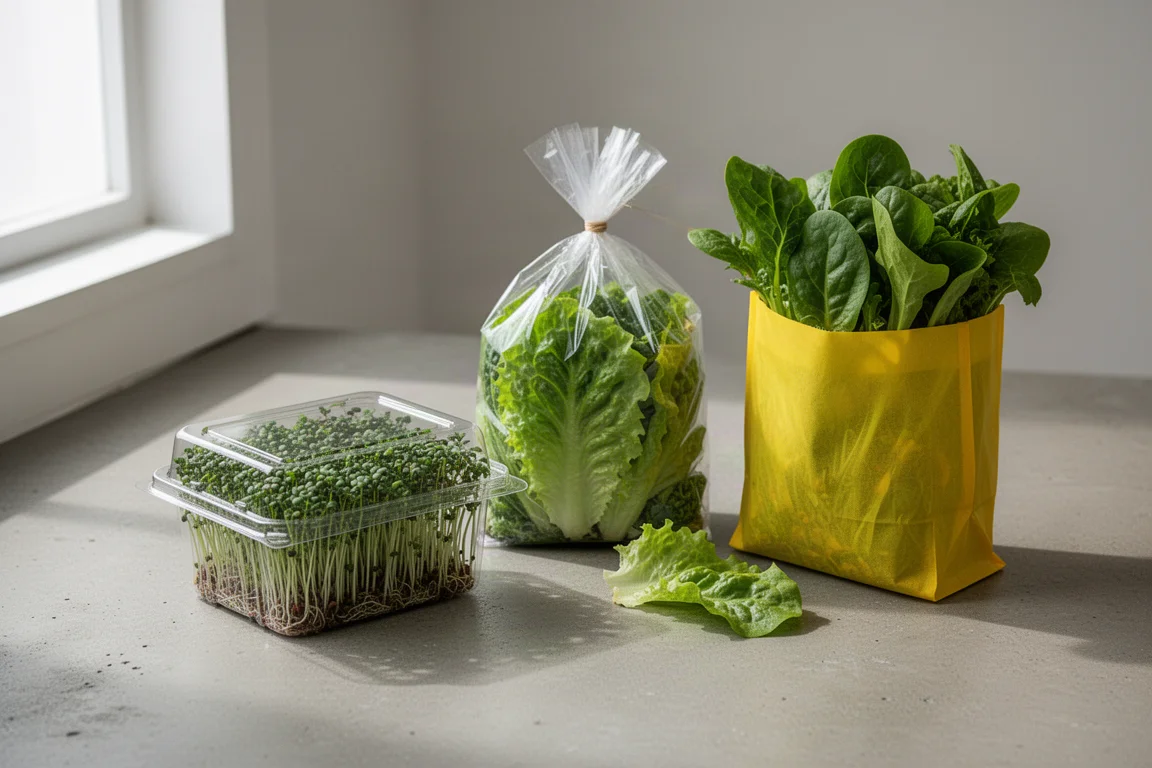
Packaging is one of those decisions that quietly shapes how a small farm is perceived. The same microgreens can look like a hobby project or a polished retail product depending on the container they arrive in. This guide covers the three packaging types that work well for indoor farming operations: clamshell containers in several sizes, clear produce bags for lettuce, and yellow produce bags for microgreens, plus the labeling setup that ties it all together.
Why Packaging Choice Matters for Small Growers
Selling to grocery stores, restaurants, and farmers markets is largely about presentation and consistency. A well-packaged product with a clean label, correct weight, and a barcode reads as professional, and that matters when a produce manager decides whether to stock your greens.
The grower behind this setup sells over half a dozen microgreens, half a dozen lettuces, herbs, spices, and edible flowers, all packed in either produce bags or clamshells. Quantities range from 2 oz and 8 oz microgreen portions up to 1 lb, with lettuce starting at a 4 oz option. Matching container size to portion size is the first step toward a packaging system that scales.
Clamshell Sizes and How to Use Them
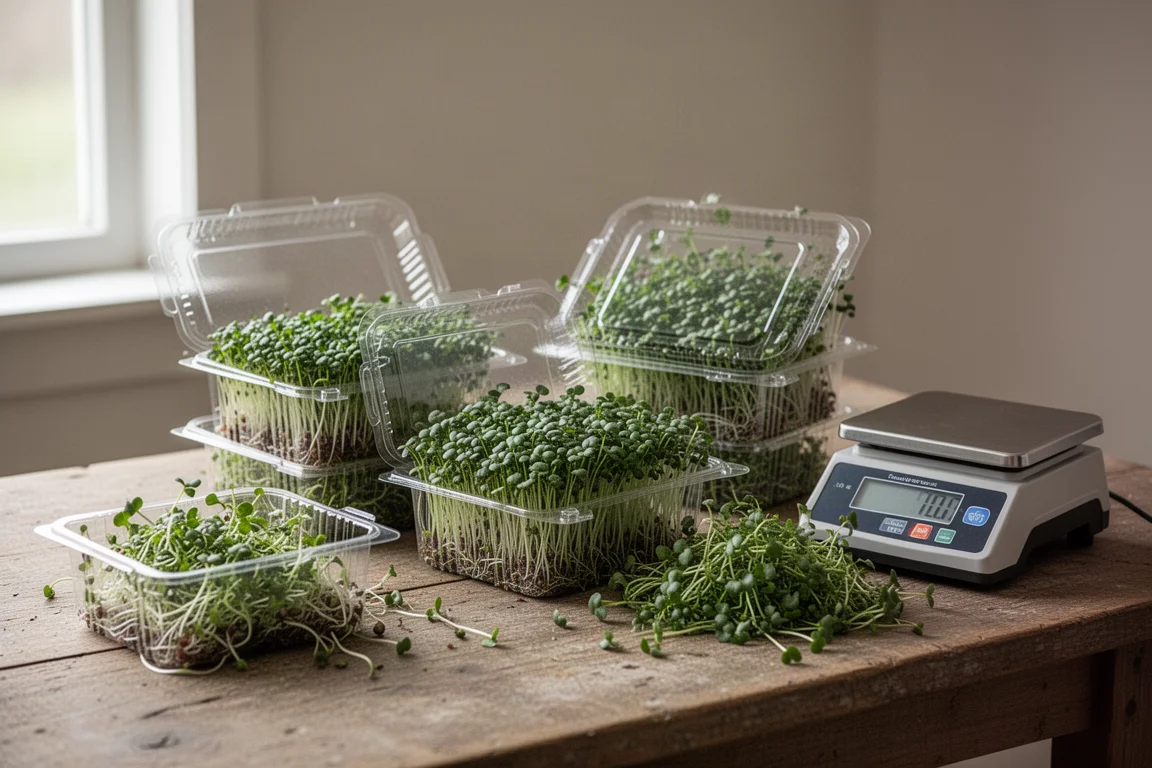
Three clamshell sizes cover nearly every need: a 5x5x3 inch clam, an 8x8x3.5 inch clam, and a large 12x8x4 inch clam. The 5x5 handles 2 oz to 3 oz microgreen portions, including specialty servings like 3 oz sweet peas destined for restaurants. The 8x8 works well for mixed microgreen products, holding up to 11 oz. The jumbo 12x8 can hold over 20 oz of microgreens, lettuce, spinach, and arugula for larger mixed orders.
Beyond sizing, clamshells have a structural advantage: they protect delicate greens far better than a bag, which can be crushed or squashed in transit. The 5x5 in particular fits nicely on standard grocery store produce shelving, which makes it an easy sell to retail buyers.
Good Natured 8x8x3.5 Clamshell
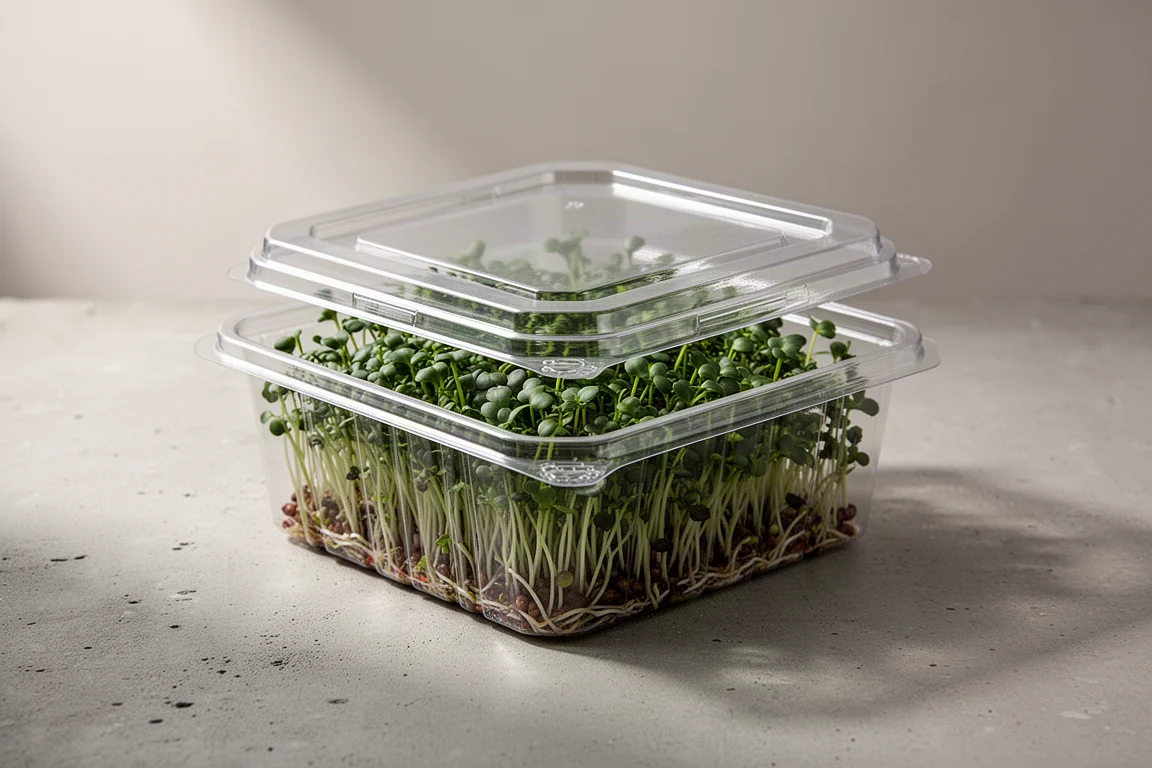
The 8x8x3.5 clamshell comes from Good Natured Products, and its defining feature is environmental: it is made from recycled materials and is itself recyclable. That is a meaningful step up from compostable cardboard boxes, in our view, because it still delivers the structural protection of a solid clamshell while addressing the environmental concern.
The trade-off is cost. These clamshells run a little more expensive, but some customers are genuinely willing to pay the difference because they know the packaging is better for the environment. For growers selling into retailers with sustainability expectations, that premium can be a selling point rather than a cost problem.
Produce Pouch Clear Produce Bags
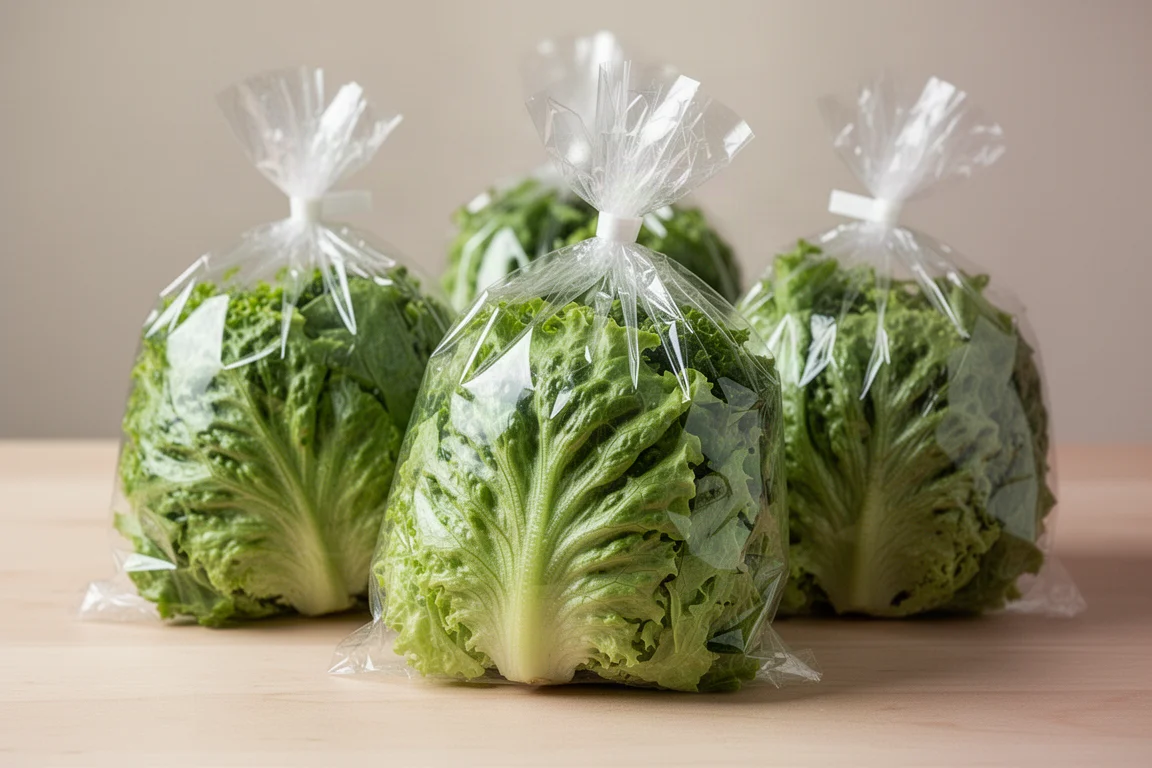
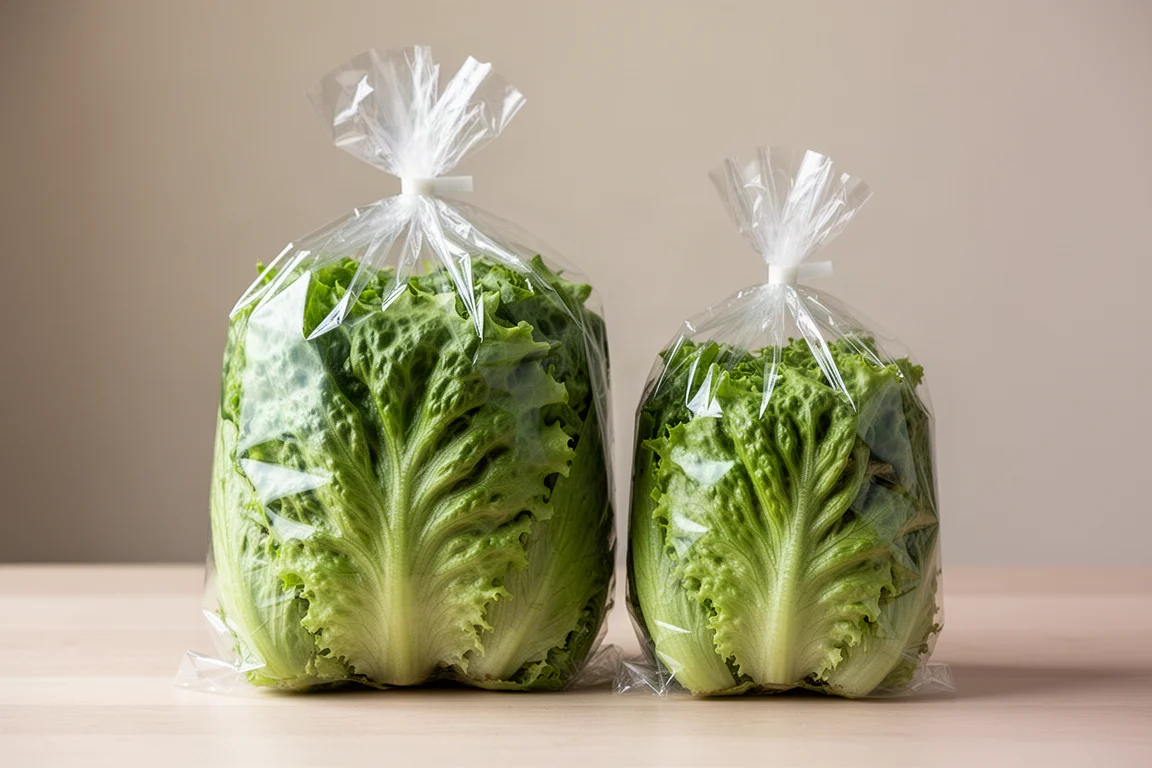
For lettuce, clear 1 gallon and half gallon produce bags are the standard, simply because customers are more used to seeing lettuces in clear packaging. The sizing logic is straightforward: one head fits in the half gallon bag, and two to three heads fit in the 1 gallon bag.
These clear bags come from Produce Pouch in packs of 10, with five 1 gallon and five half gallon bags per pack. They come with twist ties included, which matters more than it sounds. Produce in a bag with a good twist tie lasts far longer than the same produce in a clamshell, and bags are also a little cheaper than clamshells overall.
Keep It Fresh Yellow Produce Bags
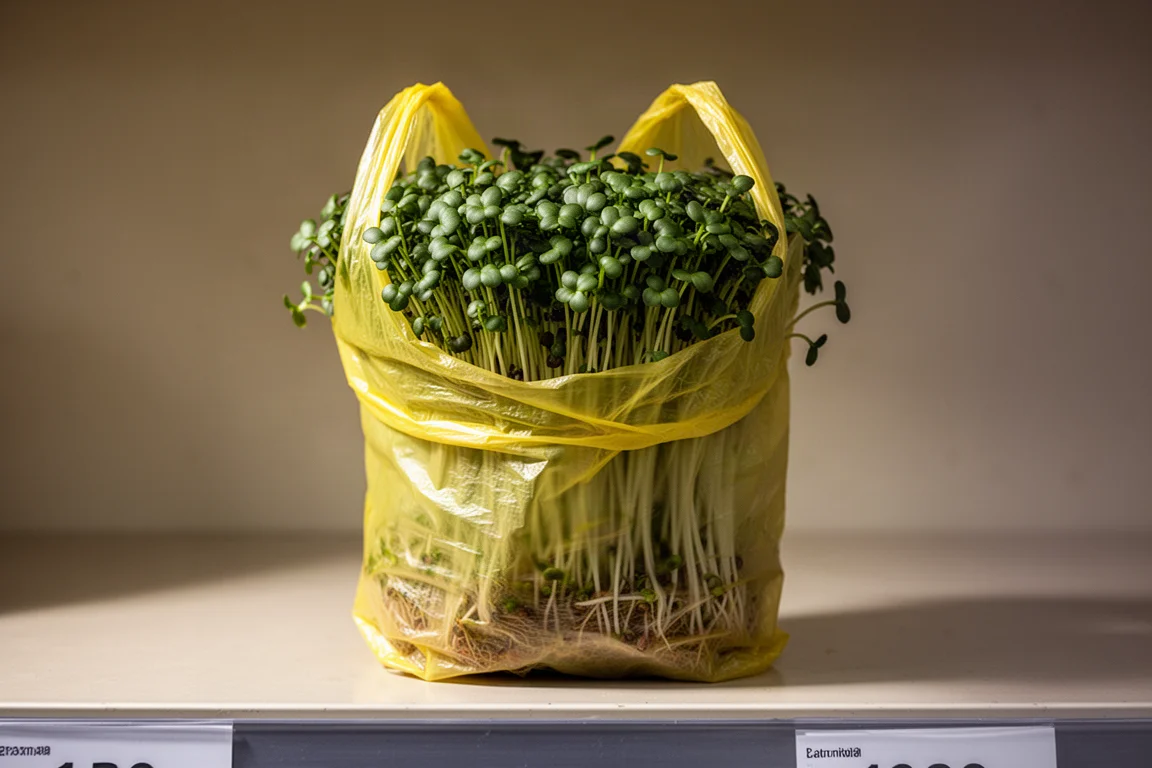
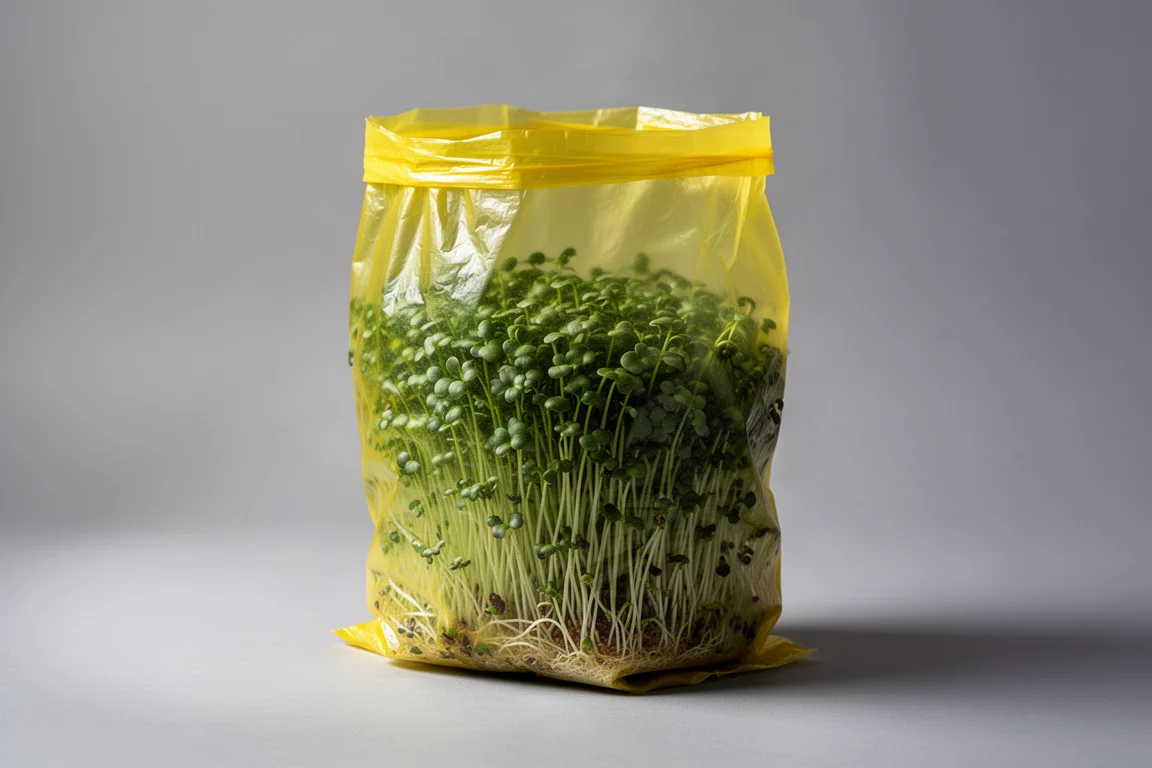
For microgreens, the yellow produce bag from Keep It Fresh stands out as the strongest option found after years of use. The shelf-life benefit is the headline: microgreens in this bag last far longer than in a clamshell, and the bag itself is considered a step above the clear produce bags as well.
The strong review history on this bag supports the reputation, but the practical takeaway is simple: if shelf life is your bottleneck, moving microgreens out of clamshells and into these bags is the single most effective packaging change you can make.
Labeling Tips That Make Your Products Look Professional
Labels are where inexpensive packaging starts to look like a real brand. For a budget start, 4x2 inch printable sticker sheets cost roughly $20 to $30 for a hundred sheets, and with a home printer you can label everything yourself. Horizontal layouts can accommodate a barcode, which matters because most grocery stores want a UPC code to enter into their system. Circular stickers work well for specialty packaging like leaf cups.
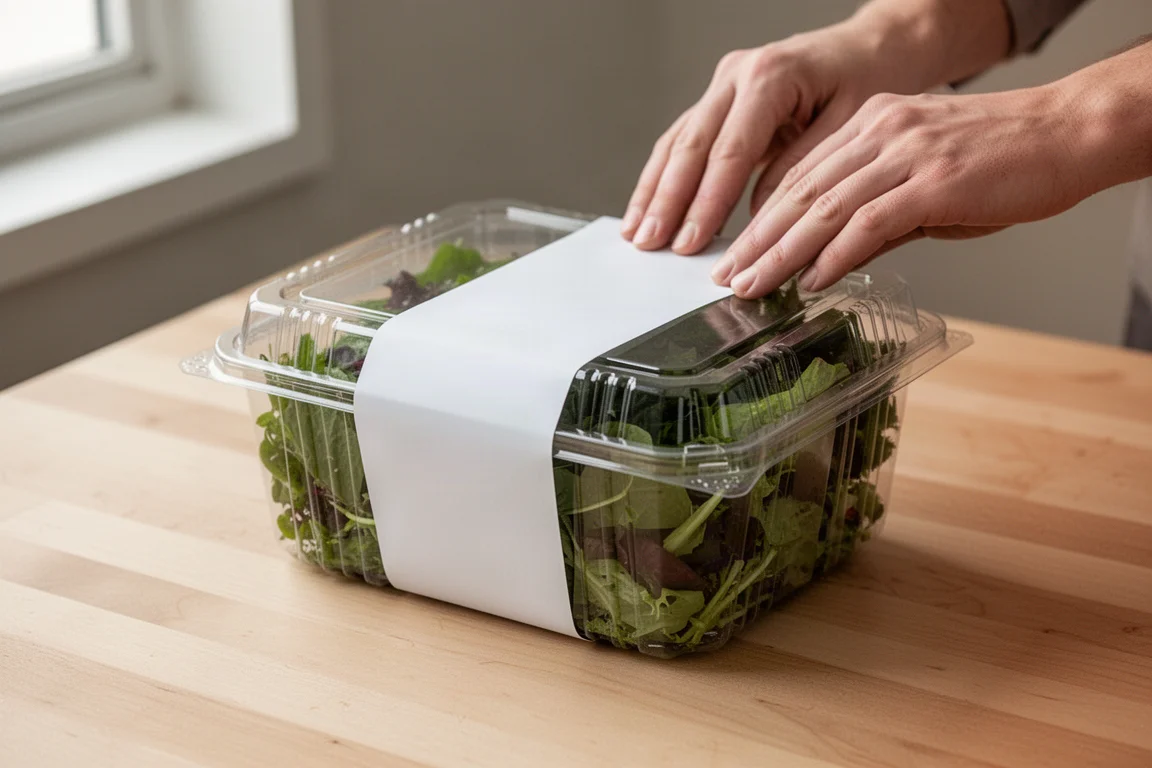
For the 5x5 clamshell, a 3x5 inch custom label fits perfectly when applied upside down along the bottom ridge and folded up over the top. This displays the barcode on the front while sealing the clamshell shut, a genuinely elegant touch. For the 8x8 and jumbo clamshells, 5x5 inch labels provide room for everything a proper label needs: product name, contents, key features, refrigeration instructions if perishable, weight, a barcode, and ideally your logo. On smaller labels, fitting all of that without shrinking the text is difficult.
Buying Advice
Match the container to the product and the buyer. Use 5x5 clamshells for 2 oz to 3 oz portions sold to restaurants and grocery stores, the recycled 8x8 clamshell for mixed products where environmental credentials help, clear bags for lettuce heads, and yellow bags for microgreens where shelf life matters most. Pair everything with a label sized generously enough to carry a barcode, weight, and storage instructions.
Conclusion
A modest investment in the right clamshell sizes, quality produce bags, and well-designed labels can transform how a small farm is perceived by grocery stores, restaurants, and market shoppers. Start with the container that matches your portion sizes, prioritize shelf life where it counts, and never skip the label.
Further reading
Related Reviews
Backpacking Gear
Building a 10 lb Base Weight: An Ultralight Backpacking Gear List
A practical walkthrough of the ultralight pieces behind a 10 lb base weight, from a 765 g pack and a roomy one-person tent to a full camp chair and a dependable water filter.
Road Bikes
10 New Road Bikes Worth Watching: Aero, Titanium, Steel and Endurance Standouts
A practical roundup of 10 new road bikes, from aero flagships chasing single-watt gains to titanium, steel and endurance platforms built for real roads.
Bikepacking Gear
11 Bikepacking Essentials for Long-Distance Cycling
Eleven bikepacking essentials for long-distance cycling, from a steel gravel frame and a two-person tent to helmet lights, packable gloves, and a frame bag that puts weight in the right place.