Base Layers
Mesh vs Wool Base Layers: Brynje, WoolX, and Arc'teryx Compared
Three base layers, two very different approaches to staying warm and dry. A close look at warmth, water retention, drying time, weight, and price.
Introduction
Layering for cold weather has quietly split into two schools. One leans on wool and brushed synthetics, the familiar solid fabrics that fill most packs. The other returns to an open mesh knit, an approach that has been part of outdoor clothing since the 1953 first ascent of Everest and is now easier to find again.
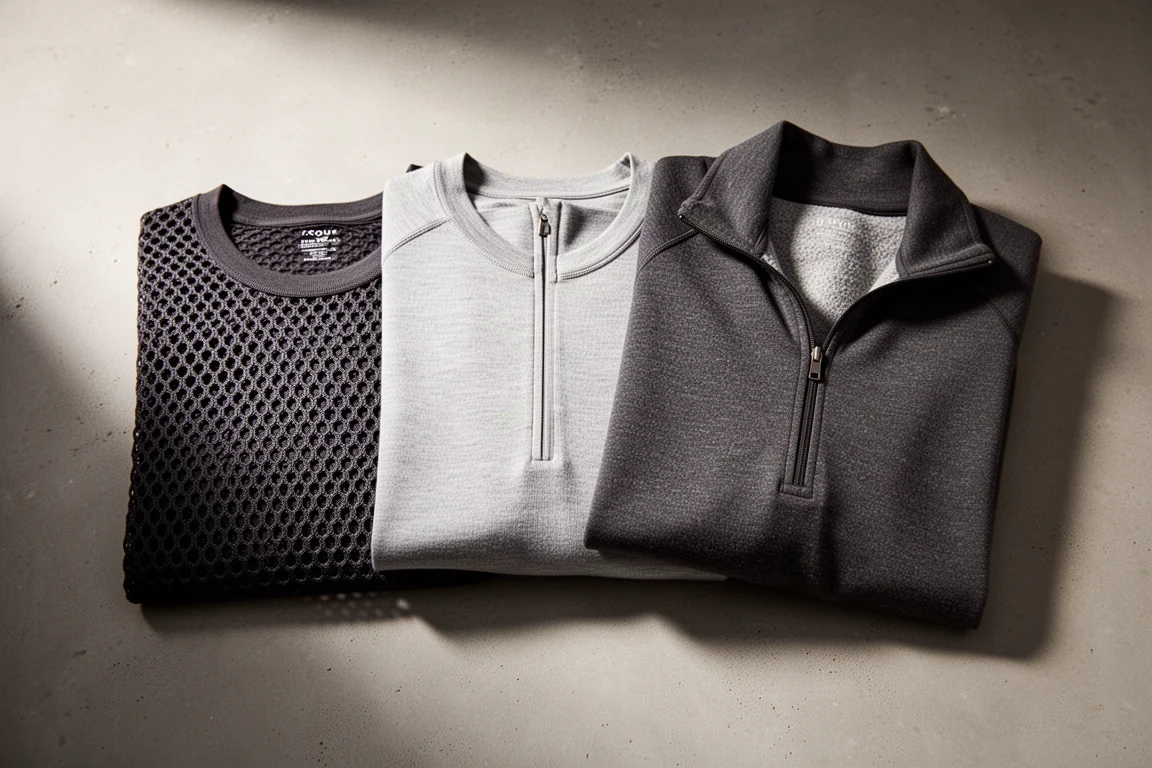
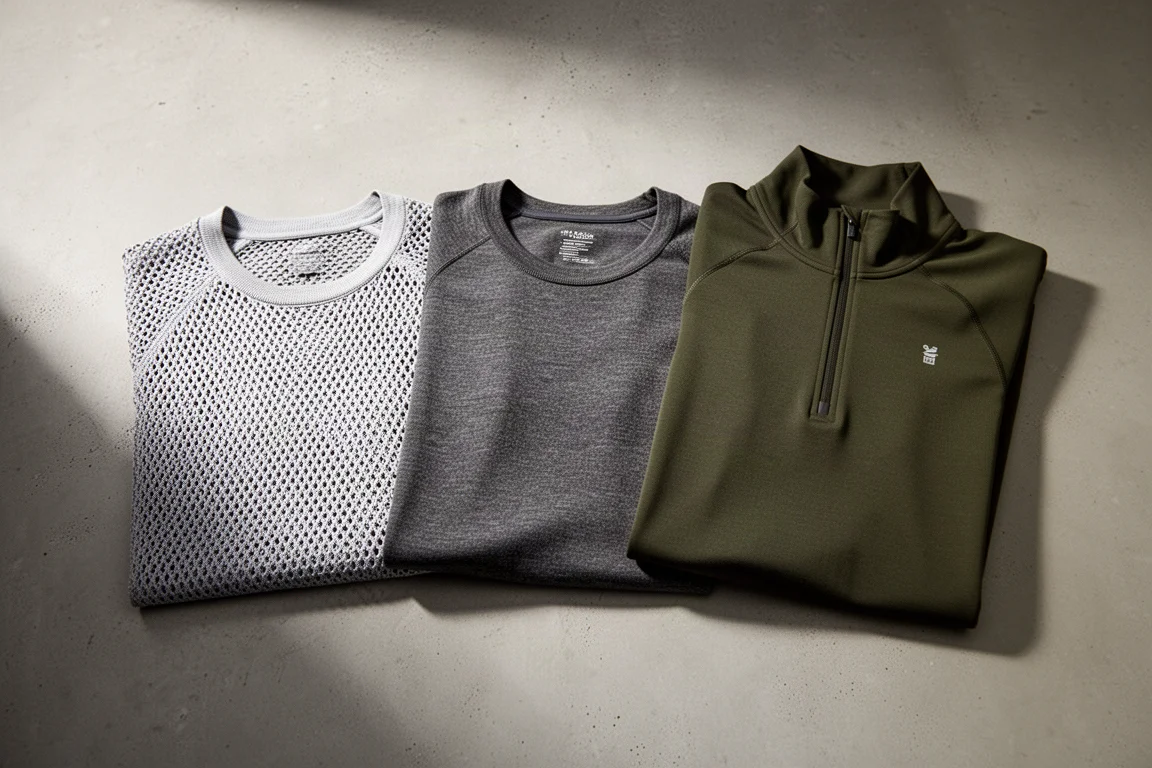
This comparison covers three long-sleeve base layers that sit on both sides of that divide: a Norwegian mesh top from Brynje, a lightweight merino layer from WoolX, and a heavier zip-neck piece from Arc’teryx. Each was worn on the same short cold-weather walk, then weighed dry and wet and timed while drying, so the notes below reflect observed behavior rather than catalog claims.
How These Base Layers Compare
Four things shaped the comparison: warmth on the move, how much water each layer holds, how quickly it dries, and how much it weighs. Warmth is what most people notice first, but moisture handling is what decides whether a layer still feels tolerable after an hour of effort in freezing conditions.
Each layer was weighed dry, then run through a short wash cycle with no detergent so all three picked up water on equal terms. They were then hung in the same spot and timed until dry. Wet comfort was judged separately, because a soaked layer that clings and chills is a different problem from one that simply takes longer to dry.
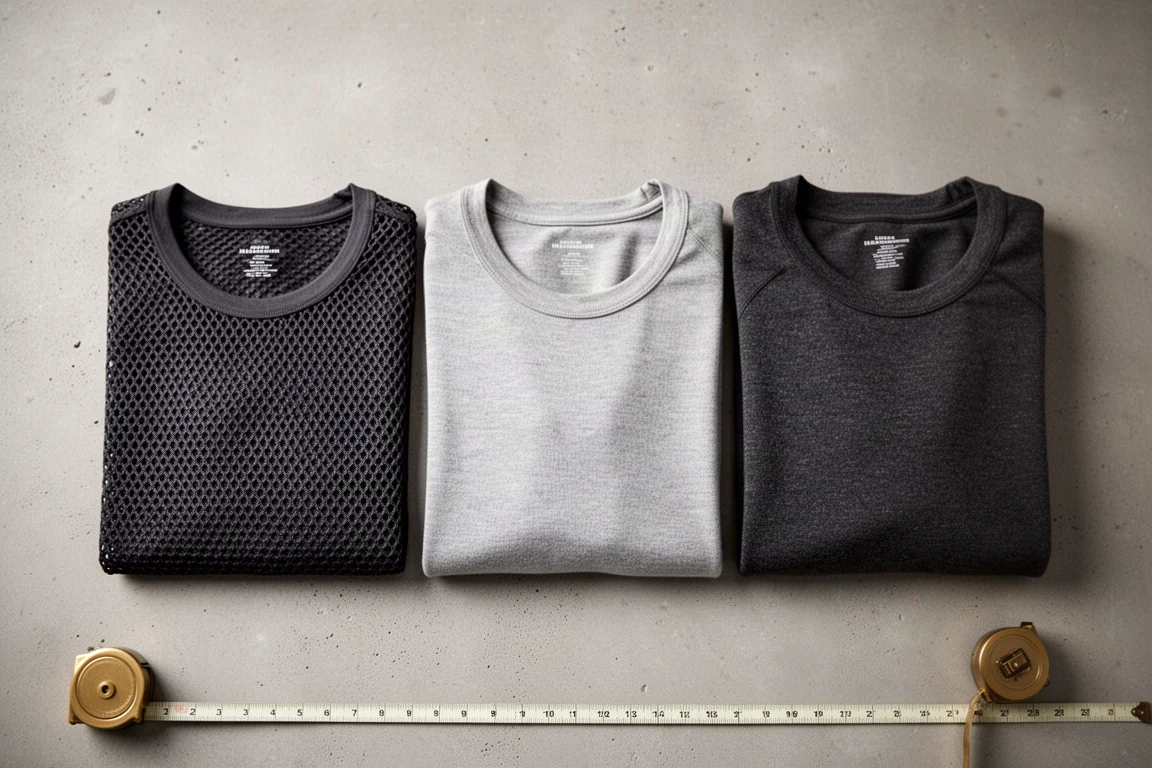
Fabric structure belongs in that picture too. A 1990 study published in the European Journal of Applied Physiology and Occupational Physiology, titled “Thermoregulatory responses to intermittent exercise are influenced by knit structure of underwear”, points to knit structure mattering as much as the fiber itself, particularly with a fishnet construction. That is the idea the mesh layer is built around.
Brynje Mesh Base Layer: Ventilation First
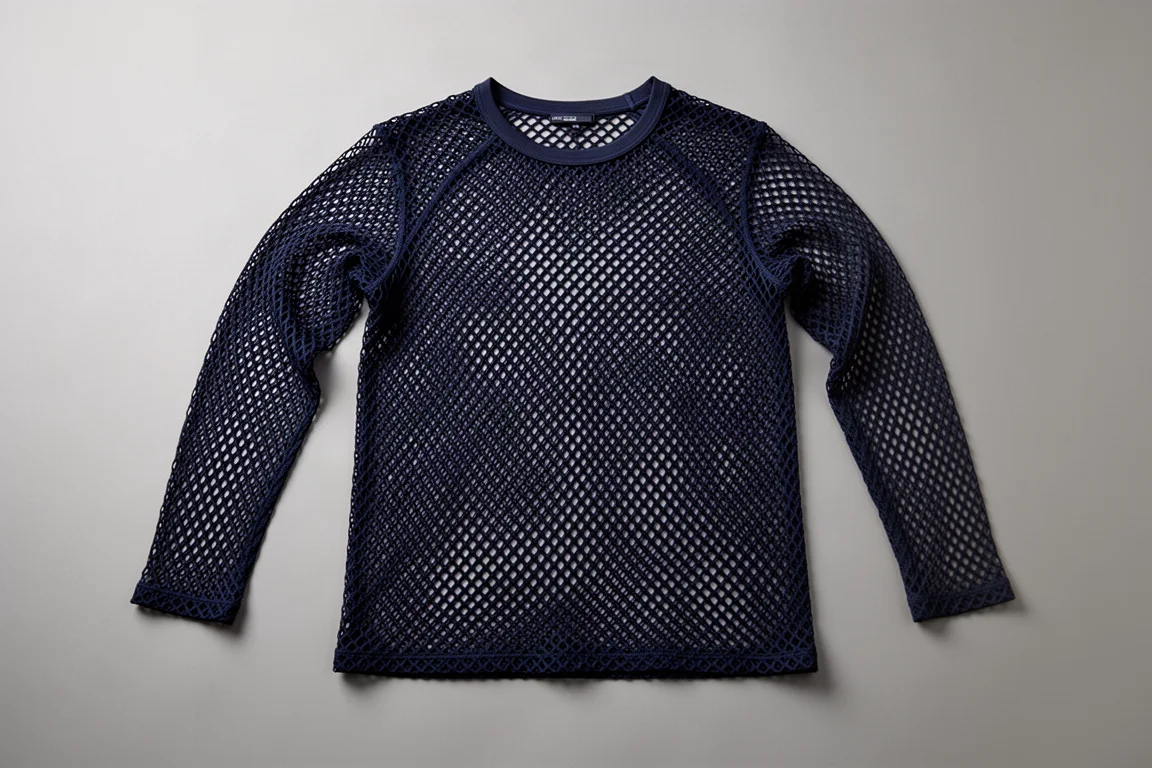
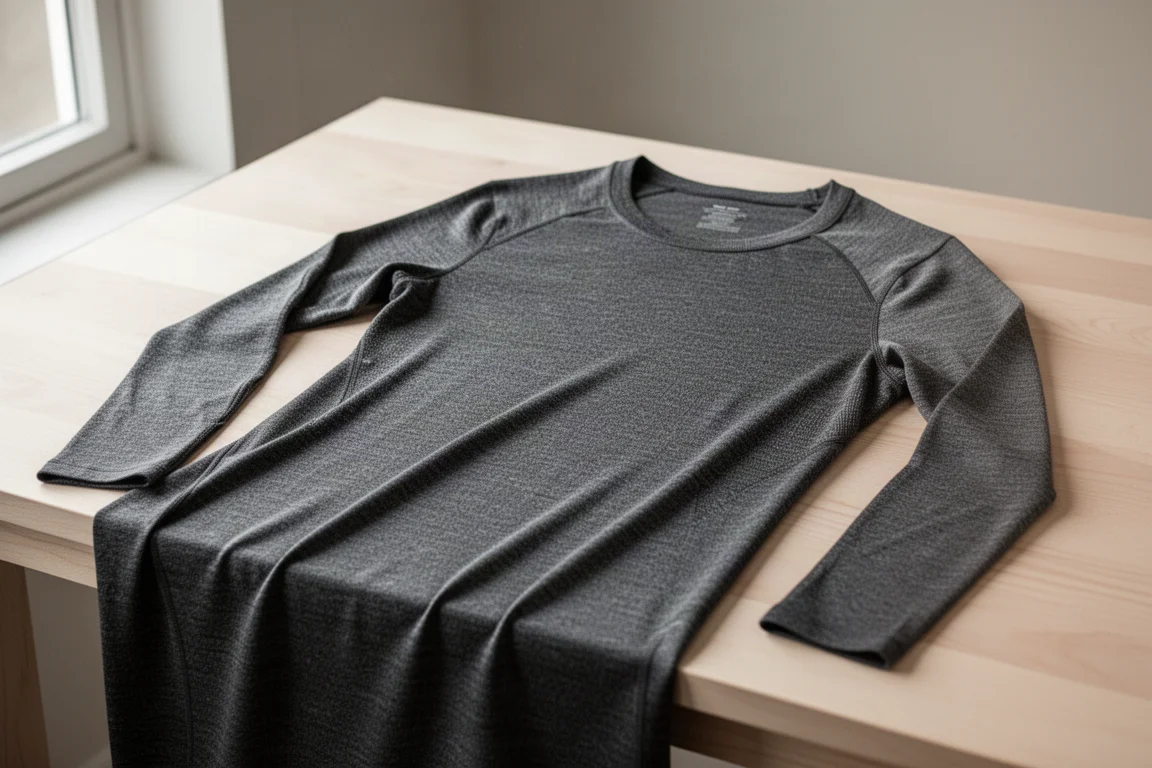
Brynje is a Norwegian brand, and its base layer is a mesh knit rather than a solid fabric. The version in this comparison is the women’s cut with a modesty panel, a solid section across the chest. In practice that panel is the least useful part of the design: it dries more slowly than the open mesh around it, and it mostly covers a sports bra that would not have been visible anyway.
The knit is polypropylene, described as having one of the lowest surface tensions among synthetic functional fibers, which is why it is designed not to hold onto moisture. It is also described as tolerant of high heat, so it can be washed and dried on high settings. For long-distance hikers who rarely have time to air-dry anything, that is a genuine convenience. Wool fans are not left out either, since Brynje offers the same concept in a wool version.
Weight is modest. The mesh top is only about 2 ounces heavier than the lightweight merino layer, and the torso is cut long enough to tuck in. Brynje states that the polypropylene has a very high strength-to-weight ratio and should stand up to years of hard use, though that remains a manufacturer claim rather than a measured result.
WoolX Base Layer: Lightweight Wool
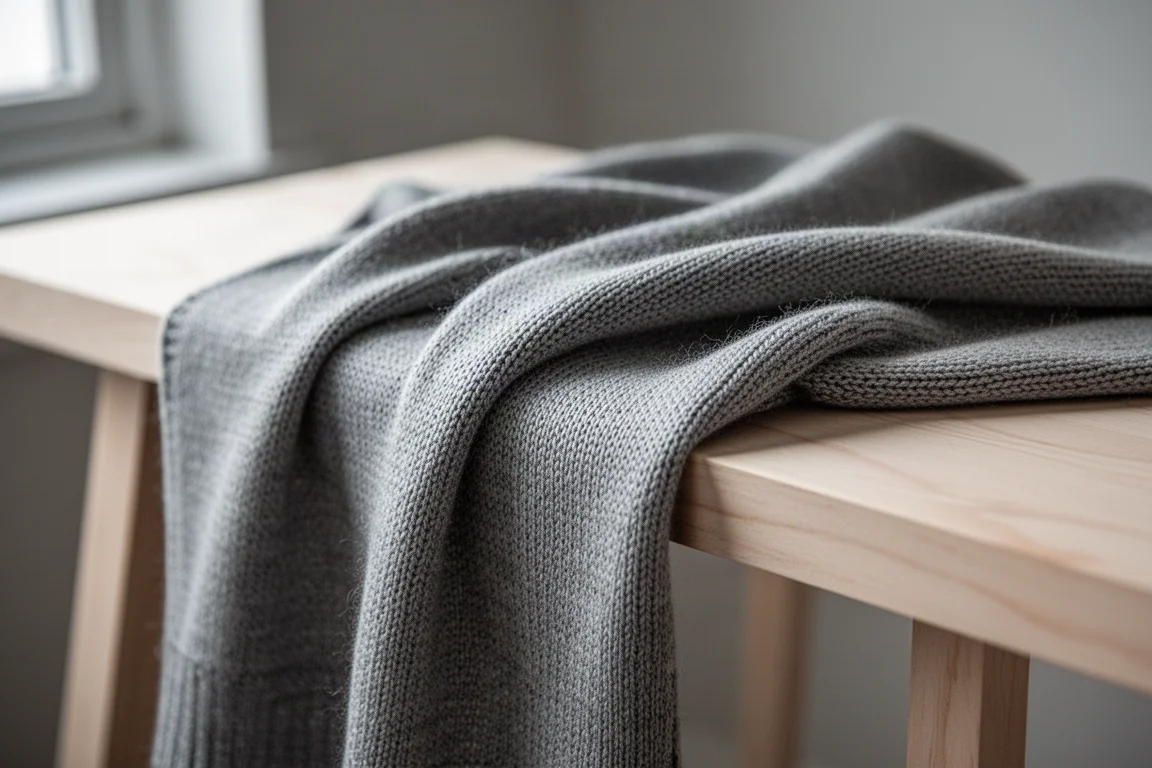
The WoolX layer is a lightweight merino top that has been in rotation for several years, originally bought for $55 and mainly used for sleeping on long trails. It is roughly half the weight of the Arc’teryx piece, which makes it easy to justify in a pack, but that same lightness limits how much warmth it delivers.
Wool’s real advantage is that it keeps insulating when it gets damp, so a lightweight merino layer stays useful in conditions where a basic synthetic shirt would feel miserable. The catch is weight class: on a genuinely cold day, a heavier merino knit would have been the more sensible choice than this thin one.
WoolX was no longer listed on Amazon at the time of writing, and the brand’s own site showed comparable layers at around $130, well above the $55 paid years ago.
Arc’teryx Zip Base Layer: The Warmest Option
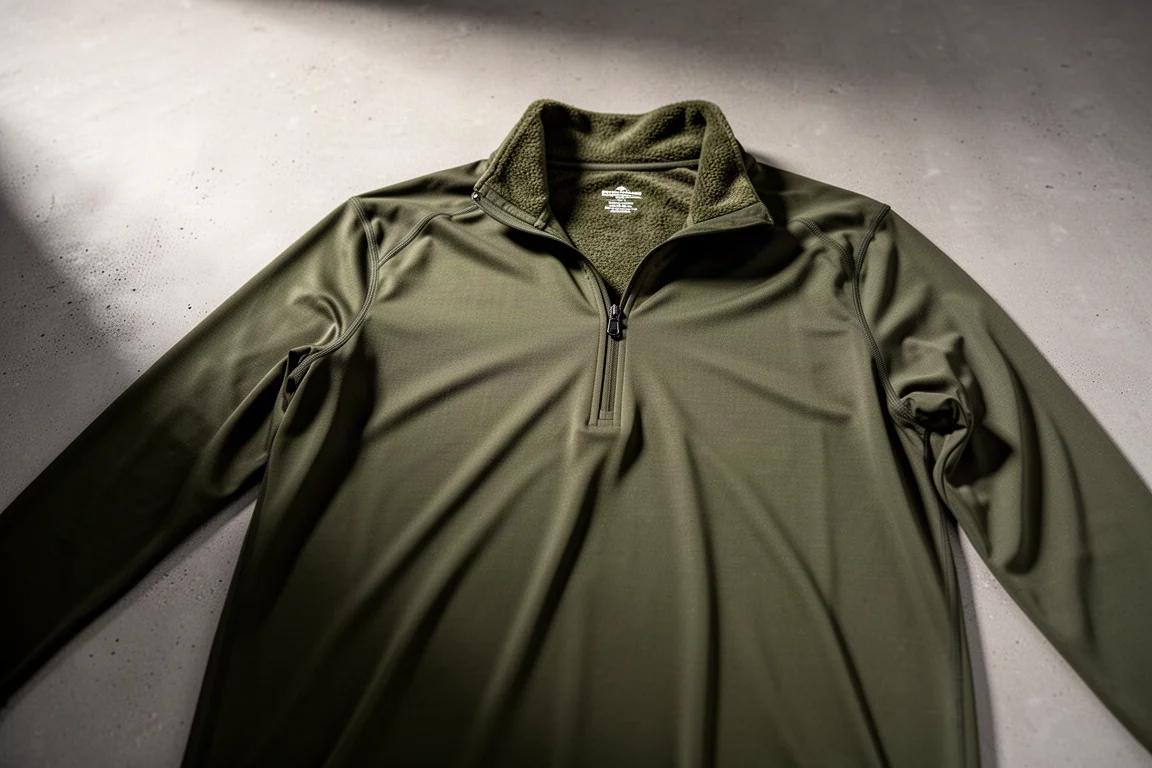
The Arc’teryx zip base layer is the heaviest of the three and feels the thickest, with a soft brushed interior that is noticeably fuzzier against the skin than the other two. It was also the warmest on the short cold walk, which matched expectations going in.
That warmth comes with a trade-off in bulk and price. Comparable Arc’teryx base layers currently list at around $140, and this one cost over $100 when it was bought several years ago. For a layer that sees most of its use inside a sleeping bag or under a shell on the coldest trips, that is a meaningful outlay.
Moisture, Drying, and Wet Comfort
Water retention separated the three layers clearly. After an identical wash cycle, the Arc’teryx top held 4.5 ounces of water, the WoolX top held 3.75 ounces, and the mesh top held just 2.35 ounces. The mesh layer also dried fastest: the open knit was dry in about two hours, with the modesty panel, cuffs, and other solid sections taking around two and a half hours. The WoolX layer was dry at the three-hour mark, and the Arc’teryx layer took four hours.
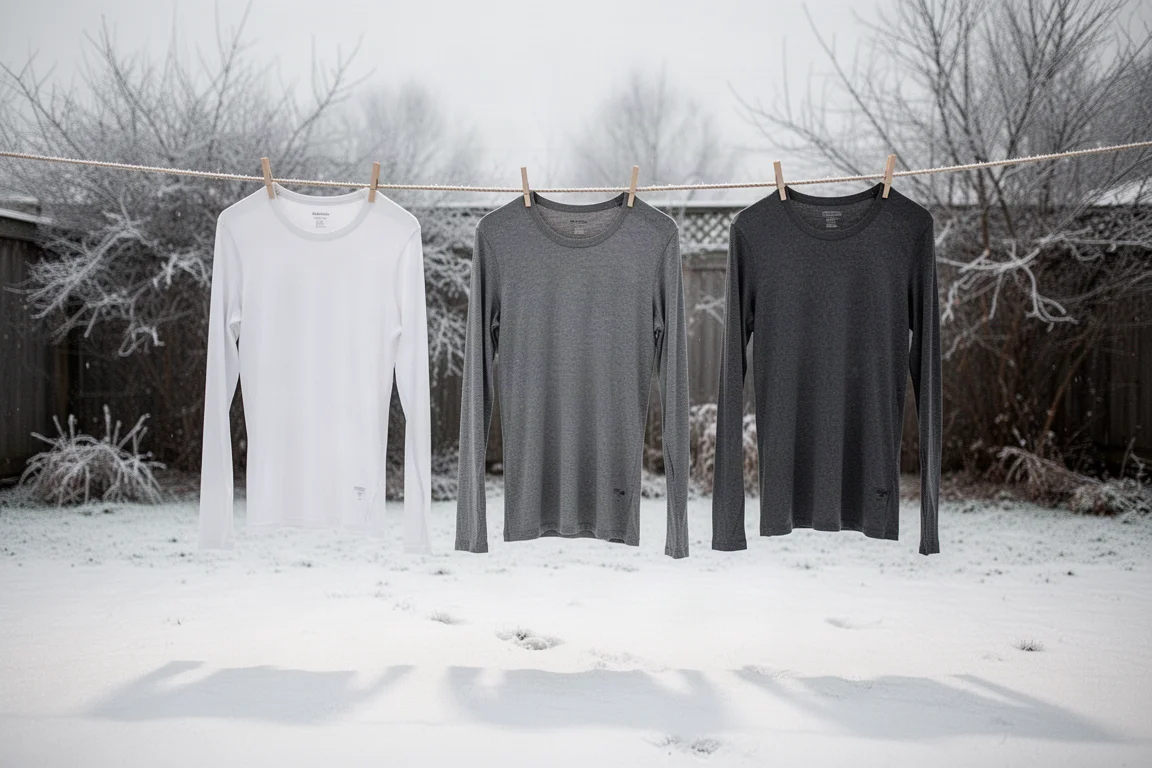
Wearing all three while soaked produced a different ranking from warmth alone. The mesh top was the most comfortable when wet, followed by the Arc’teryx layer, with the WoolX top last. That result lines up with the design intent behind the mesh knit: more ventilation means less sweat to begin with, so the layer may never reach saturation in the first place.
Durability and Long-Term Use
The two older layers have both held up well over several years of occasional use as sleep layers and on cold trips. The WoolX top has developed a small hole, but it has not affected how the garment works. The mesh top is newer, so its long-term durability rests on Brynje’s claim about the strength-to-weight ratio of polypropylene rather than on field experience.
It is also worth noting how base layers are actually used on long trails. Most long-distance hikers treat them as sleep clothing rather than hiking clothing, and only wear them on the move at the cold ends of a season, early in spring or late in autumn. That pattern favors light, fast-drying layers for most of the year and reserves the heavier, warmer option for genuinely cold conditions.
Overall Buying Advice
The right choice depends on which problem matters most, because these three layers solve different ones.
If sweat and drying time are the priority, the mesh layer is the strongest of the three. It held the least water, dried fastest, and was the most comfortable when wet, and its heat tolerance makes laundry simpler on a long trip. The trade-off is that it is not the warmest option, and the modesty panel adds drying time without adding much function.
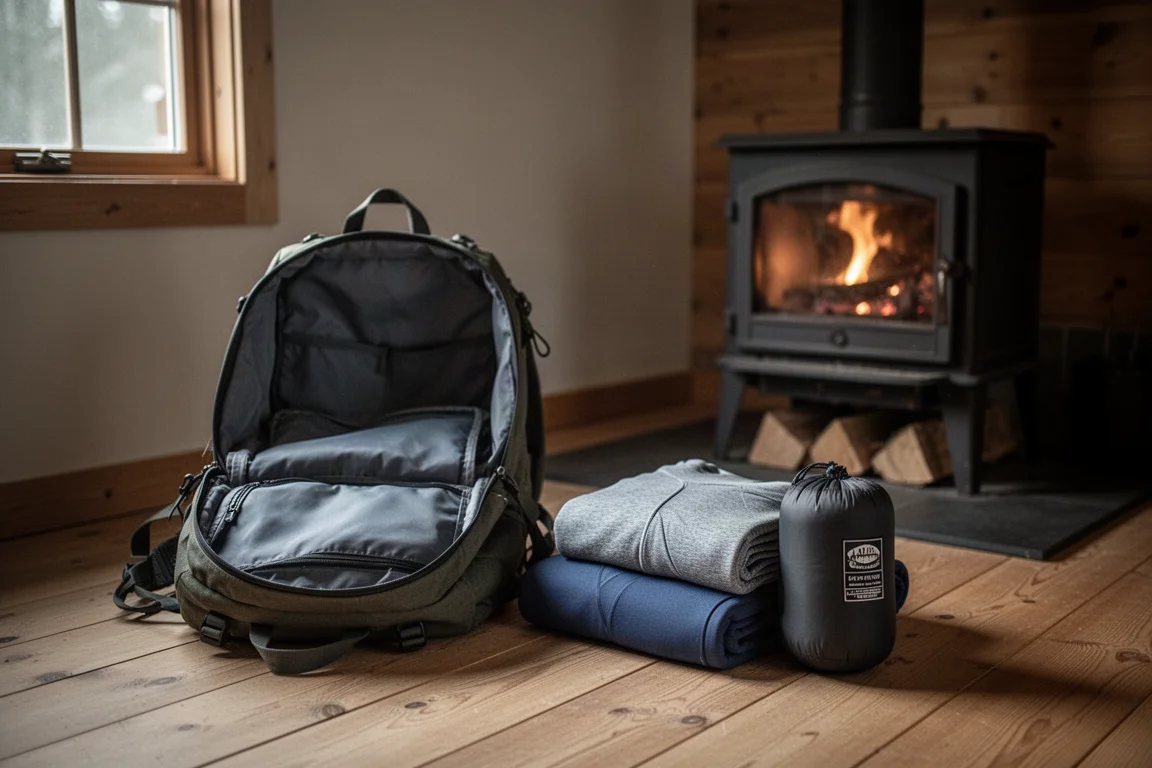
If pack weight matters most and conditions are moderate, the lightweight merino layer covers a lot of ground, provided you accept that a thin wool knit has limits on genuinely cold days. If warmth is the priority and the layer will mostly be worn in freezing conditions or inside a sleeping bag, the heavier zip-neck layer is the one that delivers, at the highest price and the longest drying time of the three.
Conclusion
None of these three layers is universally best. The mesh knit wins on moisture management, the lightweight merino layer wins on weight, and the heavier zip-neck layer wins on warmth. Matching a base layer to the conditions you actually head out into, rather than the coldest day you can imagine, is what keeps it useful trip after trip.
Further reading
Related Reviews
Base Layers
Mesh vs Wool Base Layers: Comparing Brynje, WoolX, and Arc'teryx for Cold Weather
Three cold-weather base layers compared on warmth, water retention, wet comfort, and drying time, from an open Norwegian mesh knit to lightweight merino and a heavier synthetic zip neck.

Backpacking Gear
Building a 10 lb Base Weight: An Ultralight Backpacking Gear List
A practical walkthrough of the ultralight pieces behind a 10 lb base weight, from a 765 g pack and a roomy one-person tent to a full camp chair and a dependable water filter.

Road Bikes
10 New Road Bikes Worth Watching: Aero, Titanium, Steel and Endurance Standouts
A practical roundup of 10 new road bikes, from aero flagships chasing single-watt gains to titanium, steel and endurance platforms built for real roads.