Base Layers
Mesh vs Wool Base Layers: Comparing Brynje, WoolX, and Arc'teryx for Cold Weather
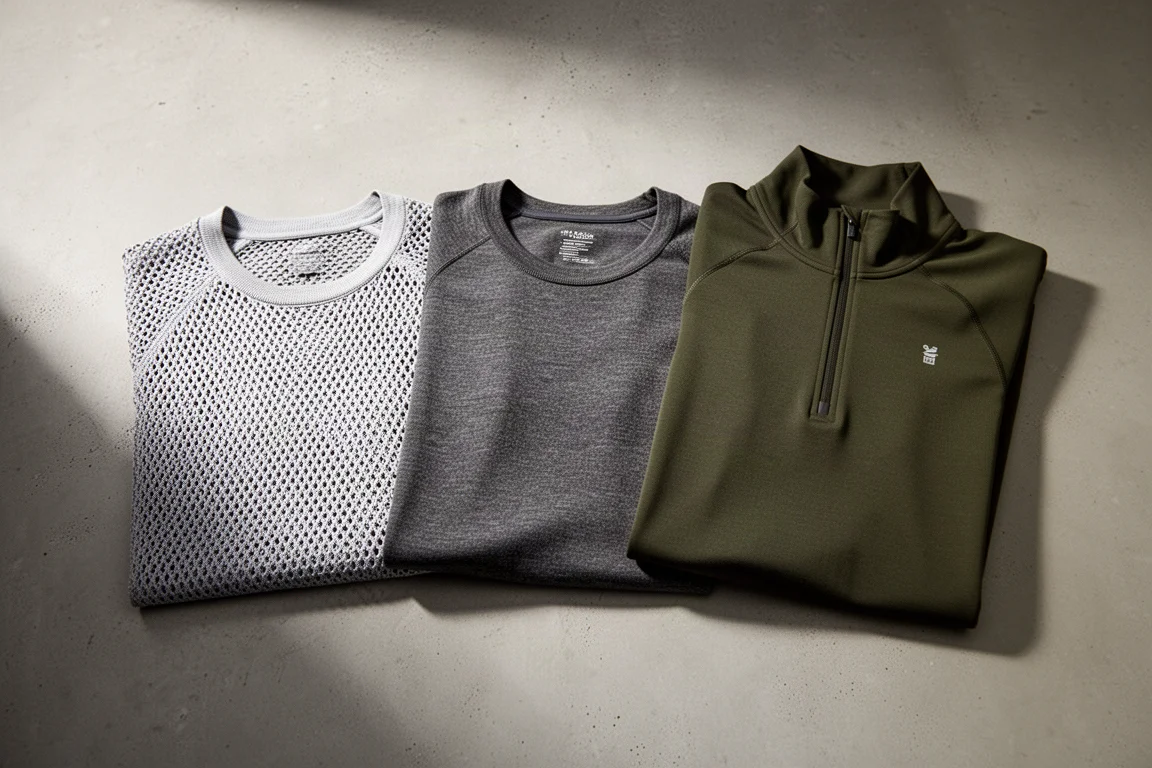
Three cold-weather base layers compared on warmth, water retention, wet comfort, and drying time, from an open Norwegian mesh knit to lightweight merino and a heavier synthetic zip neck.
Introduction
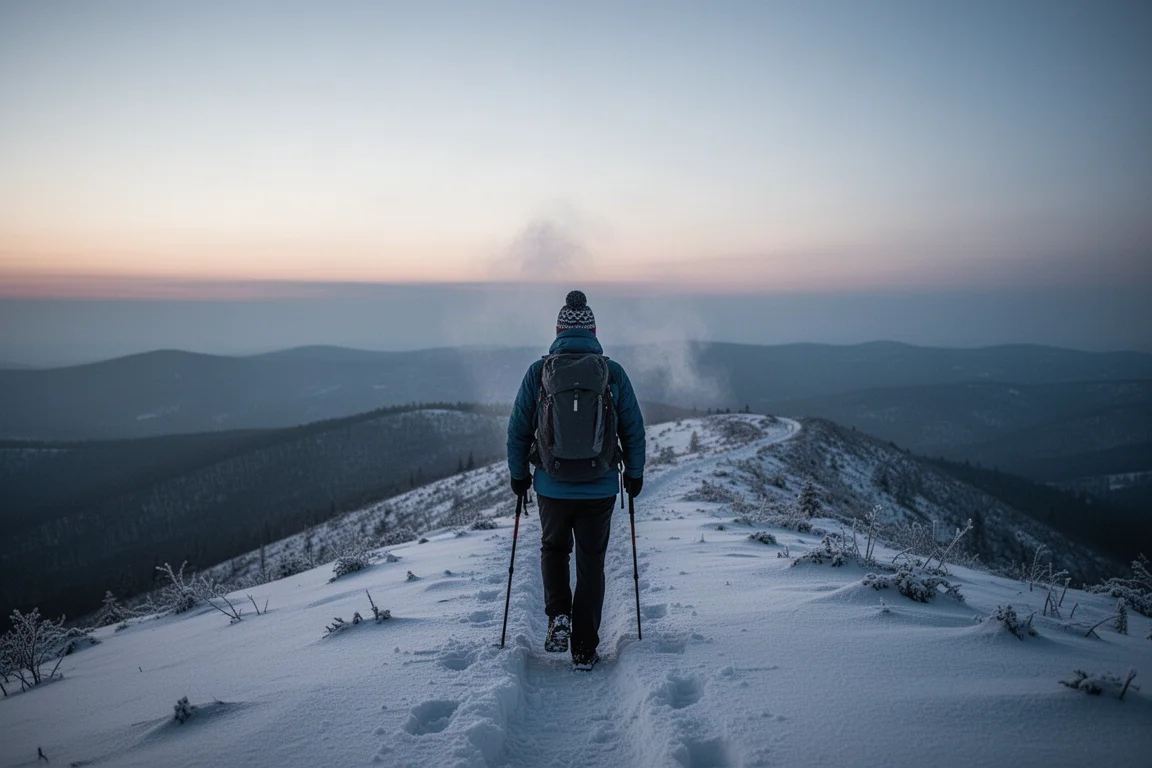
Cold-weather layering usually comes down to one question: which fabric keeps you warm without turning clammy the moment you start moving. Three base layers take very different routes to that goal, and comparing them side by side makes the trade-offs much easier to see.
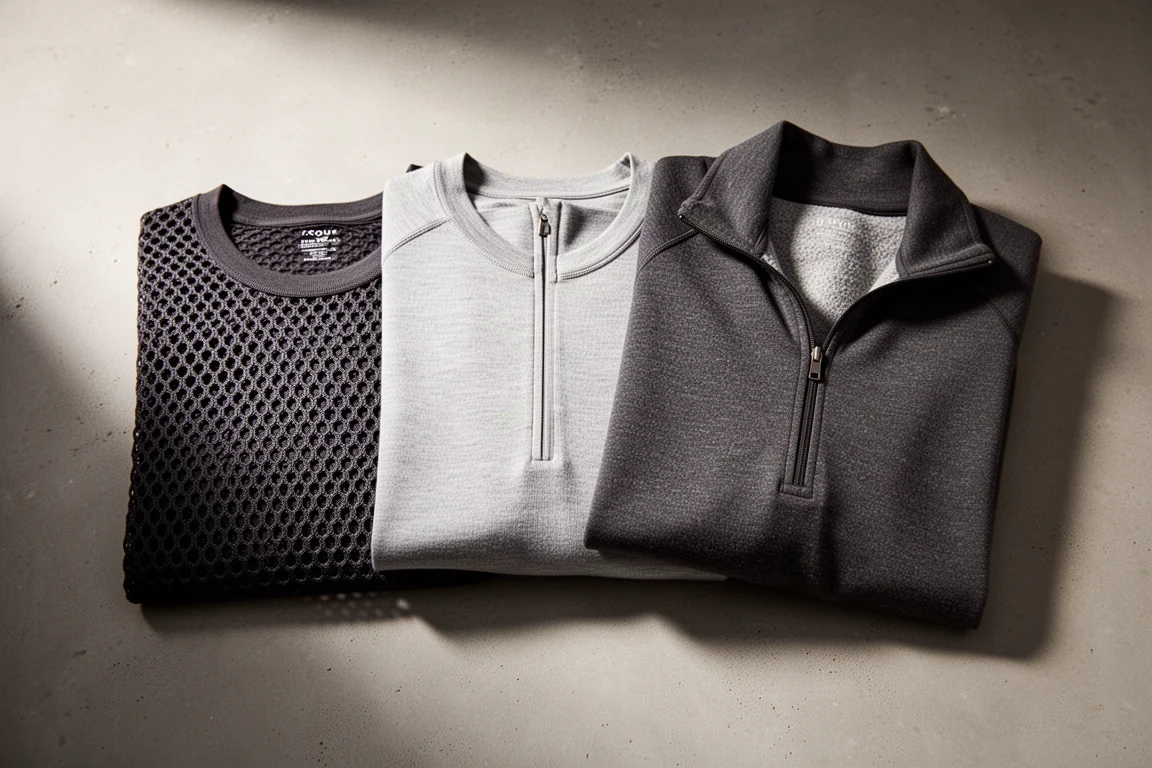
The first is a mesh knit from Norway, built around open holes rather than solid fabric. The second is a lightweight merino wool top. The third is a heavier synthetic zip neck with a brushed interior. All three were worn on short walks in freezing conditions, weighed before and after soaking, and timed while drying.
Mesh as a next-to-skin layer is not a new idea in the outdoors. It has appeared in mountaineering for decades, including on the first ascent of Mount Everest in 1953, and it has only recently started drawing more attention from backpackers in the United States.
What These Three Base Layers Were Compared
The comparison focused on the things that actually change how a base layer performs on a cold trip.
Warmth while walking came first, since that is the most immediate impression. Weight came next, because a lighter layer is easier to carry and easier to layer over. Moisture behaviour mattered most: how much water each garment held when soaked, how comfortable it felt while wet, and how quickly it dried afterwards. Price and long-term durability rounded out the picture.
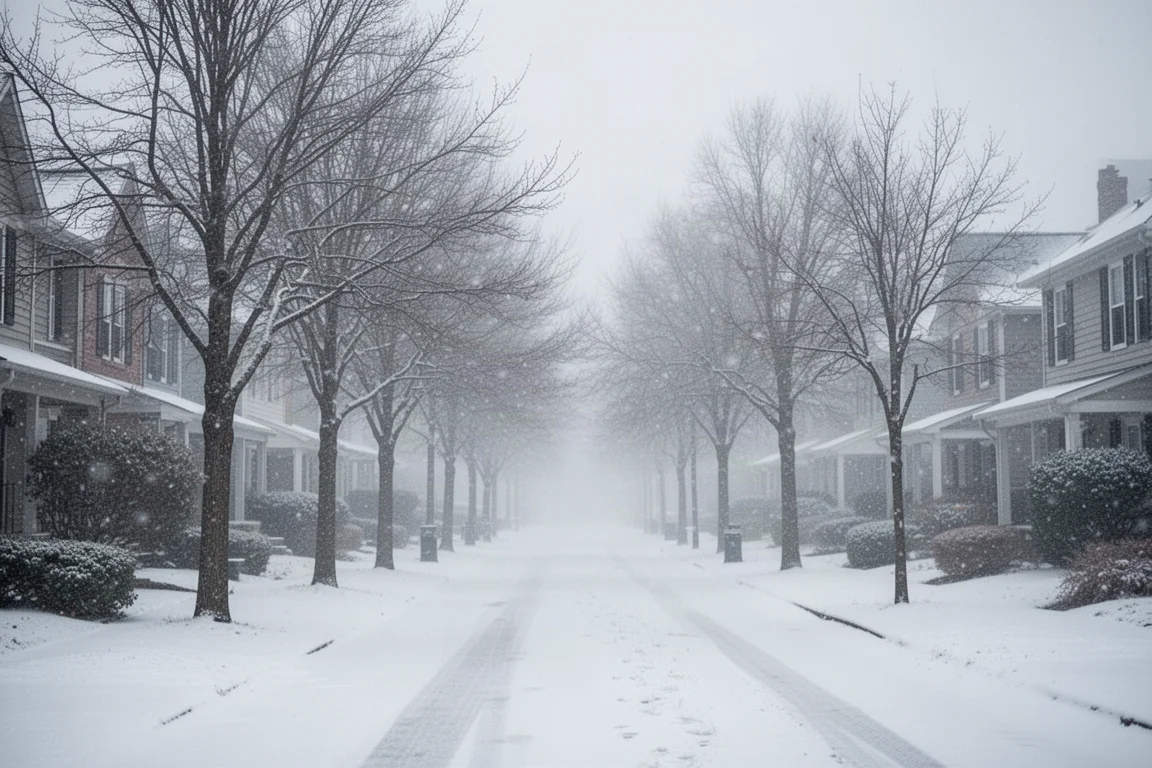
Each layer was tested in the same way so the differences were not just a matter of feel. The wet test used a short wash cycle with no detergent, so all three garments were soaked and spun out as evenly as possible before being weighed again.
Brynje Mesh Base Layer: Ventilation First
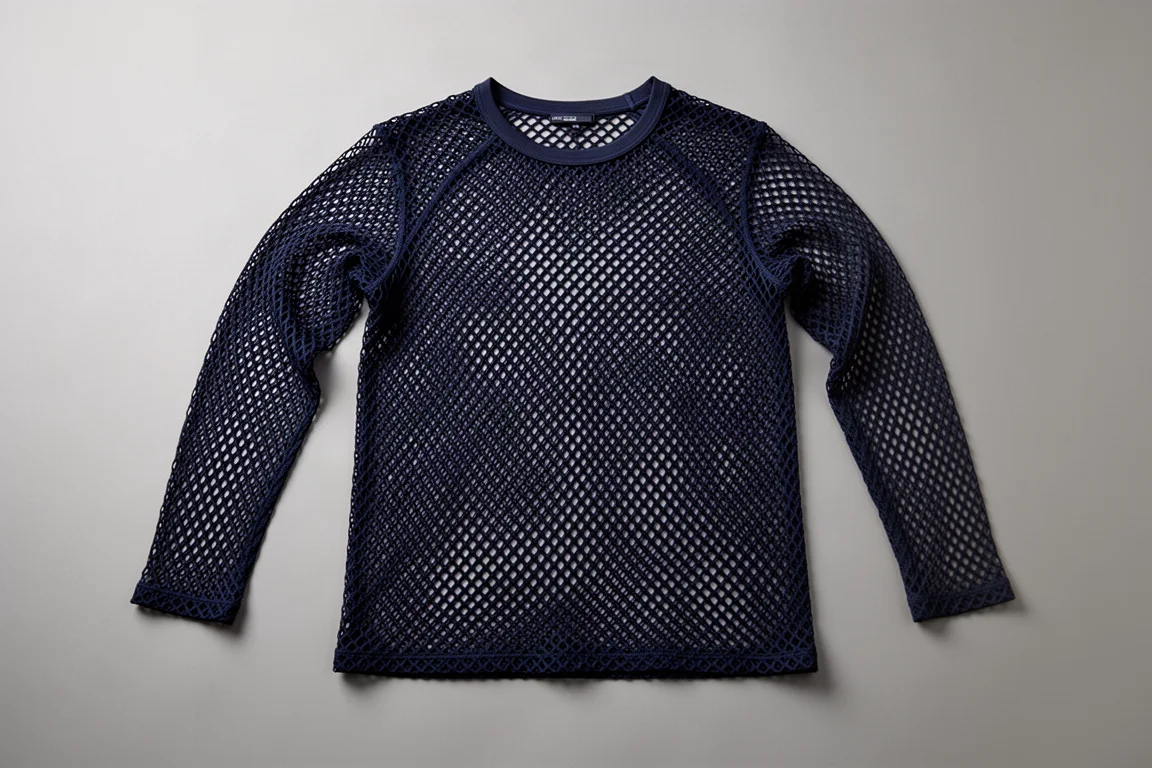
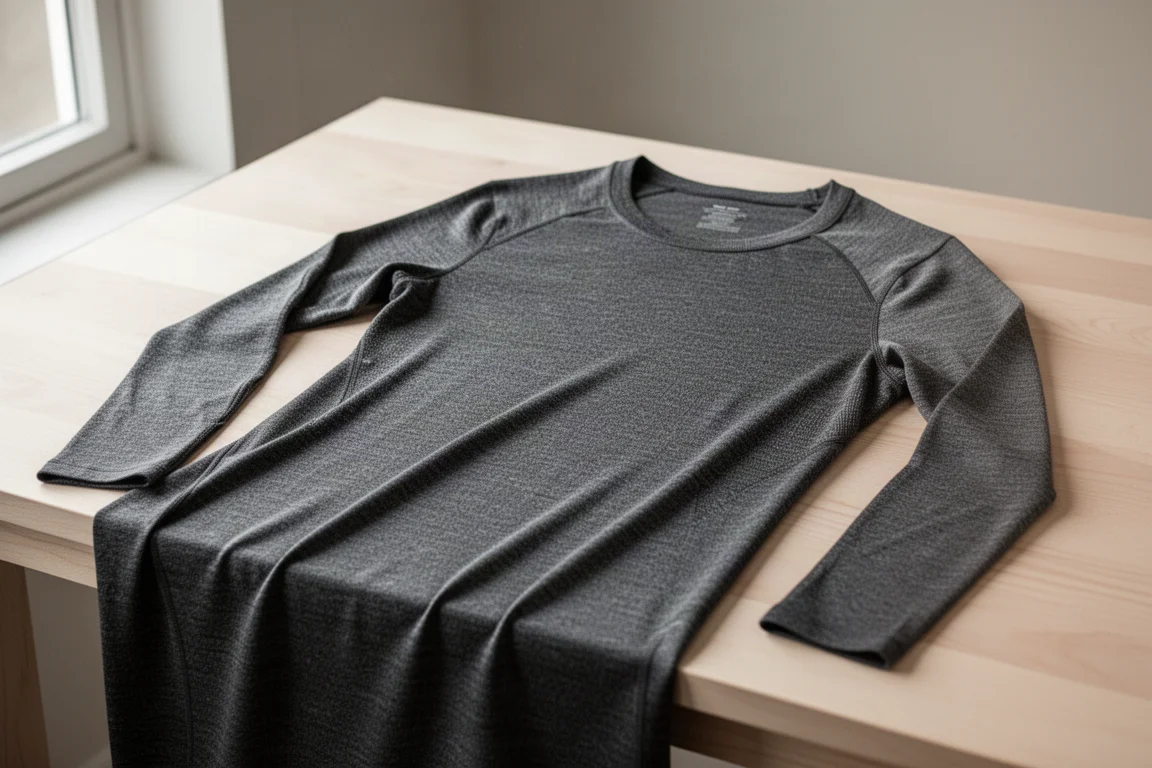
The most striking thing about the Brynje top is the structure itself. It is not a solid knit at all, but an open mesh with visible holes across the whole garment, which is the opposite of what most people picture when they think about staying warm in freezing weather. The women’s version adds a modesty panel, though anyone layering over a sports bra may find they do not need it.
The fabric is a polypropylene knit. The brand claims a very low surface tension, which is meant to stop the material from retaining moisture and help it stay dry against the skin. It is also described as resistant to high heat, which matters more than it sounds: wool generally has to be kept out of a hot dryer, while a heat-tolerant synthetic can be washed and dried quickly. The same top is offered in a wool version for anyone who prefers that route.
Torso length was a pleasant surprise. The top runs long enough to tuck in, something many base layers get wrong. It weighed slightly more than the lightweight wool top, by roughly two ounces.
Water Retention, Wet Comfort, and Drying Time
This is where the three layers separated most clearly. After being soaked and spun, the mesh top held about 2.35 ounces of water, the lightweight wool top held about 3.75 ounces, and the heavier synthetic zip neck held about 4.5 ounces.
Wearing them while wet told a similar story. The mesh top was the most comfortable of the three when soaked, the heavier synthetic was next, and the lightweight wool was the least pleasant.
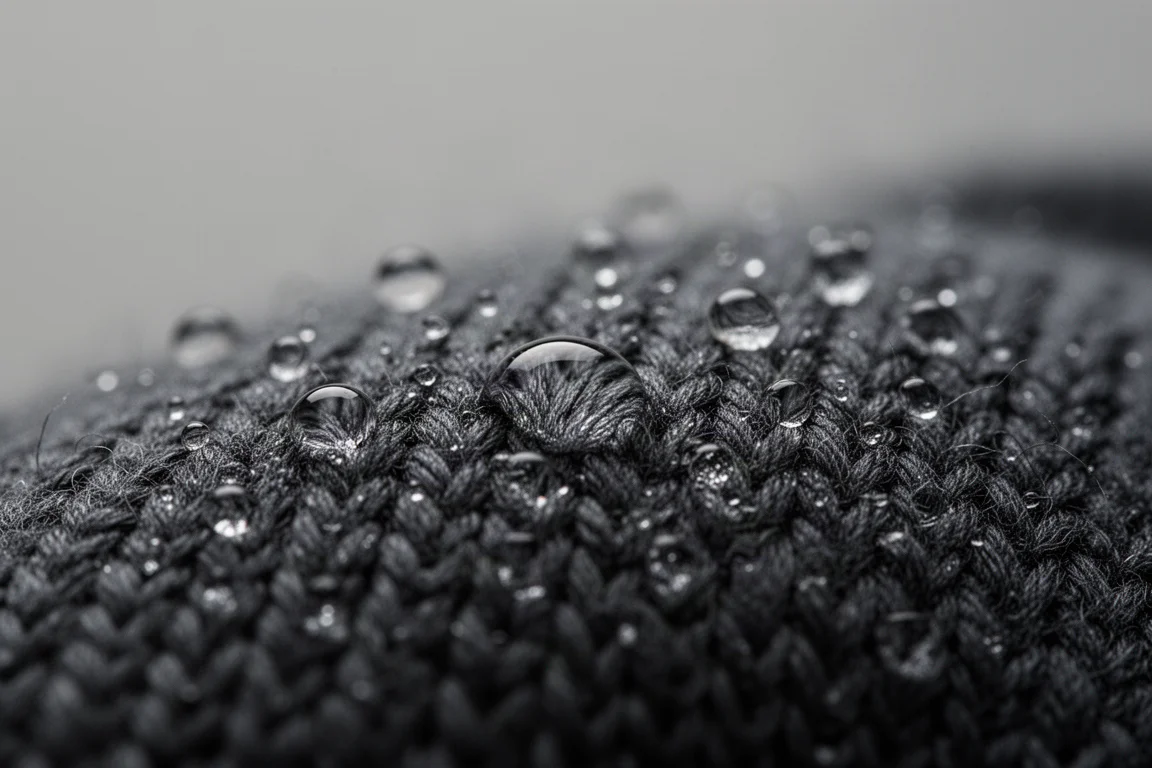
Drying times followed the same order. The mesh portion of the Brynje top was dry in roughly two hours, with the modesty panel and sleeve cuffs taking about two and a half hours. The wool top was dry at around the three hour mark, and the heavier synthetic needed about four hours.
There is a second layer to the mesh argument. Because the knit is so open, the idea is that the wearer sweats less in the first place, so the garment may never reach full saturation. Fabric structure itself also appears to matter: a 1990 study in the European Journal of Applied Physiology and Occupational Physiology examined how the knit structure of underwear influenced thermoregulatory responses to intermittent exercise, which suggests the pattern of a knit can be as important as the fibre it is made from.
WoolX Base Layer: Lightweight Wool
The WoolX top is a lightweight merino layer, roughly half the weight of the heavier synthetic option. On a cold walk it felt noticeably cooler than the thick zip neck, though the difference from the mesh top was small, and the mesh may even have felt slightly warmer at the start.
Wool’s real advantage is what happens when it gets damp. It keeps some insulating value even when wet, which is why it remains a common choice for sleeping layers on backpacking trips. The catch is weight: a lightweight wool layer like this one may simply not be warm enough on its own in serious cold, and a heavier wool weight would be needed.
Price has shifted over time. This top was bought several years ago for about $55, and the brand now lists comparable products at around $130 on its own website. It is no longer sold through the marketplace where it was originally purchased. After years of use, mostly as a sleeping layer, it has held up well apart from a small hole that has not affected how it works.
Arc’teryx Zip Base Layer: The Warmest of the Three
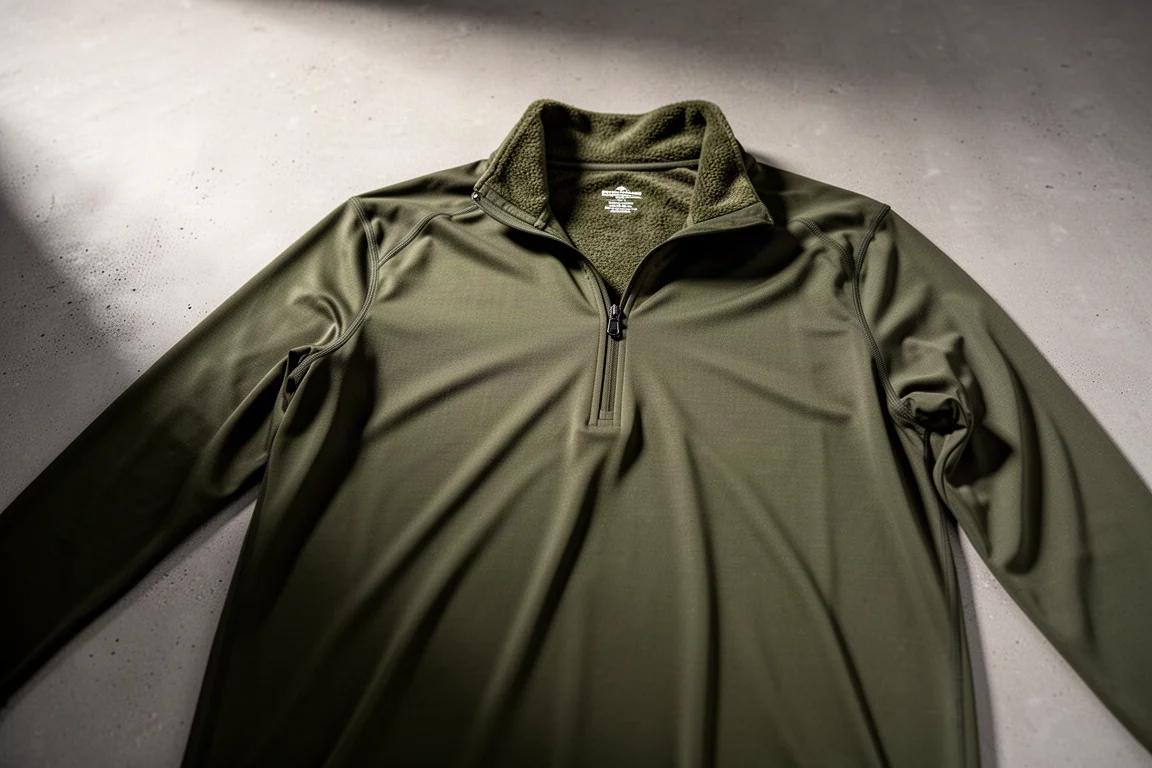
The Arc’teryx zip neck is the heavyweight of the group. It weighs more, feels thicker in the hand, and has a brushed, fuzzy interior that sits softly against the skin. On a short walk in freezing conditions it was clearly the warmest of the three, and that impression held from the moment it was put on.
Comparable current models from the brand run around $140, and this style was already over $100 several years ago.
The trade-off shows up once moisture enters the picture. It held the most water of the three and took the longest to dry, at roughly four hours. Even so, it was more comfortable when soaked than the lightweight wool top, which puts it in the middle of the group on wet-weather comfort.
Durability and Long-Term Value
Both the wool top and the heavier synthetic zip neck have been in use for years, mostly for sleeping on backpacking trips with occasional use as a cold-weather base layer, and both have held up well. The only issue has been a small hole in the wool top that has not affected function.
The mesh top is too new to judge from personal experience, but the polypropylene knit is described as extremely durable with a high strength-to-weight ratio, and the brand claims it should withstand years of hard use.
Buying Advice: Matching the Layer to the Trip
The right choice depends less on which layer is objectively best and more on how you plan to use it.
If you sweat heavily on climbs and want a next-to-skin layer that dries fast and never feels heavy when damp, the mesh knit is the most logical starting point. It also has the advantage of being washable and dryable at high heat, which is useful when laundry time is short.
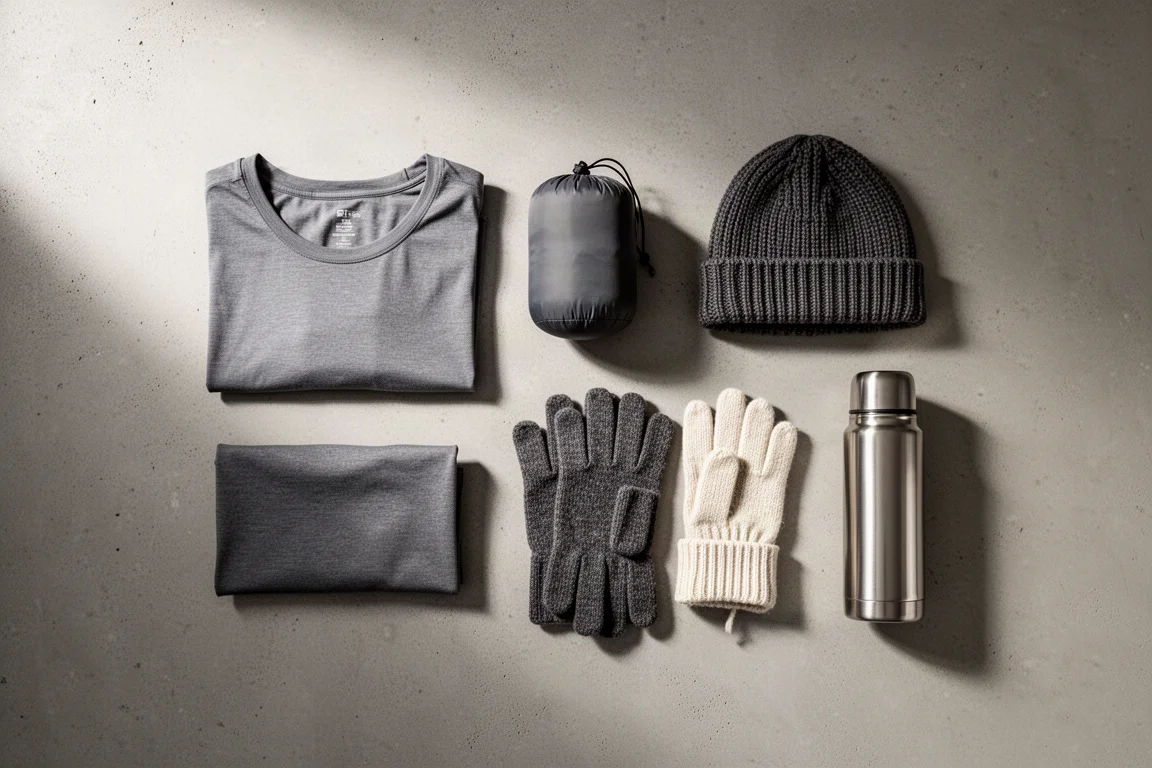
If you want wool’s ability to keep insulating while damp and you mostly use base layers for sleeping, a lightweight merino top remains a sensible choice, provided you accept that it is not the warmest option on its own.
If warmth is the priority on genuinely cold trips and you do not mind a little extra weight and a slower dry time, the heavier synthetic zip neck is the most reliable of the three in the cold.
Base layers are also a smaller part of the picture than many people assume. Most backpackers use them mainly as sleeping layers rather than hiking layers, with more active use only at the start or end of a long trail when conditions turn cold and snowy. That makes mesh base layers a particularly interesting option for winter backpacking, where moisture management matters most.
Conclusion
Three layers, three philosophies: an open mesh knit built for ventilation and fast drying, a lightweight wool top that insulates when damp, and a heavier synthetic zip neck that simply keeps you warmest. Matching the layer to how you actually use it is what turns any of them into a good purchase.
Further reading
Related Reviews
Base Layers
Mesh vs Wool Base Layers: Brynje, WoolX, and Arc'teryx Compared
Three base layers, two very different approaches to staying warm and dry. A close look at warmth, water retention, drying time, weight, and price.

Backpacking Gear
Building a 10 lb Base Weight: An Ultralight Backpacking Gear List
A practical walkthrough of the ultralight pieces behind a 10 lb base weight, from a 765 g pack and a roomy one-person tent to a full camp chair and a dependable water filter.

Road Bikes
10 New Road Bikes Worth Watching: Aero, Titanium, Steel and Endurance Standouts
A practical roundup of 10 new road bikes, from aero flagships chasing single-watt gains to titanium, steel and endurance platforms built for real roads.