Outdoor Clothing
Mesh Base Layers in Practice: Brynje Super Thermo and Patagonia R1
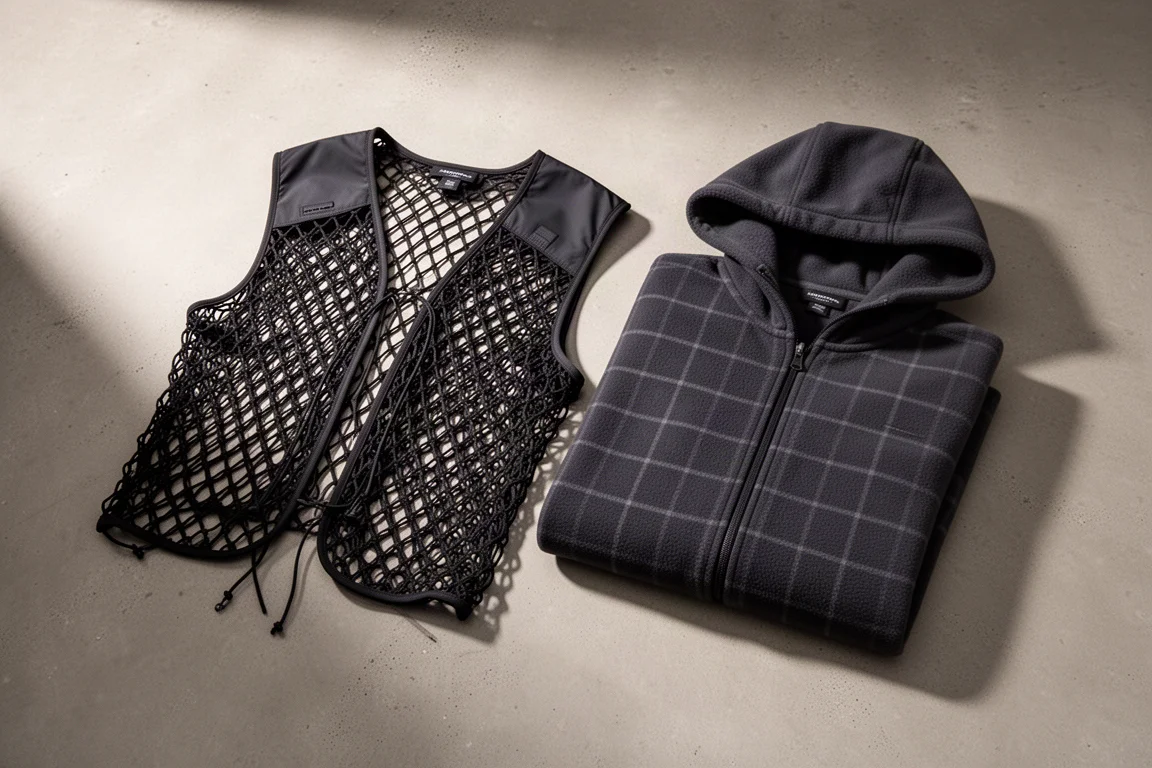
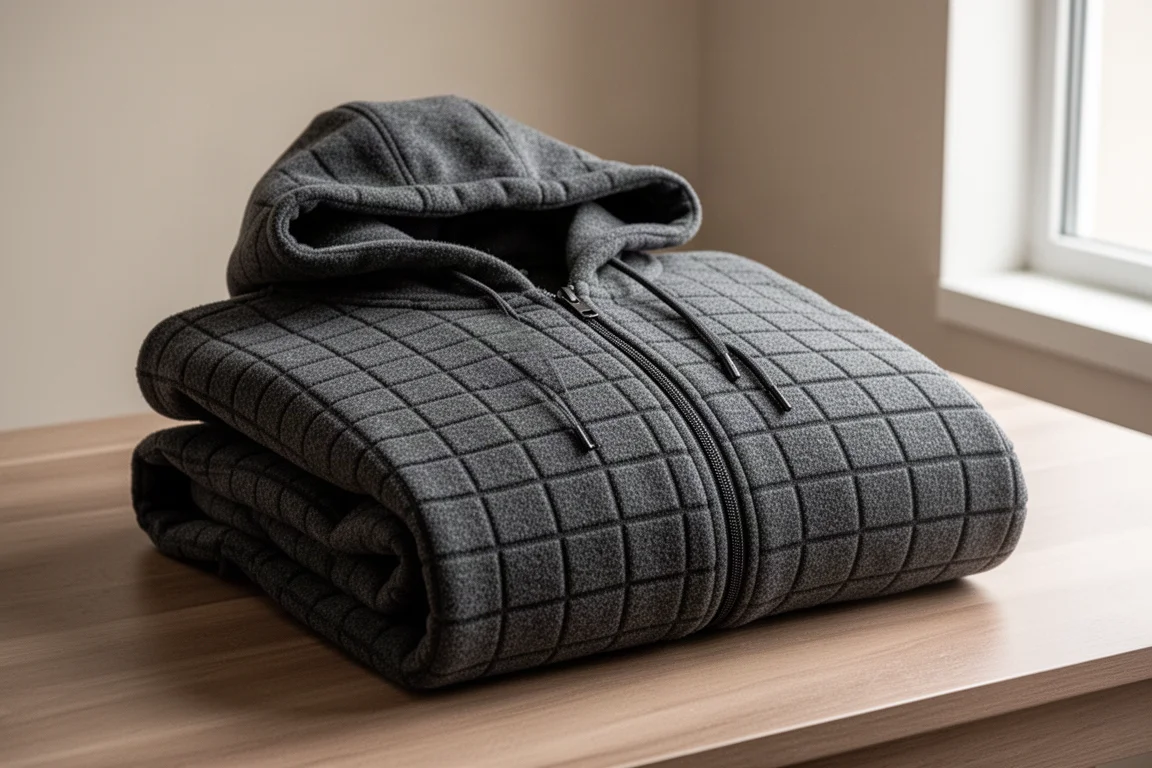
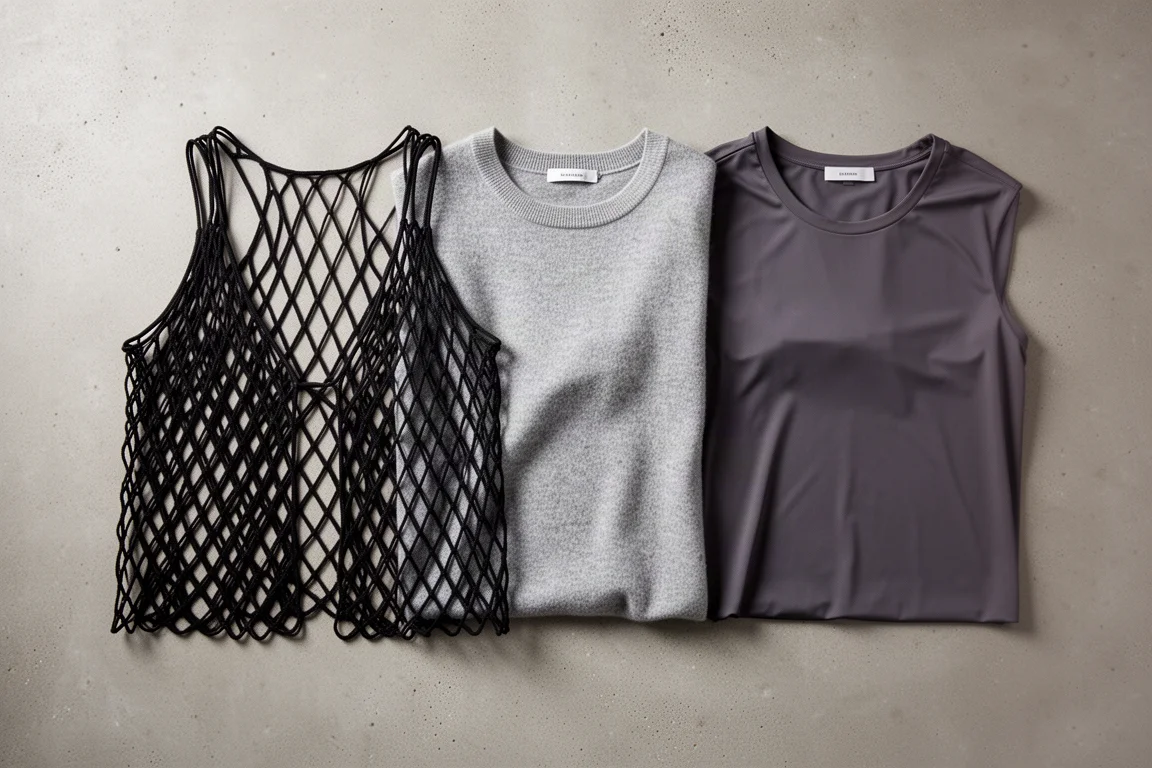
Two layering approaches compared: an open mesh base layer that keeps skin dry on cold, wet walks, and a grid-weave fleece hoodie that adds warmth without trapping moisture.
Introduction
Mesh base layers, sometimes called string vests or fishnet base layers, are not a new idea. The layer that touched the skin on the 1953 Everest expedition, worn by Sir Edmund Hillary and Tenzing Norgay, was a string vest made by a Scandinavian company. Yet for plenty of hikers the concept is still unfamiliar, and the mainstream advice has long pointed to merino wool, polyester, or a blend of the two.
Two garments sit at the centre of that shift. The Brynje Super Thermo Shirt with Inlay is an open mesh base layer made from polyester, and the Patagonia R1 Hoodie is a grid-weave fleece that follows a similar principle with more insulation built in. Both were worn through cold, windy hill walks and overnight camps, and both are worth understanding before you spend money on layering.
How Mesh Base Layers Manage Moisture
The case for an open mesh layer comes down to how sweat behaves. Moisture leaves the skin as vapour and normally evaporates straight into the air. A close-weave fabric sitting against the skin interrupts that process, so the vapour condenses back into liquid and the garment becomes wet. Once you stop moving, that wet layer turns cold against the skin.
A mesh structure leaves large gaps and small air pockets between the strands. Vapour can pass through instead of condensing on the fabric, and when a second, closer-weave layer sits on top, those pockets hold warm air as well. In practice, after an hour of walking in a warm shell over a fleece hoodie, the skin under the mesh stayed dry, including the back beneath a loaded backpack. The dampness had moved outward into the jacket, which is what an outer shell is designed to do.
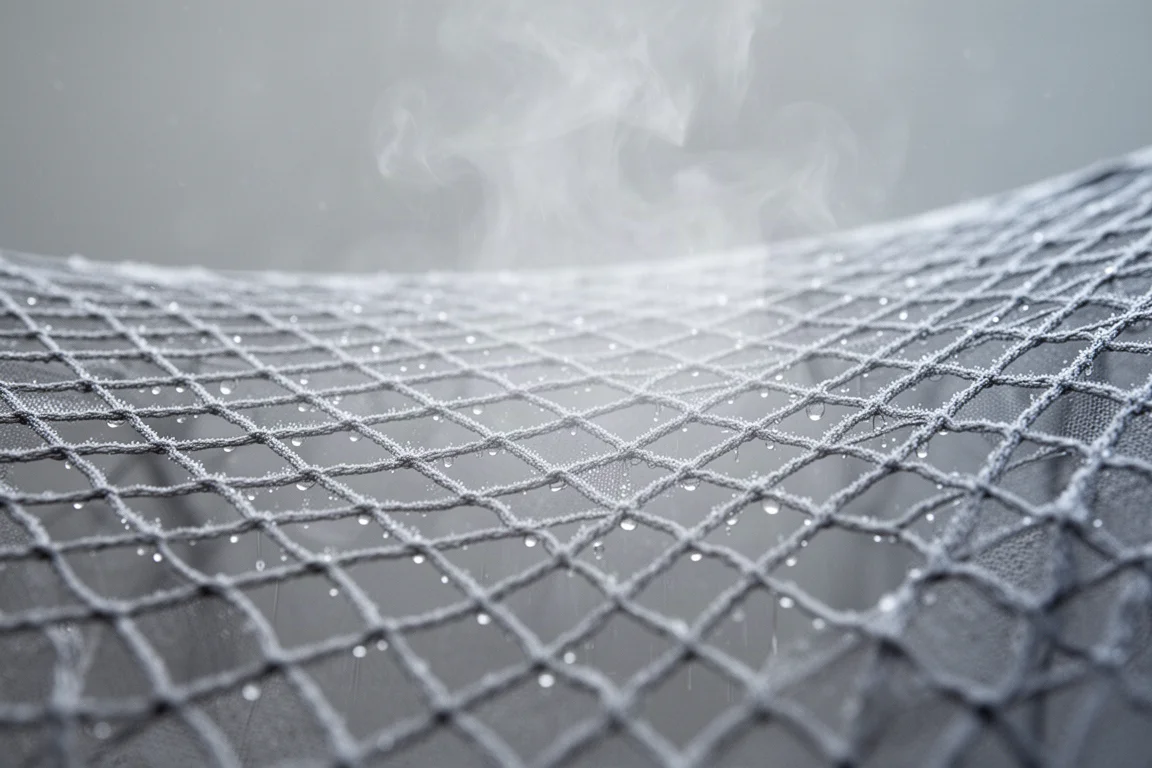
The same principle explains why a conventional merino or polyester base layer feels so different after sustained effort. It holds the moisture and dries slowly, so it can still be damp the next morning after a night in a tent, and pulling it back on in cold air is an uncomfortable start to the day.
Brynje Super Thermo Shirt with Inlay
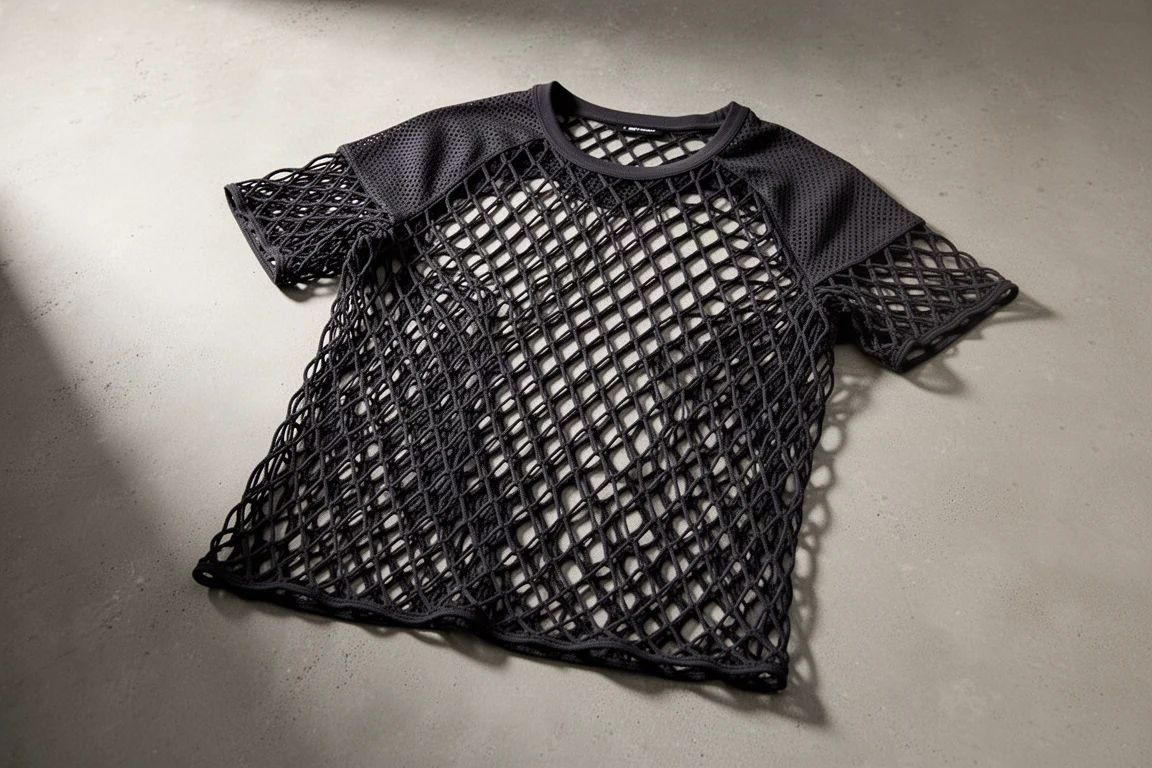
The Super Thermo Shirt with Inlay is a polyester mesh garment with a diamond lattice structure, reinforced panels over the shoulders, and a moisture-wicking finish. The shoulder reinforcement matters if you carry a pack, because it places a denser knit exactly where straps press.
In use through cold, windy walks, worn over a fleece and under a shell, the shirt stayed comfortable and the skin beneath it stayed dry. It also worked as a sleep layer at camp, with a dry layer pulled over the top, without being taken off overnight. The open weave is visible at a glance, and that openness is precisely the point.
Sizing is the main practical consideration. The first order in extra large ran tight through the torso, and going up one size gave the right fit. Faint marks on the skin from pack straps are normal and no different from the impressions left by sock cuffs or a watch strap. The design is also available in short sleeve and long sleeve versions, with a matching hat that uses the same mesh idea.
Patagonia R1 Hoodie
The R1 Hoodie approaches the same problem from the warmth side. It is not a string vest: the fabric uses a grid weave with small gaps for breathability and pockets of air that add light insulation. Worn on its own, without a thin base layer underneath, it felt drier and warmer than expected on cold days, because vapour could still move through the weave rather than condensing against the skin.
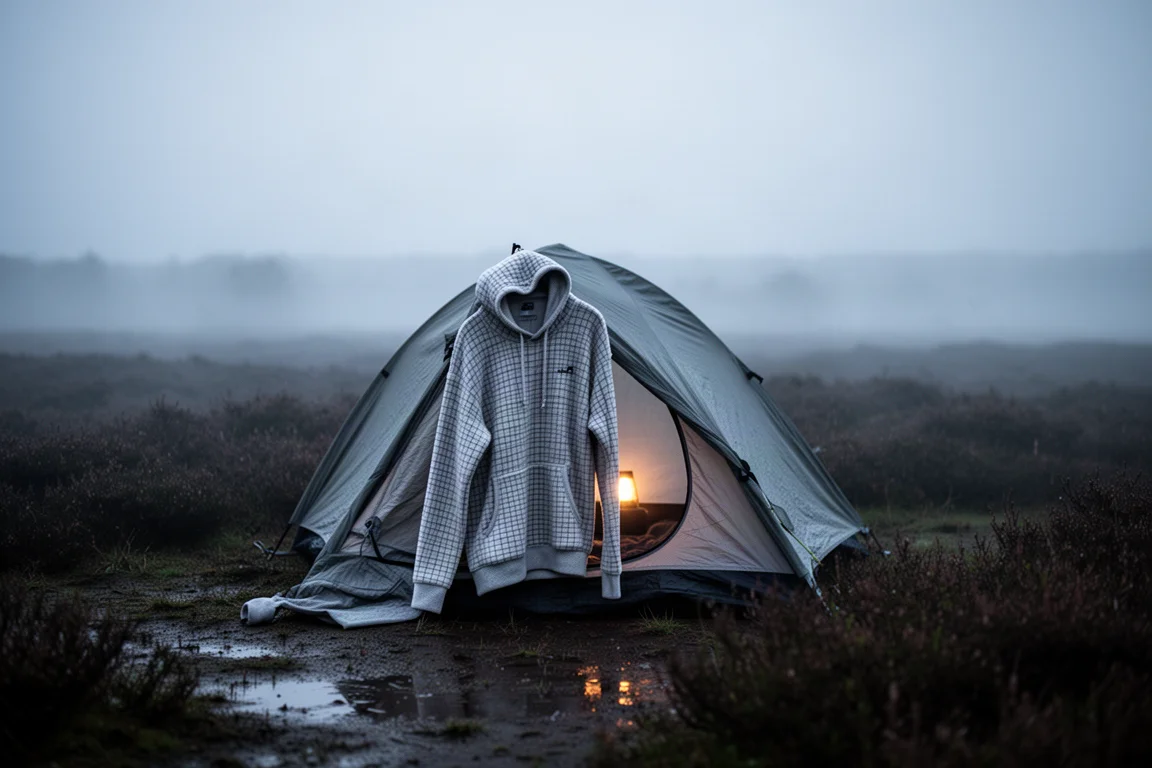
Used as a mid layer over a mesh base layer, it holds warmth without trapping the moisture that would otherwise chill you the moment you stop walking. That makes it the more versatile of the two garments for general wear, while the mesh shirt is the more specialised piece for heavy sweat and long days.
Fit and Sizing Notes
Both garments reward a careful look at sizing, though for different reasons. A mesh base layer sits directly on the skin and needs to be close without being tight, so that the open structure stays open rather than being stretched flat against the body. In this case, going up one size from the usual fit gave the best result, while the original size ran narrow across the torso and shoulders.
The R1 Hoodie is a mid layer rather than a skin layer, so it sits over whatever you wear beneath it. A trimmer fit keeps it in place under a shell and stops it bunching when you are moving, which is the fit most people will want if they plan to wear it under a jacket.
How Mesh Compares With Merino and Polyester
The comparison is less about brand than about structure. Merino wool and polyester both work well in conventional close-weave base layers, and both dry faster than cotton. Cotton remains a poor choice for most hiking situations because it holds water against the skin.
What the mesh approach changes is how much moisture stays in the fabric. Under sustained effort, a conventional merino or polyester top ends up wet through, and it may still be damp the following morning after hanging in a tent. A mesh layer keeps the skin dry and pushes moisture outward into the next layer instead. The observation that matters most is that the weave may count for more than the fibre itself, and the same idea shows up in the grid-weave fleece, which is not a string vest but relies on gaps and air pockets all the same.
Price is the other axis to weigh. The Super Thermo Shirt with Inlay costs around £59, while other mesh options sit closer to £25 and surplus Swedish army string vests have been listed for about $14.99 on marketplaces. If you want to test the idea cheaply before committing, there are less expensive routes in.
What to Weigh Before You Buy
- Mesh is not for everyone. It looks like a string vest and is designed to be worn against the skin for long periods, which some people find odd at first.
- Sizing matters more than usual. The wrong size flattens the mesh or restricts movement, so check the fit before a long trip.
- Small impressions on the skin from pack straps are normal and fade quickly.
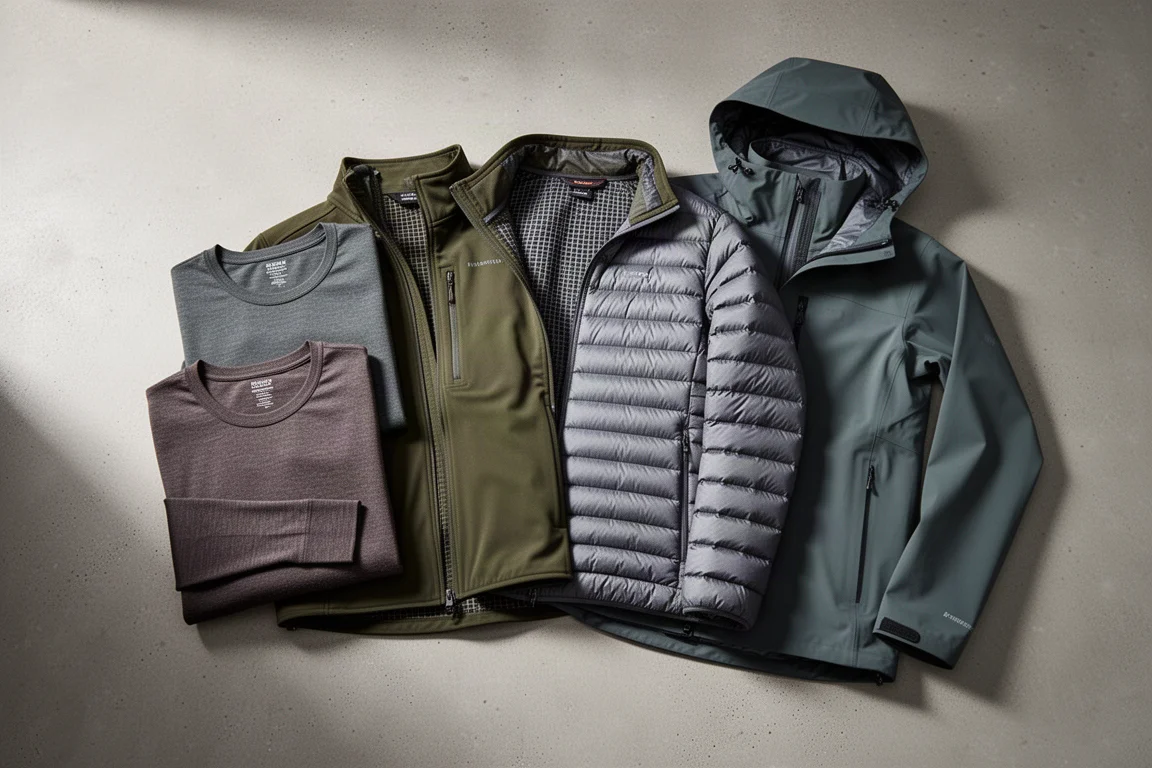
- A mesh base layer is one part of a system. It works best with a breathable mid layer and a shell that moves moisture outward.
- Cotton is still a no for most hiking conditions, whatever you wear over it.
Buying Advice
If you overheat quickly and end up wet through on cold days, the Brynje Super Thermo Shirt with Inlay is the more targeted purchase. It addresses moisture directly, works as a sleep layer as well as a walking layer, and rewards a size up from your usual fit. Choose it if staying dry matters more to you than the look of the garment.
The Patagonia R1 Hoodie suits a different job. It is a warm, breathable mid layer with a grid weave that manages vapour while adding insulation, and it works well on its own in cool conditions or under a shell when the weather turns. If you would rather buy one piece that covers more situations, start there and add a mesh base layer later.
Conclusion
Both garments support the same idea from different angles: an open or grid-based structure that lets moisture vapour move instead of condensing against the skin. The mesh base layer is the more specialised and more surprising piece, and the fleece hoodie is the more flexible one. Buy for the conditions you actually walk in, get the size right, and the difference in comfort on cold, wet days is easy to notice.
Further reading
Related Reviews
Outdoor Clothing
Artelect Layering System Review: Four Outdoor Layers Built to Last
A closer look at four pieces from the Artelect layering system, from a full merino base layer to a 30,000 mm waterproof shell, and where each one fits.
Outdoor Clothing
Best Sun Hoodies for Hiking: Rab Force and Black Diamond Alpenglow Compared
Two lightweight sun hoodies for hiking, climbing, and mountaineering, compared on fabric feel, breathability, hood design, odor control, and value.
Outdoor Clothing
Decathlon Down Jackets Compared: Trek 100 and Forclaz 900
A practical look at two Decathlon down jackets: the low-cost Trek 100 and the warmer Forclaz 900, plus the trade-offs that matter before you buy.