Mountain Bikes
Merida 160 and 140 Review: One Frame, Two Mountain Bike Personalities
A practical look at Merida's new 160 enduro bike and 140 trail bike, built on a shared frame and tuned for two very different riding styles.
Introduction
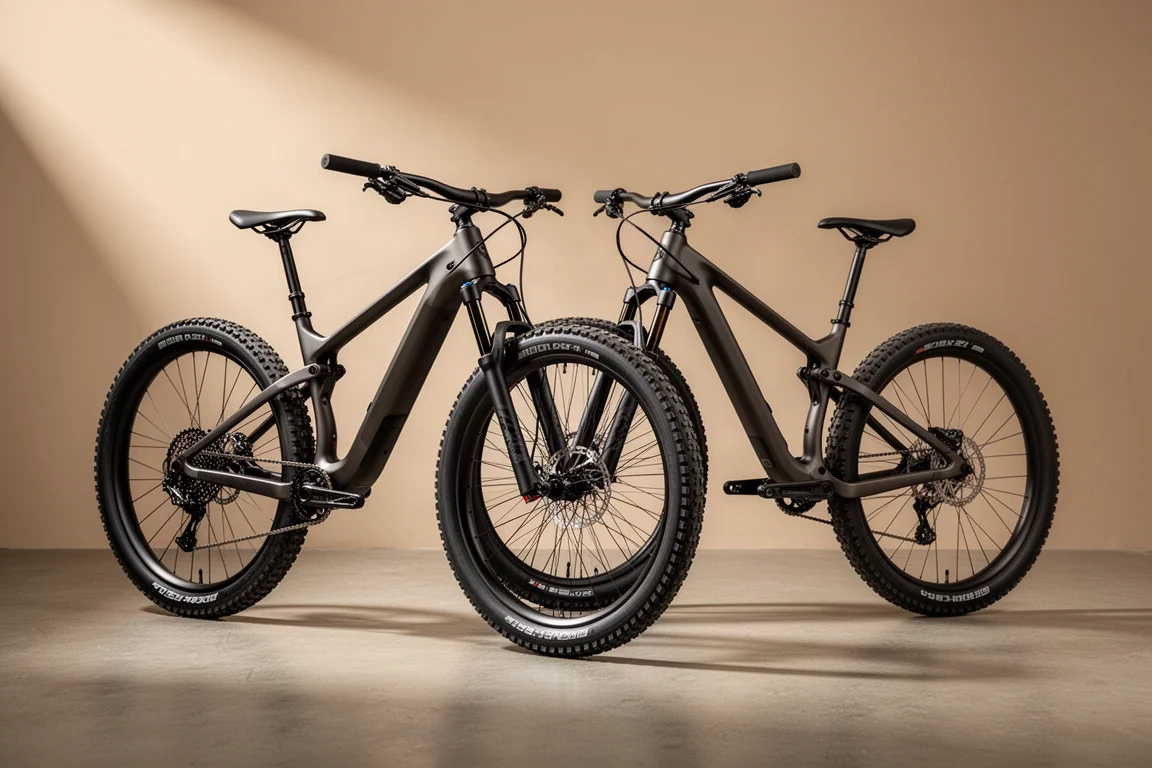
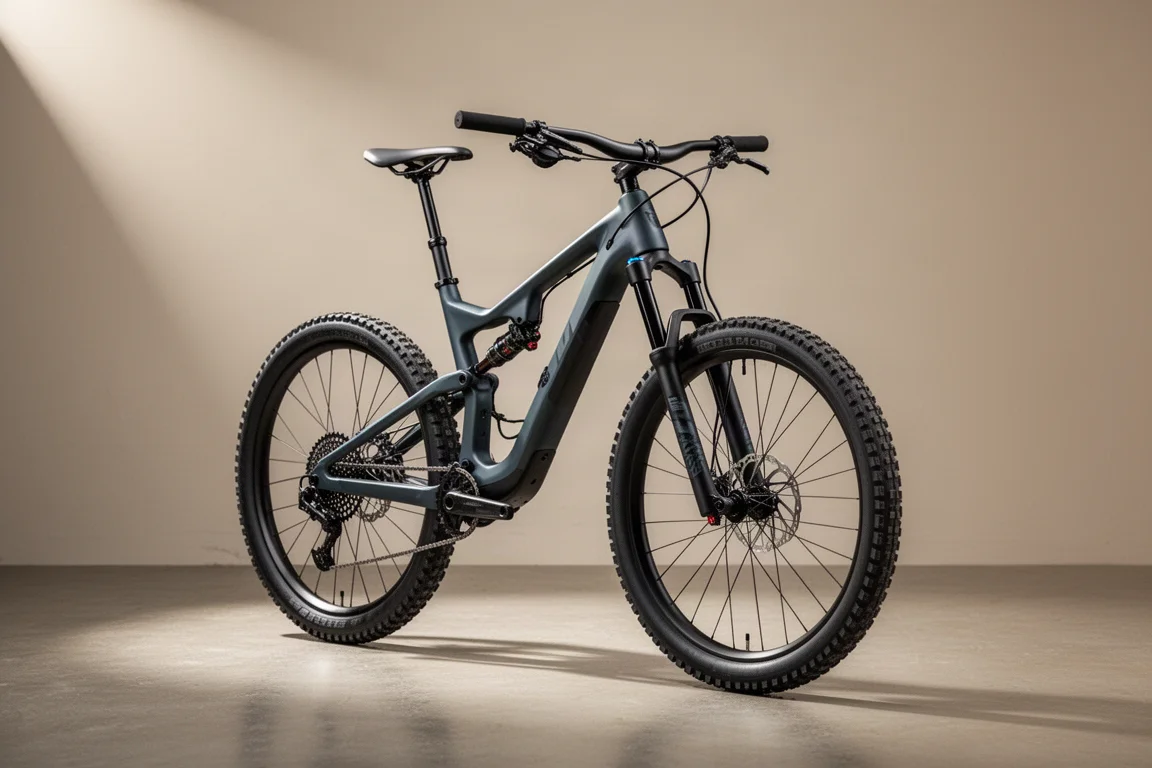
Merida has introduced two new full-suspension mountain bikes built on a single shared frame: the 160, an enduro-focused machine, and the 140, a trail bike. Both were ridden back to back across several days of technical, climbing-heavy terrain, including race conditions, which makes for a genuinely useful comparison of how the two travel configurations behave in the real world.
The short version: the two bikes look closely related and share the same platform, but the way they are set up changes how they ride far more than the frame numbers alone would suggest.
Shared Frame, Different Personalities
Both bikes use the same frame, with the difference in travel created by running slightly shorter shocks and forks on the 140. That means geometry, sizing, and many of the platform’s practical details carry across both models, and the gap between them comes down to how much travel you want and how that reshapes the ride.
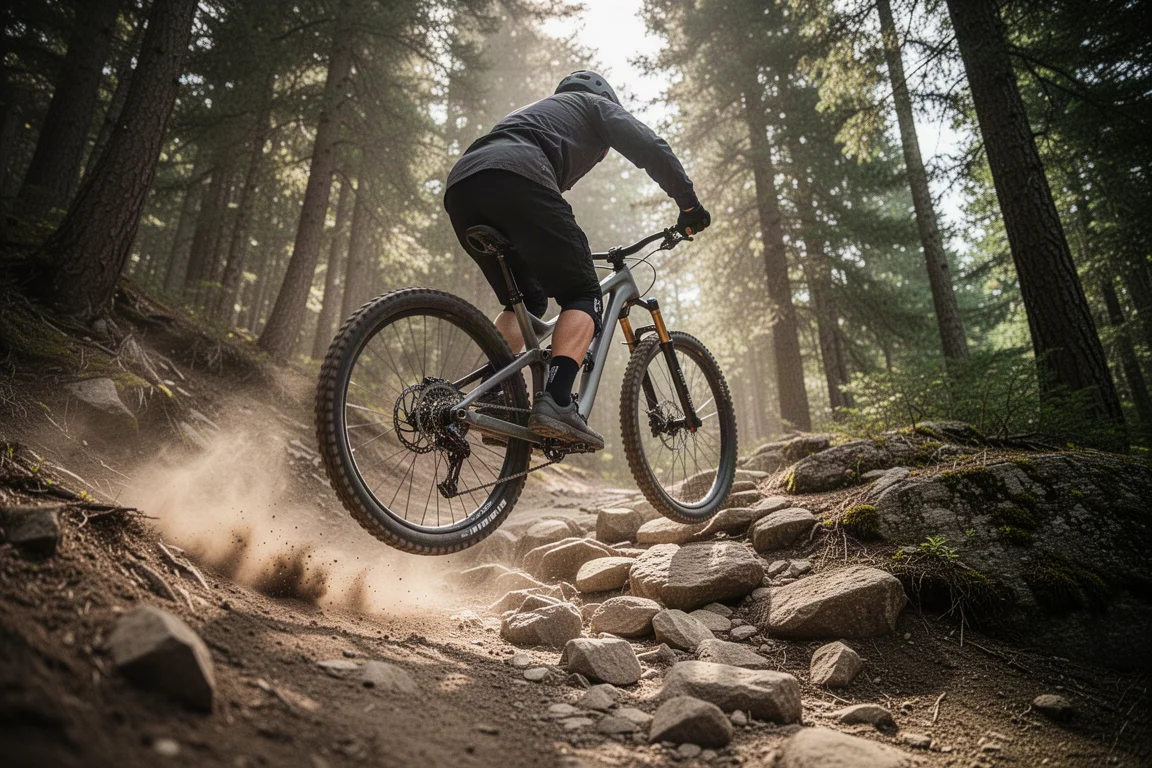
Because the underlying chassis is identical, riders who fit one bike well will generally fit the other. The 160 leans toward stability at speed, while the 140 trades a little of that for efficiency and a livelier feel on undulating ground. A range of build options is available on each, so component level and price will vary across the lineup.
Merida 160: Enduro Focus
The 160 runs 160mm of travel front and rear and, in its standard configuration, uses 29-inch wheels at both ends. It is the more descending-oriented of the two.
On fast, rocky, lumpy ground the suspension feels smooth, with relatively little feedback coming through the feet, which is exactly what you want from an enduro bike. At sag, anti-squat sits at roughly 110 to 115%, so seated pedaling stays efficient and the bike does not bob and wobble underneath you. Stand up and mash, though, and anti-squat drops off sharply, letting the rear end wallow a little. That is a familiar trade-off with this style of suspension layout rather than a flaw.
The build reviewed here uses a RockShox Super Deluxe Ultimate shock with five positions of low-speed compression damping. Running one position from fully closed adds useful pedaling support on a track with a lot of long pedal sections, without making the bike feel harsh, uncomfortable, or sketchy. The front end is long, with reach in the region of 490 to 495mm and a 63-degree head angle, which gives a confident, planted feeling when the trail gets steep and uncertain.
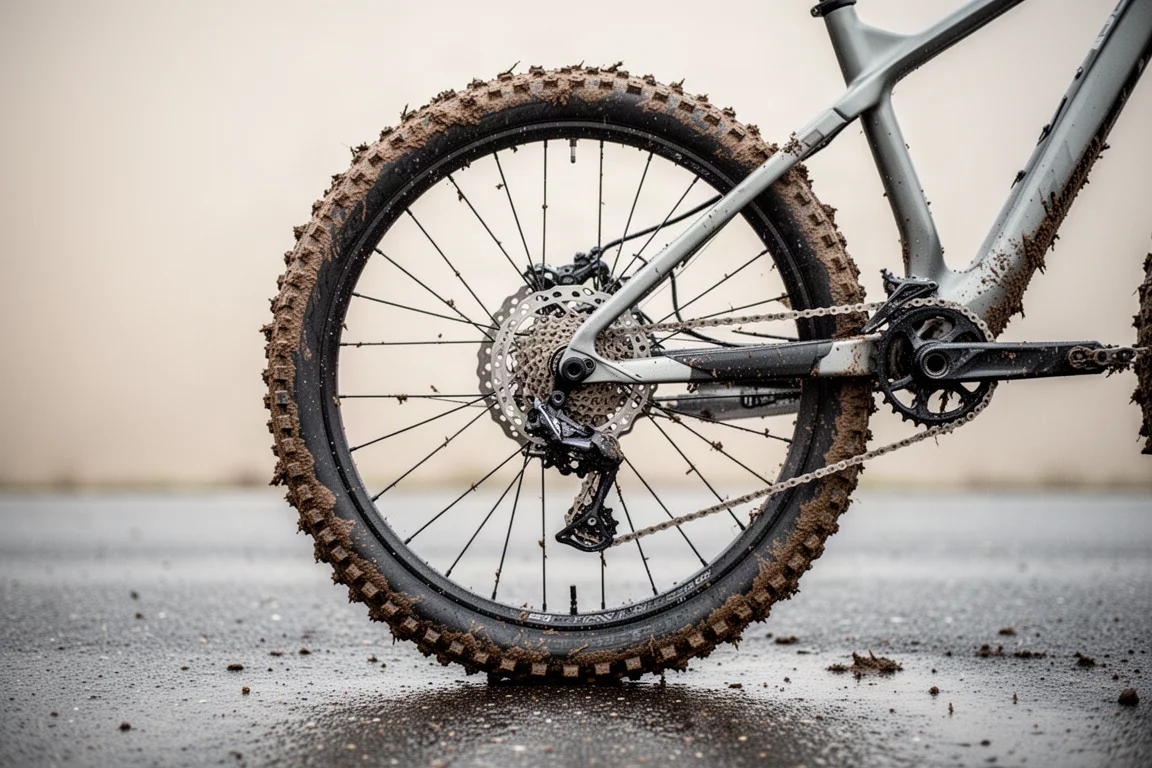
Tires on this build are a 2.5-inch Max Grip Double Down up front and a Minion DHR2 2.4 Double Down Max Terra at the rear. The sticky front and tough double-down casings suit loose, technical conditions and let you rattle into rocks and over roots with confidence. The spec also keeps alloy wheels, bars, and stem rather than going full carbon, which adds a little comfort to the front end.
Merida 140: Trail Versatility
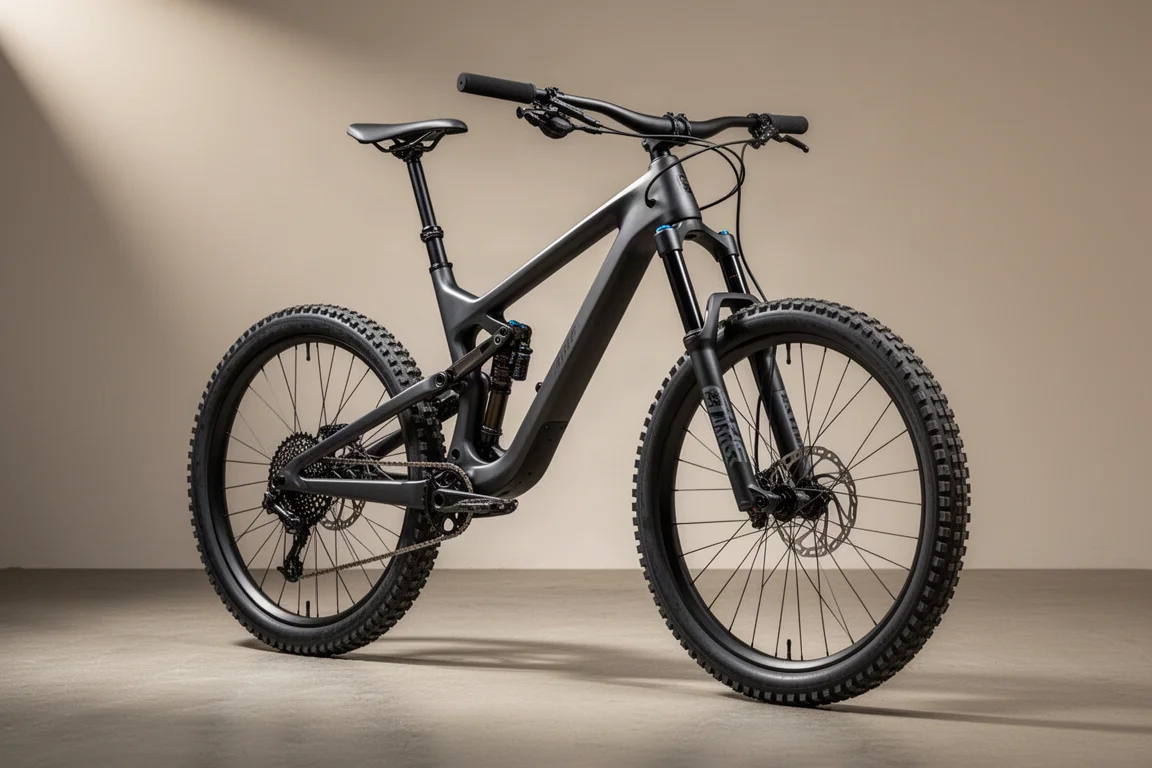
The 140 shares the frame but uses a shorter-stroke shock, a single-can design rather than a piggyback, and a shorter-travel fork. Total travel drops accordingly, giving the bike a trail character rather than enduro ambitions.
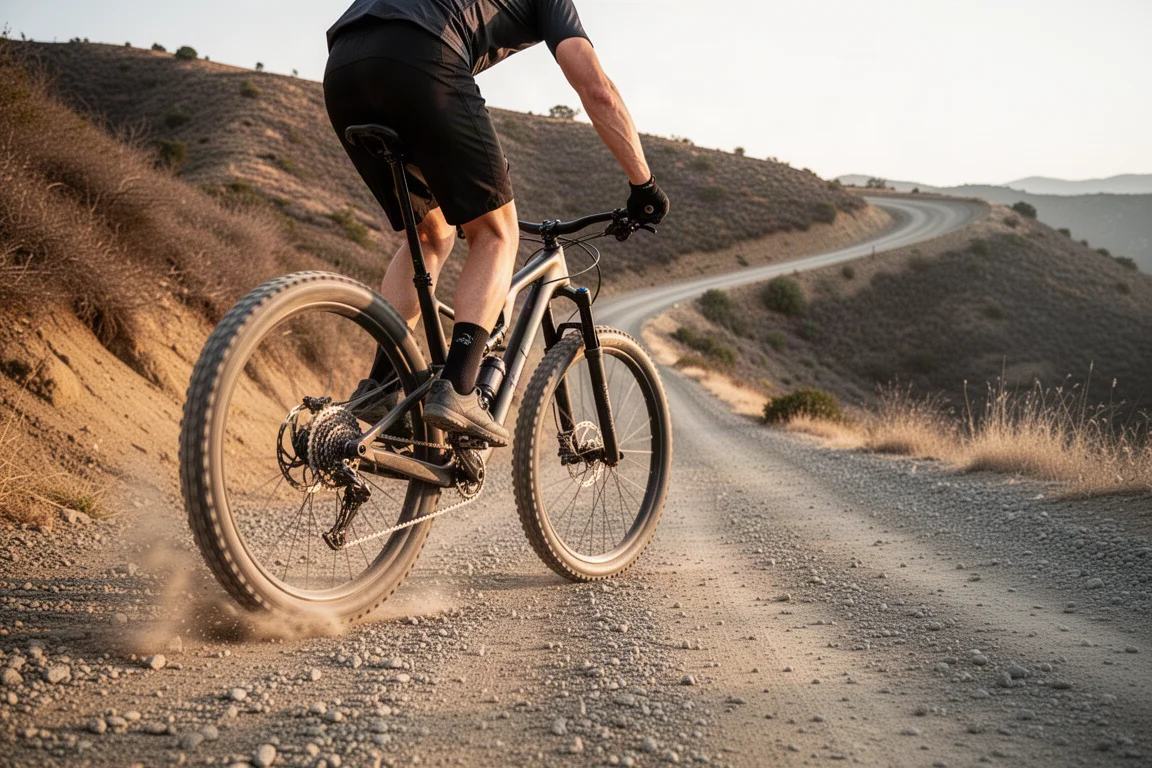
On a long, steep climb straight after lunch, the seated position felt efficient. A steep seat angle of around 78 degrees keeps the hips in a good place, and the shock stays composed rather than squishing and wallowing. Anti-squat at sag is roughly 110 to 115%, and while there is a lockout switch on the shock, the bike was run fully open and still climbed well. Downhill, the 140 pedals well through corners and is easy to place, which makes it a natural fit for riders whose days are split between climbing and descending.
A notable piece of tech is Merida’s own dropper post, which is infinitely adjustable from 30mm all the way up to 230mm of drop. The idea is to run the post slammed and use as much drop as you can get away with, so there is not too much post showing above the frame. The internal routing port on the frame allows this fully internal dropper post to be fitted to either the 160 or the 140, and it will be offered as an upgrade.
Both bikes also get internal frame storage, accessed from the underside of the frame. It is not as quick to reach as some systems offered elsewhere, but the intent is clear: it is for the essentials you are not reaching for all the time, such as a pump, tire levers, and a puncture repair tool, rather than snacks. The compartment runs deep enough to take a few extra small items alongside those basics.
Mullet or 29er Setup
The 160 can also be run as a mullet, pairing the standard front wheel with a 650B rear wheel and using a flip chip to compensate for the smaller diameter. In static geometry terms, everything stays largely the same aside from a slightly shorter back end, so the bike should feel consistent between pedals, saddle, and bars, just with a smaller rear wheel underneath you.
In practice, the mullet setup feels a touch less smooth. The rear wheel is a little happier to step out and can clang into things under hard braking, though the difference is not drastic and the overall shape and suspension feel carry over. The 29-inch configuration felt preferable for smoothness and cornering, while the mullet remained plenty of fun and clearly capable in its own right.
Buying Advice: Which Merida Suits You?
The choice between the two comes down to how much travel suits your riding and where you spend most of your time on the trail. The 160 is the enduro option, with more travel, a longer and slacker front end, and a build that favours stability at speed in rough terrain. It still climbs capably, but its strengths clearly point downhill.
The 140 is the trail option, sharing the same frame but trimming travel for efficiency on undulating ground. It climbs well, corners easily, and is a more natural choice for riders whose days are balanced between climbing and descending rather than heavily weighted toward the descents. Because the chassis is shared, the practical touches, including internal storage and the dropper post upgrade path, carry across both bikes.
If you already know you want a longer-travel bike for steep, technical riding, the 160 is the straightforward pick. If you want a livelier, more efficient bike for varied terrain, the 140 makes more sense. Either way, the same frame gives you a consistent fit and feature set, which takes some of the guesswork out of choosing between them.
Conclusion
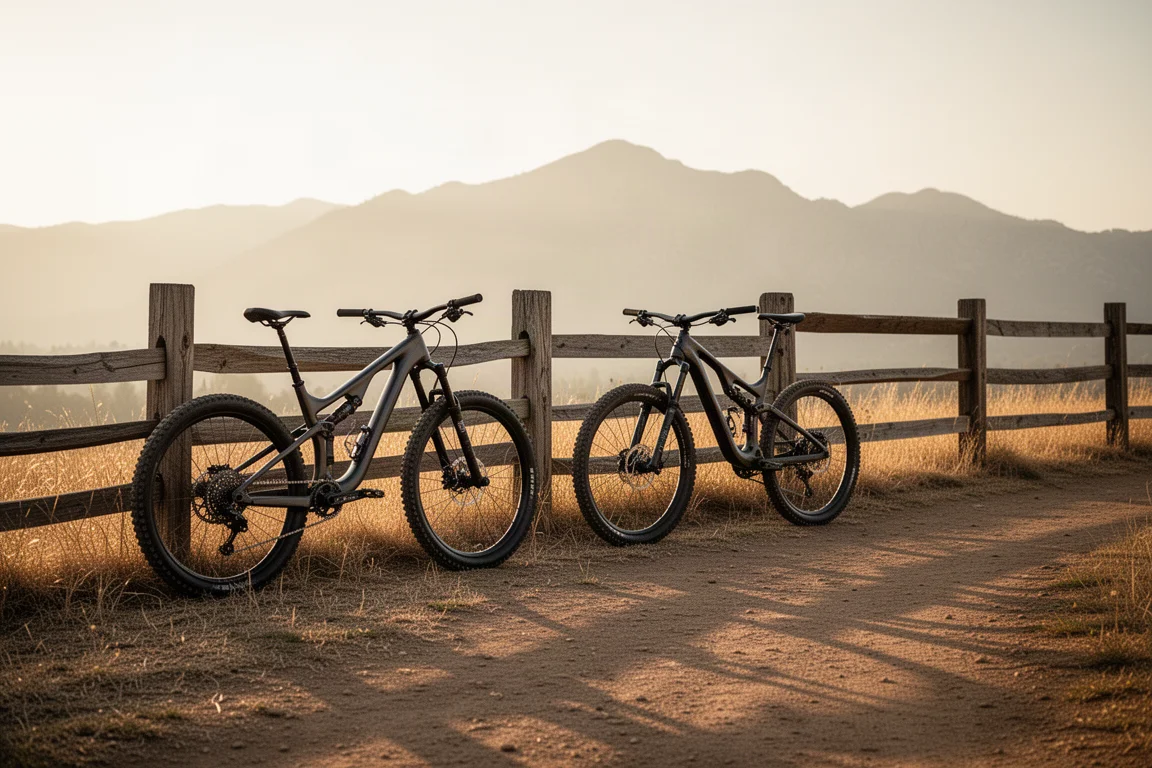
Two closely related, well-executed mountain bikes built on a single platform. The 160 brings enduro credentials with smooth suspension, a confident front end, and a strong build spec, while the 140 delivers trail-focused efficiency, easy cornering, and the same practical frame details. The right pick depends on how much travel matches the terrain you actually ride most.
Further reading
Related Reviews
Mountain Bikes
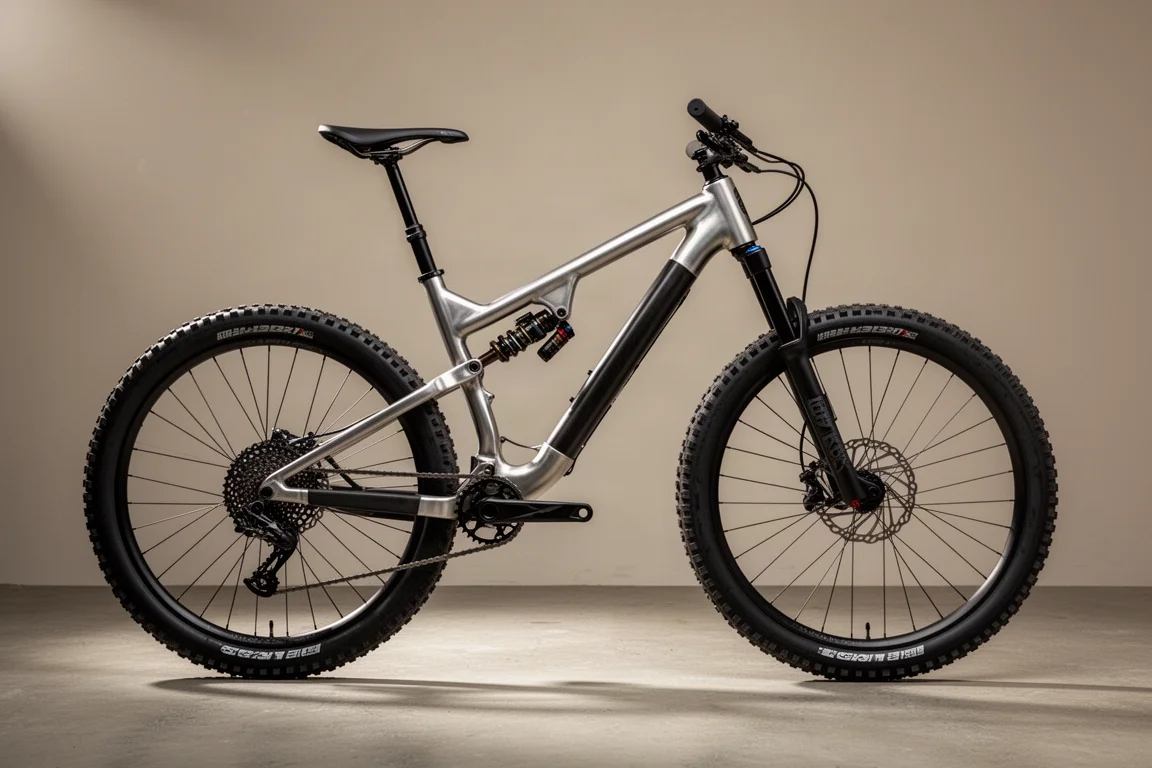
Atherton AM.130 Review: 3D-Printed Titanium Lugs and a 130mm Trail Bike That Descends Like a Bigger Machine
The Atherton AM.130 pairs 3D-printed titanium lugs with carbon tubes and a DW6 suspension platform. Here is how it rides, what the build delivers, and who it suits.
Mountain Bikes
Beginner Mountain Bike Buying Guide: What to Look For in a Trailworthy Hardtail
A practical framework for evaluating beginner mountain bikes, whether new or used, by examining key components that indicate real trail capability.
Mountain Bikes
Best Aluminum Mountain Bikes 2026: Five Alloy Bikes Worth Your Attention
Five aluminum mountain bikes that show how far alloy has come, from a 120mm trail bike and a versatile machined frame to a 180mm freeride machine.