Hi-Fi Speakers
10 Memorable Speakers Worth Owning: A Hi-Fi Buyer's Guide
Ten speakers that stood out over four decades of listening, plus a current reference pick, with the strengths and trade-offs to weigh before you buy.
Introduction
Great speakers are not always the ones with the biggest price tags or the most impressive specifications. The ones that stay with you tend to have something else: a character, a way of presenting music that makes you want to keep listening. This roundup gathers ten speakers that have stood out across more than four decades of listening, plus one current reference model that may yet join them.
Most speakers built today are genuinely good, and a smaller number are excellent. The models below earned their place because they are memorable, and each one comes with trade-offs worth understanding before you buy.
What Makes a Speaker Memorable
Personality matters more than flatness. Many speakers measure similarly and sound broadly alike, which is why the designs that leave a lasting impression usually do something distinctive: wide dispersion, an unusual driver topology, high sensitivity, or a specific tonal character. Those traits are not always neutral and not always for everyone, but they are what makes a speaker worth remembering.
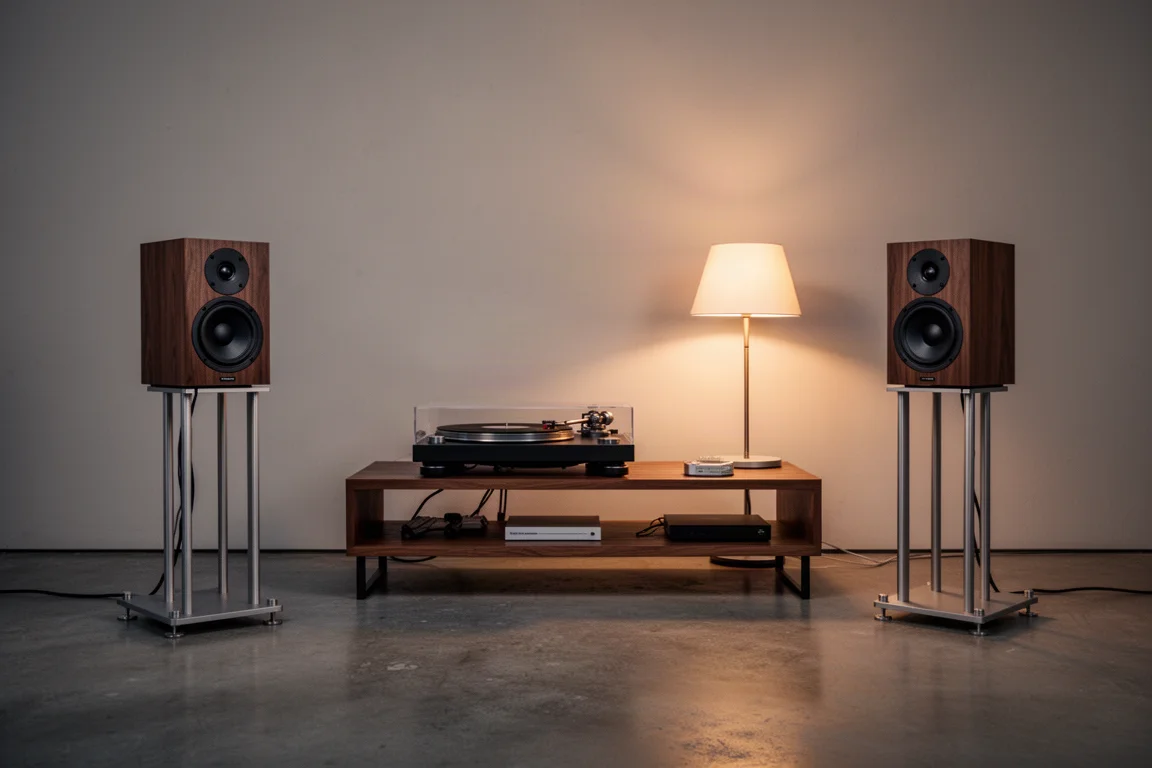
The picks below span stand-mounts, floorstanders, planar panels and sphere-based designs. They range from genuinely affordable to unapologetically high-end, and each one is described in terms of what it does well and what a buyer should weigh up first.
KEF LS50 and LS50 Meta: Small Stand-Mounts With Big Imaging
The LS50 arrived in 2012 and immediately stood apart from other compact stand-mounts selling for around $1,500. Imaging was the standout quality, and it presented music with a coherence and sense of scale that small stand-mounts of the period struggled to match. The original has been a reference for compact speaker design ever since, and the LS50 Meta continues in that role.
For listeners who want a small speaker that disappears into the room and places instruments precisely, this is one of the most convincing options at its size.
Zu Audio Druid 4: High Sensitivity and Personality
The Druid 4 first appeared in the mid-2000s and sounded like a breath of fresh air beside conventional high-end designs. It is not a flat speaker and it has quirks, but it is vivid, highly sensitive and enormously dynamic. Rock music in particular comes alive through it.
The design brief was deliberate. Sean Casey, the company’s designer and owner, set out to build something with personality rather than another neutral box, and the result will play extremely loud without complaint. The full-range 10-inch driver used since the first model has been refined over the years, and the same fun-first character carries through the Dirty Weekend models, including the current DW6.
Dynaudio Special 25: A Stand-Mount That Did Everything
The Special 25 is a heavy, chunky stand-mount, and it earned its place through unusual versatility. Used as the left and right speakers in a five-speaker Dynaudio home theater setup, alongside a Dynaudio Contour 1.1 SE center and surround pair and a subwoofer, it handled two-channel music and film soundtracks with equal confidence.
That combination is rare. Plenty of high-end speakers built around two-channel listening struggle with the dynamics of a home theater mix. The Special 25 did not, which is why it stayed in a system that was used for both.
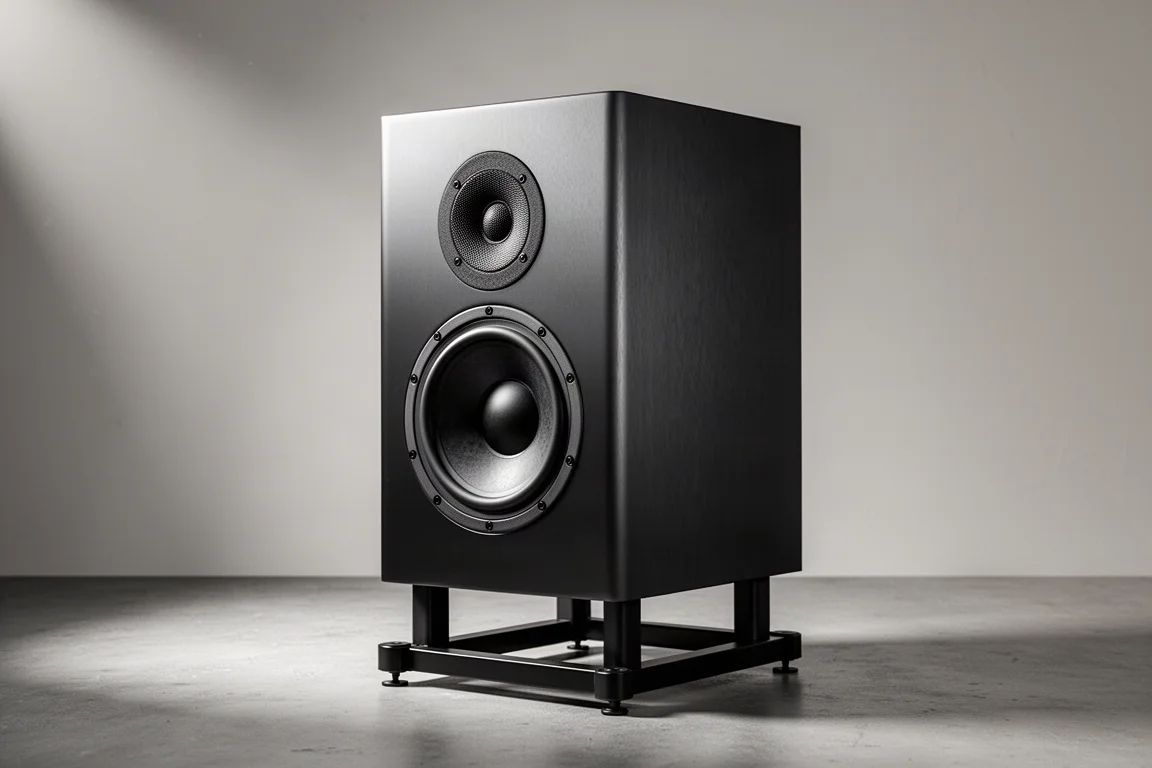
Gallo Acoustics Nucleus Reference: Spheres Instead of Boxes
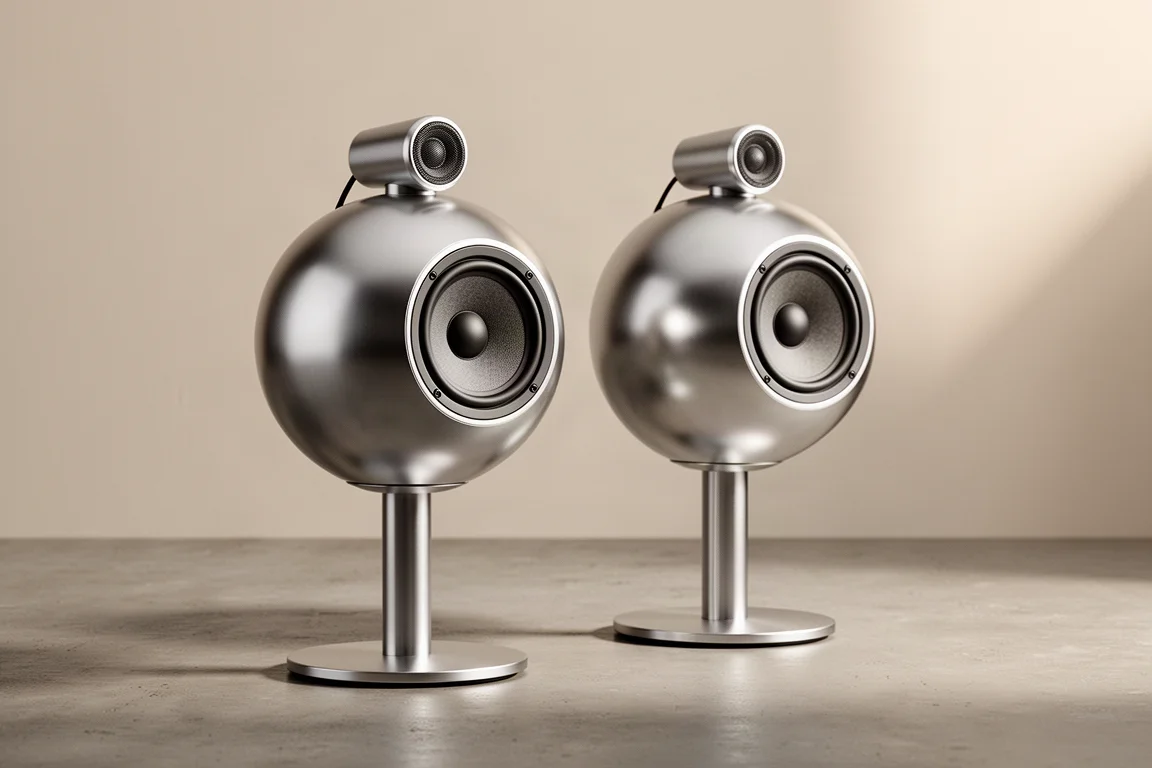
The Nucleus Reference is not a box speaker. It uses 12-inch aluminum spheres loaded with Dynaudio drivers, topped by Anthony Gallo’s patented near-omnidirectional piezo tweeter. The result is a dispersion pattern that behaves quite differently from a conventional cabinet.
It became the natural replacement for a pair of Quad ESL 63 electrostatic speakers. The electrostatics excelled at transparency but lacked the dynamics needed across a wide range of music. The Nucleus Reference kept enough of that transparency while adding the punch and drive the Quads could not deliver.
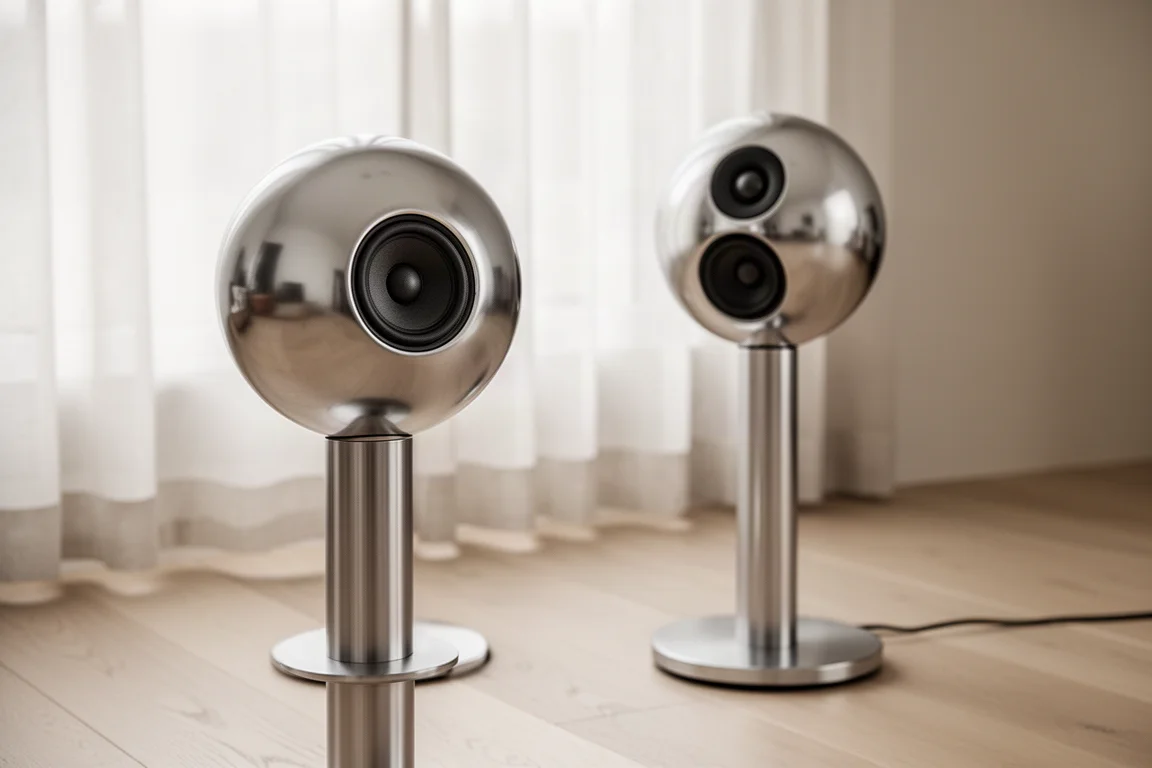
For anyone moving away from electrostatic speakers but unwilling to give up their openness, this is the kind of design that makes the transition easy.
TAD Micro Evolution One: Precision From Japan
TAD is a Japanese high-end manufacturer, and the Micro Evolution One was designed by Andrew Jones, who later went on to work with ELAC and MoFi. It is a compact stand-mount with the engineering discipline you would expect from a company operating at that level.
It remained in a reference system for a long stretch of time, which is the clearest sign of how well it holds up. Listeners who want a smaller speaker with genuinely high-end execution should put it on the shortlist.
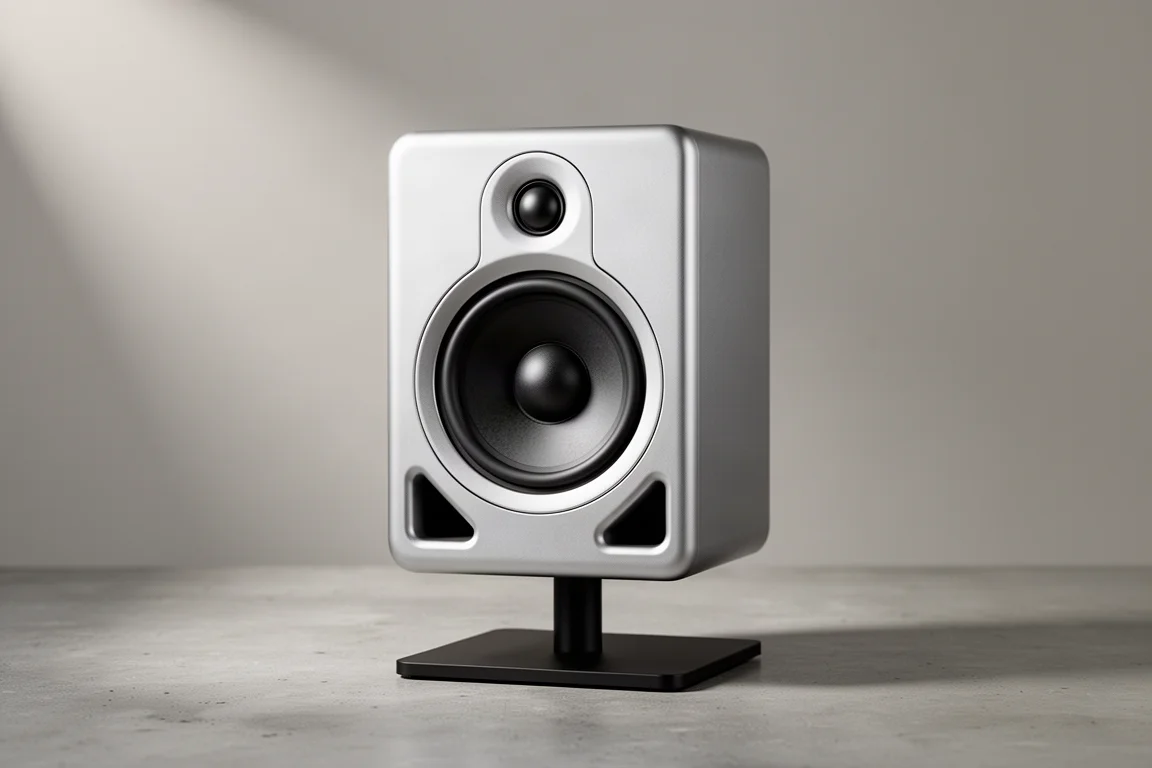
Wilson Audio WATT/Puppy: A 1990s Sensation
The WATT/Puppy was a two-part design from the 1990s: the WATT monitor on top and the Puppy woofer cabinet below, sold separately. Dave Wilson, the company’s designer and owner, was at his peak during this period, and the speaker became a genuine sensation.
It was also very expensive. Around $17,000 in 1990s money put it well out of reach for most listeners, but it remains one of the defining high-end designs of the decade.
Snell Type A2: Hand-Adjusted Crossovers
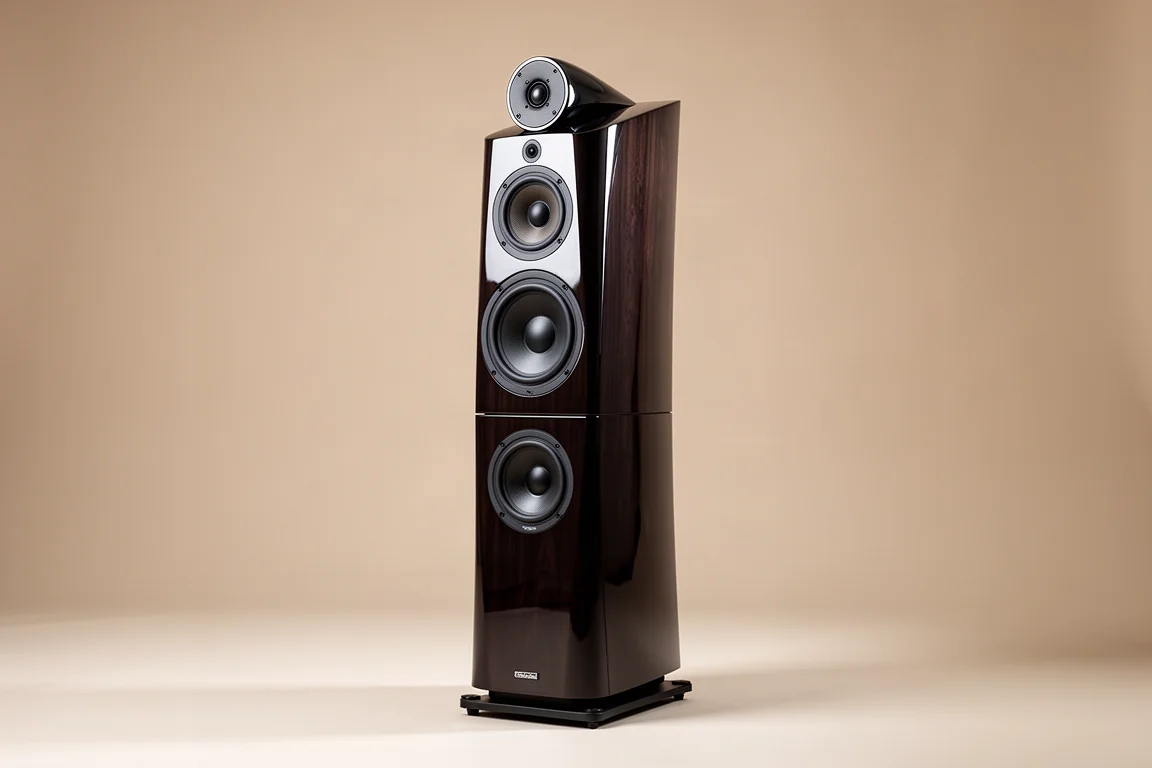
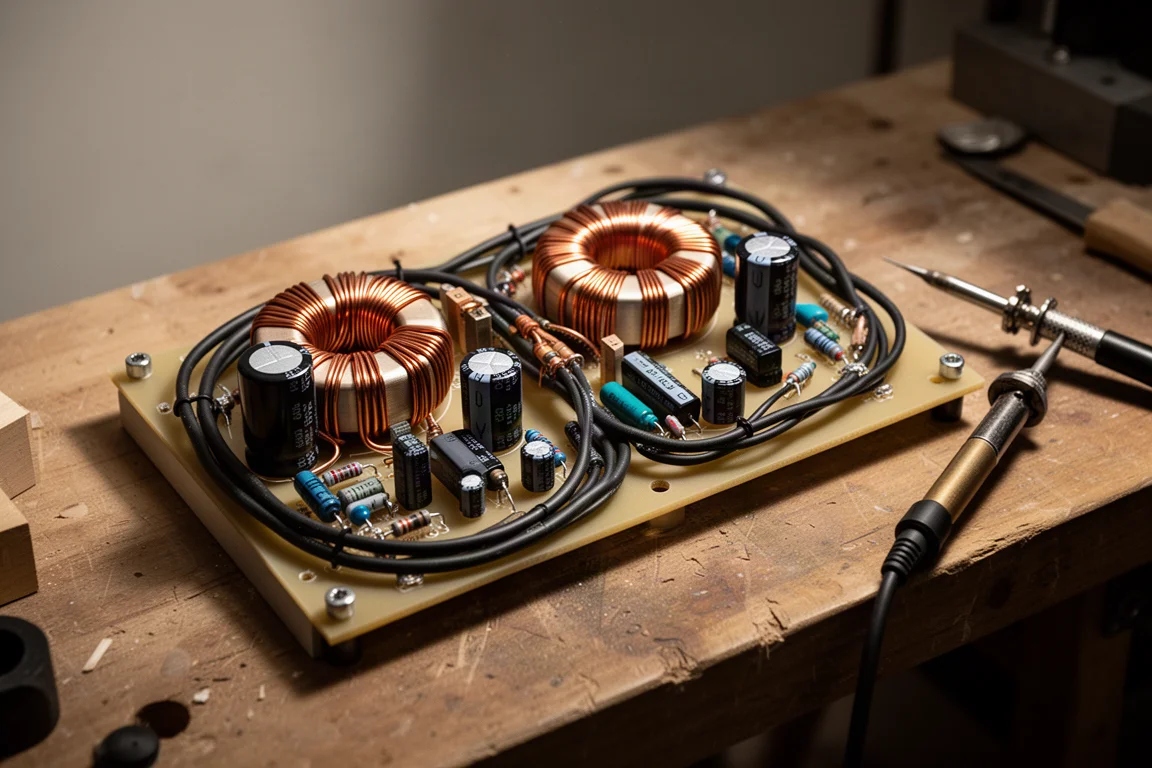
The Type A2 goes back further still. It is a large three-way floorstander with a downward-firing woofer in the bottom cabinet, designed by Peter Snell. What separated it from almost every other manufacturer of the period was its passive crossovers, which were hand-adjusted to compensate for the tolerances of each individual tweeter, midrange and woofer.
That approach produced unusually consistent sound from one unit to the next, and it is a large part of why the speaker has stayed in memory. It also became the main speaker in more than one long-term system of the era.
For listeners interested in how far speaker engineering had come by that point, the Type A2 is a useful reference.
Klipsch RP-600M: Horn Character at a Friendly Price
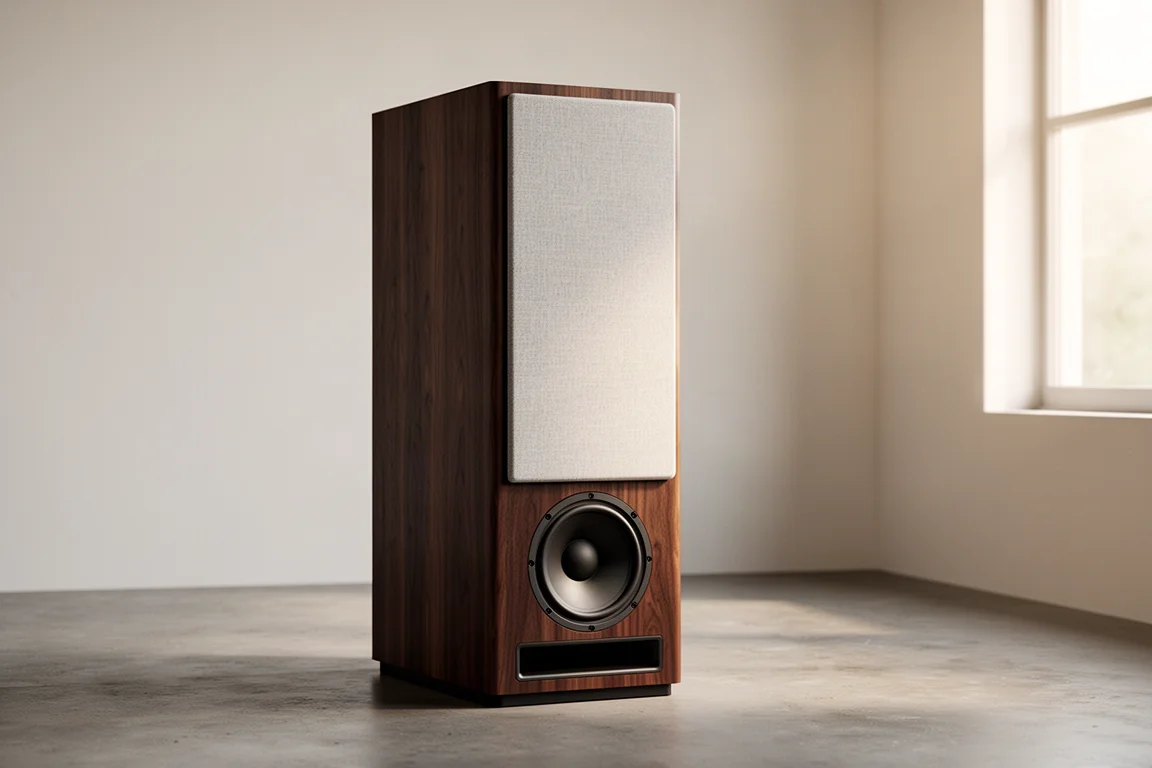
The RP-600M is one of the least expensive speakers on this list, and it may be the most fun per dollar. It is a two-way design with a horn-loaded tweeter, and it sounds alive in a way that is hard to find at the price.
It is also remarkably easy to drive. Paired with a very low powered amplifier, including a two-watt design, the combination is genuinely special. The original RP-600M opened the door to other Klipsch models, among them the Forte III and IV and the Cornwall IV, all excellent speakers, but the RP-600M and the current Mark II remain the accessible entry point.
Vandersteen 2C: Open Sound, Serious Bass
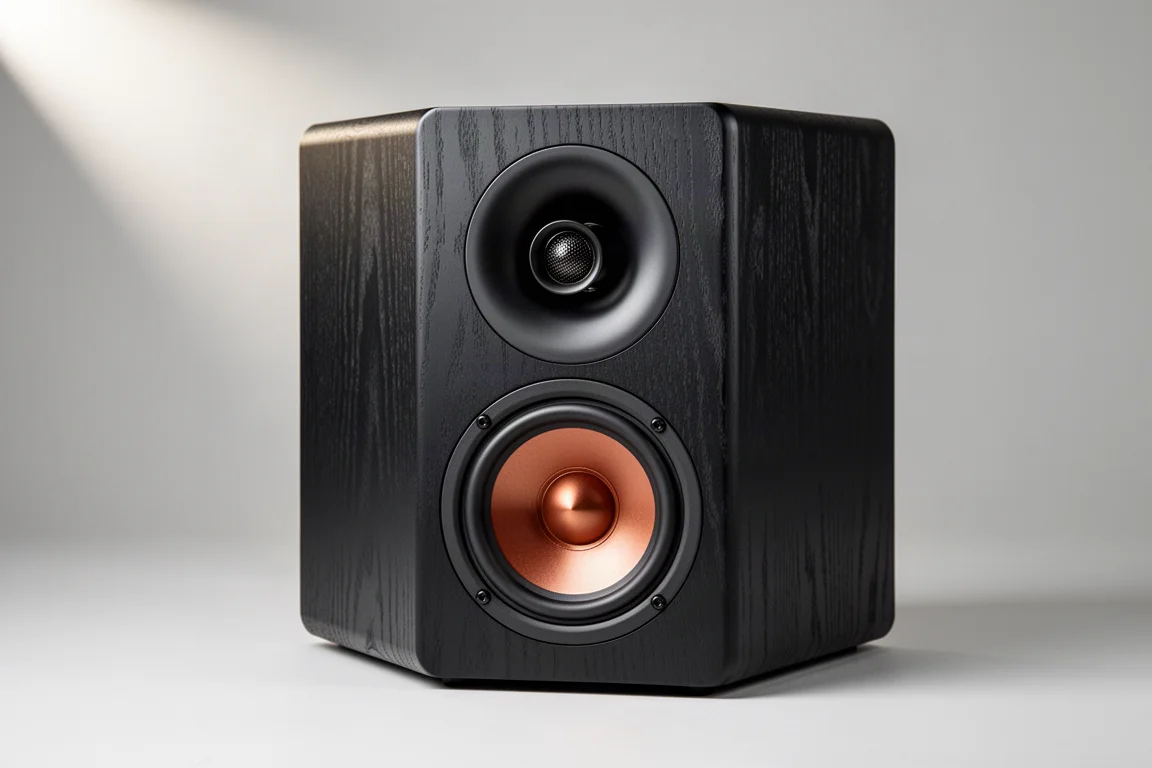
The 2C was a hugely popular speaker in its day, and it is easy to hear why. Its open-baffle-style presentation sounded more open than the box speakers of the period, and it produced an extraordinary amount of bass. It was also an easy speaker to listen to for long sessions.
It was power hungry, and it was commonly paired with an Adcom GFA-555 because of the current it demanded. The current 2Ce Signature III has evolved a long way since the 1980s, and Richard Vandersteen is still at the helm, building speakers designed to stay in service for the long haul.
Magnepan LRS: Purity at $995 a Pair
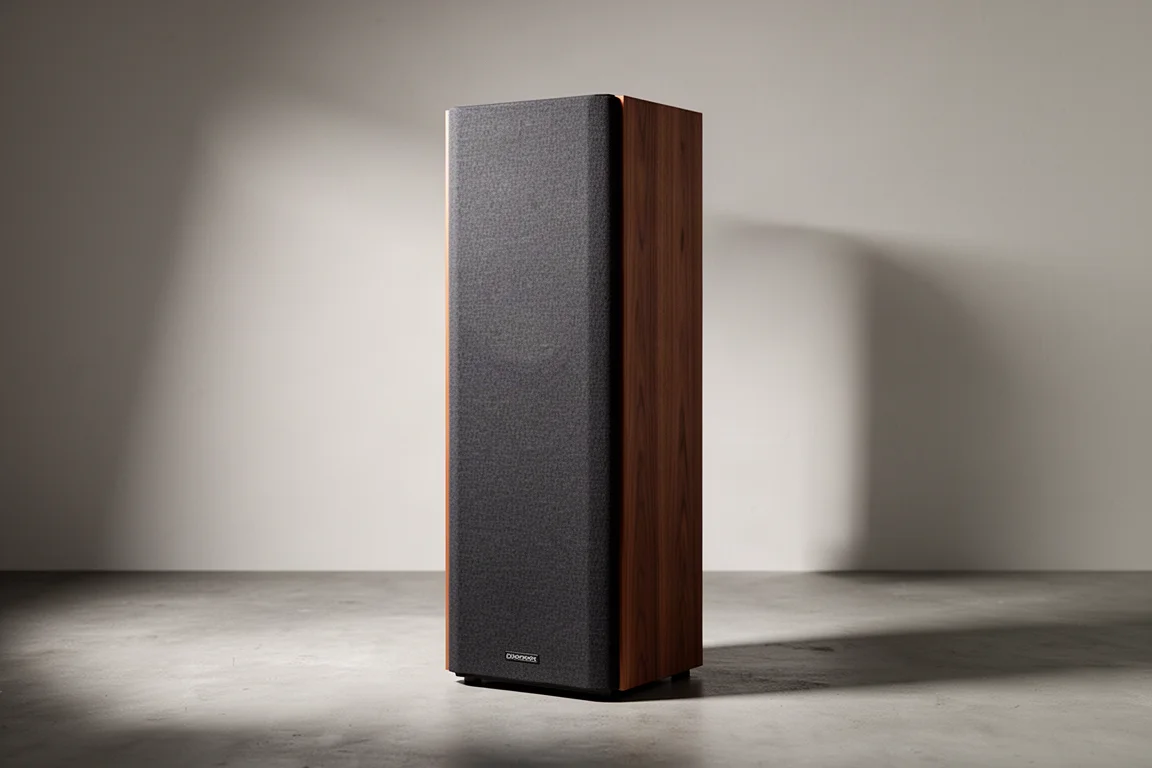
The Magnepan LRS and LRS Plus are extraordinary value: a pair of planar speakers made in the USA that sells for $995. They are transparent, open, and image closer to life size than most speakers at that price, with high frequencies that are remarkably pure.
They are also power hungry and sound best with really good electronics, so the amplifier matters as much as the speaker itself. Even so, the number of owners who are delighted with them speaks for itself.
Pure Audio Project Duet 15: The Current Reference
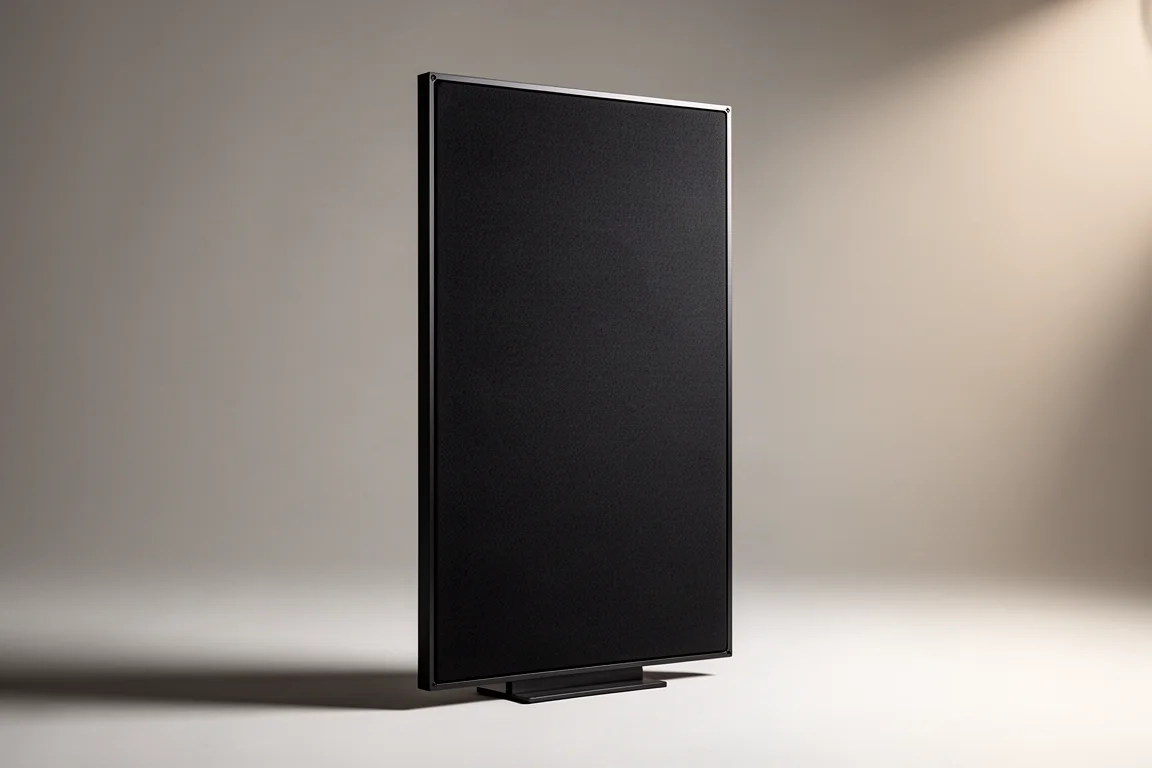
This one is a bonus pick rather than part of the ten. It is the current reference speaker in the listening room, and it presses all the right buttons: engaging, enjoyable, and easy to spend long evenings with.
Whether it will still be remembered in ten or twenty years is impossible to say yet, which is exactly why it sits outside the main list. On the strength of the listening so far, it has a good chance.
Buying Advice: Matching a Speaker to Your System
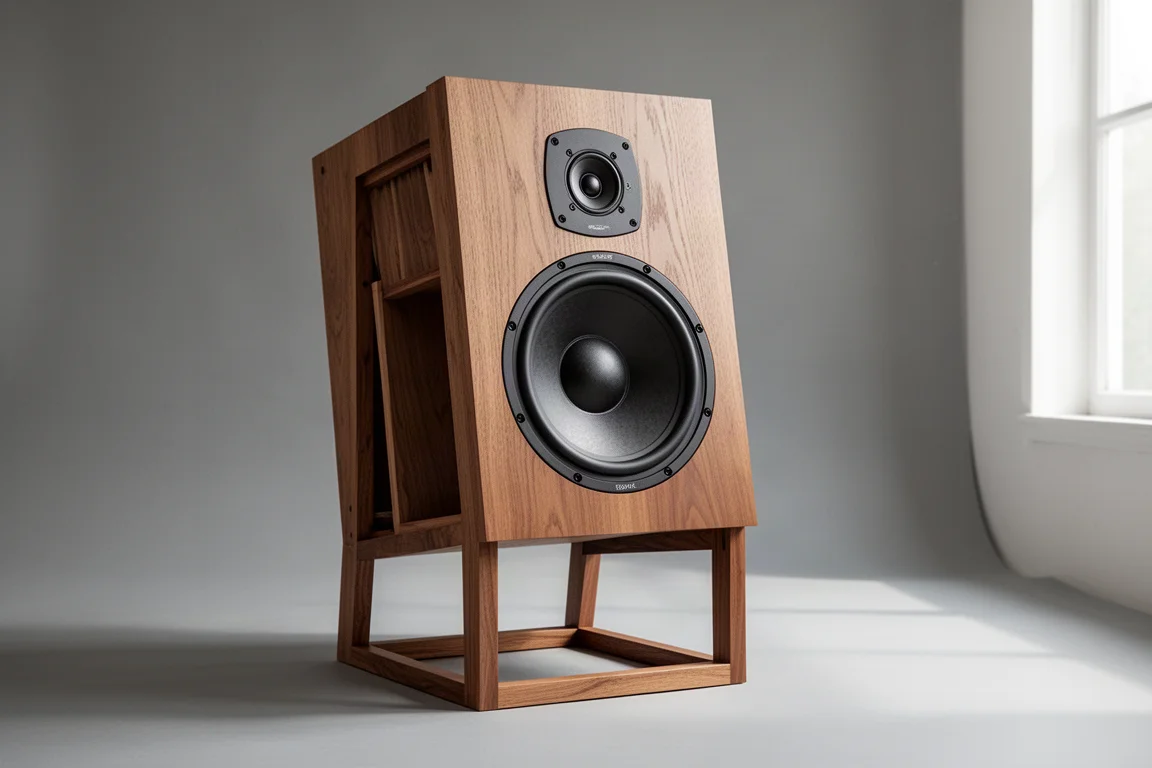
The lesson across these designs is that the match matters more than the spec sheet. Sensitivity and power requirements vary enormously. A high-sensitivity design such as the Druid 4 or the RP-600M will sing with a low powered amplifier, while the Magnepan LRS and the Vandersteen 2C demand an amplifier with real current behind it. Getting that pairing wrong will hide much of what a speaker can do.
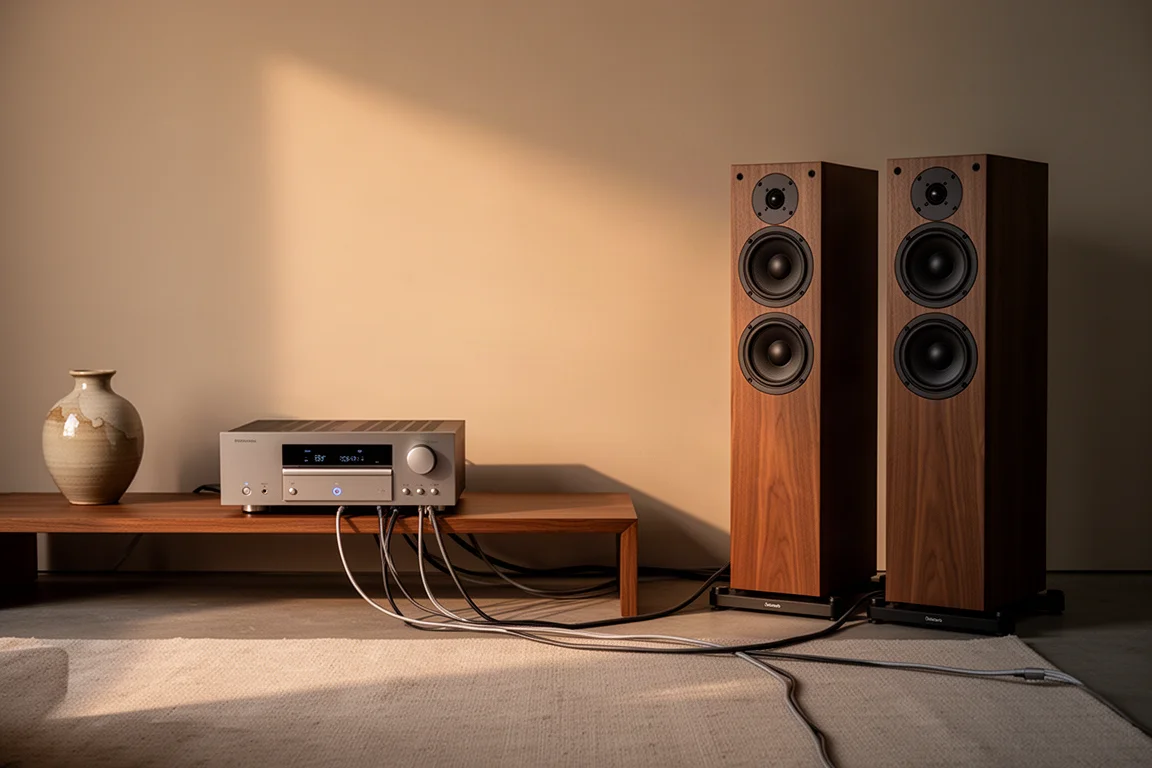
Room size and speaker type go together as well. Compact stand-mounts such as the LS50 Meta and the Special 25 suit smaller spaces, while large floorstanders and planar panels need room to breathe. Character is the third consideration: neutral speakers disappear into the music, while designs with personality make a stronger impression and ask a little more of the listener’s taste.
Conclusion
None of these speakers are here because they measure perfectly. They are here because they are memorable: they have character, they reward long-term ownership, and they make music feel worth paying attention to. Whether you are shopping for a compact stand-mount, a high-sensitivity floorstander or a planar panel, the models above show what is possible when a designer chooses personality over anonymity.
Further reading
Related Reviews
Hi-Fi Speakers
1723 THX Tower vs 1528 Bookshelf: Which Speaker Fits Your Room?
Two speakers at roughly the same price, built very differently. How the 1723 THX tower and the 1528 bookshelf compare on construction, bass, power needs, and sound.
Hi-Fi Speakers
Acoustic Energy AE 300 Review: Deep Bass From a Compact Standmount
A two-way standmount with real wood veneer, surprising low-end weight, and a warm, easygoing character. Here is what to know before buying.
Hi-Fi Speakers
Acoustic Energy AE1 40th Anniversary Review: A Modern Take on a British Classic
A compact standmount that revives a 1980s favorite with all-new parts, a warm mid-centric balance, and a price of £1,499 per pair.