High-End Audio
Meitner MA3i Review: A Neutral, Effortless DAC and Preamplifier
The Meitner MA3i combines a discrete 16x DSD converter, a preamplifier, and network streaming in one restrained chassis. Here is what to know before buying.
Introduction
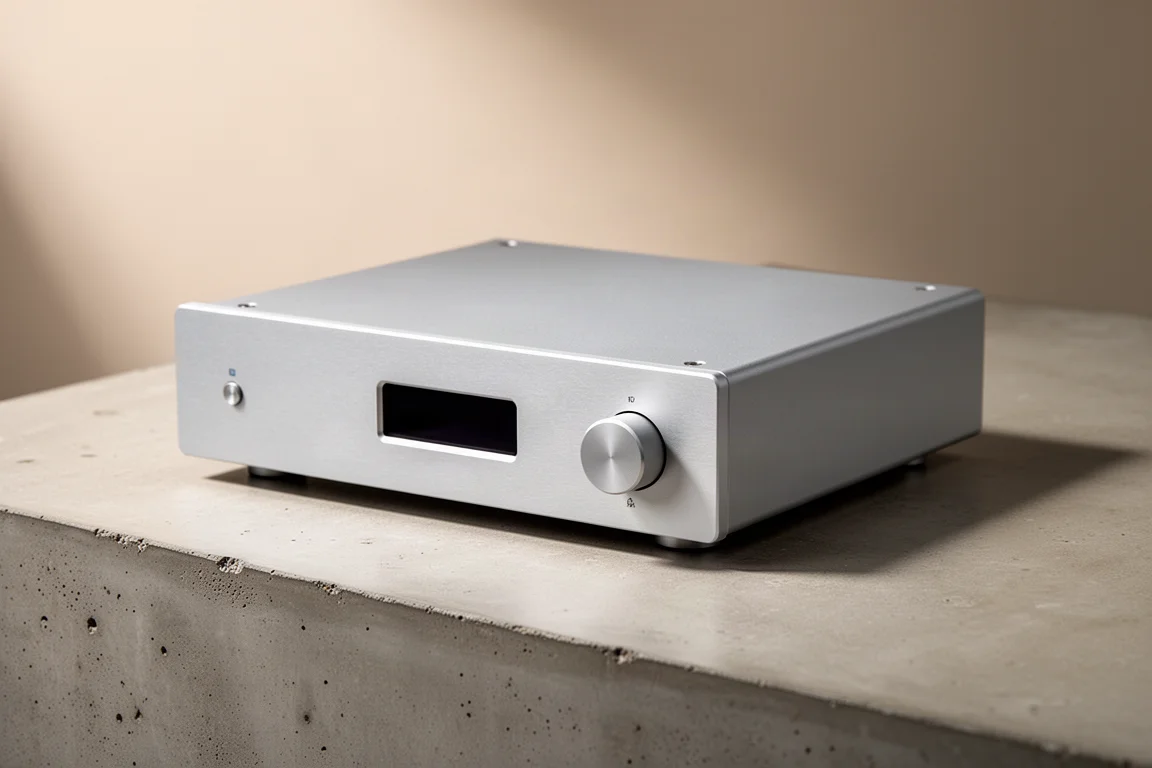
The Meitner MA3i is a digital-to-analog converter, preamplifier, and network streamer built around a fully discrete conversion stage rather than an off-the-shelf chip. Its converter technology, M DAC 2, is a proprietary 16x DSD design, and that engineering-first approach shows in the way the product is presented: a clean, uncluttered chassis, a proper volume control, and a display that is larger than average and easy to read from a listening seat.
Two versions are available. The full MA3i with network streaming is priced at $11,500 in silver or black, while a DAC-only version is $8,000.
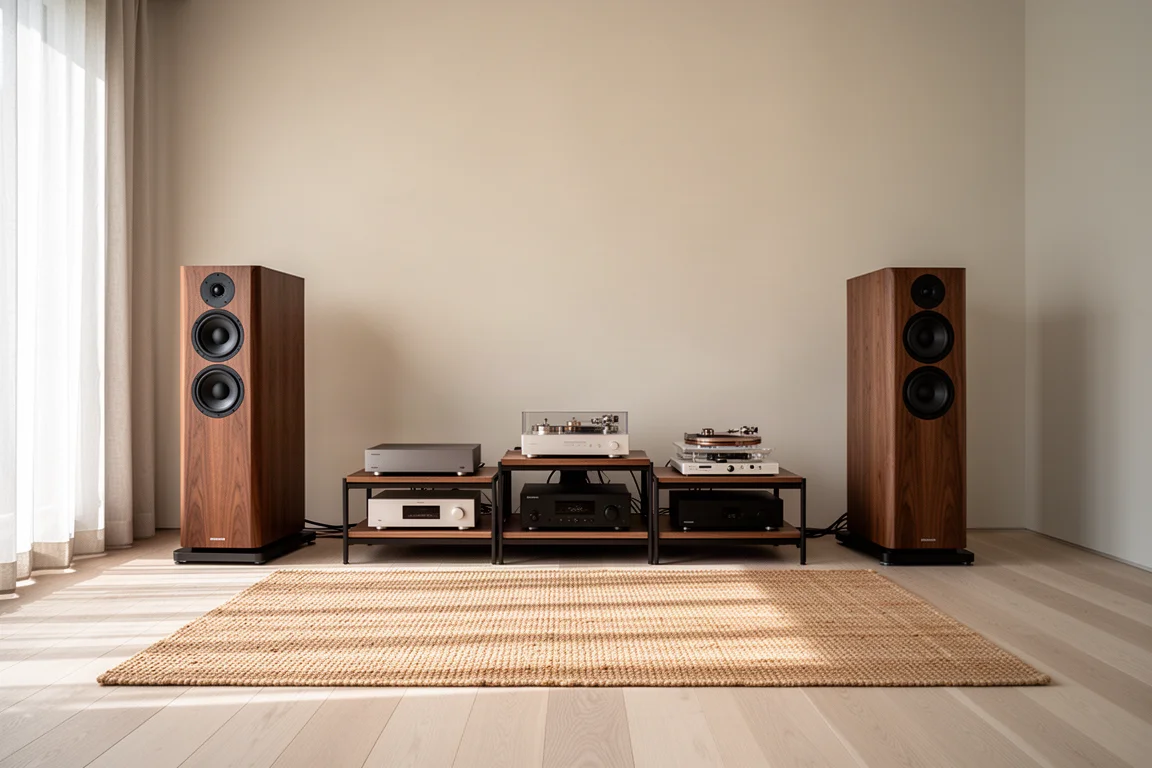
For anyone assembling a digital-first system, the MA3i is appealing because it never tries to impress with a showy sound. It aims for neutrality and delivers it with an ease that keeps long listening sessions comfortable.
Who the Meitner MA3i Is For
This is a component for listeners who value neutrality over character. It also suits anyone who wants to simplify a system: because the MA3i has its own volume control, it can drive a power amplifier directly and remove a separate preamplifier from the signal path.
Network listeners get a Roon ready streamer with support for Qobuz and Tidal Connect. Owners who want to keep analog sources in the system will still need a separate preamplifier, since the analog connections on the MA3i are outputs rather than inputs.
Design, Display, and Connectivity
The chassis is deliberately plain. There is no bling and nothing that announces itself as high-end hardware; it looks like exactly what it is, a converter and preamplifier with a volume control. The supplied remote is functional rather than special, and it will likely handle most everyday level changes.
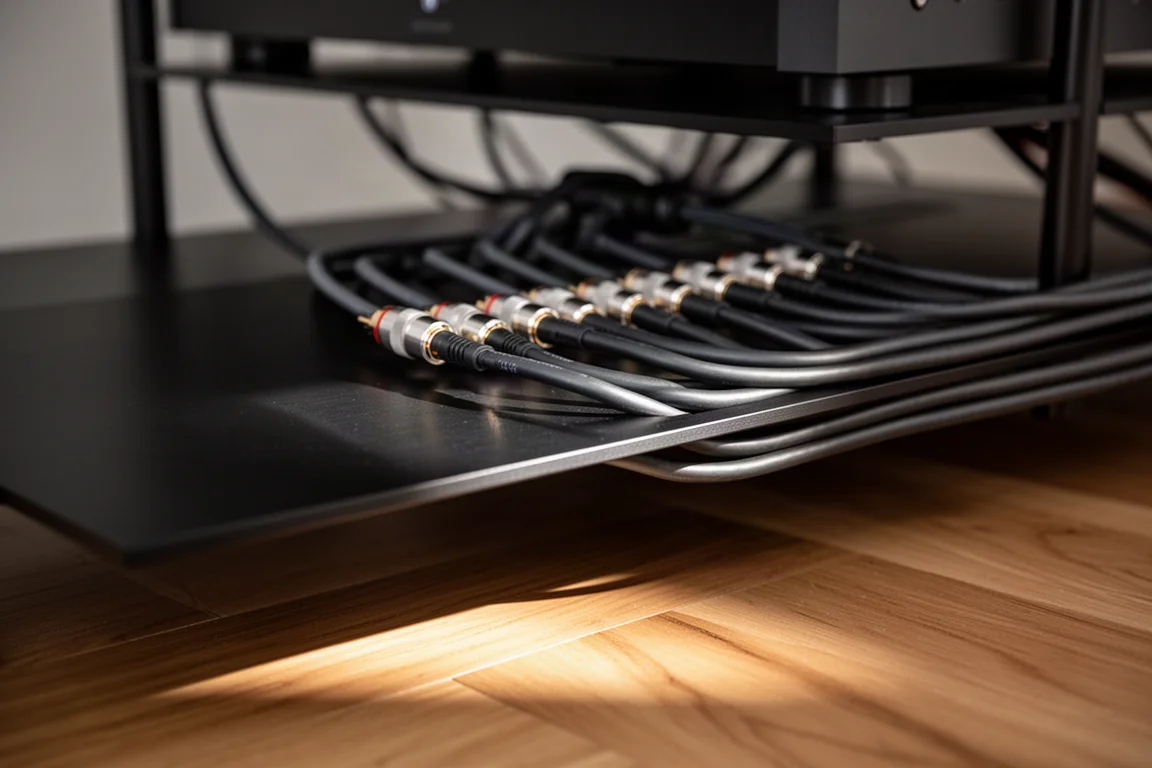
Connectivity is broad. Digital inputs cover XLR, RCA coaxial, optical, USB, USB media, and a network connection for streaming. Analog output is available on both RCA and XLR. The one notable omission is HDMI, so this is not the component for bringing a television’s audio into the system through that route.
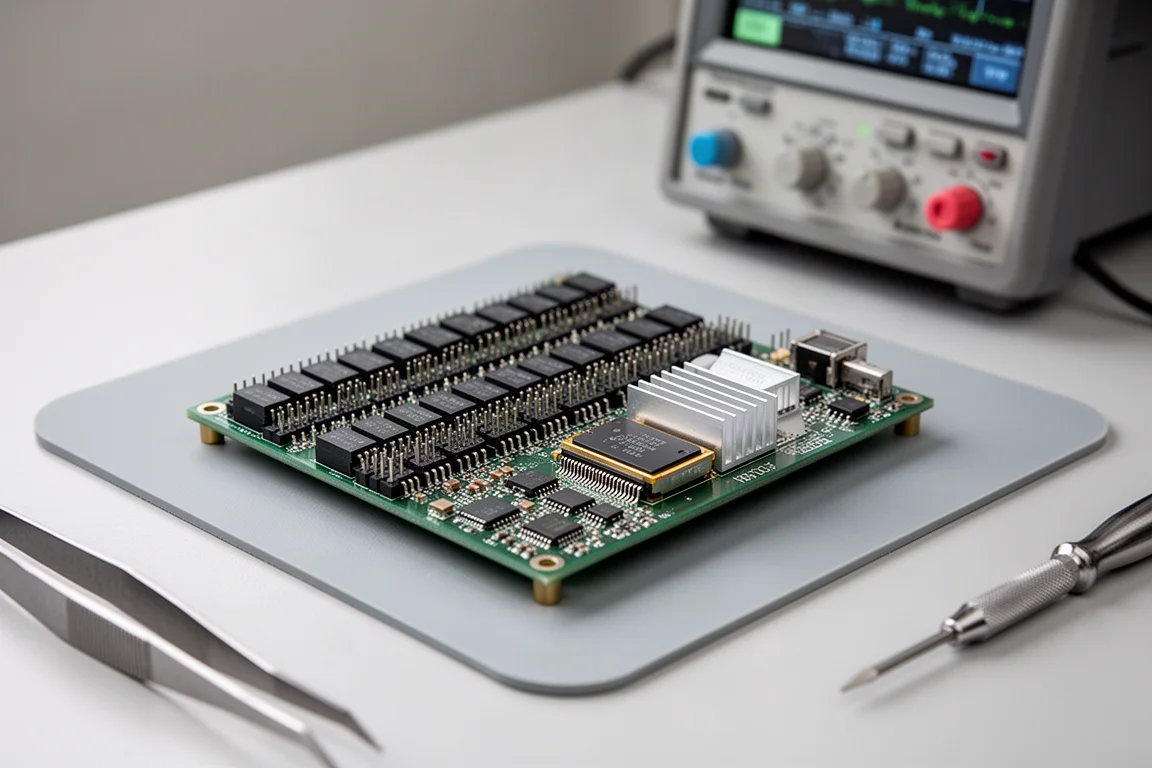
Inside, the conversion stage is where the MA3i separates itself from most of the market. It is not an R2R design and it does not rely on purchased converter chips; the discrete 16x DSD architecture is the company’s own work.
How the Meitner MA3i Sounds
The defining quality is neutrality. Nothing in the presentation steps forward to impress, and there is no artificial edge or spotlight on high-frequency detail. The result is a relaxed, sweet, and genuinely effortless sound that remains easy to live with over hours rather than minutes.
Set against a leaner-sounding reference converter such as the Mola Mola Tambaqui, the MA3i comes across as warmer and fuller through the midrange, with a slight edge in spaciousness. The gap between the two is small, on the order of a few percent rather than a night-and-day difference, and both are exceptional performers. Listeners who prefer a cooler, more analytical presentation may still favour the leaner approach, while those who want body and ease will gravitate to the MA3i.
Living With the Meitner MA3i as a Preamplifier
The MA3i sounds best when it drives a power amplifier directly. That is not the usual outcome for a converter with its own volume control, where inserting a separate preamplifier often adds dynamics and weight. Here, going direct preserved the clarity, purity, and effortlessness of the presentation.
Adding a preamplifier to the chain gave up roughly ten percent of that clarity and purity, a modest but audible trade. The upside is flexibility: a preamplifier opens the door to analog sources, which the MA3i cannot accept on its own. Owners with a turntable or another analog source may find that trade worthwhile, while digital-only systems are better served by the direct connection.
Things to Consider Before Buying
There is no HDMI input, so a simple television connection is off the table. The volume control on the chassis is a nice one, while the supplied remote is functional but nothing special.
The price is significant in either configuration: $11,500 for the version with streaming and $8,000 for the DAC-only version. Buyers who already own a high-quality streamer can save by choosing the DAC-only option, while those who want a single box for network playback should budget for the full version.
Support is also part of the value at this level. The company offers updates for its products, and an MA3i can be sent back to the factory for an update if a newer version arrives a few years from now.
Buying Advice
The MA3i makes the most sense for a listener who wants a neutral, relaxed, and fatigue-free digital front end and is willing to pay for a discrete, proprietary converter design. It suits a simplified system in which the converter drives a power amplifier directly, and it works just as well in a traditional setup where a preamplifier handles analog sources alongside digital ones.
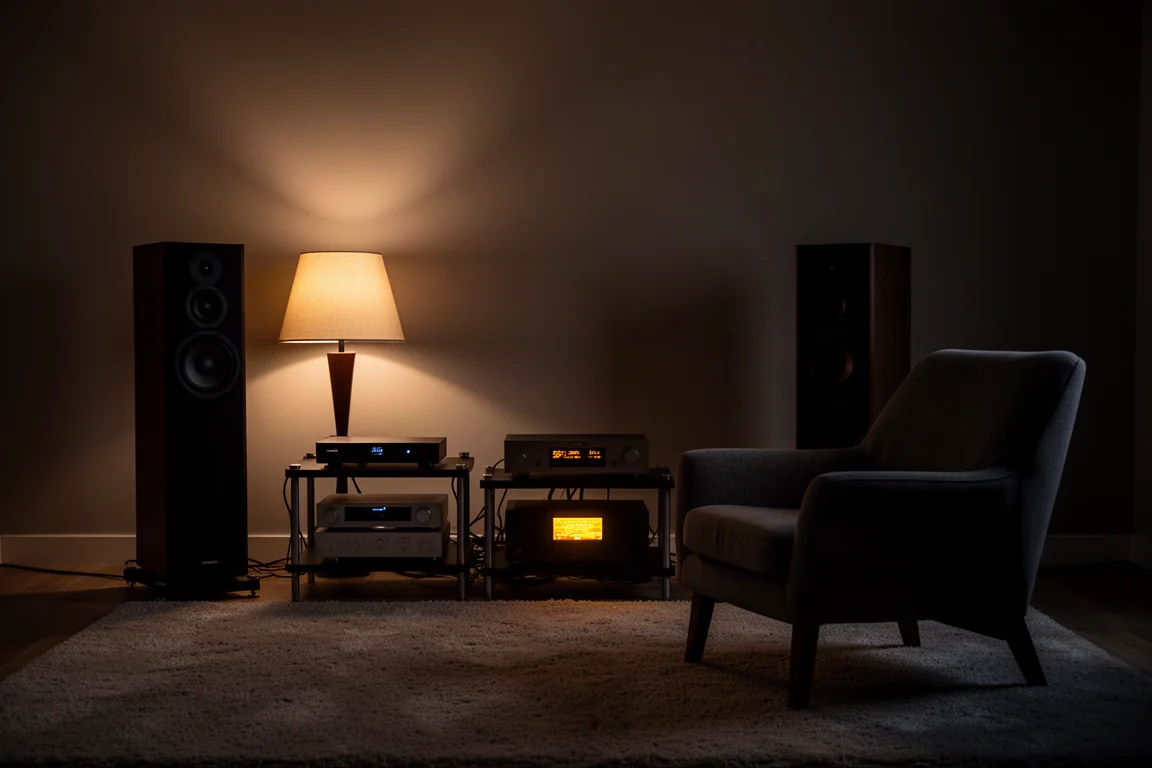
If maximum accuracy and the simplest possible signal path are the priorities, run the MA3i straight into the power amplifier. If flexibility matters more, add a preamplifier and accept the small loss of purity. Choose the streaming version only if the network features will genuinely be used; otherwise the DAC-only version delivers the same core performance for less.
Conclusion
The Meitner MA3i earns its place through neutrality rather than spectacle. Its discrete 16x DSD conversion, broad digital connectivity, and strong performance as a direct-driving preamplifier add up to a digital front end that is easy to recommend to listeners who want an effortless, natural presentation and a component that can be serviced and updated down the road.
Product link
View more details for Meitner MA3i
This product is mentioned in the review. Check the specifications, options, and compatibility before buying.
View more details for Meitner MA3iFurther reading
Related Reviews
High-End Audio
Accuphase E-3000 Review: A Class AB Integrated Amplifier Built to Last
The Accuphase E-3000 is the entry point into a legendary Japanese high-end line. Here is how it sounds, how it is built, and who should consider it.
High-End Audio
Arreté Floorstanding Speakers and Benchmark HPA2: A Premium Pairing Worth Hearing
A close look at how Arreté floorstanding speakers and Benchmark HPA2 power amplifiers pair up, what each component contributes, and what to weigh before buying.
High-End Audio
Aurelia Acoustics MRB1 Review: Marble Cabinets and a Big, Lively Sound
The Aurelia Acoustics MRB1 pairs a marble cabinet with Accuton ceramic drivers and a lively, spacious sound that stays easy to listen to. Here is what to know before buying.