Backpacking Gear
MEC Backpacking Gear Field Test: What Held Up on a 3-Day Rockies Trip
Nine pieces of Canadian backpacking gear carried over three days, four mountain passes and near-constant rain in the Rockies, with honest notes on what earned a place in the pack and what went back to the store.
Introduction
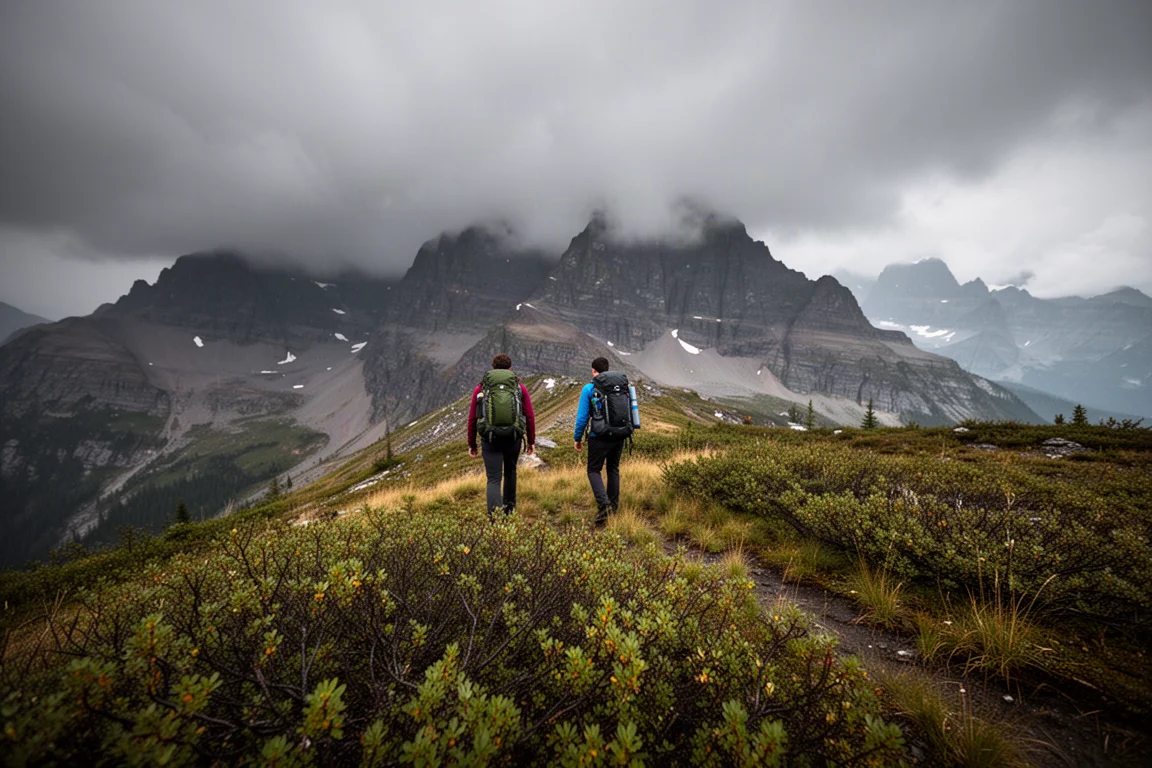
Three days, roughly 23 kilometres, four mountain passes, and weather that changed its mind every few hours. That is the shape of a recent field test of backpacking gear from Mountain Equipment Company, the Canadian outdoor retailer, carried out on the Sunset Pass Trail toward Pinto Lake and on to Michelle Lakes in the Canadian Rockies.
It was never going to be a gentle introduction. The first climb alone gains around 538 metres, the route spends long stretches above tree line, and there are sections where the trail effectively disappears and has to be read from the terrain itself. Rain fell on and off through the first day, hail and thunder rolled in during the afternoon, and blowdowns had wiped out parts of the path. In other words, ideal conditions for finding out which gear actually works.
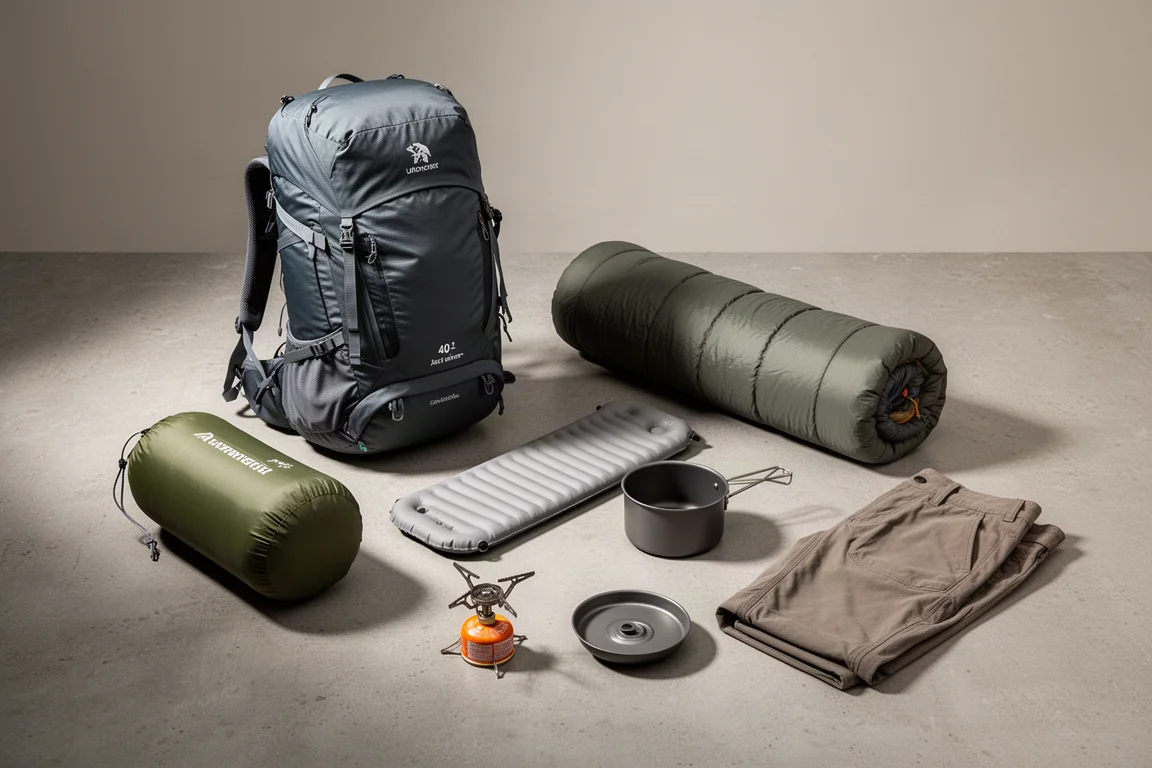
Nine items came along: a pack, a pair of pants, a one-person tent, a sleeping pad, a pillow, a sleeping bag, a canister stove, a pot lid, and an electrolyte drink mix. Some of them were excellent. A few were returned at the end of the trip. Both outcomes are covered below.
What We Tested and How
Everything here was carried and used on the same three-day route, in sustained wet conditions, with real elevation gain and genuine route-finding. Each item was judged on four things: how it carried or packed, how it performed once the weather turned, how comfortable it was after a long day, and whether it earned the space it occupied.
Mountain Equipment Company supplied most of the lineup, and the scale of the retailer is worth noting. It is one of the largest outdoor companies in Canada, with a product range that spans entry-level and technical gear. Two items sit outside that lineup, a pot lid from an independent designer and a widely used electrolyte mix, and they are included because they were part of the same kit on the same trip.
MEC Cirrus 40L Ultralight Backpack
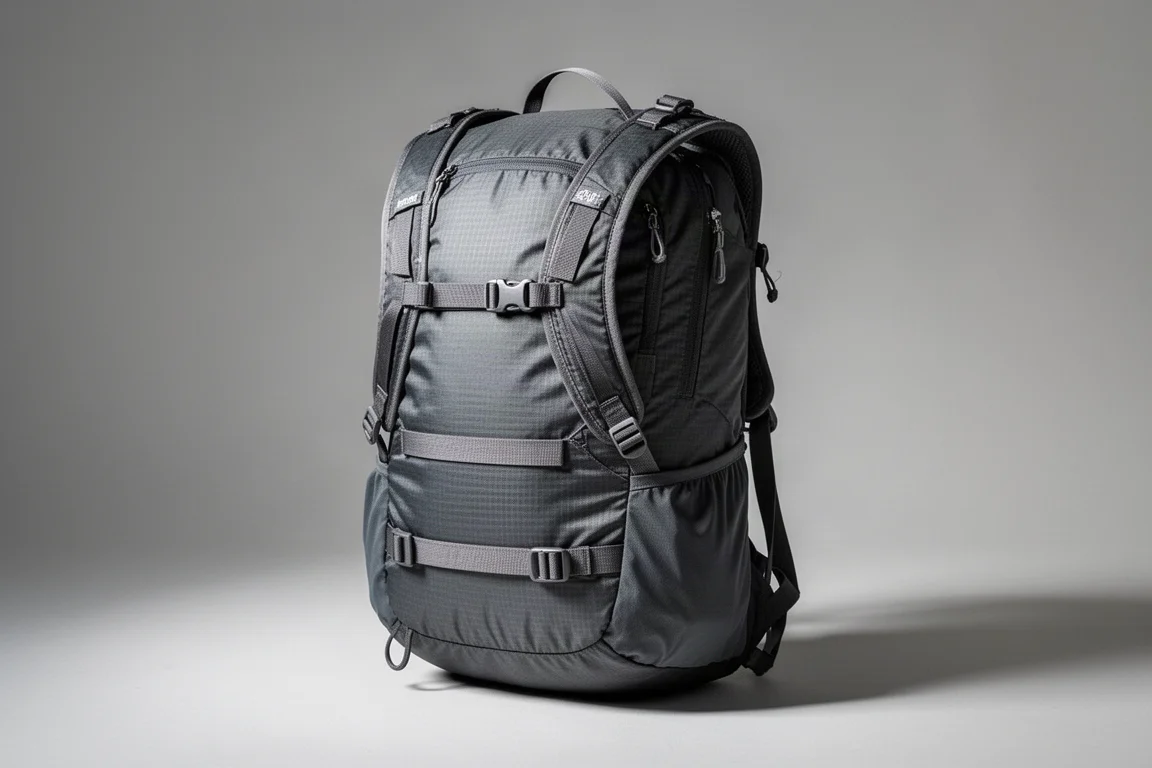
The Cirrus is a 40-litre ultralight pack built around a running-vest style harness. Instead of a single sternum strap, it uses two: one across the chest and one lower down. That layout is often a poor fit on bodies it was not drawn around, and it was a fair concern going in, but the harness turned out to be genuinely comfortable on the trail. Adjusting the shoulder straps and load lifters partway through the first day noticeably improved the carry.
The compromise is volume. At 40 litres the pack is already modest, and the side pockets have no stretch, so bottles cannot be pushed in from the outside without stealing space from the main compartment. Two litres of water effectively turns it into a 38-litre pack, which is why a tent ended up strapped to the top. It was kept after the trip, but on reflection the side pockets and the lower chest strap simply did not suit this particular hiker.
MEC Wander Wall Pants
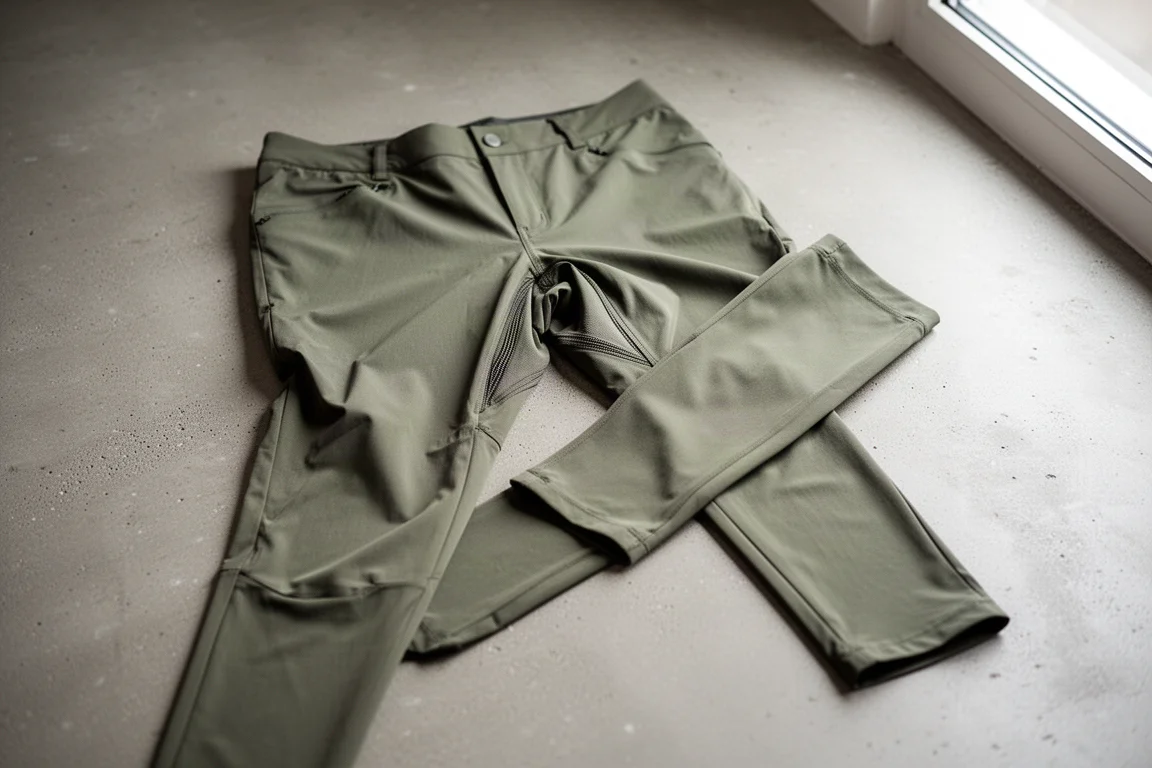
The Wander Wall pants nearly did not make the trip. The first try-on felt tight through the thighs and generally uncomfortable, but sizing up solved it. The waistband then ran large, raising the obvious worry of pants sliding down on a steep climb, and that never happened once.
What makes them work is the construction. A gusseted crotch gives a lot of freedom of movement, and the fabric is light without feeling fragile. They stayed comfortable through three long days of climbing, descending and scrambling. The one real limitation is water. After hours of steady rain they were soaked through, and rain pants would have been the smarter call.
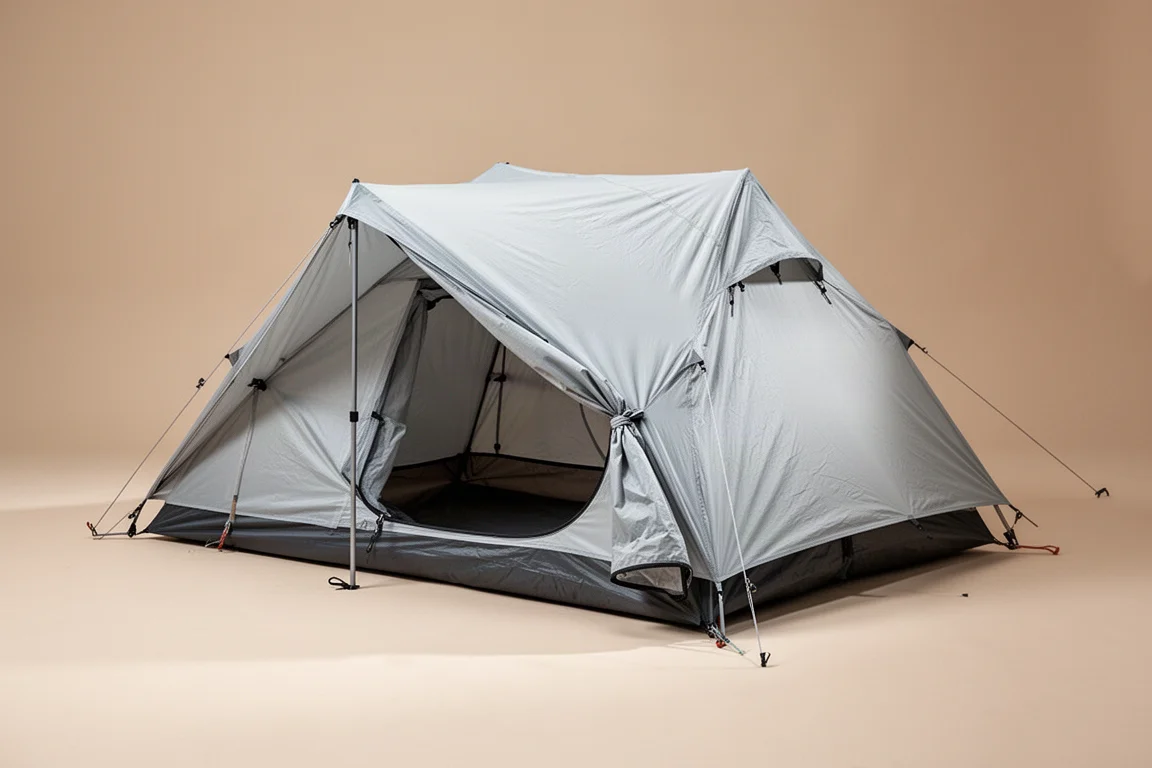
MEC Spark UL 1-Person Tent
The Spark UL uses a hubbed pole structure, with two hubs attaching to the underside of the poles. It is an interesting approach that adds some interior volume, and the dual roll-back door is a genuinely welcome feature.
The problems show up in bad weather. The peak height sits over the centre of the tent rather than over the head end, so sitting up or getting in and out of a sleeping bag means shuffling to the middle. The nylon rainfly sags noticeably once it is wet and needs repeated retensioning. Interior storage is limited to a single pocket, with nothing overhead. And the body scoops inward along the sides, with no attachment point or guy line to pull the walls outward. Even for a one-person tent it is very snug, and taller or larger users would likely find it cramped. It went back to the store after the trip.
MEC Vector Air Force UL Sleeping Pad
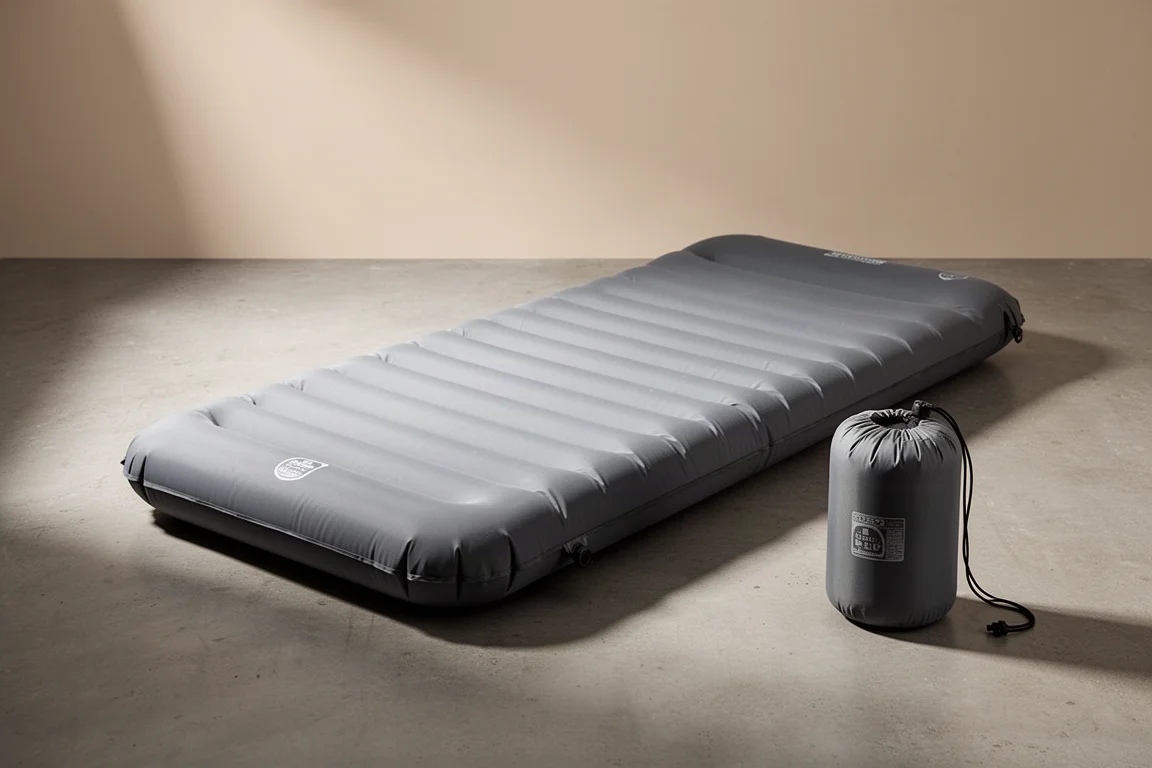
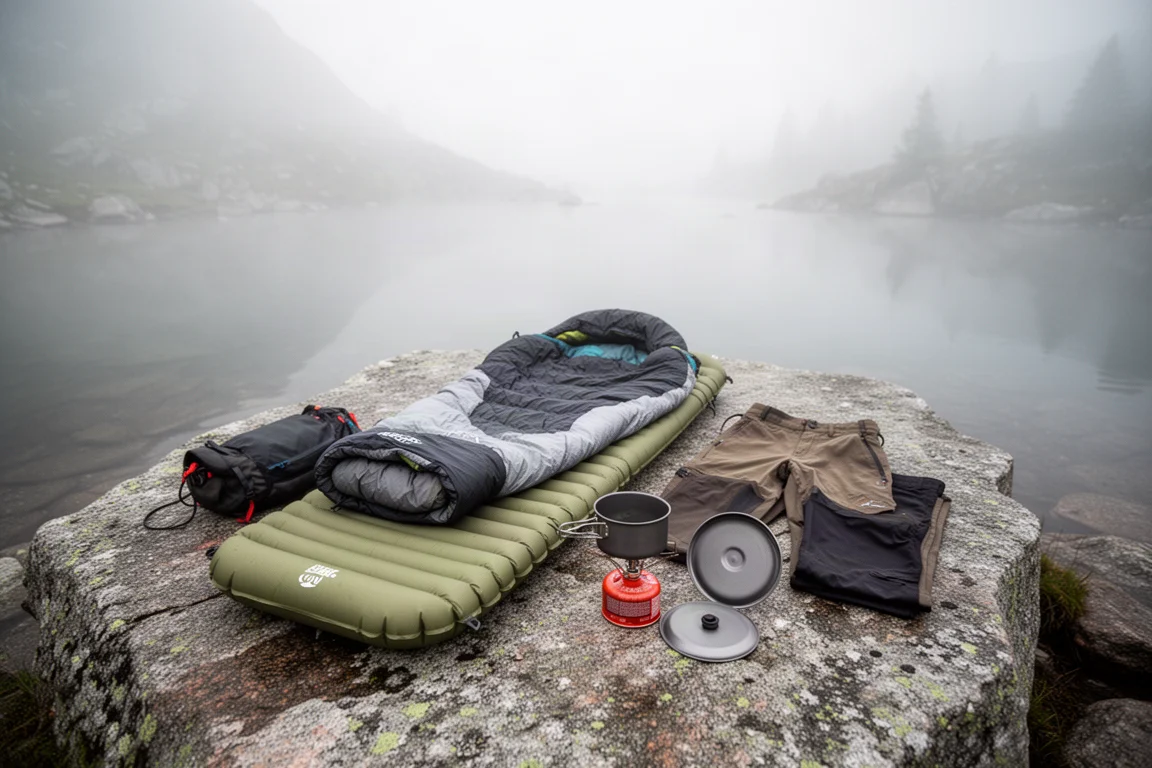
This pad is bulky when packed, and that is the trade-off it makes. In exchange it is exceptionally comfortable, and it was one of the pieces that stood out most across the entire trip.
The stated R-value is 5.4, and it is marketed as a four-season pad. That figure is modest for genuine winter use, but for a wet, cool three-season route it was more than adequate. A small design detail deserves credit too: the stuff sack doubles as a pump sack and fills in a specific orientation, which made inflation quick and avoided a lungful of damp air.
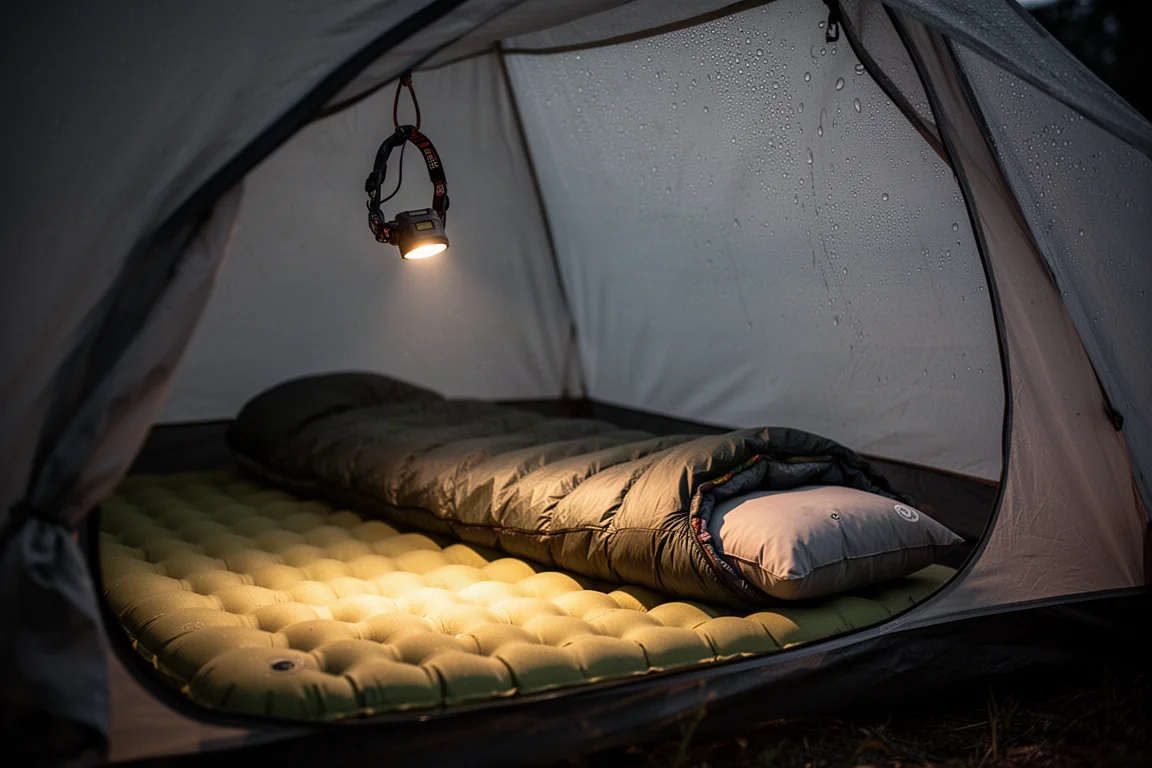
The result is a sleep setup that stayed comfortable even after a day spent soaked and cold. Anyone who prioritises a good night over the smallest possible packed size will get along with it well.
MEC Deluxe Air Pillow
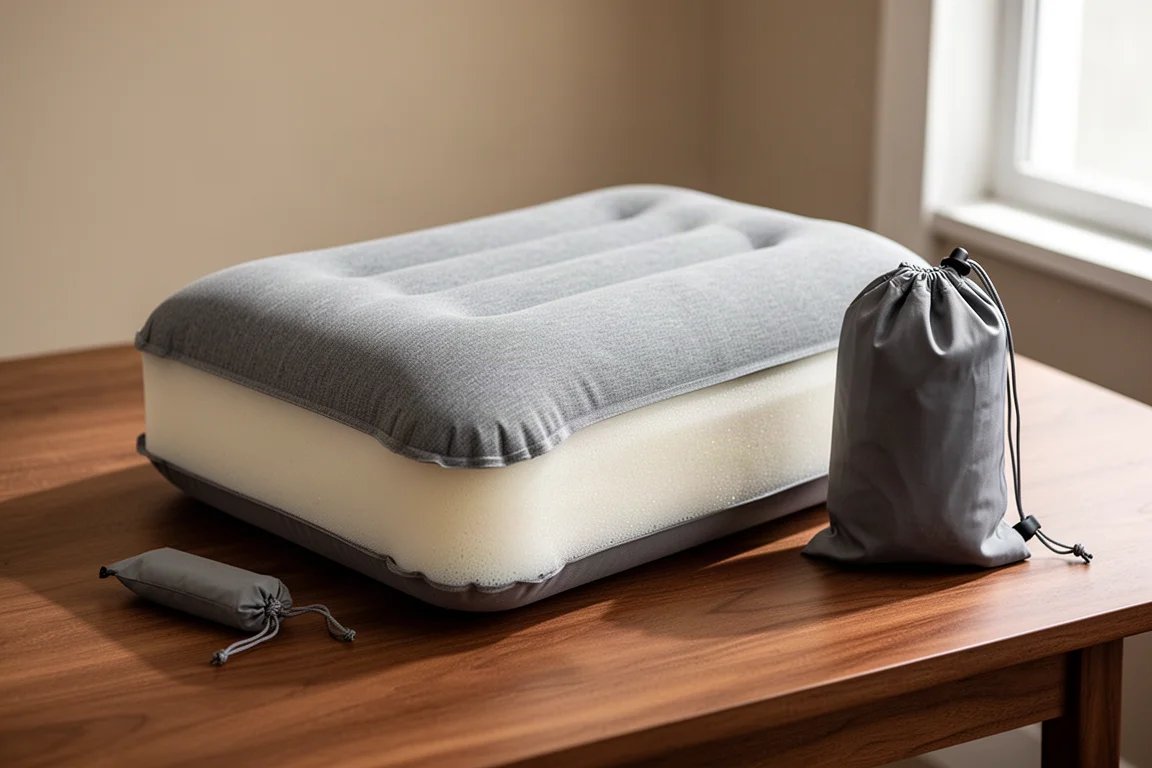
The Deluxe Air Pillow, in the medium size, is larger than the minimalist pillows most backpackers carry, and it packs down into a small stuff sack. It combines an air chamber with a thin layer of foam, which is what separates it from the flat, slippery pillows that tend to end up on the tent floor by morning.
It is not the lightest option, and that is the honest trade-off. What it delivers is a camp pillow that actually behaves like a pillow, which matters a great deal on a cold, wet night.
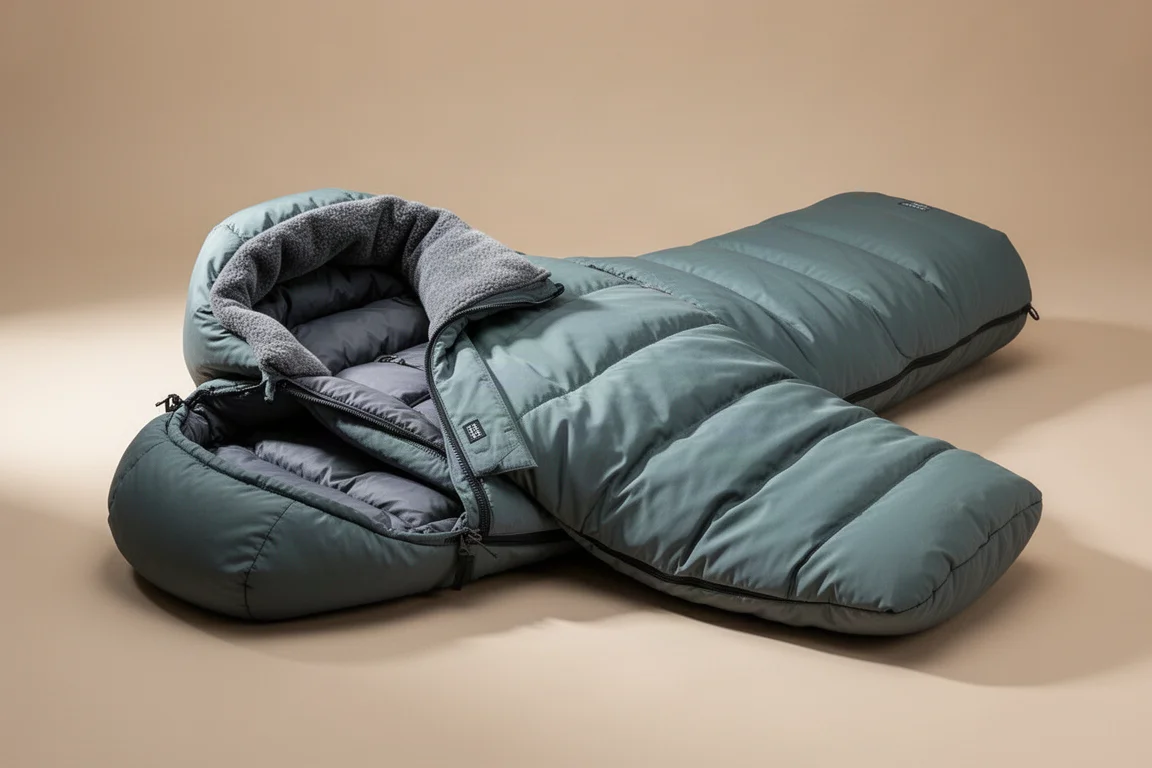
MEC Delphinus 9° Sleeping Bag
The Delphinus carries a 9-degree comfort rating rather than a lower-limit figure, which is the more useful number for most people. The feature that made the biggest difference was the draft collar. It wraps around the neck and seals off the sides, and it kept warmth in on a damp, cool night.
The first night ran slightly cold until the hood was cinched in around the head, after which it was comfortable. On the second, colder night a jacket worn inside added margin. For three-season trips in changeable mountain weather, that is a sensible and reassuring setup.
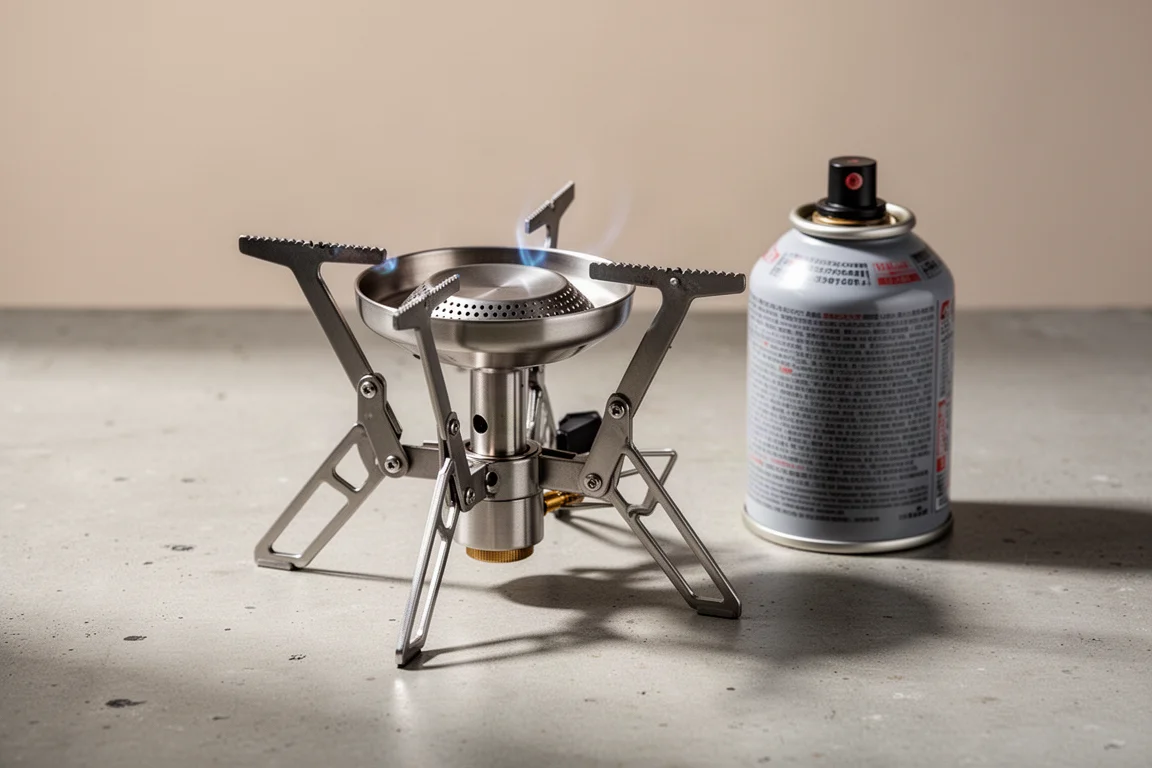
MEC Mini Stove
The Mini Stove is a simple three-pronged canister stove with folding arms that close down into a compact package. It is light, and it sits at a friendly price point for anyone assembling a first kit.
Two things hold it back. There is no built-in igniter, so a lighter is mandatory, which is awkward with cold, numb hands. And it is slow. It is not built for speed, fuel efficiency or windy conditions, and a pot of water took a long time to boil. It worked, but it was returned at the end of the trip rather than kept.
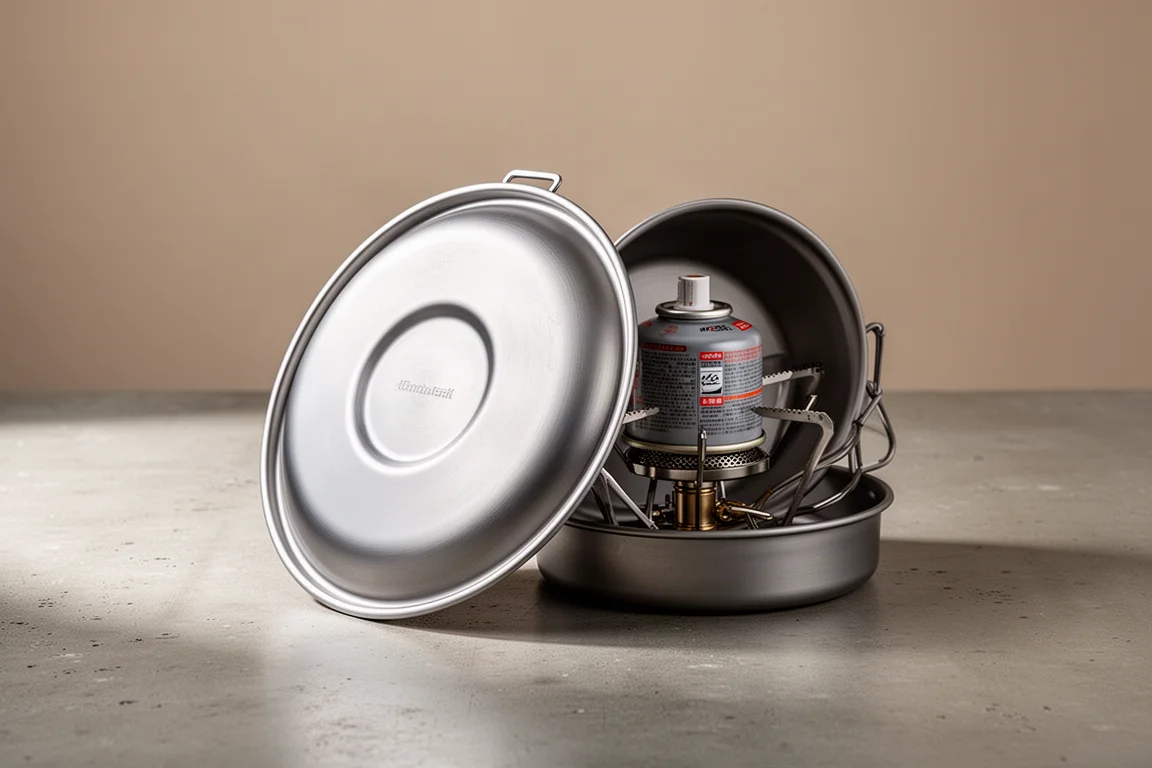
Pika Pot Lid
The Pika Pot Lid is a small accessory with an outsized effect on camp life. The twist mechanism makes lifting a hot lid off a pot far easier than prying at a friction-fit lid, and small ramps along the rim make it simpler to pull a lighter out of a pocket. The design was shaped by a real accessibility need, and that shows in daily use.
It performed exactly as described, and it was one of the items that came home from the trip. For anyone who has ever wrestled with a stubborn lid at the end of a long day, it is an easy recommendation.
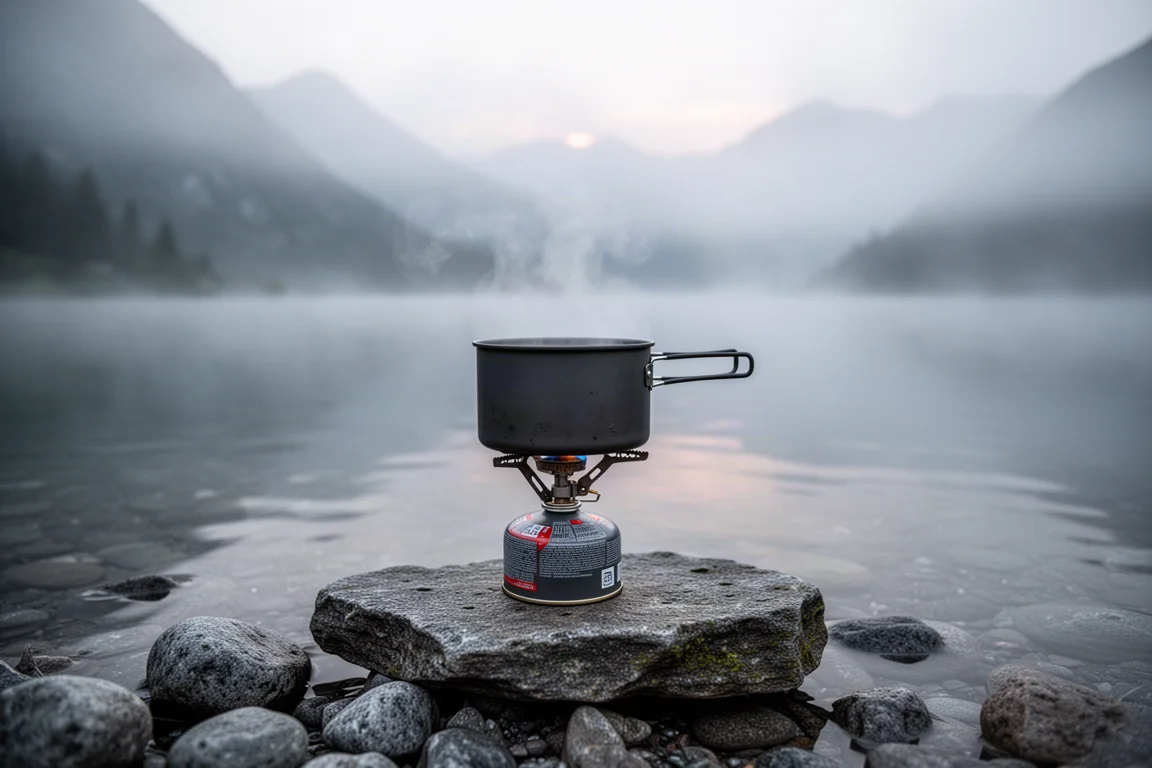
Small cooking accessories rarely get much attention, but this one changed how the whole cooking routine felt on a wet, cold evening.
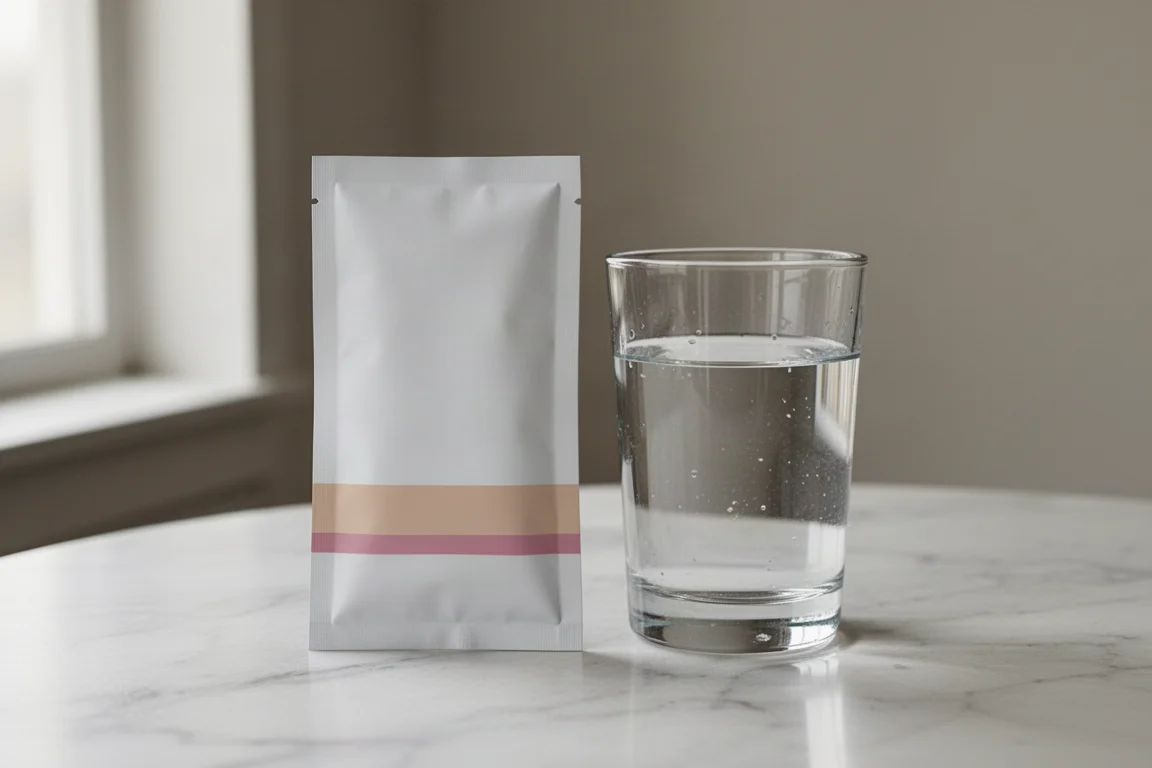
LMNT Electrolyte Drink Mix in Mango Chili
LMNT is the one item here that is not part of the Canadian lineup under test, and it earns its place on usefulness alone. The single-serve sticks are easy to carry, mix straight into a bottle, and the mango chili flavour is a welcome change from the usual sweet citrus options.
On a trip where it rained for most of three days, staying on top of hydration was a constant task rather than an afterthought, and having a mix that was genuinely enjoyable to drink made it far easier. It has become a daily staple well beyond backpacking.
Buying Advice
The clearest lesson from this trip is that the sleep system and the pants are where the value sat. The pad, pillow and sleeping bag worked together as a genuinely comfortable setup in cold, wet conditions, and the pants handled three days of hard hiking without a single complaint. Those are the pieces worth prioritising first.
The pack, tent and stove were all returned. None of them failed outright, but each carried a compromise that mattered in practice: side pockets that will not hold a bottle, a rainfly that sags, a stove that is slow and needs a lighter. That is the pattern to watch for. Specs on a product page rarely reveal these details; a few hours of real use do.
Two further points are worth carrying into any multi-day plan. Rain pants are not optional on a route with this much exposure, and shelter sizing deserves more attention than it usually gets, since a tent that is snug for one person is genuinely tight for anyone taller or broader. Route conditions matter just as much. Above tree line, thunder means moving, and in bear country, talking loudly on the approach is simply part of the routine.
Conclusion
Testing gear over four passes and 23 kilometres of wet, rugged terrain makes the verdicts easy to trust. The MEC sleep system and the Wander Wall pants earned their place, the Pika Pot Lid proved its worth as a small but genuinely useful upgrade, and the electrolyte mix handled hydration on days when nothing stayed dry. The pack, tent and stove each came with compromises that were hard to overlook.
If you are building a kit for changeable mountain weather, start with the sleep system and work outward from there. That is where comfort is won or lost.
Further reading
Related Reviews

Backpacking Gear
Building a 10 lb Base Weight: An Ultralight Backpacking Gear List
A practical walkthrough of the ultralight pieces behind a 10 lb base weight, from a 765 g pack and a roomy one-person tent to a full camp chair and a dependable water filter.

Backpacking Gear
A 15-Pound Lightweight Backpacking Gear List for Solo Trips
A beginner-friendly 15-pound backpacking setup built from easy-to-find gear, with notes on what each piece does, how it packs, and where to spend your attention.

Backpacking Gear
8 Ultralight Backpacking Gear Upgrades Worth Carrying
Eight small, affordable backpacking upgrades that solve real trail annoyances, from a pillow that stays put to a fuel valve that rescues leftover canister gas.