Hi-Fi Audio
McIntosh MSA5500 Review: A Streaming Integrated Amplifier With Heritage Sound
A close look at the McIntosh MSA5500, an all-in-one streaming integrated amplifier with a 100W Class AB output stage, an ESS eight-channel DAC and broad casting support.
Introduction
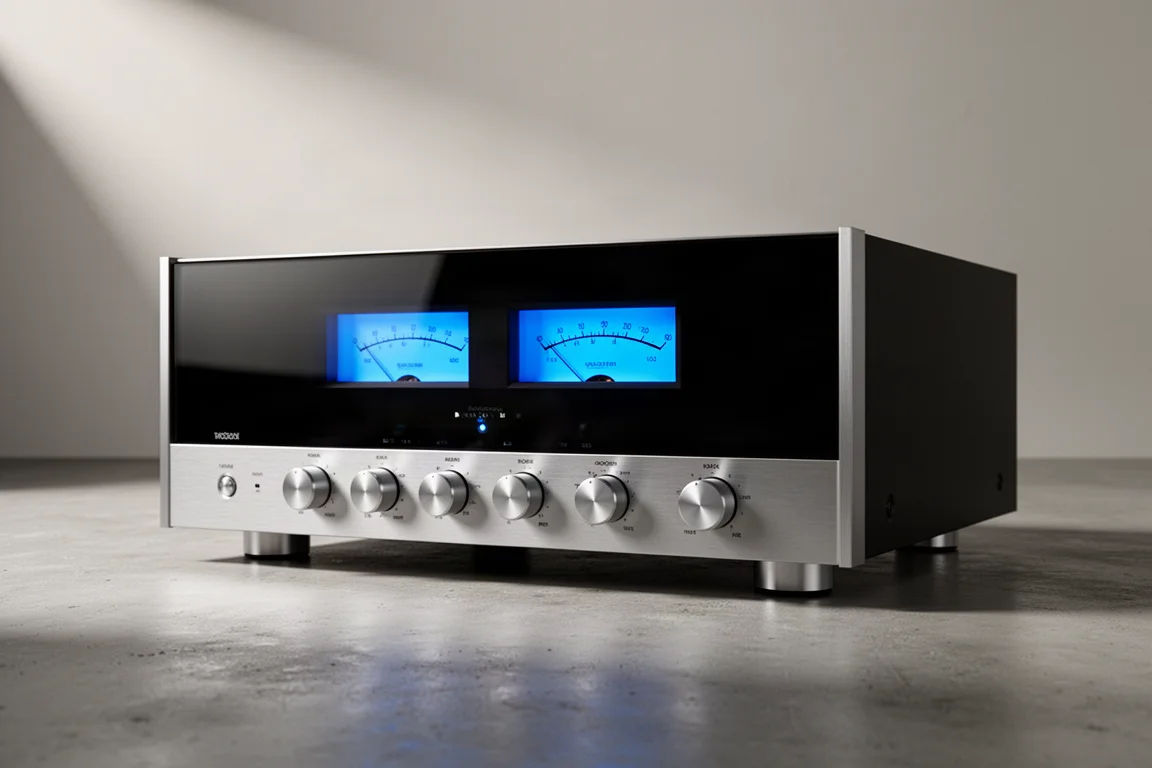
Streaming integrated amplifiers have reshaped the high end of the two-channel market over the past few years. Instead of stacking a separate streamer, DAC and power amplifier on a rack, listeners can now run a single compact component that handles amplification, digital conversion and network playback. McIntosh has built streamers and integrated amplifiers for years, but the MSA5500 is the first time the company has brought both together in one chassis.
The MSA5500 carries the brand’s familiar visual language and a specification sheet that reads like a serious two-channel component rather than a lifestyle convenience product. McIntosh builds its components in Binghamton, New York, where hand assembly and individual testing are part of the production process. That background shapes both the design language and the engineering priorities here.
Who This Product Is For
The MSA5500 is aimed at listeners who want to get to their music quickly. Cast from a phone, choose a service, press play. There is no sprawling menu tree to navigate and no separate streamer to configure.
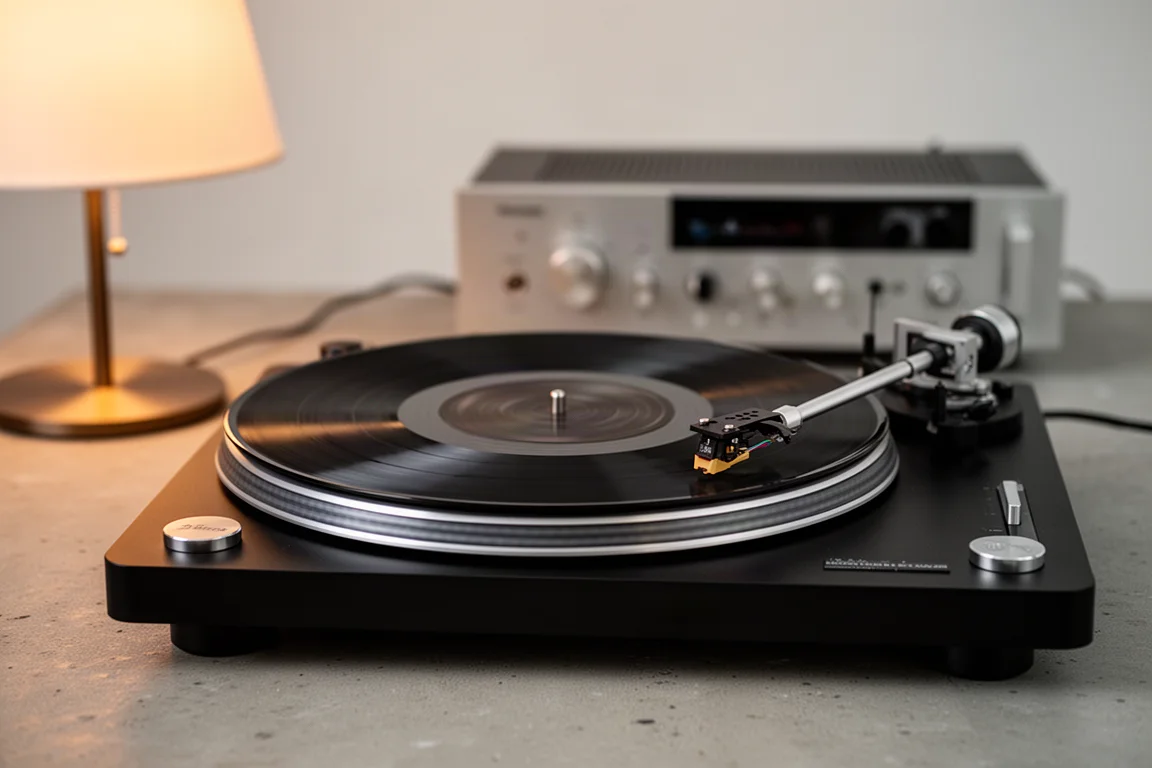
It also suits people who want to keep a turntable in the system without adding an outboard phono stage, because a moving magnet input is built in. And it fits anyone who wants a genuinely capable amplifier section that can drive a broad range of speakers rather than a small desktop setup.
It is a weaker match for listeners who rely on Qobuz, which this unit does not support, and for vinyl collectors using moving coil cartridges who want the loading options of a dedicated phono stage.
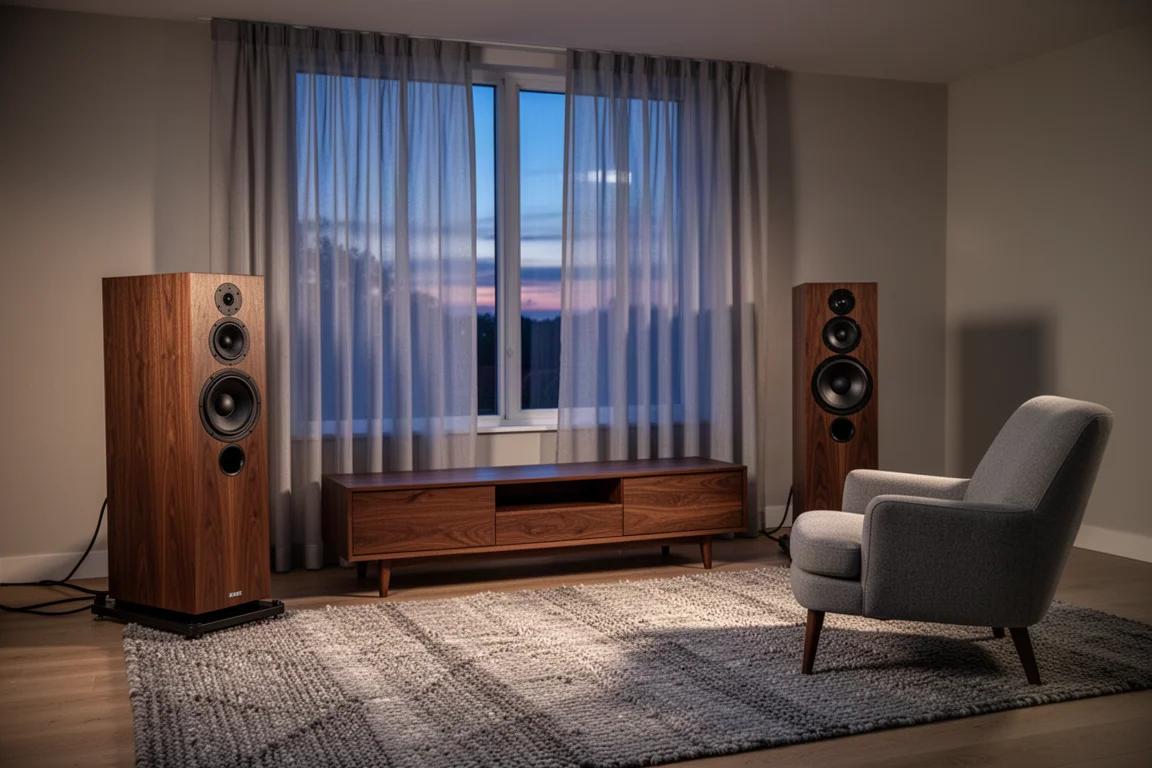
If the priority is one well-built box that covers streaming, amplification and digital conversion without taking over the room, this is squarely the intended audience.
Main Strengths
The strengths fall into three areas: the amplifier section, the streaming platform and the overall sound character.
Amplifier and DAC Technology
At the centre of the MSA5500 is a McIntosh Class AB amplifier section rated at 100 watts into 8 ohms and 160 watts into 4 ohms. Distortion is specified at 0.005 percent with 1.8 dB of dynamic headroom, which points to a power supply built for sustained musical demands rather than brief peaks.
Protection and stability come from technologies McIntosh has refined over decades, including Power Guard to protect speakers, Sentry Monitor for circuit protection, and high-current output transistors that reduce thermal lag.
The digital side uses an ESS eight-channel DAC with four DACs per channel in a doubled-up balanced configuration to cancel unwanted noise. McIntosh does not name the specific chip, but it is described as an advanced 32-bit design with wide dynamic range and low distortion. The surrounding implementation matters more than the part number, and this one supports the high-resolution sample rates most listeners will want to use.
Streaming and Connectivity
Network playback covers Apple AirPlay, Bluetooth, Google Cast, Spotify Connect and Tidal Connect, including Tidal Hi-Fi lossless quality. The MSA5500 is also a Roon Ready endpoint.
For network performance there is Wi-Fi 6 and a wired Ethernet connection. McIntosh has not created a dedicated control app, which keeps operation simple: you cast from the app you already use. The one exception is Google Cast, which requires the McIntosh Cast app for initial setup. Google Cast generally delivers better quality than AirPlay, so the extra step is worth taking. Qobuz is not available.
Connectivity and Home Theater Integration
The rear panel is generous. Four analog inputs, a set of balanced inputs and a moving magnet phono input cover analogue sources. Moving coil cartridges need a step-up transformer or an external phono preamp.
Digital inputs include two coaxial, USB, two optical and a digital MCT input. There is an HDMI ARC connection for a television, and the MSA5500 volume can be controlled with a TV remote, a genuinely useful convenience for a system that doubles as a television setup. A subwoofer output, preamp outputs and main amplifier inputs let the system grow later, whether that means adding a subwoofer or moving to a more powerful amplifier. Two data ports let the supplied remote also operate a matching McIntosh CD player, and an IR input supports an external IR receiver.
Home Theater Pass Through deserves attention from anyone running a combined movie and music system. It lets the MSA5500 power the front two channels while an AV receiver handles the remaining channels and the volume. When the session switches to two-channel music, the receiver drops out of the signal path entirely.
Speaker connections use McIntosh Solid Cinch binding posts, which are gold plated to resist corrosion and shaped to hold cables securely without loosening.
Sound Quality in Practice
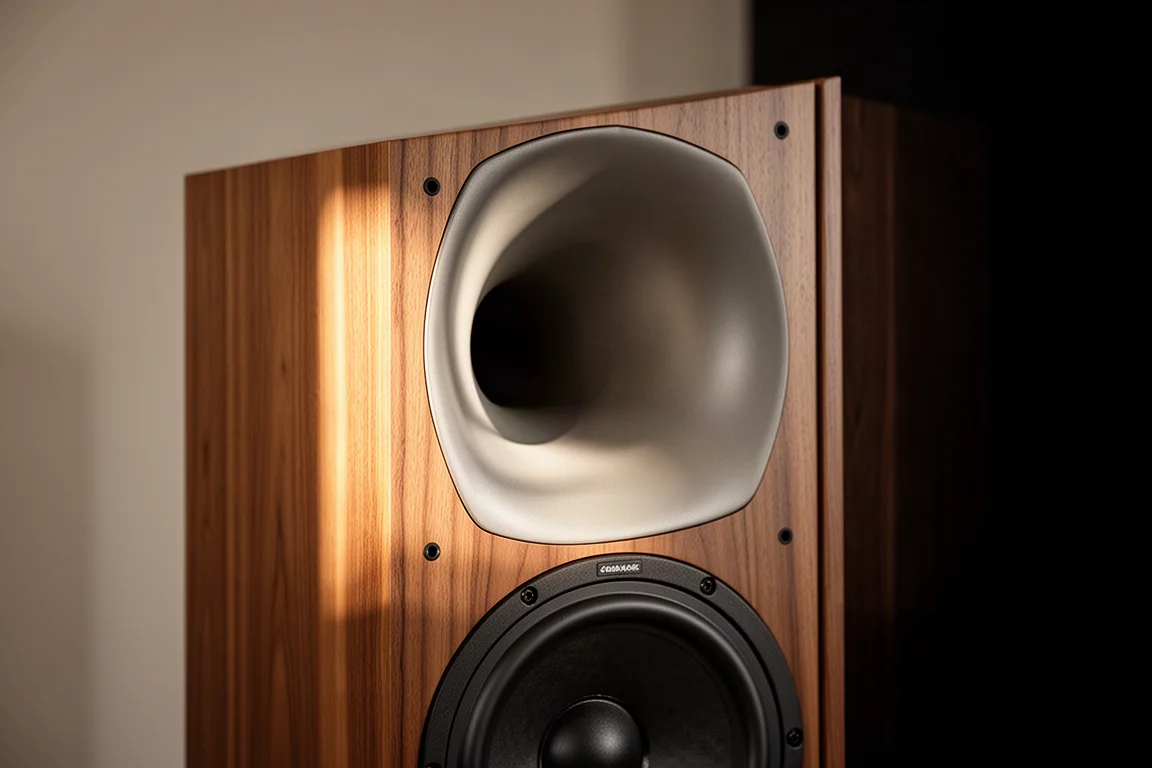
Paired with McIntosh XR100 tower speakers, the MSA5500 drove them with authority, surpassed in that respect only by McIntosh’s more powerful standalone amplifiers. The tonal character is warm without tipping into dark or opaque.
Treble detail is present without fatigue. Cymbals and hi-hats sound realistic and full-bodied, and lower treble instruments stay natural rather than forward. The midrange is solid and detailed, with good body in the lower mids. Imaging and sound staging are excellent for an integrated product in this class, which suggests the intent was to stand alongside serious separate amplifiers.
On a well-recorded live album, the amplifier preserved the sense of a real venue. Voices stayed crisp with good body, instruments occupied distinct spaces on the stage, and bass was as powerful as the recording allowed. The moving magnet phono input also performed well for an onboard stage, though listeners with high-end turntables and moving coil cartridges will likely want a dedicated outboard phono stage with more loading options.
Things to Consider Before Buying
A few details are worth checking against your own setup before committing.
- Qobuz is not supported, so listeners tied to that service should look elsewhere.
- There is no dedicated control app. Google Cast setup requires the McIntosh Cast app, though everyday playback happens from the streaming app you already use.
- Moving coil cartridges require a step-up transformer or an external phono preamp.
- The subwoofer output is mono and full range, so the crossover must be set on the subwoofer itself. A starting point of 80 Hz works well with small speakers, while 50 Hz is a reasonable starting point for full-size speakers.
- The Headphone Crossfeed Director is a toggle rather than a fixed setting. That flexibility is welcome, because listeners tend to divide on whether the added crossfeed dimension improves headphone listening.
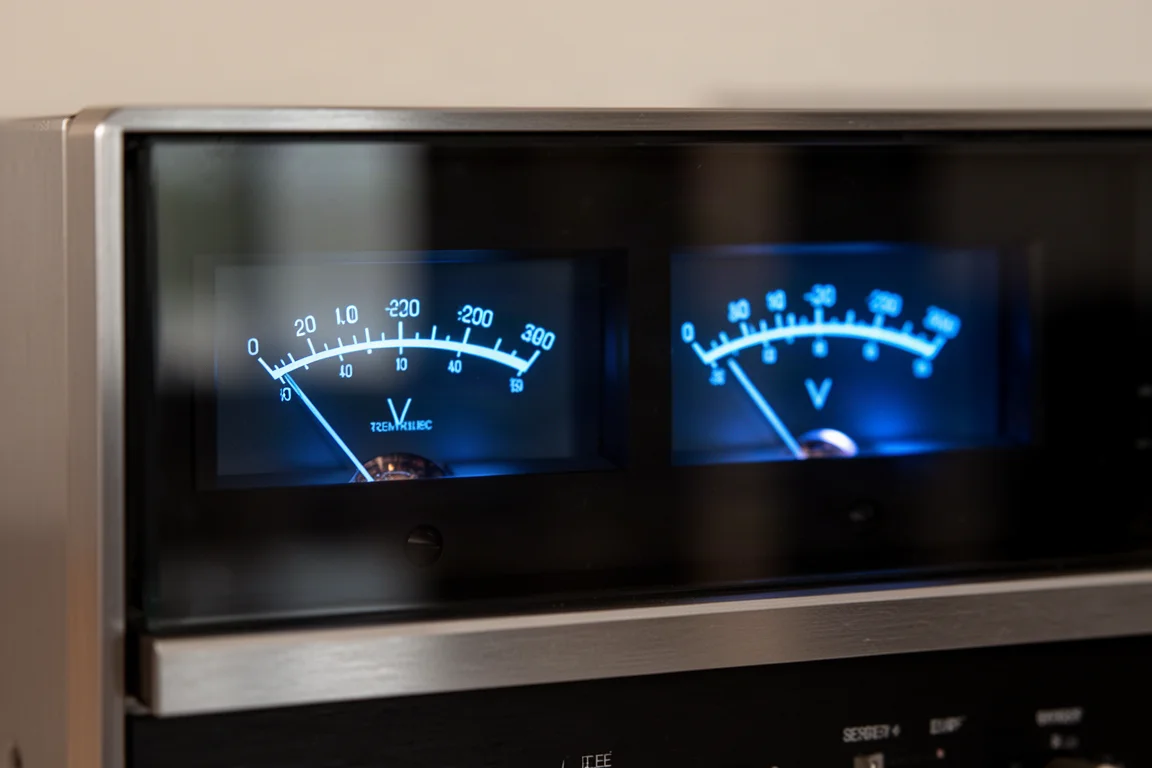
- The front panel display and the blue meter backlighting are both adjustable, which helps in a dark room.
Buying Advice
The MSA5500 makes the most sense when it is the centre of a simple, high-quality system. Pair it with speakers you actually enjoy rather than the most demanding load you can find, and let the amplifier’s 100 watt into 8 ohms and 160 watt into 4 ohms rating do the rest. With McIntosh XR100 tower speakers, the amplifier had power in reserve, and that headroom is a good sign for real-world listening.
Think about where the system might go next. Preamp outputs and main amplifier inputs mean a future move to separates is possible without discarding the streaming and DAC sections. A subwoofer output covers the upgrade path for listeners who want more low-frequency weight later, and Home Theater Pass Through keeps a movie system and a music system working together instead of competing.
If your library lives on a streaming service, if you want to cast from a phone without learning a new interface, and if you want the option of a turntable without a separate phono stage, the MSA5500 covers all three without adding boxes to the rack. If you need moving coil loading, Qobuz support or a dedicated control app, those gaps are the deciding factors.
Conclusion
The MSA5500 is a convincing first attempt at combining McIntosh streaming and McIntosh amplification in one enclosure. The amplifier section has genuine drive, the ESS eight-channel DAC implementation handles high-resolution material, and the casting options cover AirPlay, Google Cast, Spotify Connect, Tidal Connect and Roon without forcing a proprietary app on the listener.
Its character leans warm but stays technically capable, with detailed treble, a solid midrange and sound staging that holds up against serious separates. The trade-offs are specific and easy to check: no Qobuz, no dedicated control app, and a phono stage that suits moving magnet cartridges rather than moving coil. For a music-first listener who wants a small footprint and does not want to sacrifice build quality or sound, the MSA5500 is a well-considered choice.
Product link
View more details for McIntosh MSA5500
This product is mentioned in the review. Check the specifications, options, and compatibility before buying.
View more details for McIntosh MSA5500Further reading
Related Reviews
Hi-Fi Audio
Accuphase C-57 vs Allnic H-7000V: Two High-End Phono Stages Compared
A fully balanced solid-state phono stage with a pitch-black noise floor meets a tube design built for well-loved records. Here is how to choose between them.
Hi-Fi Audio
Active vs Passive Hi-Fi: Five Components for a Modern System
Five components that define modern active and passive hi-fi systems, with the strengths, trade-offs and setup details worth weighing before you buy.
Hi-Fi Audio
Advance Paris A10 Apex Review: A Hybrid Integrated Amplifier That Covers a Lot of Ground
A French hybrid integrated amplifier with a class A tube preamp stage, analogue power meters, and an internal DAC and phono stage good enough to make extra boxes unnecessary.