Home Theater Receivers
McIntosh MHT 300 Review: Dolby Atmos Power Without the Modern Convenience
A seven-channel Class D Dolby Atmos receiver with real all-channels-driven power, a neutral voice, and a deliberate absence of streaming, video processing, and gaming features.
Introduction
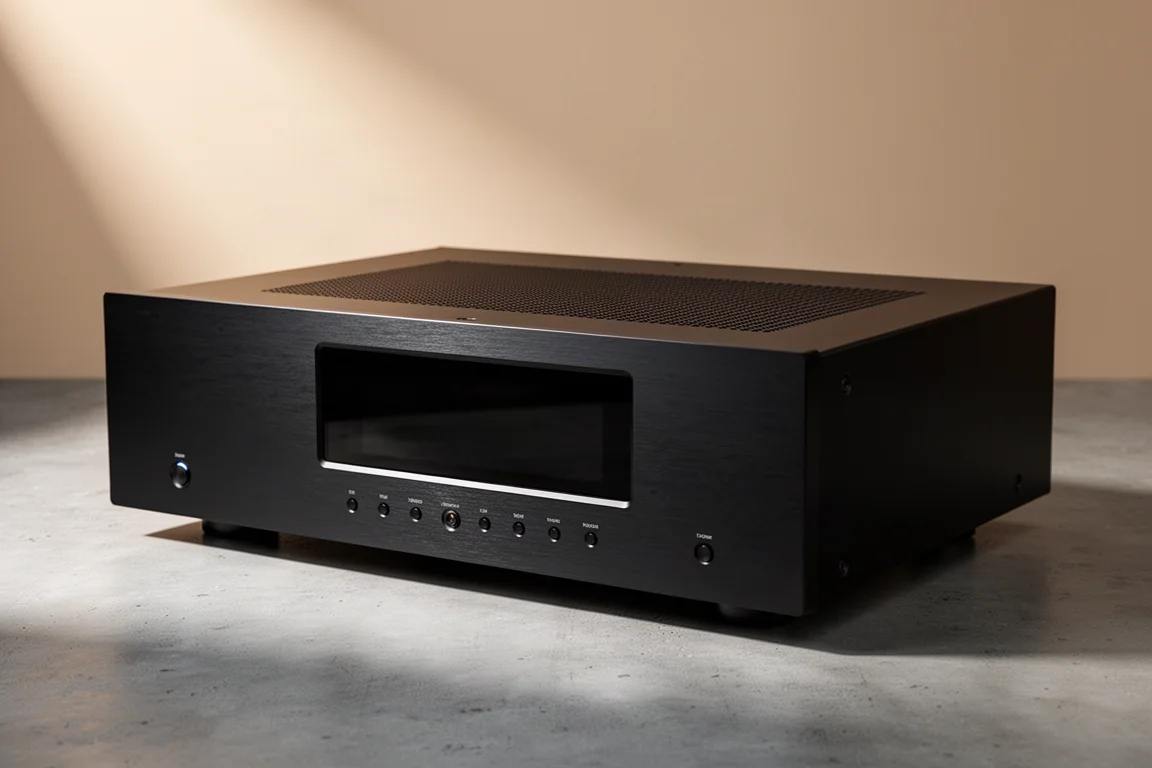
The McIntosh MHT 300 marks the brand’s return to the receiver category, and it arrives with a specification sheet that reads more like a power amplifier than a modern home theater hub. It is a Dolby Atmos capable receiver with seven channels of Class D amplification, rated at 120 watts per channel into 8 ohms and 150 watts into 4 ohms with all channels driven. That all-channels-driven figure is the headline, and it is the area where this unit stands on the firmest ground.
What the MHT 300 is not is a do-everything processor. Its inputs are entirely digital, it performs no video processing, and it leaves out the streaming, voice control, and gaming features that most receivers now treat as standard. The asking price is around $8,000, so the gap between what it does brilliantly and what it simply does not do is the whole story.
The sections below look at who the MHT 300 actually suits, where it excels, and which compromises you should accept knowingly before spending this kind of money.
Who This Receiver Is For
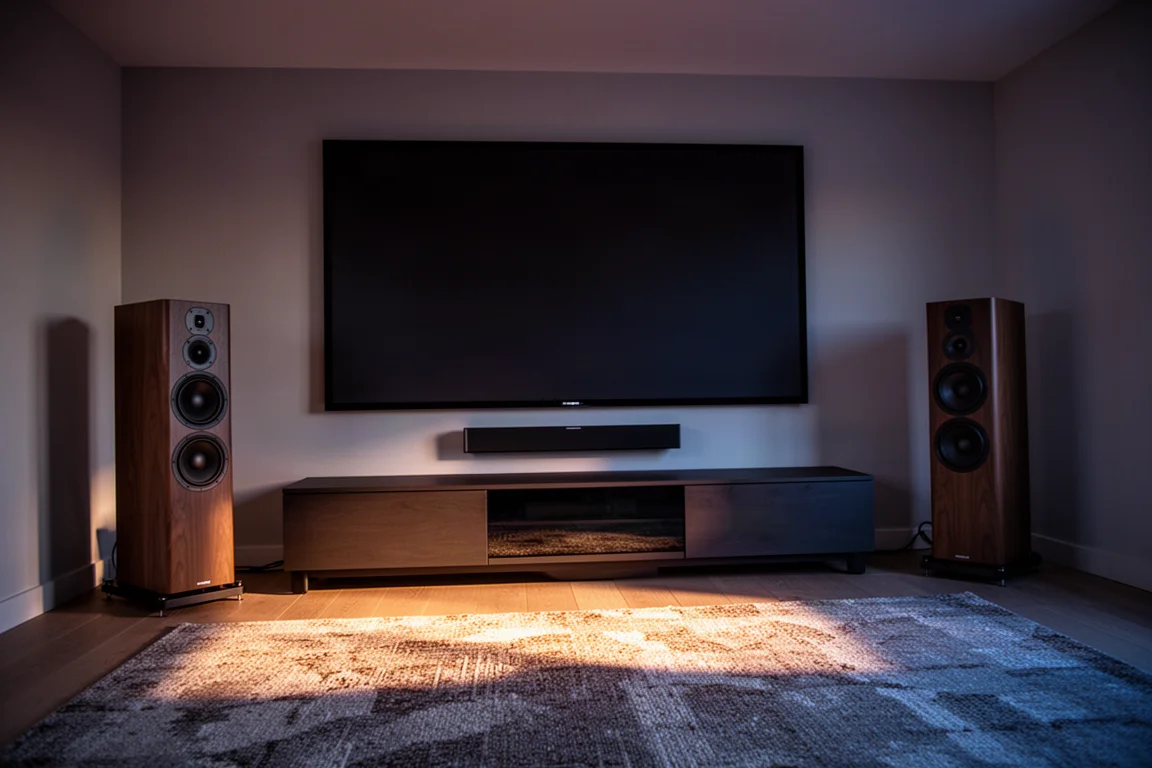
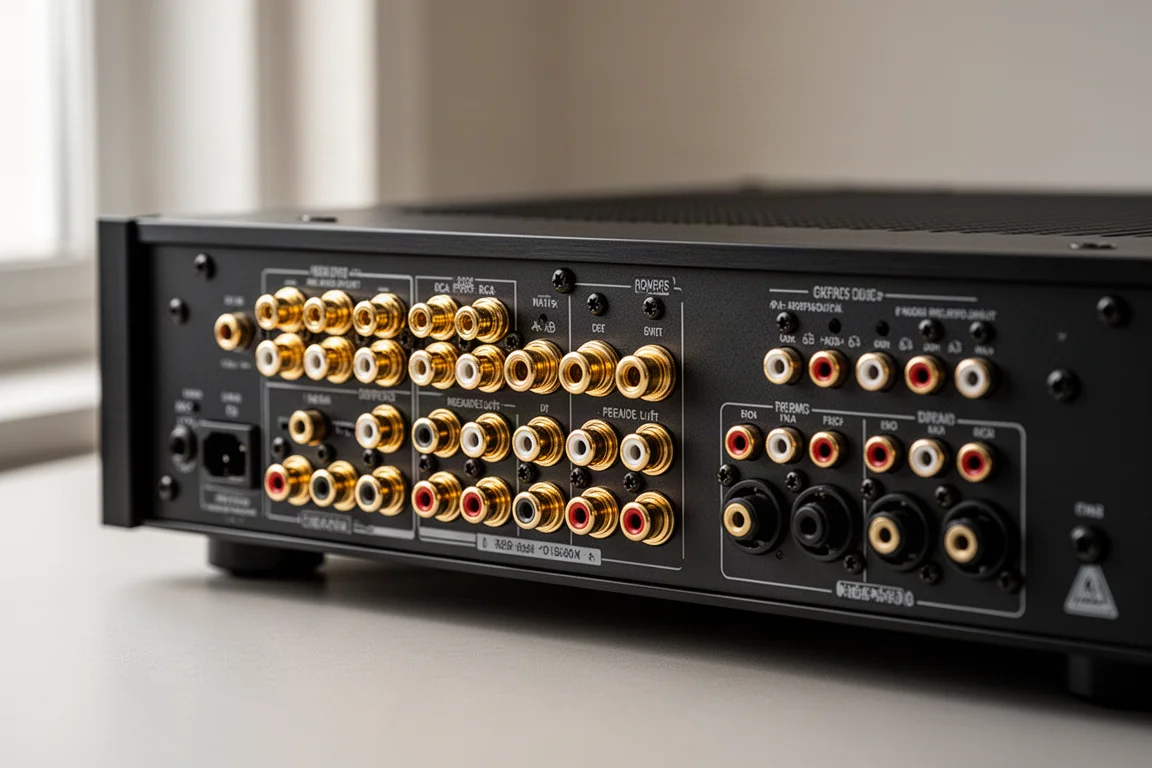
The MHT 300 is built for a buyer who already values the McIntosh name and wants multichannel sound without leaving that ecosystem. Its seven amplified channels can be configured as a 5.2, 7.2, or 5.2.2 Atmos layout, and full preamp outputs for all seven channels, plus additional height channel preamp outputs and dual unbalanced subwoofer outputs, allow the system to grow to 7.2.4 with external amplification.
It also reads as a component aimed at custom installation. There is no on-screen display, no app-driven setup wizard, and no streaming platform on board, which points to a buyer who is happy to hand configuration to a dealer, or who simply prefers a manual, hardware-first approach. If you enjoy tuning a system yourself, that can be a feature rather than a limitation, but the MHT 300 does reward a patient owner.
Anyone who wants one box that handles video scaling, streaming apps, and console gaming should look at other options first. The MHT 300 is not that machine, and it never pretends to be.
Main Strengths: Power, Neutrality, and Build
Power is where the MHT 300 separates itself. Seven channels of Class D amplification, using modules custom manufactured to McIntosh’s requirements, are paired with the company’s own Power Guard and Sentry Monitor circuits, which act as safety nets for connected speakers and preamp stages. In practice the receiver drove every speaker system it was paired with, including Bowers and Wilkins 805 D4 mains with an HTM71 center, KEF R11 Meta speakers with an R2 Meta center, and Monitor Audio Platinum models, without strain at any volume.
Tonally, the bass is firm and controlled with good texture regardless of speaker or impedance. The midrange is as colorless as it gets, which keeps dialogue and lyrics clean and well defined. That neutrality holds steady at every volume level, and it is the trait that will most appeal to listeners who want the receiver to stay out of the way.
Build quality is a strength too. The chassis is assembled in the United States with a clean, organized internal layout that suggests long-term serviceability, and the front panel uses a standard viewing window framed in matte black aluminum. It is a well-made component, though it is lighter than the brand’s reputation for over-engineering might lead you to expect, which is a natural consequence of Class D design.
For buyers who care about measured output above all else, the MHT 300 is objectively more powerful with all channels driven than the Marantz Cinema 40 and the Sony 7000ES.
How the MHT 300 Sounds in Practice
The MHT 300 does not sound like the warm, characterful McIntosh integrated amplifiers of the past. Its presentation is clean and neutral, closer to a modern Class D amplifier than to the brand’s traditional house sound. The high frequencies are controlled, arguably muted, and while the information is all there, cymbals and metal-on-metal impacts arrive without the last measure of sparkle and ring. Because that upper-frequency contrast is softened, dynamics can feel a touch stunted even when the receiver is playing loudly. It will reach beyond 100 dB without complaint, but volume alone does not create engagement.
Compared with Class AB designs such as the Audiolab 8300XP or the multichannel amplification inside the Emotiva MR1L, those alternatives produce more weight and body through speakers like the KEF R11 Meta without giving up much nuance. For blockbuster film soundtracks, that extra sense of heft makes a difference.
Surround performance is on par with traditional receivers that rely on a proper speaker layout. The MHT 300 does not perform any special spatial remapping or attempt to relocate sounds around the room, so following Dolby’s speaker placement guidance pays off. With a correct layout, action moves cleanly front to back, side to side, and even overhead.
Setup, Connectivity, and Everyday Usability
Setup is not aimed at a novice. There is no on-screen display, and navigating the menu tree with the remote is cumbersome enough that the manual is worth keeping close. The easier path is to connect the receiver to your home network with an Ethernet cable, since there is no Wi-Fi, and open the unit’s IP address in a browser on a laptop or tablet. Those web-based menus are functional, if not the most polished available, and they can get the receiver running in about five minutes. A laser measuring tool and an SPL meter will speed up the process. Dirac Live room correction is included, and it requires the free desktop application plus a measurement pass.
On the input side, the MHT 300 is all digital: a 32-bit DAC, two coaxial and two optical inputs, four HDMI inputs, and one HDMI monitor output with ARC and eARC. The HDMI inputs are pass-through only and switch signals up to 8K60, with support for HDR formats including Dolby Vision and audio formats including Dolby Atmos. What you will not find is video processing or scaling, and the latest gaming features are absent.
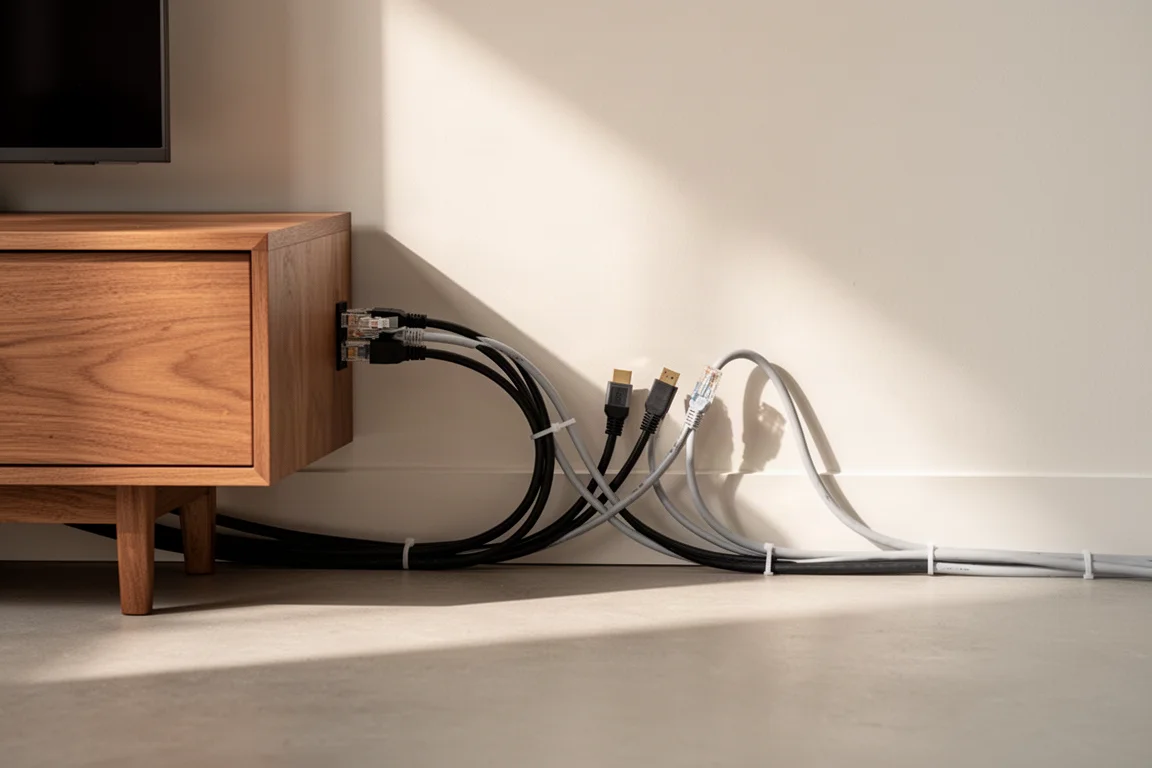
Convenience features are deliberately minimal. There is no Wi-Fi, Bluetooth, AirPlay 2, or voice assistant support, and the Ethernet port is intended for setup rather than streaming. Listening to internet radio or a streaming service means adding a McIntosh MB20 Bluetooth receiver or an MS500 Music Streamer, which add roughly $500 or $6,500 respectively. Third-party streamers are an obvious alternative for considerably less money. An FM tuner is included, and HDMI CEC control of power, input, and volume works most of the time, though switching between apps occasionally hiccups or fails to acquire audio.
Things to Consider Before Buying
The most important consideration is what the MHT 300 deliberately leaves out. With no video processing, no 4K scaling, no modern gaming features, and no built-in streaming, it cannot serve as the single hub that many households expect. Expanding to a 7.2.4 layout also requires external amplification, and building a 5.1.2 Atmos system means routing the height preamp outputs into another amplifier’s back channels with RCA interconnects that are not included. It works, but it is a manual solution.
Value is the other question. At around $8,000, the MHT 300 sits well above the Emotiva MR1L at roughly $1,500, which offers analog audio inputs the McIntosh does not have, and its Class AB sound was preferred for both music and movies in a direct comparison. Adding a multichannel amplifier to a Marantz Cinema 40 or a Sony 7000ES can also cost less than the McIntosh while delivering more power overall.
None of that makes the MHT 300 a bad product. It makes it a specialized one. If you want maximum features per dollar, this is not the receiver for you. If you want seven channels of genuinely powerful, neutral amplification and you value the McIntosh name, the trade-offs become much easier to accept.
Buying Advice
Choose the MHT 300 if your priorities are power, neutrality, and brand continuity. It is a strong fit for an existing McIntosh system, for a two-channel listener adding multichannel, or for an installation where a dealer handles setup. Its all-channels-driven output is the reason to pick it over similarly priced feature-rich receivers, and its neutral voicing will suit speakers that already have character of their own.
Skip it if you expect a modern receiver to stream music, scale video, and support the latest gaming technology out of the box. In that case, a Marantz Cinema 40, a Sony 7000ES, or an Emotiva MR1L will deliver more of the day-to-day functionality you are paying for, and in the Emotiva’s case at a fraction of the price. Budget for a separate streamer if you choose the McIntosh, and plan on calibrating it carefully rather than relying on an automatic setup wizard.
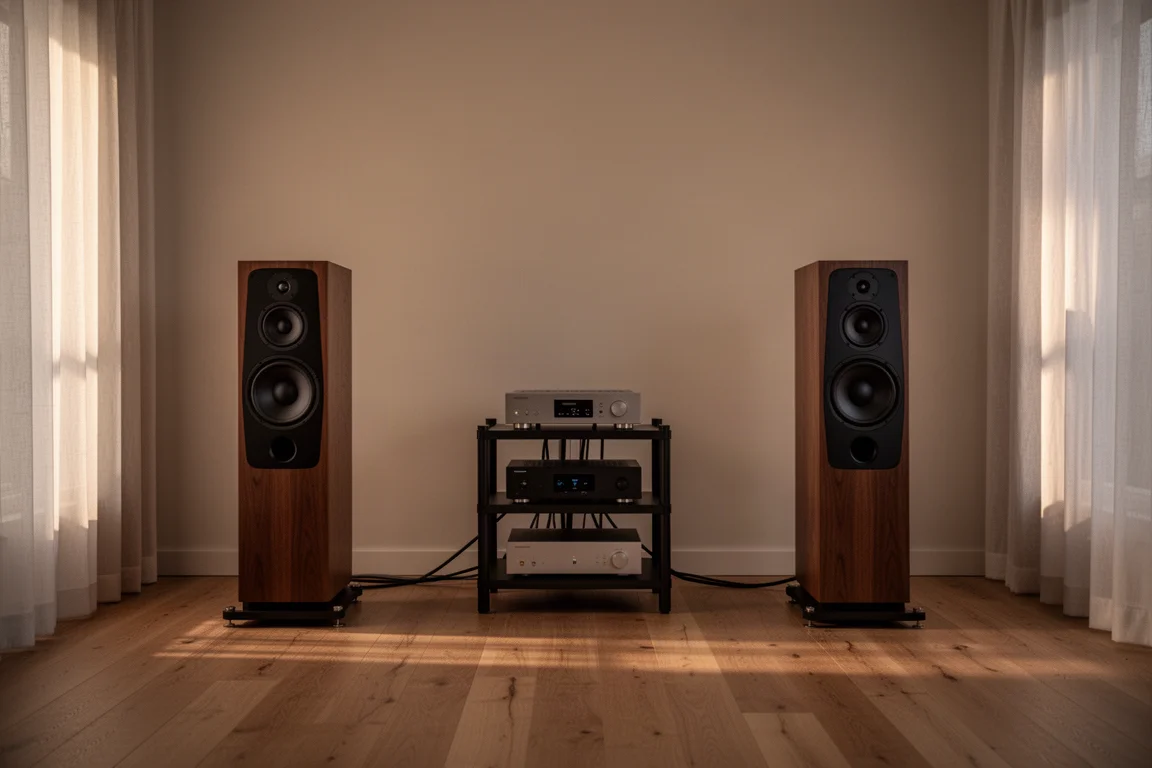
One final note on positioning: if you think of the MHT 300 as an audiophile-grade Dolby Atmos integrated amplifier rather than a full home theater receiver, its design choices make far more sense. Much of the frustration around this product comes from the label rather than from the engineering.
Conclusion
The McIntosh MHT 300 is a well-built, genuinely powerful seven-channel amplifier with a neutral, controlled sound and a feature set that stops well short of what the receiver category usually promises. For the right owner, one with a McIntosh system, a clear idea of the speakers being driven, and no interest in streaming apps or gaming features, it is a coherent and appealing component. For everyone else, the $8,000 price and the missing conveniences make it a difficult recommendation when the Emotiva MR1L, Marantz Cinema 40, and Sony 7000ES cover more ground for less.
Decide which of those two buyers you are before you commit, and the MHT 300 will either make complete sense or no sense at all.
Product link
View more details for McIntosh MHT 300
This product is mentioned in the review. Check the specifications, options, and compatibility before buying.
View more details for McIntosh MHT 300Further reading
Related Reviews
Home Theater Receivers
Arcam AVR11, AVR21, AVR31 and AV41: Inside the Current Home Theater Lineup
Three AV receivers and one surround processor share Arcam's house sound and a complete modern feature set. Here is how they differ and which one fits your room.
Home Theater Receivers
Best Home Theater Receivers 2026: Ten Picks From Entry Level to Flagship
A practical roundup of ten home theater receivers, from an affordable 5.1.2 model to a 15-channel flagship, with the features that matter most before you buy.
Home Theater Receivers
Best Home Theater Receivers: Eight Picks From Entry Level to Audiophile
Eight home theater receivers compared on channels, amplifier headroom, room correction, subwoofer outputs, and expansion, from an entry-level pick under $750 to audiophile flagships.