Audio Amplifiers
McIntosh MC462 Review: High-Power Solid-State Amplification Compared
A close look at the McIntosh MC462's measured power, load independence, and control features, plus how it stacked up against March Audio P501 monoblocks and an MC275 tube amplifier in level-matched listening.
Introduction
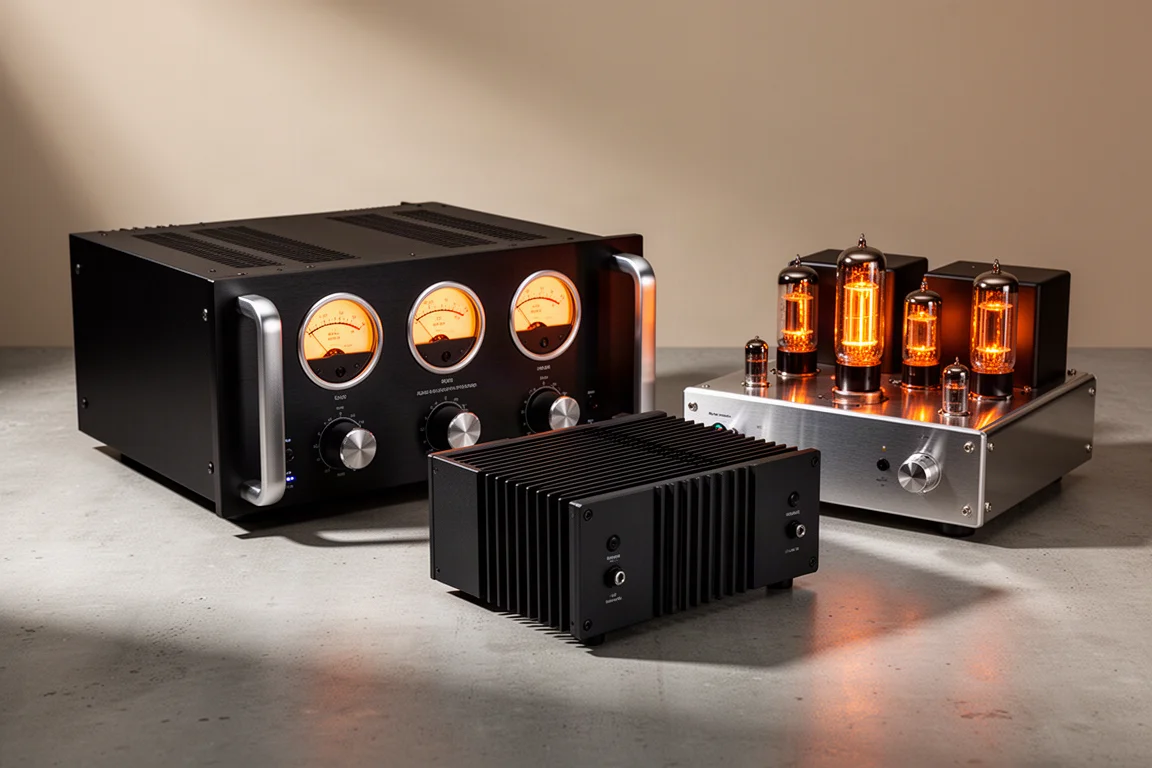
The McIntosh MC462 is a solid-state stereo power amplifier built around a straightforward promise: deliver very high output with very low noise, and do it into almost any speaker load without changing its behaviour. Rated at roughly 450 watts per channel into 2, 4, or 8 ohms, it is the kind of amplifier that makes difficult speakers look easy.
This article covers what the MC462 measures, how it is controlled and connected, and how it behaved in a level-matched listening comparison against a pair of March Audio P501 monoblocks and a McIntosh MC275 tube amplifier. It also looks at where the MC462 sits on price and who it actually makes sense for.
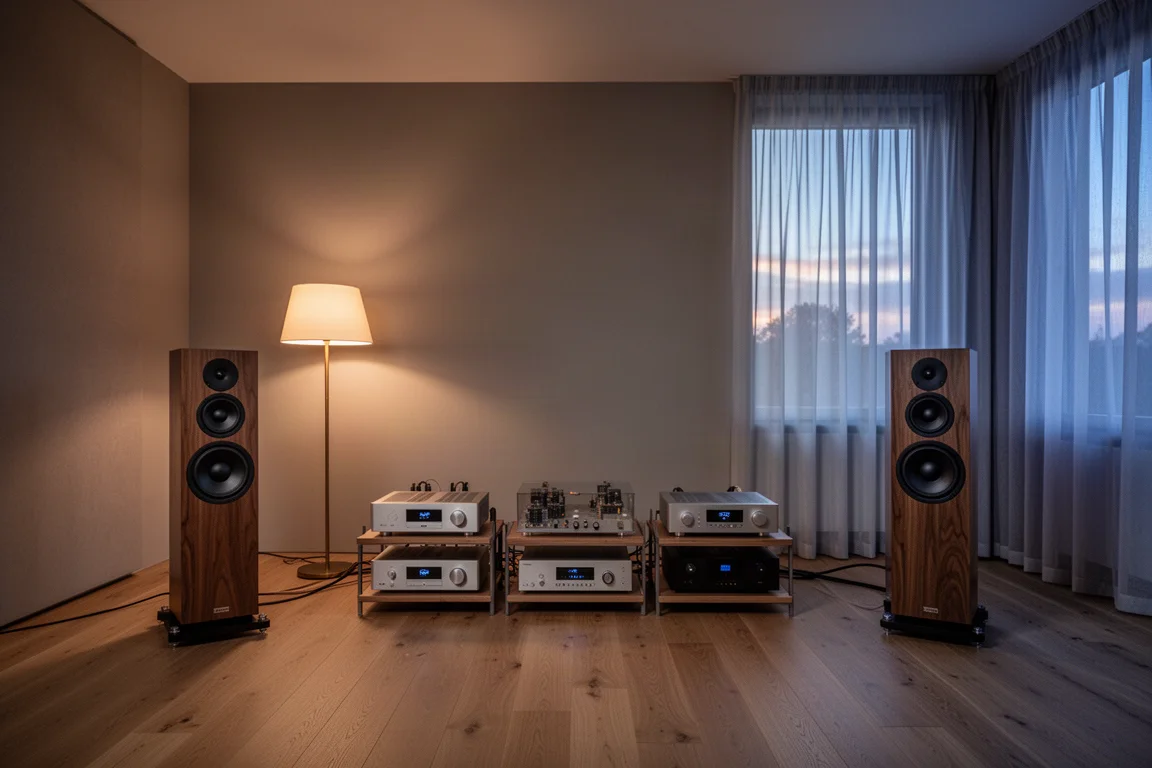
For anyone weighing a high-power amplifier purchase, the useful question is not whether the MC462 is good. The measurements and the listening notes point in the same direction. The useful question is whether the specific combination of power, load independence, build quality, and resale strength justifies the outlay compared with a much less expensive Class D alternative.
What Matters in a High-Power Amplifier
A good solid-state power amplifier should deliver clean output, stay low in noise, and offer enough headroom for the speakers and listening levels in the room. Those three qualities matter more than any single number on a specification sheet, because they determine how the amplifier behaves when the music gets demanding.
Power alone is not the whole story. An amplifier that produces plenty of watts but changes its output as speaker impedance drops can sound different from one speaker to the next. Load independence, meaning consistent output across 2, 4, and 8 ohm loads, is one of the more practical advantages a high-end design can offer.
Noise behaviour deserves similar attention. Distortion and noise figures are usually quoted at a single output level, but real listening happens across a wide range, from quiet late-night sessions to loud dynamic passages. An amplifier that stays quiet at low levels and linear at high levels is doing the harder job.
McIntosh MC462: Power, Load Independence, and Control
The MC462 is specified at approximately 450 watts per channel into 2, 4, or 8 ohms. That single rating across three loads is unusual. Most amplifiers without a regulated supply roughly halve their output as impedance drops from 8 to 4 ohms, which is why the autoformer output design here stands out: within reason, the power delivered stays the same no matter which tap is used.
Measured output backed that up. The amplifier produced roughly 500 watts into both 8 and 4 ohms, and around 520 watts into 2 ohms, comfortably above its rating.
In practice, that makes speaker matching a much smaller variable. A nominal 8 ohm speaker and a nominal 4 ohm speaker both receive comparable power, so the amplifier’s character stays consistent across different systems rather than shifting with the load.
Measured Performance and Load Independence
Frequency response measured essentially flat from 20 Hz to 20 kHz, with only about a quarter of a decibel of deviation at 2 ohms near 20 kHz, which sits well outside what anyone will hear. Total harmonic distortion plus noise measured around 0.075 percent at 75 milliwatts and dropped to about 0.002 percent at 1 watt. That pattern is expected: low-level measurements are dominated by the noise floor and improve as output rises above it.
SINAD measured about 100 dB at 5 watts into 8 ohms. That figure is competitive with amplifiers praised primarily for their low-noise measurements, but the MC462 pairs it with far more output capability than those designs typically offer.
Maximum continuous power at 1 percent distortion came in around 620 watts at 2 ohms, 545 watts at 4 ohms, and 538 watts at 8 ohms. Peak output at the same distortion threshold reached roughly 830 watts at 2 ohms, 822 watts at 4 ohms, and 793 watts at 8 ohms, which works out to somewhere between one and two decibels of dynamic headroom. That headroom is what lets the amplifier handle transients without sounding compressed.
Connections, Meters, and Everyday Control
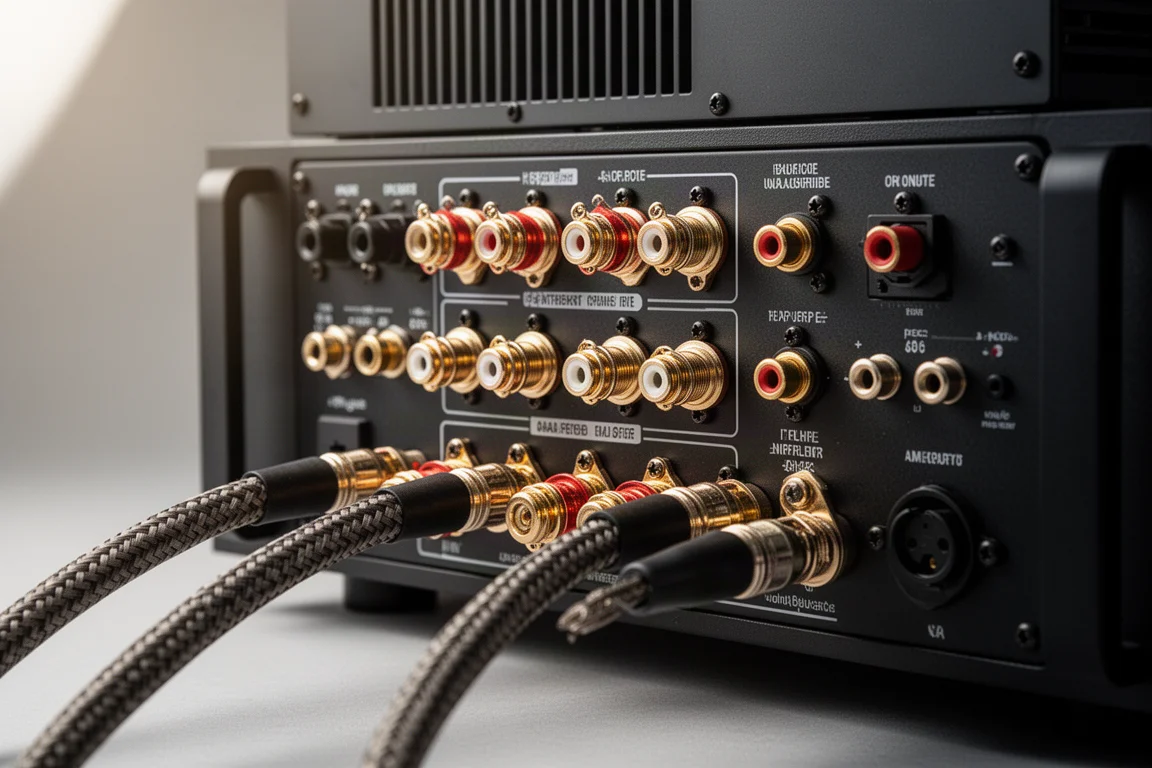
Around the back, the MC462 offers left and right XLR inputs, an RCA input, and both RCA and XLR outputs, along with a switch for balanced or unbalanced input mode, an auto-off enable or disable setting, and trigger inputs and outputs for system integration. Speaker outputs are grouped by impedance, with separate 8 ohm, 4 ohm, and 2 ohm taps.
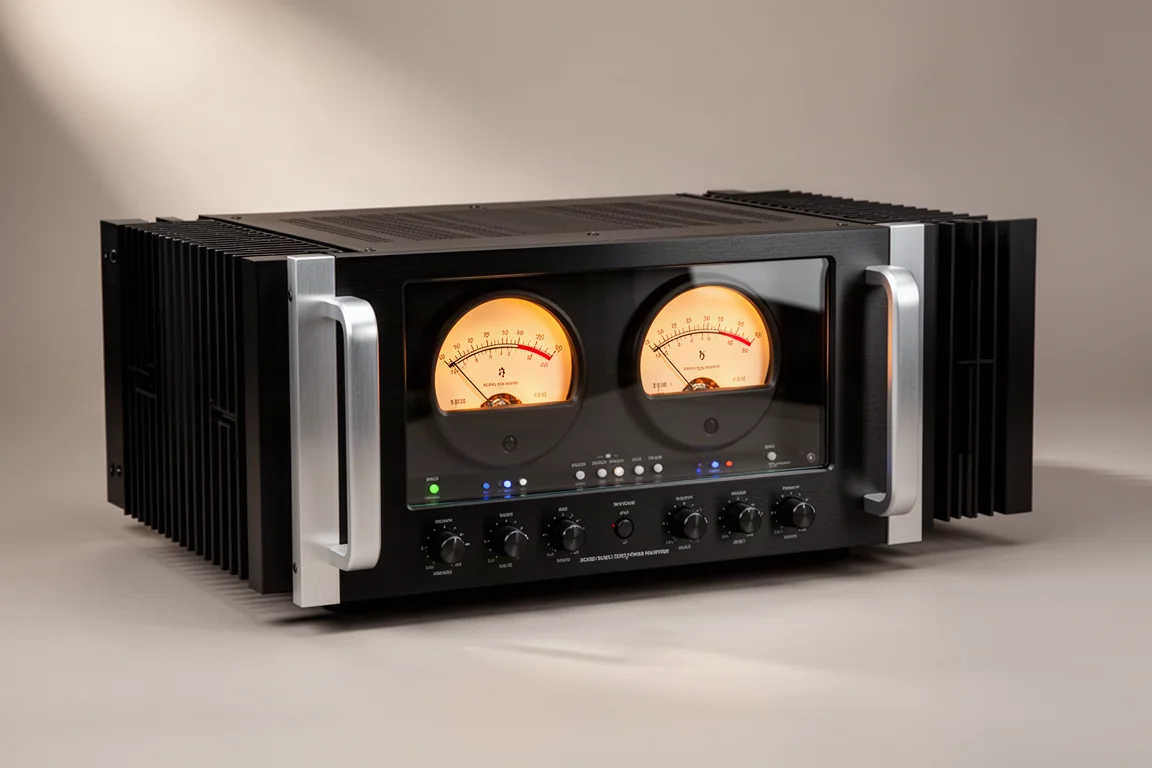
The front panel meters can be switched on or off, and can display live watts or hold at peak levels. Power can be switched on from a remote, left permanently on, or turned off entirely. Power Guard, when enabled, lets the amplifier produce rated power up to 1 percent distortion and then prevents it from exceeding that threshold, which protects both the amplifier and the speakers.
Listening Notes From a Level-Matched Comparison
The listening session used MoFi SourcePoint 8 speakers and level-matched switching between amplifiers, with no indication of which unit was playing. Across 24 trials in three rounds of eight, low-volume listening produced results close to a coin toss. At low levels, the amplifiers were not reliably distinguishable.
At high output, roughly 95 dB measured about 10 feet away, the picture changed. The difference was identified correctly about 80 percent of the time, and the impression was consistently one of more power on tap, with the sound feeling less strained and less congested. Nothing in the linearity data points to a colouration behind that impression. It points instead to sheer output capability and the ease that comes with it.
March Audio P501 Monoblocks: Compact Class D Power
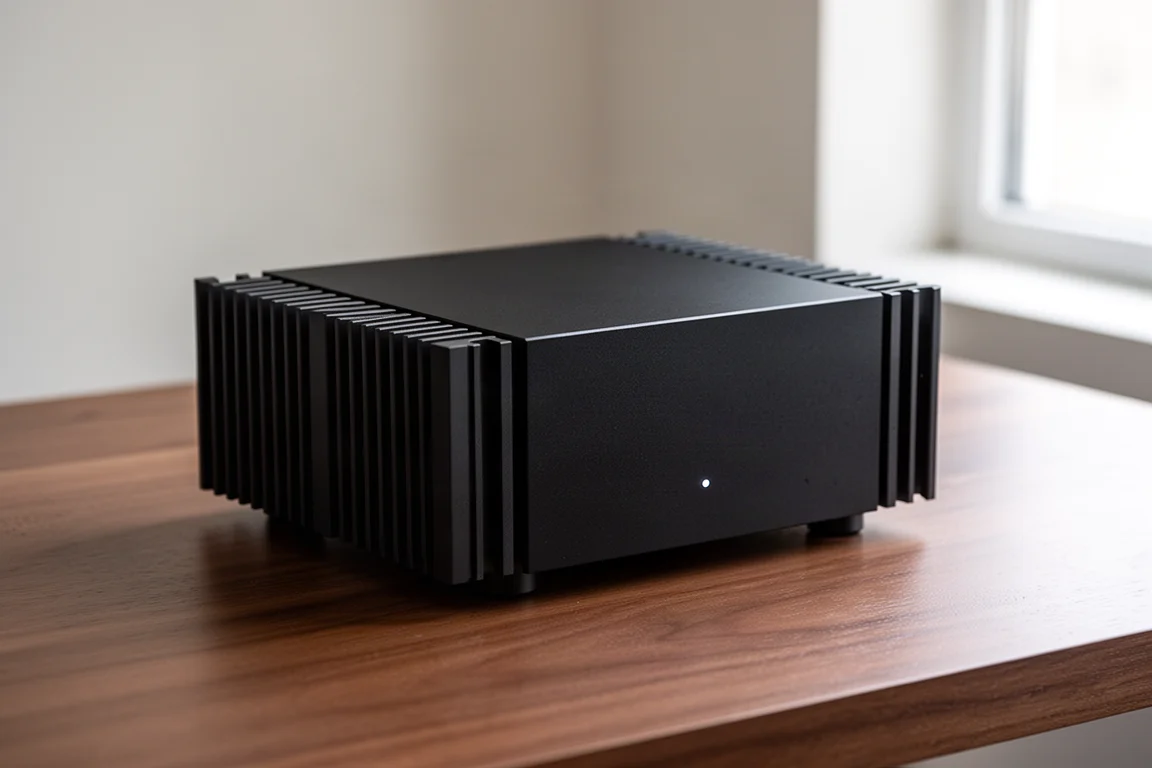
The March Audio P501 is a monoblock pair built around a Purifi class D module. It is a very low noise design with high output power, and it retails for around $3,000 for the pair, a fraction of the McIntosh’s price.
Available data for the P501 suggests it is also largely load independent, so frequency response variability between the two designs was not something that stood out. The practical limitation was testing: the setup could not push the P501 monoblocks to full output, so their behaviour at the very highest levels remains less thoroughly explored than the MC462’s.
That leaves an honest summary. At moderate levels the two designs were extremely close. At very high levels, the McIntosh’s additional power on tap made a difference that could be identified in blind, level-matched testing.
McIntosh MC275: The Tube Counterpoint
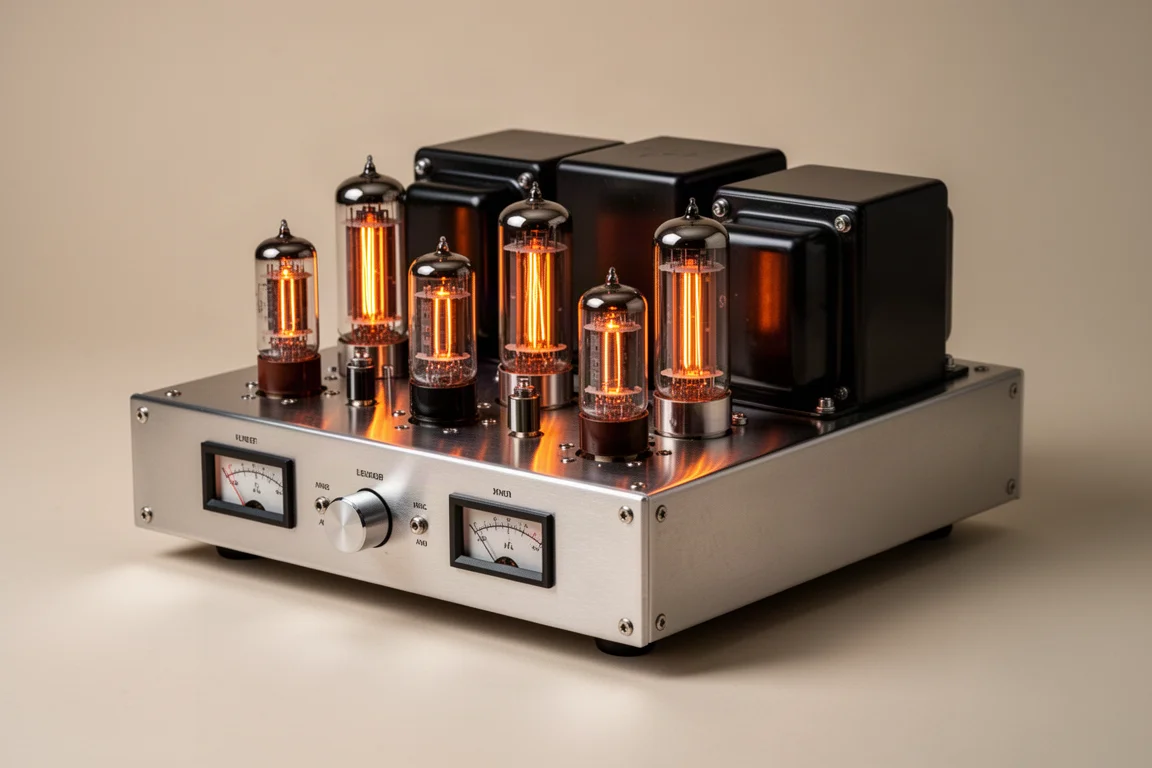
The MC275 is a tube amplifier and served as the second comparison point in the same level-matched session. Because the session came together on short notice, no measurement data was collected for it, so any comment here is limited to listening impressions rather than bench results.
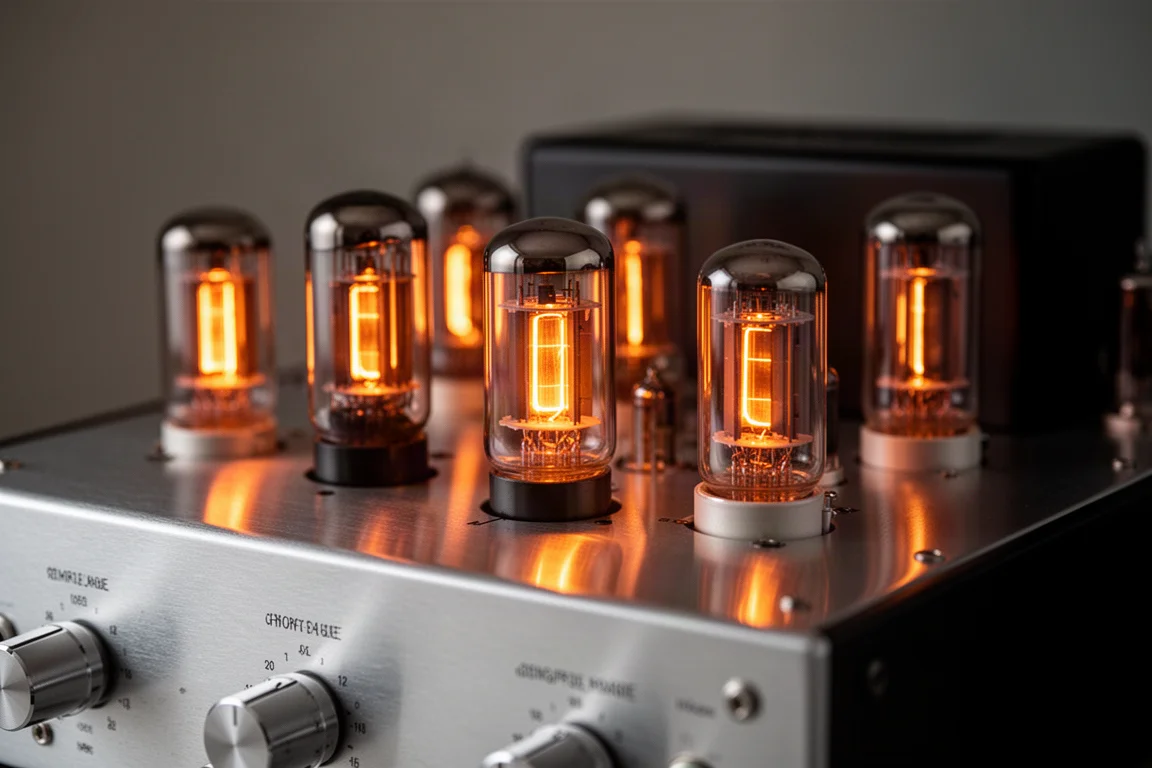
Tube designs are generally more sensitive to the load they see than an autoformer solid-state output stage, which is part of what makes this comparison interesting: two McIntosh amplifiers approaching the same job from very different directions. The narrow takeaway is that the MC275 was heard under the same level-matched conditions, and no stronger claim about its measured performance can be supported without data.
Matching an Amplifier to Your Speakers and Room
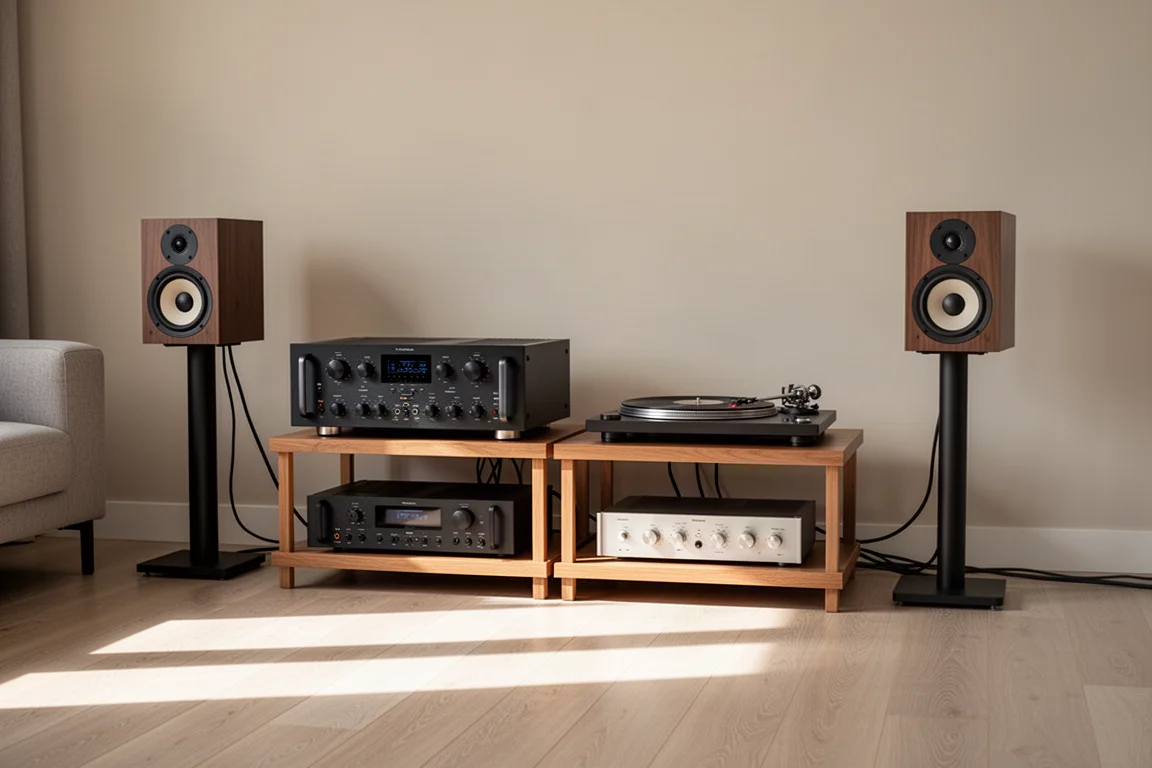
The MC462’s load independence makes speaker matching simpler, but it does not remove the need to think about the room. A 450 watt per channel amplifier driving sensitive speakers will spend almost all of its life in the first few watts, where the noise floor matters most and where the measurements show this design at its quietest.
Where the extra power pays off is headroom. If the speakers are inefficient, the room is large, or listening happens at high levels, the difference between an amplifier that runs out of steam and one that does not shows up as strain and compression rather than as a change in tone.
Room size and listening distance matter as much as speaker sensitivity. Higher output levels at a greater distance demand more from the amplifier, which is exactly the situation where the MC462’s measured headroom becomes relevant rather than theoretical.
Buying Advice: Who Should Consider the MC462
The MC462 costs roughly four times as much as a pair of March Audio P501 monoblocks, and the blind listening results did not support a four-times-the-price improvement in sound quality at normal levels. What the money buys is measurable: more than 500 watts per channel regardless of load, between one and two decibels of dynamic headroom, about 100 dB SINAD at 5 watts, and the build quality and parts selection McIntosh is known for. The amplifier launched at around $10,000 and has sat well above the Class D alternative ever since.
Resale strength matters too. Used McIntosh gear commonly changes hands at roughly 70 percent of its original retail price, which softens the long-term cost of ownership for buyers who keep an amplifier for a decade or more. That is not an investment case, but it is a meaningful difference compared with equipment that loses most of its value quickly.
The straightforward recommendation: if you want maximum output, load independence, and a component you can reasonably expect to keep for many years, the MC462 delivers exactly what it claims, and the measurements confirm it. If your speakers are easy to drive and your listening stays at moderate levels, a well-implemented Class D design will get you very close for far less money, and there is no shame in choosing that path.
Conclusion
The McIntosh MC462 does everything a high-power solid-state amplifier is supposed to do. It exceeds its 450 watt rating into every supported load, keeps distortion and noise low, stays consistent across 2, 4, and 8 ohm speakers, and adds the kind of control and integration features that make a long-term component. In level-matched blind listening it was indistinguishable from a far cheaper Class D pair at moderate volume and measurably more effortless at very high output. Whether that difference is worth the premium is a personal calculation, but the performance itself is not in question.
Further reading
Related Reviews
Audio Amplifiers
AGD Audion Mark III Review: A Compact Class D Amplifier With Tube-Like Musicality
A gallium nitride Class D amplifier that delivers tube-like midrange warmth, serious bass grip, and a modular upgrade path in a very small chassis.
Audio Amplifiers
Best Class D Amplifiers Under $100: Douk Audio A5 vs Fosi Audio V3
Two sub-$100 Class D amplifiers built on the same 3255 chipset, compared on bass weight, midrange body, treble presence, and real-world speaker matching.
Audio Amplifiers
Best Power Amplifiers Under $500: Six Stereo Amplifiers From $74 to $579
A practical roundup of six stereo power amplifiers under $500, covering real-world power, connectivity, cooling, and which kind of system each one suits.