Hi-Fi Audio
McIntosh MAC7200 Review: Is This Iconic Stereo Receiver Worth It?
A close look at the McIntosh MAC7200 stereo receiver, covering its 200 watts per channel, phono and DAC flexibility, sound quality, and the practical trade-offs worth weighing before buying.
Introduction
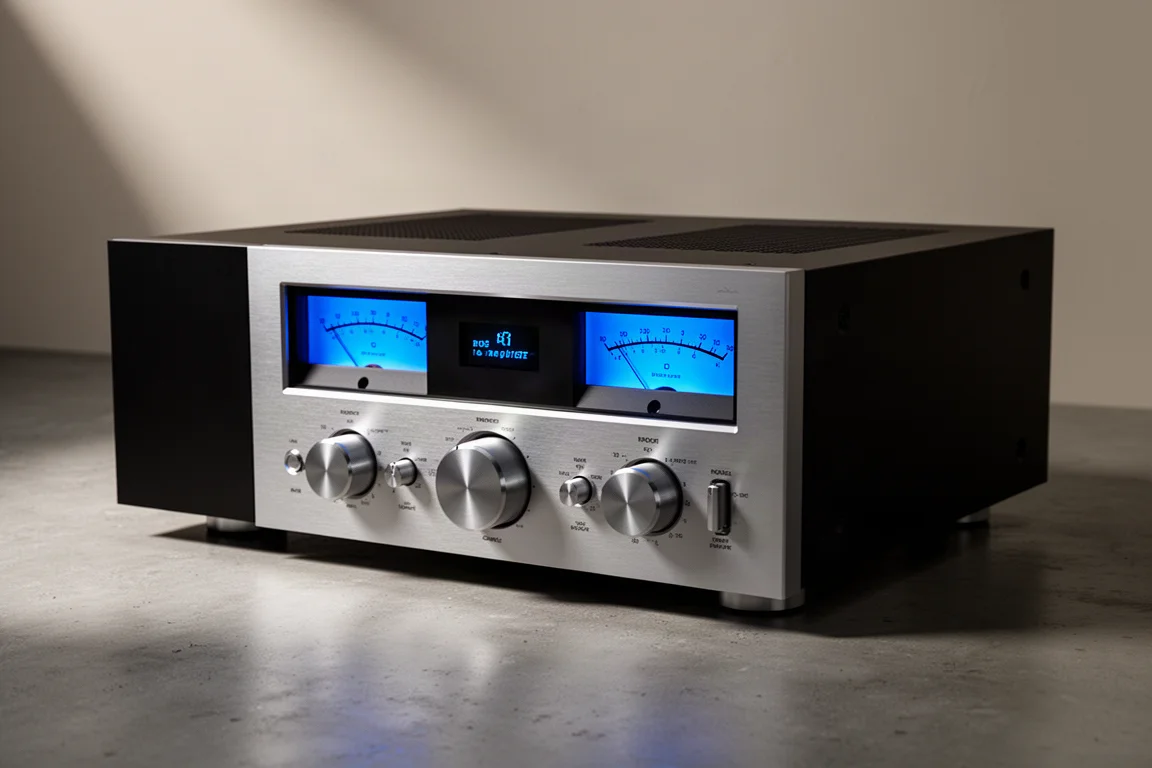
Few names in high-end audio carry as much weight as McIntosh. The American brand has spent decades building amplifiers and receivers with a look that has barely changed, and the MAC7200 is a clear example of that philosophy. It is a stereo receiver that packs 200 watts per channel, an internal DAC, a moving magnet and moving coil phono preamp, a headphone amplifier and an AM/FM tuner into a single chassis.
At $7,500, it sits well above the mainstream, and it invites an obvious question. Does the MAC7200 justify its price, or is the McIntosh name doing most of the work? The short answer is that the reputation holds up here. This is one of the most capable and best-sounding solid-state amplifiers in its class.
Who This Macintosh MAC7200 Is For
The MAC7200 makes the most sense for listeners who own demanding loudspeakers. McIntosh rates it as compatible with speakers that dip down to 2 ohms, which puts difficult loads such as Magnepans and older MartinLogan models within reach. If a current amplifier struggles to keep a firm grip on a low-impedance speaker, this is exactly the kind of upgrade that changes what you hear.
It also suits vinyl listeners who want a single box that handles everything. The receiver has separate moving magnet and moving coil phono stages, so both cartridge types can be connected without an external phono preamp.
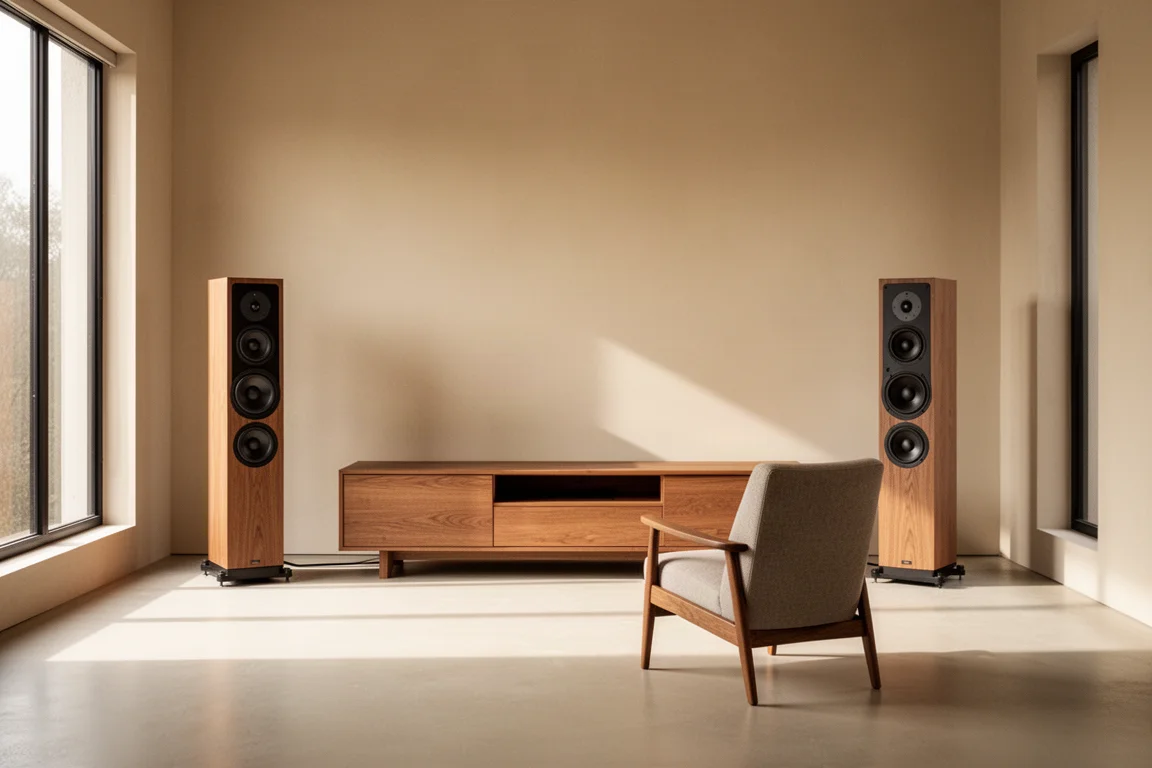
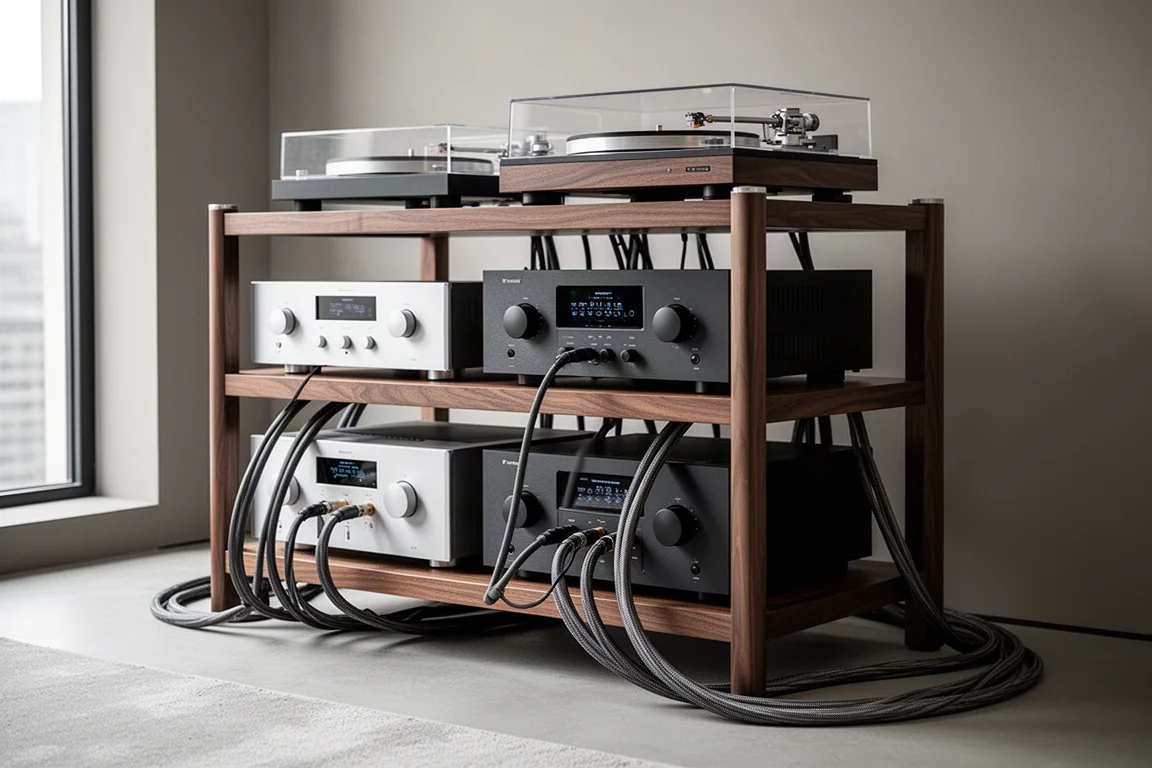
Then there are the system builders. The MAC7200 can anchor a two-channel setup, act as a preamp for a separate power amplifier, bi-amp a pair of speakers alongside a third-party amplifier, or drive the front left and right channels of a home theater system. Few stereo receivers offer this many ways to grow.
Design, Build, and Everyday Practicality
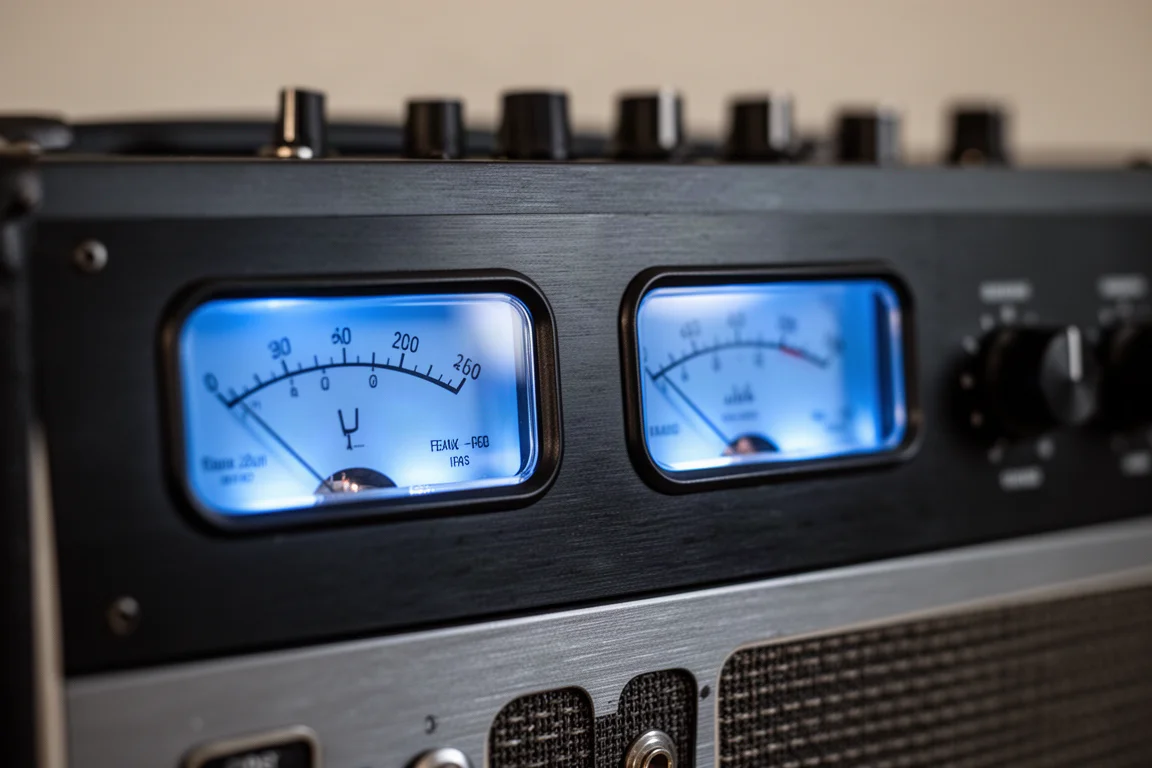
McIntosh design evolves slowly, and the MAC7200 follows the familiar template. Two blue meters dominate the front panel, and between them sits a small display that shows input and signal information. That display is genuinely useful during setup, since it lets you see and adjust settings such as treble, bass and balance from your listening position with the remote in hand.
The physical footprint is the first thing you have to plan around. The MAC7200 measures 22 inches deep and weighs close to 100 pounds, which makes it larger than most stereo receivers. It will sit comfortably on a sturdy cabinet, but many racks and pieces of furniture simply cannot take it. The trade-off is that all that space makes cable management easy. Connectors of every size have room to breathe, so wiring up a full system is straightforward.
Main Strengths: Sound Quality and Power
This is where the MAC7200 earns its place. With 200 watts per channel on tap, it never sounds strained, and it stays composed whether you are listening quietly or pushing the volume hard. Tone and focus do not shift as the level rises, which is a rare quality and an easy one to appreciate.
Bass is the standout. The receiver’s control over a speaker’s woofers is the best available in this company, with tight, textured and responsive low notes that stay effortless even at high volume. Complex orchestral passages and well-recorded acoustic drum kits come through without any sense of strain, and the low end carries real depth and natural texture.
The mid-range is not strictly neutral. There is a subtle warmth to it, closer in character to a tube design than to a typical solid-state amplifier, and it gives both male and female vocals extra body and presence. Detail retrieval is exceptional, with a quiet background that makes the spaces between notes feel completely black.
High frequencies are smooth, airy and extended, and they avoid the brittle edge that can appear with horn-loaded speakers. Listeners who prefer a forward, sparkly treble may find the MAC7200 a touch reserved, but the presentation is natural rather than rolled off. Dynamics, soundstage separation and definition all follow the same pattern of quiet competence, and the receiver never limits what a good pair of speakers can do.
Connectivity, DAC Modules, and Control
Flexibility is a core part of the MAC7200’s appeal. You get a mix of unbalanced and balanced inputs, dedicated moving magnet and moving coil phono inputs, and a built-in DAC. The DA1 module provides coaxial, optical and USB inputs, and the receiver can now be fitted with the newer DA2 module, which supports higher bit rates and adds HDMI connectivity.
Subwoofer integration deserves a special mention. The MAC7200 has no internal bass management, but it provides a second set of preamp outputs, which allows you to run up to two subwoofers and switch them in or out with a single button. It is a simple idea that works very well in practice.
The built-in AM/FM tuner does its job, pulling in local stations with ease and clarity. Control is handled by the supplied remote when the DA1 module is installed, while the DA2 module adds HDMI control so the receiver works with a wider range of remotes without special programming.
How It Compares to Other High-End Amplifiers
The MAC7200 does not exist in a vacuum. The Technics SU-R1000 costs more at $9,500 and offers slightly less power, but it is the more complete integrated amplifier overall, and its phono stage is among the best available. Anyone who listens to records more than anything else should weigh that carefully.
The Musical Fidelity M8xi costs less, delivers more power and matches the McIntosh for capability. It sounds more neutral, with even greater control and dynamic snap, though it lacks the McIntosh heritage and the blue meters. It is also a large, heavy amplifier that asks for the same furniture, ventilation and even household power planning.
The Canor AI 1.10, a tube-based reference, shares a similar character with the MAC7200 from the mid-range upward. The McIntosh pulls ahead in the low end, where it keeps a firmer grip on speaker woofers and resolves complex passages more cleanly. Against the Canor, the MAC7200 also wins on convenience, since it includes a phono preamp and DAC that the Canor does not.
Things to Consider Before Buying
Size and weight are the most practical concerns. The MAC7200 needs a stable, well-ventilated surface, and it runs warm, so it should not be boxed into a closed cabinet. If your current furniture cannot take a 100-pound, 22-inch-deep component, budget for something that can.
Wireless connectivity is absent. There is no Bluetooth and no Wi-Fi, which some buyers will read as a deliberate choice in favor of a quieter signal path and others will read as a gap at this price.
The DAC situation is worth planning for. The newer DA2 module, with its higher bit rates and HDMI input, is an optional extra rather than standard equipment, which is a reasonable point of frustration on a receiver at this level.
Two smaller details stand out in daily use. The large front-panel knobs turn with almost no resistance, so adjusting volume or input does not have the mechanical weight you might expect from a component built this solidly. The remote also uses separate power on and power off buttons placed far apart, which is awkward in a dimly lit room.
Buying Advice
The MAC7200 is a serious purchase, and it makes sense for a specific kind of listener: someone with demanding speakers, a record collection, and a system that may eventually expand into home theater or a subwoofer setup. For that person, the combination of power, phono flexibility and dual preamp outputs is hard to match.

If you are chasing the last few percent of sound quality and you can compare before buying, weighing the MAC7200 against the Technics SU-R1000 and the Musical Fidelity M8xi is worthwhile. At this level, all three are excellent, and small differences in character, connectivity and physical size are what separate them. If vinyl playback is your priority, the Technics has the edge. If neutrality and raw control matter most, the Musical Fidelity is compelling. If you want the McIntosh sound, the flexibility and the blue meters, the MAC7200 is the one to choose.
Conclusion
The praise that surrounds McIntosh is not misplaced where the MAC7200 is concerned. It is a genuinely great-sounding amplifier, with best-in-class bass control, a warm and detailed mid-range, and effortless dynamics. It is also big, heavy, expensive and missing wireless connectivity, and the DA2 module should arguably be standard.
None of that changes the core verdict. For listeners who own difficult speakers and want one component that can do almost everything, the MAC7200 delivers on the promise of the name.
Product link
View more details for McIntosh MAC7200
This product is mentioned in the review. Check the specifications, options, and compatibility before buying.
View more details for McIntosh MAC7200Further reading
Related Reviews
Hi-Fi Audio
Accuphase C-57 vs Allnic H-7000V: Two High-End Phono Stages Compared
A fully balanced solid-state phono stage with a pitch-black noise floor meets a tube design built for well-loved records. Here is how to choose between them.
Hi-Fi Audio
Active vs Passive Hi-Fi: Five Components for a Modern System
Five components that define modern active and passive hi-fi systems, with the strengths, trade-offs and setup details worth weighing before you buy.
Hi-Fi Audio
Advance Paris A10 Apex Review: A Hybrid Integrated Amplifier That Covers a Lot of Ground
A French hybrid integrated amplifier with a class A tube preamp stage, analogue power meters, and an internal DAC and phono stage good enough to make extra boxes unnecessary.