Streaming Preamplifiers
McIntosh CS7500 Review: A Streaming Preamplifier That Keeps Analog Analog
A close look at the McIntosh CS7500, a single-chassis streaming preamplifier that pairs a full preamplifier with a complete streaming platform and keeps analog sources analog.
Introduction
The McIntosh CS7500 is a new streaming preamplifier, and it fills a space the company’s lineup has left open for some time. Until now, building a McIntosh two-channel system usually meant choosing between two paths. One is a one-box streaming integrated such as the MSA5500, which is compact and turnkey. The other is a traditional component stack, where a DS200 streaming deck feeds a preamplifier like the C49 or the tube-driven C2800. That second path offers more inputs and more flexibility, but it also means two chassis, two power cords, and considerably more shelf space just to get music into an amplifier.
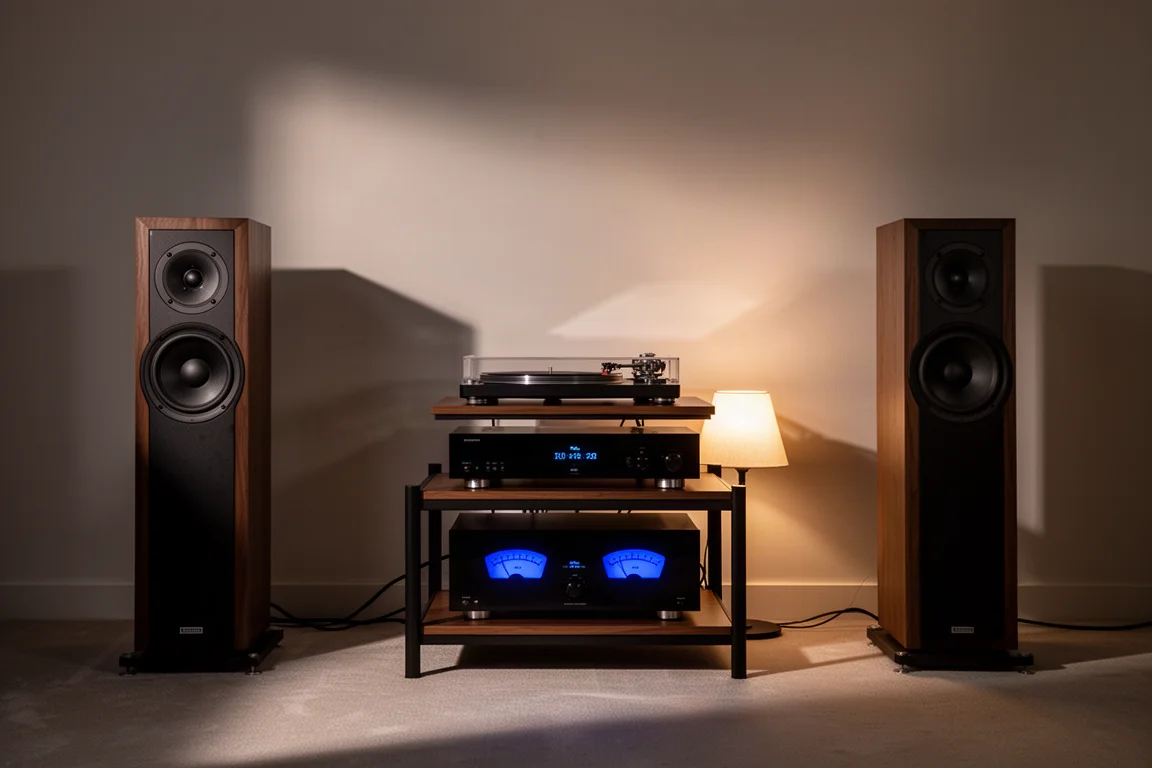
The CS7500 sits between those two approaches. It combines a complete McIntosh preamplifier and a full streaming platform in a single chassis, while leaving the power amplifier choice entirely open, so the amplifier can be changed later as a system grows or tastes shift.
Who This Product Is For
The CS7500 makes the most sense for listeners starting fresh. If the goal is the caliber of a C49 preamplifier plus the streaming capability of a DS200, without managing two boxes and two different remotes, this is the component that delivers it. Setup is straightforward: connect over Ethernet, which McIntosh recommends for the initial connection, and an AirPlay target appears almost immediately.
It is also a natural fit for vinyl listeners who want streaming in the same system. The phono stage is fully adjustable, and analog sources stay analog rather than being converted to digital.
Main Strengths
At the heart of the CS7500 is an eight-channel 32-bit DAC running in a quad balanced configuration, with total harmonic distortion rated down to 0.005 percent. This is McIntosh’s best current DAC performance. Power comes from a traditional linear power supply rather than a switch-mode design, which helps keep the noise floor low and gives the preamplifier section the steady output the brand is known for.
On digital material, the CS7500 decodes PCM up to 32-bit and 192 kHz and DSD up to DSD512. In listening, it keeps a familiar McIntosh character: a little warmth and extra body through the midrange, particularly on vocals, without ever sounding dark or overly soft. Bass has texture and definition, while cymbals and higher frequency detail come through clean and natural rather than sharp or fatiguing. There is plenty of detail to dig into, but it never turns analytical, and the richness of the recording stays intact.
That openness carries over to live material. Voices stay focused in the centre with plenty of body, instruments get their own space around them, and the ambience of a live recording extends well beyond the speakers. Smaller details are easy to pick out without feeling exaggerated or pushed forward. The result is the resolution you would expect from a strong modern DAC and preamplifier, paired with a slightly warm, full-bodied presentation that makes it easy to stop evaluating and simply listen.
Streaming and App Control
The streaming section is where the CS7500 earns its name. It supports Apple AirPlay, Google Cast, Spotify Connect, Qobuz Connect, and Tidal Connect, and it is Roon Ready. Bluetooth 5.0 is built in with aptX HD and aptX Adaptive support.
The practical benefit is that there is no new app to learn. Rather than opening a manufacturer-specific control app, you open Spotify, Tidal, or Qobuz and cast directly to the CS7500 as the target. Volume can be adjusted from inside the streaming app itself, which is a meaningful convenience compared with a two-box setup where a separate remote is needed to change volume. Anyone in the house, or a guest, can get music playing without a tutorial. McIntosh also offers its own Cast Connect app, which is easy to set up and control and provides basic controls for anyone who prefers it.
Analog Purity and Phono Flexibility
The phono stage is fully adjustable, with capacitance, resistance, and gain settings that can be dialled in for either a moving magnet or moving coil cartridge. Gain can be set at 40, 46, 52, 58, or 64 dB. That is a notable step up from the C49, where gain was fixed at 40 dB for moving magnet and 60 dB for moving coil. The extra adjustment range is especially useful with low output moving coil cartridges.
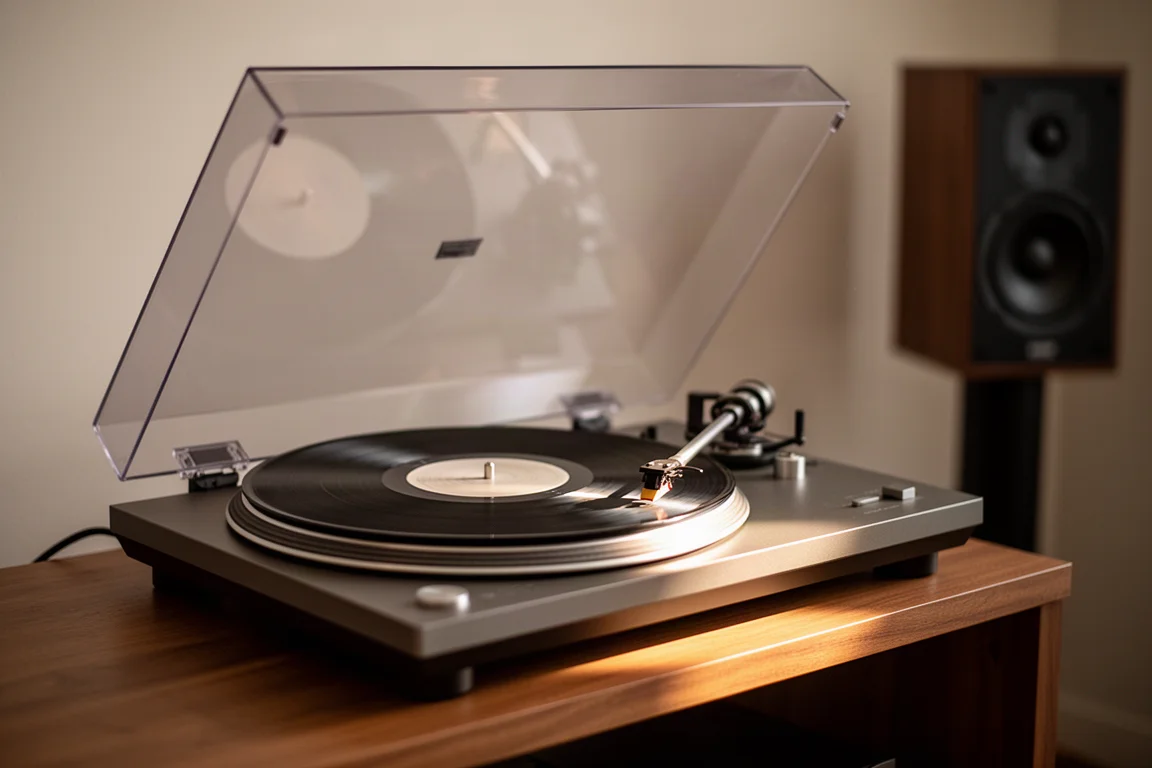
Just as important for analog listeners: analog sources stay analog. They are not converted to digital on the way through, which matters to anyone who wants a pure analog path from a turntable while still taking advantage of streaming in the same system. That combination is unusual to find in one box.
Connectivity is effectively C49-level. There are 13 total inputs, split between six analog and seven digital. Analog covers two balanced XLR inputs, three unbalanced RCA inputs, and the phono input. Digital brings two optical, two coaxial, an HDMI ARC input for television sound, USB for a computer, and MCT for McIntosh transports playing SACD. Outputs include a full balanced pair for the main amplifier, a fixed output for recording, and a separate balanced pair dedicated to a subwoofer, which can run in stereo or mono depending on the setup.
There is also a pass-through mode, commonly known as home theatre bypass, which routes the front left and right channels from a home theatre processor straight through the CS7500 to the amplifier untouched. One amplifier can then handle both movie night and two-channel listening. For system integration, there is RS232 and TCP/IP control for third-party systems, data out ports that pass IR commands along to connected McIntosh source components, and two power control triggers that can be configured to switch on amplifiers or other gear along with the preamplifier.
Design, Build, and Headphone Listening
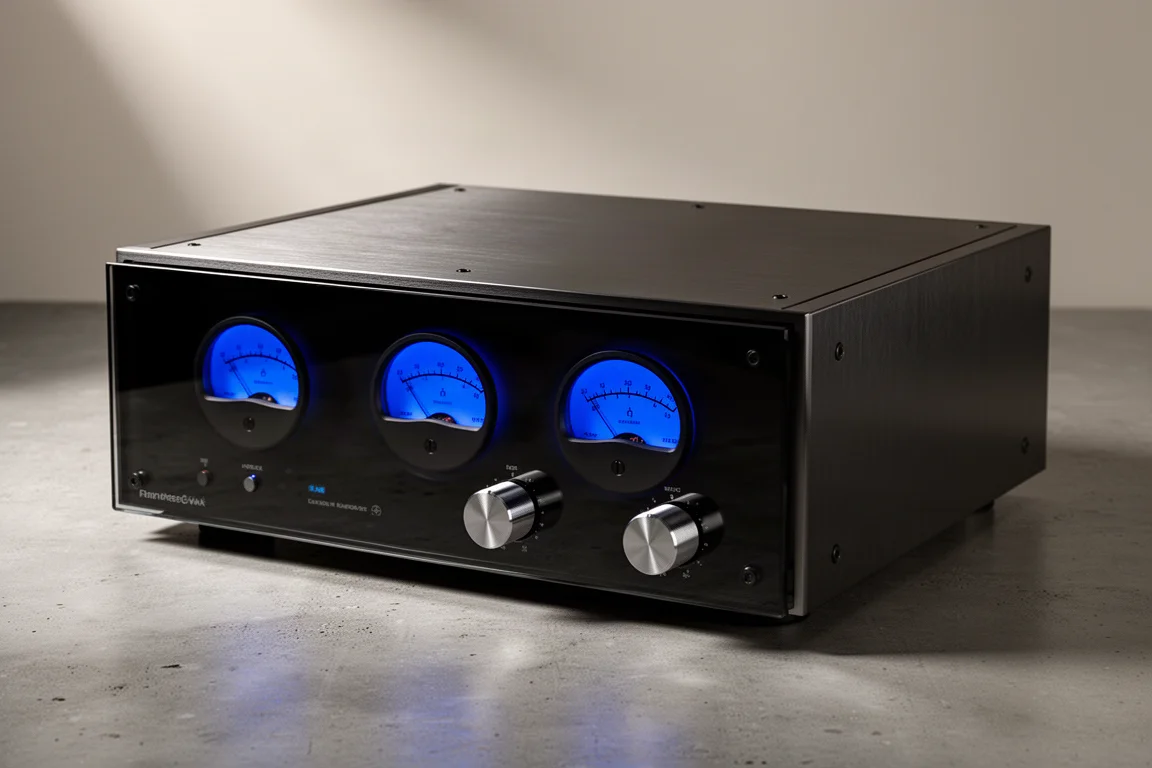
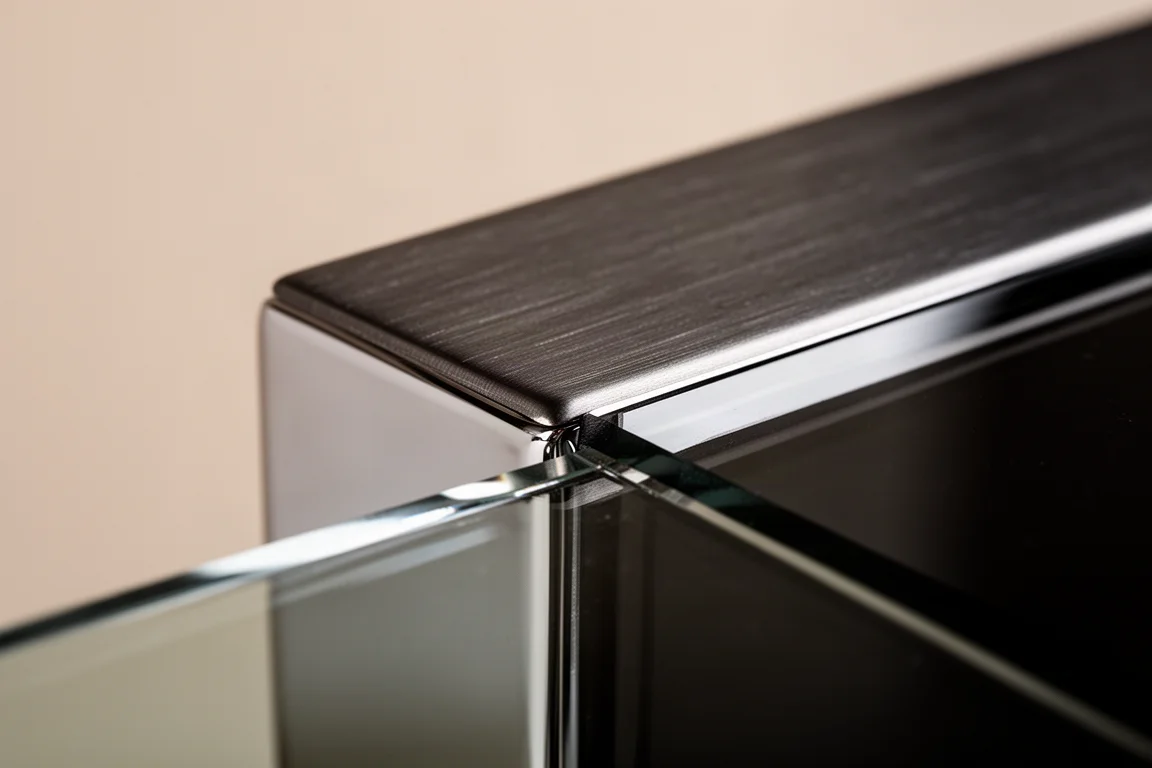
The finish is a big part of the appeal. The top plate is brushed black titanium stainless steel, the same finish used on the flagship C1200, and the sub-chassis underneath is mirror polished stainless steel, also matching the flagship. The front panel uses McIntosh’s classic illuminated glass with the two signature blue output meters, and the display shows source, volume, and menu information.
Dimensions are roughly 17.5 inches wide, 6 inches tall, and 17 inches deep, with a weight of about 25 pounds. That heft is noticeable when lifting it, particularly for a component with no amplifier inside. The volume and input knobs have the classic McIntosh feel, with a little resistance rather than the light, plasticky action common on cheaper gear.
A headphone output sits on the front panel, with McIntosh’s crossfeed technology tuned for headphones between 100 and 600 ohms. It makes headphone listening feel less like sound trapped inside the head and more like it is coming from speakers around the listener. Preferences vary here, and the crossfeed can be switched off, which is a welcome option.
Things to Consider Before Buying
One thing that would have been nice to see is an upgradeable DAC module of the kind the C55 and C2800 accept, which can take the DA2 module later. The network integration in this chassis made that kind of modular swap impractical, so McIntosh built the best DAC it could directly into the unit instead.
If a system needs biamping or a full processor loop, this is not the preamplifier for that job. Those setups generally call for something like a C55 or C2800 paired with a DS200.
Existing C49 owners who are happy with their preamplifier should not read the CS7500 as an upgrade. It is a different approach rather than a step up. If the goal is simply to add streaming to a system that already sounds right, the DS200 is likely the better move, with the caveat that the app-based volume control will not be part of that experience.
Buying Advice
The CS7500 is at its best as the centre of a new two-channel system. It delivers preamplifier performance in the C49 class, streaming capability in the DS200 class, and a level of convenience that neither of those two-box setups can match, all without locking in a power amplifier choice.
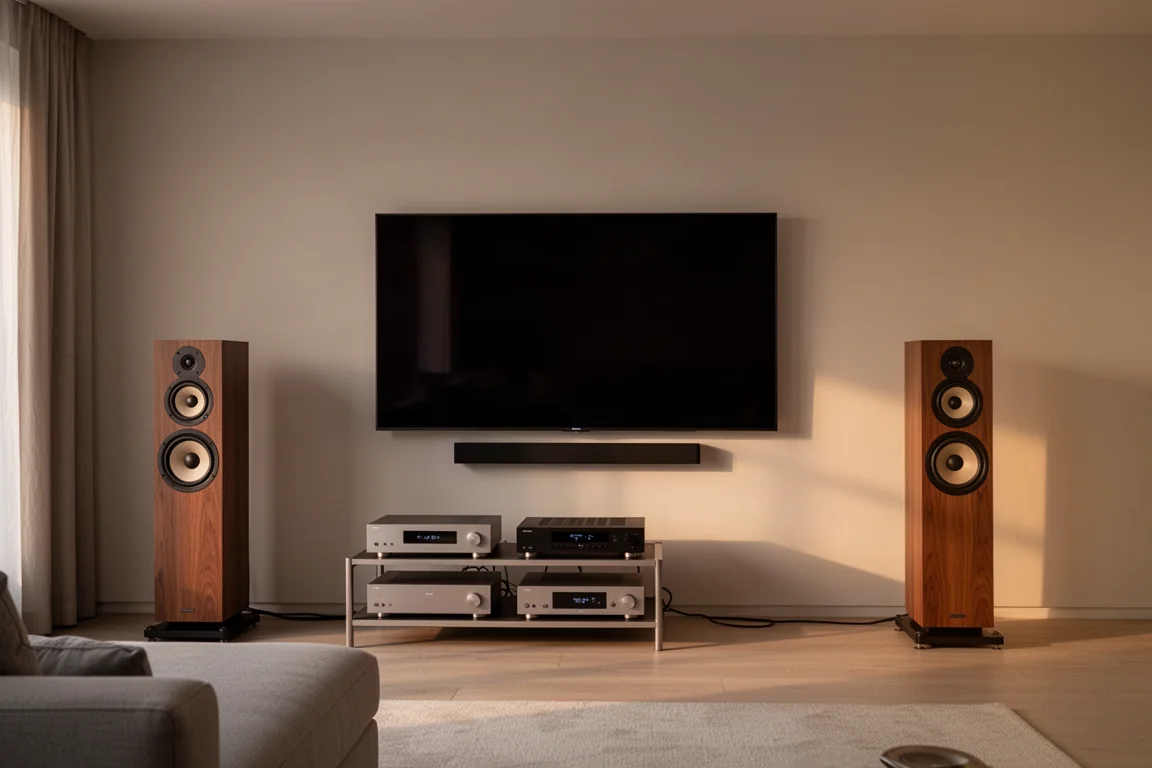
For anyone who wants one chassis that handles streaming, vinyl, television sound, and a subwoofer, with the freedom to change the amplifier later, this is a very complete package. For the large majority of systems people assemble, having everything rolled into one box is a genuine advantage.
Conclusion
The McIntosh CS7500 solves a real problem: how to get reference-grade preamplification and modern streaming into one component without giving up an analog path or amplifier flexibility. It is not the right answer for every system, particularly those that need biamping, a processor loop, or a user-upgradeable DAC. But for listeners building a fresh two-channel setup around streaming and vinyl, it is a convincing and unusually convenient piece of gear.
Product link
View more details for McIntosh CS7500
This product is mentioned in the review. Check the specifications, options, and compatibility before buying.
View more details for McIntosh CS7500Further reading
Related Reviews

Backpacking Gear
Building a 10 lb Base Weight: An Ultralight Backpacking Gear List
A practical walkthrough of the ultralight pieces behind a 10 lb base weight, from a 765 g pack and a roomy one-person tent to a full camp chair and a dependable water filter.

Road Bikes
10 New Road Bikes Worth Watching: Aero, Titanium, Steel and Endurance Standouts
A practical roundup of 10 new road bikes, from aero flagships chasing single-watt gains to titanium, steel and endurance platforms built for real roads.

Bikepacking Gear
11 Bikepacking Essentials for Long-Distance Cycling
Eleven bikepacking essentials for long-distance cycling, from a steel gravel frame and a two-person tent to helmet lights, packable gloves, and a frame bag that puts weight in the right place.