Hi-Fi Audio
McIntosh C55 and MC312 Review: A High-End Preamp and Power Amp Pair Explained
A close look at the McIntosh C55 preamplifier and MC312 power amplifier: what each component contributes, where the pairing earns its roughly $16,000 price, and when a simpler system makes more sense.
Introduction
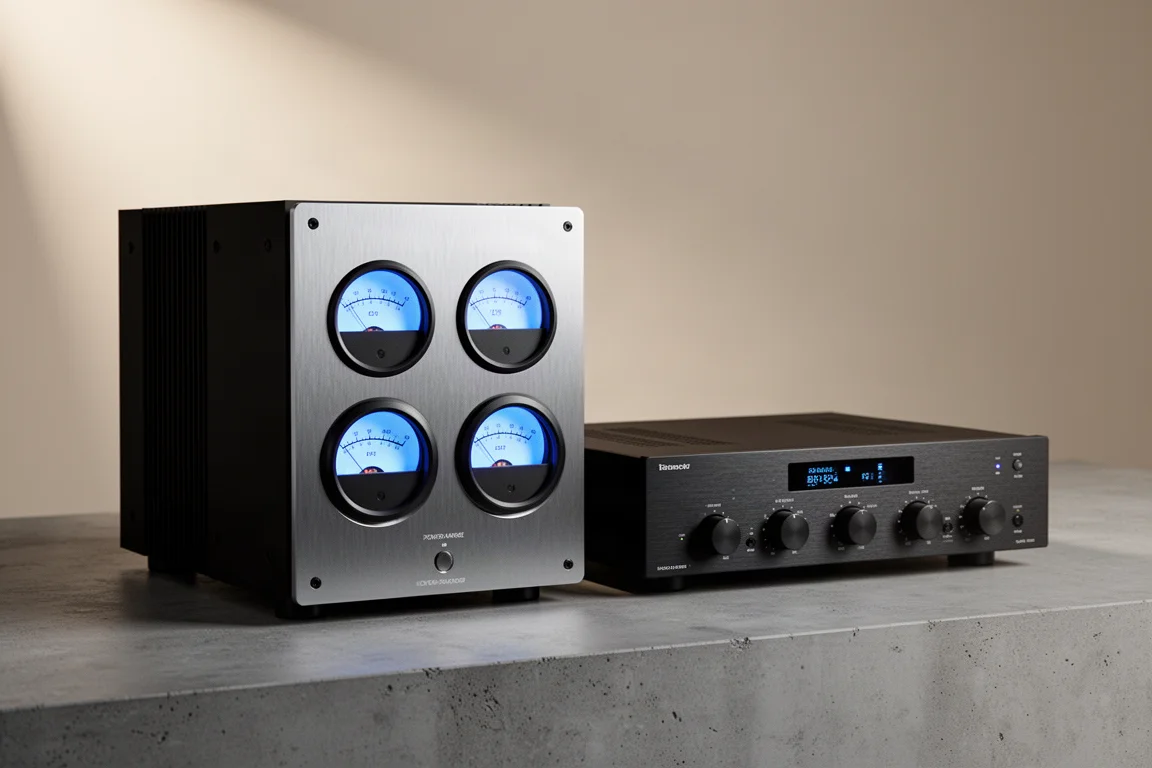
The McIntosh C55 preamplifier and MC312 power amplifier arrived as a matched pair and made a strong case for themselves: across a wide range of loudspeakers, everything sounded better with them in the signal chain. Priced at roughly $16,000 for the two components together, that performance carries a real cost, but the pairing is also considerably less expensive than a lot of reference-grade amplification.
This review looks at what each half of the pair actually contributes, where the combination earns its price, and which listeners are most likely to get lasting value from it.
What the McIntosh C55 and MC312 Deliver Together
The case for this pairing is straightforward. The C55 takes incoming sources, handles digital-to-analog conversion, and passes the signal along at a very high level of quality. The MC312 then supplies the current and control that loudspeakers need, and it does so with a sense of weight and physical presence that is easy to hear on well-recorded material.
The most consistent impression is one of body. Piano and small-ensemble recordings in particular pick up a stronger sense of the physical instrument and the space around it. Detail and extension are not sacrificed for that richness; they are simply presented with more substance behind them.
That combination of refinement and authority is what separates the pair from less expensive amplification. It also means the components are at their best when the rest of the system, and the room itself, are set up to let that quality through.
McIntosh MC312: The Power Amplifier
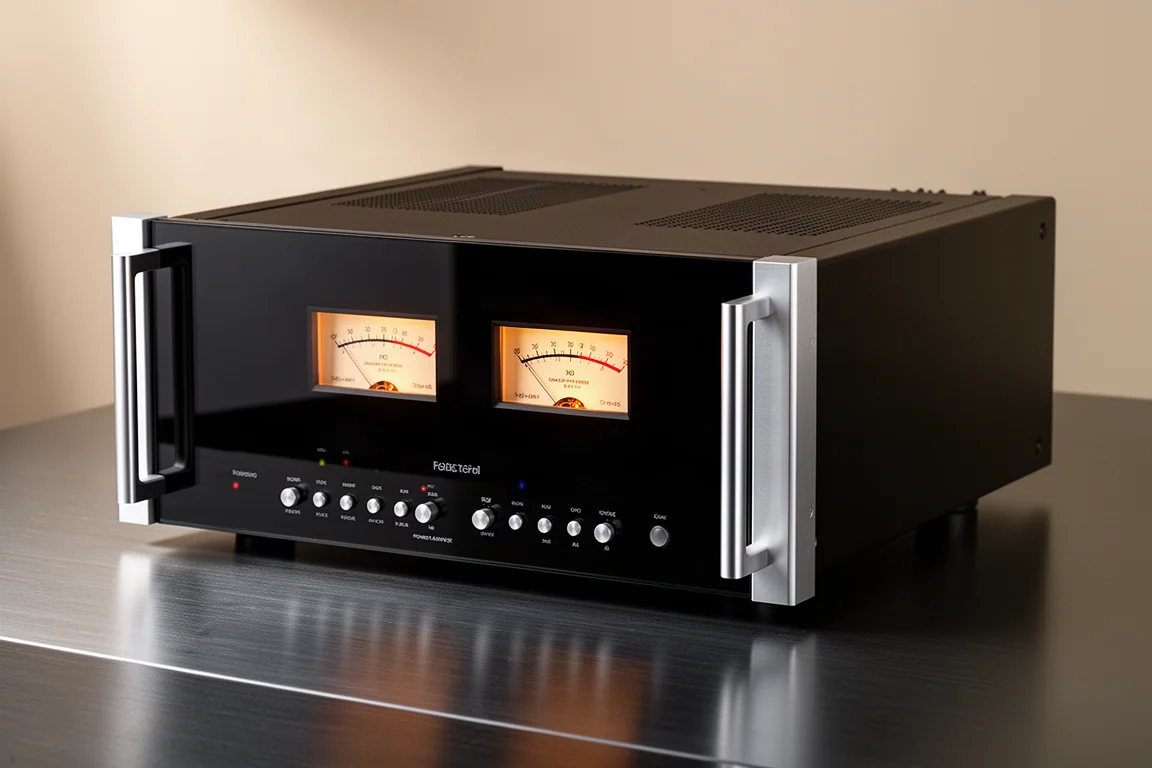
The MC312 is a two-channel solid-state power amplifier priced at $7,500. Its defining trait is the balance it strikes between control and character. Bass has weight and grip, the midrange has presence, and the upper registers carry a natural, organic quality rather than a hard or glassy edge.
Detail retrieval is not the limiting factor here. The amplifier resolves fine information in recordings without pushing it forward, which makes long listening sessions easy. It also stays composed with demanding loudspeakers, including low-impedance designs that ask a great deal of an amplifier.
Thermal behaviour is worth noting as a practical point. The MC312 runs warm in use but never becomes uncomfortably hot to the touch, which is a meaningful difference from some high-output designs that run considerably hotter for the same job.
For many listeners an amplifier at this level is a long-term purchase, and the MC312 is built and voiced in a way that supports that idea. It delivers enough control for difficult speakers and enough finesse that it does not need to be replaced as the rest of the system improves.
McIntosh C55: The Preamplifier
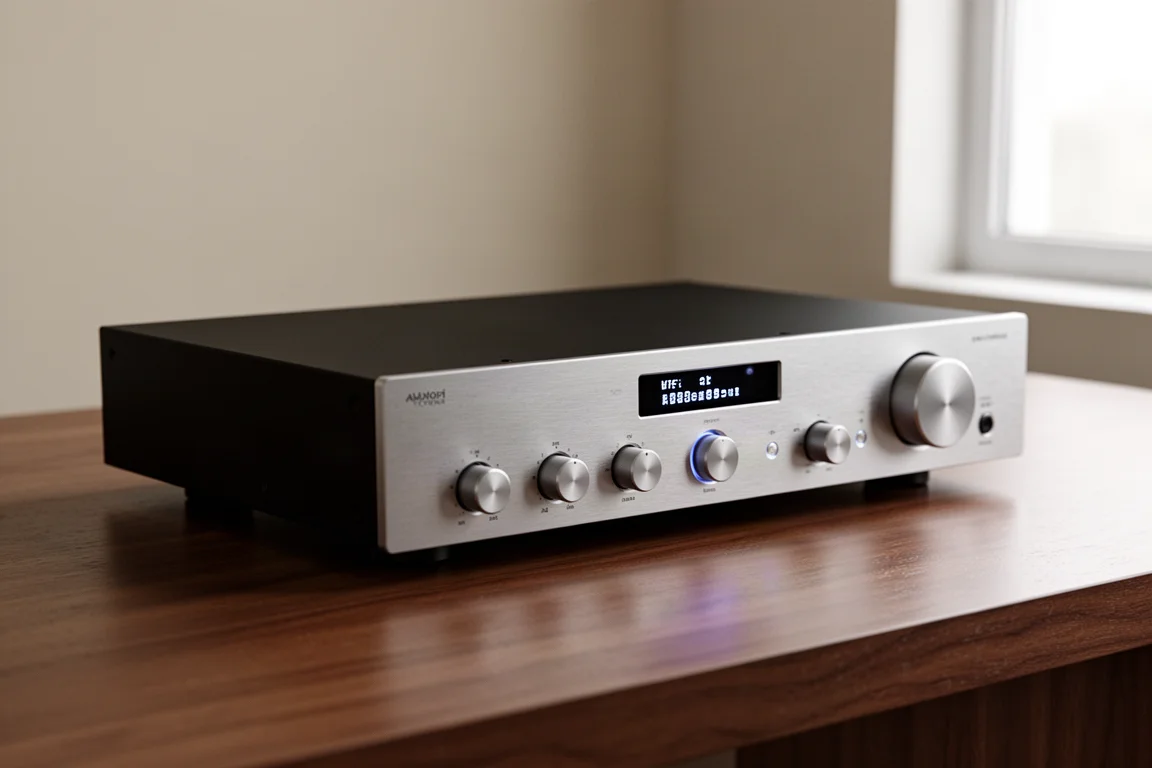
The C55 is the more complex half of the pair. It combines a preamplifier with an onboard DAC and a generous set of inputs, so it can sit at the centre of a system that mixes digital and analog sources. It also includes analog tone controls, which gives listeners a built-in option for shaping the sound without adding external processing.
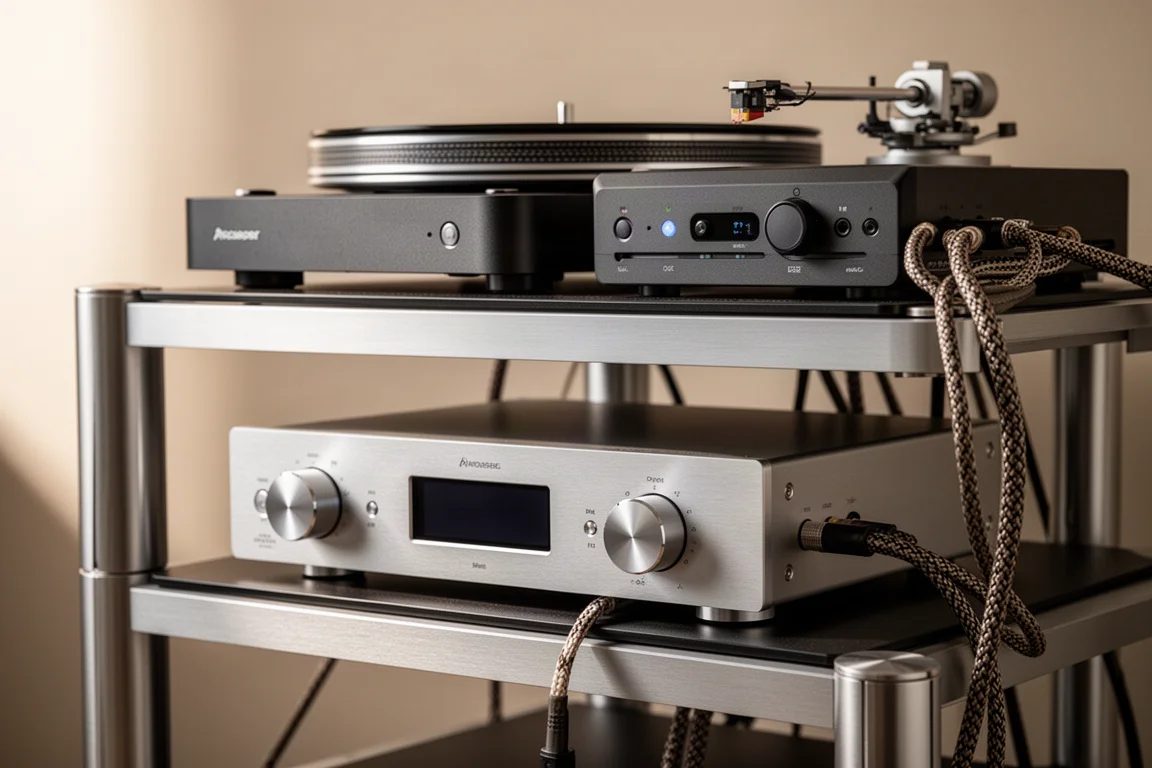
In use, the C55 is transparent enough that it does not draw attention to itself. It takes the incoming signal, converts and passes it on cleanly, and hands the MC312 a very well-preserved version of what the source produced. That is exactly what a preamplifier at this price should do.
The trade-off is scope. The C55 offers more functionality than every listener will use, and it is priced accordingly. For a system that needs a broad input set, an onboard DAC and tone controls in one chassis, that is a genuine advantage. For a simpler setup built around a single digital source, a lower-cost preamplifier or a combined DAC and preamplifier may cover the same ground for considerably less.
Where This Combo Sits Among High-End Alternatives
Judged against reference-grade two-channel amplification, the C55 and MC312 pairing looks relatively restrained on price. High-end monoblock pairs from established brands are routinely priced at several times the cost of this entire McIntosh pairing, and some individual amplifiers cost more on their own than the C55 and MC312 combined.
Closer to home, the comparison is less one-sided. A Rotel RA-1592 MkI, at around $3,000, is an excellent integrated amplifier with real immediacy, snap and dynamic punch. What it does not match is the McIntosh pair’s finesse in the upper registers, where the Rotel can begin to sound glassy by comparison. Technics amplification, meanwhile, is exceptionally clean and beautifully finished, and some models include a phono stage that digitises the analog signal. Those are strong options in their own right, though the MC312’s ability to drive very demanding speakers is difficult to match without hearing both in the same room.
Yamaha’s A-S1200, A-S2200 and A-S3200 integrated amplifiers are genuinely impressive as well. Above a certain point in high-end audio, part of what you pay for is design, support, buying experience and warranty rather than raw performance alone. That does not make the McIntosh pair a bargain in absolute terms, but it does explain where the money goes.
A Note on EQ, Room Correction, and Setup
There is a common argument that properly engineered equipment should not need an equaliser, and the logic is sound: a well-handled signal does not need correction on its way to the speakers. Once that signal becomes sound waves, however, it has to travel through a room, and the speaker-room relationship is what shapes the result.
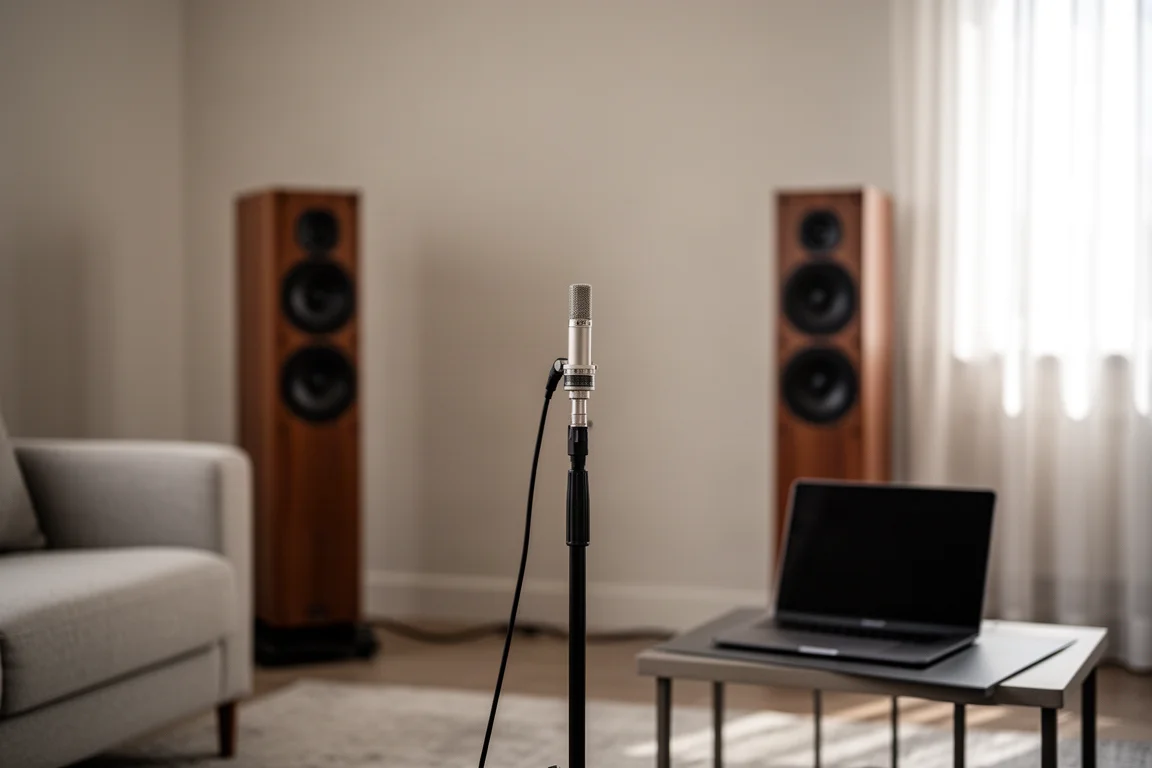
The C55 includes analog tone controls, and they are useful for small adjustments. For more precise work, parametric EQ and room correction can address the way a room interacts with a speaker, particularly in the lower frequencies. In practice, an external digital processor placed between the C55 and the MC312 did not meaningfully degrade the sound once time delay was corrected, and it added a useful degree of control with large-woofer speakers.
That said, no amount of processing replaces basic setup. Speaker placement, the distance between the speakers and the position of the listening seat often account for more of what listeners hear than any single component change.
Who This Pair Suits
The C55 and MC312 make the most sense for a listener building a long-term two-channel system around demanding loudspeakers, who wants both a broad set of inputs and serious amplification, and who values the sense of physical presence this pairing brings to acoustic and small-ensemble recordings.
A listener with an efficient pair of speakers, a single digital source and a modest room may reach a similar level of satisfaction with less expensive equipment. That is not a criticism of the McIntosh components; it is a reflection of how much a room and a pair of speakers can limit or liberate any amplifier.
Overall Buying Advice
Taken on its own terms, the MC312 is the more immediately persuasive of the two. At $7,500 it is expensive, but it behaves like an amplifier that could stay in a system for many years, and it drives difficult speakers without strain. If the goal is a substantial upgrade to the amplification stage and the rest of the system is already sorted, it is the more straightforward purchase.
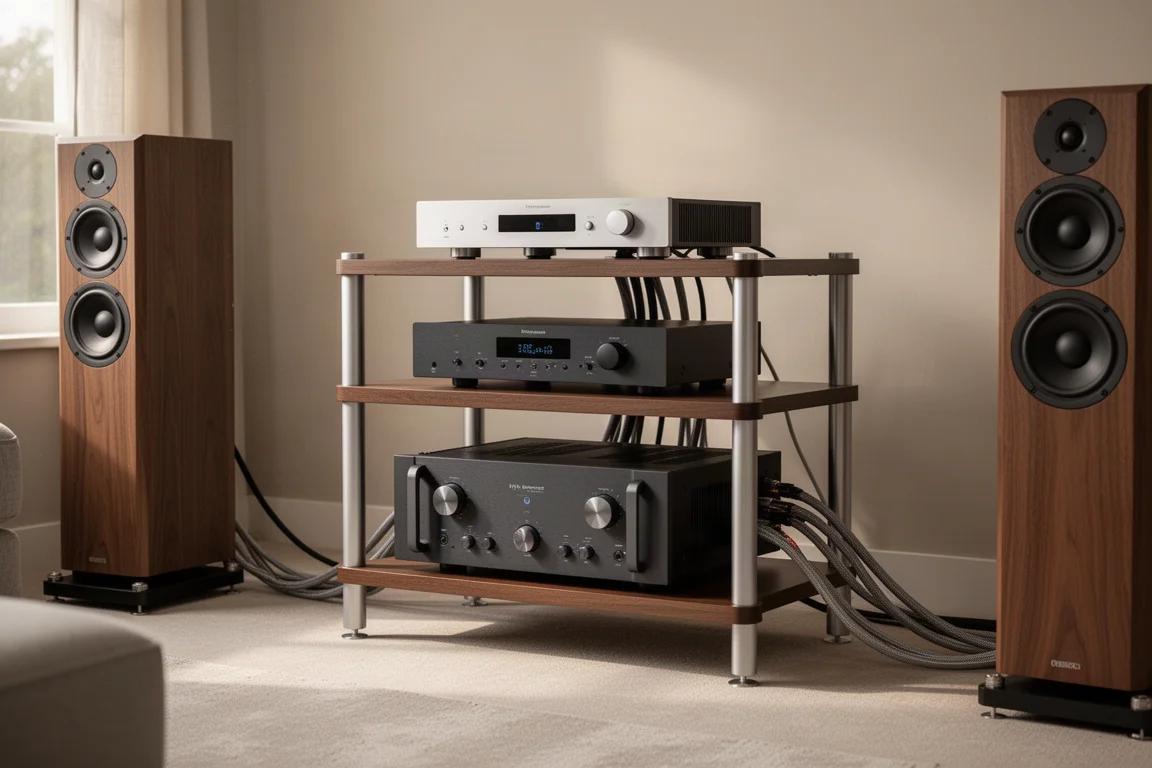
The C55 rewards a system that will actually use it. Its DAC, input flexibility and tone controls justify the cost for a listener running several sources, but someone with a single streamer may find that a simpler preamplifier gets them close enough. The sensible order of operations is to sort out speakers and setup first, then add amplification, then decide how much preamplifier is genuinely needed.
Conclusion
The McIntosh C55 and MC312 are not budget components, and they were never meant to be. What they offer is a combination of control, refinement and physical presence that is difficult to find at a lower price, along with the long service life that buyers at this level expect. For a system that can take advantage of them, they are a convincing pair. For a system that cannot, the same money may go further elsewhere.
Further reading
Related Reviews
Hi-Fi Audio
Accuphase C-57 vs Allnic H-7000V: Two High-End Phono Stages Compared
A fully balanced solid-state phono stage with a pitch-black noise floor meets a tube design built for well-loved records. Here is how to choose between them.
Hi-Fi Audio
Active vs Passive Hi-Fi: Five Components for a Modern System
Five components that define modern active and passive hi-fi systems, with the strengths, trade-offs and setup details worth weighing before you buy.
Hi-Fi Audio
Advance Paris A10 Apex Review: A Hybrid Integrated Amplifier That Covers a Lot of Ground
A French hybrid integrated amplifier with a class A tube preamp stage, analogue power meters, and an internal DAC and phono stage good enough to make extra boxes unnecessary.