Hi-Fi Audio
McIntosh C-55 and MC312 Review: A Premium Stereo Preamplifier and Amplifier Pairing
A close look at the McIntosh C-55 preamplifier and MC312 stereo amplifier, covering input flexibility, power delivery, and the trade-offs worth weighing before buying.
Introduction
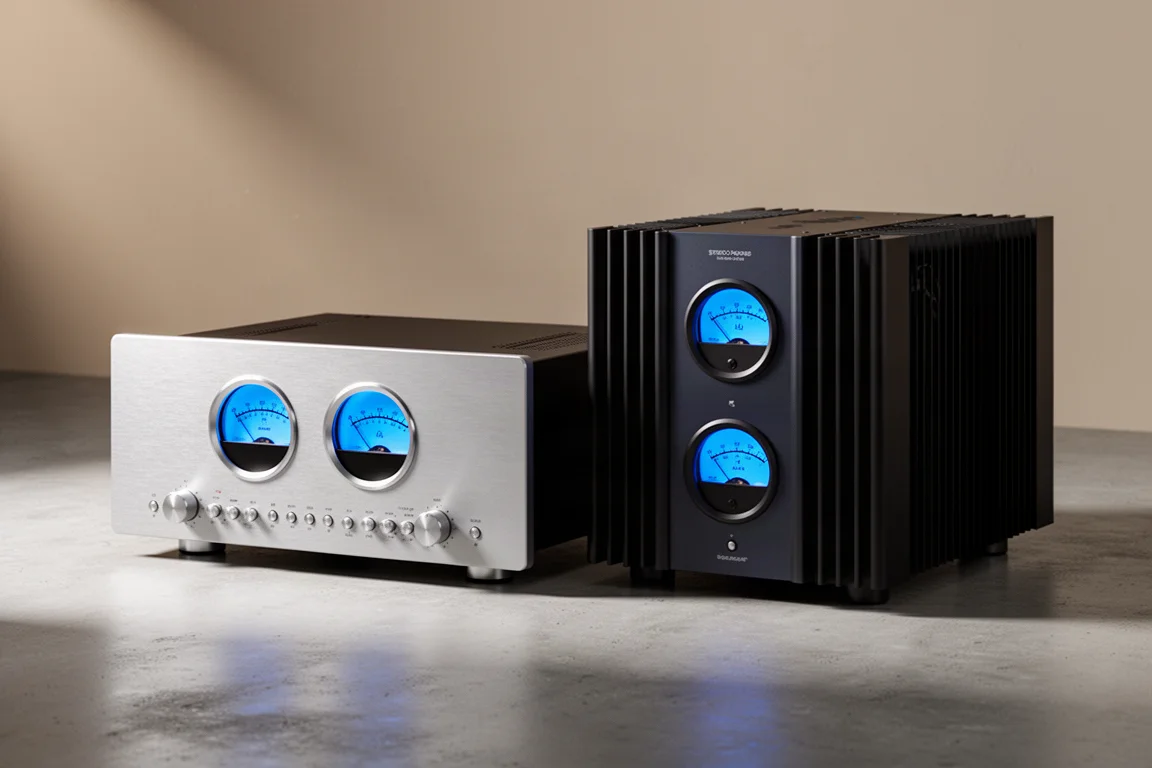
McIntosh has spent 75 years building one of the most recognisable names in high-end audio, and the C-55 stereo preamplifier and MC312 stereo amplifier show clearly where the brand stands today. One is a highly configurable solid state preamplifier with 16 inputs spanning analog and digital connections. The other is a standalone stereo power amplifier rated at 300 watts per channel and built around McIntosh’s Autoformer output design.
Bought as a pair, they form a two-box system that can absorb a turntable, a television, a disc player, and a demanding pair of floorstanding speakers without obvious compromise. Bought separately, each component still stands on its own merits.
This guide covers what each one offers, where it performs at its best, and the details worth weighing before you commit.
What to Consider in a Premium Stereo Pairing
At this level, a specification sheet tells you less than how a component fits the rest of your system. Three questions are worth asking early.
First, how much input flexibility do you need? A preamplifier that covers analog and digital sources in a single chassis removes cable clutter and reduces the number of boxes on the shelf. Second, how much power do your speakers genuinely demand? An amplifier with a stiff, stable output stage will control a wider range of loudspeakers than a modest one, particularly in the low frequencies. Third, how do you feel about add-on boxes? Some listeners want streaming built in, while others prefer to keep the digital side separate so it can be upgraded later.
The McIntosh C-55 and MC312 sit firmly on the second side of that last question, and that shapes exactly who they suit.
McIntosh C-55: A Highly Configurable Stereo Preamplifier
The C-55 is McIntosh’s newest solid state stereo preamplifier, and its headline figure is 16 inputs. Seven are analog, offered in a mix of balanced and unbalanced connections. Seven are digital, covering two coaxial, two optical, one MCT, one USB, and one HDMI input with ARC support. Two further inputs are user configurable phono stages, which brings the total to 16.
That HDMI input is the detail that widens the C-55’s appeal considerably. It allows the preamplifier to sit at the centre of a two-channel system that also handles television audio, and ARC support means a TV remote can manage volume without additional hardware.
Inputs, DAC, and Phono Stage
The digital inputs are part of McIntosh’s DA2 digital module, tied to a quad balanced 32-bit digital to analog converter. High-resolution audio is supported up to DSD512 and DXD 384, which covers essentially everything a typical library will contain.
A processor loop is included as well. It gives you a path for adding a separate equaliser or a room correction device without disturbing the rest of the chain, and it keeps tape decks in play. Three complete sets of preamp outputs let the C-55 feed McIntosh amplification, a third party amplifier, or a subwoofer, and those same outputs can drive multiple amplifiers for stereo systems in different rooms.
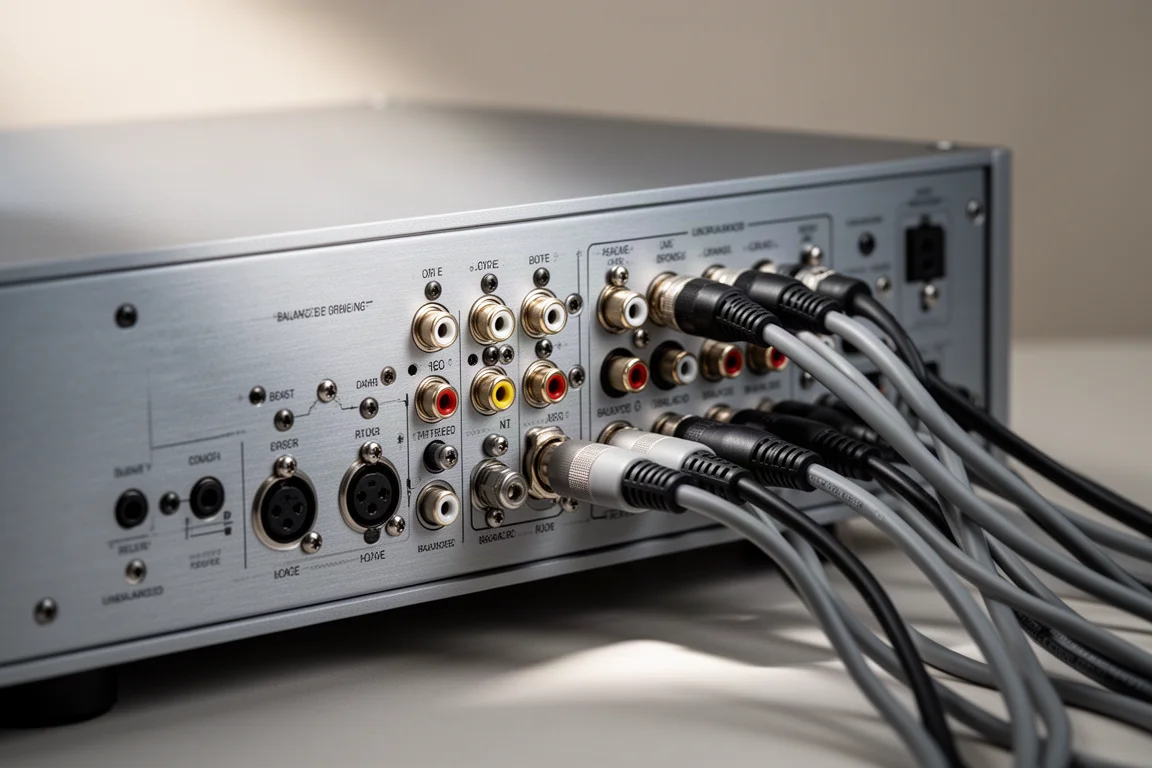
There is an Ethernet port, but it is not there for streaming. It handles updates and control through the McIntosh Connect app, which runs on both Android and iOS devices, and the app mirrors much of what the supplied remote can do. What the C-55 does not offer natively is Wi-Fi, Bluetooth, AirPlay, or any streaming service support, so modern conveniences have to come from a connected third-party device or a McIntosh add-on such as the MB25 Bluetooth transceiver or the MS500 music streamer. The preamplifier is Roon tested.
The Eight-Band Equalizer and Control Options
The feature that draws the most attention on the C-55 is its eight-band analog equaliser. Each band allows roughly plus or minus 12 dB of level correction, and every band can be returned to a neutral position so the signal passes through unchanged. That neutral setting makes direct A/B comparisons far easier than typical tone and balance controls allow.
The dials themselves are continuously variable. Apart from the hard stops at plus or minus 12 dB and the neutral setting at the 12 o’clock position, there are no steps or stops as you turn them. The equaliser works exactly as intended, and its effect can be confirmed with measurements. The practical downside is repeatability: without tactile steps, recreating the same adjustment days or weeks later is difficult. If you set a curve once and leave it alone, that hardly matters. If you tinker constantly, it is a genuine annoyance.
Listeners who do not need multi-band equalisation can look at the McIntosh C49 preamplifier instead, which gives up the meters and some input and output flexibility in exchange for a lower cost.
McIntosh MC312: A High-Power Stereo Amplifier
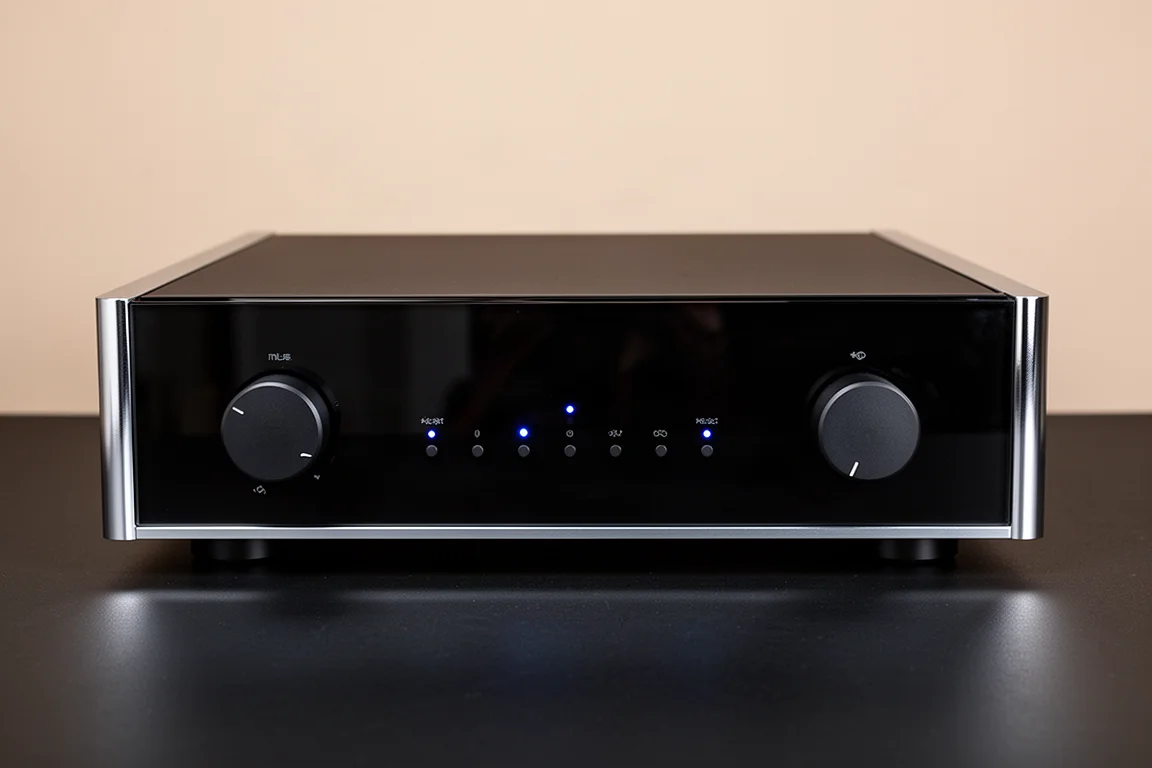
The MC312 is a standalone stereo power amplifier rated at 300 watts per channel into 8, 4, or 2 ohms. That consistency across impedance loads comes from McIntosh’s Autoformer design, which effectively removes the effect of a loudspeaker’s fluctuating impedance from the equation.
Distortion is quoted at 0.005%, and dynamic headroom has been improved by a reported 27% over the previous model thanks to increased filter capacity. In practice, that means the amplifier has power in reserve for demanding passages rather than merely meeting its rating on paper.
Power, Protection, and Output Flexibility
Connectivity is generous for a power amplifier. A full complement of balanced and unbalanced inputs and outputs is provided, and the outputs can be used for bi-amping or for adding a powered subwoofer. That last option is unusual on a stereo amplifier, and it is genuinely useful if an existing preamplifier lacks a dedicated subwoofer output.
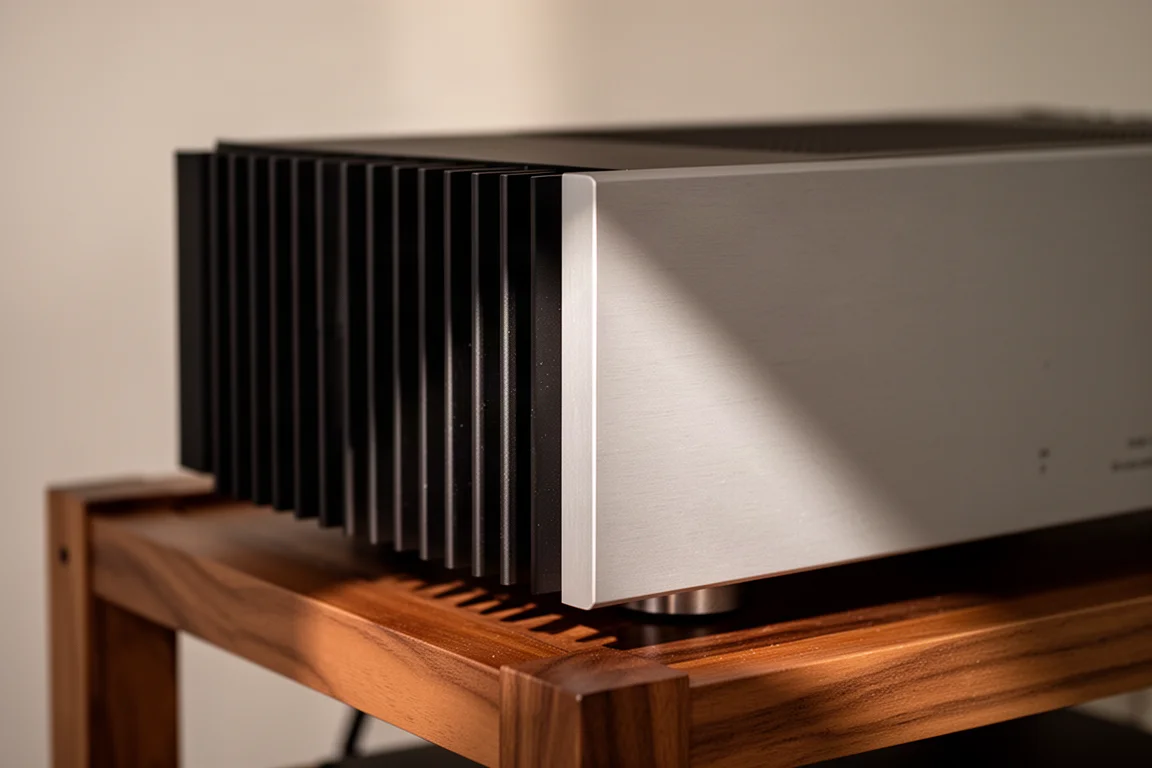
Protection comes in the form of McIntosh’s Power Guard and Sentry Monitor circuits, which guard the loudspeakers and the amplifier against clipping and damaging electrical shorts.
The MC312 is a component you buy for the long term. Its power reserves mean it can drive a very wide range of speakers, and the output flexibility lets it adapt as a system grows.
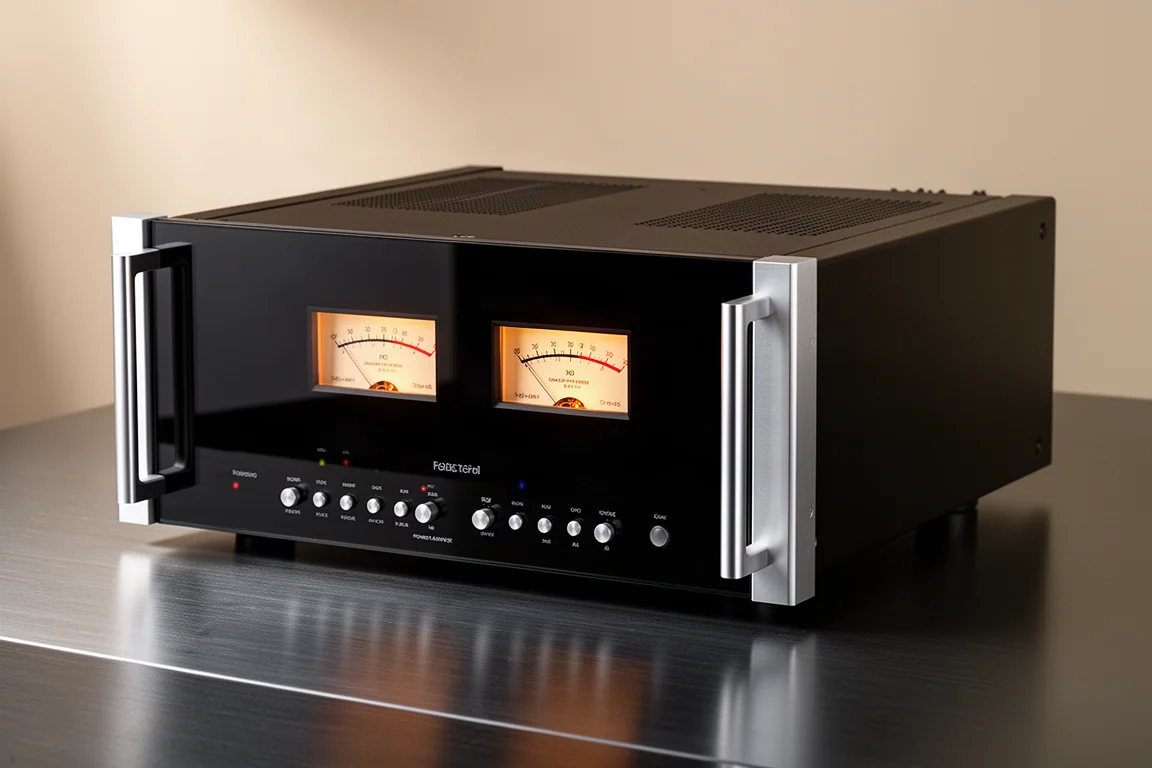
Living With the McIntosh Pairing
Across an extended evaluation period, the pairing handled a broad spread of loudspeakers without a bad match in the group, from large floorstanding models to compact bookshelf designs. Two televisions were also connected through the C-55’s HDMI input, and both worked without issue.
The character of the MC312 is difficult to describe in isolation, because it does not impose a strong voice of its own. Bass notes arrive with greater immediacy and focus, kick drums and plucked double bass start and stop when they should with less bloat and bloom, and texture through the bass and midrange is more defined and more audible. Highs stay composed even through speakers known for brightness, never glaring or shouting. The most noticeable quality is separation: instruments and performers within a soundstage are rendered with more focus, which makes it easier to follow individual lines in dense music.
The C-55 contributes its own sense of control. Its built-in DAC holds up well against a dedicated outboard converter, close enough that adding a separate unit is difficult to justify. The same applies to the built-in phono stage, which performs at a level that makes an external phono preamp feel unnecessary.
The one area where the C-55 needs help is streaming. A network streamer connected digitally to the preamplifier works well and lets the C-55’s own DAC do the conversion, which is a money-saving alternative to McIntosh’s own add-on modules for anyone who wants modern convenience.
Overall Buying Advice
Of the two components, the MC312 is the easier recommendation. Its 300 watts per channel, Autoformer output design, and flexible outputs make it a long-term match for a wide range of speakers, and it slots into systems built around other brands without drama.
The C-55 is more specialised. Its value depends heavily on whether you will actually use the analog flexibility and the eight-band equaliser. If equalisation is not part of your routine, a lower-cost preamplifier from the same family, or a processor with room correction, may deliver more of what you genuinely need. Buyers who do want maximum input flexibility, along with a built-in DAC and phono stage that hold their own, will find the C-55 hard to fault on capability.
More affordable amplifiers with a similar general character exist, including the Emotiva XPA line, the Arcam A25, and the Audiolab 9000A. None of them match the McIntosh pair on power or suit every speaker, but they are worth knowing about if the budget does not stretch this far. Within high-end audio, McIntosh’s long-term support and brand stability remain part of the appeal, and that is worth factoring into a purchase at this level.
Conclusion
The McIntosh C-55 and MC312 are not budget components, and for most listeners they will remain aspirational. What they offer is control: a preamplifier that can accept almost any source you own, and a power amplifier that makes speaker choice far less restrictive. If the flexibility on offer matches how you actually listen, the pairing is straightforward to recommend. If you would rarely touch the equaliser and do not need 16 inputs, the amplifier is the half of the package worth prioritising.
Further reading
Related Reviews
Hi-Fi Audio
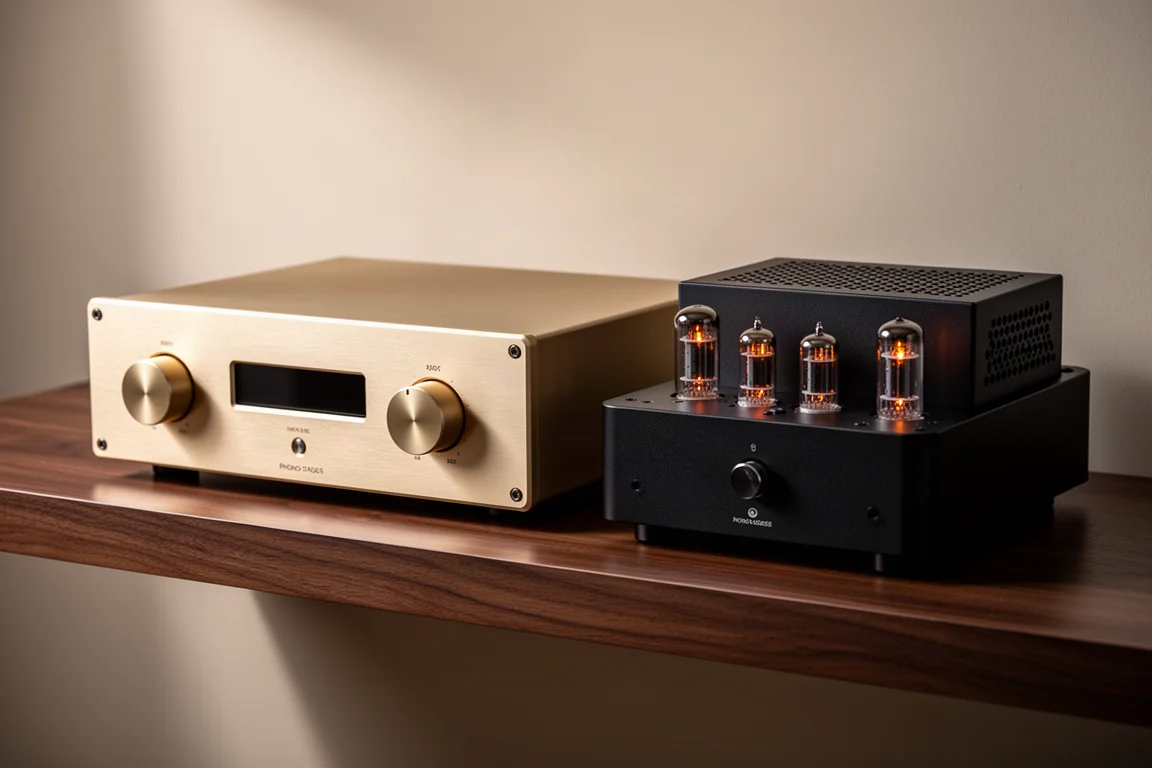
Accuphase C-57 vs Allnic H-7000V: Two High-End Phono Stages Compared
A fully balanced solid-state phono stage with a pitch-black noise floor meets a tube design built for well-loved records. Here is how to choose between them.
Hi-Fi Audio
Active vs Passive Hi-Fi: Five Components for a Modern System
Five components that define modern active and passive hi-fi systems, with the strengths, trade-offs and setup details worth weighing before you buy.
Hi-Fi Audio
Advance Paris A10 Apex Review: A Hybrid Integrated Amplifier That Covers a Lot of Ground
A French hybrid integrated amplifier with a class A tube preamp stage, analogue power meters, and an internal DAC and phono stage good enough to make extra boxes unnecessary.