Gravel Bike Tires
Maxxis Rambler Review: Does Tire Width Really Make You Faster on Gravel?
A close look at the Maxxis Rambler in 40 mm and 50 mm widths, with timed lap and roll-down results on smooth and chunky gravel at two pressures.
Introduction
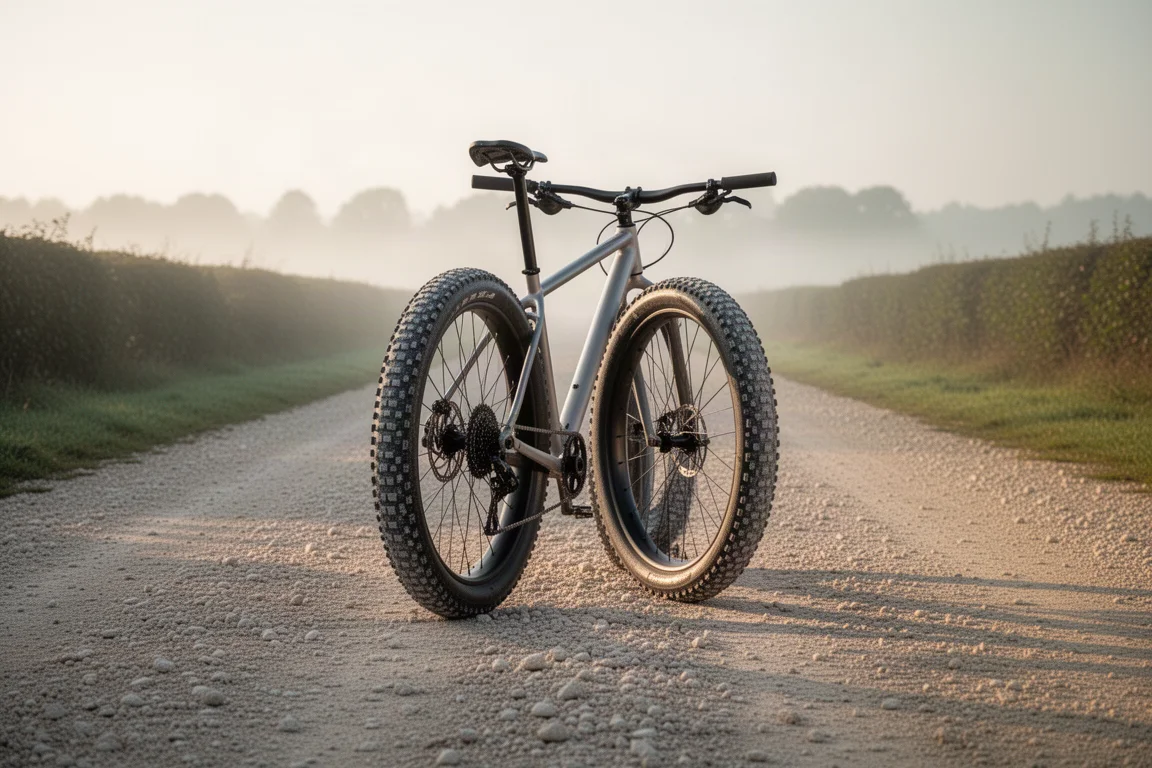
Gravel tire clearance keeps growing, and plenty of riders are asking a fair question: do wider tires actually make you faster? The Maxxis Rambler is a well established gravel tire suited to mixed conditions, which makes it a useful reference point for that debate. To get a clearer answer, the same tire was run back to back in 40 mm and 50 mm widths, first over timed laps on a mixed trail, then through roll down testing on smooth gravel and chunky gravel at 25 psi and 35 psi.
The short version: neither width delivered a meaningful time advantage, but the two sizes felt very different underneath the rider, and tire pressure mattered more than width.
Who This Tire Is For
The Rambler suits gravel riders who want one tire that handles a bit of everything: packed gravel roads, loose over hard, muddy patches and the occasional rooty or rocky section. Riders who race on rolling courses and value a lively feel will gravitate toward the narrower 40 mm option, while those who spend more time on chunky surfaces, long descents and technical terrain will likely prefer the calmer 50 mm.
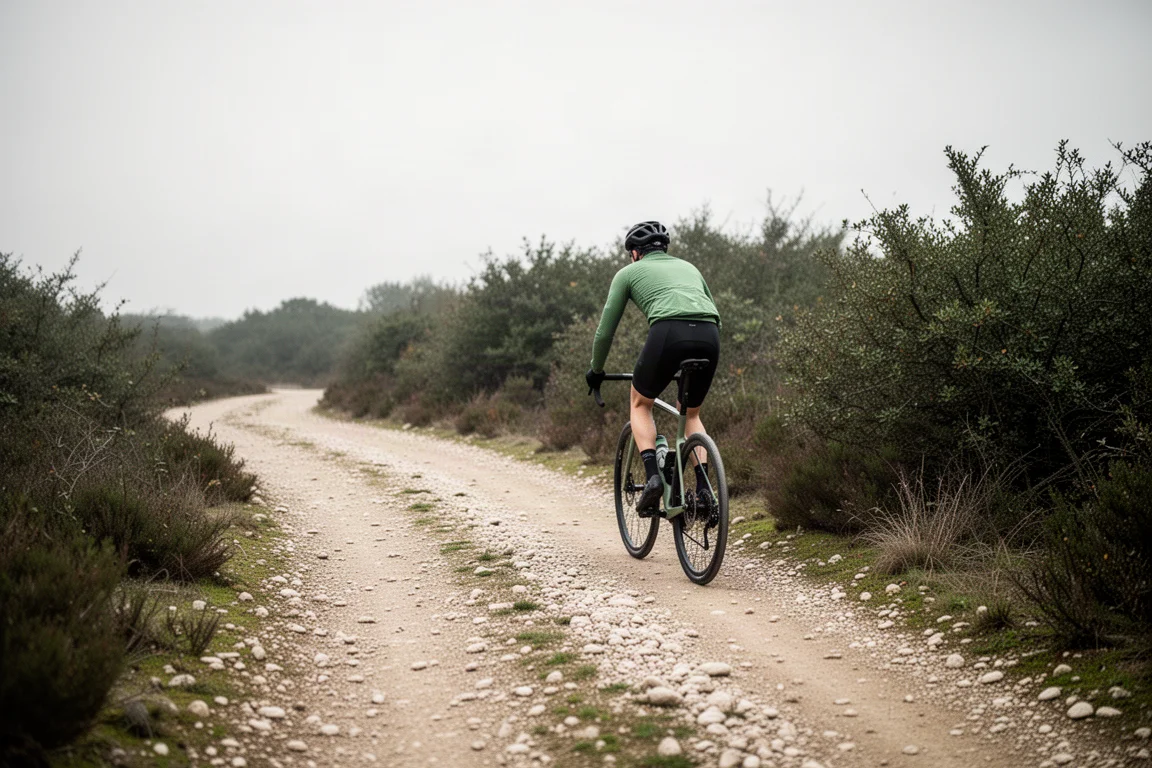
It is also a sensible choice for riders who have not yet experimented with pressure. Testing showed clear differences between 25 psi and 35 psi, and dialling in the right number for your own weight and terrain appears to be worth more than chasing a specific width.
Main Strengths: Grip, Comfort and Predictability
On rough gravel the wider 50 mm Rambler was noticeably calmer. Roots, rocks and impacts were easier to absorb, the bike tracked straighter, and fatigue built up more slowly. Through corners the extra volume inspired confidence, and the tire stayed composed even when it clipped debris on the exit. Where the narrower tire needed a moment of recovery, the wider one simply carried on.
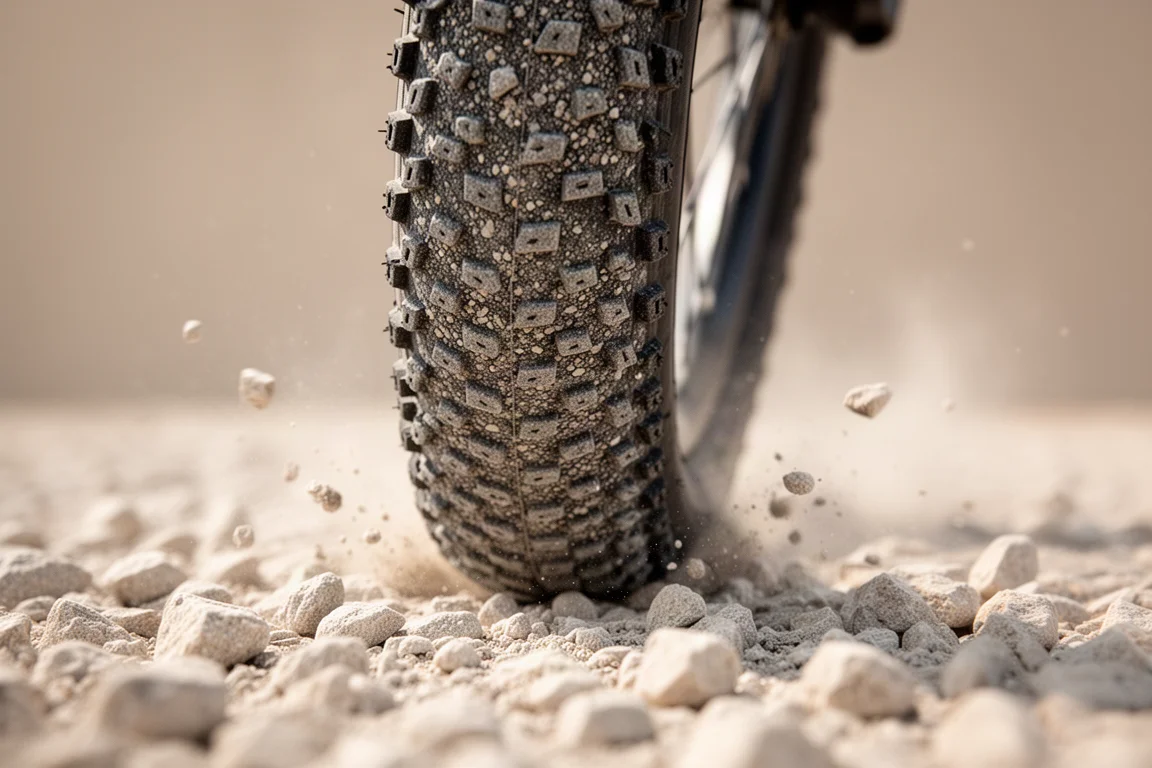
The narrower 40 mm showed strengths of its own. Off the line it felt more sprightly, and on the straight drags that opened the lap course it held speed more easily. In muddy sections it bit down into the surface and found traction where the wider tire floated and struggled to follow ruts. The Rambler tread works well in mixed conditions in both widths; the real difference is how much surface the tire is asked to smooth out.
Lower pressure emerged as a shared strength. Both widths were faster at 25 psi than at 35 psi on both the smooth and the rough lines, and the lower pressure also kept the ride more comfortable and reduced fatigue.
What the Roll-Down Testing Showed
The roll down test crossed a start line at a set rolling speed, with no pedalling allowed until after the finish line, and each combination was repeated three times to build an average.
The fastest average times came from the 40 mm tire. On smooth gravel at 25 psi it was quickest, though only one second separated it from the 50 mm. At 35 psi on the same surface the 50 mm was a second faster. On rough gravel at 25 psi the 40 mm was again a second faster and recorded the lowest average time of the test, while at 35 psi the 50 mm came in two seconds quicker. Given the small gaps and the factors outside the test’s control, there was no significant time saving from either width.
Pressure told a clearer story. Both widths were faster at 25 psi, and the effect was larger on the narrower tire, with a three second difference on the smooth line and a five second difference on the rough line.
Line choice had the biggest influence of all. Riding the rough line consistently produced slower times than the smooth line, a useful reminder that where you put the tire matters at least as much as what you put on the bike.
Things to Consider Before Buying
Comfort is not a minor detail here. The 40 mm tire on the rough part of the roll down test was harsh enough to leave hands numb, and the bike became skittish. Higher pressures on rough ground were fatiguing too, with a sluggish feeling lingering after each run.
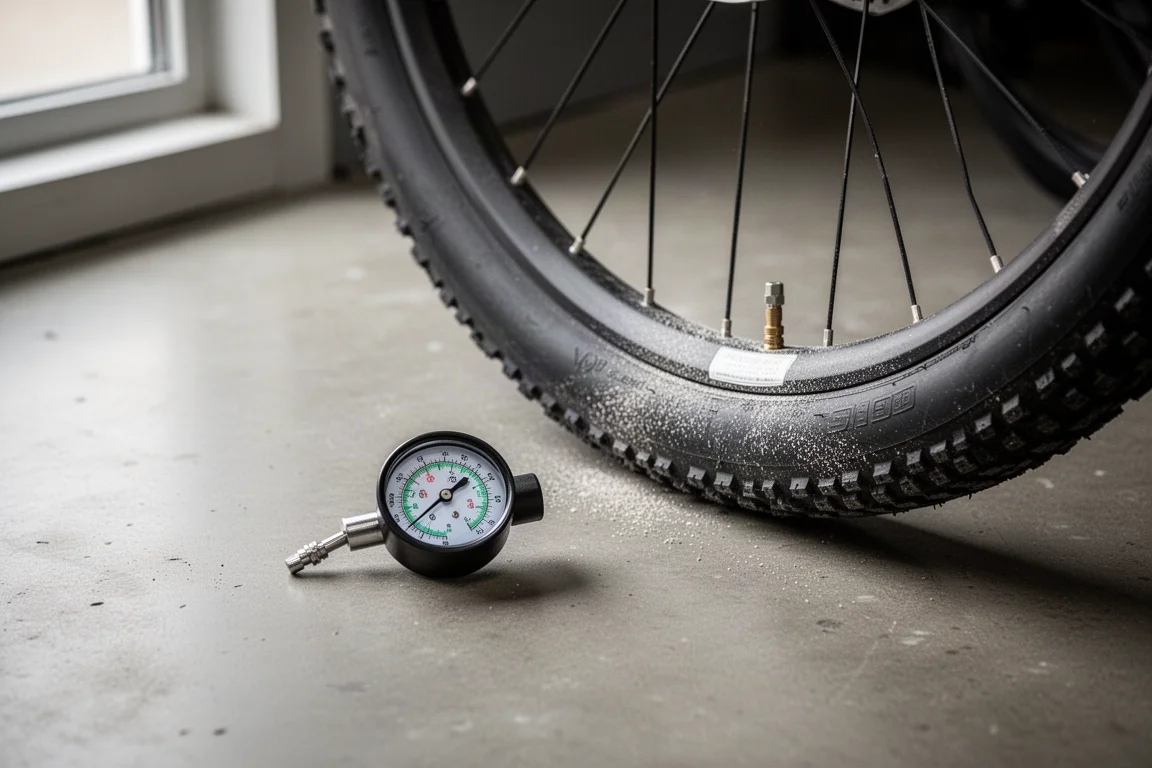
Lower pressures bring their own risks. At reduced pressure the narrower tire showed a clear increase in puncture risk, and one rough line run felt close to damaging a rim.
Width and pressure also interact with the wider tire’s potential. It is possible that dropping the 50 mm below 25 psi would have found more speed, which is worth exploring if you ride chunky gravel regularly.
Buying Advice
Choose the 50 mm Rambler if you ride chunky gravel, technical terrain or long days where comfort and control matter more than outright pace. It is the calmer, more predictable option and the one that reduces fatigue.
Choose the 40 mm if you race on rolling courses, want a livelier feel off the line and ride mixed surfaces where mud traction counts.
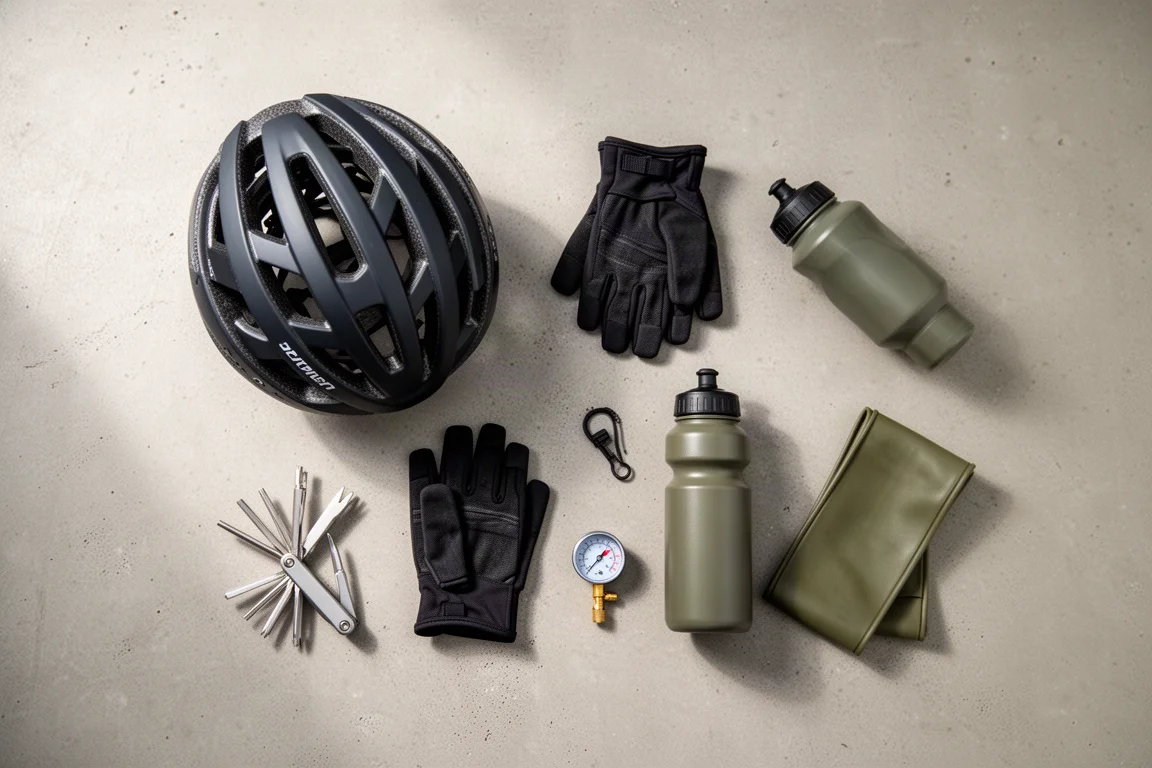
Whichever width you pick, spend time on pressure. Rider and bike weight, tire choice, terrain, weather, trail conditions and whether you run inner tubes all change the ideal number, and testing lower than usual is likely to pay off.
Conclusion
The Maxxis Rambler works well across mixed gravel conditions, and the width debate turned out to be less about speed than about feel. Neither the 40 mm nor the 50 mm produced a significant time advantage in testing. The wider tire was nicer to ride, calmer on rough ground and easier to corner on. The narrower tire felt faster in places and found more grip in mud, at the cost of comfort and composure. Running 25 psi was faster than 35 psi on both widths, and line choice influenced times more than either.
Product link
View more details for Maxxis Rambler
This product is mentioned in the review. Check the specifications, options, and compatibility before buying.
View more details for Maxxis RamblerFurther reading
Related Reviews
Gravel Bike Tires
Continental Race King 2.2 Review: Mountain Bike Tires on a Gravel Bike
A 55mm knobby tire on a gravel frame delivers real traction and confidence on loose terrain, but frame clearance, toe overlap, and surface choice decide whether it makes sense.
Gravel Bike Tires
Continental Race King 2.2 Review: Wide Tires on a Gravel Bike
A 2.2 inch Continental Race King fitted to a gravel bike adds real grip and descending confidence, with weight and clearance trade-offs to weigh first.
Gravel Bike Tires
Hutchinson Caracal Gravel Tires Review: Speed, Grip, and Where Each Model Fits
A close look at the Hutchinson Caracal Race TLR and the tougher Caracal TLR, covering rolling resistance, real-world grip, and how to choose between them.