Subwoofers
MartinLogan's New Subwoofer Lineup: Dynamo Foundation, Dynamo, and Abyss Explained
A model-by-model look at MartinLogan's three new sealed subwoofer series, from the value-focused Dynamo Foundation to the compact, high-output Abyss.
Introduction
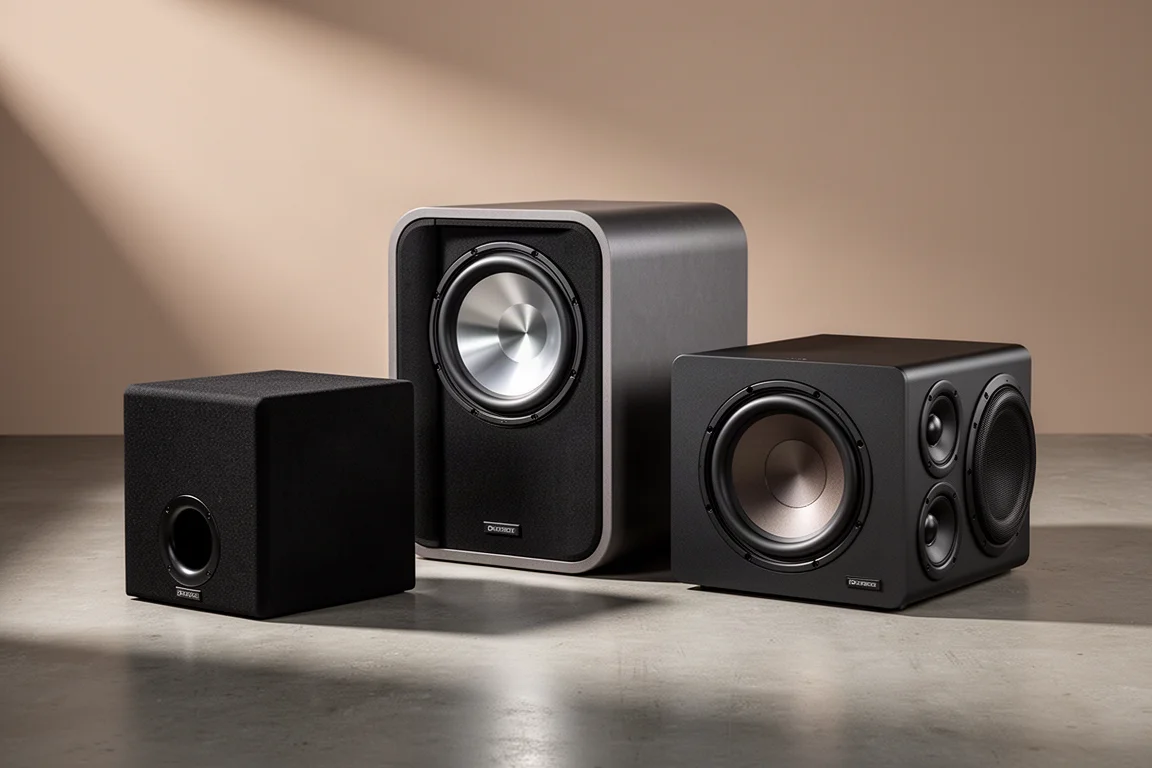
MartinLogan has introduced three new subwoofer series that cover very different parts of the market. The Dynamo Foundation sits at the entry point, the Dynamo series brings room correction and a fuller feature set, and the Abyss series packs high output into the smallest cabinets of the group. Every subwoofer in the new range is a sealed design, and each one runs on a newly developed amplifier platform.
This guide walks through all six subwoofers, plus the Motion XT B100 bookshelf speaker that pairs naturally with them, so you can work out where your budget is best spent.
What the New MartinLogan Subwoofer Lineup Covers
Across the three series there are six subwoofer models: the Dynamo Foundation 10 and 12, the Dynamo 10 and 12, and the Abyss 8 and 10. The naming is straightforward, with the number referring to the size of the active driver in inches.
Capability climbs as you move up the range. Dynamo Foundation concentrates on value and a clean, minimal cabinet. The Dynamo series adds ARC Genesis room correction support, a much more comprehensive connection panel, and more amplifier power. Abyss takes a different route entirely, using passive radiators to pull more low-frequency output out of a compact box.
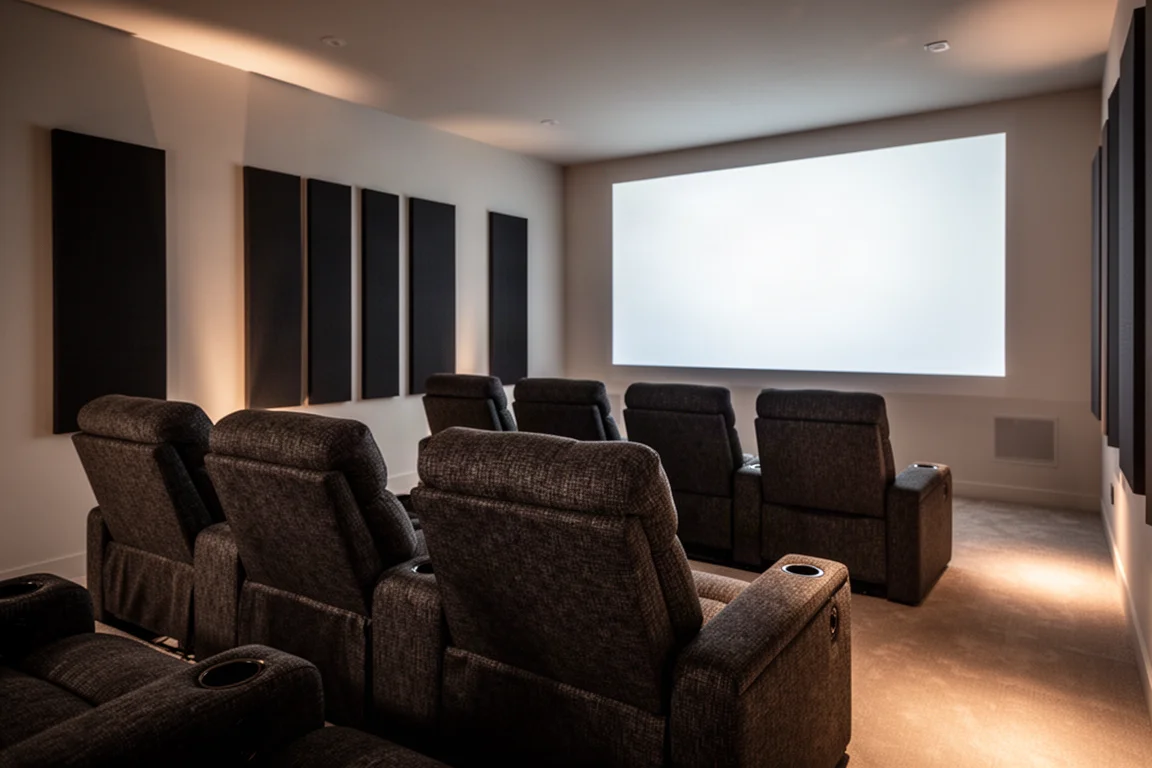
Two design decisions are shared across the whole range. First, every subwoofer is sealed rather than ported, which keeps group delay low and gives bass a tight, controlled character. Second, the digital signal processing is unusually capable for each price point, with Dynamo Foundation running 56-bit processing at 200 MHz and the Dynamo series stepping up to 64-bit processing at 500 MHz.
MartinLogan Dynamo Foundation 10
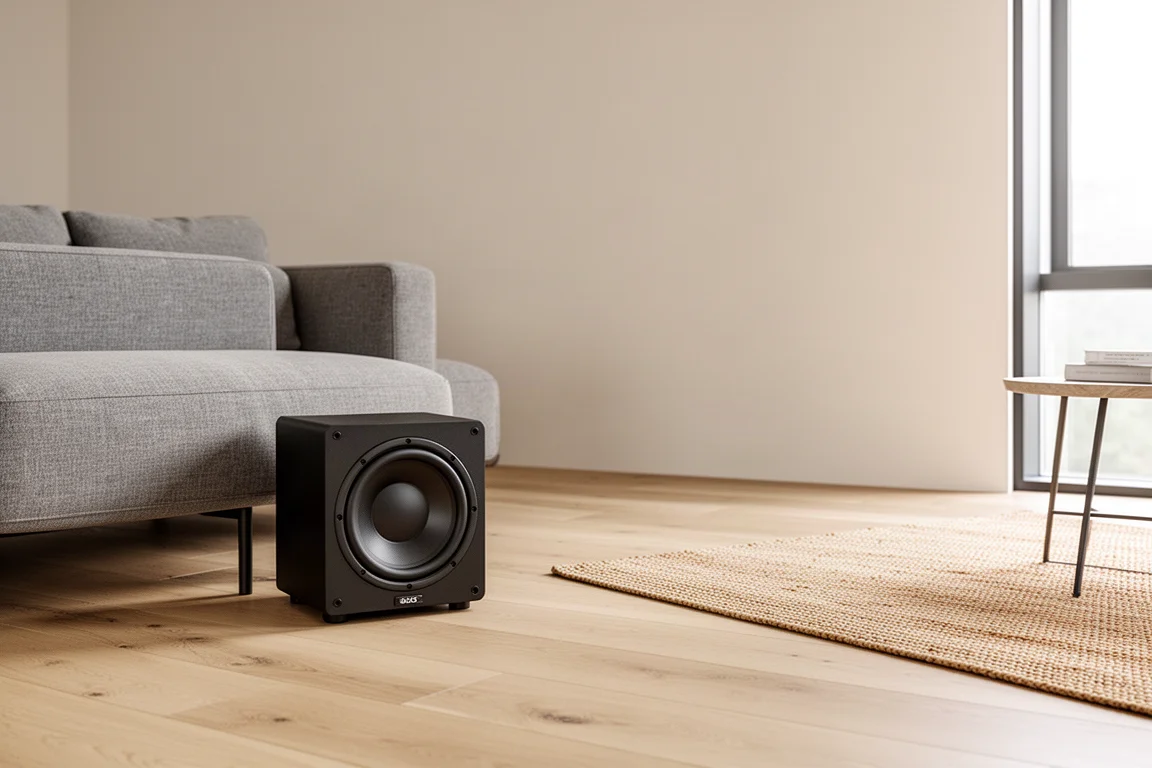
The Dynamo Foundation 10 is the most affordable way into the new range at $499. It uses the new Magnitude amplifier platform with up to 400 watts of clean power, and the driver is fixed in a down-firing orientation. There is no woofer grille, which gives the cabinet a deliberately minimal look and removes something for children or pets to interfere with.
Inputs are kept simple, with an LFE input and a stereo RCA input. ARC Genesis room correction is not part of the package at this level, but the DSP is still one of the more powerful implementations you will find near this price, running 56-bit processing at 200 MHz.
MartinLogan Dynamo Foundation 12
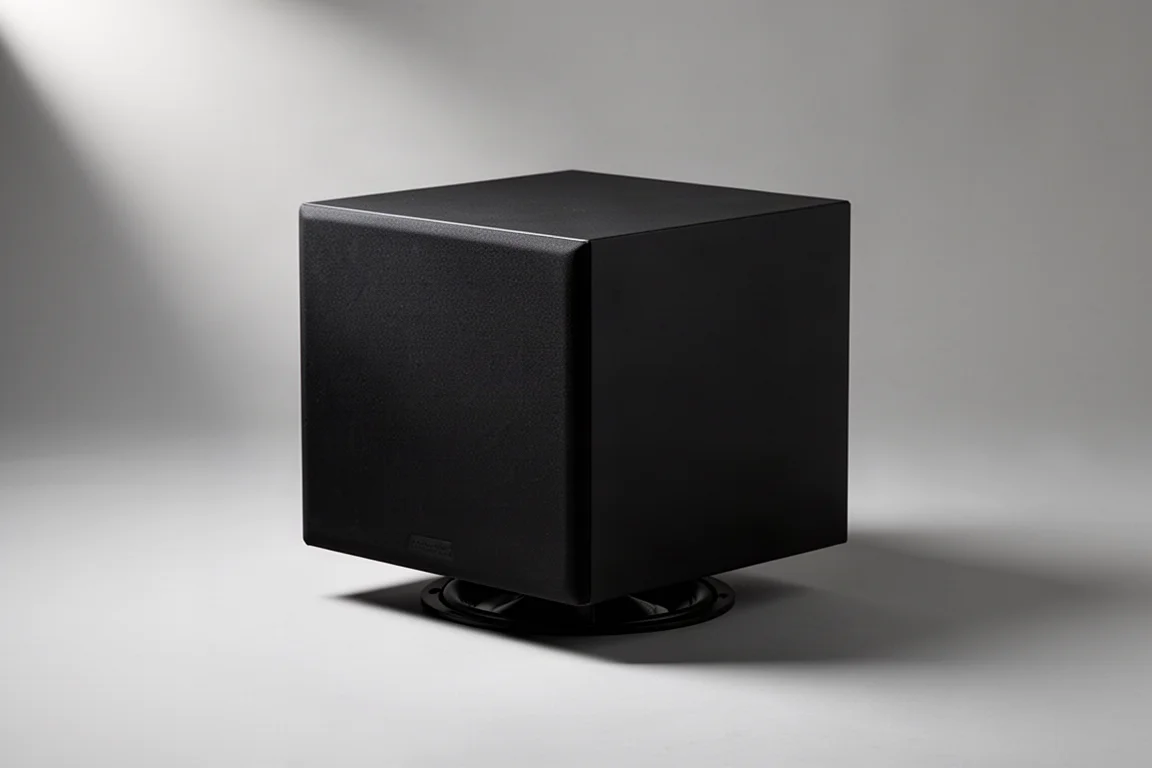
The Foundation 12 follows the same formula with a larger driver and more power. The Magnitude amplifier is rated at up to 700 watts, and the cabinet keeps the sealed, down-firing, grille-free approach of its smaller sibling. At $699 it stays the value-oriented option in the range and suits listeners who want a straightforward subwoofer without room correction or app-based control.
MartinLogan Dynamo 10
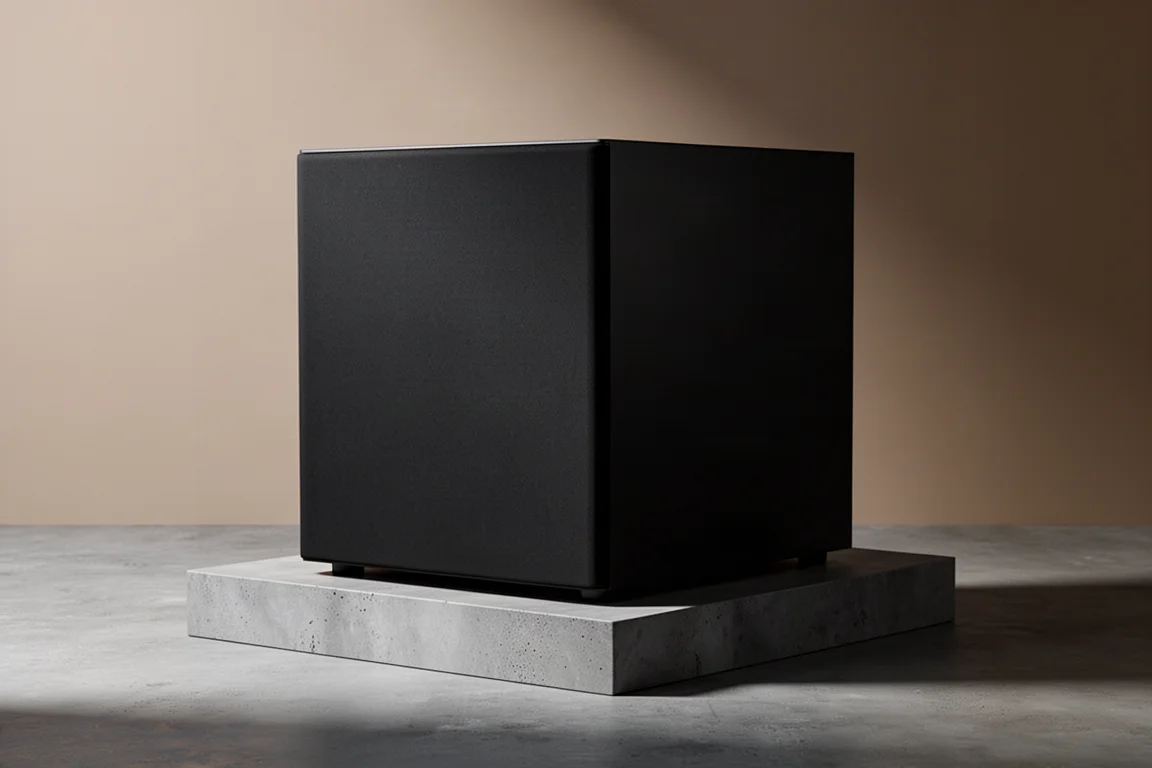
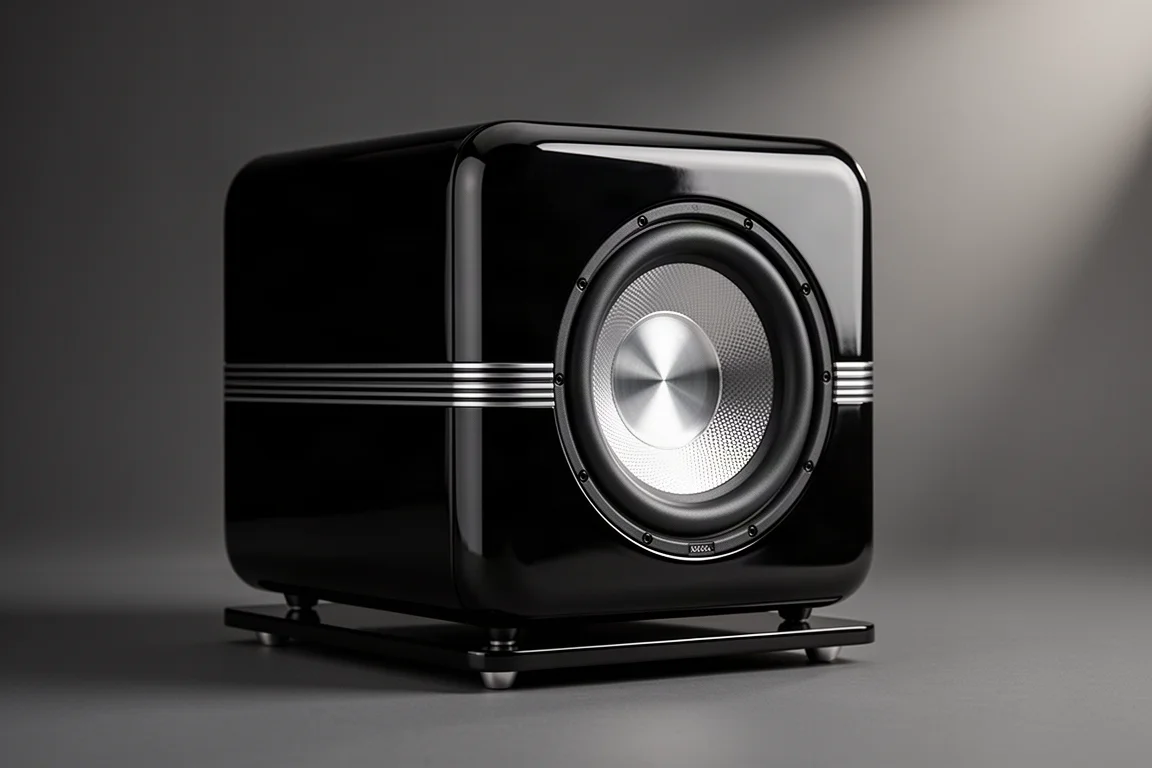
The Dynamo series is where the feature set expands considerably. The Dynamo 10 delivers up to 1,000 watts, uses a single-piece aluminum long-throw woofer with a color-matched finish, and sits in a cabinet built from 1-inch thick MDF with extra reinforcement around the woofer baffle. The driver basket carries an etched MartinLogan name, a small detail that is easy to miss and pleasant to find.
The cabinet rests on a plinth with integrated anti-vibration feet, which reduces how much vibration travels into the floor. That helps sound quality, and it also limits the rattling of objects around the room that tends to travel into adjoining spaces. Carpet spikes are included as an option for listeners who want to couple the subwoofer to the floor instead.
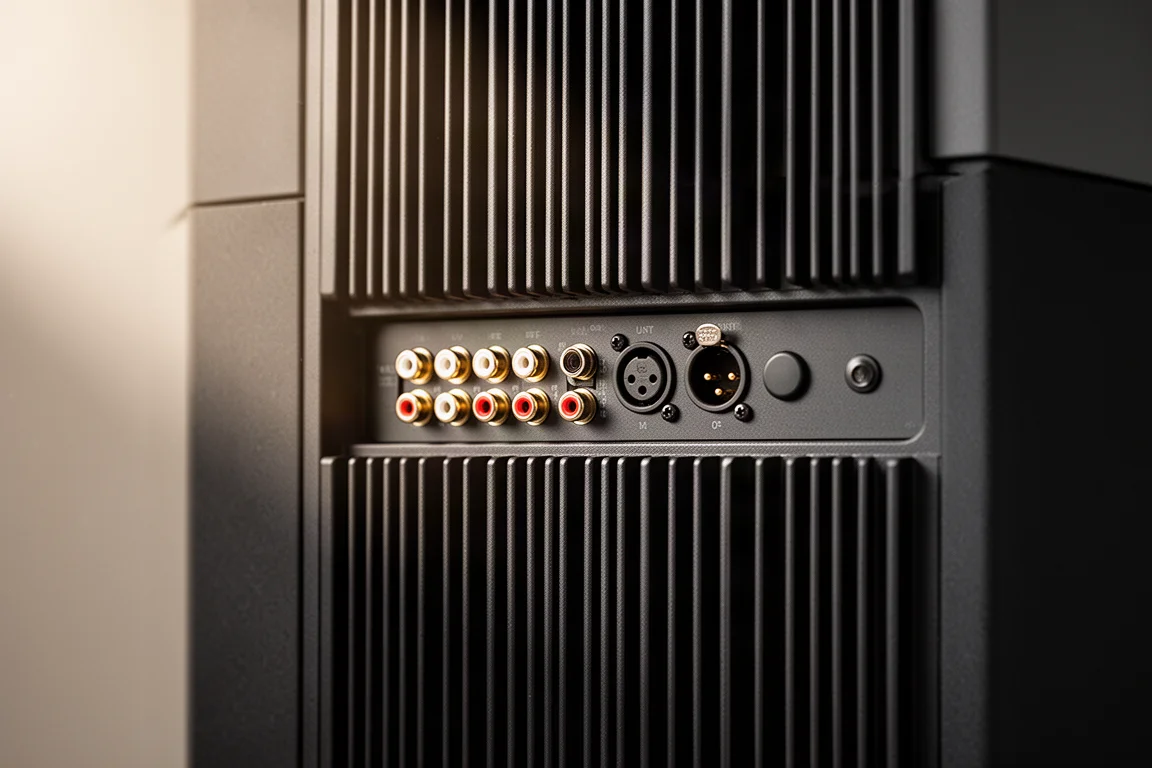
The rear panel is unusually well equipped. There are RCA and XLR LFE inputs, stereo RCA inputs, speaker-level inputs on banana plugs, and a subwoofer output so a second subwoofer can be daisy chained from a single source.
ARC Genesis room correction is supported across the Dynamo series. You will need an ARC-compatible microphone, either one you already own or a kit purchased separately, and Anthem room correction microphones are also compatible. Calibration runs through the PC or Mac application, as the phone app for these subwoofers has been retired.
One genuinely useful extra is the tone sweep button on the rear panel. It lets you pause a test tone at a specific frequency, which makes it easier to track down rattles in the room or confirm that the subwoofer itself is working when something further up the chain goes quiet. Wireless is included from the Dynamo series upward. The wireless link is lossless, though it does add a small amount of latency, and room correction will typically place the subwoofer further away in the distance settings to compensate. The 10-inch model is available in gloss black or satin white, the first white subwoofers in the company’s history.
MartinLogan Dynamo 12
The Dynamo 12 takes the same platform and scales it up. Amplifier power rises to 1,600 watts, the cabinet is heavier, and the DSP runs at 64-bit with 500 MHz processing for fast, clean handling of low-frequency information.
Everything else carries over: ARC Genesis support, the full connection panel with XLR and RCA LFE inputs, speaker-level inputs and a subwoofer output, the rear tone sweep button, and included wireless. For listeners who want one subwoofer that can carry a large room without compromise, this is the model to study most closely.
MartinLogan Abyss 8
Abyss returns to the lineup in a completely different role. The original Abyss, launched close to twenty years ago, was a larger and more powerful alternative to Dynamo. The new Abyss flips that idea: it is smaller than the equivalent Dynamo while offering more output.
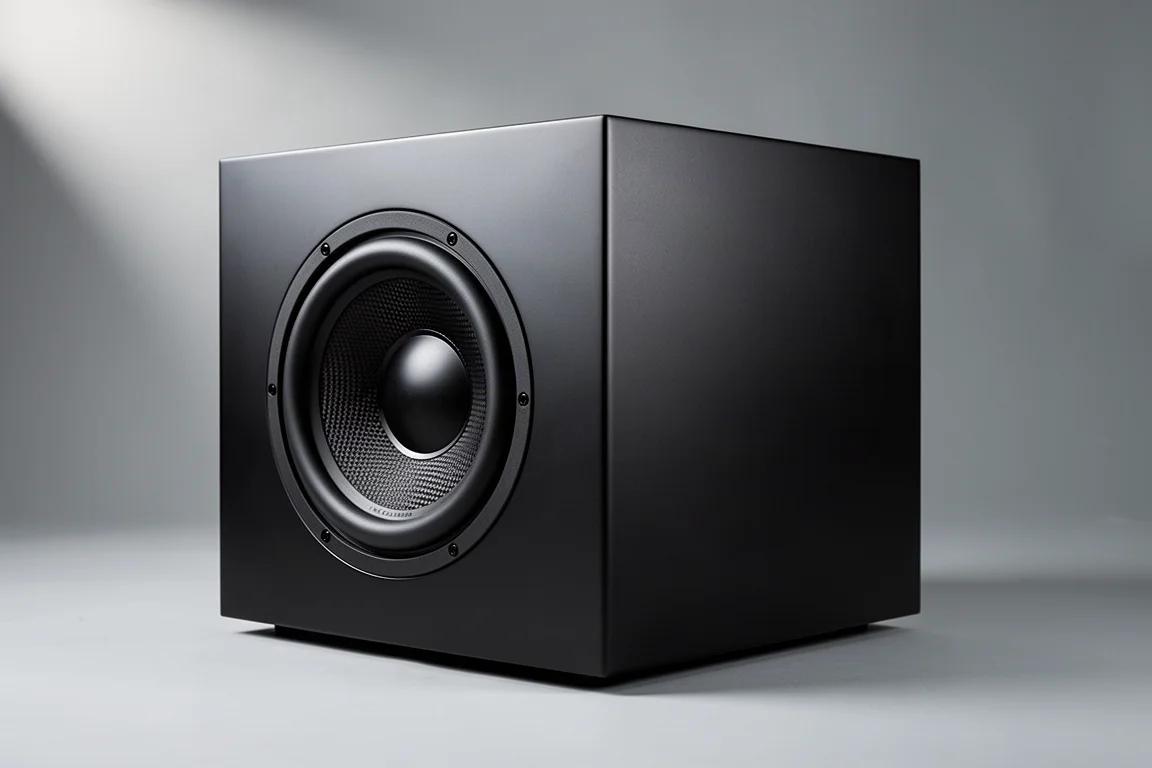
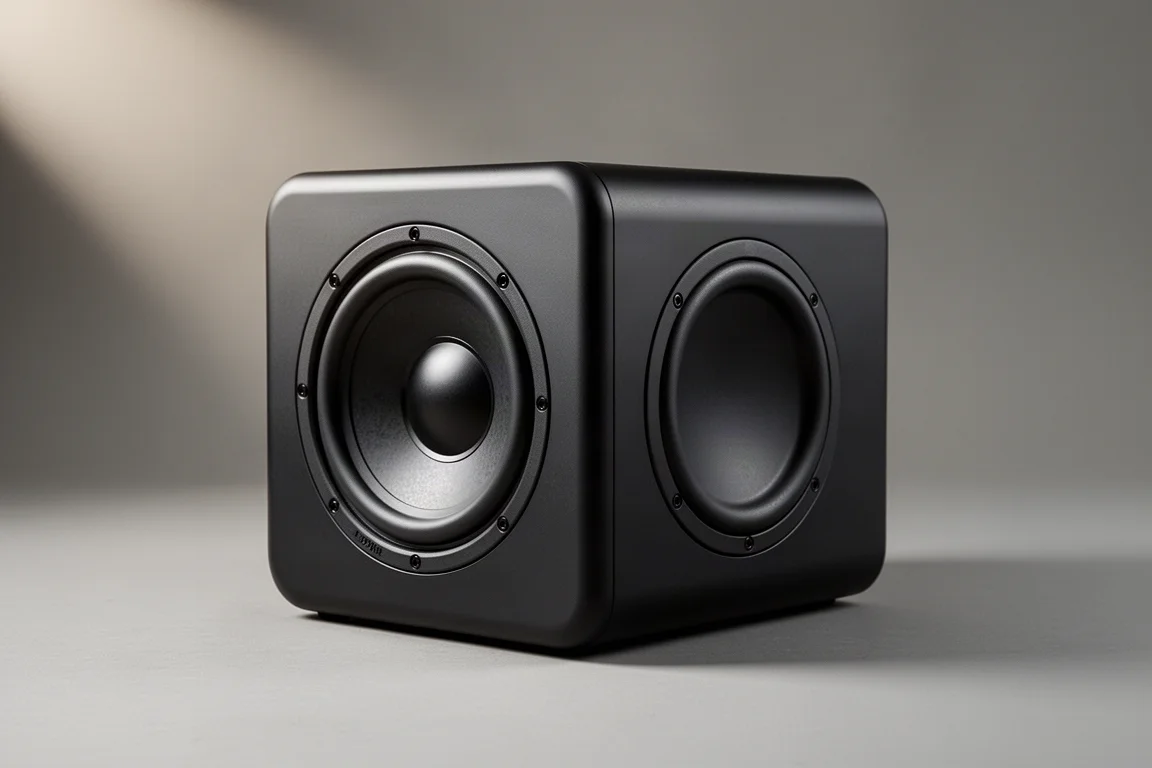
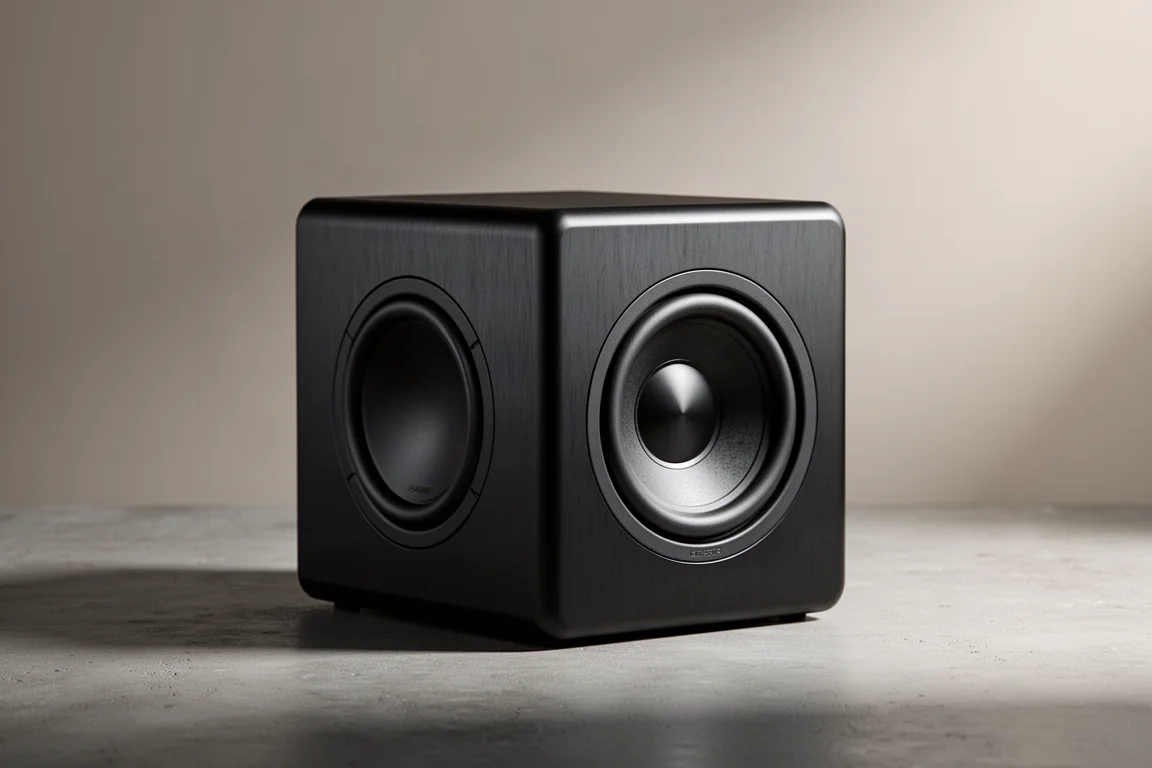
The trick is a hybrid driver arrangement. A single active woofer faces forward, and two passive radiators are mounted on the sides. The Abyss 8 pairs an 8-inch active driver with two 8-inch passive radiators, which doubles the radiating surface area and is the approach that gets the best results from a passive design. The result is closer to the output of a ported subwoofer without the larger cabinet, while keeping the tight roll-off and musical character of a sealed box. Because there is no port, there is also no port chuffing to worry about.
The practical gain is enhanced output over the comparable Dynamo in the 20 to 30 Hz region, which matters most for movie soundtracks and for music that reaches deep, such as electronic and orchestral material. The Abyss 8 weighs around 46 pounds, which is substantial for an 8-inch subwoofer.
MartinLogan Abyss 10
The Abyss 10 applies the same hybrid active plus passive radiator design in a larger cabinet, with a bigger active driver and more output available. It is the model to look at if the compact footprint of the Abyss approach appeals to you but you want additional headroom for a larger room or higher playback levels.
Both Abyss models share the same philosophy: take the low-frequency extension and weight people expect from a much bigger box and deliver it from a cabinet that is easy to live with. That makes them a natural fit for rooms where a large, deep subwoofer simply would not be practical.
For listeners who care most about music, the sealed character of the Abyss range keeps bass articulate and integrated with the main speakers. For film use, the added output in the lowest octaves is what gives soundtracks their sense of scale.
MartinLogan Motion XT B100
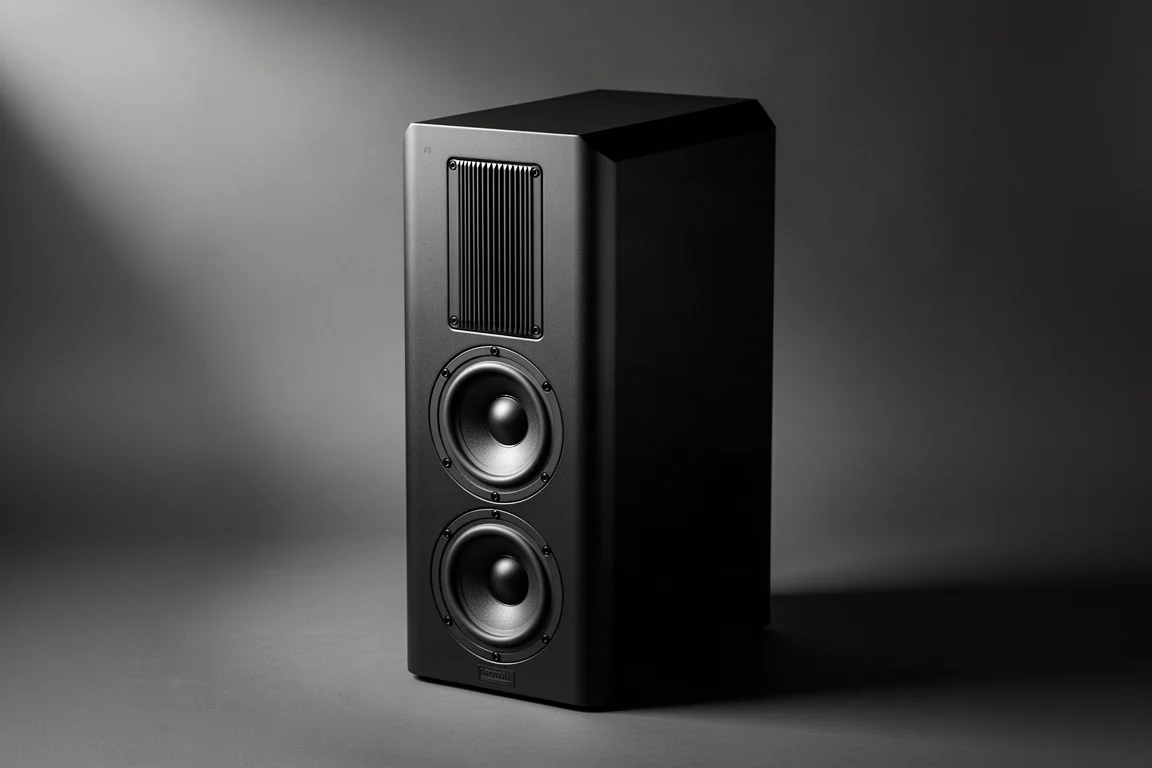
The Motion XT B100 is the bookshelf model in the Motion XT speaker line, and it uses the same air motion transformer tweeter and waveguide approach as the larger towers in the series. In a two-channel setup it produces a convincing phantom center image and a wide soundstage, and it pairs naturally with a compact subwoofer such as the Abyss 8 to add the low-frequency foundation a bookshelf cabinet cannot provide on its own.
That combination is especially practical where floor space is limited, because the subwoofer can be placed wherever it works best while the speakers stay on stands at the correct height. The Motion XT B100 is also a sensible choice for listeners who want the Motion XT tweeter in a smaller room without moving up to a tower.
Matching a Subwoofer to Your Room and System
Choosing between these models comes down to three questions: how much low-frequency output you actually need, whether you want room correction, and how much floor space you can give up.
If the priority is the lowest possible cost of entry, the Dynamo Foundation models deliver a sealed cabinet and a capable DSP at the most accessible prices in the range. If you want ARC Genesis correction and the flexibility of a fully equipped connection panel, the step up to Dynamo is the meaningful one, and the two models there differ mainly in amplifier power and driver size.
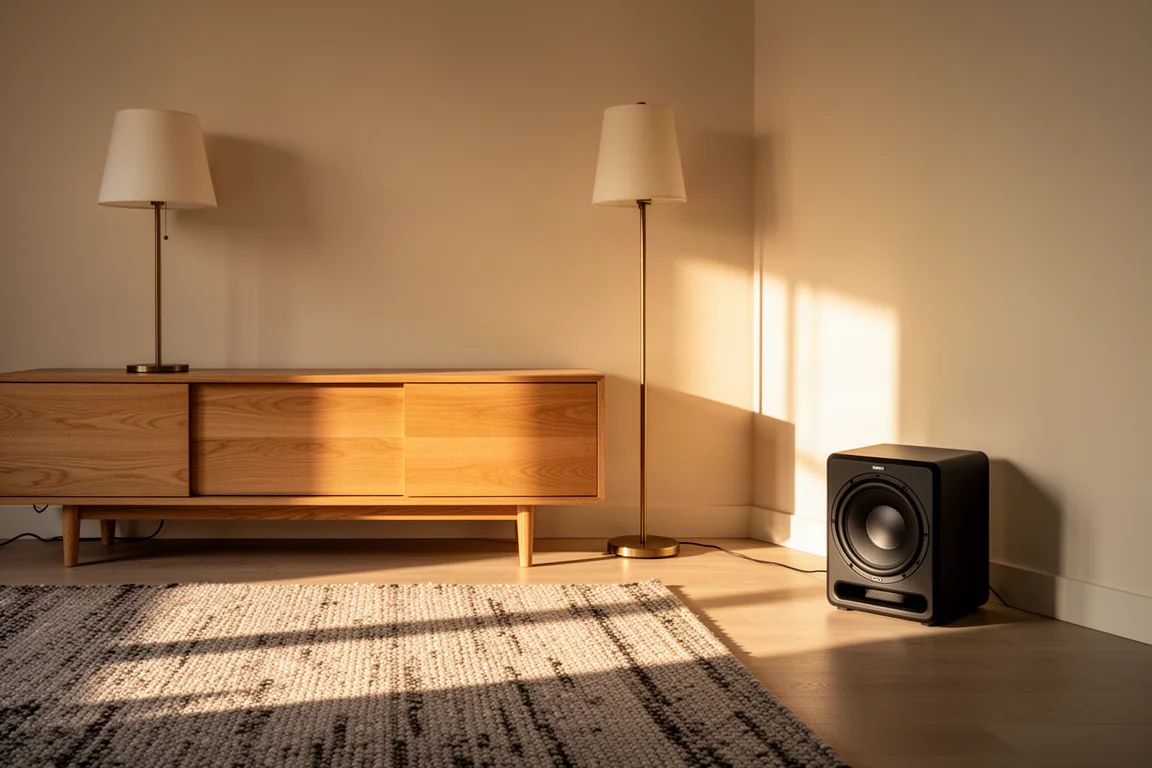
The Abyss models suit listeners who need output and low-end extension from a small footprint. The passive radiator design adds output in the 20 to 30 Hz region compared with an equivalent Dynamo, and the cabinets stay compact, which makes running multiple subwoofers a far more practical proposition in a normal living room.
Two practical notes are worth keeping in mind. Room correction matters most in the low frequencies, so a model with ARC Genesis support is a real advantage in a room with awkward dimensions or limited placement options. And if you use the included wireless connection, expect calibration to set the subwoofer at a greater distance than it physically sits, because the wireless link introduces a small delay. The signal itself remains lossless.
Conclusion
MartinLogan’s new range gives buyers a clear ladder to climb. Dynamo Foundation covers the entry point with a sealed, down-firing cabinet and strong processing for the money. Dynamo adds ARC Genesis room correction, a comprehensive connection panel, and up to 1,600 watts in the larger model. Abyss trades cabinet size for output using passive radiators, which makes it the most interesting option for smaller rooms that still need real low-frequency weight. Match the model to your room and your appetite for calibration, and any of these will serve as a solid foundation for a music-first or movie-first system.
Further reading
Related Reviews
Subwoofers
Arendal 1961 Subwoofer 1S Review: Beautiful Build, Modest Punch at $1,000
A sealed $1,000 subwoofer with a gorgeous cabinet, plus three lower-priced alternatives that deliver more impact for movie nights.
Subwoofers
Arendal Sound 1723 2V Subwoofer Review: Dual 13.8-Inch Drivers Under $3,000
A flagship ported subwoofer with dual opposing 13.8-inch drivers, a 1,200W RMS amplifier, app-based DSP, and a 10-year warranty.
Subwoofers
Ascendo 16 Sub Active Sealed Review: Sealed Bass Built on Real Engineering
A close look at the Ascendo 16 Sub Active Sealed, a 16-inch sealed home theater subwoofer with independently verified measurements, a purpose-built driver, and genuinely controlled output.