Subwoofers
MartinLogan Dynamo 12 vs Abyss 10: Compact Subwoofer Comparison and Rivals to Consider
Two compact MartinLogan subwoofers, one sealed and one passive radiator, compared on deep bass, mid-bass punch, and value, plus the direct rivals worth auditioning.
Introduction
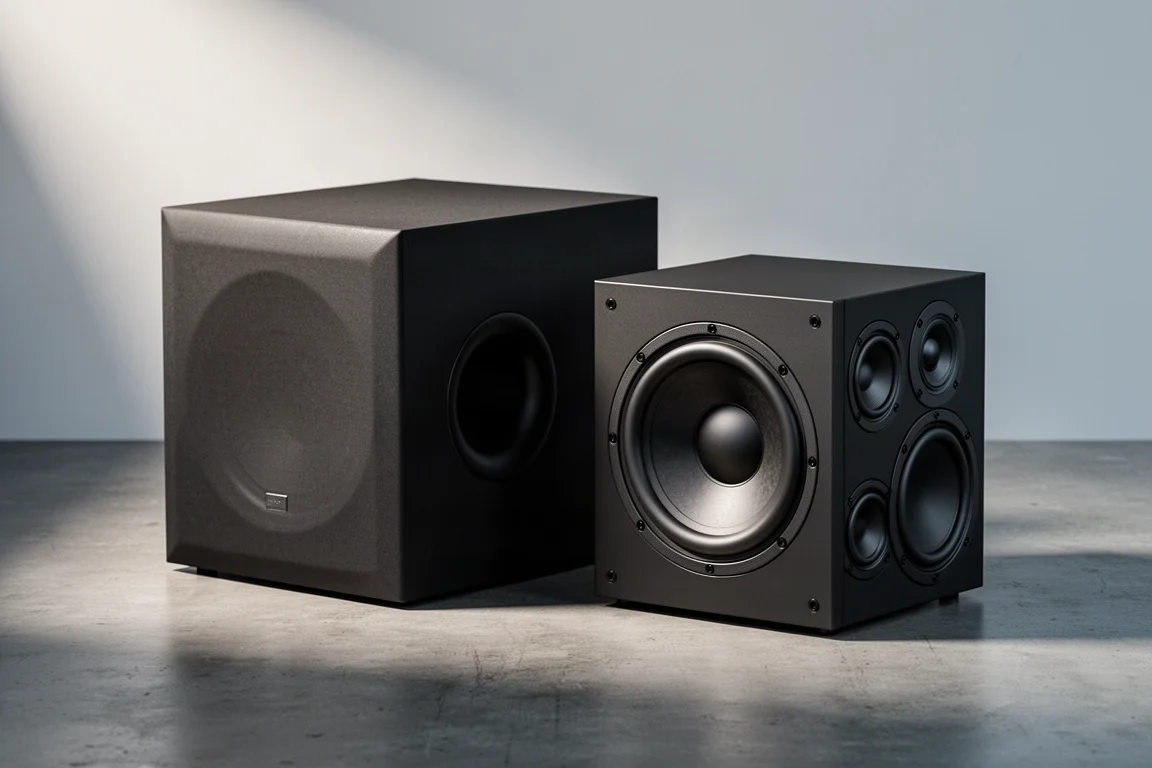
Two subwoofers from the same brand, sharing the same amplifier, the same DSP, the same app and roughly the same footprint, yet built around two different acoustic philosophies. One is a sealed 12-inch design. The other is a smaller 10-inch model that uses a pair of passive radiators to reach deeper into the low end.
Choosing between them comes down to three things: what you actually listen to, how much floor space you can give up, and whether you value deep bass quality or mid-bass punch more. This guide walks through the real differences between the MartinLogan Dynamo 12 and the MartinLogan Abyss 10, then looks at the direct competition so you can judge whether a different subwoofer suits your room better.
How the Two MartinLogan Designs Differ
Both subwoofers share an unusually large amount of hardware. They use the same amplifier, the same DSP, the same control app, and the same onboard room correction. Where they part ways is the cabinet and the way each one loads its driver.
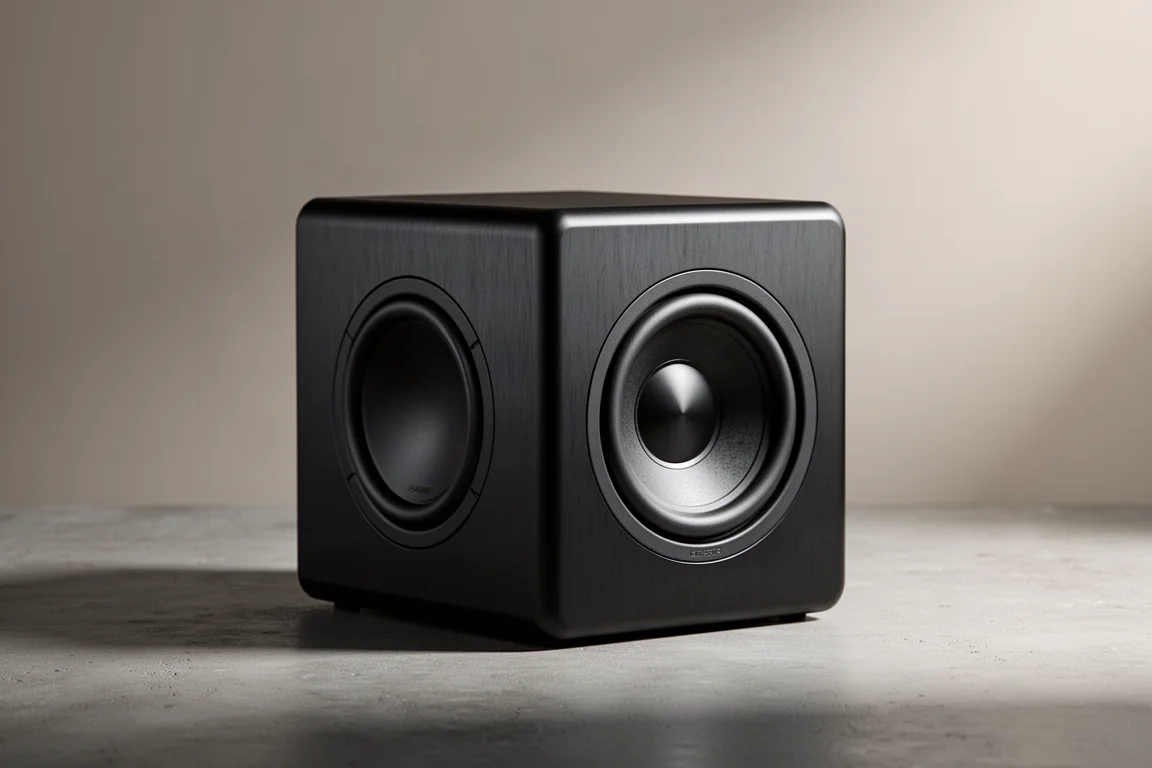
The Dynamo 12 is a sealed design: a single 12-inch front-firing driver in a closed box, rated at 800 watts continuous with 1.6 kilowatts peak. The Abyss 10 takes a more complex route, pairing a 10-inch front-firing active driver with two 10-inch passive radiators mounted on opposite sides of the cabinet, which also helps cancel the vibration the drivers generate.
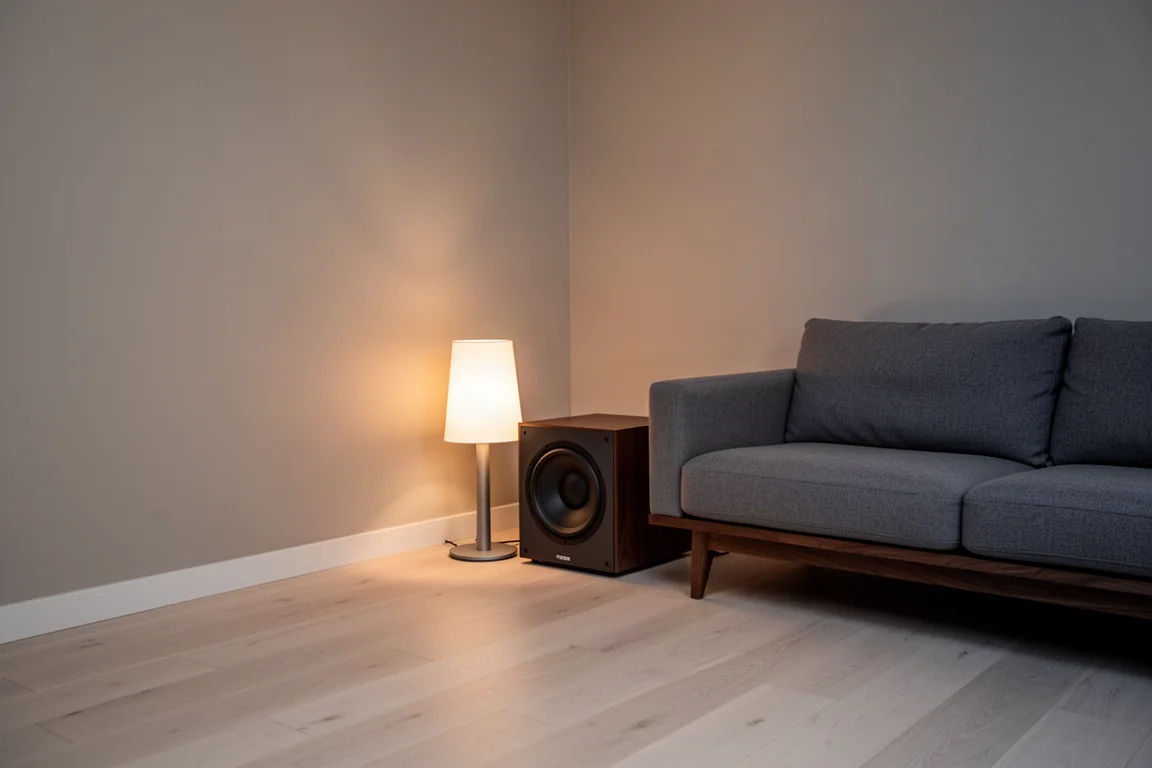
That extra complexity is not cosmetic. Passive radiators resonate at a chosen tuning frequency and take part of the workload off the active driver, which changes how each subwoofer behaves at the bottom of its range. The Abyss 10 costs more as a result, while the Dynamo 12 is the simpler and more affordable of the two.
Both cabinets are substantial. The Dynamo 12 uses a heavy column brace running down the centre of the enclosure, and the build quality is a clear step up from earlier MartinLogan Dynamo models.
MartinLogan Dynamo 12: Sealed Design With More Mid-bass
The Dynamo 12’s advantage is cone area and a sealed alignment that lets it play loudly through the mid-bass and upper bass, roughly the region from 50 Hz upward where the vast majority of music and movie content actually lives. Across that range it holds a major output advantage over the Abyss 10, which most listeners will experience as more punch and slam.
It also does not stop at the tuning frequency of a passive radiator. In a smaller room, room gain can give the Dynamo 12 more deep bass output than you might expect from a sealed cabinet, although the Abyss 10 remains the stronger performer in the deepest octaves overall.
The trade-off is how hard the driver has to work. In a sealed system the driver handles everything on its own, and it has to move four times as far for every octave lower it plays. Push the Dynamo 12 hard at very low frequencies and distortion rises more noticeably than it does on the Abyss 10, which is the price of that extra mid-bass authority.
MartinLogan Abyss 10: Passive Radiators in a Smaller Cabinet
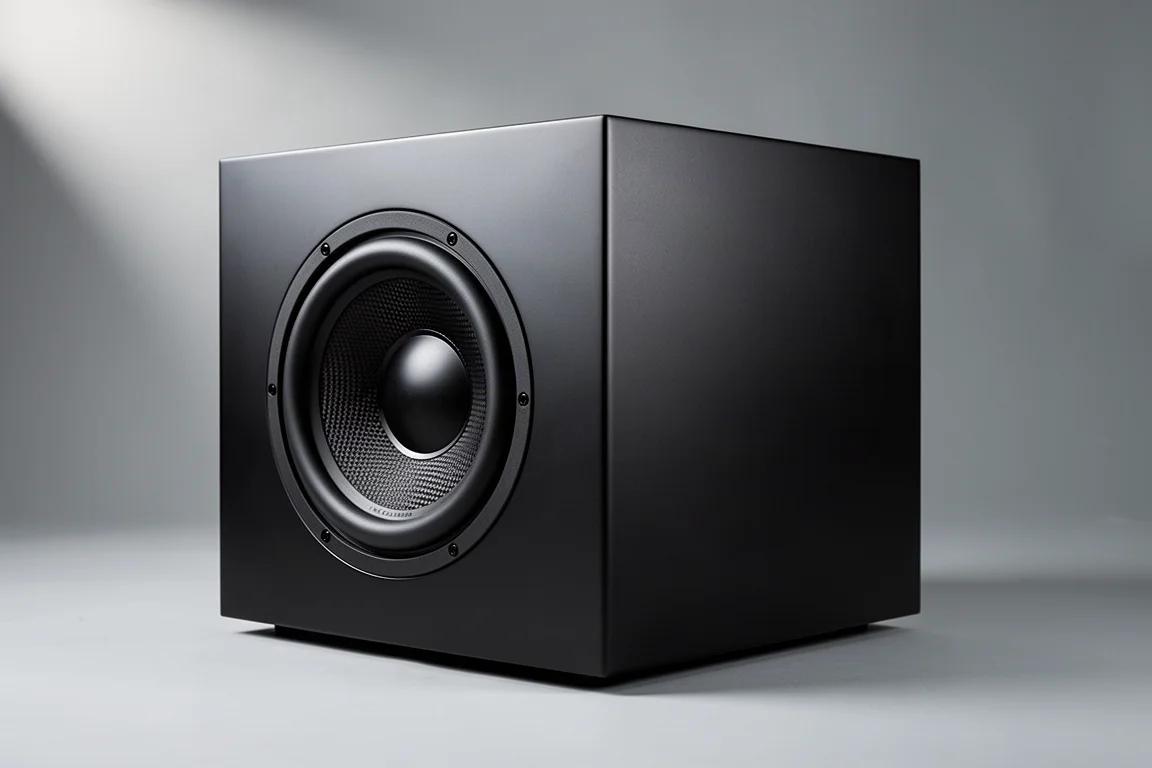
The Abyss 10’s goal is straightforward: extract as much deep bass as possible from a small cabinet, and the passive radiators are the mechanism. Between roughly 20 Hz and 30 Hz it has an advantage in deep bass output, and just as importantly the passive radiators reduce the load on the active driver, so that deep bass stays cleaner.
That second part matters most. Clean low-frequency output is difficult for a sealed design, and it is the reason a small sealed subwoofer can start to sound strained when a demanding passage arrives. Here the driver is not doing all the work alone.
The compromise sits above that range. The Abyss 10 gives up a significant amount of mid-bass output compared with the Dynamo 12, and because it is high-pass filtered more aggressively to protect the driver below the passive radiator tuning, its response rolls off more sharply at the very bottom. Group delay is marginally higher than the Dynamo 12’s, but both are excellent above 40 Hz and neither should sound slow or soft in practice.
Deep Bass, Mid-bass, and Timing Trade-offs
Both subwoofers measure flat in frequency response. The difference shows up in how much output each one can sustain, and where it begins to compress.
Under continuous playback, the Abyss 10 holds a more even output from 20 Hz upward, while the Dynamo 12 compresses the deepest frequencies sooner but shows far less compression in the mid-bass and upper bass. In plain terms, the Abyss 10 is the more consistent performer at the bottom, and the Dynamo 12 is the louder, more dynamic performer through the range where most content sits.
Distortion follows the same pattern. At normal listening levels the Abyss 10 keeps distortion low well down to 20 Hz, while the Dynamo 12 shows more distortion at low frequencies at comparable levels because its driver is carrying the entire load. Above that region, the sealed design is the cleaner of the two.
Time-domain behaviour, which shapes how tight and controlled the bass feels, is strong on both. Above 40 Hz both stay under 10 milliseconds of group delay, and between 30 Hz and 40 Hz both stay under roughly 20 milliseconds. MartinLogan subwoofers have a long record of good timing, and these two continue it. You would not hear a meaningful difference between them in this respect.
Onboard Room Correction and Setup Considerations
Both subwoofers include integrated ARC room correction, which is unusual in this class and genuinely useful. It smooths out the large peaks a room imposes on bass response, and the audible improvement is significant in most rooms. The main limitation is that the automated system does not offer manual parametric EQ adjustments, although you can adjust target curves and tilt.
One setup detail is worth flagging. Because both subwoofers already apply fairly aggressive high-pass filtering to protect their drivers, stacking another high-pass filter on top through a separate room-correction system can do more harm than good. Some correction platforms, including Anthem ARC, apply a high-pass filter to subwoofers during setup by default. If yours does, check whether you can defeat it so you are not cascading filters.
Direct Rivals Worth Comparing
The MartinLogan pair is not the only option at this size and price. These are the models most often cross-shopped against them, and each one trades features for performance in a different way.
SVS SB-3000
A compact sealed subwoofer with performance that is closely comparable to the MartinLogan models, at a lower price. It does not include the same integrated room correction, which is the main feature gap between them. If you want the core performance without the onboard correction, this is the value route.
Arendal Sound 1723 Subwoofer 1S
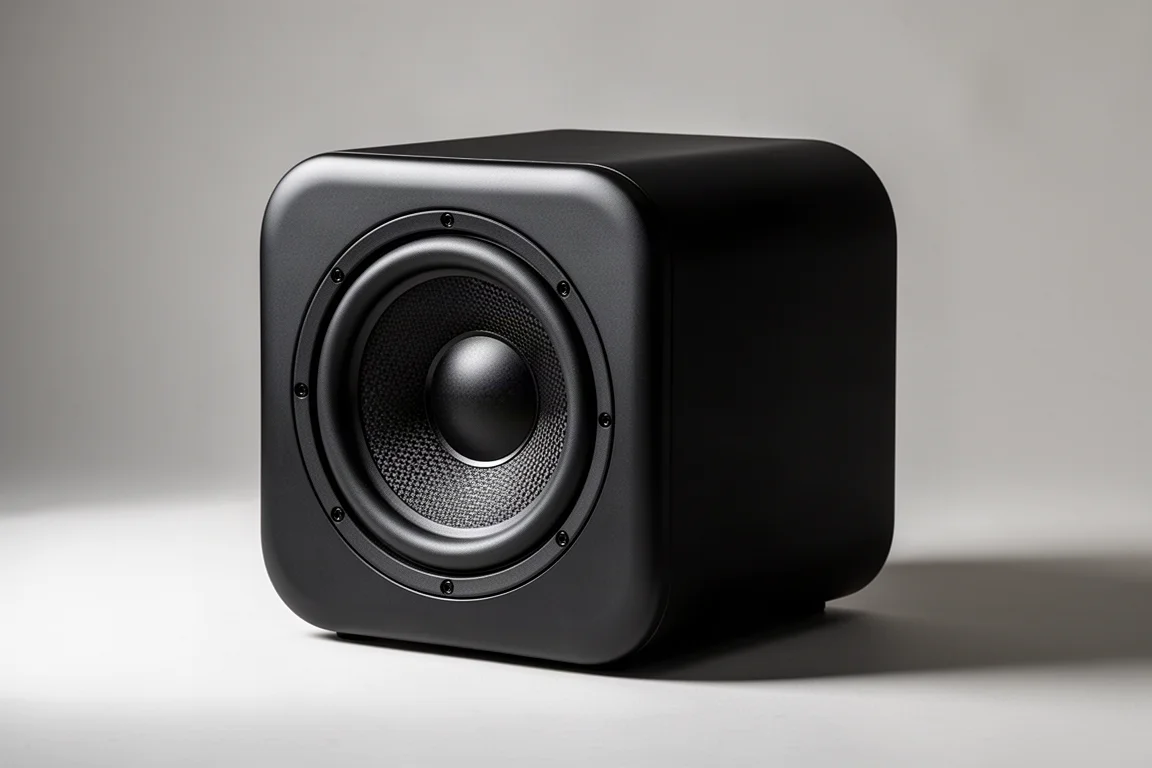
Priced at roughly the same level as the Dynamo 12, with a strong feature set and solid all-round performance. It offers parametric EQ for manual tuning, but not the automated room correction built into the MartinLogan subwoofers, which is the one area where it falls behind.
REL Acoustics T/9x
A popular alternative built around a different philosophy: keep the electronics out of the signal path as much as possible, with no DSP or filtering shaping the response. The result is a rawer, less processed character. That approach carries a trade-off too, because with less internal protection the driver can be pushed beyond its limits more easily.
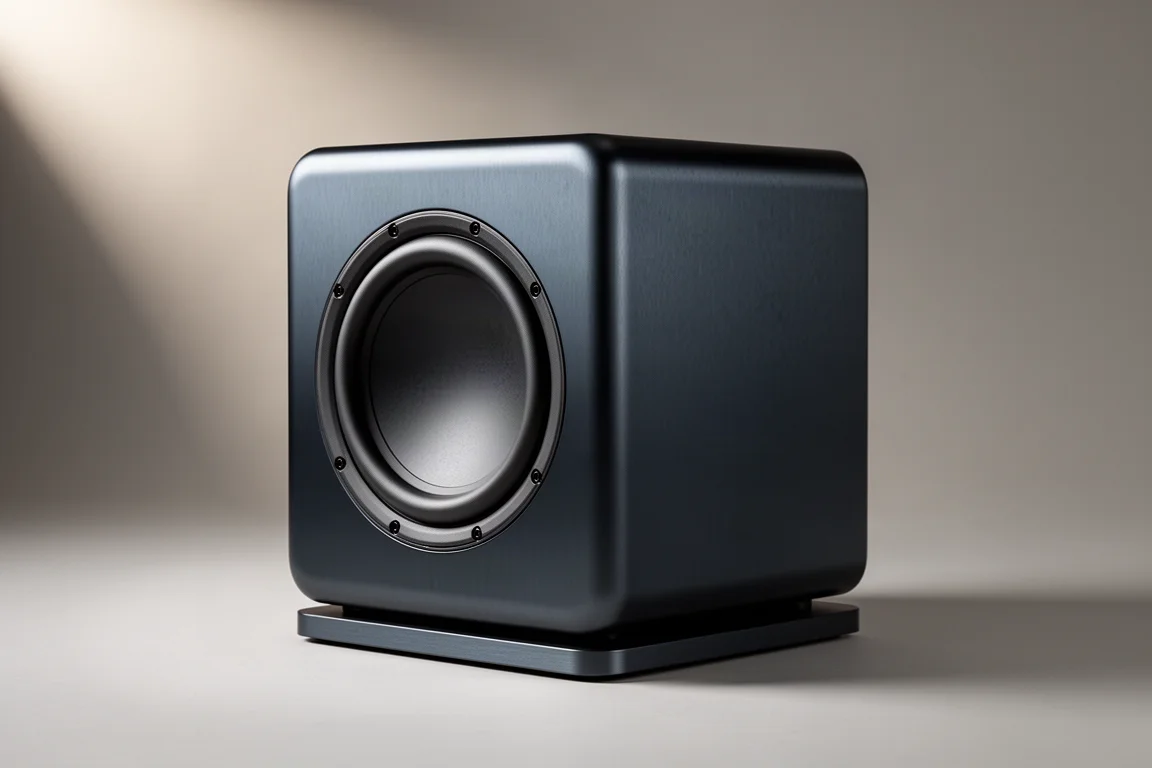
JL Audio E-Sub e112
An expensive but highly regarded sealed subwoofer with an excellent driver and tank-like construction, and one of the strongest performers in its size class. Its room correction is dated and awkward to use compared with ARC, so manual EQ is the better route if you choose this one.
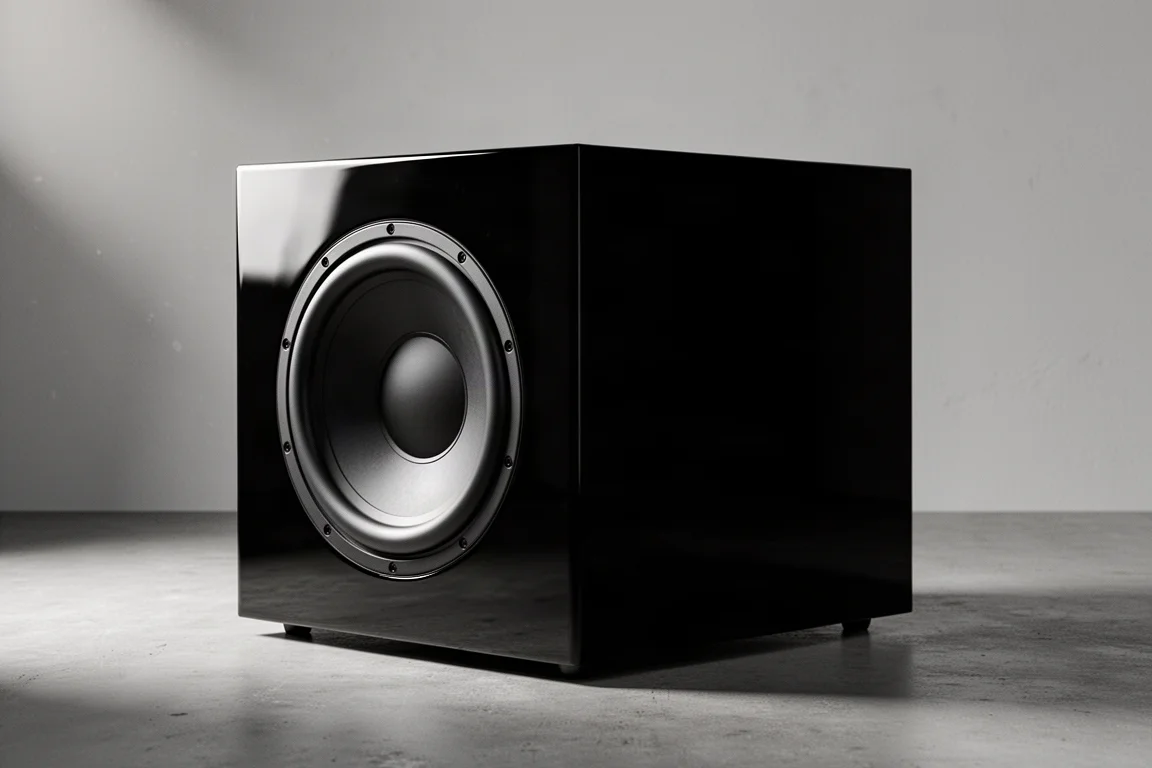
Paradigm Defiance S12
Paradigm and MartinLogan sit under the same parent company and share some technologies, which makes the Defiance S12 a natural point of comparison in this size class. It is worth auditioning alongside the MartinLogan models if you are shopping this form factor.
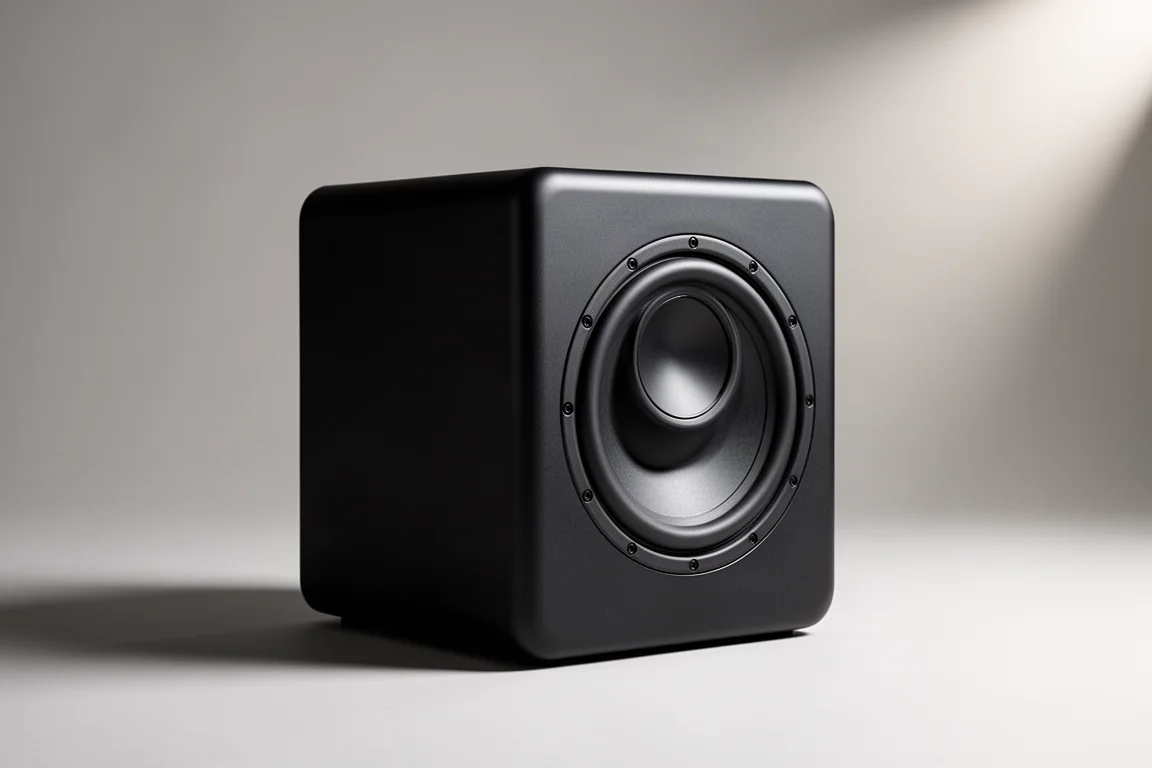
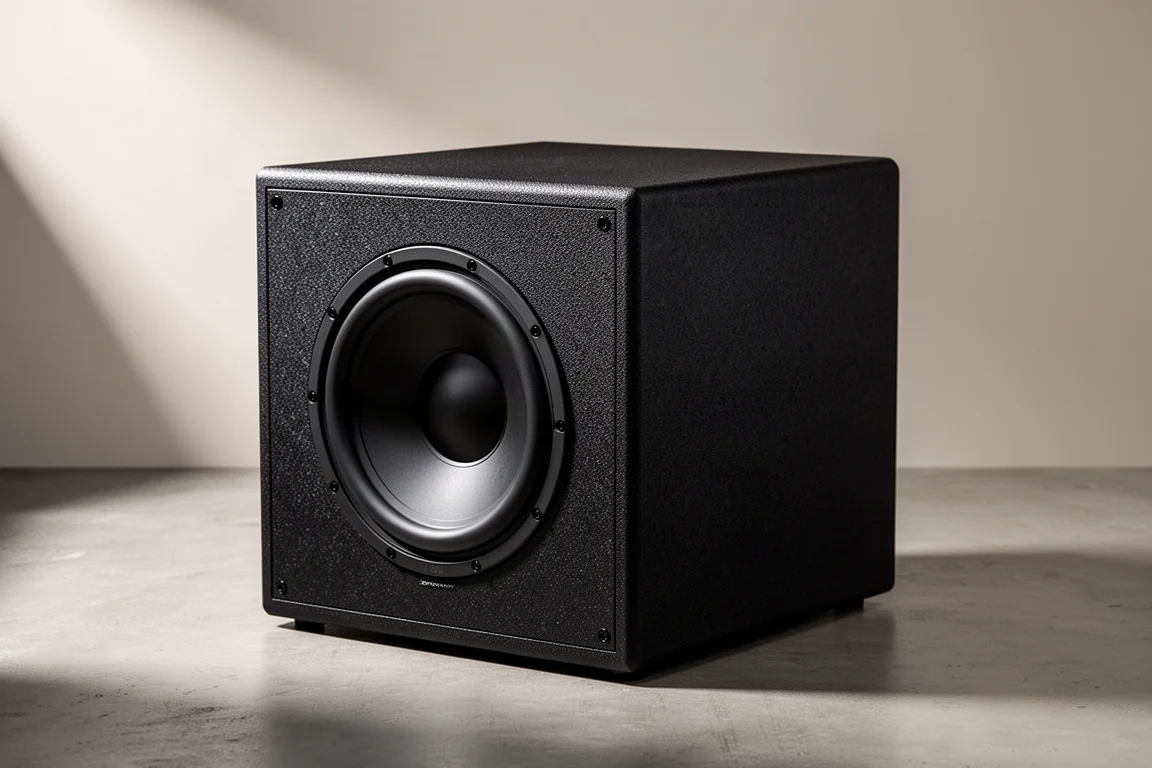
RBH Sound S-12/HPS
A performance-first subwoofer with little interest in apps or connectivity, and largely manufactured in the USA. If you want maximum output and a straightforward feature set rather than the most complete software package, it deserves a place on your shortlist.
Buying Advice: Matching the Subwoofer to Your Room
If you want the most bass for your money in a room where size is not a serious constraint, the Dynamo 12 is the sensible pick. It costs around $300 less than the Abyss 10 and delivers more output through the mid-bass, where the bulk of music and film content lives. For a mixed music and movie system in a normal living room, that combination is hard to argue with.
If deep bass quality is the priority and floor space is tight, the Abyss 10 is the more interesting design. It reaches deeper with cleaner output from a smaller box, and for movie-heavy systems running a pair of them evens out the response across the listening area and adds output without adding much visual bulk.
It is also worth remembering that neither subwoofer is trying to be a brute-force home theatre monster. Both are well built, feature-rich and compact, and you pay for that combination. If you have the space and care only about raw output, considerably larger subwoofers can deliver more for similar money, at the cost of a much bigger footprint in the room.
Conclusion
The Dynamo 12 and the Abyss 10 are two answers to the same question. The sealed Dynamo 12 favours punch, output and value. The Abyss 10 favours deep bass quality and a smaller cabinet, and it charges more for that advantage. Neither compromises on build quality, and both include onboard room correction that most rivals in this class do not offer.
Match the design to your content and your room, and either one will serve you well for years.
Further reading
Related Reviews
Subwoofers
Arendal 1961 Subwoofer 1S Review: Beautiful Build, Modest Punch at $1,000
A sealed $1,000 subwoofer with a gorgeous cabinet, plus three lower-priced alternatives that deliver more impact for movie nights.
Subwoofers
Arendal Sound 1723 2V Subwoofer Review: Dual 13.8-Inch Drivers Under $3,000
A flagship ported subwoofer with dual opposing 13.8-inch drivers, a 1,200W RMS amplifier, app-based DSP, and a 10-year warranty.
Subwoofers
Ascendo 16 Sub Active Sealed Review: Sealed Bass Built on Real Engineering
A close look at the Ascendo 16 Sub Active Sealed, a 16-inch sealed home theater subwoofer with independently verified measurements, a purpose-built driver, and genuinely controlled output.