Home Audio
Martin Logan Motion XT F100 Review: A Tower That Punches Above Its Class
A practical look at the Martin Logan Motion XT F100, the second-from-top tower in the Motion XT range, covering bass performance, imaging, amplifier demands, and value.
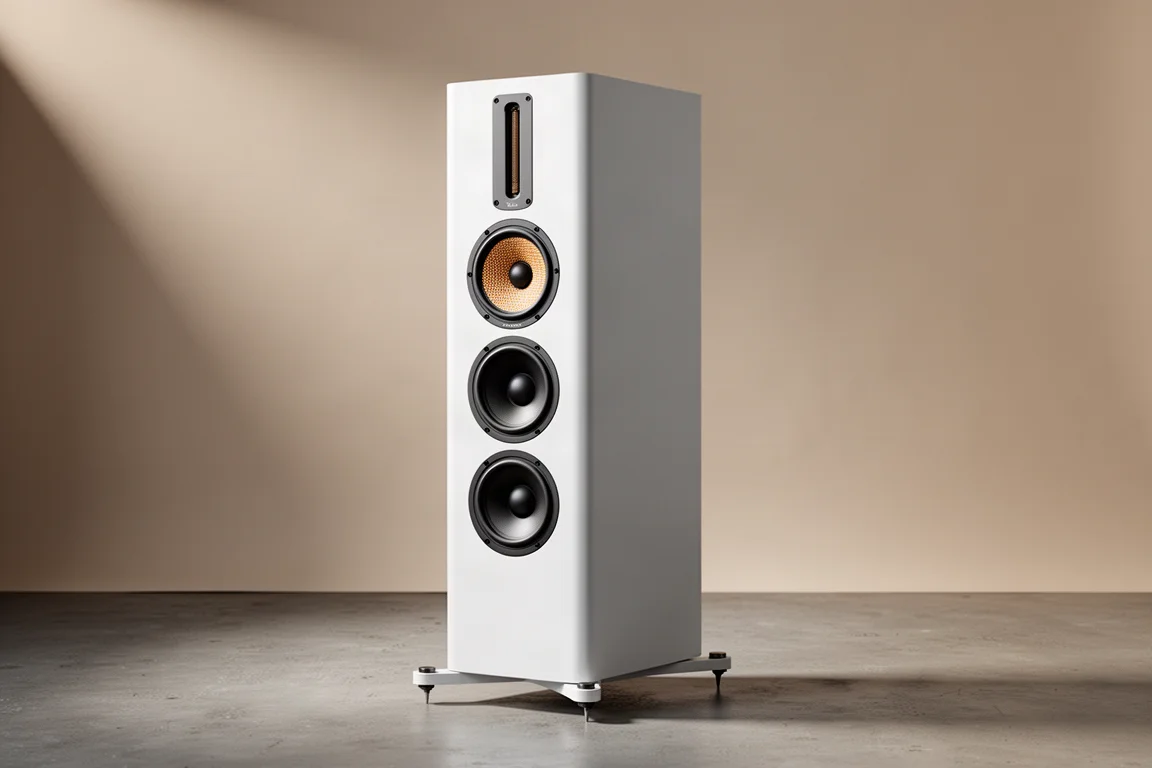
Introduction
The Martin Logan Motion XT F100 is the second model from the top of the Motion XT range, sitting directly beneath the flagship F200. That position makes it an interesting proposition: much of the flagship’s design thinking in a smaller cabinet, at a considerably lower price of around $4,500 per pair.
The F100 was demonstrated in a small, only lightly treated room, driven by an integrated amplifier and a streaming source, with no room correction and no EQ applied. That setup matters. It shows what the speaker does on its own rather than what a tuning suite can do on its behalf. Across several listening sessions the F100 came across as a tower that plays deep, images widely, and stays composed with a broad range of recordings.
Who the Motion XT F100 Is For
This is a full-size floorstander for listeners who want a two-channel system to carry the low end without adding a subwoofer. It also suits anyone who values a wide, enveloping stereo presentation more than a pinched, seat-bound sweet spot.
Two specifications shape who should buy it. Sensitivity is rated at around 92 dB, which is genuinely efficient, and the speaker is a 4-ohm design. That combination rewards a capable amplifier rather than an entry-level receiver. The F100 is a natural match for higher-tier AV receivers, quality integrated amplifiers, and dedicated two-channel electronics.
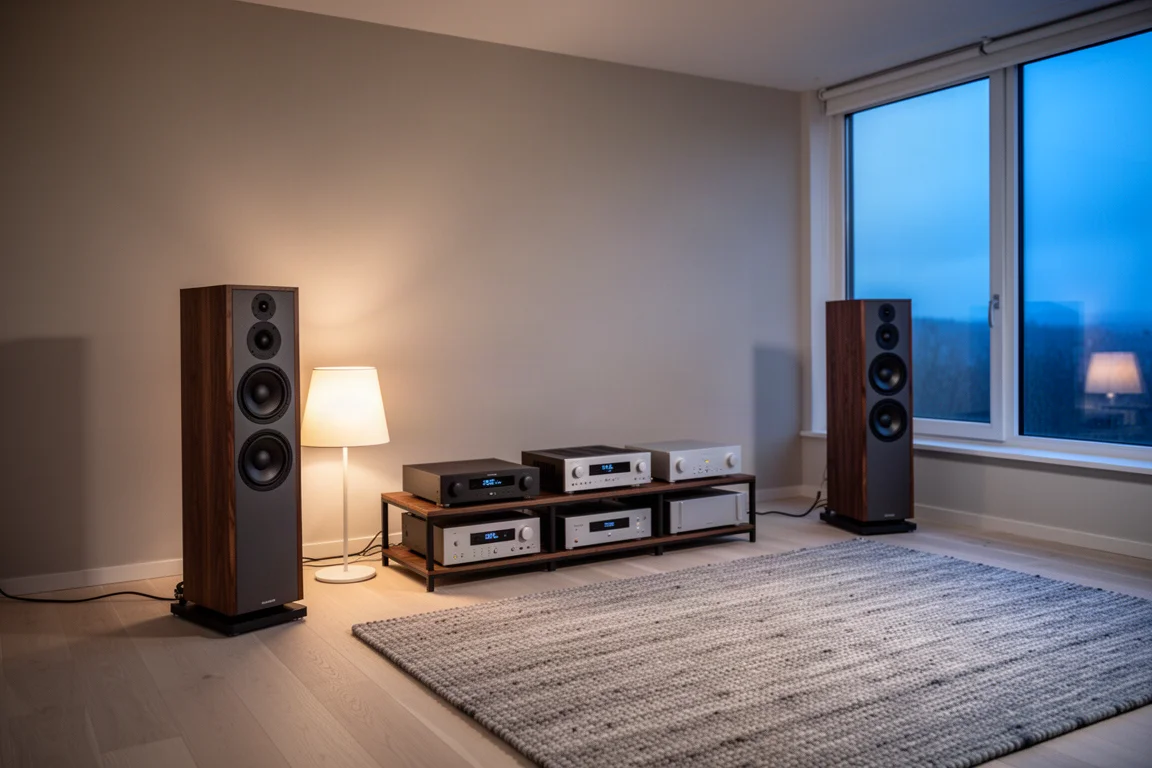
Practically, that means the F100 is best suited to a listener who already owns, or plans to own, amplification with real current delivery. Pair it with modest electronics and you will hear the speaker working below its potential rather than a speaker that simply sounds ordinary.
Main Strengths: Bass Authority and Imaging
The headline quality here is bass that behaves well above its weight class. In a modest room, with only the two towers running and nothing else in the system, the F100 produced deep low-frequency notes with weight and control. On material with genuine low-end content, the presentation never left the impression that something was missing.
Dynamics are the second strength. Slap bass lines and snare hits came through with excellent transient speed and a sense of realism, the kind of leading-edge snap that separates a lively speaker from a polite one. The F100 leans lively.
Imaging is the third. The stereo stage extended well beyond the physical cabinets, with instruments and backing vocals appearing along the side walls. On one track, finger snaps and backing voices appeared so far outside the speakers that the system felt closer to a four-speaker surround presentation than a conventional pair. That is a rare quality at this price point.
Design and Driver Technology
Martin Logan rebuilt the Motion XT series from the ground up rather than revising the previous generation. The folded-motion tweeter uses a new waveguide, and the midrange and bass drivers use new driver technology throughout. The result is a speaker that shares its family layout with the flagship but differs in scale: the F100 uses three 6.5-inch aluminium bass drivers, while the F200 steps up to three 8-inch aluminium bass drivers.
The cabinet geometry deserves attention. All of the bass drivers sit very close to the floor, a deliberate choice that helps reduce ground bounce and improves coupling to the room surface. The ports are located at the bottom of the cabinet, which further improves floor coupling and acts as a low-pass filter, suppressing port noise before it becomes audible. Martin Logan also applies ground balance compensation, something few loudspeaker makers bother with. The audible payoff is bass that feels more integrated and less detached from the rest of the music.
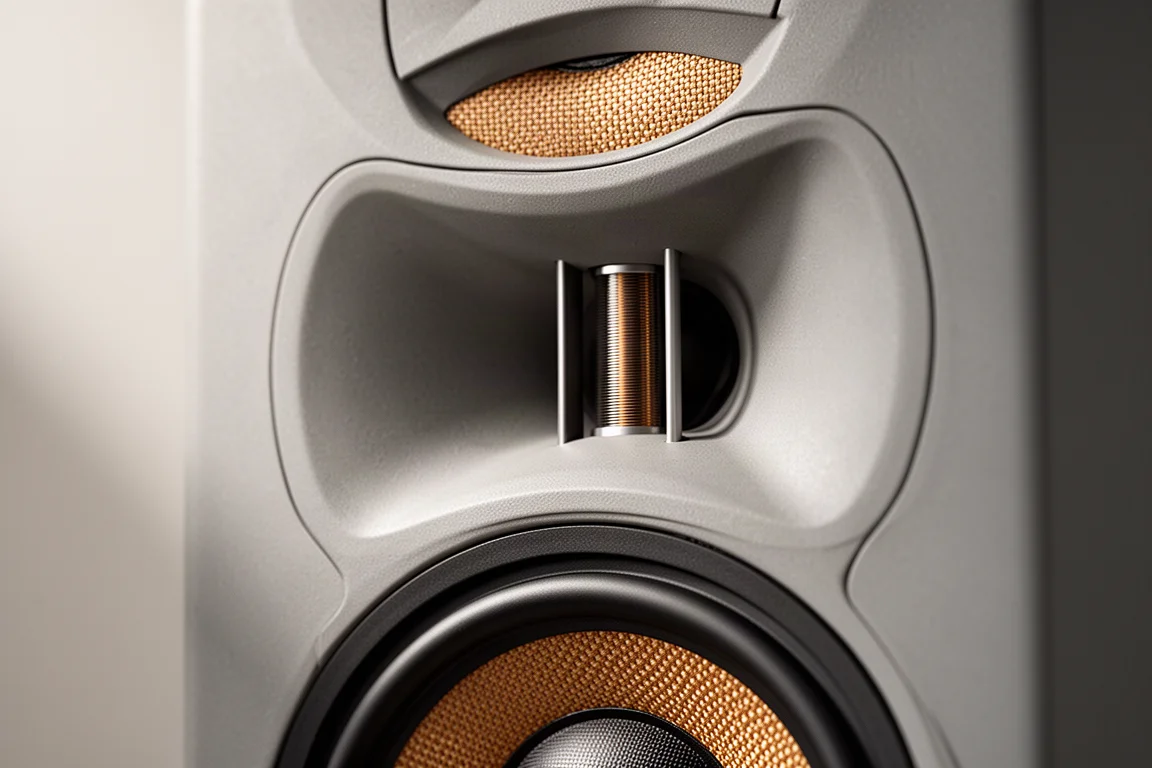
Visually, the F100 is a slim, attractive tower with a range of colour options, so it can be specified to sit comfortably in a living space rather than only in a dedicated room.
Listening Notes: Vocals, Transients, and Soundstage
Vocals are where a speaker’s tonal honesty shows up fastest, and female vocals in particular expose any coloration or bloat. On a well-recorded female vocal track, the voice stayed anchored in the centre with no added chestiness or thickening. It read as authentic and clean rather than flattered.
Deep male vocals fared just as well. On a baritone-range recording with unexpectedly low notes, the voice remained articulate and intelligible, with backing vocals and finger snaps placed clearly around the room. An acoustic guitar rendition of a classical piece sounded vibrant and detailed, with the low end of the guitar supported properly rather than thinned out.
The F100 also handled less-than-perfect recordings gracefully. Vintage rock material with known limitations remained enjoyable instead of turning harsh, which suggests a well-tuned and well-balanced voicing rather than a speaker that only shines on pristine audiophile tracks. Nothing in the listening sessions pointed to a tilted or skewed tonal balance.
Placement and Amplification Notes
Because the bass drivers and ports sit low, the F100 is less fussy about floor bounce than a typical tower with a large gap beneath its woofers, but it still rewards sensible placement. Give the cabinets room to breathe away from side walls and you keep the wide imaging intact. Toe-in and listening distance will matter more than exotic treatment.
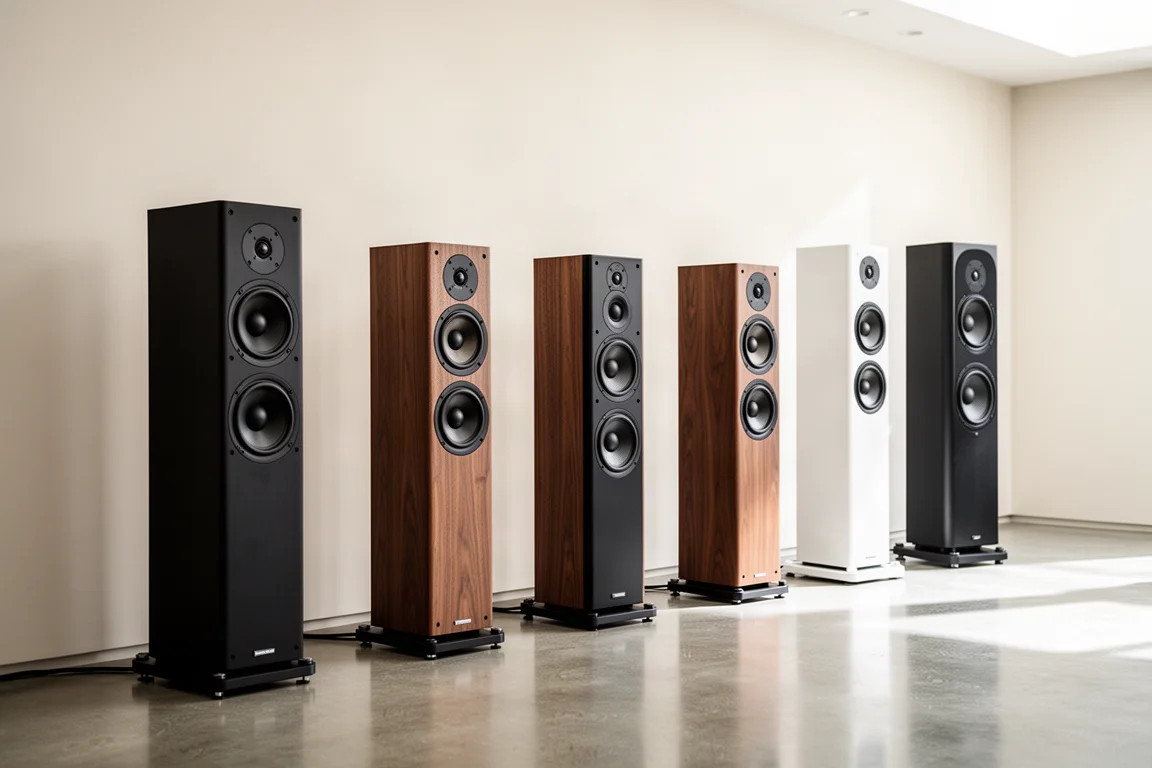
Amplification is the bigger consideration. With a 4-ohm load and around 92 dB of sensitivity, the F100 will play loudly on modest power, but it will not sound its best on entry-level receivers. Higher-tier AV receivers, quality integrated amplifiers, and serious two-channel electronics are the right partners. The demonstrations that showed the F100 at its best ran with no room correction and no EQ, which is a useful signal: this is a speaker that does not need heavy correction to sound balanced.
Things to Consider Before Buying
The F100 is a large tower, so plan for the footprint and the space around it. It is also a 4-ohm design that asks for real amplification, and that cost belongs in your budget alongside the speakers themselves.
At around $4,500 per pair, it sits in serious territory. Buyers who want the deepest possible bass or the flagship cabinet should look one step up to the F200, which uses larger 8-inch aluminium bass drivers. For most rooms and most listeners, though, the F100 delivers the essential character of the series at a meaningfully lower price.
Finally, consider what you listen to. If your library is mostly well-recorded acoustic and vocal material, the F100 will flatter it. If it is a mix of older, imperfect recordings, the speaker still holds up, which is arguably the more useful trait.
Buying Advice
The Motion XT F100 makes the strongest case in the range on value. It is a genuine full-range tower that delivers deep bass, fast transients, and a stereo image that extends far beyond the cabinets, and it does so without room correction or EQ propping it up.
Buy it if you want a music-first pair of towers that can carry the low end on its own and you are prepared to feed it proper amplification. Step up to the flagship only if you specifically want the larger bass drivers and the extra cabinet. Otherwise, the F100 is the smart money in the Motion XT lineup.
Conclusion
The Martin Logan Motion XT F100 is a well-tuned, well-balanced floorstander with bass authority that surprises for its size, precise imaging, and a neutral way with vocals. It asks for a capable amplifier and a reasonable amount of floor space, and it returns that investment with a two-channel presentation that sounds far larger than two cabinets should.
Product link
View more details for Martin Logan Motion XT F100
This product is mentioned in the review. Check the specifications, options, and compatibility before buying.
View more details for Martin Logan Motion XT F100Further reading
Related Reviews
Home Audio
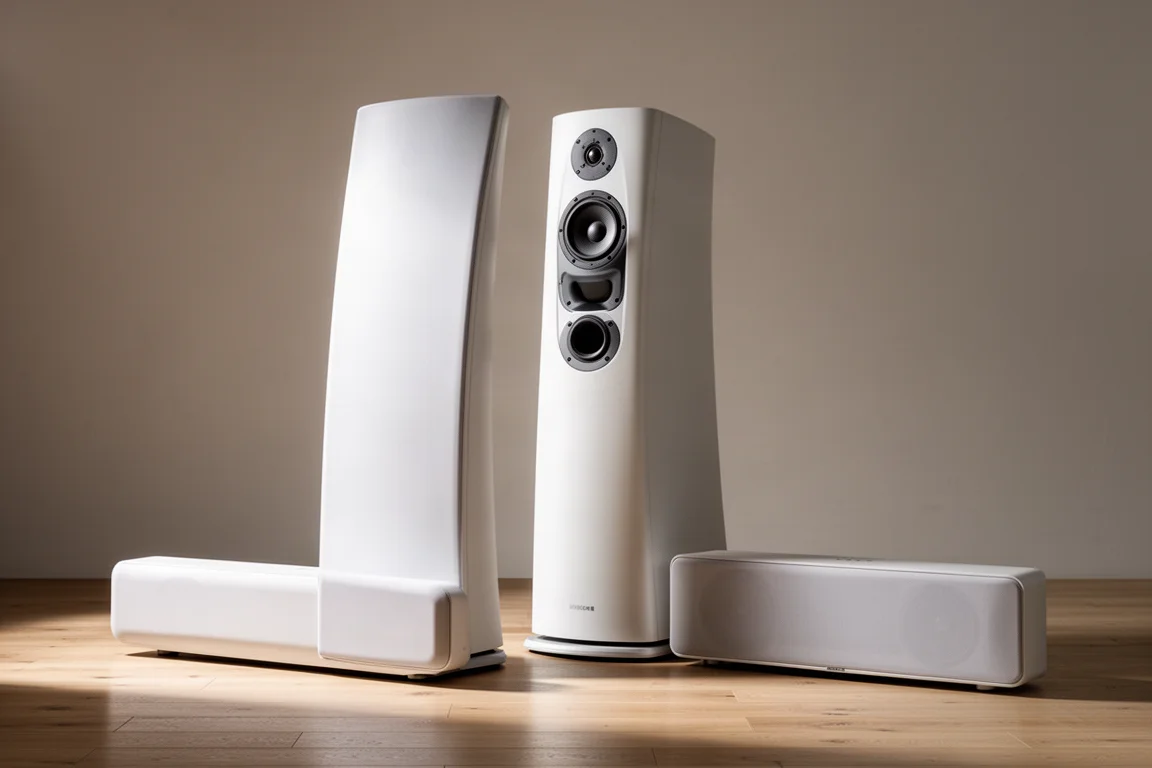
Aperion Novus Tower and Center Review: Punchy Home Theater Sound With Real Refinement
A close look at the Aperion Novus tower and center speakers, from their layered paint finish and punchy bass to the 4-ohm load and what the price actually buys.
Home Audio
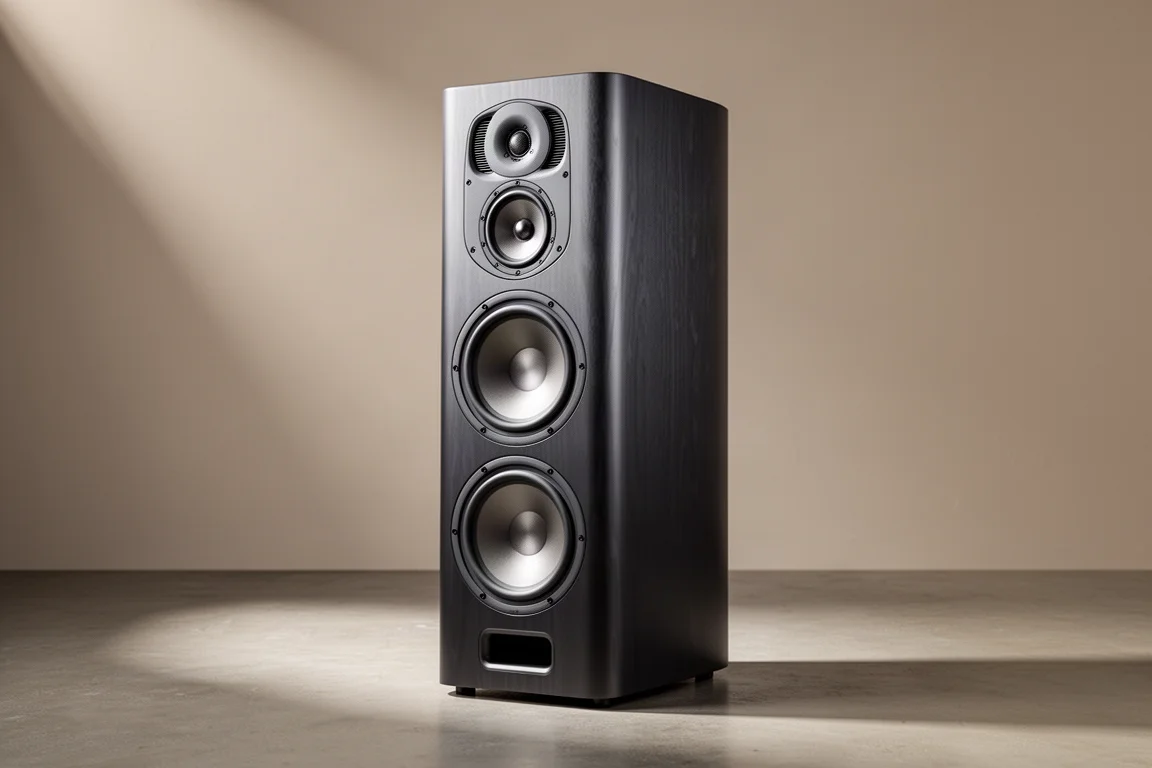
Arendal 1610 Tower Review: Flagship Dynamics in a Room-Friendly Tower
A compact floorstanding tower with three 8-inch aluminium woofers, a 5-inch carbon midrange, and the kind of bass heft usually reserved for much larger speakers.
Home Audio
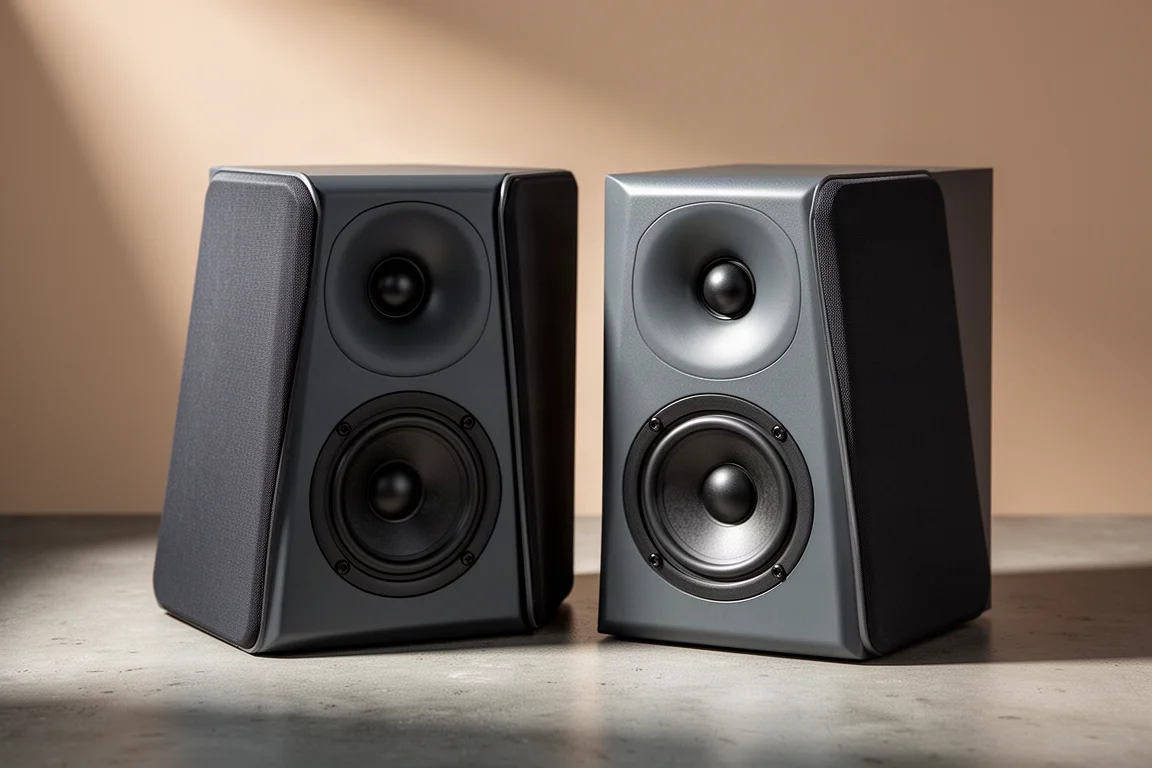
Arendal 1723 S THX Review: A Reference Speaker Built Like a Tank
A practical look at the Arendal 1723 S THX, a sealed, THX-certified speaker with exceptional build quality, a very flat top end, and a midrange that responds beautifully to EQ.