Subwoofers
Martin Logan Abyss 8 Review: Deep Bass From a 13-Inch Cube
A compact subwoofer with an 8-inch active driver, dual passive radiators, and built-in ARC Genesis room correction, tested in a small desktop system.
Introduction
Compact subwoofers matter more than their size suggests. Most listeners cannot place a large enclosure in a living room, a bedroom, or under a desk, which is why a well-engineered small cabinet can be the difference between a system with real low-frequency foundation and one without it.
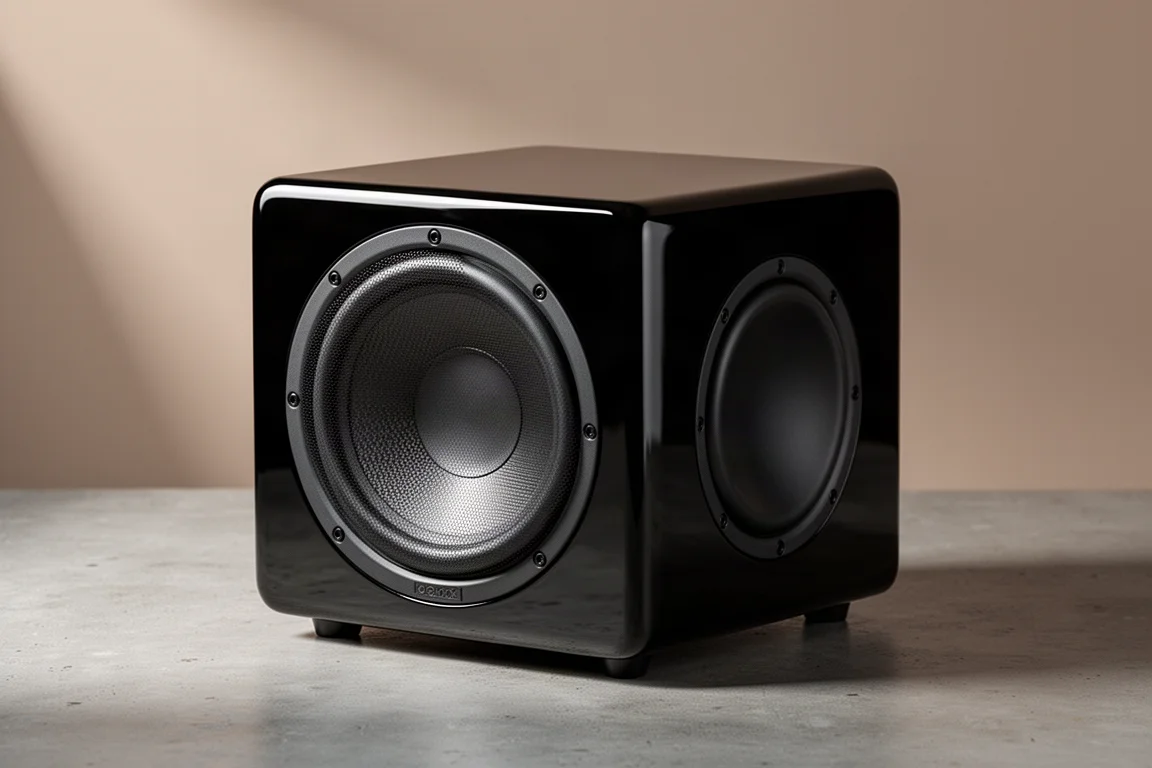
The Martin Logan Abyss 8 is built for that constraint. It pairs an eight-inch active aluminum driver with two eight-inch passive radiators, one on each side of a cabinet that measures roughly a 13-inch cube. In a desktop system, the Abyss 8 reached down into the low 20 Hz range, about 10 Hz lower than the compact subwoofer it replaced. That difference is not only audible, it is physical: you feel it as much as you hear it.
Who This Subwoofer Is For
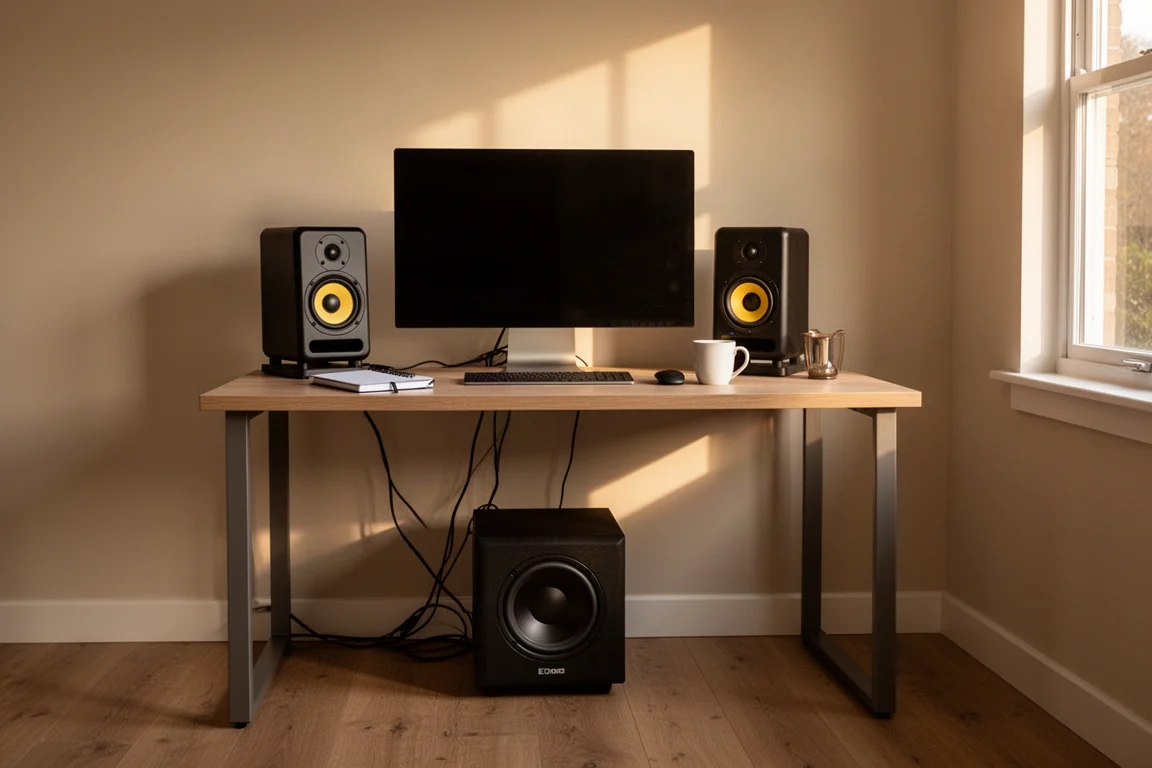
The Abyss 8 makes the most sense for listeners who want genuine low-frequency output without dedicating floor space to a large enclosure. That includes desktop and office systems, where a subwoofer can sit under a desk or tuck into a corner, and smaller living rooms where a full-size box is simply not an option.
It also suits setups built around compact active speakers. Pairing a subwoofer of this caliber with small powered monitors lets those speakers stay clean through the midrange while the Abyss 8 carries the deepest notes.
Shared homes are another good fit, because the control app includes a night mode that rolls off the deepest bass when someone else in the house is sleeping.
That flexibility matters. A compact subwoofer that can go low and then be tamed when needed is easier to live with than a large one that always plays at full authority.
Main Strengths
The case for the Abyss 8 rests on three things: how low it goes for its size, how much control the software layer provides, and how well the cabinet is put together.
Compact Cabinet, Big Low-End Reach
The driver arrangement is the core of the design. A single active eight-inch aluminum driver handles the work, while two eight-inch passive radiators on opposite sides of the cabinet add cone area. Because those radiators face in opposite directions, the layout also cancels some of the mechanical force, which reduces cabinet vibration.
Doubling the cone area of the active driver gives the passive radiator system real low-end extension, similar in effect to a ported design but without port chuffing. The resulting response sits somewhere between fourth and fifth order.
In practice, that translated into usable output down to the low 20 Hz range in a desktop setup, roughly 10 Hz deeper than the subwoofer it replaced.
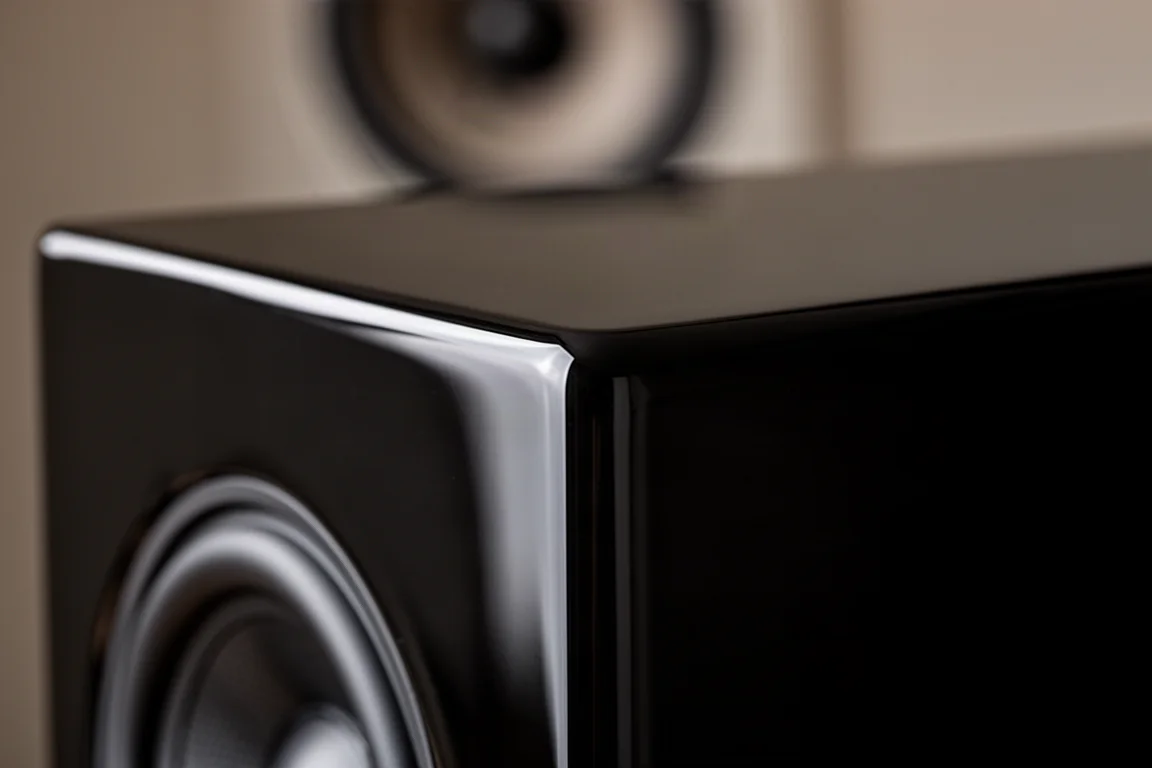
The cabinet helps here too. Thick HDF baffles keep the enclosure rigid, so deep notes arrive as bass rather than as cabinet noise.
ARC Genesis Room Correction and App Control
A 64-bit, 500 MHz proprietary DSP engine runs the show, and it handles several jobs at once. It drives the control app, it runs the built-in Anthem ARC Genesis room correction, and it provides protection so the subwoofer cannot be overdriven or bottomed out.
ARC Genesis is the standout. Running the calibration in a room with a strong peak in the 20 to 25 Hz region flattened that peak noticeably, and adding roughly 2 to 2.5 dB of room gain produced a response that stayed flat down to about 21 or 22 Hz. A separate peak around 40 Hz was left largely untouched. The broader appeal is that ARC tends to make relatively small corrections rather than reshaping the sound aggressively, so usable results can arrive within 10 to 15 minutes.
The app also offers night, music, and movie modes. Night mode adds a high-pass filter to remove the deepest bass. Music mode shows the least group delay of the three, which makes it the sensible default, with deeper low-frequency shaping better handled inside the ARC calibration itself.
Build Quality, Connections, and Placement
The Abyss 8 is a 13-inch cube that weighs close to 50 lbs, and it feels like it. Radiused edges and a piano gloss finish give it a furniture-grade look, and a white finish option is available.
Placement is flexible. Rubber feet suit hardwood floors, while small cones are included for carpeted rooms. The grills look good but are not magnetic, so they need to be aligned carefully into their peg holes. Since the subwoofer is usually kept out of sight, leaving the grills on is the practical choice.
The rear panel covers almost every scenario. There are speaker-level connections for systems without a subwoofer output, RCA and XLR inputs, an LFE input that bypasses bass management entirely, and a subwoofer output for daisy chaining multiple subs so they can share a single ARC calibration.
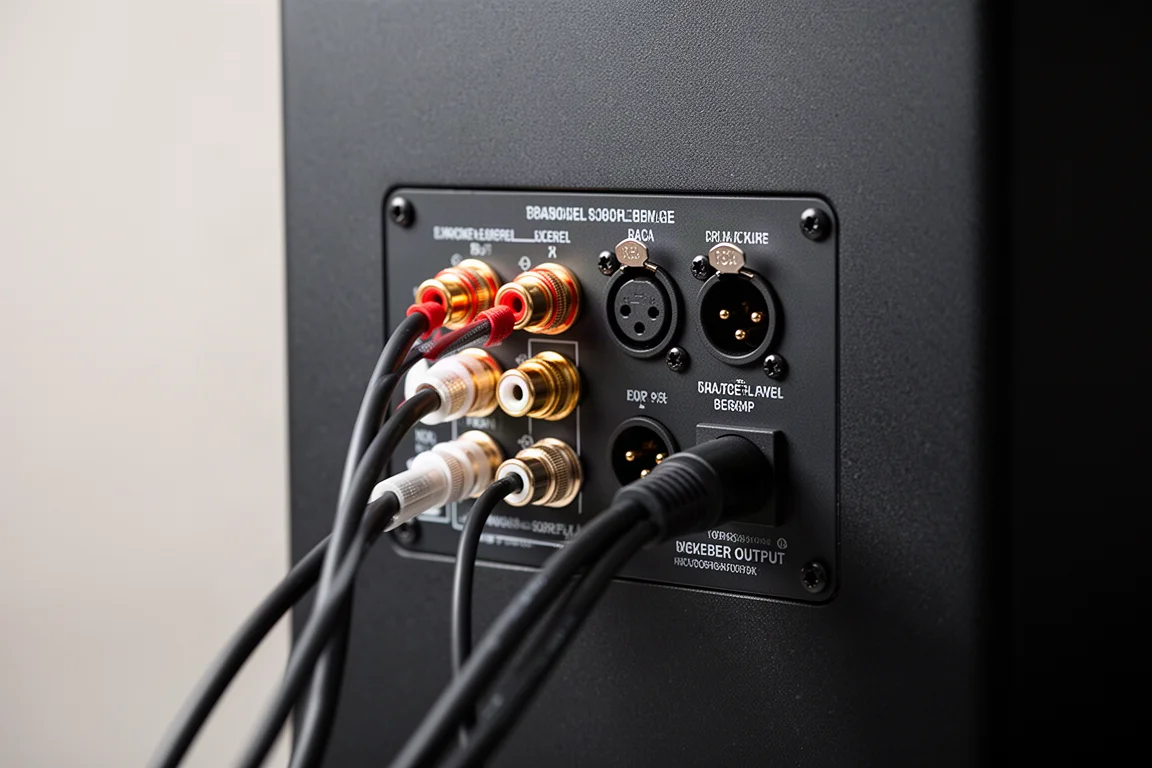
That combination makes the Abyss 8 unusually adaptable for a compact subwoofer, whether it is paired with a stereo integrated amplifier or a multichannel processor.
Things to Consider Before Buying
At $1,200, the Abyss 8 is not an inexpensive subwoofer, and it is worth being clear about what that money buys. Larger subwoofers in the same price class can play louder and hit harder. What they cannot do is match this level of performance in a 13-inch cube. The trade-off is deliberate: maximum output per cubic inch rather than maximum output overall.
The calibration workflow has real friction. The microphone calibration kit is not included, so you either buy it separately or run it through a compatible Anthem processor. The kit ships with a single USB-A to C cable, and the subwoofer is rarely close enough to a laptop for that cable to reach, so a longer one is effectively required. Including a suitable cable with the subwoofer would remove an annoying extra step.
The app also lacks a digital delay control. In a system without bass management, that leaves no way to time-align the subwoofer if it sits in a different position from the main speakers.
Finally, the piano gloss finish shows fingerprints easily, and the non-magnetic grills take a little patience to fit correctly.
Buying Advice
The Abyss 8 is the right choice when space is the limiting factor and deep bass is still the goal. It fits under a desk, in a corner, or beside a sofa, and it delivers low-frequency weight that compact systems rarely achieve.
If the budget allows, two units are worth considering. A pair adds output and smooths room interaction, and the daisy-chain output plus shared ARC calibration makes that setup straightforward.
Start with music mode, then shape the low end inside the ARC calibration rather than leaning on the DSP presets. Use night mode when the household needs quiet, and add a little room gain if the room calls for it.
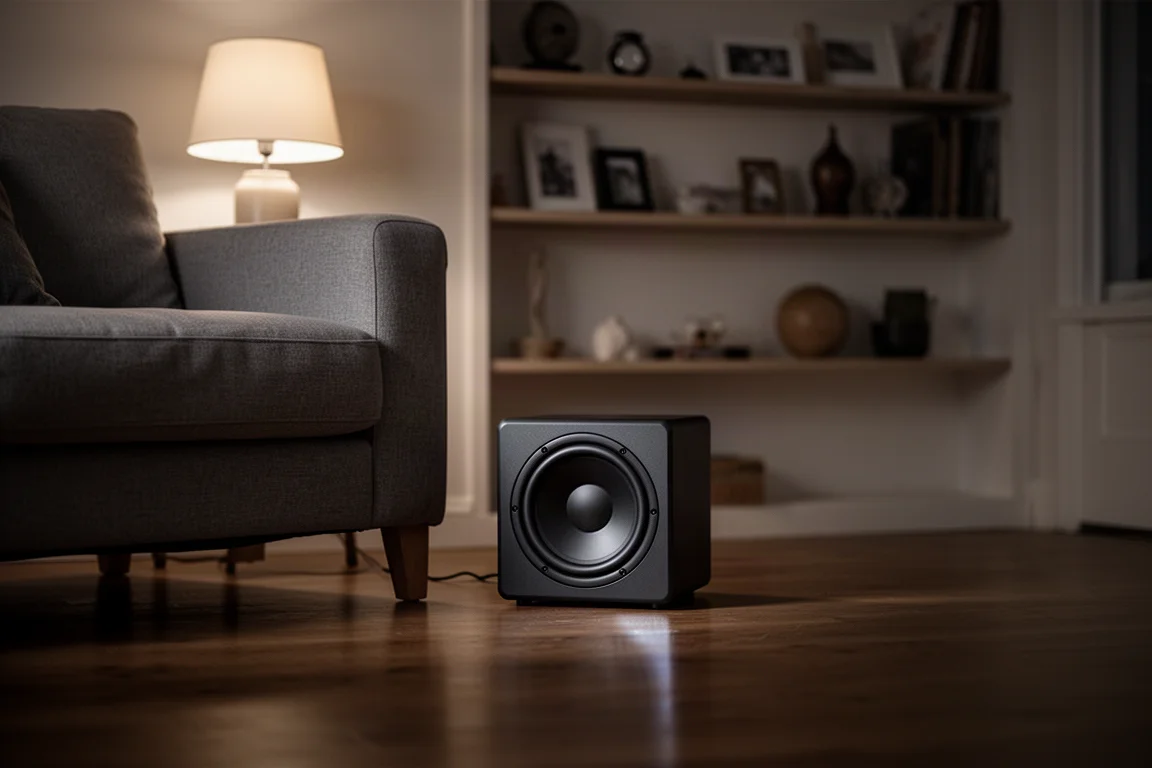
For anyone comparing it against larger subwoofers, the honest framing is that this is a different product category. It competes on size, integration, and control rather than raw output.
Conclusion
The Martin Logan Abyss 8 packs a high-excursion active driver, dual passive radiators, built-in ARC Genesis room correction, and a genuinely useful control app into a 13-inch cube that weighs close to 50 lbs. It reaches into the low 20 Hz range in a small room, and it does so cleanly enough to handle demanding bass material without mechanical distress. The compromises are the price, the missing calibration kit, the cable situation, and the absence of digital delay in the app. For listeners who need compact dimensions without giving up deep, controlled bass, it is one of the most capable options in its size class.
Product link
View more details for Martin Logan Abyss 8
This product is mentioned in the review. Check the specifications, options, and compatibility before buying.
View more details for Martin Logan Abyss 8Further reading
Related Reviews
Subwoofers
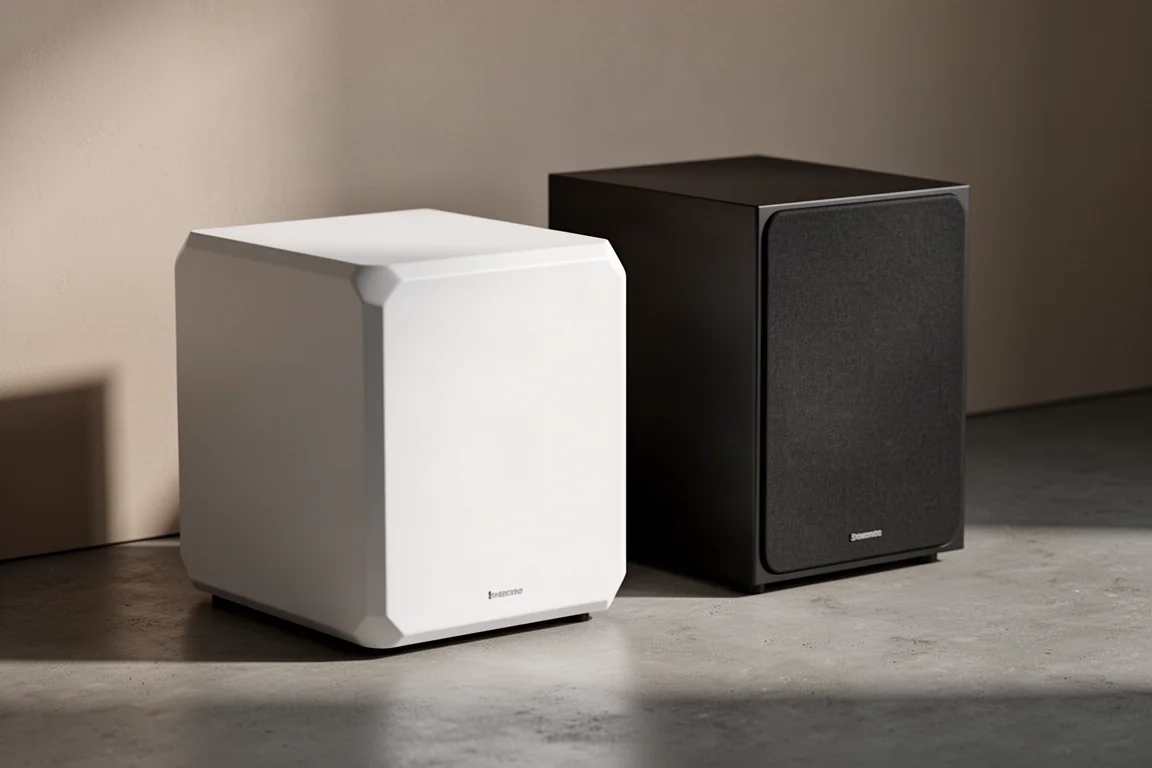
Arendal 1961 Subwoofer 1S Review: Beautiful Build, Modest Punch at $1,000
A sealed $1,000 subwoofer with a gorgeous cabinet, plus three lower-priced alternatives that deliver more impact for movie nights.
Subwoofers
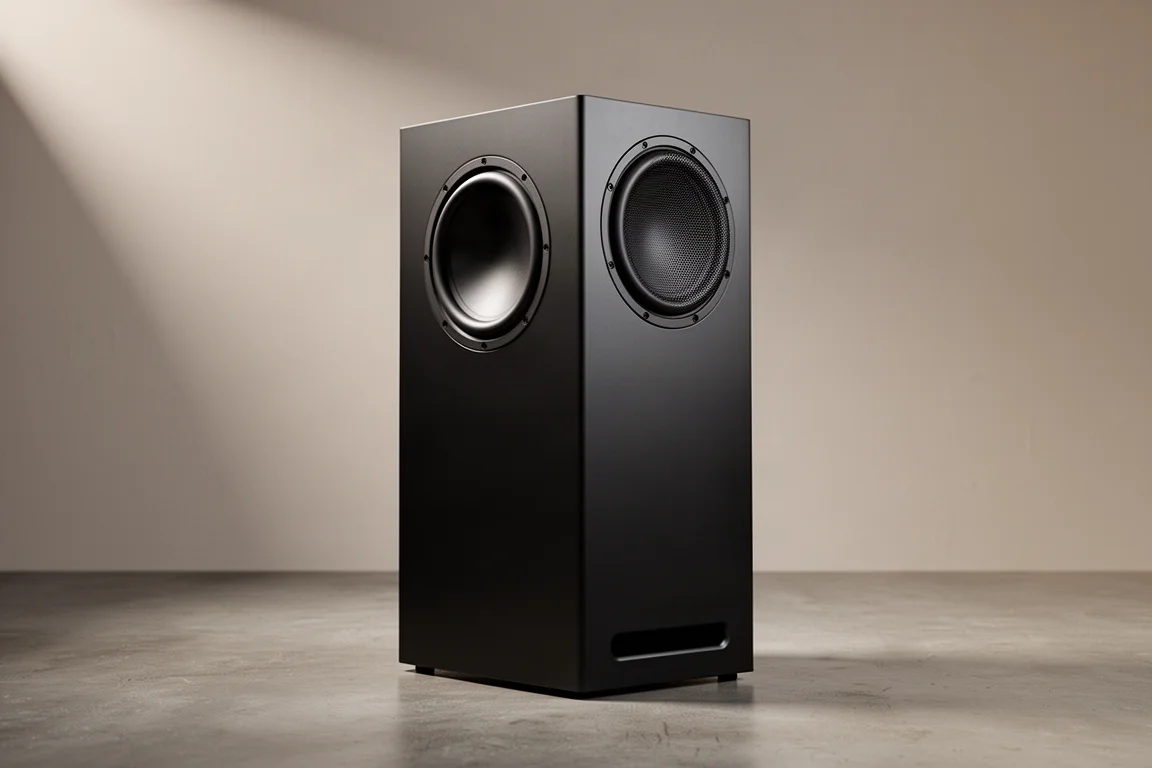
Arendal Sound 1723 2V Subwoofer Review: Dual 13.8-Inch Drivers Under $3,000
A flagship ported subwoofer with dual opposing 13.8-inch drivers, a 1,200W RMS amplifier, app-based DSP, and a 10-year warranty.
Subwoofers
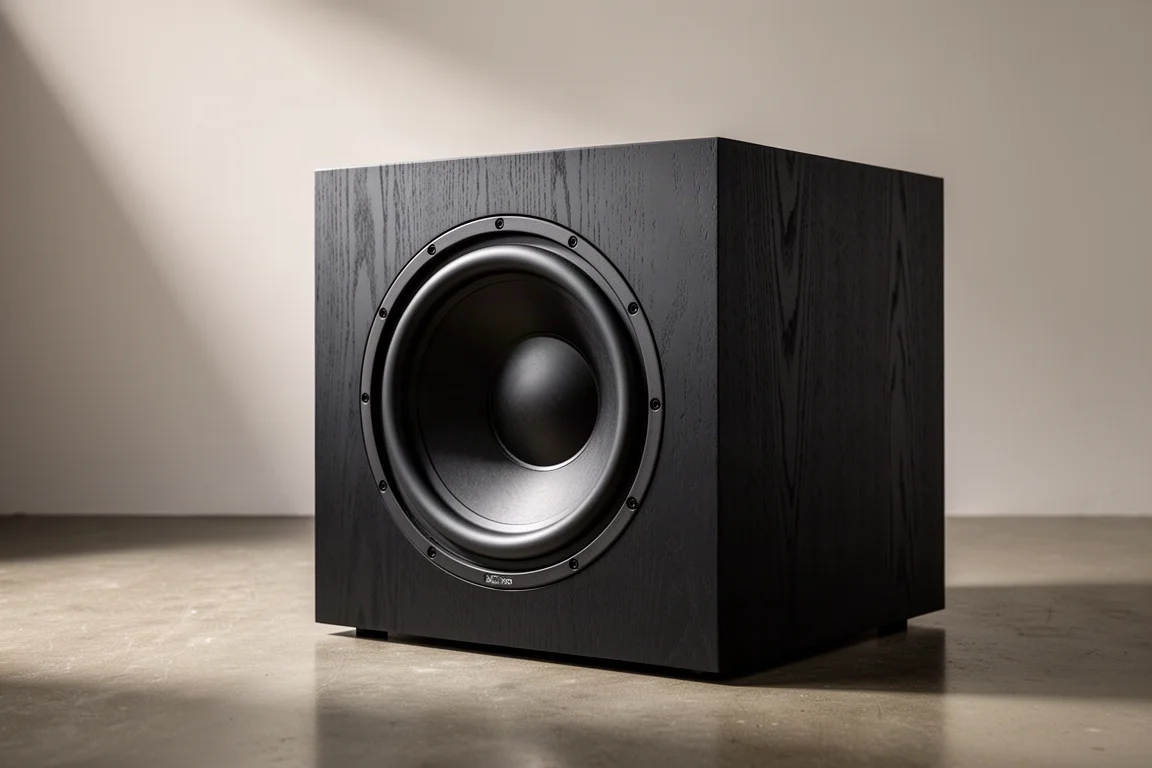
Ascendo 16 Sub Active Sealed Review: Sealed Bass Built on Real Engineering
A close look at the Ascendo 16 Sub Active Sealed, a 16-inch sealed home theater subwoofer with independently verified measurements, a purpose-built driver, and genuinely controlled output.