Camping Tents
Marmot Crane Creek 2 Review: How the Waterproofing Held Up in Two Rain Tests
A close look at the Marmot Crane Creek 2 after one hour of moderate rain and one hour of heavy rain, with notes on seam taping, rainfly coverage, and ventilation.
Introduction
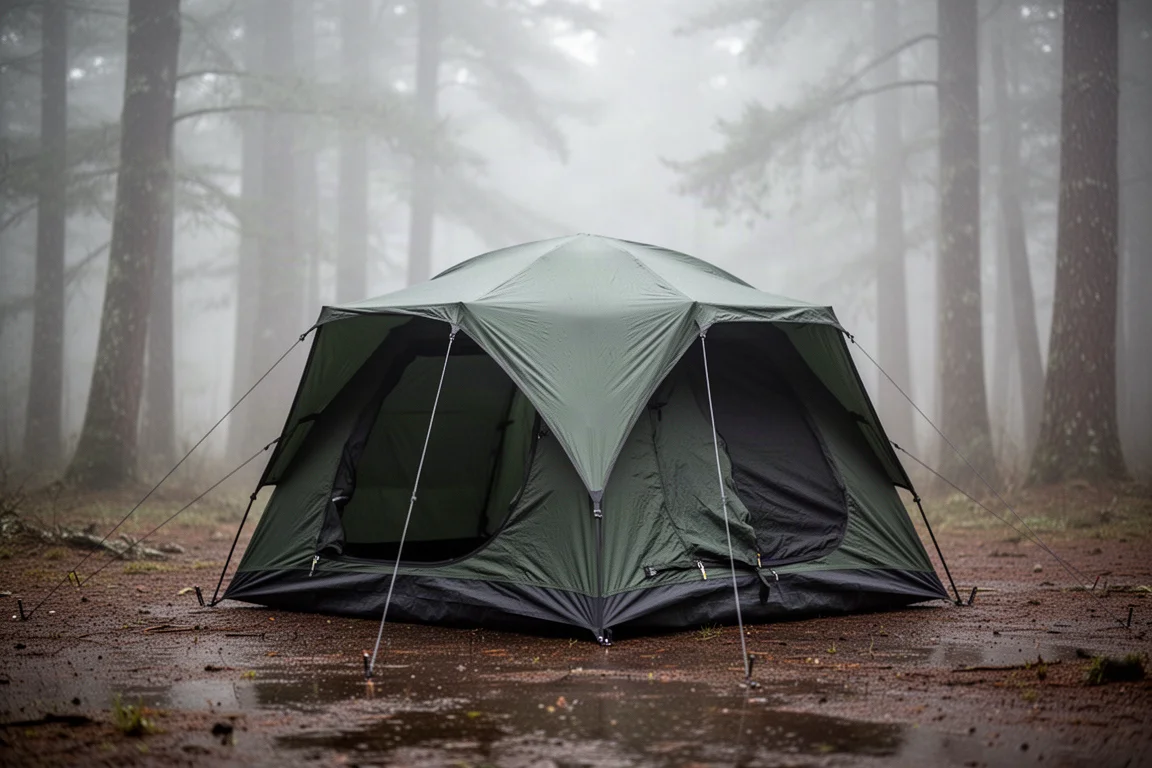
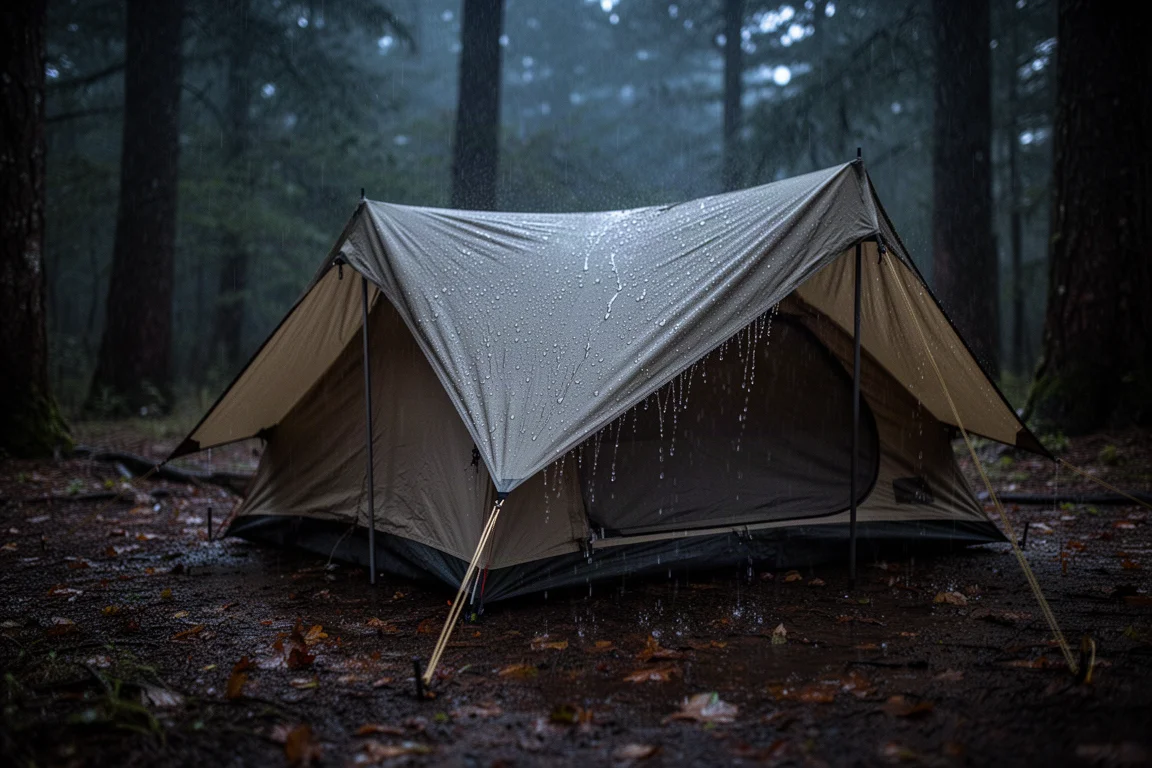
A tent’s waterproofing claim only matters when the weather turns against it. The Marmot Crane Creek 2 was put through two separate rain sessions: roughly one hour of moderate rain, followed by a second hour of heavy rain. Both times the tent came out dry. No leaks at all in the first test, and after the heavier second test there was not a single drop of water inside, no leaking seams, and a rainfly that was completely dry when checked.
That result is worth unpacking, because it comes from specific construction choices rather than luck. The notes below cover how the seam taping is laid out, why the rainfly geometry matters in prolonged downpours, and how the ventilation behaves when it is left open in the rain.
Who This Tent Is For
This tent suits campers who expect to be caught out in real weather and would rather not spend the night monitoring drips. The two rain tests point to a design that handles both steady moderate rainfall and sustained heavy rainfall without the interior getting wet, which is the scenario most people worry about when they commit to a multi-day trip.
It is also a reasonable fit for anyone who values a simple, predictable setup. The waterproofing performance here is not dependent on a complicated pitch or an extra aftermarket footprint. The seams are taped from the factory, the rainfly covers what needs covering, and the tent simply does what it is supposed to do when the sky opens up.
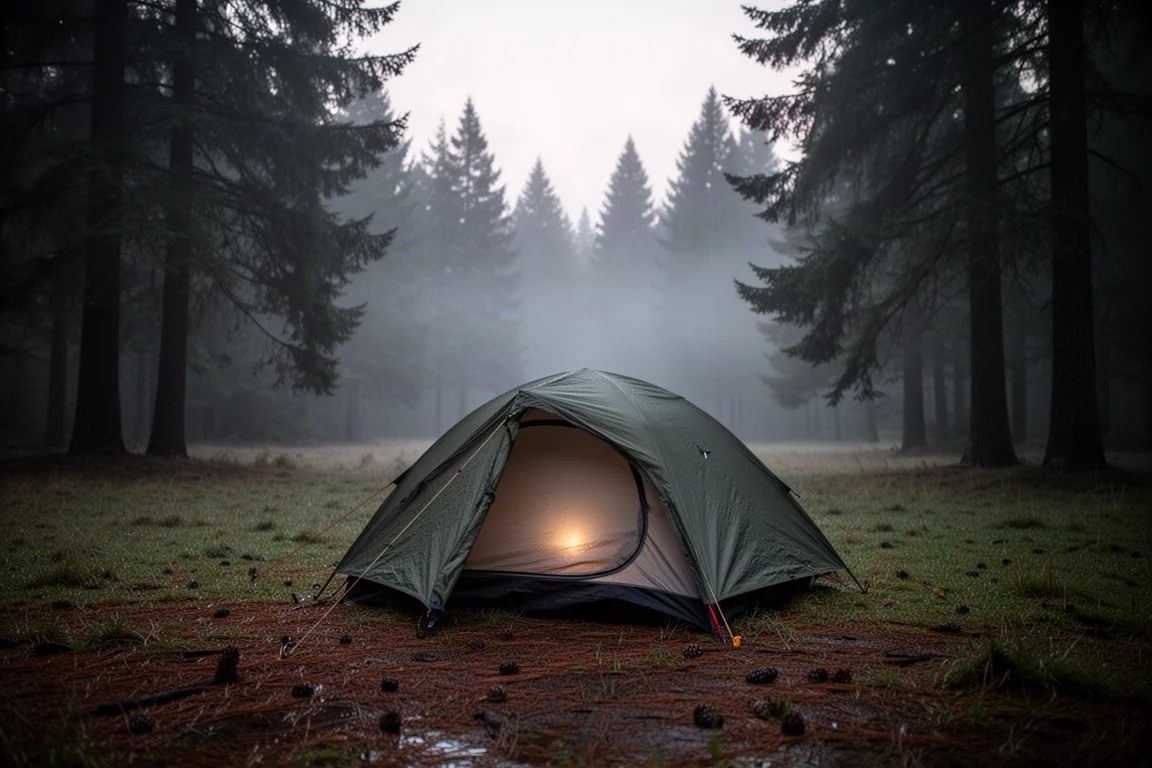
If your trips involve exposed campsites, long evenings in wet weather, or a forecast you do not fully trust, the priorities this tent addresses are the right ones.
Main Strengths
The waterproofing held up for three identifiable reasons, each of which is a design feature rather than a claim. Looking at them separately makes it easier to judge whether they match the way you actually camp.
Seam Sealing and a Taped Floor
All the seams on the rainfly were sealed perfectly. From the inside, the seams on the tent floor were also fully taped, extending up to about seven inches high, which is the pattern you want on a bathtub-style floor where water pools and pushes against the fabric.
Above that seven-inch mark, some seams were not taped, including the seam where the flooring meets the tent body. That sounds like a gap in coverage, but the rainfly sits over it completely. After the heavy rain test, lifting the rainfly away showed that no water had worked its way in through the untaped seam at all. The practical lesson is that the untaped section sits in a protected zone rather than an exposed one.
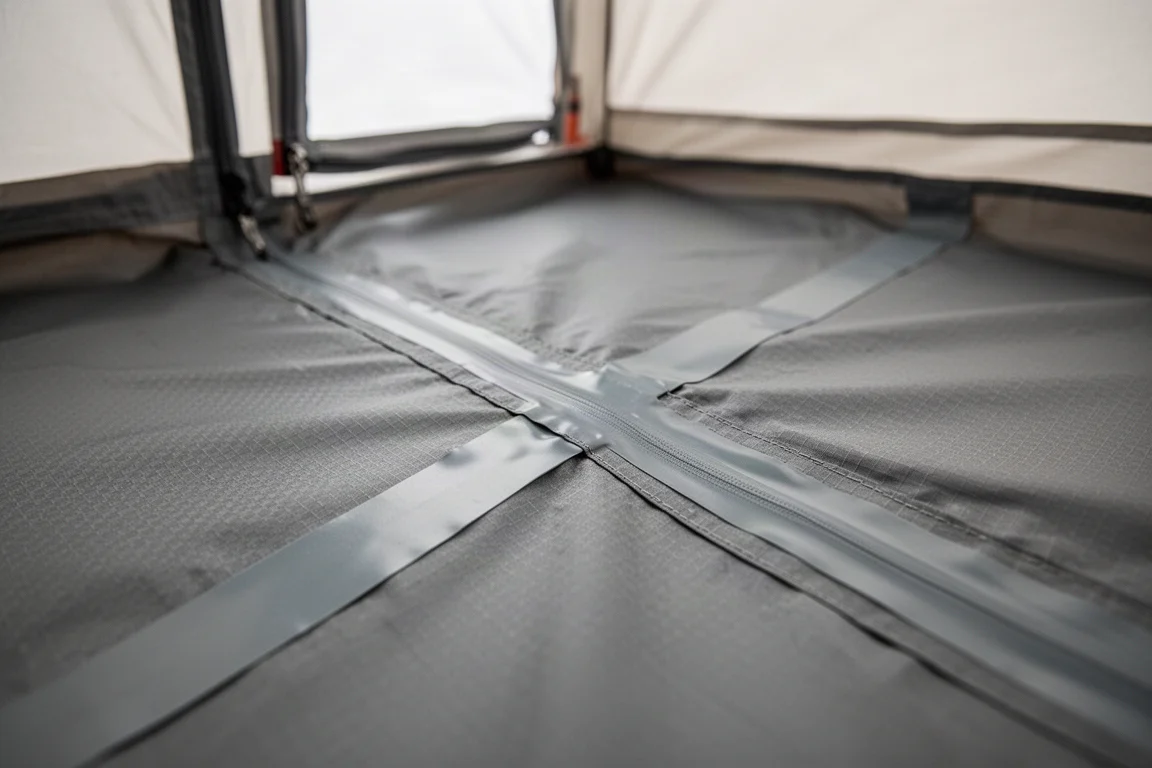
For buyers, this is a useful detail to understand before judging a tent on paper. What matters is not whether every single seam is taped, but whether the untaped ones are positioned where water can actually reach them.
Rainfly Coverage and Vestibules
The rainfly can be pulled away from the tent body on all sides. That creates vestibules at the front and the back, along with floor vents at the sides. The result is a physical separation between the outer layer that takes the weather and the inner layer you sleep in.
In very heavy rain over a prolonged period, even a completely drenched rainfly would not affect the tent body underneath, which stays dry. That is the core benefit of this layout. Water is absorbed, shed, and channelled on the outer shell, while the sleeping area remains untouched behind a layer of air.
Ventilation That Can Stay Open
There is a vent that can be left open in the rain, and doing so produced no leaks during testing. That combination is less common than it sounds. Many tents force a choice between closing everything down for weather protection and accepting condensation inside.
Being able to keep a vent open during rainfall means moisture from breathing and damp gear has somewhere to go without compromising the waterproofing. Over a full night in wet conditions, that is the difference between a dry interior and a clammy one.
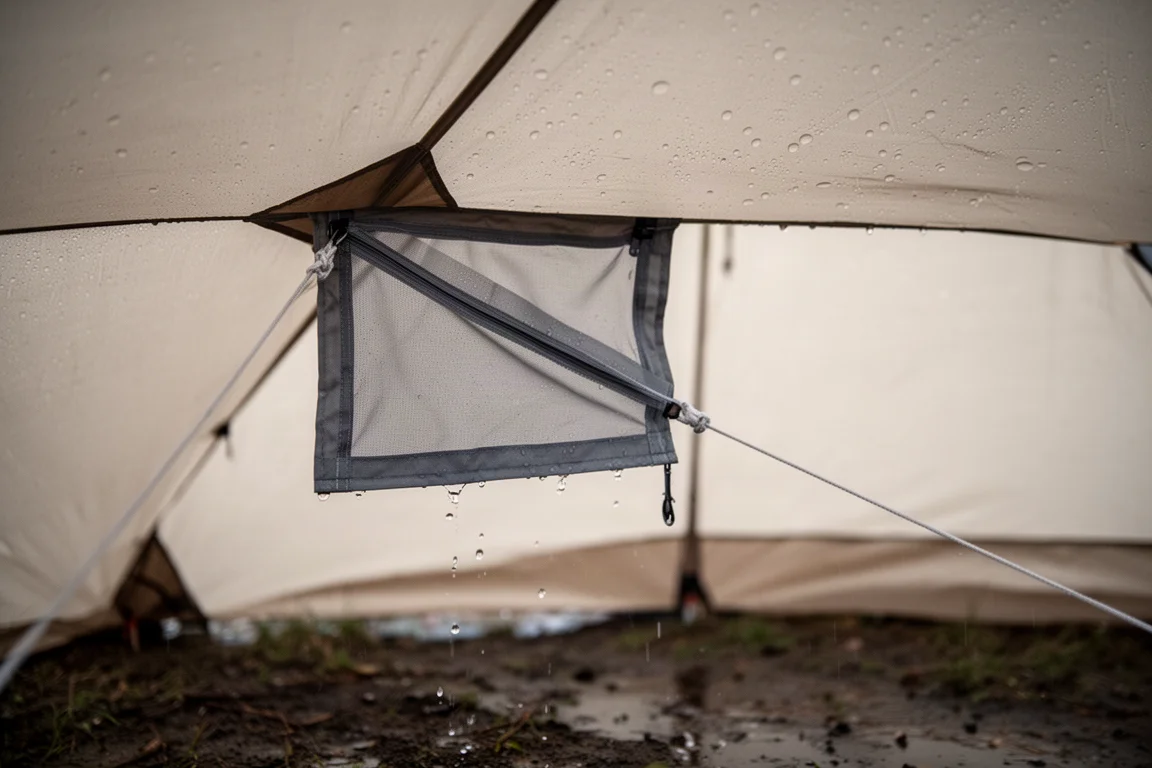
Taken together, the taped seams, the pull-away rainfly, and the usable vent form a coherent system rather than three unrelated features.
Things to Consider Before Buying
The testing covered rain performance specifically, so it does not speak to every aspect of the tent. Weight, packed size, pole structure, setup time, and interior dimensions are all part of the ownership picture and are outside what these two rain sessions can tell you.
It is also worth being precise about what the seam coverage means. The floor is taped to roughly seven inches, and some seams above that line are not taped, including the flooring-to-body seam. The rainfly covers that seam completely, and the heavy rain test confirmed no water entered through it. Still, if you pitch without the rainfly, or in a configuration where the rainfly cannot be pulled fully over the body, that seam is no longer in a protected position. Pitching the tent as designed is what makes the waterproofing work.
Finally, a vent left open in the rain depends on the rainfly being correctly positioned above it. Correct pitch matters here, and a poorly tensioned fly can change how the coverage behaves in wind-driven rain.
Buying Advice
If your main concern is staying dry in sustained rain, this tent has demonstrated that in two separate tests, one moderate and one heavy. The performance came from factory seam taping, a rainfly that can be pulled clear of the body on every side, and a vent that can stay open without letting water in. Those are the kinds of details that hold up over repeated trips rather than just the first night out.
Before buying, match the tent to how you camp. If you pitch in exposed or low-lying spots where heavy rain is likely, the waterproofing system described here is exactly the part of the tent that will earn its keep. If you mostly camp in sheltered sites and fair weather, the same features are still useful insurance but you may be paying for protection you rarely use. Either way, the decision is easier once you know which of these traits you actually need.
Conclusion
The Marmot Crane Creek 2 came through one hour of moderate rain and one hour of heavy rain with no leaks, no water inside, and a dry rainfly. The credit goes to well-sealed rainfly seams, a taped floor extending about seven inches up, a rainfly that can be pulled away on all sides with front and rear vestibules and side floor vents, and a vent that can remain open during rainfall.
If a dependable, dry interior in wet weather is high on your list, the evidence here points in the right direction. If you need details on weight, packed size, or interior layout, those fall outside the scope of these rain tests and are worth confirming separately before you commit.
Product link
View more details for Marmot Crane Creek 2
This product is mentioned in the review. Check the specifications, options, and compatibility before buying.
View more details for Marmot Crane Creek 2Further reading
Related Reviews
Camping Tents
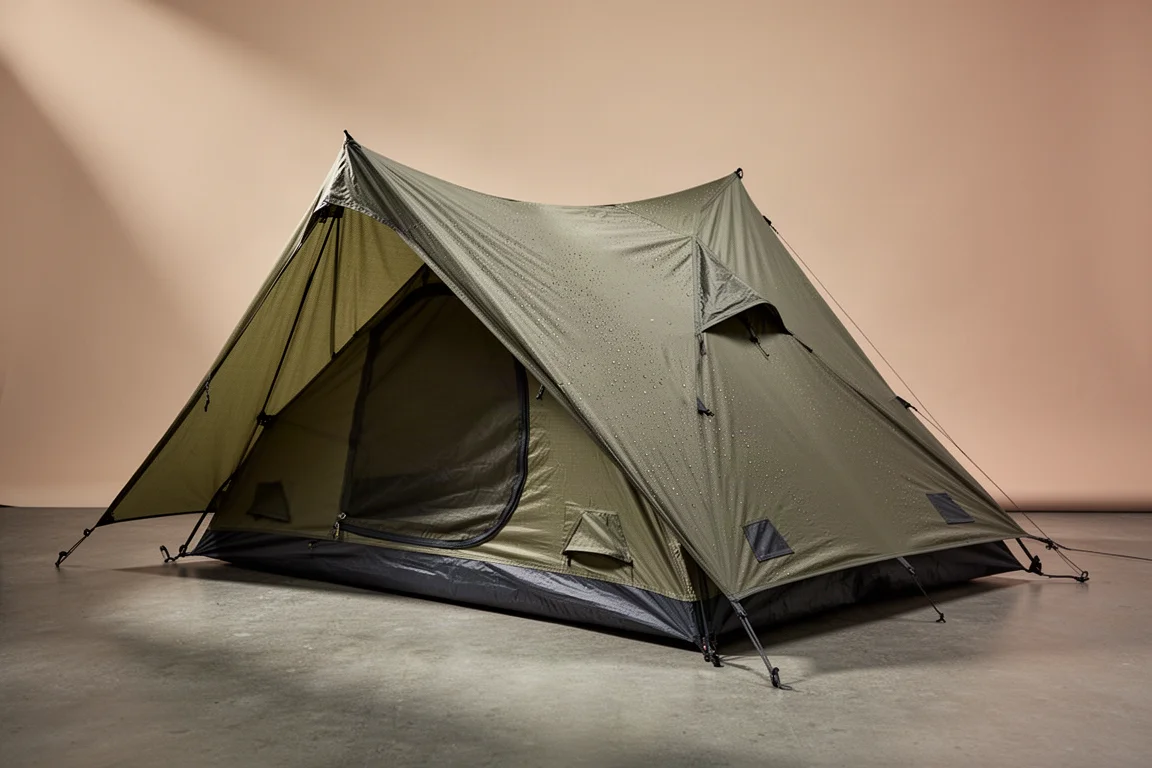
3F UL Gear Taiji Two-Person Tent Review: Field Waterproofing Results and Buying Advice
The Taiji pairs an attached fly with a removable inner, but sustained rain exposed untaped vent seams that need sealing before this shelter can be trusted.
Camping Tents
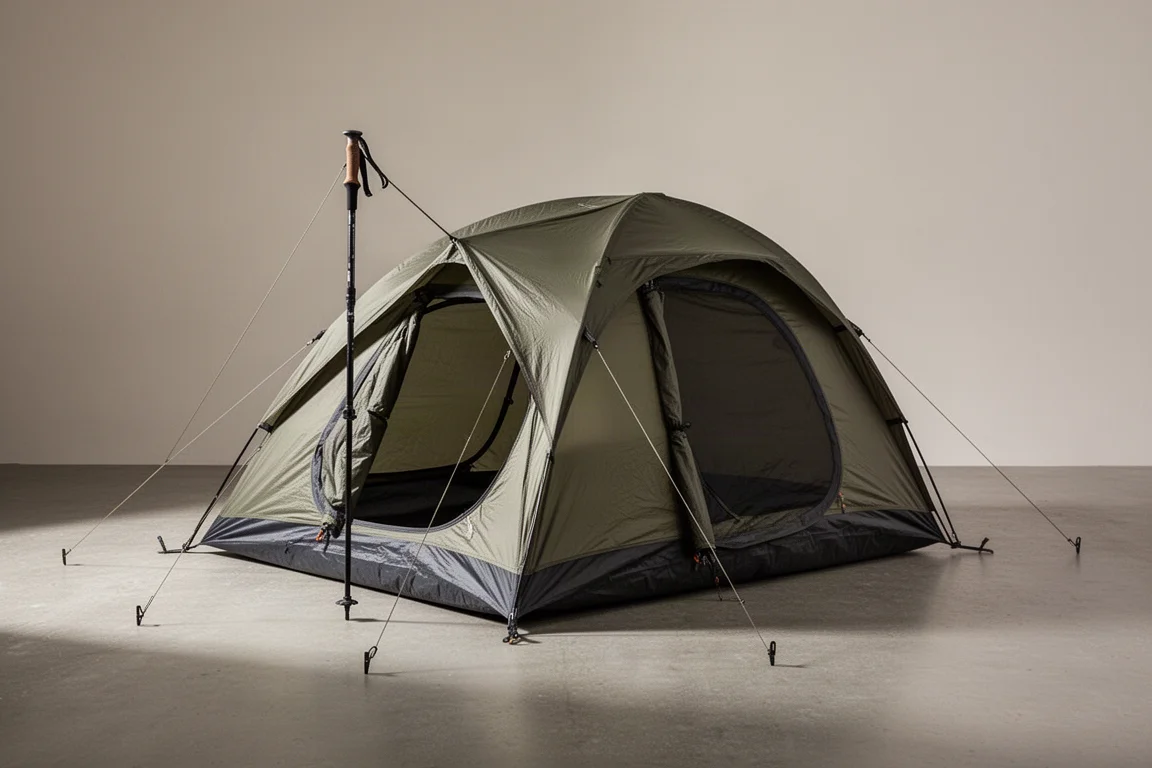
3FUL Gear Lanshan 2 Pro 4-Season Review: A Sub-$200 Single-Wall Trekking Pole Tent
An early look at the 3FUL Gear Lanshan 2 Pro 4-Season, covering its straightforward pitch, generous interior space, and the condensation and seam-sealing questions that come with any single-wall shelter.
Camping Tents
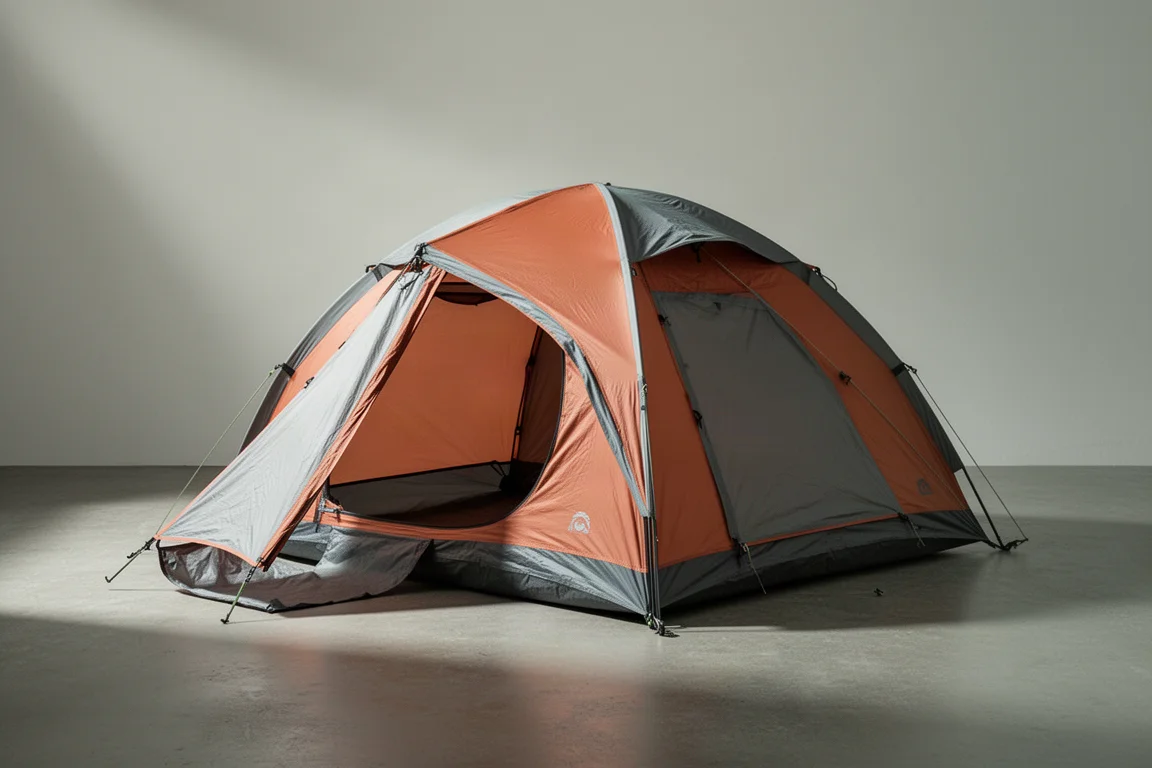
Alps Mountaineering Lynx 1-Person Tent Review: Big Value in a Small Budget Tent
A close look at the Alps Mountaineering Lynx 1-Person Tent, covering real interior dimensions, materials, setup time, ventilation limits, and who should buy it.