Camping Tents
Marmot Crane Creek 2-Person Tent Review: Real Rain Protection at a Value Price
A practical look at the Marmot Crane Creek 2-Person Tent, covering setup time, interior space, rain performance, materials, and the accessories you may need to buy separately.
Introduction
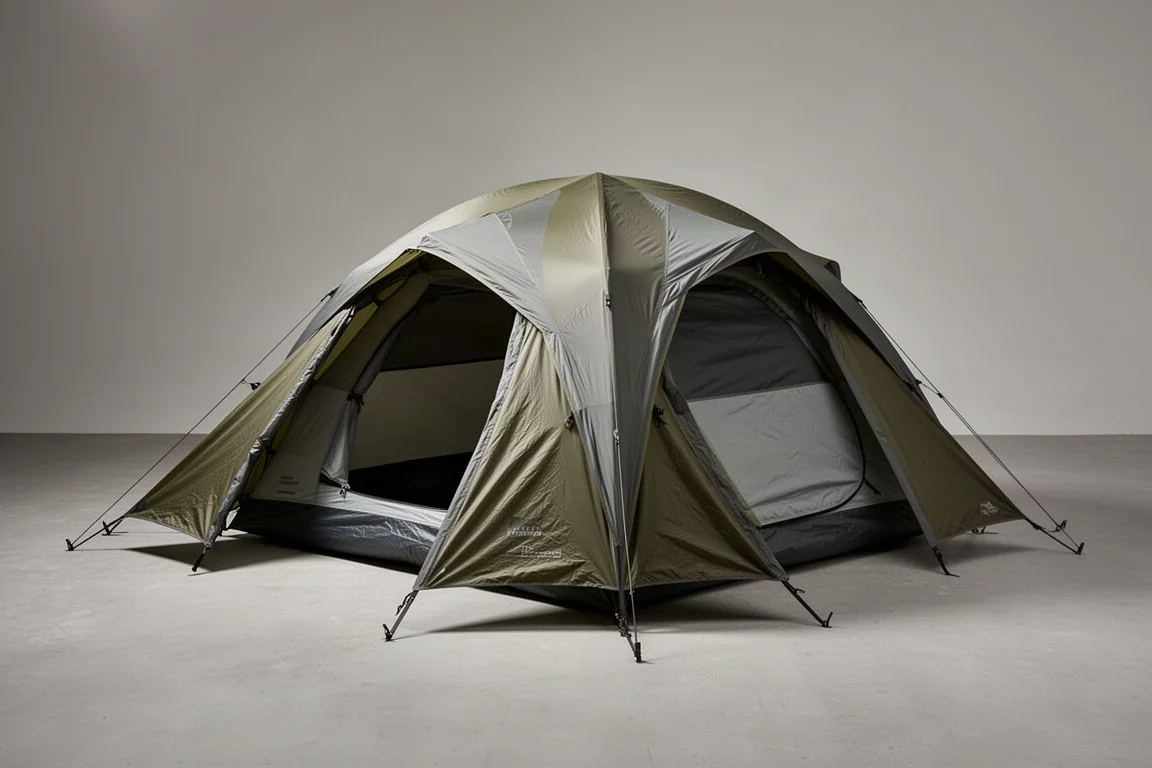
The Marmot Crane Creek 2-Person Tent is a double-wall camping tent built around a simple X-pole frame, a brow pole that lifts the ceiling across the full width, and a full-coverage rainfly. It is the kind of tent that quietly gets the fundamentals right: it pitches quickly, it keeps water out, and it gives two campers usable living space without asking premium money for it.
Where it asks for patience is in the small print. The tent arrives with a modest accessory kit, the floor fabric is thin, and a few design details are more fragile than they look. For most buyers, though, those trade-offs are easy to accept at the right price.
Who This Product Is For
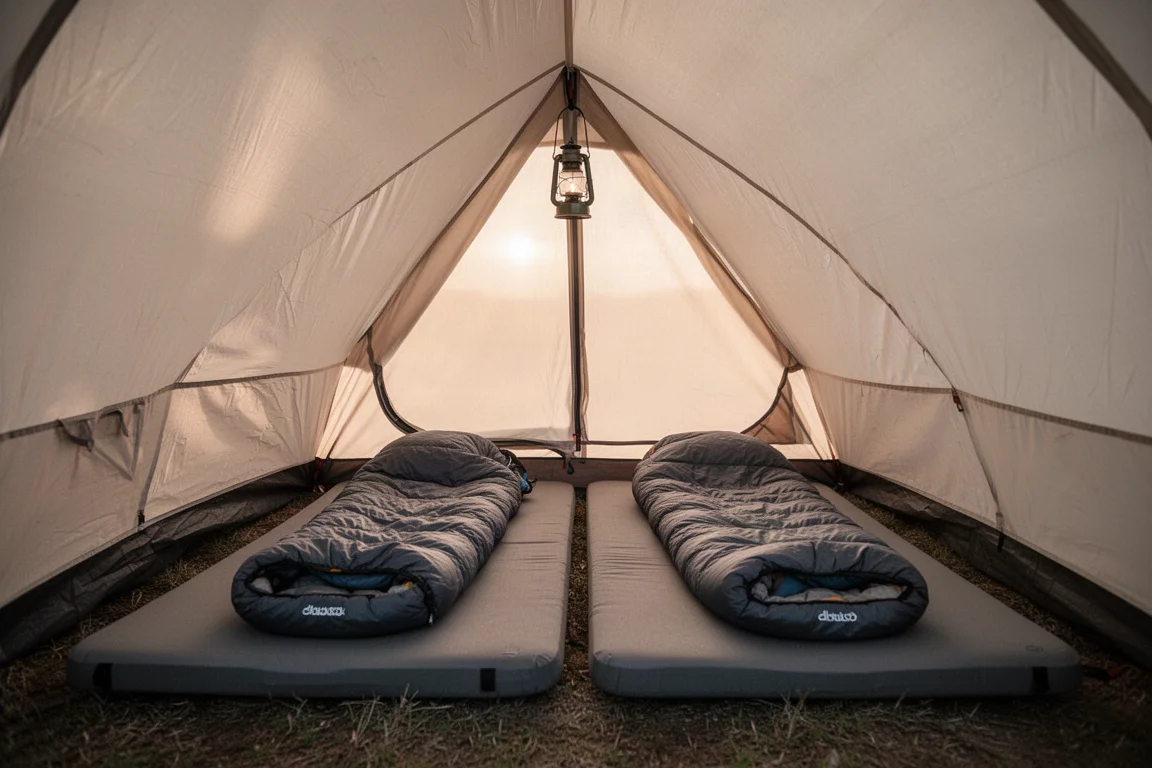
This is a tent for campers who care most about staying dry and having room to move. The measured peak height is about 43 inches, and the interior length runs about 86 inches with a width of about 49 inches, for a total base area of roughly 29.3 square feet. A camper of 5 feet 3 inches had headroom to spare even with a 4-inch sleeping pad in place, and still had room left with a 6-inch mattress.
Two standard sleeping pads work well. A double pad roughly the size of two regular pads fit inside with leftover space around it. An almost queen-sized mattress is where the width runs out: it could not fully inflate and bulged out through the front of the tent. Two campers on their own pads will be comfortable. A couple sharing one oversized airbed will not.
Setup and Pitching
Setup is deliberately simple. The main body is formed by a single X-pole that slots into grommets at each corner, then 12 pole clips attach the body to the frame. There are no pole sleeves to thread, which is the part most tent designs get wrong. A brow pole sits across the top of the X-pole, and the rainfly drops over the frame with red color-coded tabs and clip buckles rather than guesswork. After that, it is a matter of staking everything down and guying it out.
The whole process came in at around six and a half minutes, and packing away took about the same. The carry bag was not an uncomfortably tight fit, which matters more than it sounds when you are breaking camp in the rain.
Interior Space and Comfort
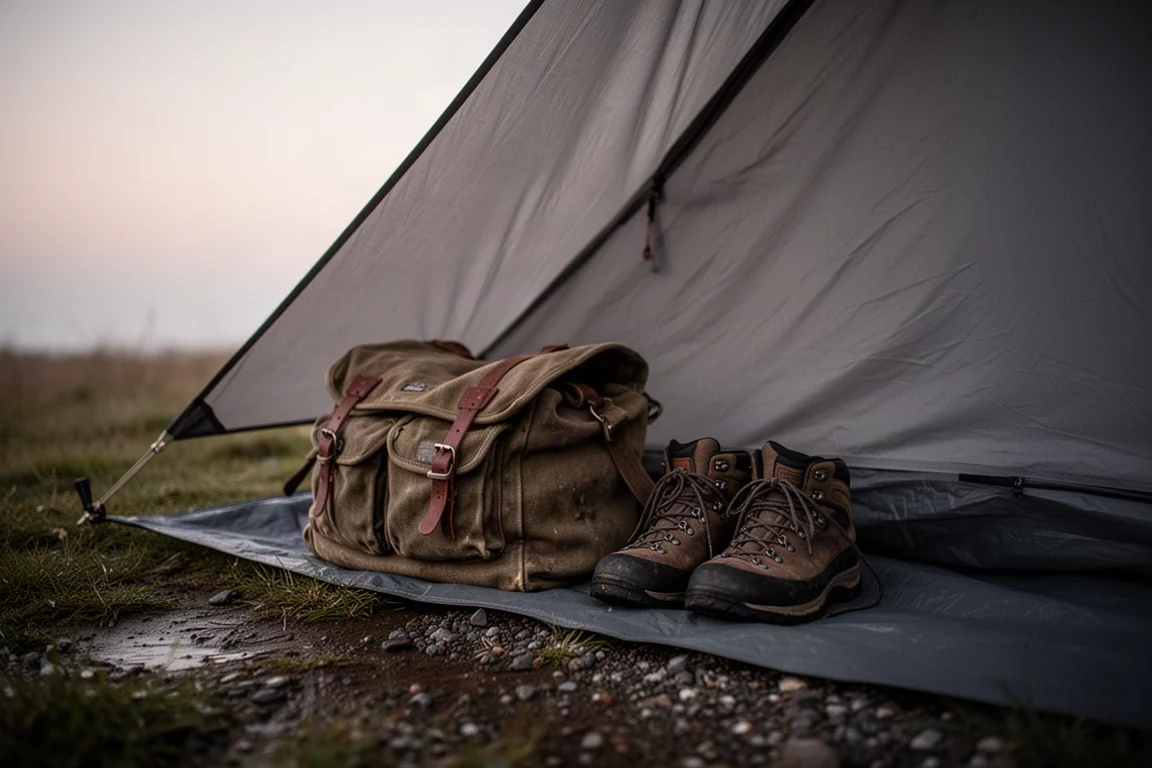
The tent ships with two vestibules, both the same size, each measuring about 34 inches at its longest width and adding roughly 10 square feet of covered space. That is about 20 square feet of extra base area in total, enough for boots, packs, and a cooking setup kept out of the weather.
Each vestibule is held out with attached webbing staked to the ground. Only one side carries that webbing, so only the right-hand vestibule can be opened and closed. If you do not need the extra cover, the vestibule can be un-staked entirely and rolled back, tied off with two toggles to clear the doorways.
The doors measure about 41 by 29 inches each, and opening both creates cross ventilation that makes the interior noticeably more comfortable on a warm evening. A toggle beside each door holds it open, though the fabric tension means the toggle can occasionally spring loose. Interior storage is limited to two pockets of about 10 by 4.5 inches, plus a plastic loop at the peak for a lantern or fan and four felt loops around it for hanging small items. No gear loft is included.
Weather Protection and Seam Sealing
Weather protection is where this tent earns its place. The rainfly covers the body completely, and the seam taping is thorough: every seam on the fly is taped, and the interior seams that the fly does not cover, including the floor seams and the corners, are taped as well.
In an hour of moderate rain there was not a single leak. In a further hour of heavy rain, again nothing came through. Seams stayed dry, corners stayed dry, and the underside of the rainfly was not even damp. The single vent faces downwards and is held open by a Velcro kickstand, so it can be left open in heavy rain without letting water in, and it can be closed from inside if conditions change.
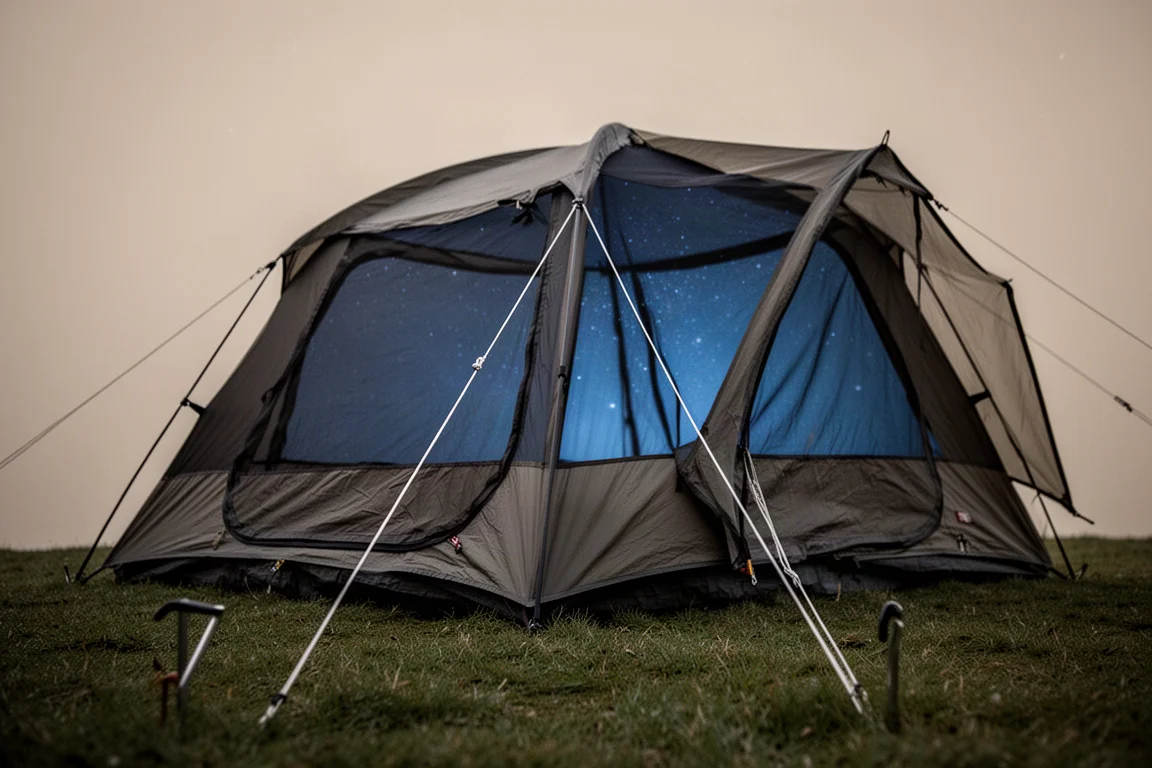
Four main guylines are supplied for wind protection, and the design also allows extra guylines to be added along the width of the tent. Pulling the fly away from the body on all sides improves both rain shedding and airflow.
Materials, Ventilation, and Portability
The majority of the tent is 100% polyester, in the region of 60D to 75D including the floor, which does not feel noticeably thicker than the rest of the body. The poles are 7000 series aluminum, and the canopy uses micromesh that kept out every insect during testing. Zippers are unbranded but run smoothly, with no snagging on the doors and clean operation on the vestibules from both inside and outside.
With the rainfly removed, the canopy reads as roughly 60 percent mesh and 40 percent fabric. That is a little less open than a dedicated summer tent, which is consistent with how Marmot positions the Crane Creek as a three-plus season design rather than a warm-weather-only shelter.
Packed down, the tent measures about 21 by 9 by 6.5 inches, with the poles setting the 21-inch length. It weighs around 5.5 pounds, a touch above the marketed 4 pounds 12 ounces.
Things to Consider Before Buying
A few details are worth knowing before you commit. The X-pole can pop out of its corner grommets while the tent is still new and stiff, and the rotating swivel at the center of the pole assembly is a moving part that can break, so treat the frame with some care.
Ventilation is limited to a single vent, where good two-person tents in this class often provide two to four. The supplied accessory kit is also thin: six stakes are included, which covers the base and the vestibules but leaves you short for the four guylines and the two optional width tie-outs, so plan on roughly six additional stakes. No footprint is included either, and given how thin the floor fabric feels, a footprint is a sensible separate purchase.
Buying Advice
Value is the deciding factor here. Picked up for under $150, this is remarkable for a tent with a full-coverage fly and this level of seam sealing, and anywhere between $100 and $150 it is excellent value. The limited lifetime warranty adds further reassurance for long-term ownership.
Above $200 the calculation changes, because better-equipped options exist at that price and the missing stakes, guylines, and footprint start to add up. If you find the Crane Creek 2 at a strong discount and you camp in mixed or wet conditions, it is an easy recommendation. If you need maximum mesh for hot summer nights, or you want an oversized mattress for two people, look at the trade-offs first.
Conclusion
The Marmot Crane Creek 2-Person Tent does the important things well: it pitches in about six and a half minutes, it stayed completely dry through an hour of moderate rain and an hour of heavy rain, and it offers two vestibules and a genuinely usable interior for two campers on standard pads. Its shortcomings are mostly about accessories and a couple of fragile frame details rather than performance. Buy it at a good price and budget a little extra for stakes and a footprint, and it is a dependable companion for three-plus season camping.
Product link
View more details for Marmot Crane Creek 2-Person Tent
This product is mentioned in the review. Check the specifications, options, and compatibility before buying.
View more details for Marmot Crane Creek 2-Person TentFurther reading
Related Reviews
Camping Tents
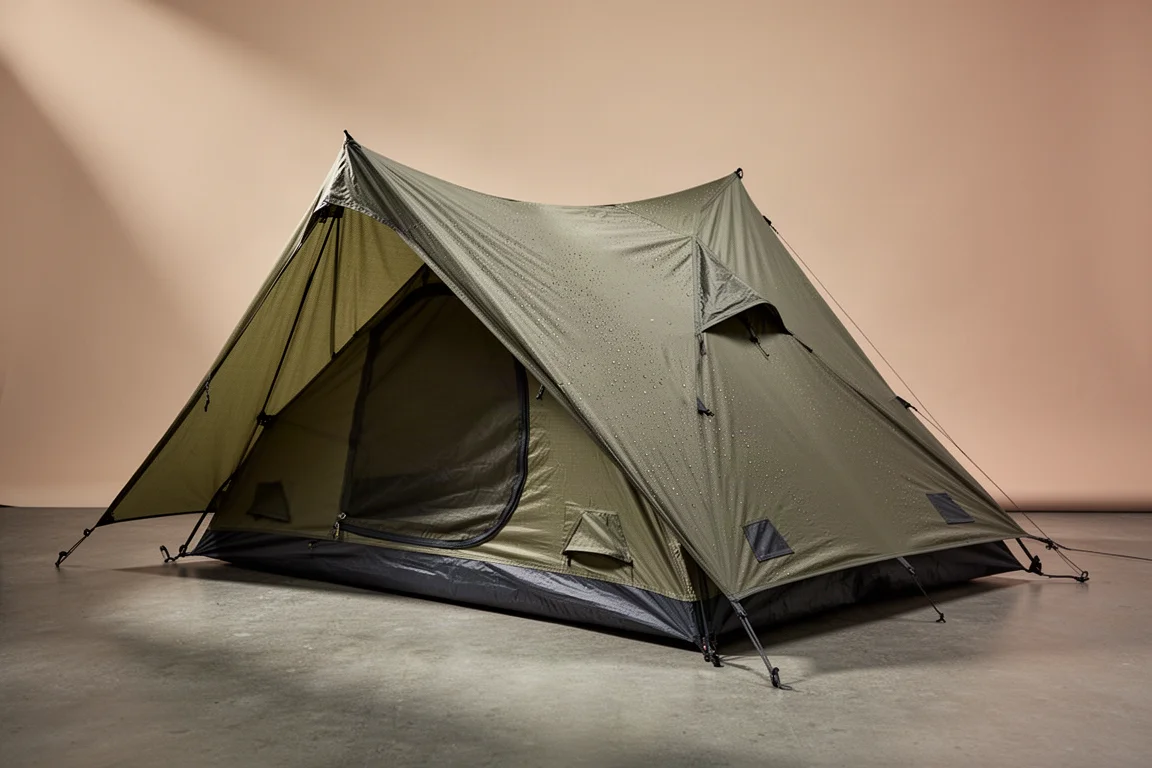
3F UL Gear Taiji Two-Person Tent Review: Field Waterproofing Results and Buying Advice
The Taiji pairs an attached fly with a removable inner, but sustained rain exposed untaped vent seams that need sealing before this shelter can be trusted.
Camping Tents
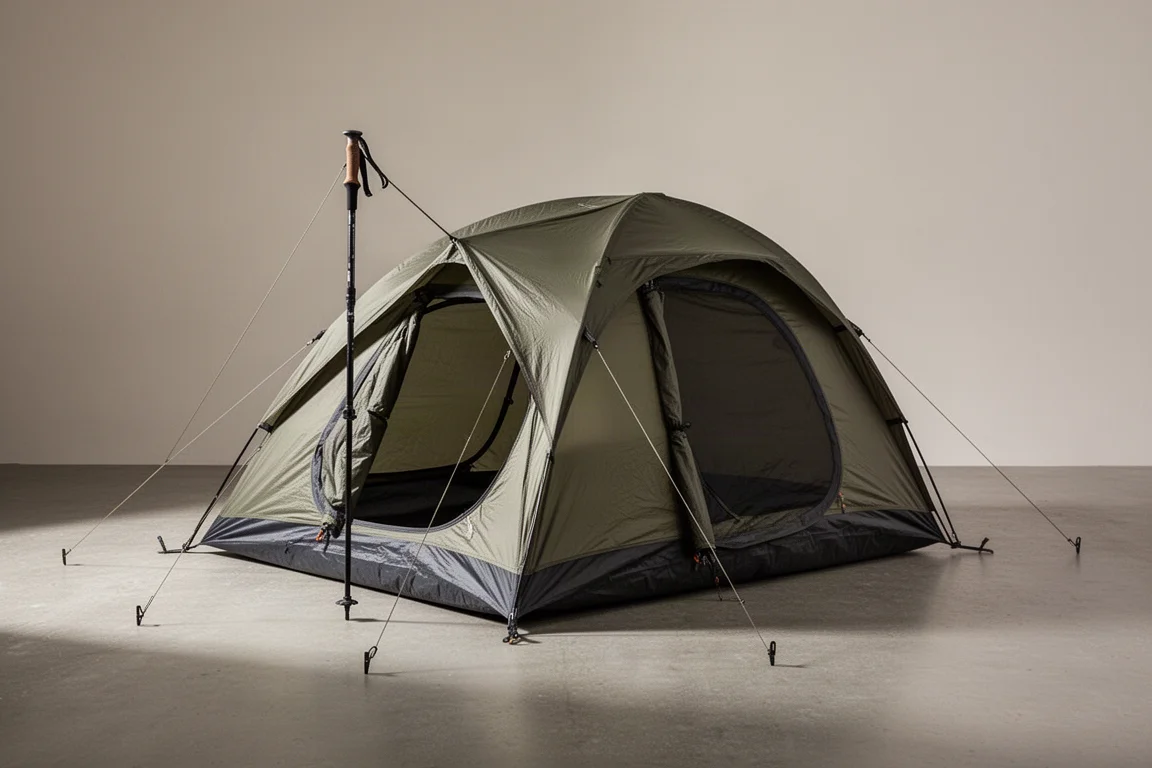
3FUL Gear Lanshan 2 Pro 4-Season Review: A Sub-$200 Single-Wall Trekking Pole Tent
An early look at the 3FUL Gear Lanshan 2 Pro 4-Season, covering its straightforward pitch, generous interior space, and the condensation and seam-sealing questions that come with any single-wall shelter.
Camping Tents
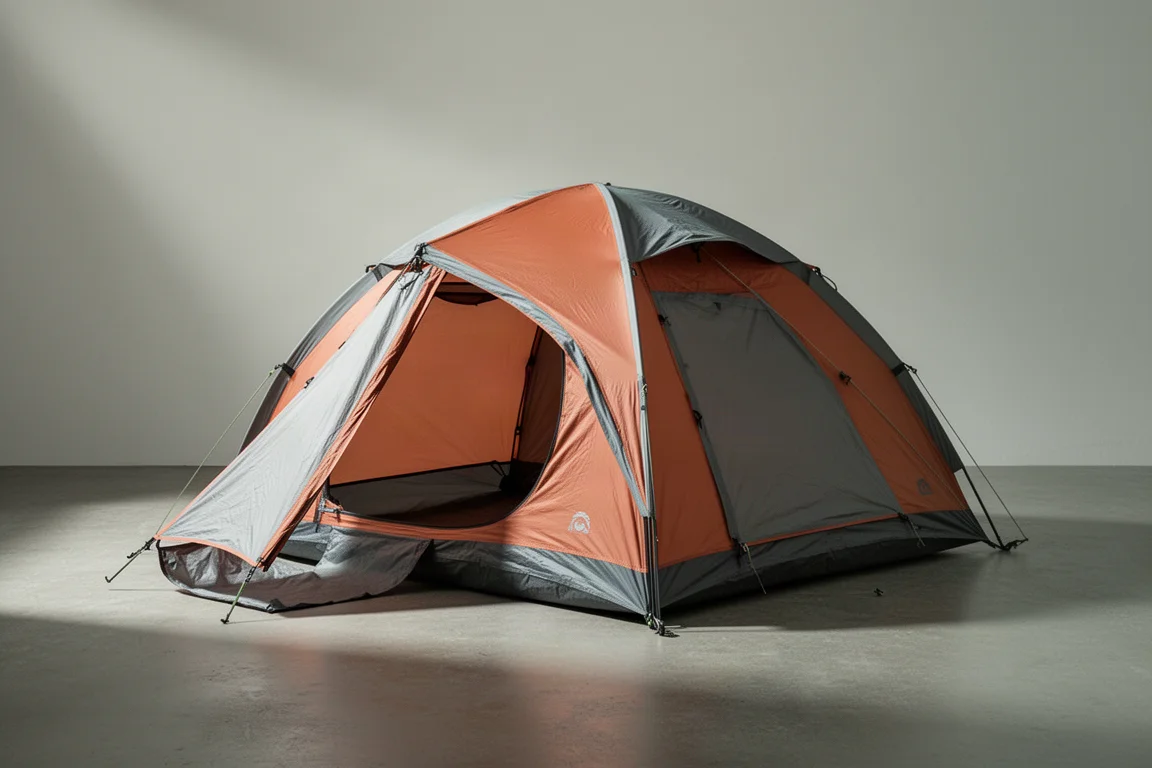
Alps Mountaineering Lynx 1-Person Tent Review: Big Value in a Small Budget Tent
A close look at the Alps Mountaineering Lynx 1-Person Tent, covering real interior dimensions, materials, setup time, ventilation limits, and who should buy it.