Mountain Bikes
Marin Rift Zone XR vs a Custom Build: Which Trail Bike Makes More Sense?
A complete £3,775 trail bike against a £4,000 frame-up build, plus the fork, shock, wheels and tires that decided the outcome.
Introduction
For years the standard advice for riders who wanted specific parts was simple: buy a frame and build it up yourself. Complete bikes often arrived with cheap tires, long stems and narrow bars, so a self build made sense on both practical and financial grounds.
Then direct sale brands arrived and mainstream manufacturers started speccing better components. The maths stopped working in favour of the self build, outside of downhill racing. More recently, price rises across the bike industry reopened the question.
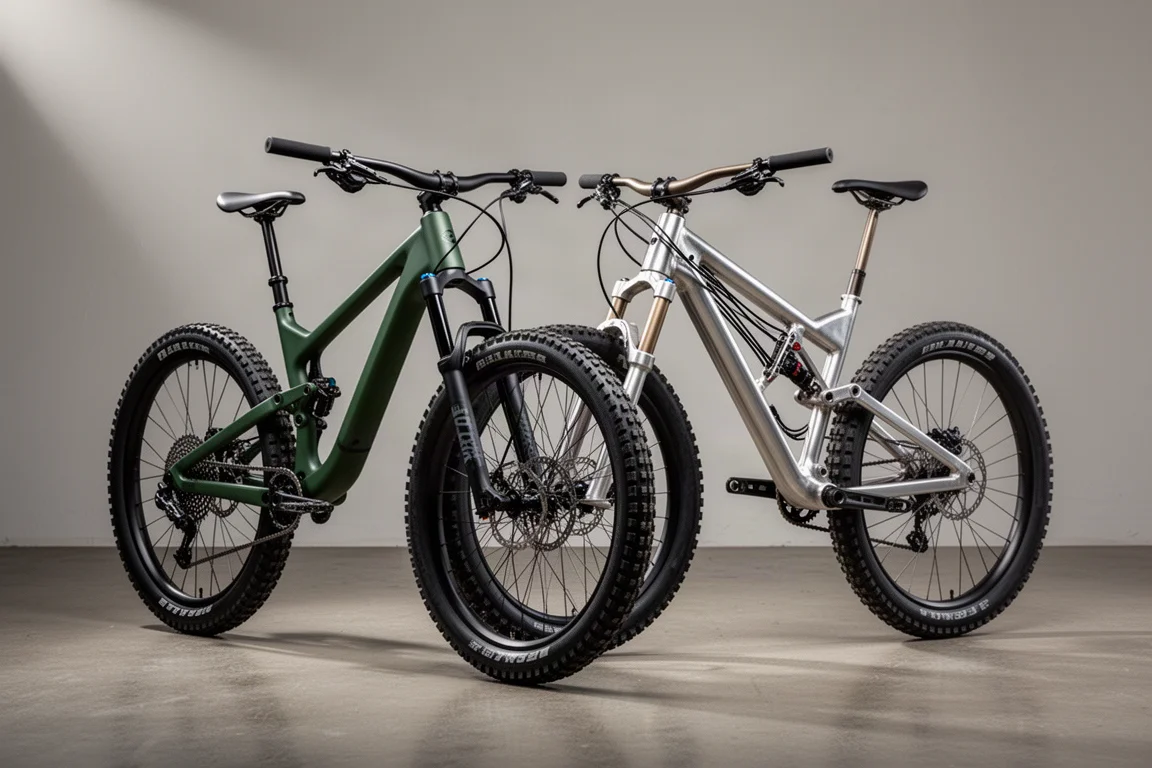
That question sits behind this comparison: a complete trail bike retailing at £3,775 against a custom build assembled to a £4,000 budget. The two were ridden back to back on the same trails, and the gap between them turned out to be far smaller than expected.
Complete Bike vs Custom Build: What the Comparison Found
The custom build started with a frame chosen against clear criteria: trail bike travel between 130mm and 150mm, an alloy frame to keep the budget in range, external cable routing so that swapping parts stays easy, and a platform that had not been ridden before.
That frame brought useful practical details. Neat cable guides, a top tube mount for a bottle, a large main bearing, replaceable dropouts and brake mounts, and a seat tube short enough on the extra large size to fit a full length dropper post with 220mm of drop. That dropper had been waiting in a garage for two years for a frame it would fit.
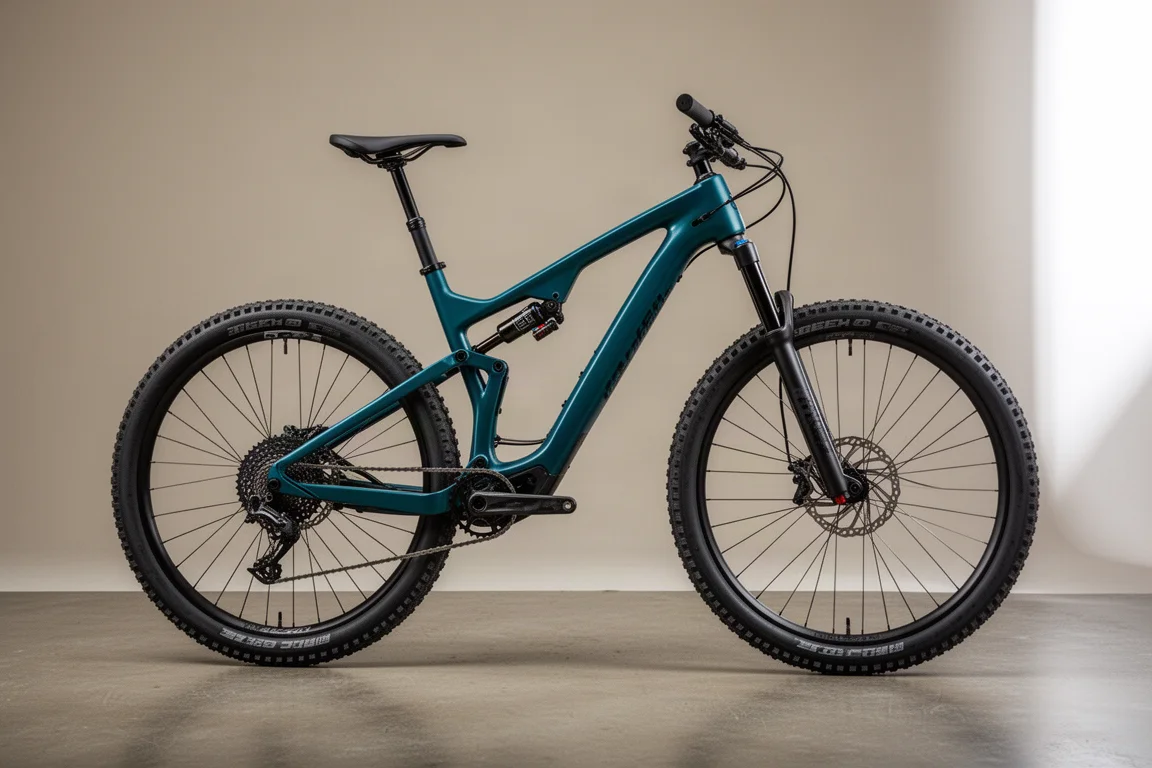
The complete bike is a different proposition. The Marin Rift Zone XR costs £3,775, runs 130mm of rear travel on a four bar linkage, and arrives with a 150mm RockShox Lyrik Select Plus fork, a SRAM drivetrain and SRAM brakes, Marin rims on Formula hubs and Maxxis tires. It weighed in at 15kg.
The custom build finished at 15.5kg. Two bikes, one bought complete and one assembled part by part, landing within half a kilogram and roughly £225 of each other.
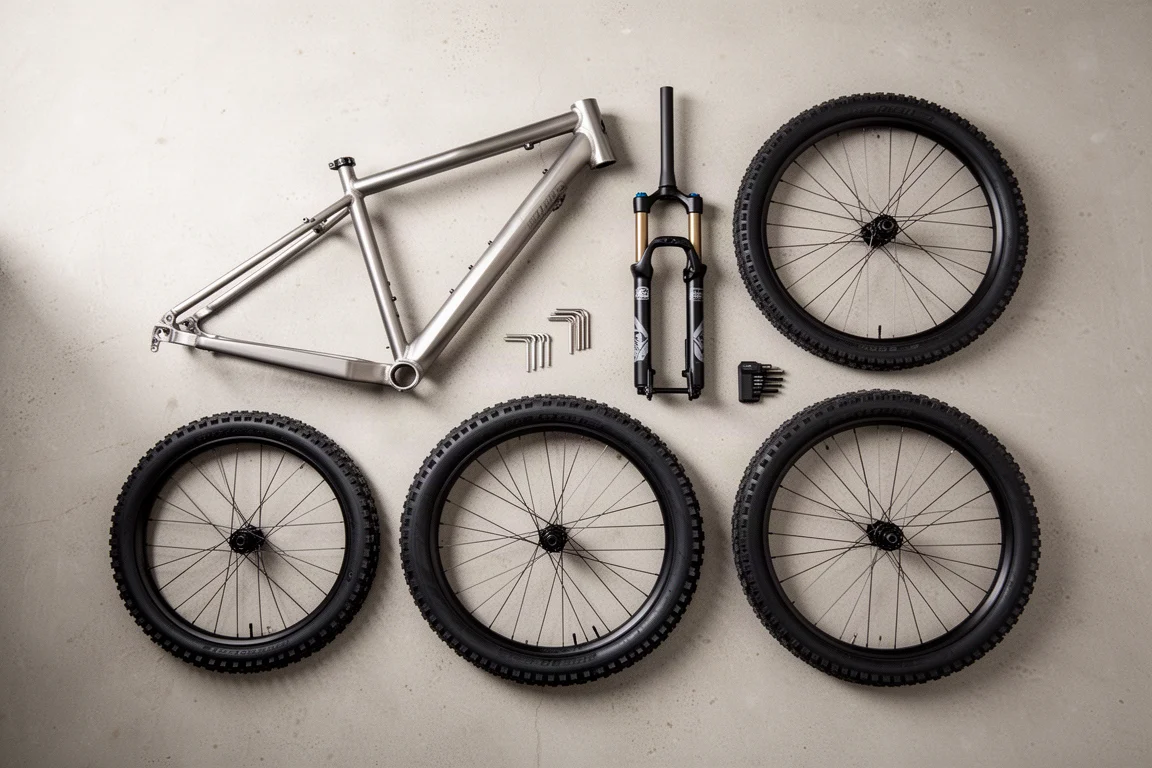
The real surprise was how little separated them on specification. Pulling the two apart required a deep dive into component details, and the differences that emerged were about priorities rather than about value.
Marin Rift Zone XR: The Complete Bike
The Rift Zone XR is the straightforward option. Everything is matched, bolted together and ready to ride, and the numbers hold up: 130mm of rear travel, a 150mm fork, a SRAM drivetrain and SRAM brakes, Marin branded rims with Formula hubs, Maxxis tires and a 15kg weight.
On the climbs it felt peppier than the custom build, which fits with being slightly lighter, and its rear end was a touch less active over smooth ground. On descents it was sprightly and easy to move around, carrying speed well and feeling poppy and playful rather than planted.
Geometry sits close to the custom build on paper, with the same head and seat angles. Chainstays measure 430mm, shorter than the 450mm of the custom build, and in extra large the reach runs to 515mm. On the large frame, a short top tube meant pushing weight back on the saddle to get proper reach over the cranks.
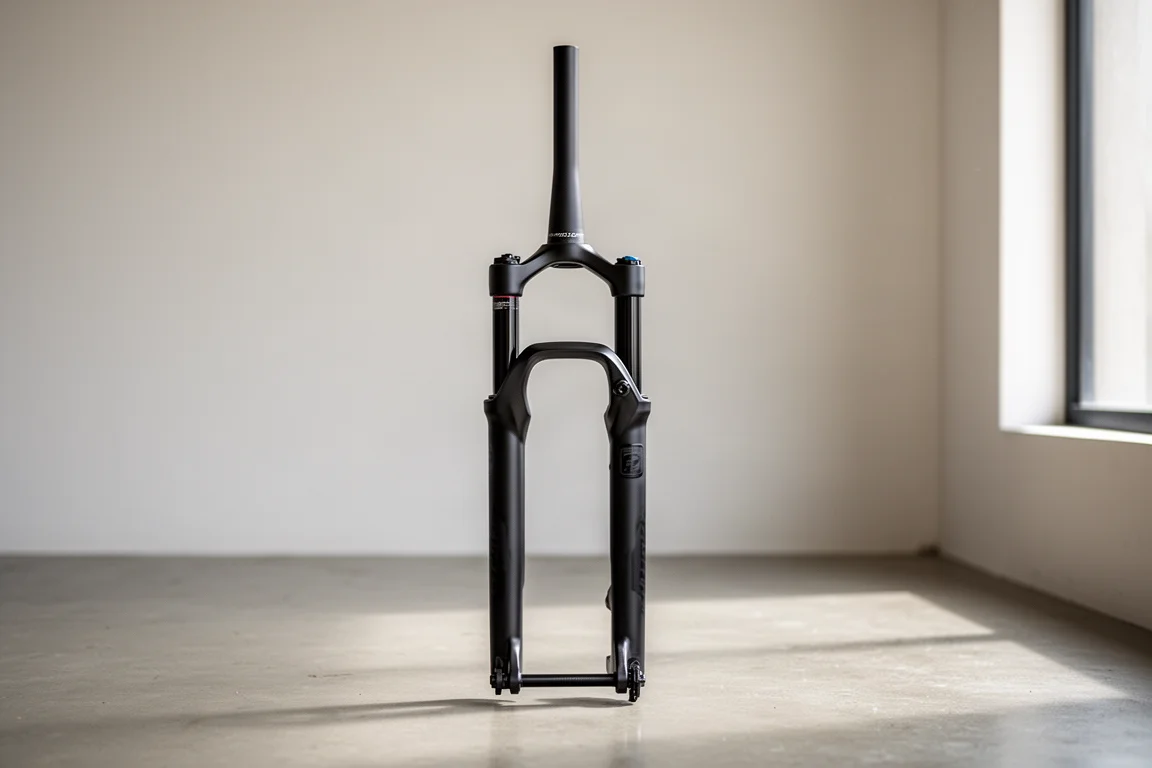
RockShox Lyrik Select Plus: The Fork on the Complete Bike
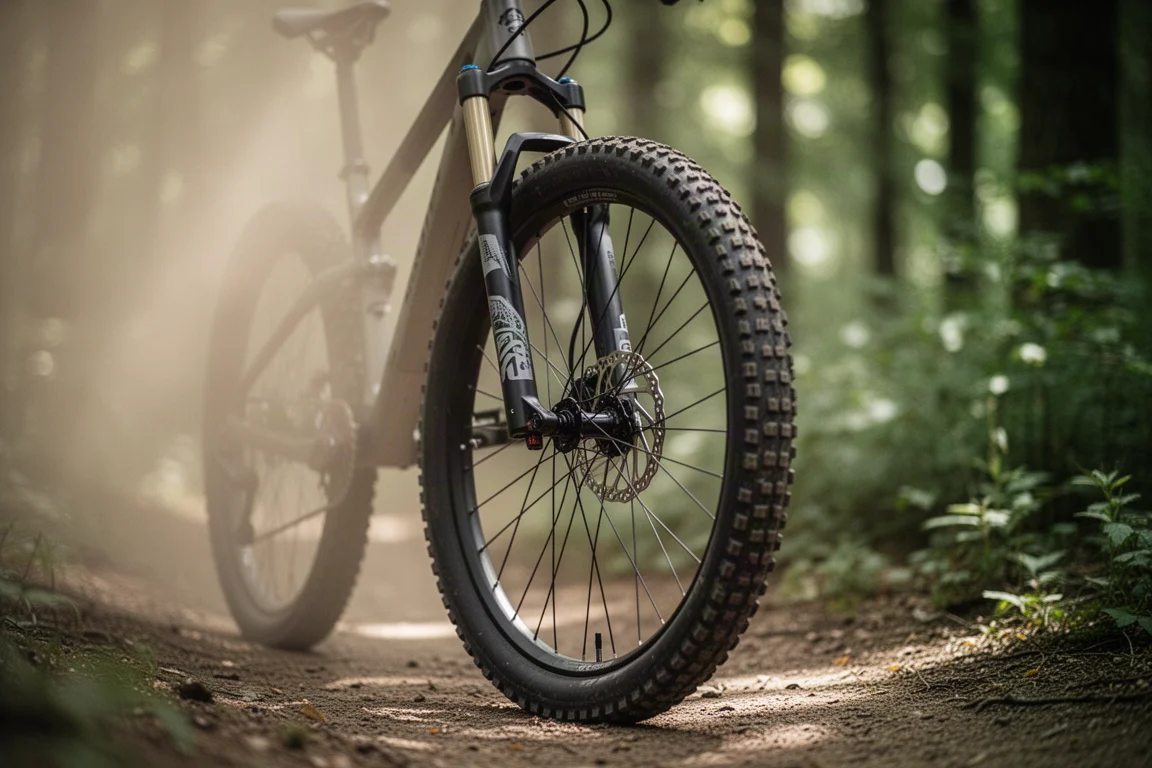
A fork is one of the most expensive parts of any build, and it is also where the complete bike route holds a structural advantage. Top end forks are costly, and some of the cheaper options are OEM only, meaning they are sold on complete bikes and never offered to consumers on their own.
The Lyrik Select Plus is a 150mm fork with a stable chassis, and it stood out as one of the strongest parts of the Rift Zone XR’s specification. On the trail it felt composed and gave the front end a settled, predictable feel on descents.
For anyone weighing up a frame up build, that is worth keeping in mind. Matching the fork fitted to a well specced complete bike can consume a significant share of a build budget before wheels, drivetrain and brakes are accounted for.
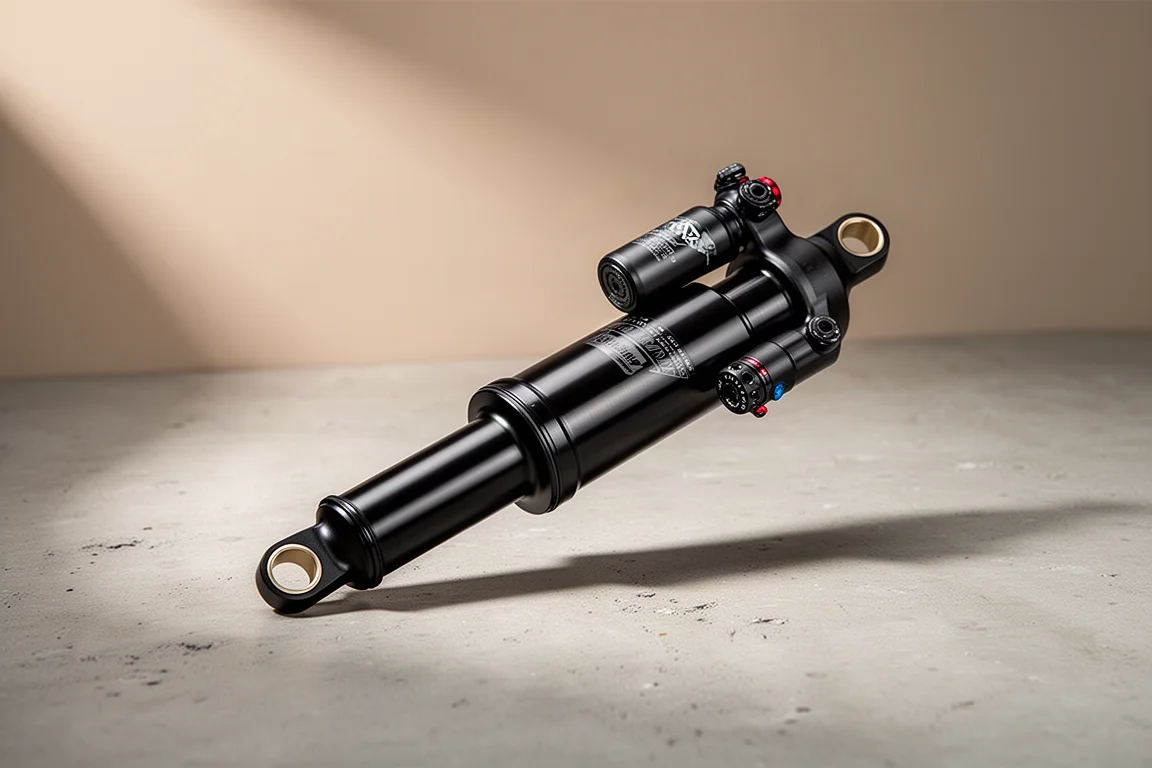
Fox Float X: Rear Shock on the Custom Build
The custom build’s frame shipped with the shock, headset, seat clamp and rear axle. The frame manufacturer offers several shock options, and the Fox Float X in its factory form was the one recommended as the best match for this particular budget and rider.
Suspension was set up to the manufacturer’s recommendations rather than fully tuned, and the fork ended up a little soft as a result. The rear end still soaked up small trail chatter without bobbing excessively, even with the climb lever left open.
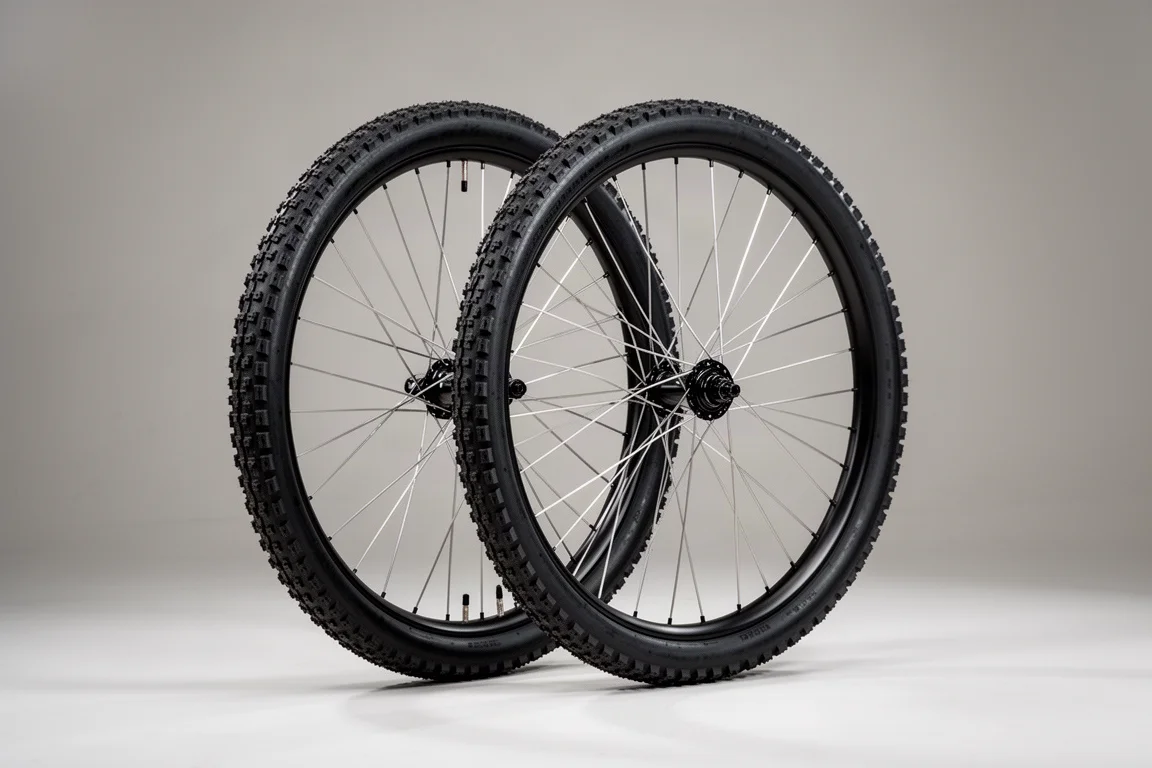
Hunt Trail Wide V2: Wheels on the Custom Build
Wheels are a classic place for manufacturers to save money on complete bikes, which is why the custom build directed budget here. The Hunt Trail Wide V2 has a strong record in aftermarket wheel testing, and the pair represents a clear step up from the Marin branded rims and Formula hubs fitted to the complete bike.
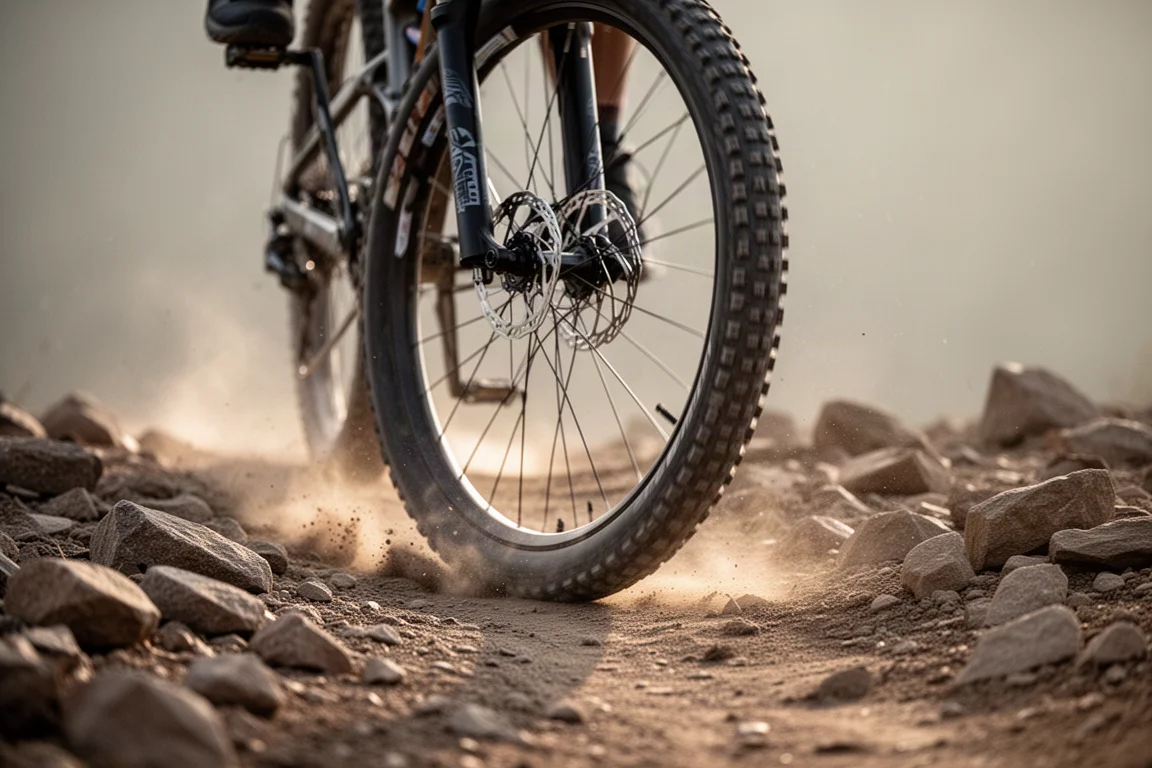
Wheel choice is also one of the easier places to feel a difference. Rotating weight and hub engagement shape how a bike picks up speed and how quickly it responds when the trail turns steep or technical.
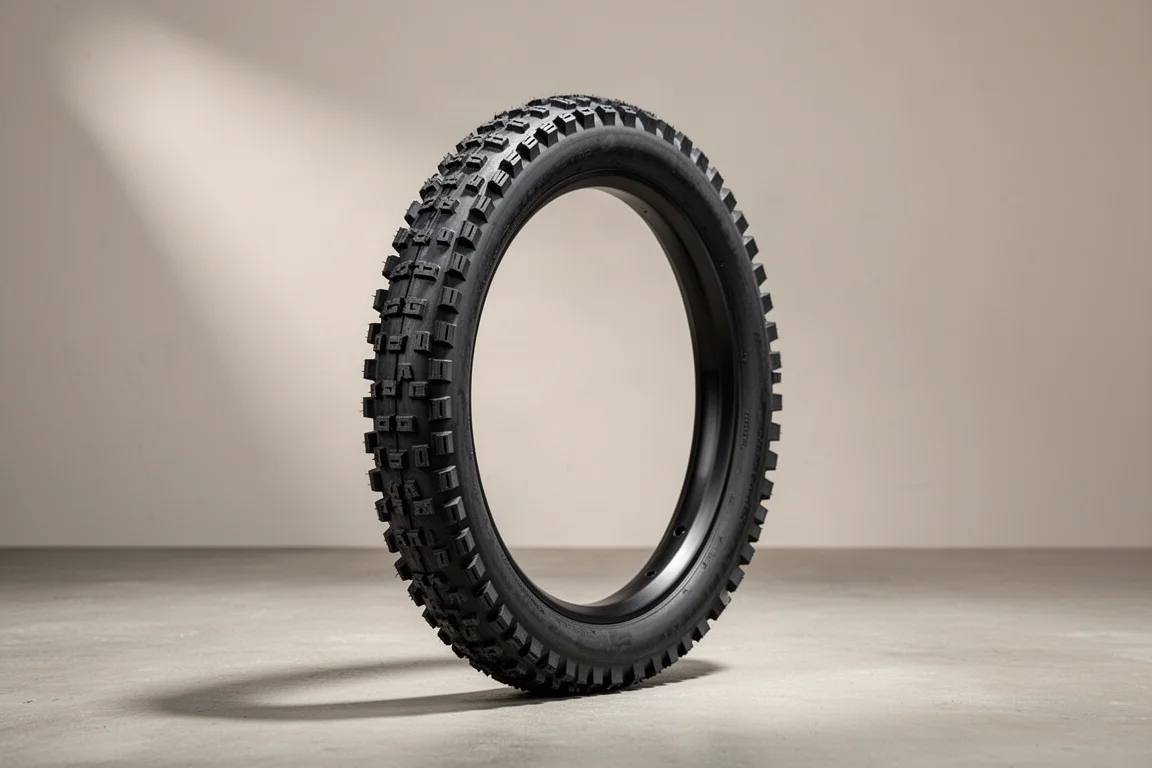
Specialized Butcher: The Front Tire
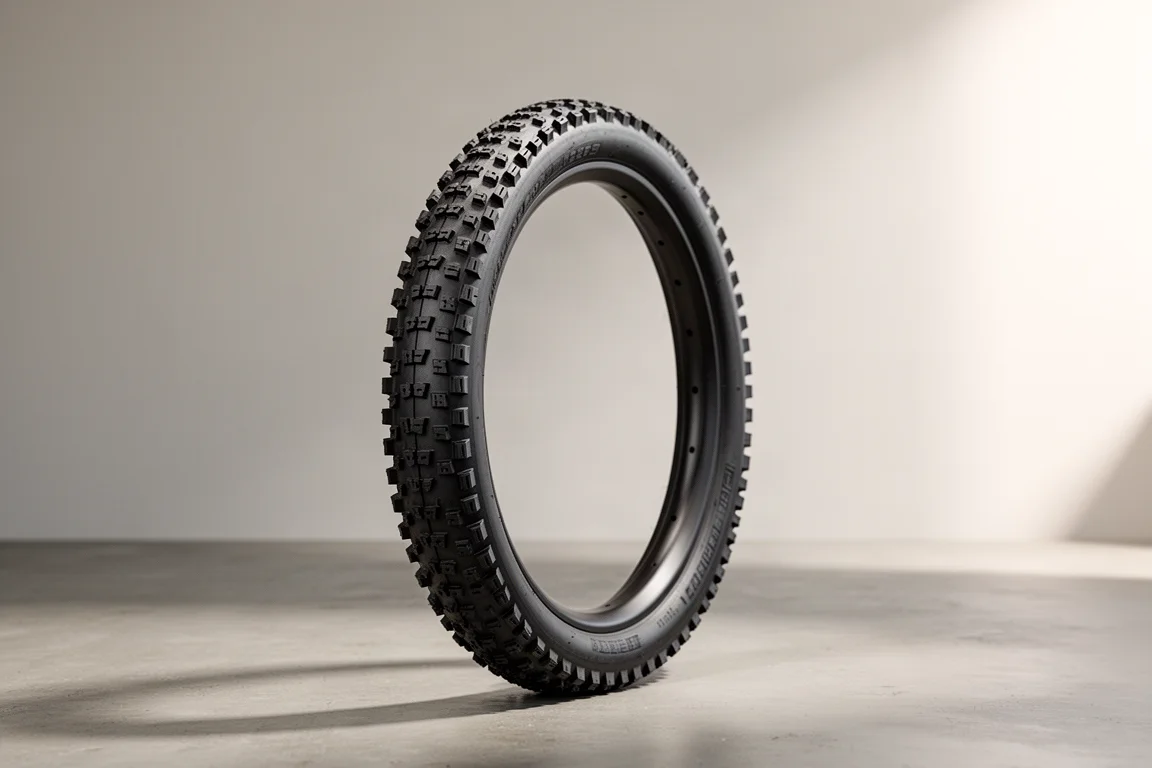
Tires are expensive, typically £50 to £80 each, and spending top money on them would have pulled budget away from the rest of the build. The build used a Specialized pairing that came in at around £70 to £75 for the two.
The Butcher went on the front, in a Grid Trail casing and the softer T9 compound. That is the conventional way to run a front and rear pair: more grip at the front, slightly faster rolling rubber at the back.
Specialized Eliminator: The Rear Tire
The Eliminator went on the rear, also in a Grid Trail casing but with the T7 compound, which is slightly harder than the front tire’s T9. The combination keeps the front end planted while reducing drag and wear at the rear.
Overall Buying Advice
Ridden side by side, both bikes came across as well sorted, with similar geometry on paper and similar weight. Both are fun downhill and neither is a chore on the climbs. What differed was how they felt. The custom build rode like an extra large, longer and more stable, while the Rift Zone XR felt more compact and easier to hop around.
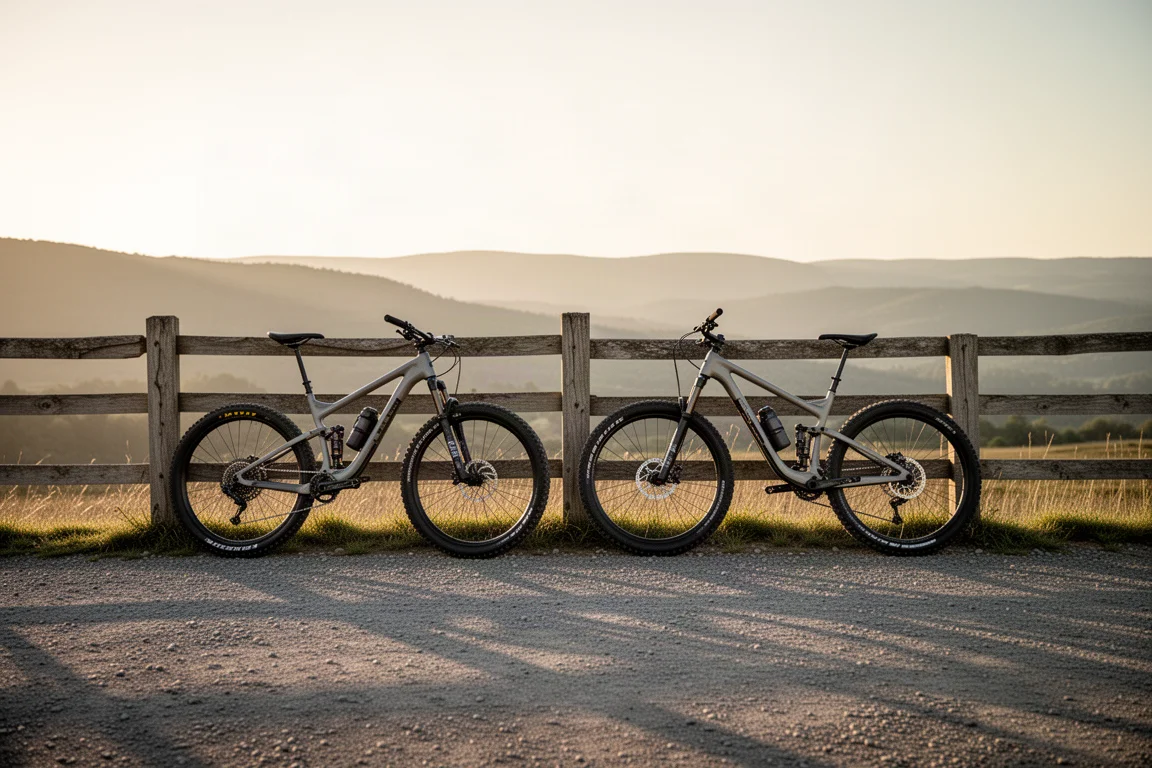
Choose the complete bike if convenience matters most. It works out of the shop, needs no parts research and no spreadsheets, and at £3,775 it gave away nothing meaningful in specification to a build costing around £4,000. Choose the custom build if you want to decide exactly which fork, shock, wheels, tires and finishing kit go on your bike, and if you enjoy comparing parts. The trade off is hours spent researching and assembling rather than riding.
Conclusion
At this price point, a custom build no longer guarantees better value. The complete Marin Rift Zone XR and the £4,000 frame up build finished within half a kilogram and a couple of hundred pounds of each other, and separating them required close attention to individual component choices.
The custom build wins on personalisation, because every part was selected against the rider’s own criteria instead of being supplied by a manufacturer. The complete bike wins on convenience, and it holds its own on specification with a fork and drivetrain that would be hard to match part by part without spending more.
Either route can be the right one. The deciding factor is which set of priorities matters more to the rider.
Further reading
Related Reviews
Mountain Bikes
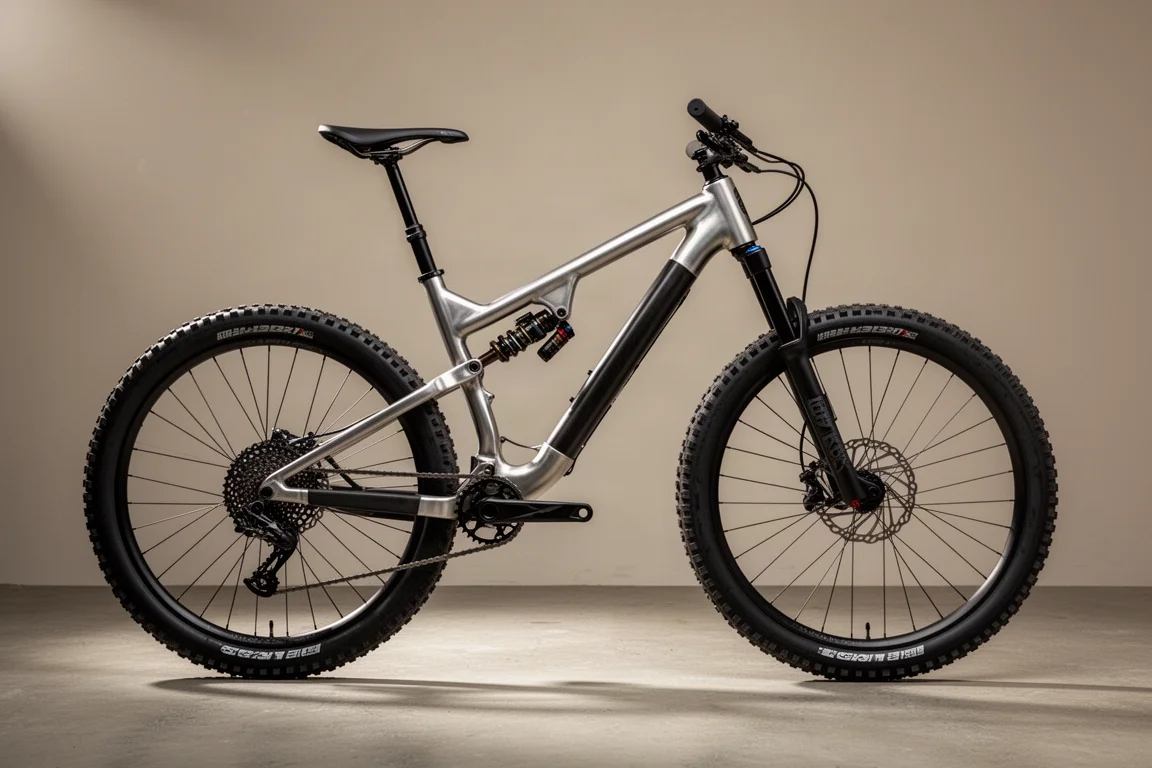
Atherton AM.130 Review: 3D-Printed Titanium Lugs and a 130mm Trail Bike That Descends Like a Bigger Machine
The Atherton AM.130 pairs 3D-printed titanium lugs with carbon tubes and a DW6 suspension platform. Here is how it rides, what the build delivers, and who it suits.
Mountain Bikes
Beginner Mountain Bike Buying Guide: What to Look For in a Trailworthy Hardtail
A practical framework for evaluating beginner mountain bikes, whether new or used, by examining key components that indicate real trail capability.
Mountain Bikes
Best Aluminum Mountain Bikes 2026: Five Alloy Bikes Worth Your Attention
Five aluminum mountain bikes that show how far alloy has come, from a 120mm trail bike and a versatile machined frame to a 180mm freeride machine.