Mountain Bikes
Marin Alpine Trail XR Review: A Value-Packed Enduro Bike With Real Pace
An aluminium enduro bike with 150mm of rear travel, RockShox Ultimate suspension and aggressive geometry, priced at £3,475. Here is what to weigh up before buying.
Introduction
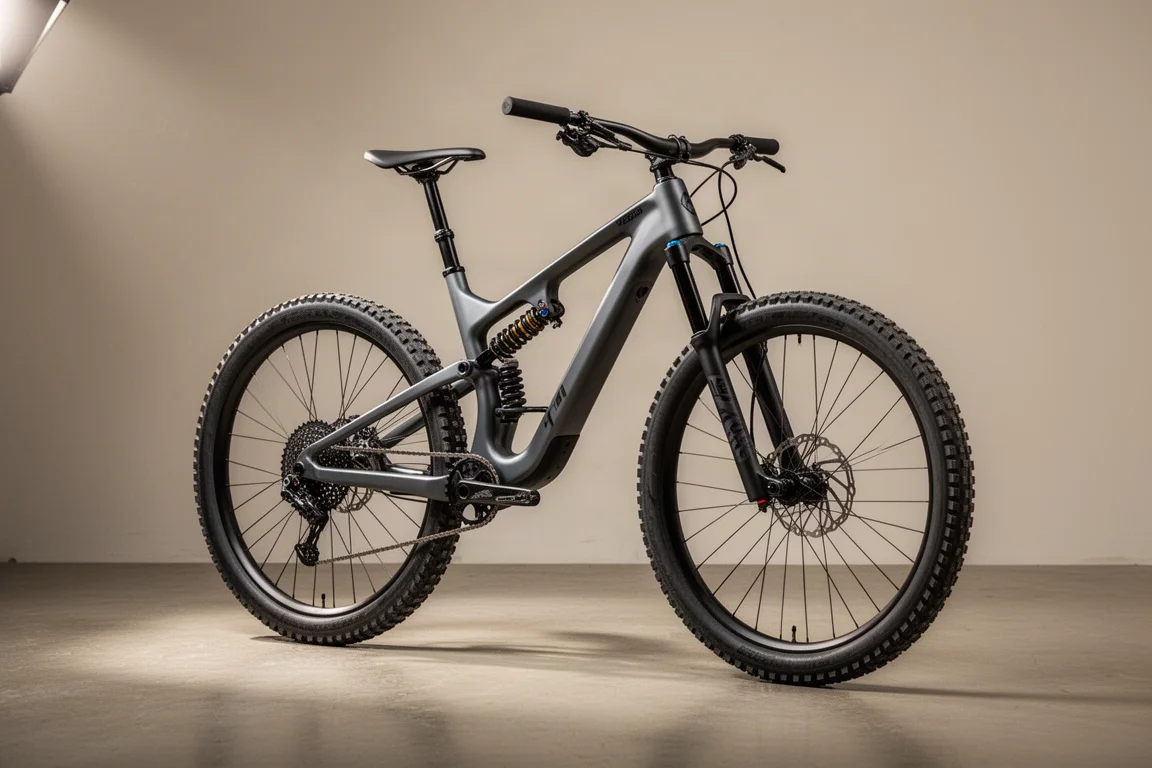
The Marin Alpine Trail XR is an enduro bike where travel and geometry take priority, and both are obvious at a glance. The head angle is visibly relaxed, the front end is stretched out, and the build looks burly enough for hard riding and racing. What is less obvious is the value on offer: at £3,475 the bike arrives with suspension dampers that plenty of considerably more expensive machines do not use. That combination of geometry, capability and kit is what makes it worth a serious look.
Who the Marin Alpine Trail XR Is For
This bike suits riders who want a confident descender that still climbs in comfort, whether that means enduro racing, aggressive trail riding or long days in the hills. The compact rear centre is shorter than many bikes with similar intentions, which helps smaller riders on the more compact frame sizes move the bike around easily. Taller riders on the larger frame sizes may find their weight sitting further over the rear wheel at times, so sizing and reach matter here.
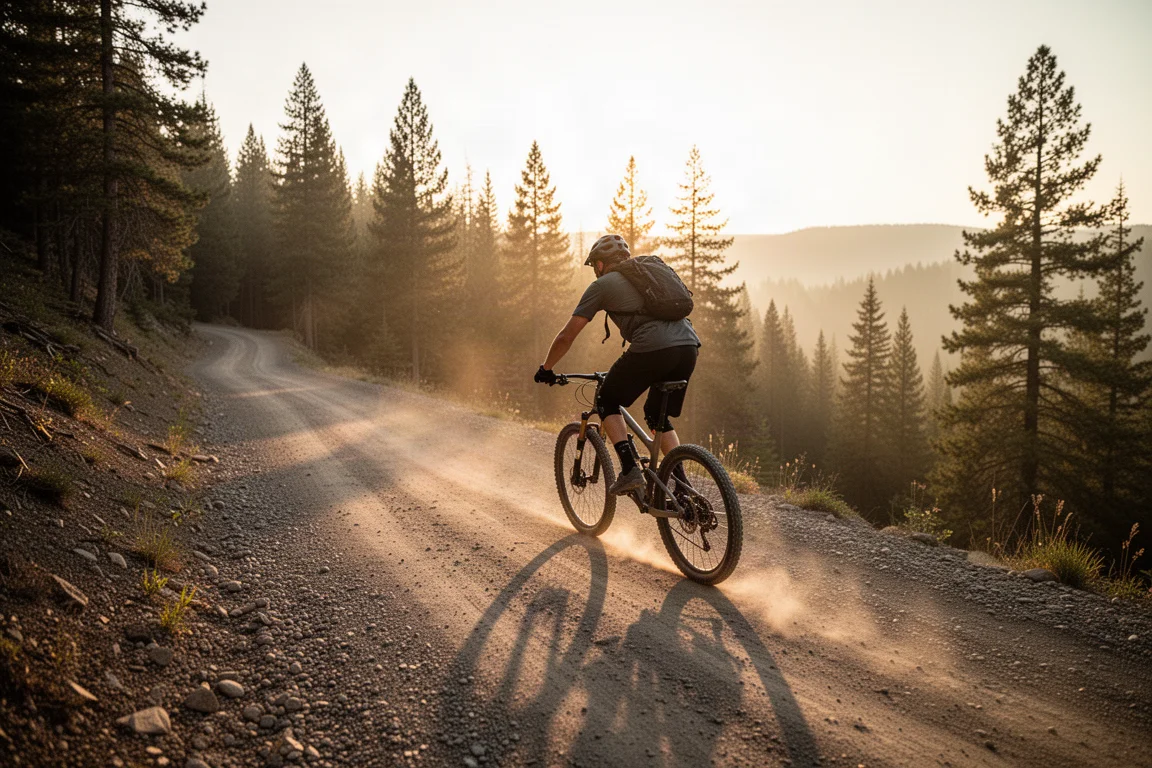
Riders who prioritise value will appreciate that the money goes into the frame, geometry and suspension rather than into a badge. Anyone chasing the lightest possible climber, however, should weigh up the complete build weight before committing.
Frame and Geometry
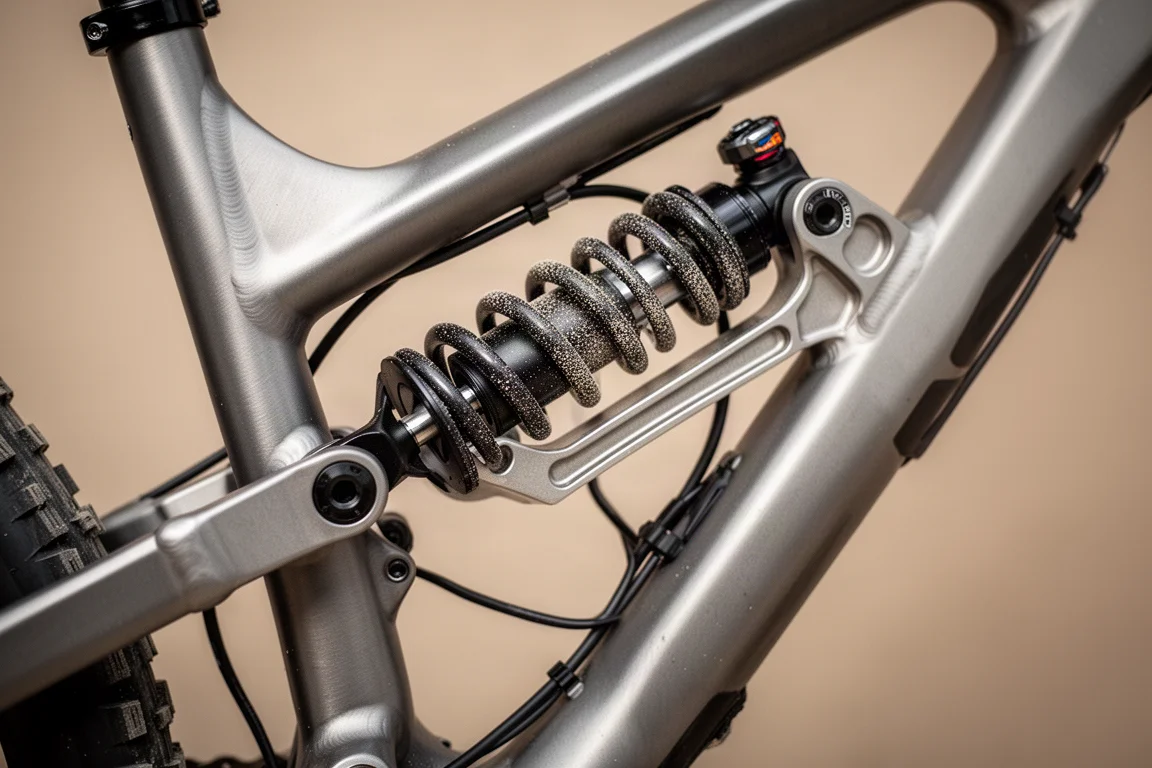
The frame is built from Marin’s Series 4 aluminium with a traditional layout rather than anything radical. The tubes are subtly shaped and curved, with extra reinforcement at the top and seat tube junction, and the top and down tubes meet early to bolster strength at the head tube junction. A one piece forged rocker link drives the rear shock, designed to be both stiff and strong so the suspension keeps working smoothly without unwanted flex.
The numbers are where the Alpine Trail XR makes its intentions clear. A 62.5 degree head angle puts it among the more extreme bikes in this category, while the 78.5 degree seat tube angle is one of the steepest around and creates a comfortable seated position on climbs. A 455mm reach and an 810mm front centre contribute to stability at high speed, and the 335mm bottom bracket is genuinely low. That low bottom bracket lowers the centre of mass and helps the bike feel confident through turns, though it also raises the chance of clipping pedals on the ground or into rocks. All frames get bottle cage mounts, internal cable routing and integrated frame protection in the right places.
Suspension and Component Spec
Rear wheel travel is 150mm, delivered by Marin’s MultiTrac platform, a single pivot design with a linkage driving the shock. On paper that is less travel than some enduro counterparts, but the spec sheet is where the value story gets interesting. A RockShox Lyrik Ultimate fork with the Charger 2.1 RC2 damper offers external adjustment of high and low speed compression plus rebound, and the rear uses a Super Deluxe Coil Ultimate RCT shock. Bikes costing considerably more than this do not always use dampers at this level.
Drivetrain is a mix: a Shimano XT 12-speed rear derailleur paired with an SLX 10-51 tooth cassette and SLX shifter, driven by FSA Gradient cranks. Braking comes from Shimano four-piston brakes with the more affordable non-Servo Wave levers. Marin’s own brand bar, stem, rims, saddle and grips fill out the rest of the build and look and feel like quality parts. Tyres are Maxxis Assegai front and rear, with a lighter EXO+ casing up front and a tougher DoubleDown casing at the back.
One quirk worth noting before you ride it: the bike ships with the faster rolling 3C MaxxTerra compound up front and the slower 3C MaxxGrip at the rear, and swapping them round is worth doing.
How It Rides
Climbing is not the Alpine Trail XR’s strongest suit, partly because of the overall weight and partly because of the drag from the MaxxGrip compound at the rear. The steep seat angle does most of the work here: it encourages a comfortable, upright position with the hips sitting over the bottom bracket rather than behind it, which makes for efficient pedal strokes. The suspension hunkers down a little under power but stays relatively calm while spinning, and the shock’s low speed compression lever is easy enough to reach when you want to firm things up.
Point it downhill and the bike feels rapid. The reasonably stiff frame makes pedalling feel efficient, and stability builds as speed rises. The short back end and taut frame make it easy to flick about or loft into the air, so getting sideways on the trail comes naturally. Through high speed loose turns there are moments where holding weight over the front wheel takes a little more effort to keep the front tyre gripping, which is rare on a medium frame but may show up more often for taller riders on bigger frames. A slightly longer rear end would improve things further.
The relaxed head angle, low bottom bracket and lengthy front centre add up to a seriously confident descender. With 150mm of travel it cannot smooth the biggest impacts in quite the same way as longer travel bikes, which can feel more composed and less frantic when barrelling through rock gardens at speed. Even so, the supple initial part of the shock stroke keeps the tyre connected to the dirt, there is support through the middle of the travel, and big hits feel controlled rather than harsh through the final few millimetres.
Main Strengths
The standouts are value and character. Few bikes at this price carry Ultimate level suspension front and rear, and the geometry is genuinely aggressive without making the bike awkward to live with. It climbs comfortably thanks to that steep seat angle, and it descends with a stability and composure that flatters the rider.
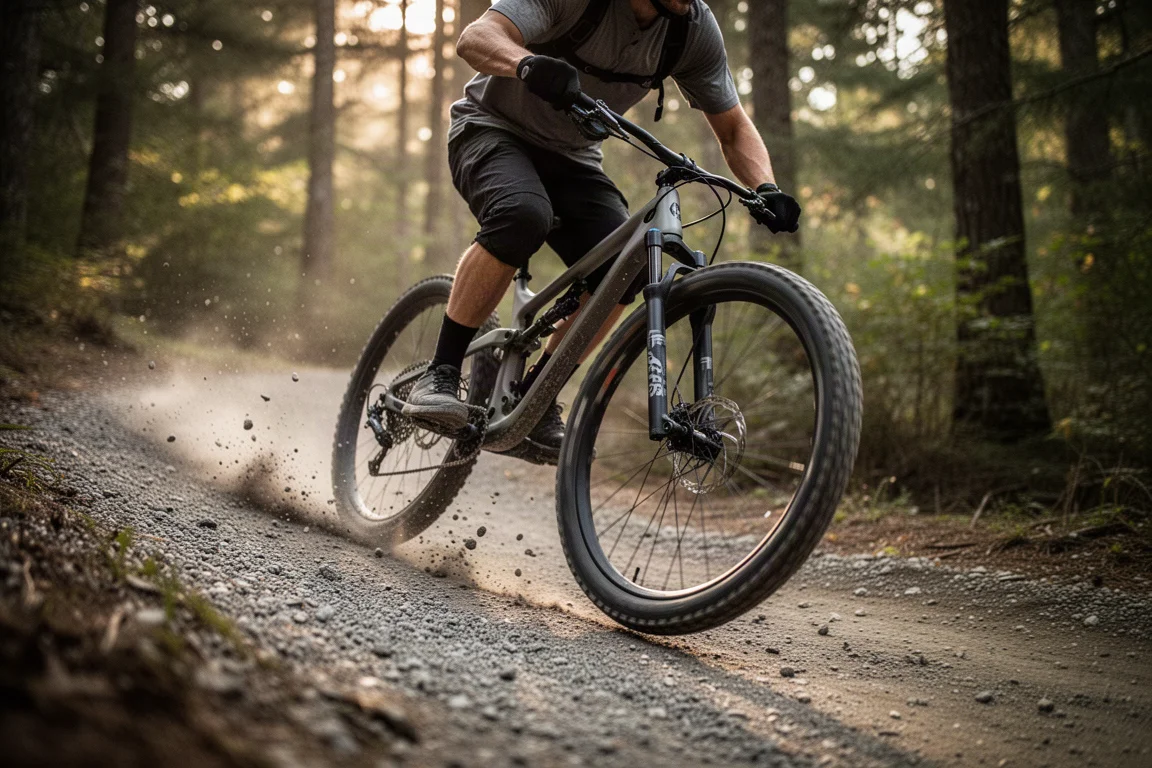
It is less of a refined supercar and more of a rough and ready muscle car: masses of stability and fun, with real potential on pretty much any trail. The 150mm travel figure may read modest on paper, but the way the suspension puts its travel to work means the bike still feels capable when the terrain gets rough.
Things to Consider Before Buying
A few small details hold the bike back. The 35mm diameter bars feel overly stiff for lighter riders, transmitting more feedback through the hands on rougher trails, and switching to a narrower 31.8mm alloy bar and stem made a noticeable difference to comfort. The Shimano brake levers offer a punchy initial bite but lack the outright grunt of their pricier counterparts when you are trying to shed speed quickly on longer descents, and a larger rear rotor would be a meaningful help.
On a medium frame, fitting a bottle cage and bottle proved awkward: once the bottle is in place, the shock reservoir fouls it when the shock compresses, and moving the cage up the mount did not solve the problem. Heavier riders, and anyone chasing the lightest possible build, should also factor in the complete bike weight.
Buying Advice
At £3,475 the Alpine Trail XR is a strong proposition, and the sensible approach is to judge it on the frame, geometry and suspension, since those are the expensive parts to change later. Everything on the shortlist of improvements is small, cheap and easy to live with, which is a good sign at this price.
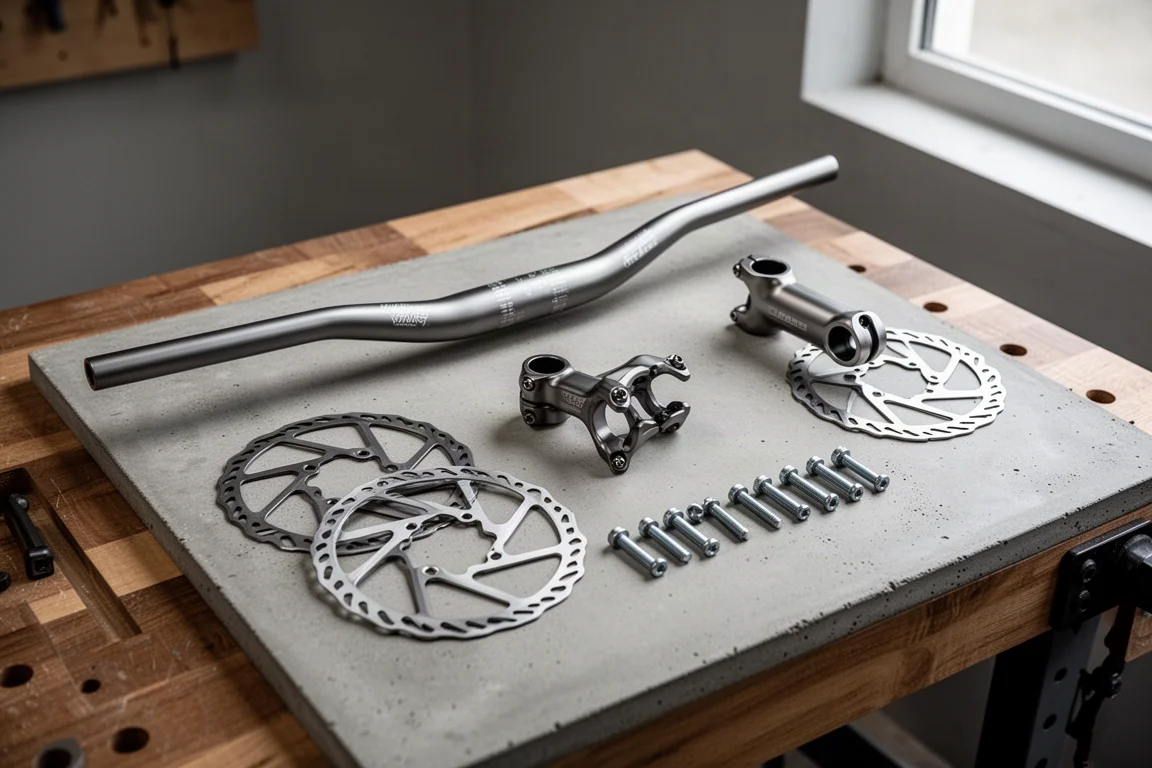
If you are a lighter rider, or you ride long rough descents, budget for a thinner bar and stem and consider a bigger rear rotor. Swapping the tyres so the faster compound sits at the rear costs nothing but time. Riders who want maximum composure in the roughest terrain may prefer a bike with more travel front and rear, but if you want a fast, playful and well equipped enduro platform without paying a premium, this one deserves a place on your shortlist.
Conclusion
The Marin Alpine Trail XR is not perfect, and there is room to refine the spec, but the positives are hard to argue with. It has a cheeky character and a genuine turn of speed, the geometry is confidence inspiring, and the suspension kit is remarkable at the price. For riders who want a capable, fun enduro bike that climbs comfortably and descends with stability, it is an easy bike to recommend.
Product link
View more details for Marin Alpine Trail XR
This product is mentioned in the review. Check the specifications, options, and compatibility before buying.
View more details for Marin Alpine Trail XRFurther reading
Related Reviews
Mountain Bikes
Atherton AM.130 Review: 3D-Printed Titanium Lugs and a 130mm Trail Bike That Descends Like a Bigger Machine
The Atherton AM.130 pairs 3D-printed titanium lugs with carbon tubes and a DW6 suspension platform. Here is how it rides, what the build delivers, and who it suits.
Mountain Bikes
Beginner Mountain Bike Buying Guide: What to Look For in a Trailworthy Hardtail
A practical framework for evaluating beginner mountain bikes, whether new or used, by examining key components that indicate real trail capability.
Mountain Bikes
Best Aluminum Mountain Bikes 2026: Five Alloy Bikes Worth Your Attention
Five aluminum mountain bikes that show how far alloy has come, from a 120mm trail bike and a versatile machined frame to a 180mm freeride machine.