Bookshelf Speakers
March Audio Sointuva Review: A Passive Bookshelf Speaker With Serious Engineering
A two-way passive bookshelf speaker with a beryllium tweeter, Purifi midwoofer, and unusually thorough cabinet damping, priced around $4,000 per pair.
Introduction
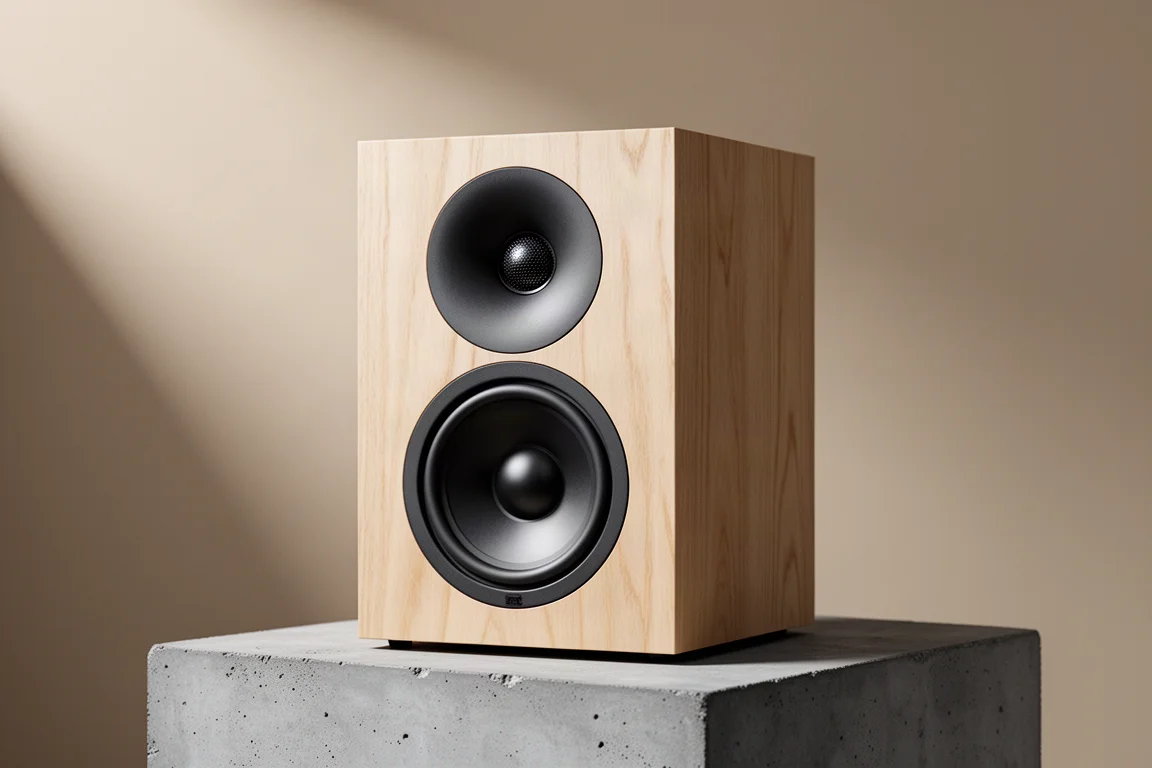
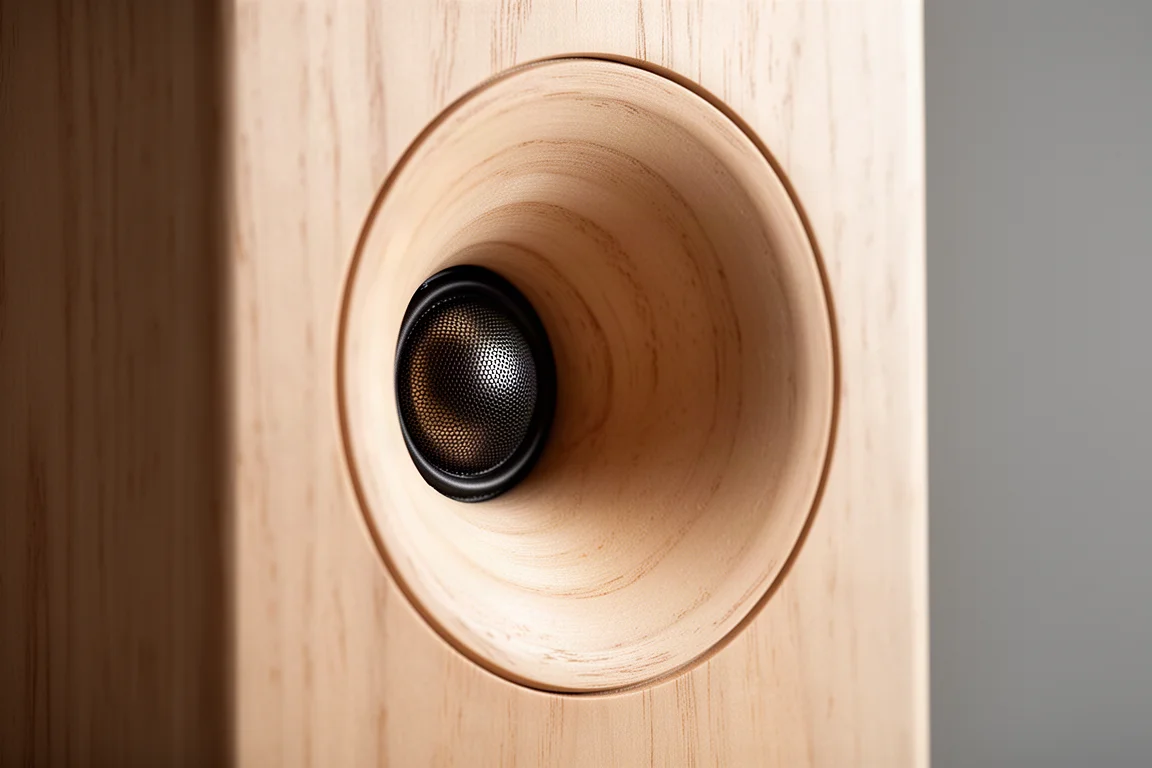
The March Audio Sointuva is a passive two-way bookshelf speaker built in Australia and sold at roughly $4,000 per pair. It pairs a Satori beryllium tweeter mounted in a large waveguide with a Purifi midwoofer, and it uses two Purifi passive radiators on the rear panel instead of a conventional port.
On measured performance, the Sointuva sits at the top of the passive bookshelf category. Its listening window, early reflections, and sound power curves are unusually well controlled, and its estimated in-room response is clean. For listeners who care about linearity both on and off axis, this is a serious candidate rather than a curiosity.
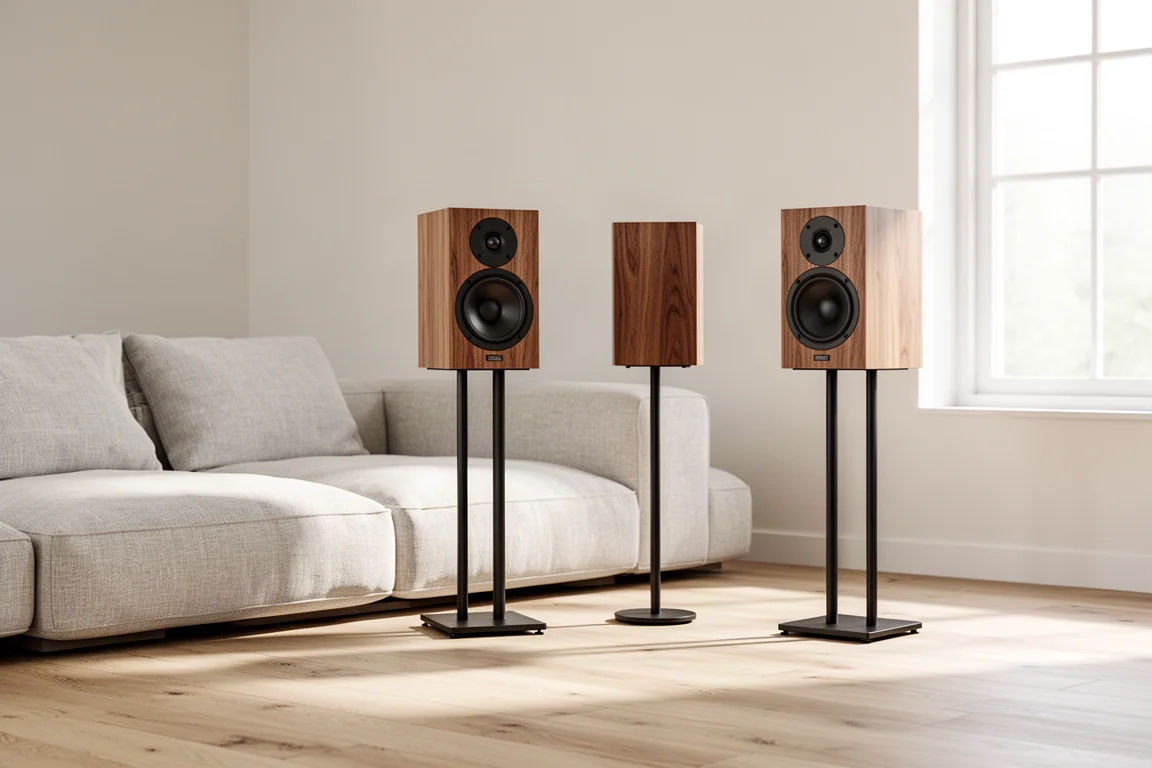
What makes the design interesting is that its strengths are not limited to frequency response. The cabinet is heavily damped, the drivers are low distortion units, and the speaker can play loudly without the compression that normally limits small passive cabinets.
Who This Speaker Is For
This is a speaker for listeners who want a stand-mounted passive design that behaves like a much larger system. It suits people who already own, or are willing to buy, an amplifier with genuine current delivery, and who understand that a cabinet of this size will not deliver the lowest octaves on its own.
It also suits anyone who values consistent off-axis behaviour. The directivity is controlled across the midrange, so the speaker holds its tonal character across a reasonably wide listening area instead of collapsing into a narrow sweet spot.
It is not aimed at buyers who want to run a compact system from an AV receiver without further thought, or who expect full-range bass from two small boxes.
Main Strengths
The measurement set shows a well-controlled listening window, early reflections, and sound power. The sound power result is the strongest seen in this category, which is notable because a typical two-way design usually sheds far more energy as frequency rises. The waveguide is doing real work here, keeping directivity in line rather than letting it drift.
There is a deliberate high-frequency lift on axis. Viewed alone, that looks like a risk, but the estimated in-room response explains the intent. The radiation pattern narrows above roughly 5 kHz, so less high-frequency energy reaches the sidewalls and returns as reflected sound. The direct sound from the tweeter therefore dominates at the top end, while the midrange keeps a wide, even spread into the room.
Horizontal directivity is consistent from about 200 Hz to 4.5 kHz at roughly plus or minus 60 degrees, then narrows above 5 kHz. That combination is what keeps the treble lift from reading as brightness.
Output capability is the other headline. At 96 dB at one meter, the speaker does not cross the 3 percent distortion threshold until about 60 Hz. Compression stays within limits until 50 Hz at 102 dB for a single speaker, which translates to roughly 92 to 94 dB at four meters for a stereo pair in a room. In practice, around 100 dB at three meters was reachable before the midwoofer or the passive radiator began to make itself heard.
Sensitivity is low, close to 83 dB, so this performance depends entirely on having a capable amplifier behind it. The low distortion drivers are what allow the level to climb without the usual penalties.
Build Quality and Cabinet Damping
Cabinet construction is where this speaker separates itself from almost everything else. The interior walls are lined with a constrained layer damping material of the bitumen type familiar from car audio, and the cavity is filled with roughly an inch of batted fiberfill rather than loose polyfill. A dowel rod braces the cabinet internally.
The result is a box that resists vibration more effectively than most passive speakers at any price. It is the most thorough vibration-control effort seen in a passive or active design to date, and it is the kind of detail that rarely appears in photographs but shapes the sound.
Finish options come directly from the manufacturer. The sample finish is a natural, unfinished-looking wood, and buyers who prefer a conventional paint scheme or a flat black cabinet can specify alternatives. Custom finishes are also offered.
Things to Consider Before Buying
Low sensitivity and low impedance are the main practical constraints. Average impedance sits near 4 ohms with a minimum around 3.8 ohms, and sensitivity is in the region of 83 dB. This speaker wants an external amplifier with real current delivery. Roughly 220 watts into 4 ohms was used to drive it during evaluation. Some AV receivers may cope, but that is unlikely to be the intended pairing at this price.
Bass extension is respectable for the cabinet size but not complete. The F3 figure sits somewhere in the 50 Hz region, possibly a little lower, and usable output reaches roughly 40 Hz. That covers the basic range of most music, but anyone wanting genuine low-frequency weight should plan on adding a subwoofer.
There is also a directivity mismatch in the vertical plane at around 2 kHz, caused by the spacing between the tweeter and the midwoofer combined with the large waveguide, which measures about seven inches across. It appears in the vertical data, not the horizontal data, so sidewall reflections stay consistent. Steep crossover slopes or DSP would be needed to eliminate it, and neither is part of this passive design.
Finally, the on-axis high-frequency lift is intentional rather than an oversight. Listeners who prefer a recessed top end may find it slightly forward, though during evaluation it did not come across that way at all.
Amplification and Setup Notes
The evaluation setup ran the speaker at about three meters from a Parasound Hint 6 amplifier delivering roughly 220 watts into 4 ohms. At that distance and power level there was ample dynamic headroom at normal listening volumes, and the compression data supports the same conclusion.
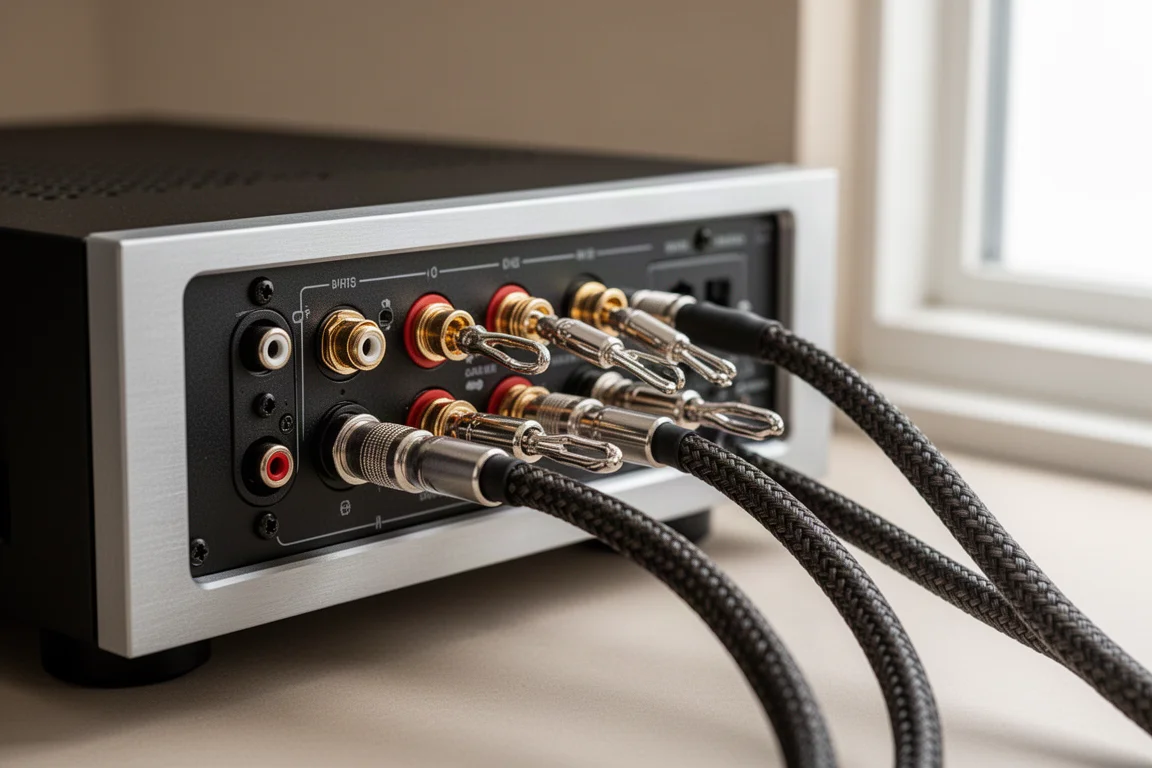
Buyers should budget for an amplifier with similar capability, along with solid speaker cable and a rigid stand or shelf. Given the low sensitivity and 4 ohm load, skimping on amplification is the quickest way to leave performance on the table.
Buying Advice
At around $4,000 per pair, the Sointuva competes with established passive bookshelf designs from well-known brands. What separates it is the combination of low distortion drivers, tightly controlled directivity, and cabinet damping that goes well beyond the norm. The trade-offs are equally clear: low sensitivity, a 4 ohm load, and bass that stops short of the lowest octaves without a subwoofer.
If the system will be driven by a capable amplifier and a subwoofer is either planned or unnecessary for the room, this is a straightforward recommendation. Anyone expecting an AV receiver to drive it, or wanting full-range bass from the cabinets alone, should review the requirements first.
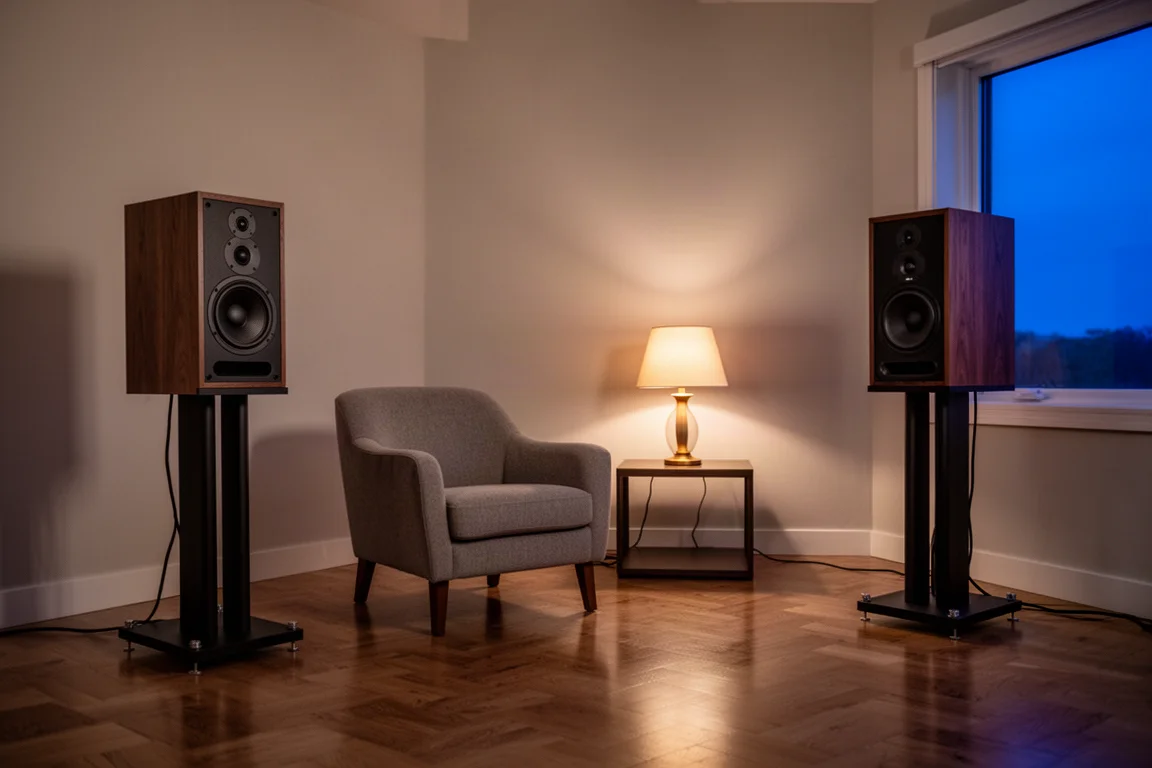
Finish is worth a moment of thought as well. The natural wood look is distinctive, and the manufacturer offers alternatives, so it is worth checking the available options before ordering to make sure the cabinet suits the room.
Conclusion
The March Audio Sointuva earns its place among the best passive bookshelf speakers available today. Its measured linearity, controlled directivity, and exceptional cabinet construction give it a level of refinement that is hard to fault, and its output capability is far greater than the sensitivity figure suggests. Pair it with adequate amplification, add a subwoofer if deep bass matters, and it will reward the investment for years.
Product link
View more details for March Audio Sointuva
This product is mentioned in the review. Check the specifications, options, and compatibility before buying.
View more details for March Audio SointuvaFurther reading
Related Reviews
Bookshelf Speakers
Acoustic Energy A100 Mark II Review: A Compact Standmount With an Expansive Soundstage
The Acoustic Energy A100 Mark II brings clarity, natural tonality and a wide soundstage to an entry-level standmount, with a few setup details worth knowing first.
Bookshelf Speakers
Acoustic Energy AE-100 Mark II Review: Compact Bookshelf Speakers With Standout Imaging
A compact British two-way bookshelf speaker with deep, layered imaging, fast bass, and a slight treble lift to weigh against a crowded $500 field.
Bookshelf Speakers
Acoustic Energy AE100 MK2 Review: Measured Performance and Four Alternatives
A close look at the Acoustic Energy AE100 MK2 bookshelf speaker, what its measured performance reveals, and four alternatives with different trade-offs.