Hi-Fi Audio
Marantz SACD 10 Review: A Flagship SACD/CD Player That Works Just as Hard as a DAC
An in-depth look at the Marantz SACD 10, an in-house-engineered SACD and CD player with a 33 kg chassis, its own DSD conversion path and flexible digital inputs.
Introduction
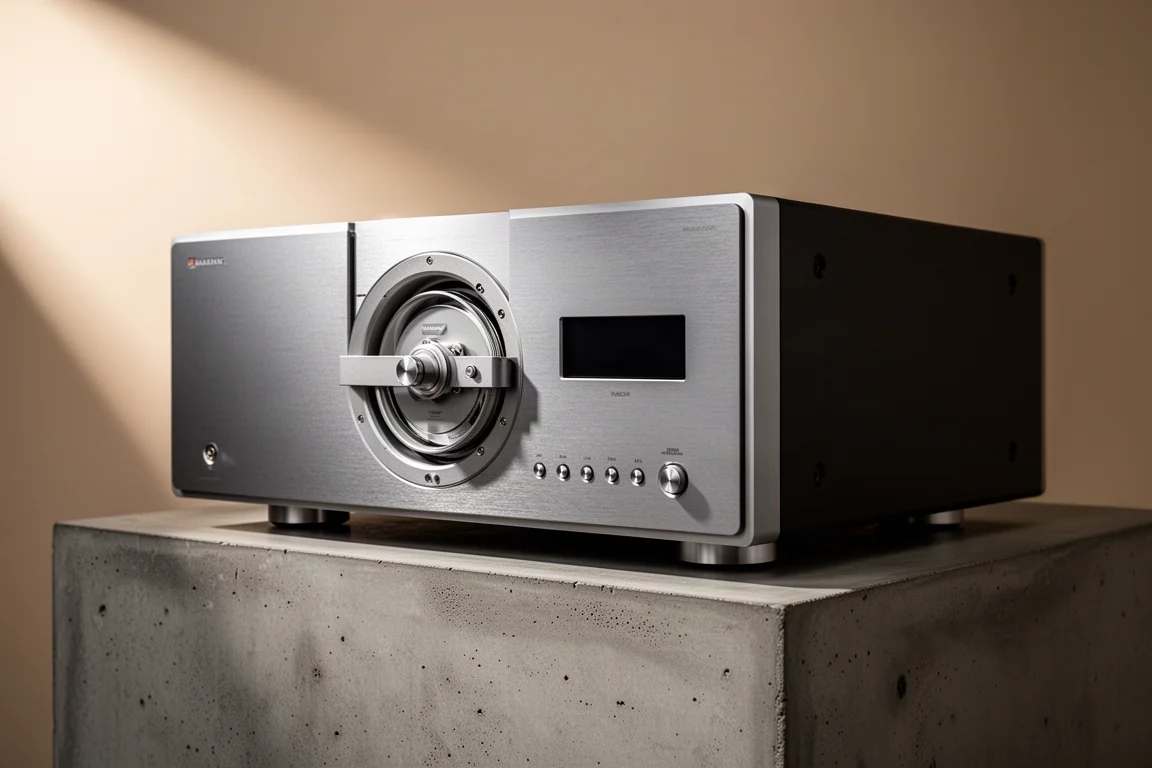
Marantz describes the SACD 10 as the best CD and SACD player it knows how to make. Every manufacturer makes a similar claim about its flagship, so the more useful question is what actually sits behind the claim: a disc mechanism designed and built in-house, a digital-to-analogue stage that is entirely Marantz’s own design, and a chassis that weighs 33 kg. It also costs around €12,000, which is a serious number next to the more affordable players in this category.
This review covers what the SACD 10 does well, who it suits, and the compromises worth knowing about before buying.
Who This Player Is For
The SACD 10 suits listeners who want two things in one box: a serious disc player and a serious digital-to-analogue converter. It reads CDs and SACDs from a motorised tray, and it also accepts digital sources through two Toslink inputs, one coaxial input and a galvanically isolated USB-B input. Selecting any of those inputs automatically powers down the disc transport.
That combination makes it a natural fit for a system where a CD and SACD collection still matters but most listening happens through an outboard streamer. It is a weaker fit for anyone who wants streaming built in. The Grimm MU2 bundles a Roon server, Roon and Tidal Connect streaming and an analogue preamp into a single box, and it sells for roughly 50 percent more than the Marantz.
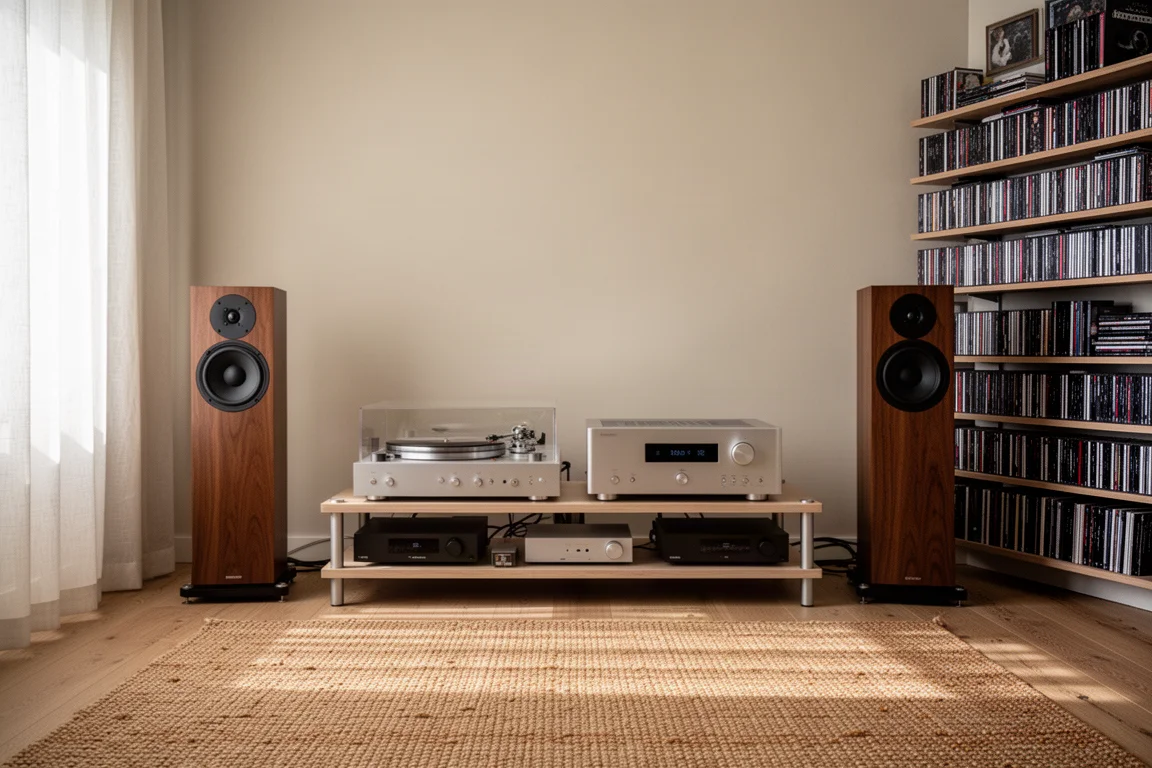
Price is the other filter. At around €12,000, the SACD 10 is a different proposition from the cheaper players in this category, and the build quality gap is obvious the moment you lift one.
Main Strengths
Build Quality and the Disc Mechanism
At 33 kg, the SACD 10 weighs more than three times as much as the Shanling SCD 3.3, and the extra mass is structural rather than decorative. Inside is a triple-layer copper-plated bottom chassis plate that isolates the internal sub-enclosures from one another, and those sub-enclosures are also made of copper. The outer cabinet uses solid aluminium side panels and a top plate more than a centimetre thick, and the feet are copper-cored aluminium.
The disc mechanism is the SACD 3M, built at Marantz’s Shirakawa facility. The motorised tray is slow to start sliding out, but the mechanism itself is smooth and quiet, and it feels considerably less fragile than a flip-up lid. Because discs load into a tray, the player also does not demand top-shelf positioning the way some top-loading designs do. Every switch and button feels appropriately expensive, and Marantz fits two dedicated transformers and power supply circuits, one for the digital stages and one for the analogue stages, to keep switching noise from the mechanism and the digital clocks away from the analogue power rails.
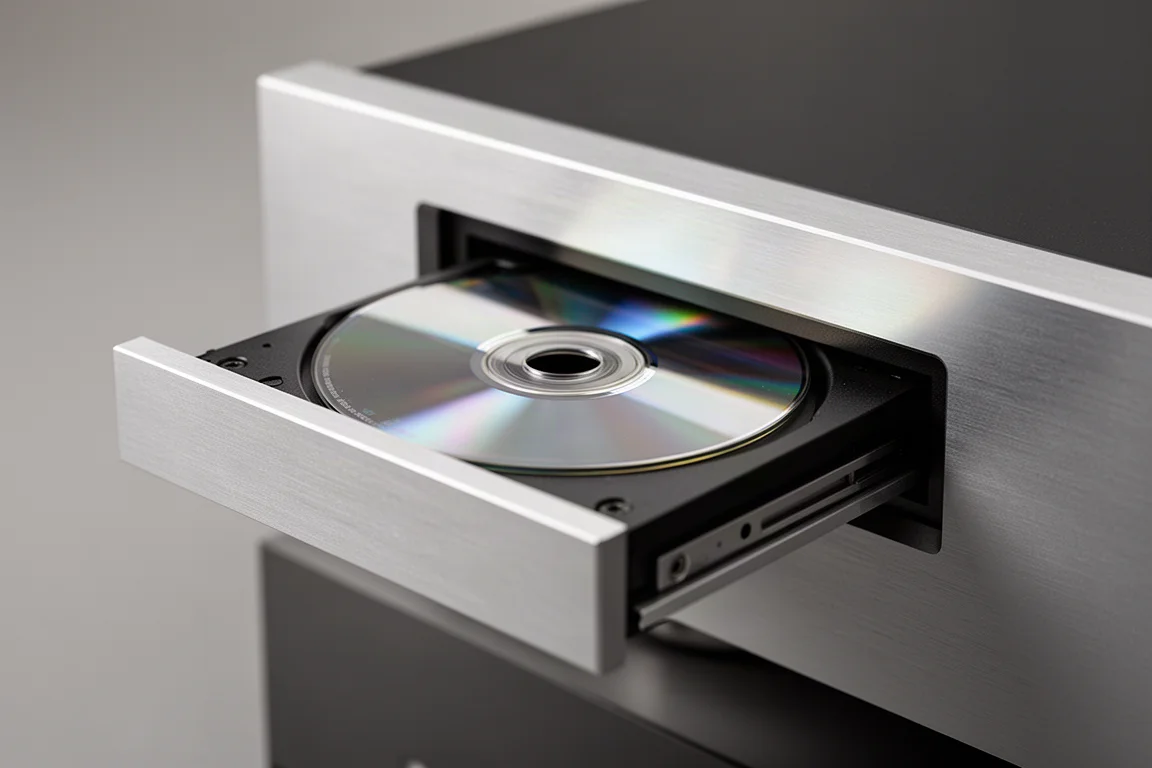
Taken together, the chassis, the copper sub-enclosures and the separate supplies are the main reason the SACD 10 feels like a far pricier product than the players it competes with.
Digital Conversion and Connectivity
The conversion circuit is called Marantz Musical Mastering. It converts everything to a high-rate DSD stream, and a passive low-pass filter then produces the analogue output. An SACD’s native DSD64 stream is upsampled to DSD256 before filtering, and CD PCM data takes the same route. There is no off-the-shelf DAC chip and no R2R ladder. Because Marantz builds the whole chain itself, the DSD stream stays in the DSD domain from disc to analogue output, which is not true of every player at this level.
The analogue output stage and the built-in headphone amplifier both use the latest SA3 generation of Marantz’s HDAM discrete circuitry, built without op-amps. The back panel offers two sets of analogue outputs, single-ended RCA and balanced XLR, plus coaxial and Toslink outputs for anyone who wants to use the player purely as a transport. A USB-A socket allows file playback from USB storage, browsed through the front panel display rather than from a computer.
There is also a useful set of advanced audio settings: two digital filters, three dither options and four noise shaping settings. The differences are subtle, as they usually are, but they let you tilt the presentation slightly from sharp and detailed toward something smoother and more rounded.
Listening Notes and Voicing
Against the Shanling SCD 3.3, the SACD 10 stages wider and noticeably taller. That extra headroom lets a dense recording such as Genesis’s Foxtrot spread out without losing weight or body. With ambient techno, it trades upfront density for something more understated and, paradoxically, more complex and heavier. Talk Talk’s Spirit of Eden comes across as more internally spacious, and on a brighter recording such as Caribou’s Up In Flames the extra weight takes the edge off without blunting detail.
The comparison with the Grimm MU2 is more interesting, because the two are voiced differently rather than ranked. The MU2 pushes transparency and clarity further and sounds tighter and leaner in the bass. The SACD 10 counters with more bass weight, a creamier top end and a more muscular character on abstract electronic material. Neither converter is better than the other, and the filter, dither and noise shaping options let you move the Marantz closer to the MU2’s presentation, though not all the way there.
On SACD playback specifically, the picture is more nuanced than format debates suggest. Switching from the CD layer to the SACD layer of a dual-disc reissue adds more air around guitars and drum hits and a step up in tonal colour. Comparing that reissue’s CD layer with an original 1991 CD pressing, however, revealed a larger jump in clarity and space, which suggests much of what sounds like an SACD advantage is really the remaster at work.
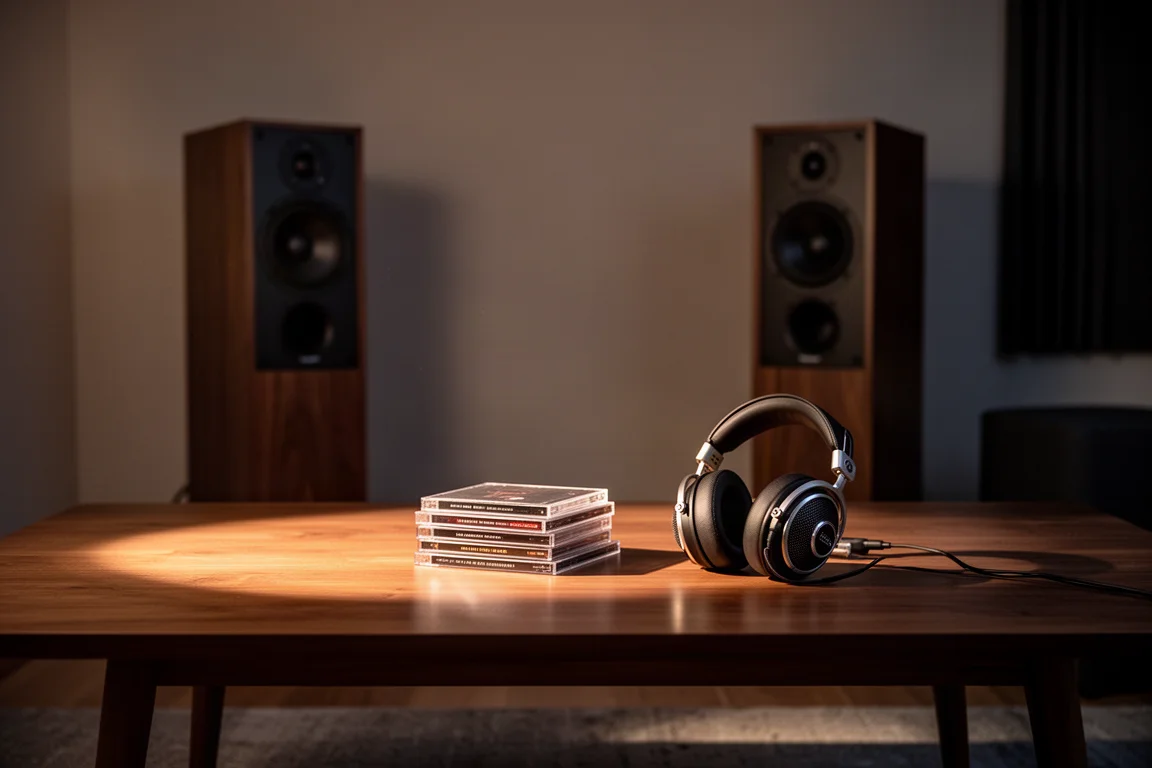
Overall, the SACD 10 leans warm and full rather than clinical, and the settings menu gives you enough range to nudge it in either direction.
Things to Consider Before Buying
The headphone output is the clearest compromise. Tonally it is fine, but it cannot match the FiiO K17 for dynamics and slam, particularly with demanding planar headphones. Switching to the high gain setting makes things louder without restoring the missing bass authority, because gain is not power. With a modest 130 mW into 32 ohms from the quarter-inch jack, plan on easy-to-drive headphones, or treat the headphone output as a small side dish rather than the main course.
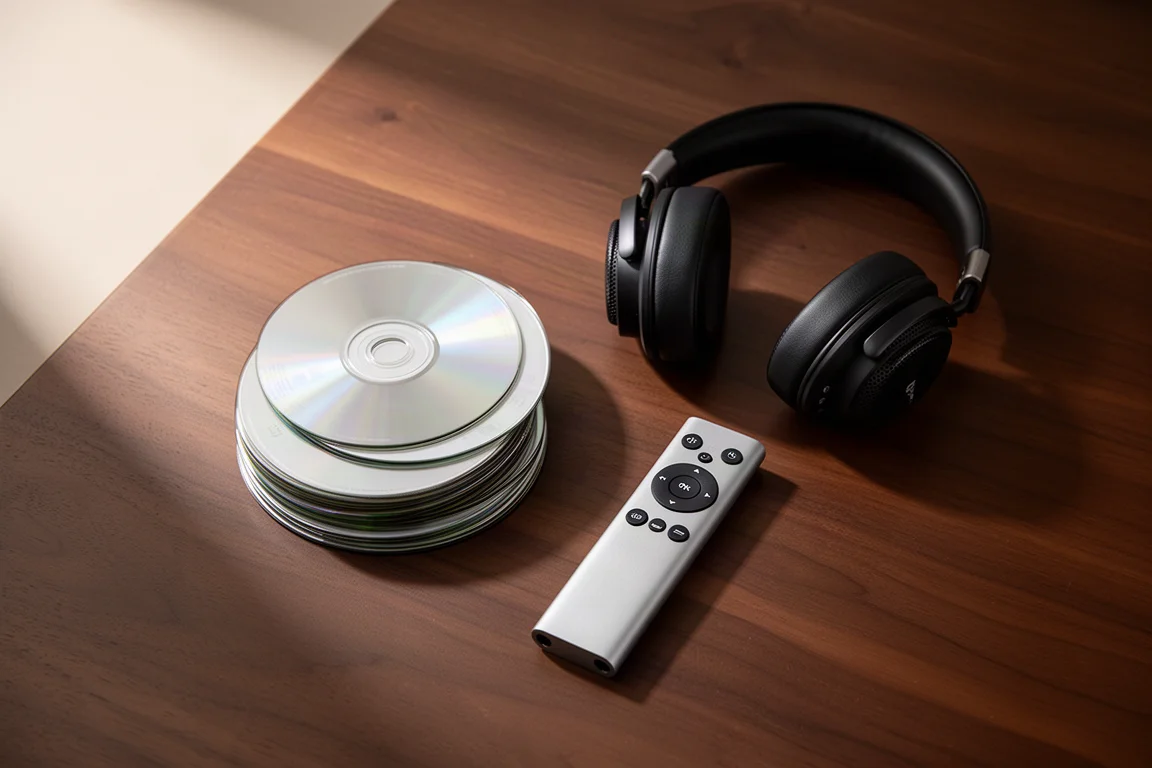
The supplied remote control is basic and does not match the luxury feel of the player itself. There is also no streaming built in, so most owners will want a separate streaming transport. Pairing the SACD 10 with something like an EverSolo T1 or T10, or adding a FiiO K17 to solve the headphone question, still comes in under the cost of the Grimm MU2 on its own.
Finally, the motorised tray is slow to start sliding out, and the price is a genuine consideration, since this player costs several times more than the entry points in this category.
Buying Advice
The most honest way to think about the SACD 10 is as an extremely heavy, extremely well-made and superb-sounding DAC that also happens to read SACDs and CDs. If your listening is split between discs and digital sources, that framing makes the price easier to justify, because the disc transport is not the only thing you are paying for.
If disc playback is a minor part of your listening and headphone drive matters most, a cheaper player paired with a dedicated headphone amplifier or streaming transport will cover more ground for less money. If you want one substantial component that handles discs and digital inputs at a high level, and you value in-house engineering over feature count, the SACD 10 makes a strong case for itself.
Conclusion
The SACD 10 earns its flagship status through engineering rather than marketing: an in-house disc mechanism, an in-house DSD conversion path, a 33 kg chassis and flexible digital inputs that let it anchor a digital system. The headphone output and the basic remote are the trade-offs, and the price is substantial. Buyers who want a disc player and a reference-grade converter in a single component will find those compromises easy to live with.
Product link
View more details for Marantz SACD 10
This product is mentioned in the review. Check the specifications, options, and compatibility before buying.
View more details for Marantz SACD 10Further reading
Related Reviews
Hi-Fi Audio
Accuphase C-57 vs Allnic H-7000V: Two High-End Phono Stages Compared
A fully balanced solid-state phono stage with a pitch-black noise floor meets a tube design built for well-loved records. Here is how to choose between them.
Hi-Fi Audio
Active vs Passive Hi-Fi: Five Components for a Modern System
Five components that define modern active and passive hi-fi systems, with the strengths, trade-offs and setup details worth weighing before you buy.
Hi-Fi Audio
Advance Paris A10 Apex Review: A Hybrid Integrated Amplifier That Covers a Lot of Ground
A French hybrid integrated amplifier with a class A tube preamp stage, analogue power meters, and an internal DAC and phono stage good enough to make extra boxes unnecessary.