Hi-Fi Amplifiers
Marantz Model M1 vs Marantz Stereo 70s: Which Streaming Amplifier Fits Your System?
A side by side look at two Marantz streaming integrated amplifiers that share a streaming platform, a price point and very little else.
Introduction
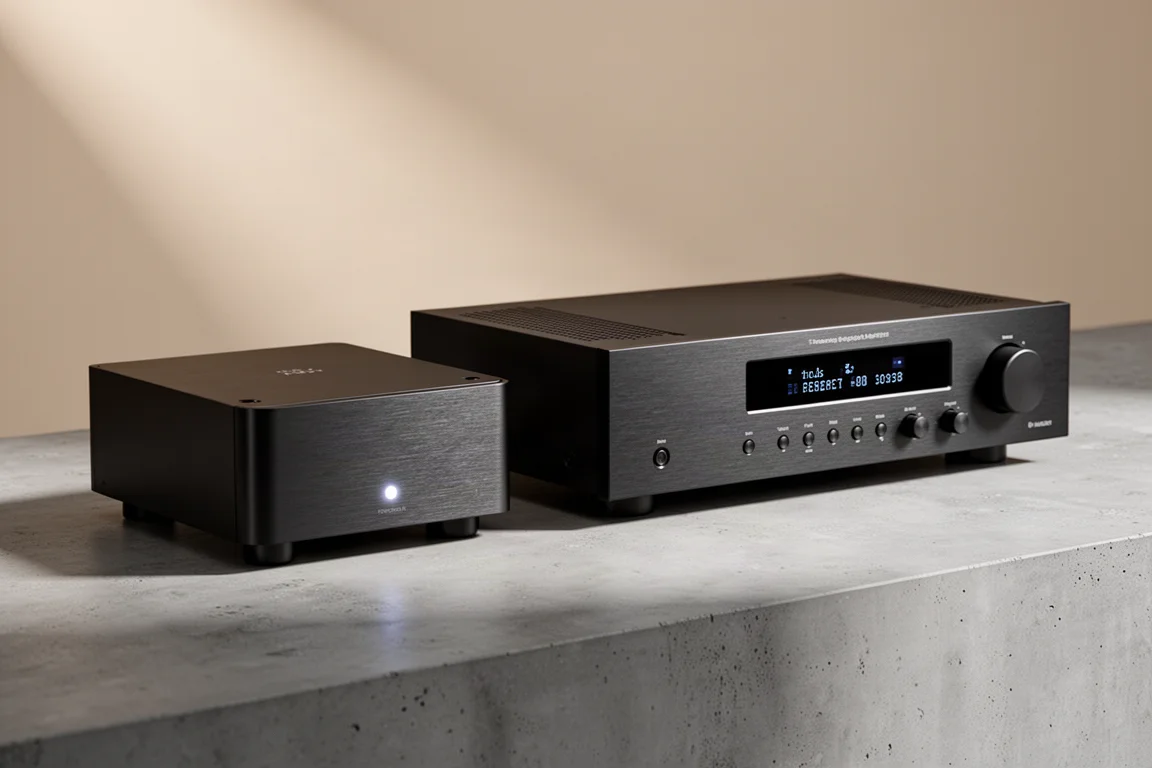
The Marantz Model M1 and the Marantz Stereo 70s sit closer together than their looks suggest. Both are streaming integrated amplifiers, so adding a pair of passive loudspeakers and a network connection turns either one into a complete system. Both run HEOS, both retail at around €1,000 in Europe, and both now support the same core streaming features.
A recent HEOS firmware update added DSD Hi-Fi support inside the HEOS app and Tidal Connect, and it applies to both models. Tidal Connect behaves much like Spotify Connect: playback starts in the Tidal app and the stream is handed off to the amplifier over the network. Between them, the two amplifiers cover HEOS, Spotify Connect, Apple AirPlay 2 and Tidal Connect. Roon Ready support is on the roadmap, although no official date has been announced.
What follows is a side by side look at how the two differ in design, features and sound, and which one is likely to suit a given listener.
Shared Streaming Platform and Connectivity
The feature overlap between these amplifiers is substantial. Both provide HDMI ARC, Toslink optical inputs and analog inputs, and both include a subwoofer output with internal bass management for integrating a subwoofer into a two channel system.
Bass management is one area where the two are not identical. The Model M1 offers independent high pass and low pass filters, which gives more control over where the main speakers and the subwoofer hand over. The Stereo 70s appears to apply only a low pass filter, with no high pass filter for the mains, so the main speakers continue to run full range.
There is a similar distinction on the analog side. The Model M1 digitizes its analog input, while the Stereo 70s is understood to keep analog signals in the analog domain.
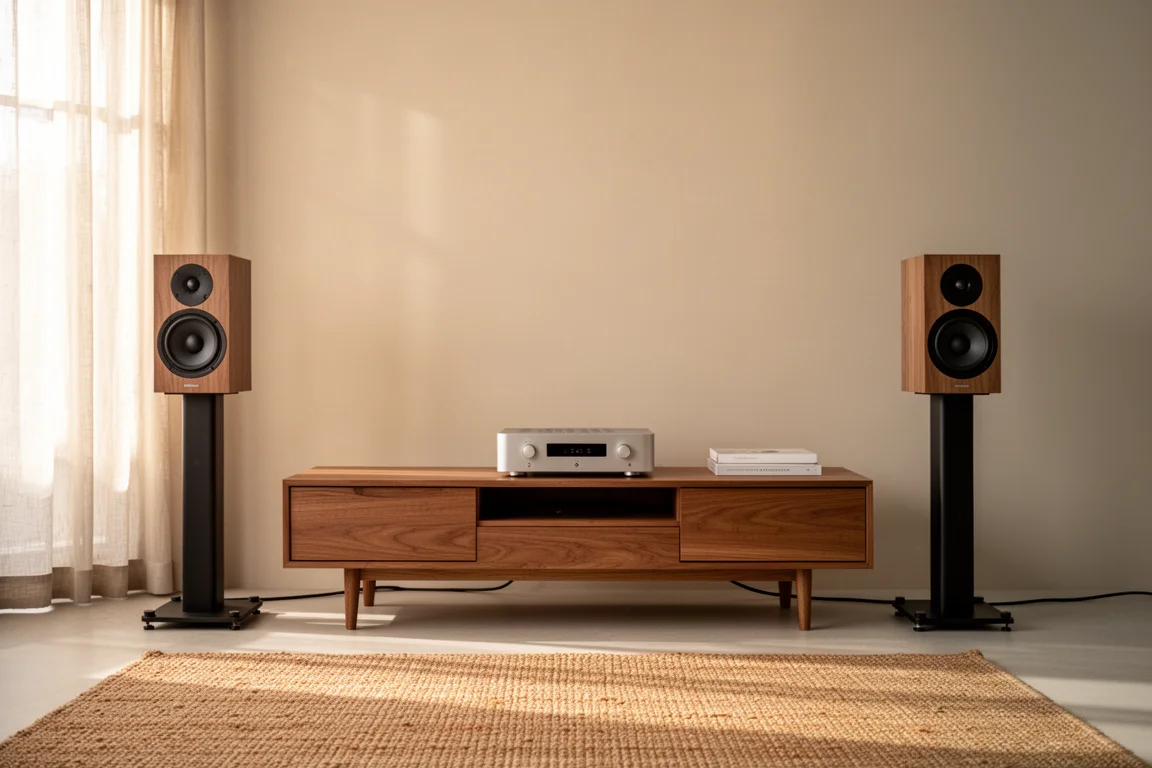
For most listeners these differences will matter less than the streaming platform itself, which is shared: the same HEOS app, the same Spotify Connect, AirPlay 2 and Tidal Connect support, and the same expected Roon Ready addition.
Marantz Model M1: Compact Direct Digital Design
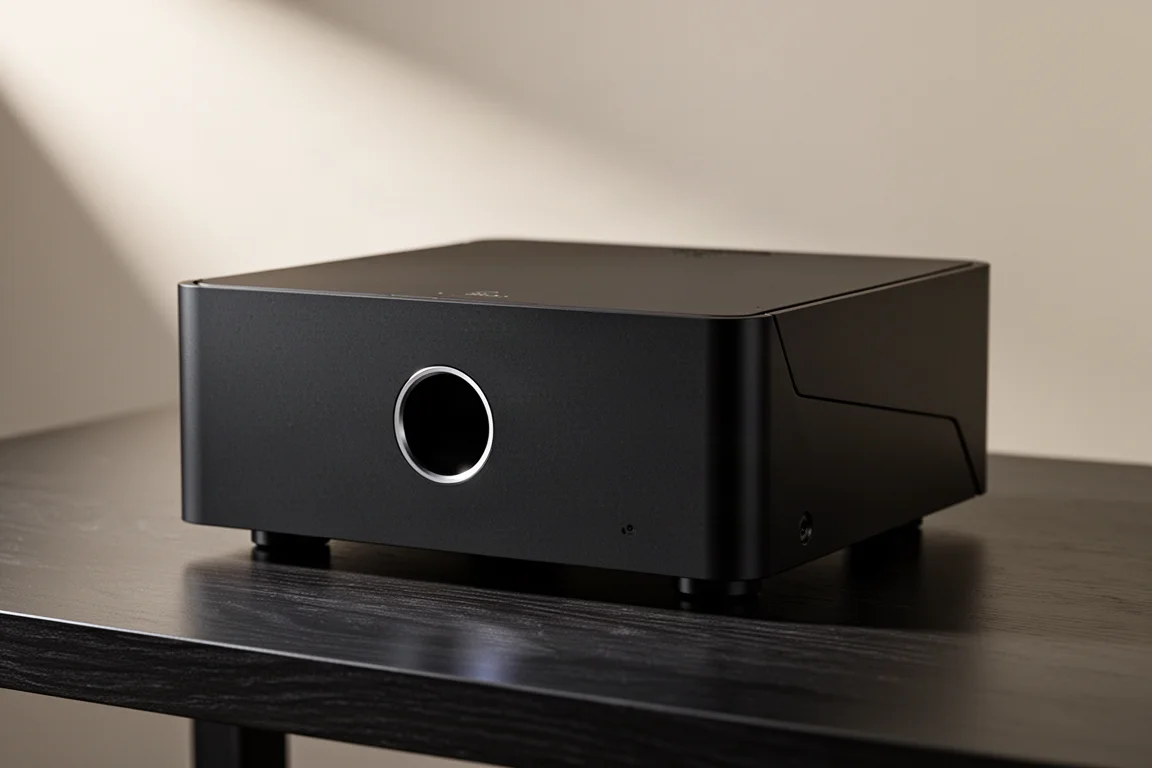
The Model M1 is a shoebox amplifier. Its front panel uses capacitive touch buttons and a small LED indicator that communicates operating state, and the chassis is compact enough to sit on a desk or a narrow shelf. It uses a direct digital switching amplifier circuit, a design that tends to be smaller and more energy efficient than a linear Class AB amplifier. It is also made in Japan.
That simplicity is deliberate. There is no headphone socket, no second speaker zone, no coaxial input and no phono stage. What it does offer is the streaming core, HDMI ARC, optical and analog inputs, a subwoofer output, and the more flexible bass management described above.
Marantz Stereo 70s: Full Width Class AB Design
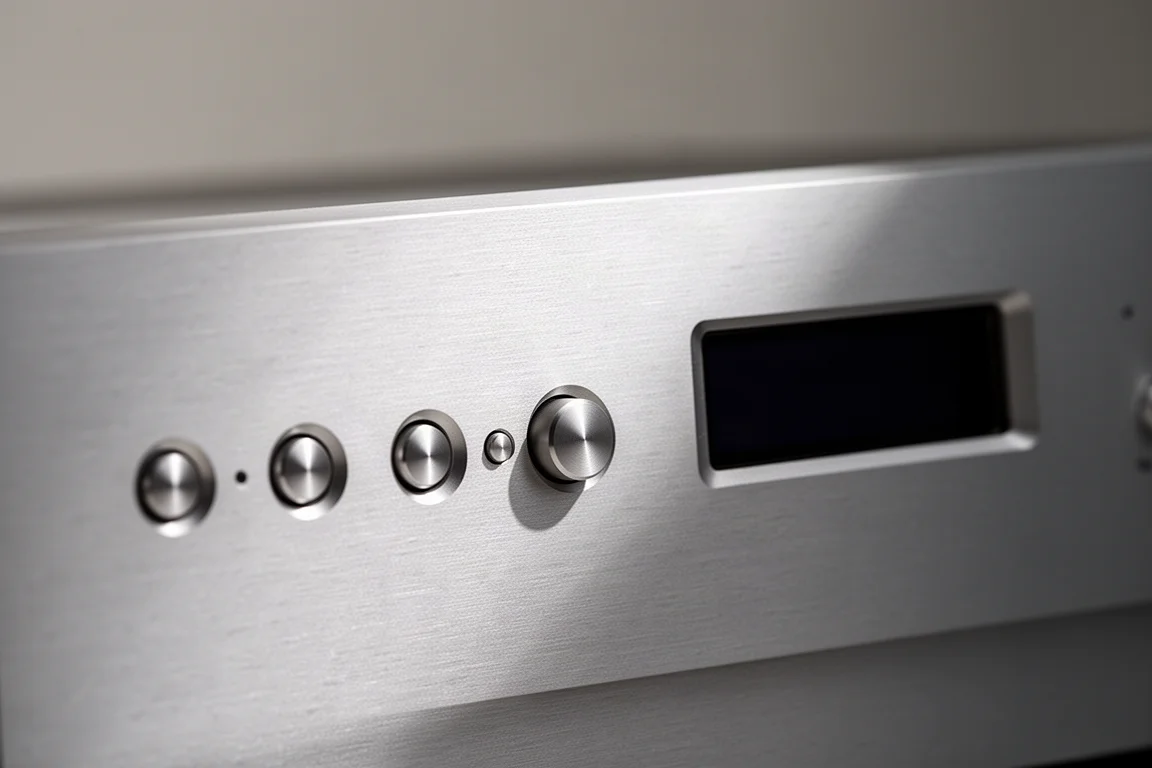
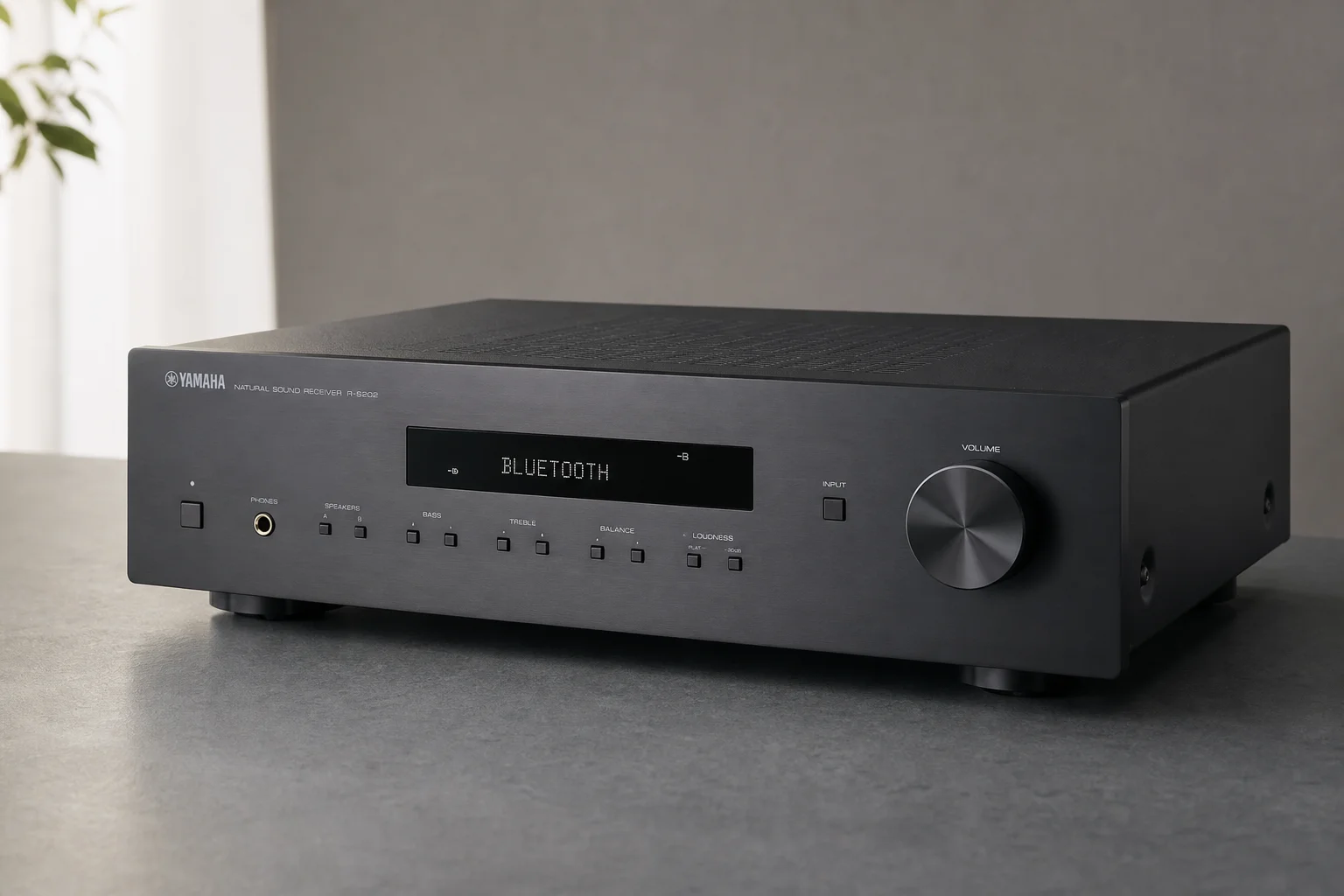
The Stereo 70s takes the opposite approach. It is a full width Hi-Fi component with physical control buttons on the front panel and a small front panel display, a layout that will feel familiar to anyone who has owned traditional separates. Internally it uses a Class AB design, and its power supply and transformer take up considerably more space than the switching circuit inside the Model M1. It is manufactured in Vietnam.
The extra chassis space buys real functionality: a headphone socket on the front panel, two sets of binding posts for running two speaker zones, multiple HDMI inputs, a coaxial input, and an MM phono stage for a turntable. None of those features appear on the Model M1.
Where the Stereo 70s pulls ahead most clearly is its ability to send now playing information to a connected TV. That works for HEOS streams, Spotify Connect, AirPlay, Roon over AirPlay and Tidal Connect, so track details appear on the television instead of on a small network streamer display across the room. For anyone with a TV sitting between the loudspeakers, that is a genuinely practical addition.
How the Two Amplifiers Sound
The audible gap between these amplifiers is not night and day, and neither one embarrasses the other. They differ in character rather than in overall quality.
The Stereo 70s does not match the Model M1’s top end extension, its very clean mid-range, its tightly controlled bass or its crisp separation between layers of a mix. The 70s sounds more congealed in comparison, lending instruments and voices more weight, substance and body. Its uppermost treble is smoother than the M1’s, and its lower bass is slightly looser. To many ears the Stereo 70s will sound the more natural of the two.
A useful way to picture the difference: the Stereo 70s is an Edison bulb and the Model M1 is an LED bulb. Both light the room, just differently. Generalizing, electronic music fans are likely to prefer the M1’s more skeletal, detail-forward sound, while indie rock listeners may gravitate to the 70s’s fleshier, less overtly detailed presentation.
Features That Set the Stereo 70s Apart
Set sound aside for a moment and the Stereo 70s still has the longer feature list. The front panel headphone socket is decent rather than spectacular, but it is there. Two sets of binding posts allow a second pair of speakers to be connected for a second zone. Multiple HDMI inputs suit a system built around a television, while the coaxial input and MM phono stage cover digital and vinyl sources without extra boxes.
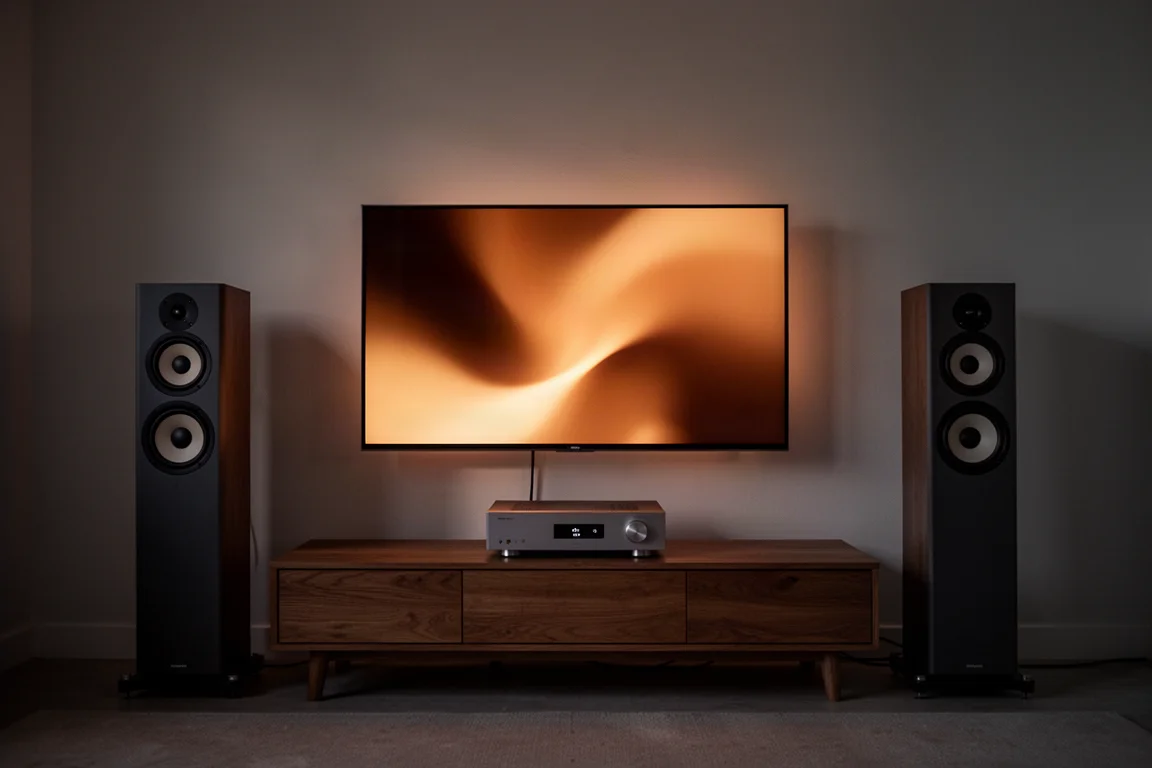
The now playing display on a connected TV is the feature most likely to change how the system feels day to day, since it removes the need to check a phone or a streamer display to see what is playing.
Loudspeaker Matching and Listener Profiles
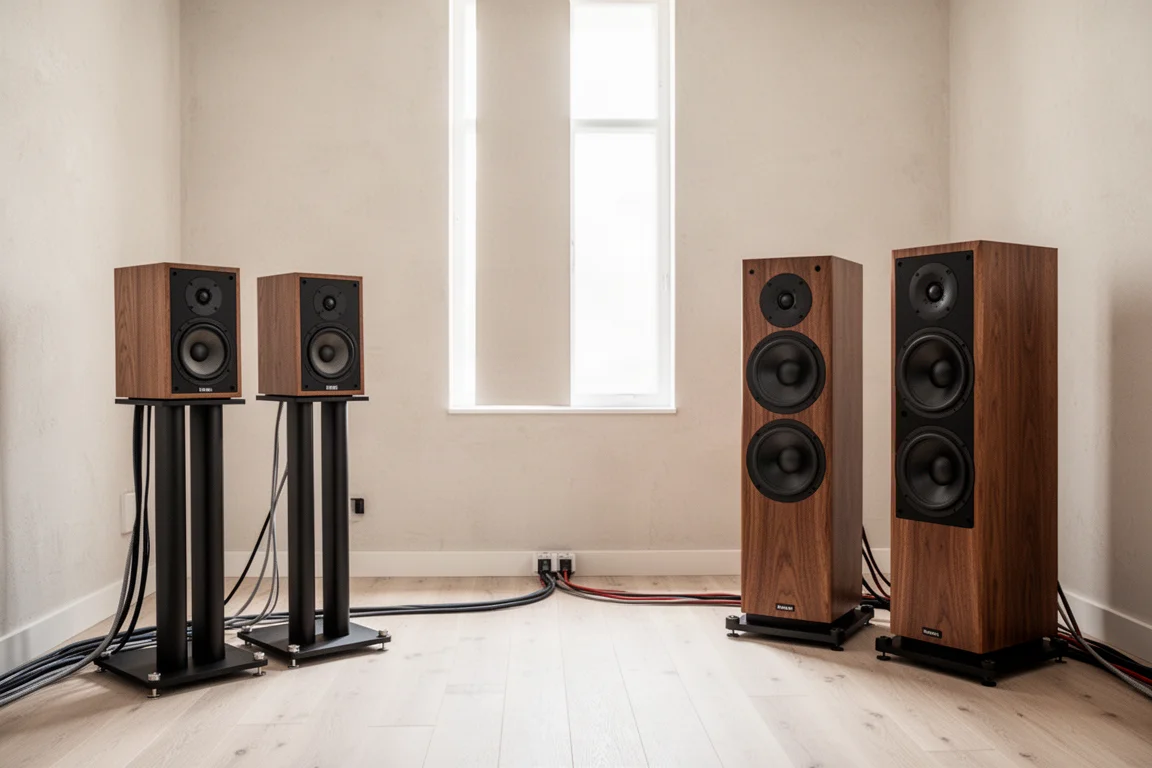
Because the two amplifiers have different tonal characters, they do not suit the same loudspeakers equally well. The Model M1’s cleaner, more detailed presentation pairs well with speakers that already carry richer tonality, such as the Musical Fidelity LS3/5a. The Stereo 70s, with its smoother treble and fuller body, is a good match for speakers with a livelier tweeter, such as the Q Acoustics 5050.
The practical takeaway is that the amplifier should be chosen together with the speakers rather than separately, since the two halves of the system shape each other.
Buying Advice
Start with the room and the rest of the system. If the amplifier will live on a desk, a shelf or a sideboard where space is tight, the Model M1’s compact chassis and efficient direct digital design are a strong argument, and its lower heat output and Japanese construction may also appeal. If it will sit in a traditional rack and you want physical buttons and a front panel display, the Stereo 70s fits that setting more naturally.
Then look at the sources. A turntable, a second pair of speakers, more than one HDMI device or a pair of headphones all point towards the Stereo 70s, because those connections are simply not present on the Model M1. A system built around streaming, HDMI ARC and a subwoofer will be well served by either amplifier.
Finally, check current pricing. Both list at around €1,000 in Europe, but the Stereo 70s can be found for under €800, which shifts the value calculation considerably in its favour.
Conclusion
These are two excellent streaming amplifiers that will attract different buyers. The Marantz Model M1 is the compact, efficient, detail-focused option, built in Japan and stripped back to the streaming essentials. The Marantz Stereo 70s is the traditional full width component, with phono, headphone, dual speaker zones, extra HDMI inputs and now playing information on a connected TV, wrapped in a smoother, weightier sound. Match the amplifier to your speakers and to the connections you actually need, and either one can anchor a very satisfying two channel system.
Further reading
Related Reviews
Hi-Fi Amplifiers
Accuphase E-280 Review: Entry-Level Accuphase With Flagship Attention to Detail
A close look at the Accuphase E-280 integrated amplifier, covering its champagne build, AAVA volume control, sound quality, and the speakers and sources that suit it best.
Hi-Fi Amplifiers
Advance Paris A10 Classic vs Yamaha A-S301: Two Integrated Amplifiers Compared
A practical comparison of a $350 integrated amplifier and a $2,500 reference model, covering the differences that matter and the ones that do not.
Hi-Fi Amplifiers
Affordable Chinese Amplifiers Worth Buying: Five Budget Hi-Fi Amps Compared
A practical look at five affordable amplifiers, what each one does well, and the trade-offs to weigh before you buy.