Hi-Fi Audio
Marantz Model 50 and CD 50n: A Matching Analog and Digital Hi-Fi Pair
The Marantz Model 50 integrated amplifier and CD 50n digital music player bring 30 Series thinking to a lower price point. Here is what each one does well and where the trade-offs sit.
Introduction
The Marantz Model 50 integrated amplifier and the Marantz CD 50n digital music player take the design language and engineering approach of the company’s 30 Series and move it to a more accessible price point. The Model 50 is a pure analog integrated amplifier. The CD 50n is a digital player that handles compact discs, network streaming, external digital sources, and television audio through HDMI ARC.
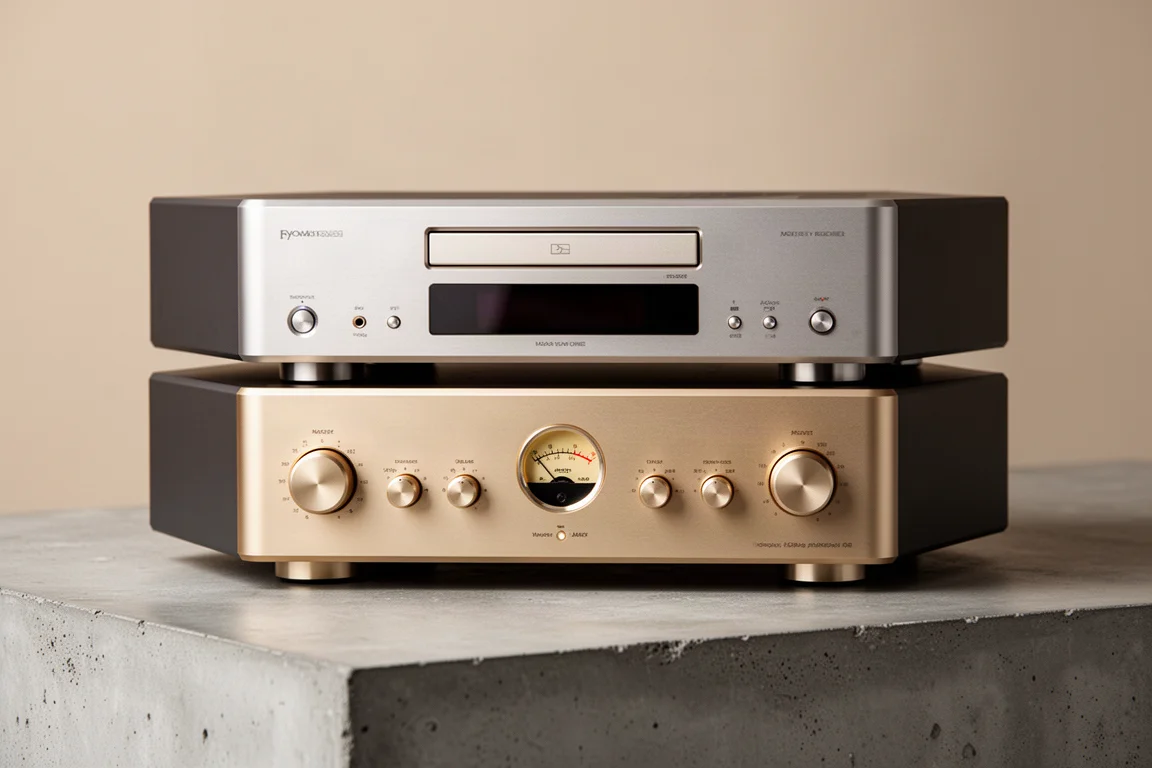
The two pieces share a family look and are designed to sit together as a stack, but each one also stands on its own. The Model 50 makes sense for a vinyl-focused analog system, while the CD 50n can serve as the digital centre of almost any setup.
Marantz introduced the Model 30 integrated amplifier, the SACD 30n player, and a network streaming unit in 2020, followed by the all-in-one Model 40n in 2022. The 50 Series carries that same concept forward, and both units include a five-year parts and labor warranty.
Shared Design and Build Quality
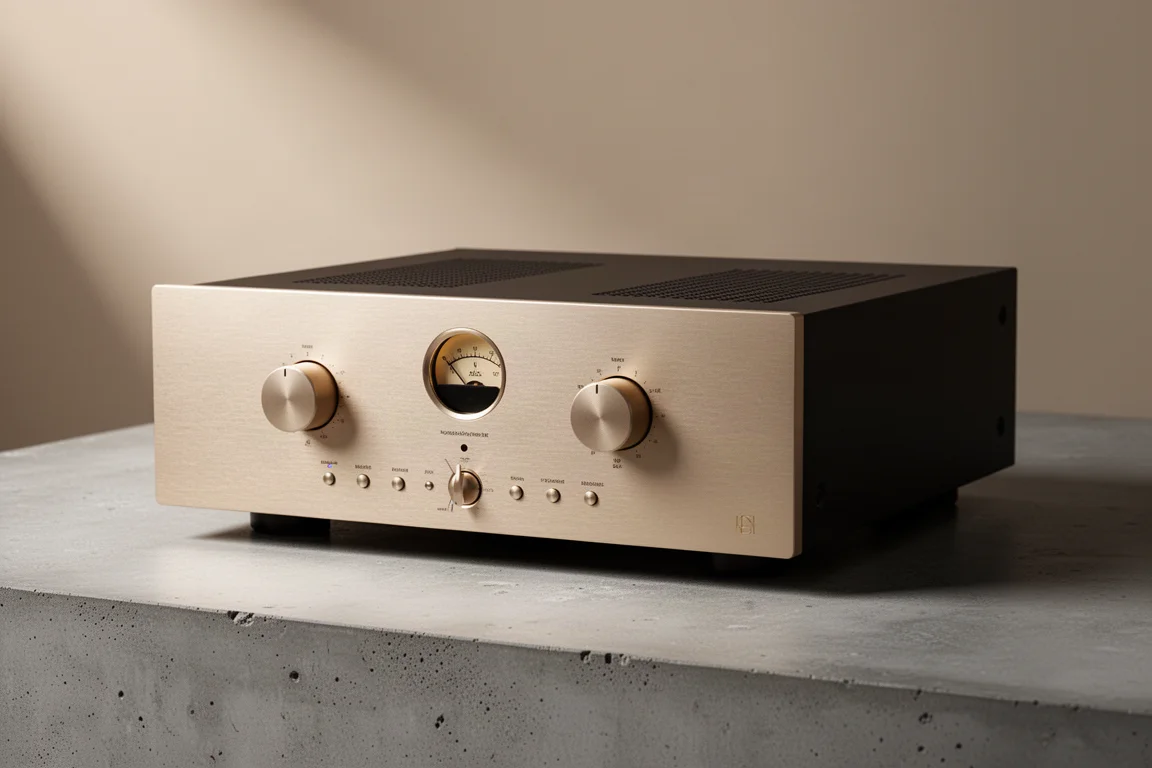
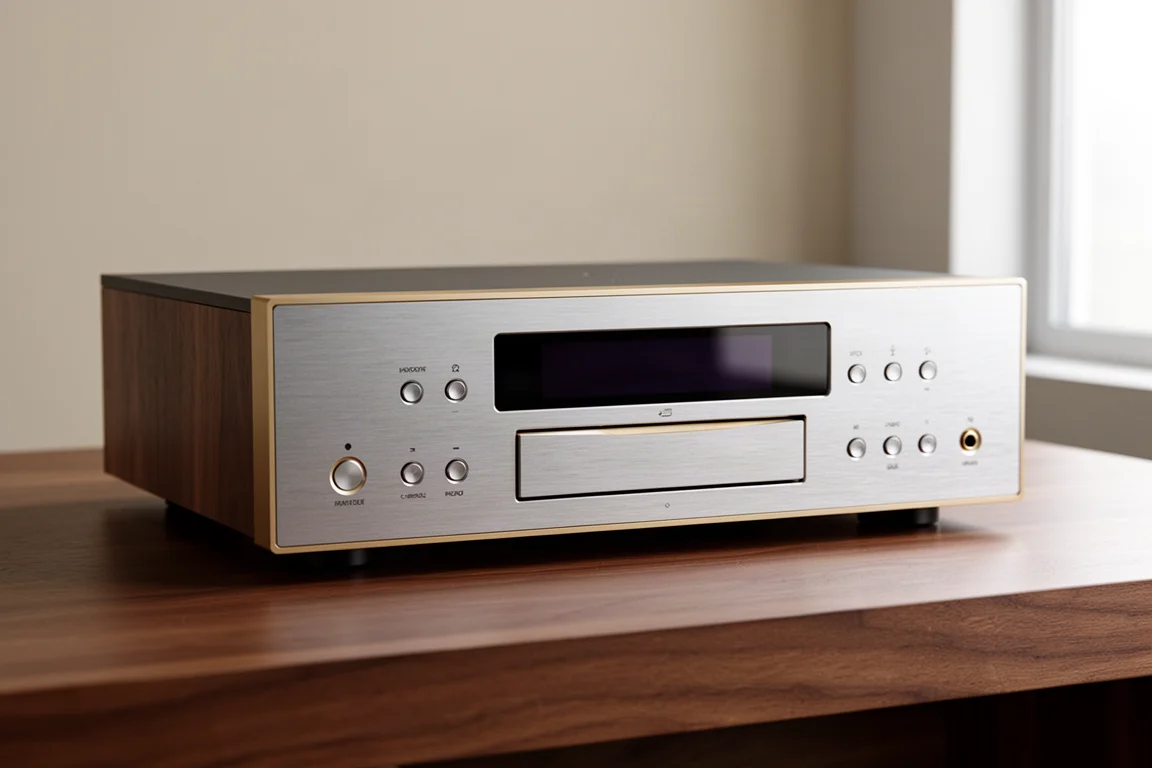
Both units echo the classic Marantz layout. The Model 50 places a small round meter at the centre of the front panel with a symmetrical arrangement of controls on either side. The CD 50n mirrors that approach with its display and disc drawer in the middle, flanked by controls. Stacked together, the pair reads as one considered system rather than two unrelated boxes.
Two finishes are available: black and silver-gold. The silver-gold option has a warm, understated look that suits the retro-modern styling particularly well.
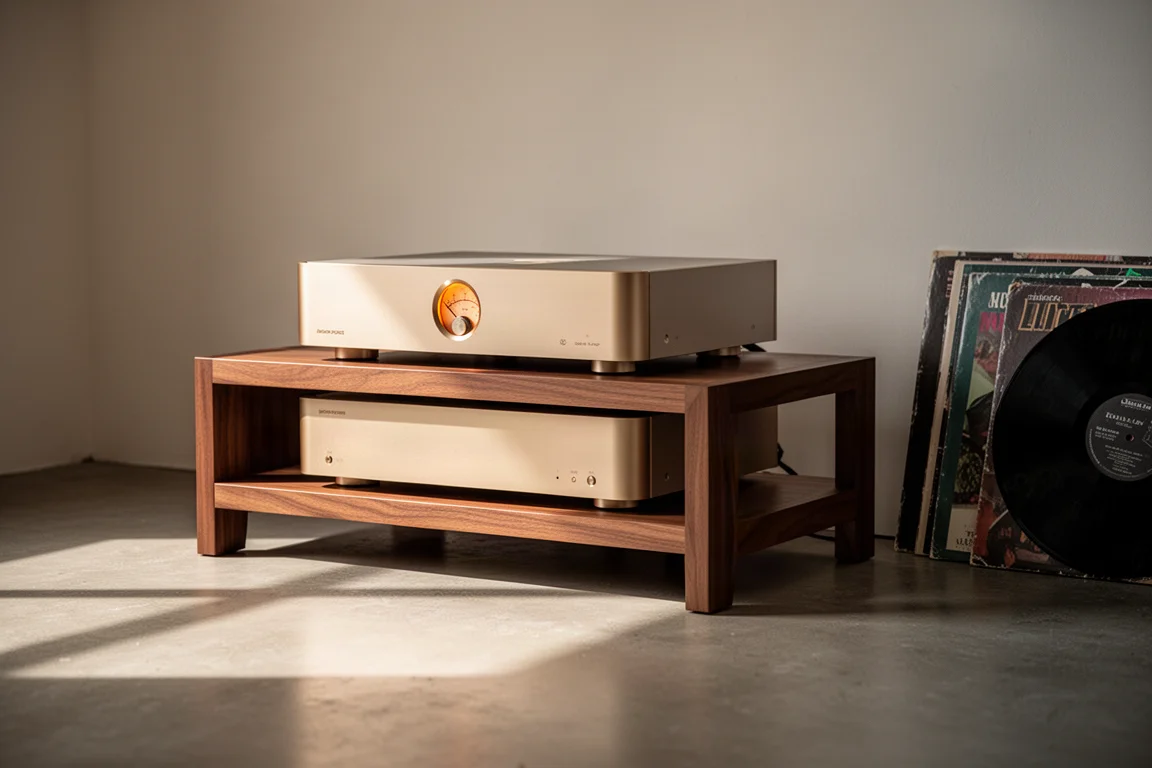
Isolation is taken seriously inside both chassis. The power supply and transformer sit on one side of the enclosure while the analog audio circuitry occupies the other, and large extruded heat sinks divide the two halves while adding shielding for the sensitive analog stages. The Model 50 uses a 4 mm thick, four-layer chassis with extra bracing around the power supply to reduce resonance, and the CD 50n chassis is similarly solid with good internal bracing.
Marantz Model 50 Integrated Amplifier
The Model 50 is rated at 70 watts per channel and offers six analog inputs, one of which is a moving magnet phono stage. The CD and phono inputs use heavy-duty chassis-mount RCA connectors, and the speaker terminals are substantial enough to accept heavy-gauge cable with ease.
Beyond the standard line inputs, there is a power amp in connection, which works as a home theater bypass so the front preamp outputs of an AV receiver can drive the main speakers through the Model 50. A subwoofer output and a set of preamp outputs round out the connections. Headphone listeners get a fully discrete headphone amplifier built around HDAM 2 circuitry.
Under the hood, several changes separate the Model 50 from the PM8006 that came before it in this price bracket. It uses parallel push-pull pairs of output devices rather than a single pair, which raises current capability. The power bus relies on solid copper bus bars that are 28 times thicker than the heavy copper foil used previously. The power supply is fully linear, with a toroidal transformer at the centre that weighs 8 lbs on its own.
The volume control also behaves differently. Instead of only attenuating the input signal ahead of a fixed-gain preamp stage, the Model 50 reduces preamp gain as the volume is lowered, so less attenuation is needed at quiet listening levels. The result is better resolution of small details at low volumes, and a measured signal-to-noise ratio that is 7 dB better than the PM8006.
The phono stage is not a generic board. It uses a DC servo and RIAA equalization, which removes the need for a coupling capacitor in the voltage gain stage. That matters with a signal as small as a phono-level input. The stage is well matched to moving magnet cartridges priced under $500.
Marantz CD 50n Digital Music Player
The CD 50n is built for listeners who still own CDs but also want modern streaming. A CD transport sits alongside a network player, and the DAC section uses an ESS 9038Q2M chip.
Digital inputs are generous: coaxial and optical inputs for external sources, a USB-A input for a USB drive, a USB-B input for connecting a computer, and an HDMI ARC input so television audio can be routed through the player.
Streaming runs through the HEOS app, which now performs well and supports the major services. AirPlay 2, Bluetooth, Alexa, Google, and Spotify Connect are all on board. Roon users can connect through AirPlay 2, and Qobuz listeners will need AirPlay 2 as well, since Qobuz is not native to HEOS.
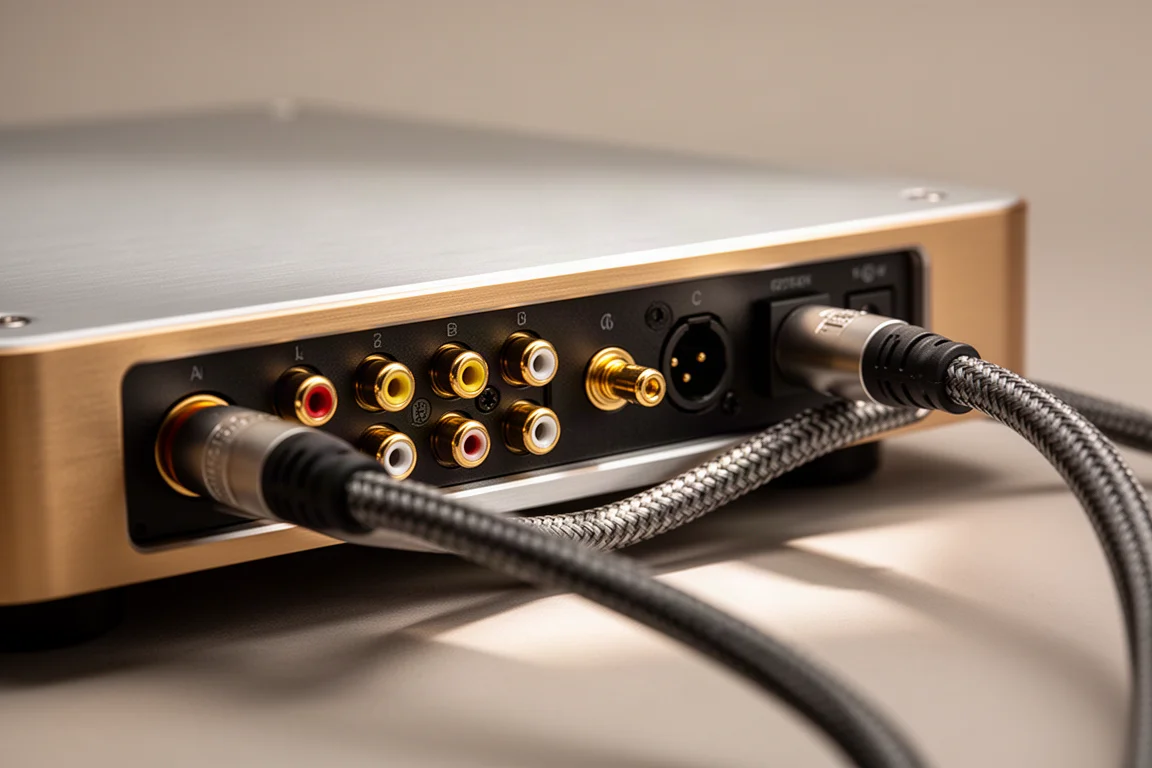
Output flexibility is a strong point. There are fixed analog outputs for use with an integrated amplifier, plus a set of variable outputs governed by a precision volume control, which lets the CD 50n act as a complete digital front end when paired directly with a power amplifier.
Inside, a double-shielded toroidal transformer feeds a layout that keeps power on the opposite side of the chassis from the audio board. The digital board is a new design built around the ESS Saber DAC, and HDAM technology appears in the analog stages and in the dedicated headphone amplifier. Marantz Musical Digital Filtering aims to give digital sources a more natural character.
The headphone amplifier has its own volume control and three selectable gain levels in the setup menu. The disc drawer is plastic, but it retracts into a heavy-duty laser reading mechanism.
How the Two Pieces Work Together
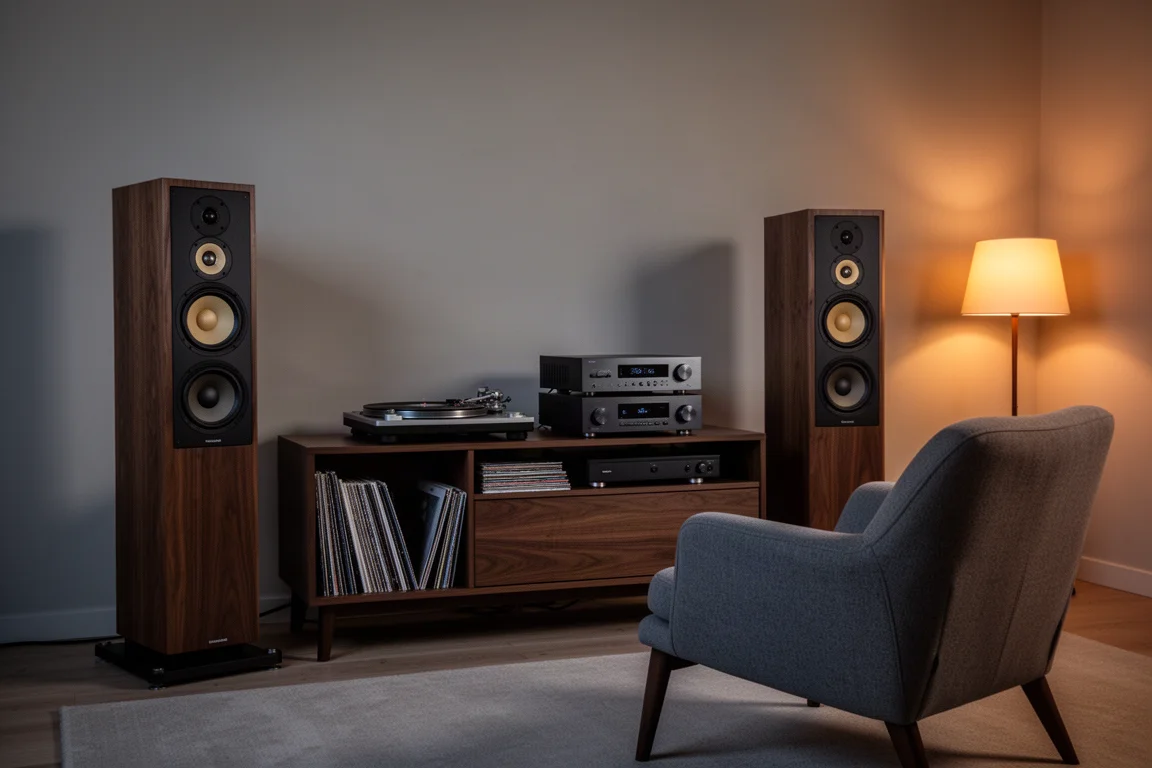
The most straightforward pairing uses the Model 50 as the analog hub and the CD 50n as the digital source. Connecting the CD 50n through its fixed analog outputs keeps digital sources isolated from the analog integrated amplifier, while the Model 50 handles input switching, volume, and speaker drive.
The alternative is to leave the integrated amplifier out entirely. With the variable outputs engaged, the CD 50n can drive a power amplifier directly, which makes it a complete digital front end for a system that does not need analog inputs at all.
Both approaches can also coexist in the same household. A vinyl listener can build around the Model 50 and add the CD 50n later for discs and streaming, while a digital-only listener can start with the CD 50n and a power amplifier and never touch a turntable.
Everyday Use and Practical Notes
Both units feel substantial in use, and the controls have a solid, positive action that matches the build quality.
Paired with tower speakers, the Model 50 drove them with ease and produced a natural, effortless sound. The CD 50n leans warm, with an easy-flowing presentation that most listeners will find enjoyable over long sessions, though some may find it warmer than neutral. Network setup through AirPlay took under a minute.
One practical detail is worth knowing. In variable output mode, the small volume buttons on a phone can jump a long way if they are held for more than a second, which is risky for speakers. Clicking them slowly or using the volume slider inside the app gives much finer control.
The headphone output on the CD 50n feels weighted at its default gain setting and can get loud quickly. Switching to the low gain option in the setup menu resolves this and makes the headphone stage far more usable.
What to Consider Before Buying
A few trade-offs are worth weighing before committing.
The CD 50n’s fixed analog outputs use high-quality chassis-mount RCA connectors, while the variable outputs are less expensive board-mounted parts. Since the variable outputs are the ones a power amplifier user would rely on, that choice is slightly puzzling, though it does not affect the fixed outputs used with an integrated amplifier.
The Model 40n is another option to consider. It costs about $600 more than the Model 50 and includes everything the CD 50n offers except a CD player, so it can replace both boxes with one. Its amplifier section is essentially the same as the Model 50’s. The Model 40n is made in Japan, while the Model 50 and CD 50n are made in Vietnam.
Finally, anyone who listens only to vinyl and analog sources does not need the CD 50n at all. The Model 50 already covers that ground completely.
Buying Advice
The Model 50 is a strong choice for an analog-focused system, particularly one built around vinyl. Six line inputs, a capable moving magnet phono stage, home theater bypass, and a discrete headphone amplifier give it the flexibility most two-channel setups need, and the amplifier technology inside is a clear step forward for this price bracket.
The CD 50n suits three kinds of buyers. The first owns a Model 50 or Model 30 and wants to add a digital control centre with CD playback included. The second owns an analog integrated amplifier or preamp of any brand and wants one unit that handles discs, streaming, and external digital sources. The third listens to digital sources only and would pair the CD 50n with a power amplifier for an all-digital system.
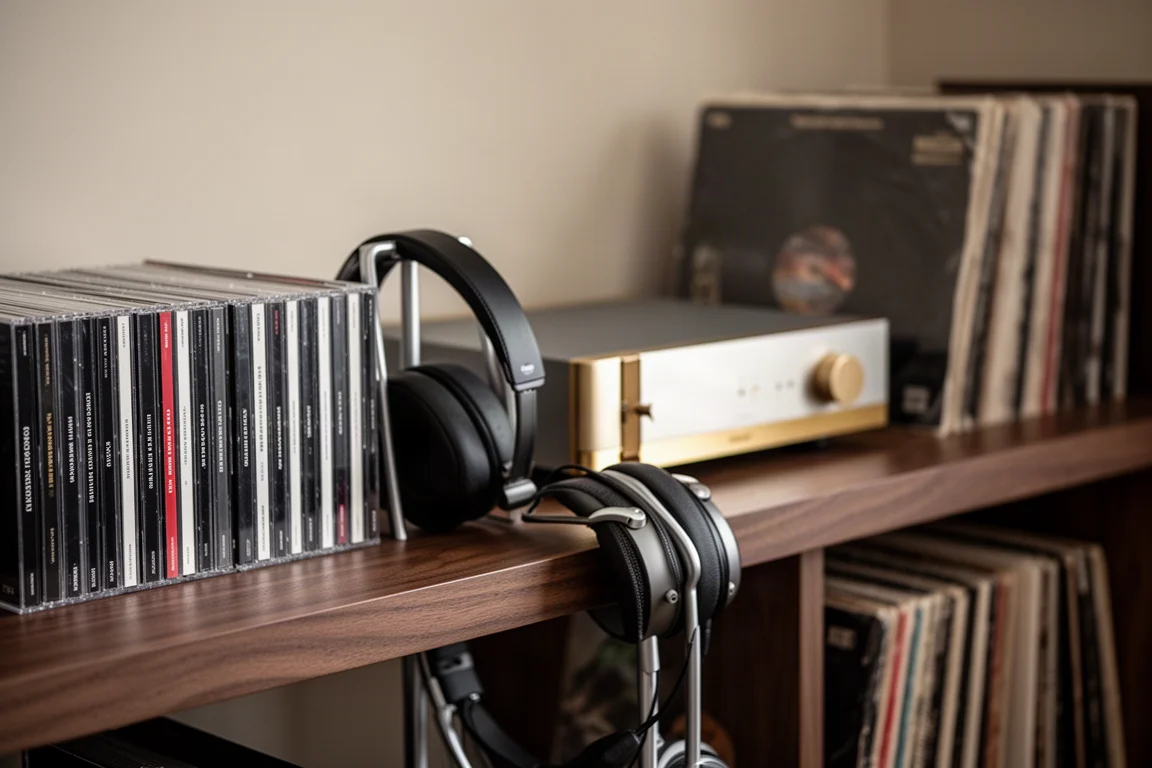
If analog and digital matter equally, buying the two units together covers vinyl, CDs, streaming, television audio, and headphones without compromise. If only one side of the system needs attention, each piece works perfectly well on its own.
Conclusion
The Marantz Model 50 and CD 50n bring a well-established design and engineering approach to a more attainable price point. The Model 50 is a capable analog integrated amplifier with a genuinely useful phono stage, and the CD 50n is a flexible digital player that handles discs, streaming, and a wide range of inputs. Bought together or separately, both are worth a close look for anyone who values a warm, natural presentation.
Further reading
Related Reviews
Hi-Fi Audio
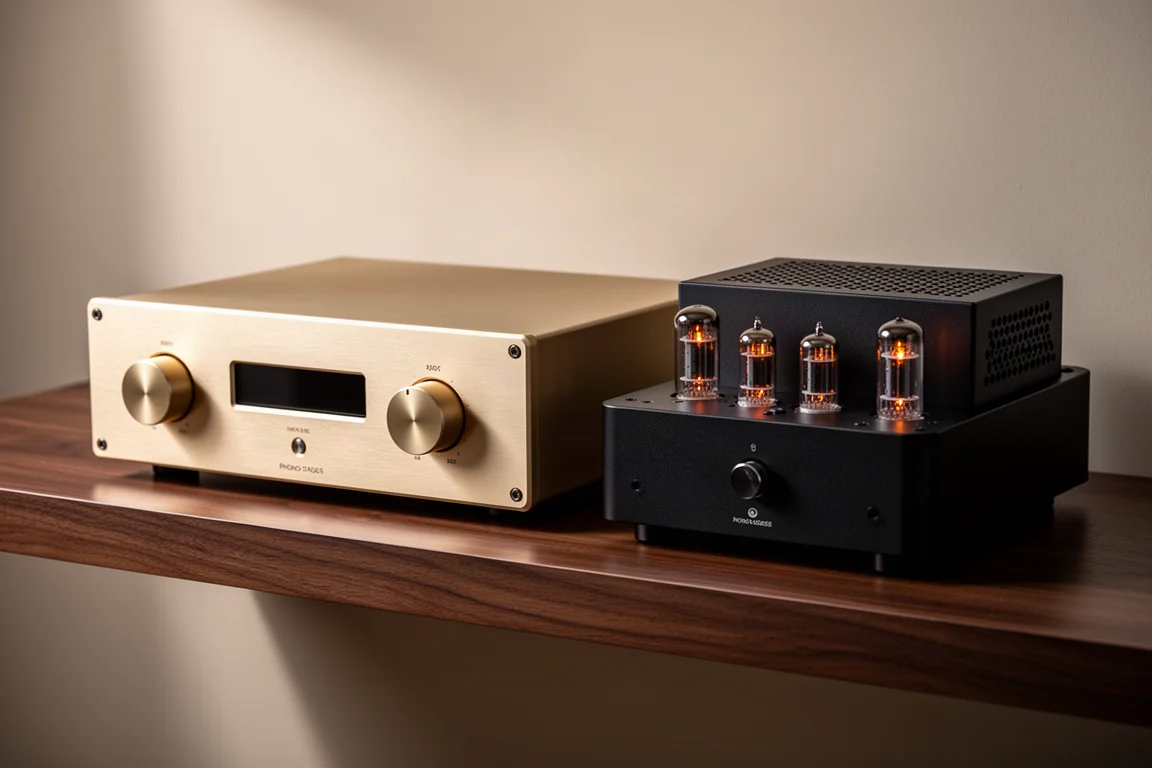
Accuphase C-57 vs Allnic H-7000V: Two High-End Phono Stages Compared
A fully balanced solid-state phono stage with a pitch-black noise floor meets a tube design built for well-loved records. Here is how to choose between them.
Hi-Fi Audio
Active vs Passive Hi-Fi: Five Components for a Modern System
Five components that define modern active and passive hi-fi systems, with the strengths, trade-offs and setup details worth weighing before you buy.
Hi-Fi Audio
Advance Paris A10 Apex Review: A Hybrid Integrated Amplifier That Covers a Lot of Ground
A French hybrid integrated amplifier with a class A tube preamp stage, analogue power meters, and an internal DAC and phono stage good enough to make extra boxes unnecessary.